Budapest Travel Guide – Best Places to Visit in Hungary
Budapest: The Pearl of the Danube – Your Ultimate Travel Guide
Welcome to Budapest, a city where rich history, breathtaking architecture, vibrant culture, and relaxing thermal waters seamlessly blend to create an unforgettable experience. Often referred to as the "Pearl of the Danube," Hungary's capital is a captivating destination divided by the majestic Danube River, separating the hilly, historic Buda from the flat, bustling Pest. From ancient Roman ruins and Ottoman-era thermal baths to grand Austro-Hungarian Empire boulevards and dynamic ruin bars, Budapest offers a diverse tapestry of experiences for every type of traveler. This comprehensive guide will equip you with all the essential information to plan your perfect trip to this magnificent Central European gem.
Best Time to Visit Budapest
Choosing the right time to visit Budapest can significantly impact your experience, depending on your preferences for weather, crowd levels, and activities. Each season offers a unique charm.
Spring (April – May)
Spring is arguably one of the best times to visit Budapest. The weather is pleasantly mild, with temperatures ranging from 15°C to 22°C (59°F to 72°F). The city's parks and gardens burst into bloom, creating picturesque scenery. Tourist crowds are manageable, and outdoor activities like walking tours, river cruises, and exploring the city's charming streets are highly enjoyable. Spring also sees various cultural festivals and outdoor events begin to unfold. It’s ideal for sightseeing without the intense heat or the winter chill.
Summer (June – August)
Summer in Budapest is vibrant and lively, drawing the largest crowds. Temperatures can soar, often reaching 25°C to 35°C (77°F to 95°F), making it perfect for enjoying the city's outdoor pools, thermal baths, and riverside terraces. The long daylight hours allow for extended exploration, and the city comes alive with festivals, open-air concerts, and bustling nightlife, especially in the famous ruin bars. However, be prepared for higher accommodation prices, longer queues at popular attractions, and the occasional summer downpour. Booking well in advance is highly recommended.
Autumn (September – October)
Similar to spring, autumn is another fantastic time to visit. The weather cools down to a comfortable 15°C to 20°C (59°F to 68°F), and the golden foliage transforms the city into a stunning palette of reds and oranges, particularly along the Danube and in the city parks. The summer crowds dissipate, offering a more relaxed atmosphere for exploring. Wine and gastronomic festivals are prevalent during this season, celebrating Hungary's rich culinary traditions. This period offers a perfect balance of pleasant weather, fewer tourists, and cultural events.
Winter (November – March)
Winter in Budapest is cold, with temperatures often dropping below freezing, especially in January and February. Snowfall is common, creating a magical, fairy-tale ambiance, particularly around the Christmas season. The highlight of winter is undoubtedly the Christmas markets, famous for their festive cheer, handcrafted goods, and delicious mulled wine and traditional Hungarian treats. The thermal baths are exceptionally inviting during these colder months, offering a warm refuge. While some outdoor activities might be less appealing due to the cold, the unique winter experiences and smaller crowds can make it a memorable trip for those who don't mind bundling up.
Top Attractions in Budapest
Budapest is brimming with iconic landmarks, historical sites, and unique cultural experiences. Here are some of the must-see attractions that should be on every traveler's itinerary.
The Hungarian Parliament Building
An architectural marvel and one of Europe's oldest legislative buildings, the Hungarian Parliament Building stands majestically on the banks of the Danube. Its Gothic Revival style, adorned with intricate details and a soaring dome, is truly awe-inspiring, especially when illuminated at night. Guided tours are available in several languages, offering a glimpse into its opulent interior, including the dazzling Grand Staircase and the Hungarian Crown Jewels. Booking tickets online in advance is essential due to high demand.
Buda Castle District & Fishermen's Bastion
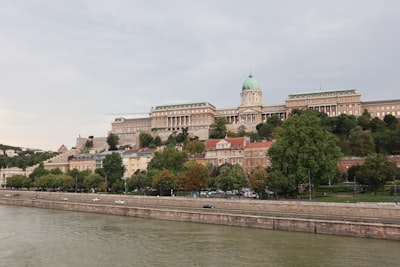
Perched atop Castle Hill, the historic Buda Castle District is a UNESCO World Heritage site offering panoramic views of the city. Explore the labyrinthine streets, discover charming houses, and visit Matthias Church with its distinctive colored roof tiles and intricate Gothic architecture. Adjacent to the church is the Fishermen's Bastion, a neo-Romanesque terrace that looks like something out of a fairy tale. Its turrets and arcades provide the most iconic viewpoints of Pest, the Parliament, and the Danube. The Buda Castle itself houses the Hungarian National Gallery and the Budapest History Museum.
Széchenyi Thermal Bath
No visit to Budapest is complete without indulging in its world-famous thermal baths. Széchenyi Thermal Bath, one of Europe's largest, is a neo-baroque complex offering 18 pools, including three large outdoor pools. The sight of steam rising from the warm waters on a cold day, with locals playing chess in the pools, is an iconic Budapest image. Gellért Thermal Bath, located in a stunning Art Nouveau hotel, offers another luxurious thermal experience.
Andrássy Avenue and Hungarian State Opera House
Andrássy Avenue is Budapest's grandest boulevard, a UNESCO World Heritage site lined with magnificent neo-Renaissance mansions, upscale boutiques, and theatres. It leads directly to Heroes' Square and City Park. Along this elegant avenue, you'll find the breathtaking Hungarian State Opera House, a masterpiece of Neo-Renaissance architecture. Consider taking a guided tour of the opera house or catching a performance to experience its opulent interiors and world-class acoustics.
Heroes' Square and City Park
At the end of Andrássy Avenue lies Heroes' Square, one of the most significant public squares in Budapest. It features the iconic Millennium Monument, commemorating the seven chieftains of the Magyars who founded Hungary. Flanked by the Museum of Fine Arts and the Palace of Art (Műcsarnok), it’s a grand testament to Hungarian history. Beyond the square, City Park (Városliget) offers a green oasis with attractions like the Vajdahunyad Castle, Széchenyi Thermal Bath, Budapest Zoo, and the charming lakeside boating/skating rink.
Dohány Street Synagogue
The largest synagogue in Europe and the second largest in the world, the Dohány Street Synagogue is a stunning example of Moorish Revival architecture. It stands as a powerful symbol of Budapest's rich Jewish heritage. The complex includes a museum, the Heroes' Temple, the Jewish Cemetery, and the Holocaust Memorial (Weeping Willow). A visit here offers deep historical and cultural insights.
Ruin Bars of the Jewish Quarter
For a taste of Budapest's unique nightlife, head to the Jewish Quarter (District VII) and explore its famous ruin bars. These eclectic establishments are housed in abandoned buildings, courtyards, and former factories, creatively repurposed with quirky furnishings, street art, and vibrant atmospheres. Szimpla Kert is the original and most famous, offering multiple rooms, open-air spaces, and a lively vibe. They are not just for nightlife; many open during the day for coffee, food, and markets.
How to Reach Budapest
Reaching Budapest is straightforward, with excellent connections by air, rail, and road.
By Air
Budapest Ferenc Liszt International Airport (BUD) is the primary international gateway to Hungary, located about 16 km (10 miles) southeast of the city center. It serves numerous airlines, including major carriers and low-cost airlines like Wizz Air and Ryanair, connecting Budapest to cities across Europe and beyond.
- Getting from the Airport to the City Center:
- 100E Bus: This direct express bus service connects the airport to Deák Ferenc Square in the city center, making only a few stops. It operates frequently and is the most convenient public transport option. A special ticket must be purchased for this service.
- 200E Bus + Metro: A more budget-friendly option involves taking bus 200E from the airport to Kőbánya-Kispest metro station (M3 blue line), and then taking the metro into the city center. Standard public transport tickets/passes are valid for this route.
- Taxi: Official airport taxis (Főtaxi) are available right outside the terminal. Ensure you use the official taxi stands and confirm the approximate fare before starting your journey. Ride-sharing apps like Bolt also operate in Budapest.
By Train
Budapest is a major railway hub in Central Europe, with excellent train connections to neighboring countries. There are three main international railway stations:
- Keleti Pályaudvar (East Railway Station): The largest and most ornate, serving routes to Vienna, Prague, Berlin, and other major European cities.
- Nyugati Pályaudvar (West Railway Station): Known for its Eiffel-designed roof, serving domestic and some international routes.
- Déli Pályaudvar (South Railway Station): Primarily serves domestic routes, but also some connections to Croatia.
Hungarian State Railways (MÁV-START) operates these services.
By Bus
International bus services provide a cost-effective way to reach Budapest from various European cities. The main international bus terminal is Népliget bus station. Companies like FlixBus and RegioJet operate frequent services.
By Car
Driving to Budapest is an option for those traveling from nearby countries. Hungary has a well-maintained motorway network. A motorway vignette (e-matrica) is required for all toll roads, which can be purchased online or at gas stations. Be aware of parking regulations and costs within the city.
Local Food Guide: A Taste of Hungary
Hungarian cuisine is hearty, flavorful, and deeply rooted in its history, with influences from Turkish, Austrian, and Slavic traditions. Prepare for a gastronomic adventure!
Must-Try Hungarian Dishes:
- Gulyás (Goulash): More than just a soup, traditional Hungarian goulash is a rich, flavorful beef stew made with generous amounts of paprika, potatoes, and carrots. It's a national dish and a true comfort food.
- Lángos: A popular street food, Lángos is a deep-fried flatbread typically topped with sour cream, grated cheese, and garlic oil. It's crispy on the outside, soft on the inside, and utterly delicious.
- Paprikás Csirke (Chicken Paprikash): Tender chicken pieces simmered in a creamy, paprika-rich sauce, often served with nokedli (small dumplings). A quintessential Hungarian comfort dish.
- Halászlé (Fisherman's Soup): A vibrant, spicy fish soup made with a variety of freshwater fish (often carp) and, of course, plenty of paprika. Varies by region, with distinct flavors.
- Töltött Káposzta (Stuffed Cabbage): Cabbage leaves stuffed with minced meat and rice, slow-cooked in a tomato-paprika sauce, often served with sour cream.
- Kürtőskalács (Chimney Cake): A sweet, spiral-shaped pastry baked over an open flame, coated in sugar, and often rolled in cinnamon, walnuts, or cocoa. Perfect for a sweet treat while exploring.
- Rétes (Strudel): Hungarian strudel, often filled with cottage cheese (túró), apples, sour cherry, or poppy seeds, is a delicious flaky pastry.
Hungarian Drinks:
- Tokaji Wine: From the Tokaj region, this sweet dessert wine is world-renowned and often referred to as "the wine of kings, the king of wines."
- Pálinka: A traditional fruit brandy, typically made from plums, pears, cherries, or apricots. It’s strong and best enjoyed as a digestif.
- Unicum: A dark, herbal liqueur made from a secret blend of over 40 herbs. It has a bitter, complex taste and is considered Hungary's national drink.
Where to Eat:
- Great Market Hall (Nagy Vásárcsarnok): A fantastic place to sample local delicacies, buy fresh produce, spices, and souvenirs. The upstairs food stalls offer a variety of hot Hungarian dishes at reasonable prices.
- Traditional Restaurants (Étterem): Look for establishments that serve authentic Hungarian cuisine. Many offer daily lunch menus (napi menü) which are great value.
- Street Food Vendors: Besides Lángos, you can find various other street foods, especially at markets and during festivals.
- Ruin Bars: Many ruin bars in the Jewish Quarter also serve food, ranging from casual pub fare to more elaborate dishes, often with a modern twist.
- Cafes and Confectioneries (Cukrászda): Enjoy coffee and delicious pastries like Dobos Torte or Eszterházy Torte. Gerbeaud Café is a historic institution.
Public Transport in Budapest
Budapest boasts an excellent, extensive, and efficient public transport network operated by BKK (Budapest Közlekedési Központ). It's easy to navigate and covers the entire city.
Types of Transport:
- Metro: The fastest way to get around. Budapest has four metro lines: M1 (Yellow Line, Europe's first underground metro), M2 (Red), M3 (Blue), and M4 (Green).
- Trams: Trams are iconic and offer scenic routes, especially Tram 2 which runs along the Pest embankment, providing stunning views of the Danube, Buda Castle, and the Parliament.
- Buses and Trolleybuses: An extensive network of buses and trolleybuses covers areas not reached by the metro or trams, including routes up to Buda Castle and Gellért Hill.
- HÉV (Suburban Railway): Connects the city center with suburban areas, useful for trips to places like Szentendre.
Tickets and Passes:
- Single Tickets (vonaljegy): Valid for one uninterrupted journey on a single line. Must be validated upon entry (or when boarding a bus/tram).
- Block of 10 Tickets (gyűjtőjegy): A slightly cheaper option if you anticipate several single journeys.
- Travel Cards: Highly recommended for tourists.
- 24-hour travel card (24 órás jegy)
- 72-hour travel card (72 órás jegy)
- Budapest 7-day travel card (Budapest heti jegy)
These allow unlimited travel on all BKK services within their validity period.
- Budapest Card: Available for 24, 48, 72, 96, or 120 hours. It includes unlimited public transport, free entry to some museums, discounted attraction tickets, and other benefits. Evaluate if the included attractions align with your interests to determine if it's cost-effective for you.
Where to Buy Tickets:
Tickets and passes can be purchased at metro stations (from ticket machines or customer service centers), larger tram stops, newspaper kiosks (Relay, R-Kiosk), and BKK customer service centers.
Important: Always validate your ticket when boarding or entering a metro station. Plain-clothed ticket inspectors are common, and fines for invalid tickets are substantial.
Travel Budget Tips
Budapest is generally more affordable than Western European capitals, but savvy planning can stretch your budget further without compromising on experience.
Accommodation:
- Hostels: Budapest has a fantastic selection of stylish and well-located hostels, offering dormitory beds and private rooms at very reasonable prices. Look in districts like District VII (Jewish Quarter) for a lively atmosphere, or District VIII (Palace District) for a more authentic local feel.
- Airbnb/Apartments: Renting an apartment can be cost-effective, especially for groups or longer stays, and often includes kitchen facilities for self-catering.
- Hotels: Mid-range hotels outside the immediate city center or major tourist hubs can offer great value.
Food and Drink:
- Lunch Menus (Napi Menü): Many restaurants offer fixed-price lunch menus during weekdays, providing a main course and sometimes a soup or dessert, at a significantly lower cost than dinner.
- Great Market Hall: A superb spot for affordable and authentic Hungarian street food and groceries.
- Supermarkets: Shop at local supermarkets (Lidl, Aldi, Tesco, Spar) for snacks, drinks, and ingredients if you have kitchen access.
- Street Food: Lángos, chimney cake, and various snacks from street vendors are delicious and budget-friendly.
- Ruin Bars: While popular, some ruin bars can be pricier for drinks. Seek out local pubs (kocsma) for cheaper beer and wine.
Attractions and Activities:
- Free Walking Tours: A great way to get acquainted with the city's history and major sights. Remember to tip your guide.
- Free Views: Enjoy spectacular views from Gellért Hill, Fishermen's Bastion, or simply by walking across the Chain Bridge – all free!
- Museum Free Days: Some museums offer free entry on specific days (e.g., the third Saturday of each month for Hungarian citizens, sometimes applicable to EU citizens). Check individual museum websites.
- Budapest Card: As mentioned, evaluate if the discounts and free entries outweigh the cost for your planned activities.
- Thermal Baths: While a must-do, entry fees can add up. Consider visiting during off-peak hours for slightly lower prices at some baths, or choosing a less famous bath.
Transport:
- Walk: Many of Budapest's attractions are within walking distance, especially on the Pest side.
- Travel Cards: Opt for 24/72-hour or weekly travel cards for unlimited use of public transport, which is more economical than buying single tickets for each journey.
Currency Exchange:
- The local currency is the Hungarian Forint (HUF).
- Avoid exchanging money at the airport or train stations, as rates are usually poor. Look for reputable exchange offices (change bureaus) in the city center.
- ATMs are widely available, but be aware of potential foreign transaction fees from your bank and dynamic currency conversion (DCC) options (always choose to be charged in HUF).
- Credit cards are widely accepted in most shops, restaurants, and hotels.
Hotels and Accommodation in Budapest
Budapest offers a vast range of accommodation options to suit every budget and preference, from luxurious five-star hotels to cozy boutique guesthouses and lively hostels. Choosing the right neighborhood can enhance your stay.
Popular Districts for Accommodation:
- District V (Belváros – Inner City): This is the heart of Pest, ideal for first-time visitors who want to be close to major attractions like the Parliament, Chain Bridge, and St. Stephen's Basilica. It offers a mix of luxury hotels, elegant apartments, and excellent dining. It can be pricier but offers unmatched convenience.
- District VII (Erzsébetváros – Jewish Quarter): Known for its vibrant nightlife, ruin bars, and historical synagogues. This district is perfect for younger travelers and those looking for a lively atmosphere, unique boutique hotels, and numerous hostels. It's also a hub for trendy cafes and street art.
- District VI (Terézváros): Home to Andrássy Avenue, the Opera House, and many theaters. This elegant district offers a balance of cultural attractions, upscale shopping, and a slightly quieter ambiance than District VII, with a good selection of mid-range and luxury hotels.
- District I (Várkerület – Castle District, Buda Side): For a more tranquil and historic experience, stay in the Buda Castle District. While quieter in the evenings, it offers stunning views, charming cobbled streets, and a unique atmosphere. Accommodation here tends to be more exclusive, featuring boutique hotels and guesthouses.
- District IX (Ferencváros): A rapidly developing area south of the city center, offering a mix of modern apartments, design hotels, and cultural venues like the National Theatre and Palace of Arts. It provides good value and is well-connected by public transport.
Types of Accommodation:
- Luxury Hotels: Budapest boasts several world-class hotels, often housed in historic buildings, offering opulent surroundings and impeccable service. Examples include the Four Seasons Hotel Gresham Palace Budapest (stunning Art Nouveau landmark by the Chain Bridge) and The Ritz-Carlton, Budapest.
- Boutique Hotels: Many stylish and unique boutique hotels can be found throughout the city, particularly in Districts VI and VII, offering personalized experiences and distinctive designs.
- Mid-Range Hotels: A wide selection of international chains and independent hotels offer comfortable stays with modern amenities at competitive prices.
- Hostels: Budapest is renowned for its excellent hostels, many of which are centrally located, clean, and offer a friendly atmosphere for solo travelers or budget-conscious groups. Some even offer private rooms.
- Apartments/Airbnb: A popular choice for those seeking more space, privacy, or self-catering facilities. You can find everything from cozy studios to spacious family apartments.
Safety Tips for Travelers
Budapest is generally a safe city for tourists, but like any major European capital, it's wise to be aware of common scams and take basic precautions.
- Pickpocketing: The most common crime targeting tourists. Be vigilant in crowded areas such as public transport (especially metro Line 3, trams 4/6), tourist attractions (Great Market Hall, Parliament vicinity), and busy nightlife spots. Keep your valuables secure and out of sight.
- Taxi Scams: Only use official taxis (Főtaxi is the main reputable company, recognizable by their yellow cars). Avoid unmarked taxis or drivers who approach you directly. Always ensure the meter is running, or agree on a price before starting the journey. Ride-sharing apps like Bolt are also reliable alternatives.
- Overcharging at Bars/Restaurants: Some establishments, particularly those trying to attract tourists near Váci Street or in seedier nightlife areas, might overcharge or present inflated bills. Always check the menu prices carefully and review your bill before paying. Be cautious of "hostess bars" where drink prices can skyrocket.
- ATMs and Money Exchange: Use ATMs in well-lit, public areas, preferably inside bank branches. Be wary of using small, independent exchange offices that advertise unusually good rates, as hidden fees might apply.
- Nightlife Safety: When enjoying Budapest's vibrant nightlife, stick with friends, drink responsibly, and always keep an eye on your drink. If walking alone at night, stick to well-lit and populated streets.
- Documentation: Keep photocopies or digital images of your passport and important documents separate from the originals. Carry only essential documents and a limited amount of cash when out exploring.
- COVID-19 and Health: Stay updated on any current health guidelines or entry requirements for Hungary. Carry hand sanitizer and practice good hygiene.
FAQ Section
Q: What currency is used in Budapest?
A: The official currency of Hungary is the Hungarian Forint (HUF). While some tourist-oriented businesses might accept Euros, it's always best to pay in HUF for better exchange rates.
Q: Is English widely spoken in Budapest?
A: Yes, in tourist areas, hotels, restaurants, and major attractions, you'll find that most staff speak English. Outside of these areas, particularly in local shops or smaller eateries, English proficiency may be limited, but people are generally friendly and helpful.
Q: How many days do I need to visit Budapest?
A: A minimum of 3 to 4 full days is recommended to comfortably see the main attractions and soak in the city's atmosphere. If you wish to take day trips or explore at a more leisurely pace, 5 to 7 days would be ideal.
Q: Can I drink tap water in Budapest?
A: Yes, tap water in Budapest is generally safe to drink and of good quality. Bringing a reusable water bottle is a great way to stay hydrated and reduce plastic waste.
Q: Is Budapest a walkable city?
A: The Pest side of Budapest is relatively flat and very walkable, with many attractions concentrated within walking distance of each other. The Buda side, with its hilly terrain, often requires more effort or the use of public transport (buses, funicular) to reach the Castle District. Public transport is excellent and makes navigating the entire city very easy.
Q: What is the best way to get around Budapest?
A: Budapest has an excellent and efficient public transport system (BKK) consisting of metros, trams, buses, and trolleybuses. Purchasing a 24-hour, 72-hour, or weekly travel card is the most cost-effective and convenient way for tourists to get around.
Q: Do I need a visa to visit Hungary?
A: Hungary is part of the Schengen Area. Citizens of many countries (e.g., USA, Canada, Australia, UK) can visit for up to 90 days within a 180-day period without a visa for tourism purposes. Always check the latest visa requirements based on your nationality before traveling.
Q: What is the electrical plug type in Hungary?
A: Hungary uses Type C and Type F power sockets. The standard voltage is 230V, and the frequency is 50Hz. If you're coming from a country with a different standard, you'll need a universal adapter.
Budapest truly is a city of contrasts and charms, offering a captivating blend of historical grandeur and contemporary vibrancy. From soaking in ancient thermal baths to exploring ruin bars, wandering through majestic castles, or savoring delicious goulash, every moment in this city promises discovery and delight. With its rich heritage, friendly locals, and relatively affordable prices, Budapest invites you to explore its treasures and create memories that will last a lifetime. Enjoy your journey to the Pearl of the Danube!