Singapore Travel Guide – Best Places to Visit in Singapore
Welcome to Singapore: The Lion City Awaits
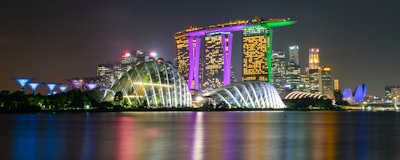
Singapore, an island city-state nestled at the southern tip of the Malay Peninsula, is a vibrant tapestry woven with futuristic architecture, lush green spaces, diverse cultures, and a culinary scene that could rival any global metropolis. Often dubbed the "Lion City," Singapore is a testament to meticulous urban planning and an unwavering commitment to innovation and sustainability. From its iconic skyline dominated by the Marina Bay Sands to the verdant domes of Gardens by the Bay, this equatorial paradise offers a captivating blend of tradition and modernity, efficiency and charm. Whether you’re a foodie seeking Michelin-starred hawker fare, an adventurer looking for theme park thrills, or a culture enthusiast eager to explore vibrant ethnic enclaves, Singapore promises an unforgettable experience. Prepare to be amazed by its impeccable cleanliness, world-class infrastructure, and the warm hospitality of its multicultural populace.
Best Time to Visit
Singapore experiences a tropical rainforest climate, meaning it’s generally hot, humid, and rainy throughout the year, with average temperatures hovering around 26-30°C (79-86°F). This consistent weather makes it a year-round destination, but certain periods might offer slight advantages or disadvantages.
Peak Season (December to January & June to July)
This period sees a surge in tourists, particularly around Christmas, New Year, and school holidays. While the weather remains warm, December and January often experience slightly more rainfall due to the monsoon season, though showers are usually brief. June and July are popular for events like the Great Singapore Sale (GSS) and the Singapore Food Festival. Expect higher prices for flights and accommodation, and larger crowds at major attractions.
Shoulder Seasons (February to April & August to November)
These months are often considered ideal for visiting. The weather is typically drier and sunnier than the monsoon months, making it perfect for outdoor activities. Prices for flights and hotels might be slightly lower than peak season, and crowds are more manageable. Events like the Singapore Art Week (January), Chingay Parade (February), and various cultural festivals add to the allure during these times. Even during the "haze season" (August to October), which can sometimes affect air quality due to fires in neighboring countries, it's often mild and doesn't significantly disrupt travel plans for most visitors. Always check the Air Pollutant Index (API) if you're concerned.
Ultimately, regardless of when you visit, be prepared for humidity and occasional rain showers. An umbrella or light rain jacket is always a good idea, and comfortable, breathable clothing is a must.
Top Attractions
Singapore boasts an impressive array of attractions that cater to every interest, blending natural beauty with cutting-edge design and immersive cultural experiences.
Gardens by the Bay
A futuristic park spanning 101 hectares, Gardens by the Bay is a must-see. Its iconic Supertree Grove features towering tree-like structures that come alive with a dazzling light and music show (Garden Rhapsody) nightly. Don't miss the cooled conservatories: the Cloud Forest, a misty mountain housing a spectacular indoor waterfall and diverse plant life, and the Flower Dome, the world's largest glass greenhouse showcasing an ever-changing display of flora from across the globe. The OCBC Skyway offers panoramic views of the gardens and Marina Bay.
Marina Bay Sands (MBS)
An architectural marvel, MBS is more than just a hotel. Its three towers are topped by the Sands SkyPark, offering breathtaking 360-degree views of the city skyline, especially stunning at sunset. The observation deck is open to the public, while the famous infinity pool is exclusively for hotel guests. Below, you'll find The Shoppes at Marina Bay Sands, a luxury mall with a canal for gondola rides, and the ArtScience Museum, shaped like a lotus flower, hosting engaging exhibitions. Don't miss the Spectra Light & Water Show performed nightly over the bay.
Sentosa Island
"The State of Fun" is a resort island packed with attractions. Home to Universal Studios Singapore, where movie magic comes alive with thrilling rides and shows, and S.E.A. Aquarium, one of the world's largest aquariums. You can also relax on Siloso Beach or Palawan Beach, visit Adventure Cove Waterpark, or brave the AJ Hackett Sentosa Bungy Jump. Getting there is an experience in itself, with cable car rides offering scenic views.
Wildlife Parks (Singapore Zoo, Night Safari, River Wonders)
Managed by Mandai Wildlife Reserve, these parks offer unparalleled wildlife experiences. The Singapore Zoo is renowned for its "open concept," with naturalistic enclosures. The Night Safari, the world's first nocturnal zoo, allows visitors to observe animals in their natural nighttime habitats. River Wonders (formerly River Safari) showcases freshwater ecosystems from around the world, featuring giant pandas and manatees.
Orchard Road
Singapore's premier shopping district, Orchard Road, is lined with upscale malls, designer boutiques, department stores, and international brands. Beyond shopping, you'll find cinemas, restaurants, and hotels, making it a bustling hub for both locals and tourists.
Cultural Enclaves: Chinatown, Little India, & Kampong Glam
- Chinatown: A vibrant district rich in history and culture. Explore ancient temples like Sri Mariamman Temple and Buddha Tooth Relic Temple, browse traditional shophouses selling souvenirs and herbal remedies, and savor delicious street food at Maxwell Food Centre or Chinatown Complex.
- Little India: Immerse yourself in the sights, sounds, and smells of India. Colorful shophouses, fragrant spice shops, flower garland vendors, and authentic Indian restaurants line the streets. Visit Sri Veeramakaliamman Temple and Mustafa Centre, a 24-hour shopping mecca.
- Kampong Glam: The Malay-Arab quarter, characterized by its beautifully preserved shophouses, bustling Haji Lane (known for independent boutiques and street art), and the magnificent Sultan Mosque with its golden domes. Enjoy traditional Malay cuisine and soak in the bohemian atmosphere.
Jewel Changi Airport
More than just an airport terminal, Jewel is a destination in itself. It features the HSBC Rain Vortex, the world's tallest indoor waterfall, surrounded by the stunning Shiseido Forest Valley. Explore the Canopy Park with its walking nets, sky slides, and mazes, making it a perfect pre or post-flight entertainment spot.
How to Reach
Singapore is a major global aviation hub, making it easily accessible from virtually anywhere in the world.
By Air
Changi Airport (SIN) is consistently ranked among the world's best airports and serves as the primary gateway to Singapore. It's connected to hundreds of cities worldwide by numerous international airlines. Upon arrival, travelers can easily reach the city center via the efficient MRT train system, public buses, taxis, or ride-sharing services like Grab. The journey to downtown usually takes about 30-45 minutes.
By Land
Travelers from Malaysia can enter Singapore via two land checkpoints connecting Johor Bahru to Singapore:
- Woodlands Causeway: This is the most common route, often busy. You can cross by public bus, private car, or train (KTM Shuttle Tebrau).
- Tuas Second Link: A less congested option for private vehicles and buses.
By Sea
Singapore has two cruise terminals:
- Marina Bay Cruise Centre Singapore (MBCCS): Located near Marina Bay, it handles larger international cruise ships.
- Singapore Cruise Centre (SCC) at HarbourFront: Primarily serves regional ferries to nearby Indonesian islands (like Batam and Bintan) and smaller cruise ships.
Local Food Guide
Singapore is often hailed as a food paradise, a melting pot where Malay, Chinese, Indian, and Western influences converge to create a truly unique culinary landscape. Hawker centers are the heart and soul of Singaporean food culture, offering incredible flavors at affordable prices.
Must-Try Dishes:
- Hainanese Chicken Rice: Singapore's national dish. Poached or roasted chicken served with fragrant rice cooked in chicken stock, accompanied by chili sauce, dark soy sauce, and ginger paste. (Try Tian Tian Hainanese Chicken Rice at Maxwell Food Centre).
- Chilli Crab / Black Pepper Crab: Iconic seafood dishes. Chilli crab features crabs stir-fried in a sweet, savory, and slightly spicy tomato-based sauce, often mopped up with fried mantou (buns). Black pepper crab offers a drier, spicier alternative.
- Laksa: A rich and spicy coconut milk-based noodle soup, typically with thick vermicelli, prawns, fish cake, and cockles. Katong Laksa is a popular variant.
- Char Kway Teow: Stir-fried flat rice noodles with dark soy sauce, cockles, Chinese sausage, bean sprouts, and egg, often cooked over high heat in a wok for that smoky "wok hei" flavor.
- Hokkien Mee: Yellow noodles and vermicelli stir-fried with prawns, squid, pork belly, and bean sprouts in a rich prawn broth.
- Satay: Skewered and grilled meat (chicken, beef, mutton) served with a flavorful peanut sauce, cucumber, and onion slices. Lau Pa Sat is famous for its satay street at night.
- Roti Prata: An Indian-Muslim flatbread, crispy on the outside and fluffy inside, served with various curries (fish, chicken, or dhal). Can also be enjoyed sweet with sugar or condensed milk.
- Kaya Toast & Kopi: A classic Singaporean breakfast. Toast slathered with kaya (coconut jam) and butter, served with soft-boiled eggs (seasoned with soy sauce and pepper) and strong local coffee (kopi) or tea (teh).
- Ice Kachang / Chendol: Refreshing desserts perfect for Singapore's heat. Ice Kachang is shaved ice piled high with sweet syrup, red beans, grass jelly, and corn. Chendol features green rice flour jelly, coconut milk, and gula melaka (palm sugar).
Where to Eat:
- Hawker Centres: The best places for authentic and affordable local food. Recommended ones include Maxwell Food Centre, Lau Pa Sat, Tiong Bahru Market, Old Airport Road Food Centre, and Amoy Street Food Centre.
- Kopitiams (Coffee Shops): Traditional open-air coffee shops offering a mix of hawker stalls and drinks.
- Restaurants: From casual eateries to Michelin-starred fine dining, Singapore offers a vast selection of international cuisines.
Public Transport
Singapore boasts one of the most efficient, clean, and user-friendly public transportation systems in the world, making it incredibly easy to navigate the city.
MRT (Mass Rapid Transit)
The MRT is the backbone of Singapore's public transport, an extensive network of air-conditioned trains that connect most parts of the island. It's fast, reliable, and affordable.
- How to Use: Purchase an EZ-Link card (rechargeable stored-value card used for MRT and buses) or a Singapore Tourist Pass (STP), which offers unlimited travel on MRT and buses for 1, 2, or 3 days. Contactless payment with credit/debit cards is also accepted directly at MRT gates.
- Fares: Fares are distance-based and very reasonable.
Buses
Singapore's bus network complements the MRT, reaching areas not directly served by trains. Buses are also air-conditioned and provide a scenic way to see the city. You can use your EZ-Link card or Singapore Tourist Pass. Cash payments are also possible but require exact change.
Taxis and Ride-Sharing
Taxis are plentiful, metered, and generally reliable, though surge pricing may apply during peak hours. Ride-sharing services like
Grab and
Gojek are widely used, offering convenience and transparent pricing through their apps.
Walking
Many central areas and ethnic neighborhoods like Chinatown, Little India, and Kampong Glam are best explored on foot. Singapore is pedestrian-friendly, with well-maintained sidewalks and clear signage.
Getting from Changi Airport to the City:
- MRT: The cheapest option. Take the East-West Line (green) from Changi Airport MRT Station to Tanah Merah, then transfer to a city-bound train.
- Airport Shuttle: Offers door-to-door service to most hotels.
- Taxi/Grab: Convenient but more expensive.
Travel Budget Tips
While Singapore has a reputation for being expensive, it's possible to enjoy the city on a moderate budget with smart planning.
- Accommodation: Book in advance, especially during peak seasons. Consider staying in hostels (especially in areas like Chinatown, Little India, or Clarke Quay) or budget hotels. Look for deals on aggregator sites.
- Food: Prioritize hawker centers and food courts for meals. You can easily have a delicious and filling meal for S$5-10. This is where you'll save the most. Avoid eating at tourist traps or high-end restaurants for every meal.
- Free Attractions: Enjoy free light shows (Gardens by the Bay Garden Rhapsody, Marina Bay Sands Spectra), explore cultural neighborhoods (Chinatown, Little India, Kampong Glam), stroll through the Singapore Botanic Gardens (UNESCO World Heritage Site), visit Haw Par Villa, or walk along Marina Bay.
- Combo Tickets: Many attractions offer combined tickets (e.g., Gardens by the Bay + Cloud Forest + Flower Dome) which can save you money. Purchase online for potential discounts.
- Prioritize: Decide which paid attractions are absolute must-dos and budget accordingly.
- Transport: Stick to the MRT and public buses with an EZ-Link card or Singapore Tourist Pass. Avoid taxis for short distances.
- Shopping: Resist impulse luxury purchases. If you must shop, look for sales or duty-free options at Changi Airport.
- Hydration: Carry a reusable water bottle. Singapore's tap water is safe to drink, and you can refill it at various public fountains or water coolers. Buying bottled water constantly adds up.
- SIM Card: Purchase a local SIM card upon arrival for cheap data, essential for navigation and ride-hailing apps.
Hotels and Accommodation
Singapore offers a vast spectrum of accommodation options, from luxurious resorts to budget-friendly hostels, catering to every preference and budget. Booking well in advance is highly recommended, especially during peak travel periods.
Luxury (S$300+ per night)
- Marina Bay Sands: Famous for its iconic rooftop infinity pool and stunning city views.
- Raffles Hotel: A colonial masterpiece, offering timeless elegance and impeccable service.
- The Fullerton Hotel Singapore: Housed in a magnificent neoclassical building overlooking Marina Bay.
- Capella Singapore (Sentosa): A serene retreat on Sentosa Island, known for its lush grounds and excellent service.
- Andaz Singapore (Bugis): Modern design, great views, and excellent dining options.
Mid-Range (S$150 - S$300 per night)
- Hotels in Orchard Road/Somerset: Good for shopping enthusiasts (e.g., Hotel Jen Orchardgateway, Holiday Inn Express Orchard Road).
- City Hall/Bugis/Bras Basah: Central locations with good MRT connectivity and proximity to cultural sites (e.g., PARKROYAL Collection Pickering, Hotel G Singapore, V Hotel Lavender).
- Clarke Quay/Robertson Quay: Lively areas with dining and nightlife, good for those wanting to be near the action (e.g., M Social Singapore, Novotel Clarke Quay).
- Little India/Lavender: Offer vibrant cultural experiences and good value (e.g., Parkroyal on Kitchener Road, One Farrer Hotel).
Budget (S$30 - S$150 per night)
- Hostels: Plenty of well-regarded hostels in areas like Chinatown, Little India, Clarke Quay, and Lavender, offering dormitory beds and private rooms (e.g., The Pod @ Beach Road, Adler Hostel, 5footway.inn Project Chinatown).
- Capsule Hotels: A unique experience offering compact, private sleeping pods (e.g., CapsulePod@Little India).
- Budget Hotels: Smaller hotels and guesthouses can be found in various neighborhoods, often offering basic amenities at lower prices (e.g., Hotel 81 chain, Fragrance Hotel chain).
When choosing accommodation, consider its proximity to an MRT station. This will significantly enhance your ability to explore the city efficiently and save on transport costs.
Safety Tips
Singapore is renowned for its exceptional safety and low crime rates, consistently ranking among the safest cities globally. However, like any travel destination, it's wise to be aware of a few things to ensure a smooth and pleasant trip.
- General Awareness: While petty crime is rare, remain vigilant in crowded areas like tourist spots and public transport, and keep an eye on your belongings to prevent pickpocketing.
- Strict Laws: Singapore has very strict laws, and ignorance is not an excuse.
- Drugs: Possessing or trafficking drugs carries severe penalties, including the death sentence.
- Littering & Jaywalking: Fines are imposed for littering, spitting, chewing gum (illegal to import or sell), and crossing roads outside of designated crossings.
- Smoking: Permitted only in designated areas. Vaping is illegal.
- Public Order: Drunken behavior, vandalism, and disorderly conduct are taken very seriously.
- Hydration: The tropical climate means constant hydration is key. Drink plenty of water to avoid heatstroke.
- Sun Protection: Use sunscreen, wear hats, and seek shade, especially between 10 AM and 4 PM.
- Insect Repellent: Useful, particularly if you plan to visit parks or nature reserves, to ward off mosquitoes.
- Food Safety: Food hygiene standards are very high, even at hawker centers. Feel confident trying street food.
- Traffic: Pedestrians should always use designated crossings and wait for the green signal. Traffic drives on the left in Singapore.
- Non-Emergency Police: 1800-225-0000
Singapore's safety and efficiency allow visitors to explore with peace of mind, but a little common sense and awareness of local laws will ensure an even more enjoyable visit.
FAQ Section
Q: Is Singapore an expensive city to visit?
A: Singapore has a reputation for being expensive, especially regarding accommodation and alcohol. However, it's possible to travel on a budget by eating at hawker centers, using public transport, and enjoying free attractions. There are options for all budgets.
Q: Do I need a visa to visit Singapore?
A: Visa requirements depend on your nationality. Many nationalities, including citizens from the US, UK, EU, Australia, and New Zealand, can enter Singapore without a visa for up to 90 days. Always check the official Immigration & Checkpoints Authority (ICA) website or your country's embassy for the latest requirements before your trip.
Q: What currency is used in Singapore?
A: The official currency is the Singapore Dollar (SGD). Credit cards are widely accepted, but it's useful to have some cash for hawker centers and smaller shops. ATMs are widely available.
Q: What languages are spoken in Singapore?
A: Singapore has four official languages: English, Malay, Mandarin Chinese, and Tamil. English is the most common working language and medium of instruction, so travelers will find it easy to communicate.
Q: Is tap water safe to drink in Singapore?
A: Yes, tap water in Singapore is potable and safe to drink directly from the tap.
Q: What are the tipping customs in Singapore?
A: Tipping is not customary in Singapore and is generally not expected. Many restaurants add a 10% service charge to the bill, and taxes are typically 9% (GST).
Q: Is Singapore family-friendly?
A: Absolutely! Singapore is exceptionally family-friendly, offering a plethora of attractions for all ages, from Universal Studios and the Singapore Zoo to the interactive exhibits at the Science Centre and the playgrounds at Gardens by the Bay. The city is clean, safe, and easy to navigate with children.
Q: What unique laws or customs should I be aware of?
A: Besides strict laws on drugs and littering, remember that chewing gum is illegal (you can't buy or sell it, and importing it is restricted), and public smoking is confined to designated areas. While not a law, it's customary to remove your shoes when entering someone's home or a place of worship.