Paris Travel Guide – Best Places to Visit in France
Paris: The Ultimate Guide to the City of Love, Light, and Culture
Paris, the capital of France, stands as an unparalleled icon of romance, art, history, and culinary excellence. Often referred to as the "City of Love" and the "City of Light," Paris captivates millions of visitors each year with its majestic boulevards, world-class museums, gastronomic delights, and timeless charm. From the glittering Eiffel Tower to the artistic haven of Montmartre, and from the classical grandeur of the Louvre to the bohemian allure of the Latin Quarter, Paris offers an endless tapestry of experiences. This comprehensive guide will help you navigate your journey through this enchanting metropolis, ensuring a memorable and inspiring visit.
Best Time to Visit Paris
Choosing the right time to visit Paris can significantly enhance your experience, depending on your preferences for weather, crowd levels, and specific events.
Spring (April - June): Mild Weather and Blooming Beauty
Spring is arguably one of the most delightful times to visit Paris. The city awakens with vibrant blooms, especially in its numerous parks and gardens. The weather is generally mild and pleasant, with average temperatures ranging from 10°C to 20°C (50°F to 68°F). While popular, the crowds are typically manageable compared to the peak summer months. This season is perfect for strolls along the Seine, enjoying outdoor café terraces, and exploring the city's charming neighborhoods on foot. Expect occasional rain showers, so packing a light umbrella or raincoat is advisable.
Summer (July - August): Lively Atmosphere and Festivals
Summer in Paris is bustling and vibrant, with longer daylight hours and a lively atmosphere. Temperatures can range from 20°C to 30°C (68°F to 86°F), sometimes exceeding this during heatwaves. The city buzzes with open-air concerts, festivals, and riverside activities like Paris Plages. However, this is also peak tourist season, meaning larger crowds, longer queues at attractions, and higher prices for accommodation and flights. Many Parisians also leave the city for their summer holidays in August, leading to some smaller shops and restaurants closing. Despite the crowds, the energy of summer Paris is undeniable.
Autumn (September - October): Crisp Air and Cultural Events
Autumn offers a beautiful transition with crisp air, stunning fall foliage, and a return to local Parisian life after the summer rush. Temperatures are comfortable, ranging from 10°C to 20°C (50°F to 68°F). The crowds begin to thin out, making it an excellent time for museum visits and enjoying the city's cultural offerings, including art exhibitions and fashion events. The golden hues of the trees in parks like Luxembourg Gardens provide a picturesque backdrop for photography.
Winter (November - March): Festive Spirit and Fewer Crowds
Winter in Paris, while chilly with temperatures averaging 0°C to 8°C (32°F to 46°F), has its own unique charm. The city is adorned with dazzling Christmas lights and decorations from late November through December, creating a magical festive atmosphere with charming Christmas markets. January and February are the coldest months but also see the fewest tourists, making it a good time for budget travelers and those looking to explore museums without the queues. Snowfall is rare but adds an extra layer of enchantment when it occurs. Indoor activities like cozy café visits, opera, and exploring the catacombs are popular.
Top Attractions
Paris is home to some of the world's most recognizable landmarks and cultural institutions. Here are the must-see attractions that should be on every traveler's itinerary.
Eiffel Tower: The Iron Lady
The undisputed symbol of Paris, the Eiffel Tower offers breathtaking panoramic views of the city. Ascend to its various levels (by stairs or elevator) for different perspectives. Visit during the day for clear views, and return at night to witness its spectacular hourly sparkle, which occurs for five minutes every hour on the hour until 1 AM. Book your tickets well in advance online to avoid long queues.
Louvre Museum: A Treasure Trove of Art
Home to masterpieces like the Mona Lisa, Venus de Milo, and Winged Victory of Samothrace, the Louvre is the world's largest art museum. Its iconic glass pyramid entrance is a marvel in itself. To make the most of your visit, plan which sections you want to see, wear comfortable shoes, and consider buying tickets online or opting for a guided tour to navigate its vast collections.
Notre Dame Cathedral: A Historic Masterpiece
While still undergoing restoration after the devastating 2019 fire, Notre Dame remains a powerful symbol of Parisian history and Gothic architecture. You can still admire its exterior from a distance and appreciate its enduring spirit. The area around it, Île de la Cité, is also worth exploring for its historical significance.
Champs-Élysées & Arc de Triomphe: Grandeur and Views
Stroll down the iconic Avenue des Champs-Élysées, famous for its luxury shops, cinemas, and cafés, stretching from the Place de la Concorde to the Arc de Triomphe. Climb to the top of the Arc de Triomphe for magnificent views down the twelve avenues radiating from its center, including the Champs-Élysées and the distant Eiffel Tower.
Montmartre & Sacré-Cœur Basilica: Bohemian Charm and Panoramic Vistas
Perched atop the highest hill in Paris, Montmartre offers a charming, village-like atmosphere with cobblestone streets, artisan shops, and street artists in Place du Tertre. The stunning Sacré-Cœur Basilica, with its distinct white domes, offers incredible views across the city. Be prepared for a walk up many steps or take the Funiculaire de Montmartre.
Musée d'Orsay: Impressionist Masterpieces
Housed in a magnificent former railway station, the Musée d'Orsay specializes in French art from 1848 to 1914, including an unparalleled collection of Impressionist and Post-Impressionist masterpieces by Monet, Manet, Degas, Renoir, Cézanne, Van Gogh, and Gauguin.
Palace of Versailles: Royal Grandeur (Day Trip)
Though located just outside Paris, a day trip to the Palace of Versailles is highly recommended. This opulent former royal residence of Louis XIV boasts the spectacular Hall of Mirrors, lavish apartments, and expansive, meticulously manicured gardens with fountains. Allocate a full day for this visit, and consider booking tickets and tours in advance.
Sainte-Chapelle: Stained Glass Marvel
A true Gothic gem on Île de la Cité, Sainte-Chapelle is renowned for its breathtaking stained-glass windows, which depict over 1,000 biblical scenes. On a sunny day, the chapel is bathed in a kaleidoscopic glow, creating an unforgettable experience.
Latin Quarter: Intellectual and Bohemian Spirit
This vibrant neighborhood is famous for its universities (including the Sorbonne), bookstores, lively cafés, and historical sites like the Panthéon and the beautiful Luxembourg Gardens. It's a great area for exploring on foot, soaking in the intellectual and artistic atmosphere, and enjoying affordable eateries.
River Seine Cruises: A Romantic Perspective
Take a Bateaux-Mouches or similar boat cruise along the Seine to see Paris from a different vantage point. Many cruises offer dinner options, making for a romantic evening viewing of illuminated landmarks.
How to Reach Paris
Paris is a major international hub and is easily accessible by various modes of transport.
By Air
- Charles de Gaulle Airport (CDG): Paris's largest international airport, located northeast of the city.
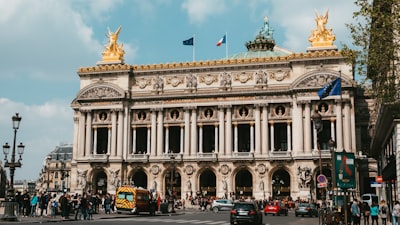
- To City Center: Take the RER B train (approx. 30-45 minutes to central stations like Gare du Nord, Châtelet-Les Halles). Roissybus (express bus service) also connects to Opéra. Taxis and private transfers are available.
- Orly Airport (ORY): Located south of Paris, primarily serves domestic and some international flights.
- To City Center: Take the Orlyval light rail to Antony station, then connect to RER B. Orlybus connects to Denfert-Rochereau. Taxis and private transfers are also available.
- Beauvais-Tillé Airport (BVA): Used by budget airlines like Ryanair, located significantly further north (about 80 km) from Paris.
- To City Center: A dedicated shuttle bus connects the airport to Porte Maillot in Paris, taking about 1 hour 15 minutes.
By Train
Paris is a major European rail hub. High-speed TGV trains connect Paris with cities across France and neighboring countries. The Eurostar train connects London to Paris (Gare du Nord) in just over 2 hours. Other major train stations include Gare de Lyon (southeast France, Italy), Gare Montparnasse (west and southwest France), Gare de l'Est (east France, Germany), and Gare Saint-Lazare (Normandy).
By Bus
International bus services like FlixBus and Eurolines offer affordable connections to Paris from various European cities. Major bus terminals include Paris-Bercy-Seine and Gallieni.
By Car
While possible, driving into Paris is generally not recommended for tourists due to heavy traffic, limited and expensive parking, and complex one-way systems. However, if you plan to explore regions outside Paris, renting a car might be an option, but consider picking it up at an airport to avoid city driving.
Local Food Guide
Paris is a paradise for food lovers. French cuisine is world-renowned, and Paris offers everything from street food to Michelin-starred dining.
Must-Try Dishes & Delights
- Croissant & Pain au Chocolat: Start your day with these flaky, buttery pastries from any local boulangerie.
- Macarons: Colorful, delicate almond meringue cookies with a creamy filling. Try Ladurée or Pierre Hermé.
- Crêpes: Thin pancakes, sweet (nutella, sugar, fruit) or savory (galettes, with ham, cheese, egg).
- Escargots: Snails cooked in garlic butter and parsley – a classic French appetizer.
- Confit de Canard: A succulent duck leg, slow-cooked in its own fat until tender.
- Steak Frites: A simple yet perfect dish of pan-fried steak served with crispy French fries.
- Soupe à l'Oignon Gratinée: Rich, caramelized onion soup topped with toasted bread and melted cheese.
- Fromage (Cheese Platter): France boasts hundreds of cheeses. Enjoy a selection with baguette.
- Baguette: A crusty, long loaf of bread, often bought daily and eaten fresh.
- Croque Monsieur/Madame: A grilled ham and cheese sandwich, with a fried egg on top for the "Madame."
- Paris-Brest: A choux pastry filled with praline-flavored cream.
Where to Eat
- Bistros: Casual, traditional restaurants serving classic French comfort food.
- Brasseries: Larger, often open all day, offering a wider menu, typically with a bustling atmosphere.
- Cafés: Perfect for coffee, drinks, light meals, and people-watching.
- Boulangeries & Pâtisseries: Bakeries and pastry shops are essential for breakfast, snacks, and desserts.
- Markets: Explore local markets like Marché des Enfants Rouges (Paris's oldest covered market) for fresh produce, prepared foods, and a vibrant atmosphere.
- Michelin-Starred Restaurants: For a truly unforgettable gastronomic experience, Paris offers some of the finest dining in the world.
Dining Etiquette
- Always greet staff with "Bonjour" (during the day) or "Bonsoir" (in the evening).
- "Service compris" (service included) is common, meaning tipping isn't mandatory, but a small extra tip for excellent service is appreciated (e.g., rounding up the bill or a few Euros).
- Dinner is typically later, often starting around 7:30 PM or 8 PM.
Public Transport
Paris has an excellent and efficient public transportation system, making it easy to get around.
Metro: The Heart of Parisian Transport
The Paris Métro is one of the oldest and most extensive subway systems in the world, with 16 lines covering virtually the entire city. It's fast, frequent, and easy to navigate with clear signage.
- Tickets: A single "t+" ticket costs €2.15 (as of early 2024) and can be used for one journey on the Metro, RER (within Paris), bus, or tram. You can buy a carnets (pack of 10) for a slight discount.
- Navigo Découverte: If you're staying for a full week (Monday-Sunday), consider purchasing a Navigo Découverte pass. This weekly pass covers all zones and offers unlimited travel on all public transport. You'll need a passport-sized photo for it.
RER: Regional Express Rail
The RER lines (A, B, C, D, E) are faster regional trains that connect the city center with the suburbs, including airports (CDG, Orly) and attractions like Versailles and Disneyland Paris. Ensure you buy the correct ticket for your destination as RER fares vary by zone.
Buses: Scenic and Efficient
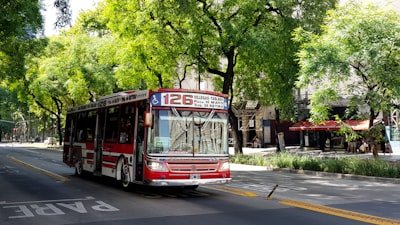
Parisian buses are a great way to see the city above ground. They cover routes not served by the Metro and offer scenic views. A "t+" ticket is valid for one bus journey.
Tramway
Mostly circling the periphery of Paris, the tram lines are a newer addition and complement the Metro and bus network, particularly useful for reaching areas outside the central arrondissements.
Vélib' Métropole: Bike Sharing
For an active way to explore, Vélib' offers a bike-sharing service with stations throughout the city. You can buy short-term passes (24-hour, 3-day).
Walking: The Best Way to Explore
Many of Paris's neighborhoods are best explored on foot. Wear comfortable shoes and be prepared to wander through charming streets, stumble upon hidden gems, and soak in the atmosphere.
Travel Budget Tips
Paris can be an expensive city, but with smart planning, you can enjoy its wonders without breaking the bank.
- Hostels: A great option for budget travelers, with dorms and private rooms available.
- Budget Hotels: Look for hotels outside the most central arrondissements (e.g., 11th, 12th, 13th, 18th, 19th, 20th), often still well-connected by Metro.
- Airbnb/Apartment Rentals: Can be cost-effective for groups or longer stays, allowing for self-catering.
- Picnics: Buy fresh bread, cheese, charcuterie, and wine from local markets or supermarkets and enjoy a picnic in one of Paris's beautiful parks (e.g., Champ de Mars, Luxembourg Gardens).
- Boulangeries & Crêperies: Affordable and delicious options for breakfast, lunch, or snacks.
- Formule Midi: Many restaurants offer a "menu du jour" or "formule midi" (lunch set menu) which is significantly cheaper than dinner.
- Avoid Tourist Traps: Restaurants directly outside major attractions often charge more for lower quality. Venture a few blocks away.
- Paris Museum Pass: If you plan to visit multiple museums and monuments, this pass (available for 2, 4, or 6 consecutive days) can save you money and time by skipping ticket lines.
- Free Museums: Many smaller museums are free, and some major museums offer free entry on the first Sunday of the month (be prepared for crowds).
- Free Activities: Enjoy walking along the Seine, exploring parks, window shopping, and admiring street art. Many free walking tours operate on a tip-based model.
- Navigo Découverte: If staying for a week, this pass is generally the most economical option for unlimited travel.
- Walk: Explore as much as possible on foot to save on transport costs and experience the city more intimately.
- When to Visit: Traveling during the shoulder seasons (spring/autumn) or winter (excluding Christmas) can result in lower prices for flights and accommodation compared to peak summer.
Hotels and Accommodation
Paris offers a vast range of accommodation options to suit every budget and preference. Choosing the right neighborhood (arrondissement) can significantly impact your experience.
Luxury Accommodation
- 1st, 7th, 8th Arrondissements: These central areas are home to iconic luxury hotels like The Ritz, Le Meurice, and The Peninsula. They offer unparalleled service, elegant rooms, and proximity to major attractions like the Louvre, Eiffel Tower, and Champs-Élysées. Expect premium prices.
Mid-Range Accommodation
- 3rd, 4th Arrondissements (Le Marais): Trendy, historic, and vibrant, Le Marais offers boutique hotels and charming guesthouses. It's known for its beautiful architecture, art galleries, and lively nightlife.
- 5th, 6th Arrondissements (Latin Quarter & Saint-Germain-des-Prés): These areas are steeped in literary and intellectual history, with beautiful streets, cozy hotels, and a bohemian atmosphere. Ideal for those seeking charm and cultural immersion.
- 9th, 10th Arrondissements: Often more affordable than the absolute center but still very well-connected, these areas offer a mix of traditional and modern hotels, close to department stores (Galeries Lafayette, Printemps) and major train stations.
- 15th, 16th Arrondissements: Residential and elegant, offering a quieter stay with good transport links and often spacious rooms. Closer to the Eiffel Tower but further from some other central sights.
Budget Accommodation
- 11th, 18th, 19th, 20th Arrondissements: These areas further from the absolute center (but still well-served by Metro) offer more budget-friendly hotels and a good selection of hostels. Montmartre (18th) is popular for its unique character.
- Hostels: Paris has numerous well-regarded hostels (e.g., St. Christopher's Inn, Generator Paris) offering dorms and private rooms, often with communal kitchens and social activities, perfect for solo travelers or those on a tight budget.
- Airbnb/Apartment Rentals: Can be a cost-effective choice, especially for longer stays or families, providing kitchen facilities and a local living experience.
Booking Tips
- Book in Advance: Especially during peak season or major events, popular accommodations fill up quickly.
- Check Proximity to Metro: Even if you're staying further out, a hotel close to a Metro station ensures easy access to all attractions.
- Read Reviews: Always check recent guest reviews for cleanliness, service, and noise levels.
Safety Tips
Paris is generally a safe city for tourists, but like any major metropolis, it's essential to be aware of your surroundings and take precautions to protect yourself and your belongings.
- Pickpockets: This is the most common crime affecting tourists.
- Be Vigilant: Especially in crowded areas like major attractions (Eiffel Tower, Louvre), Metro stations, and busy streets.
- Secure Valuables: Keep wallets in front pockets, use cross-body bags or money belts. Avoid keeping phones or wallets in back pockets.
- Bag Security: Keep your bag zipped and in front of you. Be wary of distractions.
- Friendship Bracelets: Individuals may try to tie a "free" bracelet on your wrist and then demand payment. Firmly say "non" and walk away.
- Petition Scams: People asking you to sign petitions, often for charity, can be a distraction for pickpockets.
- "Gold Ring" Scam: Someone pretends to find a "gold" ring and tries to give it to you, then asks for money.
- Demonstrations: Occasionally, protests or demonstrations occur. While usually peaceful, it's best to avoid them for your safety. Check local news if you hear of planned events.
- 112: European emergency number (can be called from any phone for Police, Fire, Ambulance).
- 18: Fire Department (Sapeurs-Pompiers)
- Don't Flash Wealth: Avoid openly displaying expensive jewelry, cameras, or large amounts of cash.
- Stay Aware of Surroundings: Especially at night or in less populated areas.
- Keep Copies of Important Documents: Have photocopies or digital copies of your passport and visa separate from the originals.
- Alcohol Consumption: Drink responsibly.
- COVID-19 and Health: Stay updated on current travel advisories, health regulations, and entry requirements for France before and during your trip. Ensure you have adequate travel insurance.
FAQ Section
Q: Do I need a visa to visit Paris, France?
A: France is part of the Schengen Area. Citizens of many countries (e.g., USA, Canada, Australia, UK) can visit for up to 90 days within a 180-day period without a visa. For other nationalities, a Schengen visa may be required. Always check the official French embassy or consulate website in your country for the most up-to-date requirements.
Q: What language do they speak in Paris?
A: The official language is French. While many Parisians, especially those in tourist areas, speak some English, it's always appreciated if you try a few basic French phrases like "Bonjour" (hello), "Merci" (thank you), "S'il vous plaît" (please), and "Pardon" (excuse me).
Q: What currency is used in Paris?
A: The currency used in Paris, and throughout France, is the Euro (€).
Q: Is Paris an expensive city to visit?
A: Paris can be expensive, especially for accommodation and dining in central areas. However, with careful planning, utilizing public transport, exploring free attractions, and dining smartly (e.g., picnics, lunch menus), it's possible to visit on a mid-range or even budget-friendly budget.
Q: Is tap water safe to drink in Paris?
A: Yes, tap water in Paris is safe and clean to drink. You can carry a reusable water bottle and refill it at public fountains (fontaines Wallace are iconic) or in cafés.
Q: What is the tipping culture like in Paris?
A: In France, service charge ("service compris") is usually included in the bill by law. Therefore, tipping is not mandatory. However, if you received exceptionally good service, leaving a small extra tip (e.g., rounding up the bill, or a few extra Euros) is a kind gesture and appreciated.
Q: Can I use my credit/debit card everywhere?
A: Major credit and debit cards (Visa, Mastercard) are widely accepted in hotels, restaurants, shops, and larger establishments. However, it's always a good idea to carry some cash for smaller purchases, local markets, or in case a smaller shop doesn't accept cards.
Q: What's the best way to say hello in Paris?
A: Always start with "Bonjour" (good day) when entering a shop, restaurant, or addressing someone. In the evening, use "Bonsoir" (good evening). It's a sign of respect and politeness.
Paris truly is a city that captures the heart and imagination. With this guide, you are well-equipped to embark on your unforgettable journey through its timeless beauty, rich culture, and romantic allure. Enjoy your Parisian adventure!