Cairo Travel Guide – Best Places to Visit in Egypt
Cairo: A Journey Through Ancient Wonders and Modern Bustle
Welcome to Cairo, the pulsating heart of Egypt and one of the world’s most ancient and enigmatic cities. A sprawling metropolis where millennia of history meet the dynamic rhythm of modern life, Cairo offers an unparalleled experience for every traveler. From the iconic Giza pyramids that stand as silent sentinels to the bustling souks brimming with exotic treasures, and the serene flow of the Nile River, Cairo is a sensory feast. It’s a city that promises to challenge your perceptions, ignite your imagination, and leave you with memories etched in time. Prepare to delve into a destination where every corner tells a story, and every moment is an adventure.
Best Time to Visit
Choosing the right time to visit Cairo can significantly enhance your travel experience, primarily due to the city's climate. Cairo experiences a desert climate, characterized by hot, dry summers and mild winters.
The
ideal time to visit Cairo is during the cooler months, from October to April.
- October to November (Autumn): These months offer pleasant temperatures, typically ranging from 20-30°C (68-86°F) during the day. The intensity of the summer sun subsides, making it comfortable for sightseeing and exploring outdoor attractions like the pyramids. The evenings are mild and enjoyable.
- December to February (Winter): This is peak tourist season, and for good reason. Daytime temperatures are comfortably cool, usually between 15-25°C (59-77°F). While nights can be chilly, sometimes dropping to 10°C (50°F) or lower, especially in January, the mild days are perfect for extensive exploration. Be prepared for larger crowds and slightly higher prices for flights and accommodation during this period, particularly around Christmas and New Year.
- March to April (Spring): Similar to autumn, spring offers comfortable temperatures before the intense summer heat sets in. Daily temperatures are generally between 25-35°C (77-95°F). This period can also experience the *khamsin* winds, which are hot, sand-laden winds that can last for a few days, sometimes causing hazy conditions.
Avoid visiting during the summer months (May to September) if possible, as temperatures often soar above 35°C (95°F) and can even reach 40°C (104°F) or higher. The intense heat, combined with the dry desert air, can make outdoor activities quite challenging and less enjoyable. Humidity is low, but the sun is relentless. However, if summer is your only option, ensure you plan your activities for early mornings or late evenings, stay hydrated, and seek air-conditioned refuge during the hottest parts of the day. Prices might be lower, and crowds thinner, but the comfort level will be significantly reduced.
Top Attractions
Cairo is a treasure trove of historical wonders and vibrant cultural sites. Here are the must-see attractions that define this magnificent city:
Pyramids of Giza and the Sphinx
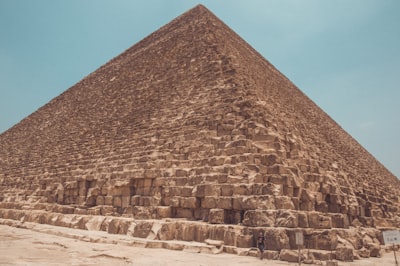
No visit to Cairo is complete without witnessing the last standing wonder of the ancient world. The Pyramids of Giza – Khufu (Great Pyramid), Khafre, and Menkaure – are awe-inspiring monumental tombs constructed around 2580-2560 BC. Standing guard over these magnificent structures is the enigmatic Great Sphinx, a mythical creature with the body of a lion and the head of a human.
- Tips: Arrive early to beat the crowds and the heat. Consider a camel or horse ride for a unique perspective of the plateau. A combined ticket allows entry to the complex, and separate tickets are required to enter inside the pyramids, which can be claustrophobic but a unique experience. Don't miss the panoramic viewpoint.
Grand Egyptian Museum (GEM) / Egyptian Museum
While the new Grand Egyptian Museum (GEM) near the Giza Pyramids is progressively opening sections, it is slated to become the world's largest archaeological museum, housing over 100,000 artifacts, including the complete Tutankhamun collection. Until its full grand opening, the historic Egyptian Museum in Tahrir Square remains a captivating stop. It houses an unparalleled collection of ancient Egyptian antiquities, including the golden treasures of Pharaoh Tutankhamun, royal mummies, and colossal statues.
- Tips: Allow several hours, or even a full day, to explore either museum comprehensively. Guided tours are highly recommended to understand the significance of the artifacts. Photography without flash is generally allowed in many areas, but check specific exhibit rules.
Khan el-Khalili Bazaar
Step back in time in this bustling, labyrinthine market, dating back to the 14th century. Khan el-Khalili is more than just a marketplace; it’s an immersive cultural experience where you can haggle for spices, perfumes, jewelry, textiles, souvenirs, and traditional crafts. The air is thick with the scent of exotic spices, the clatter of artisans, and the calls of vendors.
- Tips: Be prepared to haggle vigorously – it’s part of the experience. Explore the smaller alleys for unique finds. Enjoy a refreshing mint tea or coffee at El Fishawy, Cairo’s oldest coffeehouse, to soak in the atmosphere.
Coptic Cairo
This historic district is one of the oldest parts of Cairo, predating the city’s Islamic foundations. It's home to some of Egypt’s most important Christian churches and sites.
- The Hanging Church (St. Mary's Church): Built atop the Roman Babylon Fortress, giving it the appearance of "hanging." It’s renowned for its beautiful icons and historical significance.
- Church of Saints Sergius and Bacchus: Believed to be built on the spot where the Holy Family rested during their flight into Egypt.
- Ben Ezra Synagogue: Though no longer an active synagogue, it’s a site of great historical importance, believed to be where baby Moses was found.
- Coptic Museum: Houses the world's largest collection of Coptic artifacts.
Islamic Cairo
A UNESCO World Heritage site, Islamic Cairo is a captivating maze of mosques, madrasas, and monuments from various Islamic eras.
- Citadel of Salah al-Din: A medieval Islamic fortification offering panoramic views of Cairo. Within its walls stands the magnificent Mosque of Muhammad Ali, an Ottoman-style mosque with towering minarets and a grand dome.
- Al-Azhar Mosque: One of the oldest mosques in Cairo, founded in 970 AD, it's also home to Al-Azhar University, one of the oldest universities in the world.
- Mosque of Ibn Tulun: The oldest mosque in Cairo in its original form and the largest in terms of land area, famous for its spiral minaret that visitors can climb.
- El Moez Street: A pedestrian street in the heart of Islamic Cairo, lined with a stunning collection of medieval Islamic architecture.
Nile River Felucca Ride
Experience the timeless beauty of the Nile River with a traditional felucca (sailboat) ride. It’s a peaceful escape from the city’s hustle and bustle, offering stunning sunset views.
- Tips: Arrange a ride from a local dock or through your hotel. Negotiate the price beforehand for the duration of the ride. Dinner cruises with entertainment are also popular.
Saqqara and Dahshur (Day Trip)
Located south of Giza, these ancient necropolises offer a deeper dive into pyramid evolution.
- Saqqara: Home to the Step Pyramid of Djoser, the world's first stone building and an early predecessor to the smooth-sided pyramids.
- Dahshur: Features the Bent Pyramid and the Red Pyramid, demonstrating the architectural transition to true pyramids. These sites are often less crowded than Giza.
Zamalek Island and Cairo Tower
For a glimpse into modern, upscale Cairo, visit Zamalek Island. It’s a leafy, affluent district known for its art galleries, chic boutiques, cafes, and restaurants. The
Cairo Tower offers spectacular 360-degree views of the city, especially stunning at sunset.
How to Reach
Cairo is well-connected internationally and domestically, making it accessible from various parts of the world.
By Air
Cairo International Airport (CAI) is the primary gateway to Egypt. It’s one of the busiest airports in Africa and serves numerous international airlines from Europe, Asia, Africa, and North America, as well as domestic flights within Egypt.
- From the Airport: The airport is located about 22 km (14 miles) northeast of downtown Cairo. Options for reaching your accommodation include:
- Official Airport Taxis: Available outside the terminals. Agree on the price before starting the journey or ensure the meter is used.
- Ride-hailing Apps: Uber and Careem are widely available and offer convenient, fixed-price transfers.
- Hotel Transfers: Many hotels offer pre-arranged airport pick-up services, which can be pricier but offer peace of mind.
- Public Buses: A cheaper option, but less convenient for first-time visitors with luggage.
By Land
- Buses: Long-distance buses connect Cairo to other major Egyptian cities like Alexandria, Luxor, Aswan, Hurghada, and Sharm El Sheikh. Companies like Go Bus, Blue Bus, and Super Jet offer comfortable, air-conditioned services.
- Trains: Egypt's national railway system connects Cairo with many cities, particularly along the Nile Valley (e.g., Luxor, Aswan). While generally slower than buses for shorter distances, overnight sleeper trains are an option for longer journeys south.
Local Food Guide
Egyptian cuisine is a delicious blend of Middle Eastern, Mediterranean, and North African flavors, heavily reliant on fresh vegetables, legumes, and grilled meats. Dining in Cairo is an experience in itself, from bustling street food stalls to elegant restaurants.
Must-Try Dishes
- Koshary: Often considered Egypt's national dish, Koshary is a hearty and flavorful vegetarian dish made of rice, macaroni, and lentils, topped with chickpeas, a spicy tomato sauce, garlic vinegar, and crispy fried onions. It’s cheap, filling, and utterly delicious.
- Ful Medames: A staple breakfast dish, Ful consists of slow-cooked fava beans often served with olive oil, cumin, lemon juice, and sometimes egg or tomato. It’s healthy and found everywhere, from street carts to upscale cafes.
- Ta'ameya (Egyptian Falafel): Unlike falafel made from chickpeas, Egyptian Ta'ameya is made from fava beans, giving it a lighter, fluffier texture and a vibrant green interior. Served in pita bread with salad and tahini.
- Shawarma: Marinated meat (chicken or beef) cooked on a vertical spit, thinly sliced, and served in pita bread with pickles, tomatoes, and tahini or garlic sauce. A popular street food.
- Mahshi: A family of dishes featuring vegetables (like bell peppers, zucchini, eggplant, or grape leaves) stuffed with a mixture of rice, herbs, and sometimes minced meat, then cooked in a flavorful broth.
- Molokhia: A green, viscous soup made from jute mallow leaves, often served with chicken, rabbit, or shrimp, and eaten with rice or bread. Its unique texture is an acquired taste for some, but a beloved comfort food for Egyptians.
- Hawawshi: Egyptian meat pie, typically minced meat mixed with onions and spices, baked inside a baladi (local) bread, similar to a stuffed pita.
- Feteer Meshaltet: A flaky, layered pastry often described as Egyptian pizza. It can be served plain with honey or cheese, or with savory fillings like minced meat and vegetables.
- Desserts: Indulge in sweet treats like Basbousa (semolina cake soaked in syrup), Konafa (shredded pastry filled with cream or nuts and soaked in syrup), and Om Ali (Egyptian bread pudding).
- Drinks: Enjoy refreshing Karkadeh (hibiscus tea, served hot or cold), fresh fruit juices (mango, guava, strawberry), and strong mint tea or Turkish coffee.
Dining Tips
- Street Food: Don't shy away from street food, as it’s often the most authentic and delicious. Look for stalls with long lines of locals for the best indications of quality and freshness.
- Hygiene: Stick to bottled water. Be mindful of salads washed with tap water if you have a sensitive stomach.
- Tipping (Baksheesh): Tipping is customary in Egypt. For restaurants, 10-15% is standard if a service charge isn't already included. For street food, a small amount is appreciated.
Public Transport
Navigating Cairo's sprawling urban landscape can be an adventure in itself. While traffic can be chaotic, several transport options are available.
Metro
The
Cairo Metro is the most efficient and cheapest way to get around the city, especially for avoiding traffic jams. It’s clean, reliable, and has three lines that connect key areas, including downtown, Giza, and Helwan.
- Tips: Look for the designated "women-only" carriages at the front of the train, which offer a more comfortable experience for female travelers. Tickets are very affordable.
Taxis and Ride-hailing Apps
- Taxis: Traditional white taxis are plentiful but require strong negotiation skills to agree on a fare before starting your journey, as meters are rarely used. Red and white taxis are slightly older but often cheaper.
- Ride-hailing Apps: Uber and Careem (a Middle Eastern equivalent, now owned by Uber) are highly recommended. They offer fixed, transparent prices, GPS tracking, and a safer, more comfortable experience. They are generally reliable and widely used by both locals and tourists.
Buses
Public buses are extensive but can be crowded, slow, and challenging for tourists to navigate due to lack of English signage and route information. They are generally not recommended for first-time visitors unless accompanied by a local.
Microbuses
These are small, privately-owned vans that operate on fixed routes. They are very cheap and a common mode of transport for locals. However, they are often cramped, and routes are not always obvious, making them unsuitable for tourists.
Felucca on the Nile
While not a mode of daily transport, a felucca ride is an essential part of the Cairo experience for leisurely travel on the Nile, offering stunning views and a relaxing atmosphere.
Travel Budget Tips
Cairo can cater to various budgets, from frugal backpackers to luxury seekers. Here’s how to manage your expenses:
- Budget: Hostels and basic guesthouses in Downtown Cairo or near the Egyptian Museum can cost as little as $10-30 per night for a dorm bed or basic private room.
- Mid-range: 3-4 star hotels offer good value, ranging from $50-120 per night. Look for options in Zamalek, Downtown, or Giza.
- Luxury: International chain hotels and resorts, particularly along the Nile or with pyramid views, can cost upwards of $150-300+ per night.
- Budget: Street food and local eateries are incredibly cheap. A filling Koshary or Falafel sandwich can be found for $1-3. Eating like a local can keep daily food costs under $15-20.
- Mid-range: Casual restaurants and cafes might cost $10-25 per person for a meal.
- Luxury: Fine dining experiences can range from $40-100+ per person.
- Metro: Extremely cheap, usually less than $0.50 per ride.
- Ride-hailing: Uber/Careem rides are affordable, with most within-city trips costing $3-10.
- Taxis: Negotiate fares, typically a bit more than ride-hailing apps but can be convenient.
- Activities & Sightseeing:
- Entry fees to major attractions like the Pyramids, Egyptian Museum, and Citadel range from $10-25 per site. Bundled tickets or passes are sometimes available.
- Consider a Cairo Pass if you plan to visit many museums and archaeological sites, though it requires significant planning to make it cost-effective.
- Felucca rides are negotiable but typically cost $15-30 per hour for the entire boat.
- Haggle: For taxis (if not using apps), souvenirs, and market purchases, always haggle. Start at 50% of the asking price and work your way up.
- Eat Local: Embrace street food and local restaurants for delicious and inexpensive meals.
- Walk: Explore walkable districts like Islamic Cairo or Coptic Cairo on foot.
- Drink Tap Water: No, always buy bottled water. It’s affordable and essential for health.
- Student Discounts: If you're a student, bring your international student ID card (ISIC) for potential discounts at some attractions.
Hotels and Accommodation
Cairo offers a diverse range of accommodation options to suit every budget and preference, from luxurious five-star resorts to cozy boutique hotels and budget-friendly hostels.
Luxury Accommodation
For those seeking unparalleled comfort and amenities, Cairo boasts several world-class hotels, many offering stunning views of the Nile River or the Pyramids.
- Nile-side Hotels: The Ritz-Carlton, Nile Hotel, Four Seasons Hotel Cairo at Nile Plaza, and Sofitel Cairo Nile El Gezirah offer exquisite rooms, fine dining, spas, and magnificent river views.
- Pyramid View Hotels: For a truly iconic view, consider hotels like the Marriott Mena House (right next to the Giza Pyramids) or newer boutique hotels in the Giza area that specifically cater to pyramid views.
Mid-Range Accommodation
This category offers a good balance of comfort, location, and value, typically including amenities like air conditioning, private bathrooms, and often breakfast.
- Downtown Cairo: Areas around Tahrir Square and Talaat Harb Street offer numerous mid-range hotels, providing easy access to the Egyptian Museum, bustling markets, and metro stations. Look for renovated historic buildings that offer a blend of old-world charm and modern comforts.
- Zamalek Island: This upscale, leafy island in the Nile is home to several excellent mid-range hotels and boutique guesthouses. It’s quieter and more relaxed than downtown, with plenty of cafes, restaurants, and art galleries.
- Giza (near Pyramids): Hotels in Giza provide proximity to the pyramids, often with dedicated shuttles or tours, but can be a bit further from downtown attractions.
Budget Accommodation
Cairo is very friendly to budget travelers, with plenty of hostels and guesthouses offering affordable lodging.
- Downtown Cairo: This is the hub for budget accommodations, with numerous hostels and small hotels. They offer dorm beds and private rooms, often with communal spaces for socializing. They are perfect for travelers who want to be in the thick of the city's energy.
- Hostel World / Booking.com: Use these platforms to find highly-rated hostels with good reviews for cleanliness and safety.
- Consider Airbnb: For longer stays or if traveling in a group, Airbnb apartments can offer good value and a more local experience.
Key Areas to Consider:
- Downtown Cairo: Best for first-timers who want to be close to museums, historical sites, and metro access. It’s lively and bustling.
- Zamalek: Ideal for those seeking a more relaxed, upscale atmosphere with good dining and shopping options, slightly removed from the downtown intensity.
- Giza: Perfect if your primary focus is the Pyramids and you want to wake up to their view. However, getting to other parts of Cairo will involve longer travel times.
Safety Tips
Cairo, like any large metropolis, requires travelers to be aware of their surroundings and take sensible precautions. While generally safe for tourists, being prepared can ensure a smooth and enjoyable trip.
- Petty Crime: Pickpocketing and bag snatching can occur in crowded areas like markets (Khan el-Khalili) or on public transport. Keep your valuables secure, carry only essential cash, and be mindful of your belongings.
- Scams: Be wary of overly friendly strangers offering unsolicited help or tours, especially around major tourist sites like the Pyramids. Common scams include offering "free" camel rides that end with aggressive demands for payment, or offering to show you "special" shops. Politely decline and walk away.
- Traffic: Cairo's traffic is dense and chaotic. Always cross streets with extreme caution, and don't expect drivers to yield. Use designated pedestrian crossings where available, or follow a local across.
- Respect Local Customs: Egypt is a conservative Muslim country. Dress modestly, especially when visiting religious sites. For women, this means covering shoulders and knees; a headscarf might be required for entry into mosques (often provided at the entrance). Public displays of affection are generally frowned upon.
- Solo Female Travelers: While generally safe, solo female travelers might experience more unwanted attention or persistent hawkers. Dressing modestly, being assertive, and using ride-hailing apps for transport can help. Consider joining group tours for some excursions.
- Water: Never drink tap water. Stick to bottled water, which is widely available and cheap.
- Food: Be cautious with street food from vendors who don't seem to maintain good hygiene. Opt for freshly cooked, hot food. "Traveler's stomach" is common, so bring anti-diarrhea medication.
- Sun Protection: The sun is strong, especially outside the winter months. Wear a hat, sunglasses, and high SPF sunscreen.
- Hydration: Drink plenty of water to prevent dehydration.
- Photography: Always ask for permission before taking photos of people, especially women. Some religious sites may have restrictions or require a fee for photography. Do not photograph military installations or police.
- Have your embassy or consulate's contact information readily available.
- Local Assistance: If you feel harassed or unsafe, seek assistance from reputable establishments (hotels, established shops) or uniformed police officers.
FAQ Section
Q: Is Cairo safe for tourists?
A: Yes, Cairo is generally safe for tourists. Major tourist areas are well-policed, and authorities prioritize tourist safety. As with any large city, petty crime exists, and scams can occur. Exercise common sense, stay aware of your surroundings, and use reputable services.
Q: What should I wear in Cairo?
A: Modest clothing is recommended, especially when visiting religious sites. For women, this means covering shoulders and knees. Loose-fitting long pants, skirts, or dresses are appropriate. A light scarf can be useful for covering your head when entering mosques. Men should also dress respectfully, avoiding shorts in religious places.
Q: Can I drink tap water in Cairo?
A: No, it is strongly advised to drink only bottled water in Cairo. Bottled water is widely available and inexpensive.
Q: Do people speak English in Cairo?
A: In tourist areas, hotels, and major attractions, you will find many people who speak English. Many vendors and taxi drivers also have a basic grasp of English. Learning a few basic Arabic phrases (like "hello," "thank you," "how much?") can be helpful and appreciated.
Q: Is haggling common in Cairo?
A: Yes, haggling is expected and part of the cultural experience in markets like Khan el-Khalili Bazaar for souvenirs, spices, and non-fixed-price items. For taxis (if not using ride-hailing apps), always agree on a price before starting your journey.
Q: What is the currency in Egypt?
A: The currency is the Egyptian Pound (EGP). ATMs are widely available, and credit cards are accepted in larger hotels and restaurants. It's useful to carry smaller denominations of EGP for street vendors and small purchases.
Q: How many days do I need to visit Cairo?
A: To comfortably see Cairo's main attractions without feeling rushed,
3 to 5 full days are generally recommended. This allows time for the Pyramids, Egyptian Museum, Islamic and Coptic Cairo, Khan el-Khalili, and perhaps a Nile cruise or a day trip to Saqqara/Dahshur.
Q: Is a visa required for Egypt?
A: Most nationalities require a visa to enter Egypt. Many can obtain a visa on arrival at Cairo International Airport for a fee (currently around $25 USD) or apply for an e-Visa online before travel. Check the specific requirements for your nationality well in advance of your trip.
Q: What is the best way to get around Cairo?
A: For efficiency and cost, the Metro is excellent for designated routes. For flexibility and comfort, ride-hailing apps like Uber and Careem are highly recommended. Taxis are also plentiful but require fare negotiation.
Q: Can I visit during Ramadan?
A: Visiting during Ramadan offers a unique cultural experience with special evening festivities and markets. However, many restaurants may have reduced hours during the day, and some services might operate on a slower schedule. Be mindful of those fasting and avoid eating or drinking in public during fasting hours.
Cairo is a city that never fails to impress and inspire. Its rich history, vibrant culture, and warm hospitality make it an unforgettable destination. Embrace the chaos, savor the flavors, and immerse yourself in the stories whispered by millennia of civilization, and you'll leave with a profound appreciation for this incredible city.