Kuala Lumpur Travel Guide – Best Places to Visit in Malaysia
Discover the Dynamic Metropolis: A Kuala Lumpur Travel Guide
Welcome to Kuala Lumpur, a city where futuristic skyscrapers stand in harmony with ancient temples, lush rainforests meet bustling shopping districts, and a melting pot of cultures creates an intoxicating sensory experience. As the vibrant capital of Malaysia, KL, as it's affectionately known, is a city of contrasts and endless possibilities. From its iconic Petronas Twin Towers piercing the sky to the aromatic street food stalls that awaken your taste buds, Kuala Lumpur promises an adventure for every traveler. This comprehensive guide will equip you with everything you need to explore the rich tapestry of this incredible Southeast Asian gem, ensuring an unforgettable journey into its heart.
Best Time to Visit
Kuala Lumpur, being a tropical city close to the equator, experiences a warm and humid climate throughout the year with average temperatures hovering between 25°C and 35°C (77°F to 95°F). Rainfall is common, but it typically comes in short, heavy bursts, often in the late afternoon.
The "best" time to visit largely depends on your tolerance for rain and crowds. Generally, the drier months are
May to July and
December to February. During these periods, you can expect more sunshine, although occasional showers are still possible. This is also considered peak tourist season, especially around Christmas, New Year, and Chinese New Year (January/February), so expect higher prices for flights and accommodation, and larger crowds at popular attractions.
The shoulder seasons,
March to April and
August to November, tend to see more rainfall. However, this also means fewer tourists and potentially better deals on hotels. Don't let the rain deter you entirely; tropical downpours often clear quickly, leaving behind a fresh, clean city. Indoor attractions like museums, shopping malls, and Aquaria KLCC are perfect for rainy days. For those interested in cultural festivals, KL hosts numerous events throughout the year, including Hari Raya Aidilfitri, Deepavali, and Thaipusam, which offer unique insights into Malaysia's diverse heritage. Checking specific festival dates is recommended as they follow lunar calendars.
Top Attractions
Kuala Lumpur boasts a plethora of attractions that cater to every interest, from architectural marvels to serene gardens and vibrant cultural sites.
Petronas Twin Towers
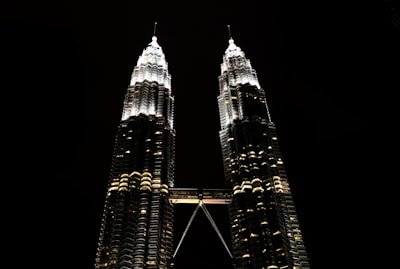
No visit to Kuala Lumpur is complete without marveling at the majestic Petronas Twin Towers. Standing at 451.9 meters, these iconic skyscrapers were once the tallest buildings in the world and remain a stunning symbol of Malaysia's progress. You can visit the Skybridge, which connects the two towers on the 41st and 42nd floors, or ascend to the Observation Deck on the 86th floor for breathtaking panoramic views of the city. Booking tickets in advance online is highly recommended to secure your preferred time slot. At their base lies Suria KLCC, a premier shopping mall, and the beautifully landscaped KLCC Park, featuring a spectacular light and sound fountain show every evening.
Batu Caves
Just a short drive north of the city, Batu Caves is a revered Hindu shrine nestled within a series of limestone caves. The most striking feature is the enormous 42.7-meter-tall golden statue of Lord Murugan guarding the entrance. To reach the main Temple Cave, visitors must climb 272 colorful steps, often shared with playful monkeys. Inside, the cave is vast and impressive, adorned with intricate Hindu deities and murals. Batu Caves is particularly vibrant during the annual Thaipusam festival, when thousands of devotees gather for religious processions. Remember to dress modestly out of respect for the religious site.
KL Tower (Menara Kuala Lumpur)
Offering a different perspective of the city, the KL Tower is a telecommunications tower with an accessible observation deck and a revolving restaurant. At 421 meters, it provides unobstructed 360-degree views, including fantastic photo opportunities of the Petronas Twin Towers. For the adventurous, the Sky Deck and Sky Box offer an open-air experience with a glass floor that extends out from the side of the tower. There's also a mini zoo and an upside-down house at its base, making it a fun outing for families.
Central Market (Pasar Seni)
A vibrant hub for Malaysian arts and handicrafts, Central Market is a cultural landmark that dates back to 1888. Housed in a beautifully restored Art Deco building, it's the perfect place to shop for souvenirs, batik prints, traditional clothing, local snacks, and exquisite handcrafted items. The market is divided into zones representing the various ethnic groups of Malaysia – Malay, Indian, and Chinese – offering a diverse range of cultural products. Outside, Kasturi Walk features open-air stalls selling an even wider array of goods and street food.
Chinatown (Petaling Street)
Immerse yourself in the bustling energy of Kuala Lumpur's Chinatown, centered around Petaling Street. This vibrant market street comes alive in the evenings, with countless stalls selling everything from clothing and accessories to electronics and souvenirs, often at bargain prices (haggling is expected!). Beyond the shopping, Chinatown is a food lover's paradise, offering an array of traditional Chinese street food, including Hokkien Mee, Char Kway Teow, and delicious dim sum. Explore the surrounding streets to discover hidden temples, traditional shophouses, and quaint cafes.
Bukit Bintang
The pulsating heart of Kuala Lumpur's retail and entertainment scene, Bukit Bintang is a dazzling district filled with mega-malls, upscale boutiques, trendy cafes, lively bars, and world-class restaurants. Pavilion Kuala Lumpur, Starhill Gallery, and Fahrenheit88 are just some of the shopping destinations here. As night falls, Bukit Bintang transforms into a vibrant nightlife hub. It's also home to Jalan Alor, one of KL's most famous street food havens, which comes alive with countless hawker stalls offering an incredible variety of Malaysian and international dishes.
Kuala Lumpur City Centre (KLCC) Park
Nestled at the foot of the Petronas Twin Towers, KLCC Park is a beautifully landscaped urban oasis spanning 50 acres. Designed by Roberto Burle Marx, it features jogging tracks, a children's playground, wading pools, and an artificial lake with the spectacular Lake Symphony fountain show that dances to music and lights every evening. It's a perfect spot for relaxation, picnics, or simply enjoying the stunning views of the city skyline.
Merdeka Square (Independence Square)
Merdeka Square holds immense historical significance as the place where the Malaysian flag was first hoisted on August 31, 1957, marking the nation's independence. Surrounded by magnificent colonial-era buildings like the Sultan Abdul Samad Building, the Royal Selangor Club, and the National Textile Museum, it offers a glimpse into KL's past. The square is a popular spot for national celebrations and offers fantastic architectural photography opportunities.
Perdana Botanical Garden
Escape the urban sprawl and find tranquility in the Perdana Botanical Garden (formerly Lake Gardens). This expansive green lung of Kuala Lumpur features meticulously maintained gardens, including the stunning Orchid Garden, Hibiscus Garden, Sunken Garden, and a deer park. It's an ideal place for a leisurely stroll, a jog, or a picnic, offering a peaceful respite from the city's hustle and bustle. The KL Bird Park, Butterfly Park, and National Planetarium are also located within or adjacent to the botanical garden complex.
Islamic Arts Museum Malaysia
Considered one of Southeast Asia's finest museums, the Islamic Arts Museum Malaysia houses an impressive collection of Islamic artifacts from across the globe. Its galleries display textiles, ceramics, jewelry, weaponry, and architectural models, including a stunning replica of the Masjid al-Haram in Mecca. The building itself is an architectural marvel with beautiful domes and intricate designs.
How to Reach
Kuala Lumpur is a major regional travel hub, making it easily accessible from almost anywhere in the world.
By Air
The primary gateway to Kuala Lumpur is
Kuala Lumpur International Airport (KLIA), located approximately 45-60 km south of the city center. KLIA is divided into two main terminals:
- KLIA1: Caters to full-service international airlines like Malaysia Airlines, Emirates, Qatar Airways, etc.
- KLIA2: A dedicated terminal for low-cost carriers, most notably AirAsia.
Both terminals are well-connected and offer a vast network of flights to destinations worldwide.
From Airport to City
- KLIA Ekspres & KLIA Transit: The fastest way to reach the city center. The KLIA Ekspres is a non-stop train service that connects KLIA/KLIA2 directly to KL Sentral (the main transportation hub) in just 28-33 minutes. KLIA Transit is a commuter service that makes several stops along the way, taking slightly longer. Both are efficient and comfortable options.
- Buses: A more budget-friendly option. Regular bus services operate from both KLIA1 and KLIA2 to KL Sentral and various other locations in the city. The journey takes approximately 1 to 1.5 hours, depending on traffic.
- Taxis & Ride-Sharing: Taxis are readily available at designated counters at the airport (purchase a coupon to avoid scams). Ride-sharing services like Grab (Southeast Asia's version of Uber) are also very popular and often more convenient and affordable.
By Land
- Buses: Kuala Lumpur is well-connected by bus to various cities within Malaysia and neighboring countries like Singapore and Thailand. The main bus terminal for long-distance routes is Terminal Bersepadu Selatan (TBS), located south of the city, which is easily accessible via public transport (LRT, KTM Komuter).
- Train (KTM Intercity): While less common for international travel compared to buses, KTM Berhad operates intercity train services connecting KL Sentral to various parts of Peninsular Malaysia, including Hat Yai in Thailand. This can be a scenic way to travel, though generally slower than flying or driving.
Local Food Guide
Kuala Lumpur's culinary scene is a vibrant reflection of Malaysia's multicultural heritage, blending Malay, Chinese, and Indian influences with indigenous flavors. Eating is a national pastime, and the city offers an astounding array of dishes, from sophisticated fine dining to humble hawker stalls.
Must-Try Dishes
- Nasi Lemak: Malaysia's national dish and a breakfast staple. Fragrant rice cooked in coconut milk, served with a spicy sambal (chilli paste), fried anchovies, peanuts, a hard-boiled egg, and often a choice of protein like fried chicken (ayam goreng) or squid.
- Laksa: A rich and flavorful noodle soup. Two main variations:
- Assam Laksa: A sour, fish-based tamarind broth with thick rice noodles, shredded fish, cucumber, onion, and mint. A Penang specialty, but widely available.
- Curry Laksa: A creamy, spicy coconut milk-based curry soup with noodles, tofu puffs, fish cakes, chicken, and often prawns. A KL favorite.
- Char Kway Teow: Stir-fried flat rice noodles with prawns, cockles, bean sprouts, chives, egg, and dark soy sauce, cooked over high heat in a wok for that signature smoky "wok hei" flavor.
- Roti Canai: A flaky, crispy Indian flatbread, usually served with dhal (lentil curry) or other curries for dipping. Perfect for breakfast or a late-night snack.
- Satay: Skewered and grilled marinated meat (chicken, beef, or lamb) served with a rich, peanut dipping sauce, cucumber, and onion.
- Hokkien Mee: A dark, thick noodle dish stir-fried with pork, prawns, squid, and cabbage in a rich, savory soy sauce gravy. The KL version is distinct from Penang's prawn mee.
- Cendol: A refreshing dessert made with shaved ice, coconut milk, green rice flour jelly (cendol), red beans, and drizzled with palm sugar (gula melaka).
- Teh Tarik: The iconic "pulled tea" beverage. Sweetened black tea mixed with condensed milk, poured back and forth between two containers to create a frothy top.
Best Foodie Spots
- Jalan Alor: The undisputed king of KL street food. This bustling street in Bukit Bintang comes alive every evening with countless hawker stalls offering a dizzying array of local delights, seafood, and Chinese dishes.
- Hutong Lot 10: Located in the Lot 10 shopping mall, this upscale food court brings together some of the best hawker stalls and legendary eateries from across KL and Malaysia under one roof, in a clean, air-conditioned environment.
- Hawker Centers & Mamak Stalls: Look out for local hawker centers (like those in Pudu or the local wet markets) for authentic and budget-friendly meals. Mamak stalls (Indian Muslim eateries) are ubiquitous, open 24/7, and great for roti canai, nasi kandar, and teh tarik.
- Brickfields (Little India): For authentic South Indian cuisine, head to Brickfields. You'll find banana leaf rice, dosas, vadai, and a vibrant atmosphere.
Public Transport
Kuala Lumpur boasts an excellent, extensive, and affordable public transportation network, making it easy to navigate the city without needing a car.
LRT/MRT/Monorail
This integrated rail network forms the backbone of KL's public transport.
- LRT (Light Rail Transit): Connects various parts of the city and suburbs, with three lines (Kelana Jaya, Sri Petaling, Ampang).
- MRT (Mass Rapid Transit): Modern, efficient lines (Sungai Buloh-Kajang, Putrajaya Line) serving key areas and expanding coverage.
- Monorail: A single line running through the heart of the city, connecting major shopping districts like Bukit Bintang and Chow Kit.
These systems are largely integrated, and interchanges allow for seamless transfers. Most major attractions are within walking distance of a station.
KTM Komuter
The KTM Komuter train service connects Kuala Lumpur to its wider suburbs and neighboring towns. While less frequent than the LRT/MRT, it's useful for reaching destinations like Batu Caves, Mid Valley Megamall, or Terminal Bersepadu Selatan (TBS).
Rapid KL Buses
Rapid KL operates an extensive network of buses covering areas not directly served by the rail system. They are generally slower due to traffic but offer a comprehensive reach. Use navigation apps like Google Maps or Moovit to figure out routes.
GO KL City Bus
A fantastic FREE bus service designed for tourists and locals alike. These bright pink buses operate on several routes (Green, Purple, Red, Blue) connecting major tourist attractions, shopping centers, and business districts. They are air-conditioned and frequent, making them an excellent way to get around the city center.
Taxis & Ride-Sharing
- Taxis: Traditional taxis are widely available. Always insist on using the meter to avoid being overcharged.
- Grab: The dominant ride-sharing app in Southeast Asia. It's incredibly convenient, reliable, and often more affordable than traditional taxis, especially when you factor in fixed prices. Simply download the app, link a payment method or pay cash, and book your ride.
Payment
The most convenient way to pay for public transport is using a
Touch 'n Go card. These reloadable cards can be purchased and topped up at LRT/MRT stations, convenience stores, and petrol stations. They offer seamless tap-and-go travel across the LRT, MRT, Monorail, KTM Komuter, and Rapid KL buses. Cash is also accepted on buses, but exact change is often required.
Travel Budget Tips
Kuala Lumpur can be explored on various budgets, from shoestring backpacking to luxury indulgence. Here are tips to stretch your ringgit further.
- Budget: Stay in hostels, guesthouses, or budget hotels in areas like Chinatown, Bukit Bintang (certain streets), or Brickfields. Dorm beds can start from RM 30-50, private rooms from RM 80-150.
- Mid-Range: Look for 3-4 star hotels outside the immediate KLCC area, or slightly older hotels in Bukit Bintang. Prices can range from RM 150-300. Consider serviced apartments for longer stays.
- Luxury: While high-end hotels can be pricey (RM 400+), KL offers excellent value for luxury compared to Western cities. Look for deals, especially during off-peak seasons.
- Food: This is where you can save significantly.
- Hawker Stalls & Mamak Stalls: Eat where the locals eat! Delicious and filling meals can be found for as little as RM 5-15 at street food stalls and hawker centers (e.g., Jalan Alor, Medan Pasar).
- Food Courts: Shopping mall food courts (like Hutong Lot 10 or Suria KLCC's food court) offer air-conditioned comfort and a wide variety of food at reasonable prices (RM 10-25).
- Supermarkets: Buy local snacks, fruits, and drinks from supermarkets or convenience stores to cut down on costs.
- Public Transport: Utilize the extensive LRT, MRT, Monorail, and KTM Komuter network. A Touch 'n Go card is essential.
- GO KL City Bus: Make the most of this free bus service for exploring the city center.
- Walking: Many areas, particularly around Bukit Bintang, KLCC, and Chinatown, are walkable. Take advantage of covered walkways (e.g., between Pavilion and KLCC).
- Grab: For longer distances or late nights, Grab is usually more cost-effective than traditional taxis.
- Free Attractions: Many iconic sites are free to enter or view from the outside (Petronas Twin Towers exterior, KLCC Park, Merdeka Square, Batu Caves entrance, Perdana Botanical Garden).
- Bundled Tickets/Discounts: Check for combo tickets if visiting multiple attractions (e.g., Aquaria KLCC, KL Tower). Look for online discounts.
- Museums: Many museums have affordable entry fees or free days.
- Bargain: At street markets like Petaling Street and Central Market, bargaining is expected and can save you a lot.
- Sales: Malaysia has frequent sales, especially around major holidays.
- Connectivity: Buy a local SIM card upon arrival (easily available at the airport or telco stores). Data packages are very affordable and essential for navigation, Grab, and staying connected.
Hotels and Accommodation
Kuala Lumpur offers an incredibly diverse range of accommodation options to suit every budget and travel style, from luxurious five-star hotels to cozy boutique guesthouses and budget-friendly hostels.
Luxury (RM 400+ per night)
For those seeking opulence and world-class amenities, the areas around the
Petronas Twin Towers (KLCC) and
Bukit Bintang are prime choices.
- KLCC: Home to prestigious hotels like the Mandarin Oriental, Grand Hyatt, The RuMa Hotel and Residences, and Traders Hotel (famous for its SkyBar with stunning Petronas Twin Towers views). These hotels offer unparalleled views, direct access to shopping malls, and proximity to major attractions.
- Bukit Bintang: Features high-end establishments such as Pavilion Hotel Kuala Lumpur, Ritz-Carlton, and JW Marriott. This area is perfect for luxury shoppers and those who want to be in the heart of the city's entertainment and nightlife scene.
Mid-Range (RM 150-400 per night)
Excellent value can be found in the mid-range category, offering comfort and good service without breaking the bank.
- Bukit Bintang: Numerous hotels like Hotel Stripes, An Autograph Collection Hotel, The Federal Kuala Lumpur, or Dorsett Kuala Lumpur provide a good balance of location and price.
- Near KL Sentral: Aloft Kuala Lumpur Sentral and Le Meridien Kuala Lumpur offer convenient access to public transportation and the airport.
- Pudu/Chow Kit: Slightly outside the immediate tourist hotspots, areas like Pudu or Chow Kit offer modern, comfortable hotels at more competitive prices, often still well-connected by LRT/Monorail (e.g., Parkroyal Collection Kuala Lumpur, citizenM Kuala Lumpur Bukit Bintang).
- Boutique Hotels: Explore unique boutique hotels in areas like Chinatown or around Masjid Jamek for a more local feel.
Budget (Under RM 150 per night)
Kuala Lumpur is a fantastic city for budget travelers, with plenty of affordable options.
- Chinatown: A popular hub for backpackers and budget travelers. You'll find a wide selection of hostels and guesthouses (e.g., Reggae Mansion KL, BackHome Hostel) that are well-located for exploring the market, local food, and cultural sites.
- Brickfields (Little India): Offers a range of budget hotels and guesthouses, particularly convenient if you're frequently using KL Sentral.
- Hostels: Throughout the city, especially in the Bukit Bintang and Chinatown areas, hostels provide dormitory beds and sometimes private rooms at very low prices. Many offer common areas, free Wi-Fi, and a social atmosphere.
- Smaller Hotels/Guesthouses: Look for independently run hotels or guesthouses slightly off the main thoroughfares for good deals.
Booking Tips:
- Book in advance, especially during peak seasons and major festivals, to secure better rates and availability.
- Read recent reviews to get an idea of cleanliness, service, and specific amenities.
- Consider location carefully – proximity to public transport can save you time and money.
- Many hotels in KL have rooftop pools and bars; check if this is a feature you desire.
Safety Tips
Kuala Lumpur is generally a safe city for tourists, but like any major metropolis, it's wise to be aware of your surroundings and take common-sense precautions.
- Petty Crime: The most common issue is petty theft, particularly pickpocketing and bag snatching, especially in crowded areas like markets (Petaling Street, Central Market), shopping malls, and on public transport.
- Keep your belongings secure and out of sight. Don't flash valuables.
- Be extra vigilant with bags; avoid placing them on the back of chairs in open-air cafes.
- Be wary of motorcyclists who might snatch bags from pedestrians, especially at curbside. Walk away from the road if possible.
- Scams: Be cautious of common tourist scams:
- Taxi Scams: Always insist on the meter or use Grab. Avoid unsolicited offers for "cheap" tours or rides.
- "Free" Gifts/Fortune Tellers: Politely decline if approached by strangers offering free items or fortune-telling; they often lead to demands for money.
- Spiked Drinks: Be cautious about accepting drinks from strangers, especially in bars or clubs.
- Traffic Safety: Traffic in KL can be heavy and chaotic.
- Use designated pedestrian crossings and traffic lights.
- Motorcycles often weave through traffic and can come from unexpected directions. Look both ways, even on one-way streets.
- Be cautious when walking on pavements, as they can sometimes be uneven or obstructed.
- Avoid walking alone in poorly lit or isolated areas late at night.
- Keep copies of important documents (passport, visa) separate from the originals.
- Inform someone of your itinerary, especially if traveling solo.
- Stay hydrated, especially if you're not used to the tropical heat.
- Dress modestly when visiting religious sites (temples, mosques). Shoulders and knees should be covered. Some sites provide robes for visitors.
- Remove your shoes before entering homes or certain religious places.
- Use your right hand when giving or receiving items or food, especially from Muslims, as the left hand is considered unclean.
- Photography is generally allowed, but always be respectful and ask permission if taking photos of people.
- Download the MySejahtera app if you are required to for health tracking, although most restrictions have been lifted.
FAQ Section
Is Kuala Lumpur safe for solo female travelers?
Yes, Kuala Lumpur is generally considered safe for solo female travelers. Standard precautions against petty crime (pickpocketing, bag snatching) should be observed, especially in crowded areas and at night. Use reputable ride-sharing apps like Grab, and avoid walking alone in deserted areas after dark. Dress modestly when visiting religious sites.
What currency is used in Kuala Lumpur?
The local currency is the Malaysian Ringgit (RM). You can exchange foreign currency at banks, authorized money changers (which often offer better rates), and at the airport. ATMs are widely available throughout the city.
Do I need a visa to visit Kuala Lumpur?
Visa requirements vary by nationality. Many countries, including the USA, UK, Australia, Canada, and EU nations, are granted visa-free entry for tourism for durations ranging from 30 to 90 days. It's crucial to check the latest visa policies with the Malaysian Embassy or Consulate in your country before traveling.
What's the best way to get around Kuala Lumpur?
Kuala Lumpur has an excellent and affordable public transport system. The LRT, MRT, and Monorail are efficient for covering long distances. The free GO KL City Bus is great for exploring the city center. For door-to-door convenience, Grab (ride-sharing app) is highly recommended and widely used.
Is English widely spoken in Kuala Lumpur?
Yes, English is widely spoken in Kuala Lumpur, especially in tourist areas, hotels, shopping malls, and by most public transport staff. Bahasa Malaysia (Malay) is the official language, but you'll also hear Mandarin, Cantonese, and various Indian languages. Communication should not be an issue for English speakers.
What should I wear in Kuala Lumpur?
Given KL's hot and humid climate, light, breathable clothing made from natural fabrics (cotton, linen) is ideal. Shorts, t-shirts, and sandals are perfectly acceptable for most casual outings. However, when visiting religious sites (mosques, temples), it's respectful to dress modestly, covering your shoulders and knees. Some mosques provide robes for visitors.
Can I drink tap water in Kuala Lumpur?
While the tap water in Kuala Lumpur is generally treated, it is not recommended for direct consumption by tourists. It's safer to stick to bottled water, which is readily available and inexpensive. Most hotels provide complimentary bottled water.
How many days are enough to visit Kuala Lumpur?
A good amount of time to spend in Kuala Lumpur is typically
3 to 4 full days. This allows you to cover the main attractions, explore different neighborhoods, enjoy the diverse food scene, and perhaps fit in a day trip (e.g., Batu Caves, Genting Highlands). For a more relaxed pace or if you plan to do extensive shopping, 5-6 days would be ideal.
Kuala Lumpur is a city that never fails to captivate with its blend of tradition and modernity, its tantalizing cuisine, and the warm hospitality of its people. Whether you're a history buff, a foodie, a shopaholic, or an adventure seeker, KL offers an experience that is as diverse as it is delightful. Pack your bags and get ready to discover the magic of this incredible Malaysian metropolis!