Brisbane Travel Guide – Best Places to Visit in Australia
Brisbane: Your Ultimate Travel Guide
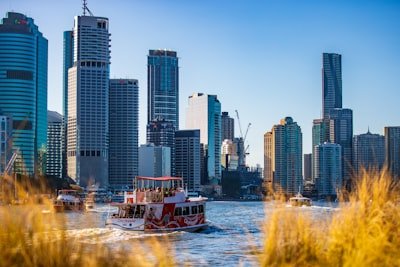
Welcome to Brisbane, the vibrant capital of Queensland, Australia! Known as the 'River City', Brisbane boasts a subtropical climate, a relaxed yet sophisticated atmosphere, and a dynamic blend of urban cool and natural beauty. Nestled along the winding Brisbane River, this sun-drenched metropolis offers visitors a unique Australian experience, from world-class dining and cultural institutions to lush parklands and thrilling outdoor adventures. Whether you're seeking cultural immersion, wildlife encounters, or simply a relaxed escape, Brisbane provides an unforgettable journey into the heart of Australia's sunshine state. This comprehensive guide will equip you with everything you need to plan your perfect Brisbane adventure.
Best Time to Visit
Brisbane enjoys a subtropical climate, meaning warm to hot weather for most of the year. However, certain seasons offer a more pleasant experience for visitors.
Autumn (March to May)
Widely considered the best time to visit Brisbane. The weather is consistently mild, with warm days and comfortable evenings, less humidity, and lower chances of rainfall. Temperatures typically range from 15°C to 25°C (59°F to 77°F). This period is perfect for outdoor activities, exploring the city on foot, and enjoying festivals.
Spring (September to November)
Another excellent time to visit, offering warm, sunny days and comfortable nights. Temperatures are similar to autumn, ranging from 15°C to 28°C (59°F to 82°F). Spring brings blooming jacaranda trees, creating picturesque purple landscapes, and is a great time for river cruises and exploring the city's parks. Humidity starts to rise towards the end of spring.
Winter (June to August)
Brisbane winters are remarkably mild and dry, often feeling like a pleasant spring day to those from colder climates. Temperatures range from 10°C to 22°C (50°F to 72°F). This is an ideal time for whale watching off the coast, enjoying outdoor markets, and exploring without the intense heat. Evenings can be cool, so a light jacket is recommended.
Summer (December to February)
Summer in Brisbane is hot and humid, with temperatures often exceeding 30°C (86°F) and accompanied by high humidity. This is also the wet season, with frequent afternoon thunderstorms and heavier rainfall, though usually brief. Despite the heat, summer is popular for water activities and exploring air-conditioned attractions. If visiting in summer, plan activities for early mornings and late afternoons, and ensure you stay hydrated and protected from the sun.
Top Attractions
Brisbane boasts a diverse range of attractions, catering to all interests, from nature lovers and culture enthusiasts to thrill-seekers.
South Bank Parklands
An absolute must-visit, South Bank is a vibrant precinct of lush parklands, restaurants, cafes, and cultural institutions right on the Brisbane River. Highlights include Streets Beach (Australia's only inner-city man-made beach), the Nepalese Pagoda, the Wheel of Brisbane, and numerous walking and cycling paths. It's perfect for a relaxing day out, a picnic, or enjoying free events and markets.
Story Bridge Adventure Climb
For panoramic views of Brisbane and beyond, embark on an exhilarating climb over the iconic Story Bridge. Similar to Sydney's Harbour Bridge climb, this guided experience offers breathtaking 360-degree vistas of the city skyline, the winding Brisbane River, and the surrounding mountains. Climbs are available day, twilight, and night, each offering a unique perspective.
Lone Pine Koala Sanctuary
Established in 1927, Lone Pine is the world's first and largest koala sanctuary, home to over 130 koalas. Here, you can hold a koala (for a fee, regulated to protect the animals), feed kangaroos, and encounter a wide array of other Australian wildlife, including wombats, platypuses, dingoes, and various bird species. It's an essential experience for animal lovers.
Queensland Cultural Centre (GOMA, Queensland Museum, QPAC)
Located on the South Bank, this precinct houses some of Queensland's premier cultural institutions. The Gallery of Modern Art (GOMA) and Queensland Art Gallery (QAG) showcase extensive collections of Australian and international art, with rotating exhibitions. The Queensland Museum and Sciencentre offer insights into Queensland's natural and cultural heritage, while the Queensland Performing Arts Centre (QPAC) hosts world-class theatre, ballet, and musical performances.
Mount Coot-tha Summit Lookout and Botanic Gardens
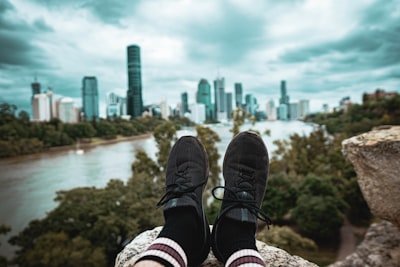
Just a short drive from the city centre, Mount Coot-tha offers the best panoramic views of Brisbane, stretching from the city skyline to Moreton Bay and beyond. At the base of the mountain, the Brisbane Botanic Gardens Mt Coot-tha is a sprawling 56-hectare garden featuring themed areas like the Japanese Garden, Tropical Dome, and a fragrant plant garden, perfect for a leisurely stroll.
City Botanic Gardens
Located on a bend of the Brisbane River, these historic gardens are a tranquil oasis in the heart of the CBD. Home to mature trees, diverse plant collections, and ornamental ponds, it’s an ideal spot for a picnic, a quiet walk, or a run along the riverfront. The gardens also host various events and are easily accessible.
Queen Street Mall
Brisbane's premier shopping precinct, Queen Street Mall is a pedestrian-only paradise featuring over 700 retailers, from major department stores to boutiques and international brands. Beyond shopping, it's a bustling hub with street performers, cafes, restaurants, and a vibrant atmosphere, perfect for people-watching.
XXXX Brewery Tour
For those interested in local history and a taste of Queensland's brewing heritage, the XXXX Brewery Tour offers an insightful journey through one of Australia's most iconic beer brands. Learn about the brewing process, the history of XXXX, and enjoy a tasting session at the end.
River Cruises and CityHopper
Exploring Brisbane from the river is a fantastic way to see the city. Various companies offer scenic cruises, from short sightseeing trips to dinner cruises. For a budget-friendly option, jump on the free CityHopper ferry, which stops at key attractions along the river between North Quay and Sydney Street, New Farm.
How to Reach
Brisbane is well-connected nationally and internationally, making it an accessible destination.
By Air
Brisbane Airport (BNE) is a major international and domestic hub, located approximately 17 kilometres northeast of the city centre. It serves numerous international airlines and all major Australian domestic carriers, with frequent flights to Sydney, Melbourne, and other capital cities.
- From the Airport to the City:
- AirTrain: The fastest way, connecting both domestic and international terminals to Brisbane's CBD stations (Central, Roma Street, South Brisbane, Fortitude Valley). Trains run every 15-30 minutes, and the journey takes about 20-25 minutes.
- Bus: Con-X-ion provides shuttle bus services to various hotels and locations in the city.
- Taxi/Rideshare: Available from designated ranks outside the terminals. The journey time is around 20-30 minutes depending on traffic.
By Train
Queensland Rail operates long-distance passenger services from other states. The Spirit of Queensland travels north to Cairns, while the NSW TrainLink XPT service connects Brisbane (Roma Street Station) with Sydney.
By Bus
Long-distance coach services, such as Greyhound Australia, connect Brisbane with major cities and towns along the east coast of Australia. Roma Street Transit Centre is the main hub for interstate bus arrivals and departures.
By Car
Brisbane is accessible via major highways from other Australian cities. The Pacific Motorway (M1) connects Brisbane to the Gold Coast and Sydney, while the Bruce Highway (M1) leads north to the Sunshine Coast and beyond. Driving allows for flexibility, but be aware of traffic congestion during peak hours and parking costs in the city centre.
Local Food Guide
Brisbane's food scene is dynamic, diverse, and heavily influenced by its subtropical climate and multicultural population. From fresh seafood to innovative cafes, there's something for every palate.
Must-Try Dishes and Experiences
- Fresh Seafood: Being close to Moreton Bay, Brisbane offers an abundance of fresh seafood. Moreton Bay Bugs (a type of slipper lobster) are a local delicacy. Enjoy fresh prawns, oysters, and fish and chips from riverside eateries or local markets.
- Cafe Culture: Brisbane has a thriving cafe scene, especially in precincts like West End, New Farm, and Fortitude Valley. Enjoy expertly brewed coffee, smashed avocado on toast, and creative brunch dishes.
- Multicultural Cuisine: Explore the diverse culinary landscape, from authentic Vietnamese in Inala, Chinese in Sunnybank, to Italian in New Farm.
- Lamingtons: While not exclusively from Brisbane, this iconic Australian cake (sponge cake coated in chocolate sauce and desiccated coconut) is a national favourite and often found in local bakeries.
- Craft Beer: Brisbane has a booming craft beer scene. Head to breweries in Fortitude Valley or West End for local brews.
Popular Dining Precincts
- Eat Street Northshore: A vibrant, open-air shipping container market offering an incredible array of international street food, desserts, and live entertainment. Open Friday to Sunday evenings.
- South Bank: Home to a wide range of restaurants, from casual eateries to fine dining, many with river views. Little Stanley Street and Grey Street are popular spots.
- Fortitude Valley: Known for its trendy bars, clubs, and diverse restaurants, including Asian eateries in Chinatown and high-end dining.
- West End: A bohemian neighbourhood offering a mix of quirky cafes, international restaurants, and organic eateries.
- Howard Smith Wharves: A stunning riverside precinct under the Story Bridge, featuring restaurants, bars, and a brewery with spectacular views of the city.
Local Markets
- Jan Powers Farmers Markets: Various locations (Powerhouse, New Farm Park, Manly) offering fresh local produce, baked goods, and artisanal products.
- Boundary Street Markets (West End): A vibrant weekend market with food stalls, live music, and unique crafts.
Public Transport
Brisbane has an efficient and integrated public transport system managed by TransLink, making it easy to get around without a car.
Go Card
The Go Card is an electronic travel card that offers cheaper fares compared to single paper tickets. It can be purchased and topped up at train stations, convenience stores, and online. Simply tap on when you start your journey and tap off when you finish. It’s essential for budget-conscious travellers.
Buses
An extensive bus network covers the entire city and surrounding suburbs. Major busway stations in the CBD include King George Square and Queen Street. Express services provide quick connections to key areas.
Trains
Brisbane's suburban train network connects the city centre with surrounding suburbs, including the airport (via AirTrain). It's a reliable option for longer distances and reaching areas further from the river.
Ferries (CityCat and CityHopper)
Brisbane's iconic CityCats are a fantastic way to explore the city from the river. These high-speed catamarans offer scenic journeys with stops at major attractions like South Bank, New Farm, and the CBD.
The
CityHopper is a free ferry service that operates a hop-on hop-off loop between North Quay and Sydney Street, New Farm. It's an excellent way to see many of the city's highlights for free, running every 30 minutes between 5:30 AM and midnight, seven days a week.
Cycling and Walking
Brisbane is very pedestrian-friendly, especially around the CBD, South Bank, and along the river. There's an extensive network of dedicated cycle paths, and bikes can be rented from various outlets or using the city's cycle-share program, CityCycle (though this is being phased out).
Travel Budget Tips
Brisbane, like many Australian cities, can be perceived as expensive. However, with smart planning, you can enjoy the city without breaking the bank.
Accommodation
- Hostels: Brisbane has several high-quality hostels, particularly in the CBD and Fortitude Valley, offering dorms and private rooms.
- Budget Hotels/Motels: Look for deals outside the immediate CBD, or consider serviced apartments for longer stays which often include kitchen facilities.
- Airbnb/Vacation Rentals: Can be cost-effective for groups or longer visits, especially if you plan to self-cater.
Food
- Cook Your Own: Opt for accommodation with kitchen facilities and buy groceries from supermarkets (Coles, Woolworths, Aldi) to prepare some meals.
- Local Markets: Visit farmers' markets for fresh and affordable produce, and food stalls for budget-friendly meals.
- Lunch Deals: Many restaurants offer cheaper lunch specials than dinner. Look for "happy hour" deals for drinks.
- BYO Restaurants: Some restaurants are 'Bring Your Own' alcohol, which can save significantly on drink costs.
- Street Food: Eat Street Northshore offers a diverse range of relatively affordable and delicious options.
Transport
- Go Card: Essential for cheaper public transport fares.
- Free CityHopper: Utilise the free ferry service for scenic river travel.
- Walk/Cycle: Explore the city on foot or rent a bike for short distances. Many of Brisbane's key attractions are within walking distance of each other.
Activities and Sightseeing
- Free Attractions: Brisbane offers plenty of free activities: South Bank Parklands (including Streets Beach), City Botanic Gardens, Mount Coot-tha Lookout, Queensland Art Gallery & GOMA (general admission is often free for permanent collections), and many festivals and events.
- Discount Passes: Consider attraction passes if you plan to visit multiple paid attractions.
- Look for Deals: Check websites like Groupon or local tourism sites for discounts on tours and experiences.
Other Tips
- Travel Insurance: Always recommend to protect against unforeseen circumstances.
- Student/Senior Discounts: If applicable, carry relevant ID for potential discounts.
- Water Bottle: Carry a reusable water bottle and refill it to avoid buying bottled water. Brisbane has public drinking fountains.
Hotels and Accommodation
Brisbane offers a wide array of accommodation options to suit every budget and travel style.
Luxury (AUD 300+ per night)
- Areas: CBD, Howard Smith Wharves, South Bank.
- Features: Five-star hotels with stunning river views, infinity pools, fine dining restaurants, and impeccable service. Brands like The Calile Hotel, Treasury Brisbane, W Brisbane, and Emporium Hotel South Bank offer top-tier experiences.
Mid-Range (AUD 150-300 per night)
- Areas: CBD, Fortitude Valley, South Brisbane, Spring Hill.
- Features: Comfortable hotels with good amenities, often including pools, gyms, and on-site dining. Options like Rydges South Bank, Novotel Brisbane, and Ovolo The Valley provide excellent value and convenient locations. Serviced apartments are also popular in this range, offering more space and kitchenettes.
Budget (AUD 50-150 per night)
- Areas: Inner-city suburbs like Fortitude Valley, Spring Hill, West End, or hostels in the CBD.
- Features: Hostels offering dorms and private rooms, budget hotels, and guesthouses. Good for solo travellers, backpackers, or those prioritising experience over luxury. Examples include Brisbane City YHA and Bunk Brisbane.
Family-Friendly
- Areas: South Bank (close to parks and attractions), serviced apartments across various locations.
- Features: Hotels with family rooms, pools, and proximity to kid-friendly activities. Serviced apartments often provide multiple bedrooms and kitchen facilities, ideal for families.
Unique Stays
- Consider boutique hotels in Fortitude Valley for a trendy stay, or heritage-listed hotels in the CBD for a touch of history.
Booking Tips
- Book in Advance: Especially during peak season (autumn/spring) or major events.
- Check Reviews: Use sites like TripAdvisor or Google Reviews to gauge quality.
- Location: Consider proximity to public transport and attractions relevant to your itinerary.
Safety Tips
Brisbane is generally a very safe city for tourists, but like any urban area, it's wise to take standard precautions.
General Safety
- Personal Belongings: Keep an eye on your bags and valuables, especially in crowded areas like Queen Street Mall or public transport.
- Nighttime: Most areas of the CBD, South Bank, and Fortitude Valley are well-lit and busy at night. Use common sense, avoid walking alone in poorly lit areas, and use reputable taxis or rideshares.
- Emergency Services: Dial 000 for police, fire, or ambulance in an emergency.
Sun Safety
- UV Index: Brisbane's sun is very strong, even on cloudy days. Check the daily UV index.
- Sunscreen: Always wear broad-spectrum sunscreen (SPF 30+) and reapply frequently, especially after swimming or sweating.
- Protection: Wear a wide-brimmed hat, sunglasses, and protective clothing when outdoors. Seek shade during the hottest parts of the day (10 AM - 3 PM).
- Hydration: Drink plenty of water to prevent dehydration, particularly during summer.
Water Safety
- Swimming: Only swim at patrolled beaches (if venturing to nearby coasts) or designated swimming areas like Streets Beach in South Bank. Always swim between the red and yellow flags.
- Rip Currents: Be aware of rip currents if swimming at ocean beaches and know how to react.
- Boat Safety: If participating in water sports or boat trips, ensure you wear a life jacket and follow safety instructions.
Wildlife Awareness
- Snakes and Spiders: While generally not a concern in urban areas, if you're hiking in bushland, be aware of Australia's venomous snakes and spiders. Stick to marked trails and wear appropriate footwear.
- Jellyfish: If visiting coastal areas during summer months, be aware of potentially dangerous jellyfish (stingers). Check local warnings.
Medical
- Travel Insurance: Highly recommended for all international travellers to cover medical emergencies and other unforeseen events.
- Pharmacies: Easily found throughout the city for minor ailments.
FAQ Section
Q: Is Brisbane expensive?
A: Like most Australian capital cities, Brisbane can be moderately expensive, especially for accommodation and dining. However, there are many free attractions and budget-friendly options for food and transport if you plan wisely.
Q: Do I need a visa to visit Australia?
A: Yes, most foreign nationals require a visa to enter Australia. The type of visa depends on your nationality and purpose of visit. The Electronic Travel Authority (ETA) is available to citizens of certain countries for short tourist stays. Always check official Australian government immigration websites for the most up-to-date information.
Q: What is the local currency?
A: The local currency is the Australian Dollar (AUD). Credit cards are widely accepted, but it's good to carry some cash for smaller purchases or markets.
Q: How many days do I need to explore Brisbane?
A: A minimum of 3-4 full days allows you to cover the main attractions like South Bank, Lone Pine Koala Sanctuary, Mount Coot-tha, and enjoy the city's vibe. If you plan day trips to the Gold Coast, Sunshine Coast, or Moreton Island, allow for 5-7 days or more.
Q: Can I swim in the Brisbane River?
A: Swimming directly in the Brisbane River is not recommended due to water quality and strong currents. However, you can safely swim at Streets Beach in South Bank Parklands, which is a man-made lagoon filled with fresh water.
Q: Is Brisbane safe at night?
A: Brisbane is generally safe at night. Popular areas like the CBD, South Bank, and Fortitude Valley are well-lit and patrolled. Always be aware of your surroundings and take precautions like avoiding unlit areas or walking alone.
Q: What's the best way to get around Brisbane?
A: Public transport (buses, trains, CityCats) is efficient and recommended. Purchase a Go Card for cheaper fares. The free CityHopper ferry is excellent for sightseeing along the river, and the city centre is very walkable.
Q: What should I pack for a trip to Brisbane?
A: Depending on the season, pack light clothing, swimwear, comfortable walking shoes, sunscreen, a hat, and sunglasses. For winter, a light jacket or sweater is advisable for evenings. An umbrella or light rain jacket is useful during summer.
Brisbane effortlessly blends urban sophistication with a laid-back, outdoor lifestyle, making it a captivating destination for any traveller. From its shimmering river and lush parklands to its vibrant arts scene and delicious food, the River City promises a journey filled with sunshine, adventure, and unforgettable moments. Start planning your Brisbane escape today and discover the charm of this Australian gem!