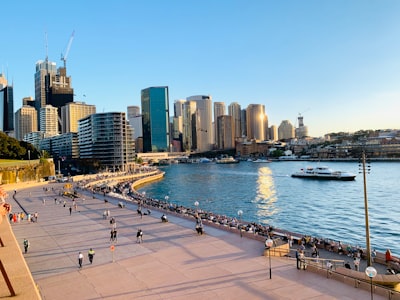
New York Travel Guide – Best Places to Visit in USA
New York City Travel Guide: Unforgettable Adventures in the Big Apple
Welcome to New York City, the concrete jungle where dreams are made of and the energy is palpable! A global icon of culture, finance, fashion, and entertainment, NYC offers an unparalleled experience for every traveler. From the dazzling lights of Times Square to the tranquil pathways of Central Park, the world-class museums to the vibrant street art, this city of endless possibilities promises an unforgettable adventure. Whether you're a first-time visitor or a seasoned New Yorker, this comprehensive guide will help you navigate the five boroughs and uncover the magic of the Big Apple.
Best Time to Visit
New York City is a year-round destination, each season offering a unique charm. The "best" time to visit largely depends on your preferences for weather, crowds, and activities.
Spring (April to June)
Spring is one of the most beloved seasons in NYC. The weather is generally mild and pleasant, with temperatures ranging from 50-70°F (10-21°C). Central Park bursts into bloom with cherry blossoms and tulips, and outdoor cafes begin to fill up. It’s an ideal time for walking tours, exploring parks, and enjoying outdoor festivals. The crowds are manageable, and hotel prices are generally reasonable before the summer rush. However, be prepared for occasional rain showers.
Summer (July to August)
Summer in New York is hot and humid, with temperatures often climbing into the 80s and 90s°F (27-32°C). Despite the heat, the city is incredibly vibrant, with outdoor concerts, street fairs, rooftop parties, and plenty of opportunities to escape to beaches like Coney Island. This is peak tourist season, meaning larger crowds and higher prices for flights and accommodation. If you visit in summer, stay hydrated, dress lightly, and take advantage of air-conditioned museums and indoor attractions.
Fall (September to November)
Many consider autumn the absolute best time to visit NYC. The weather is crisp, cool, and comfortable, with temperatures typically ranging from 45-65°F (7-18°C). The foliage in Central Park and along the Hudson River is stunning, creating picturesque backdrops. Crowds thin out slightly after the summer, and the atmosphere is perfect for exploring on foot. Events like the New York Film Festival and the Macy's Thanksgiving Day Parade add to the excitement. Hotel prices can still be high, especially in September and October.
Winter (December to March)
Winter transforms New York into a magical wonderland, especially during the holiday season (December). The city sparkles with festive decorations, ice skating rinks pop up (Rockefeller Center, Bryant Park), and the atmosphere is incredibly festive. Temperatures are cold, often dropping below freezing, with occasional snowfalls. January and February are the coldest and quietest months, offering opportunities for lower hotel rates and fewer crowds, making it a great time for museum-hopping, Broadway shows, and cozying up in cafes. Just be sure to pack warm layers, including a heavy coat, hat, gloves, and waterproof boots.
Top Attractions
New York City boasts an incredible array of iconic landmarks, world-class museums, and vibrant neighborhoods. Here are some must-visit attractions:
The Statue of Liberty & Ellis Island
No visit to NYC is complete without seeing Lady Liberty. Take a ferry from Battery Park to Liberty Island to see the iconic statue up close, and then continue to Ellis Island to explore the museum dedicated to the millions of immigrants who passed through its halls. Book tickets well in advance, especially if you want crown or pedestal access.
Times Square
Immerse yourself in the dazzling spectacle of Times Square, a sensory overload of neon billboards, street performers, and bustling crowds. It’s best experienced at night when the lights are brightest. While touristy, it's an essential New York experience.
Central Park
An urban oasis in the heart of Manhattan, Central Park offers a refreshing escape from the city's hustle. Explore its vast pathways, row a boat on The Lake, visit the Central Park Zoo, relax on Sheep Meadow, or pay tribute at Strawberry Fields, a memorial to John Lennon.
Empire State Building & Top of the Rock
For unparalleled panoramic views of the Manhattan skyline, choose between the historic Empire State Building Observatory (86th and 102nd floors) or Top of the Rock at Rockefeller Center. Top of the Rock offers stunning views of the Empire State Building itself and Central Park, especially at sunset.
Museums (MET, MoMA, AMNH)
New York is home to some of the world's finest museums.
- The Metropolitan Museum of Art (The MET): One of the largest and most comprehensive art museums globally, covering 5,000 years of art from every corner of the world.
- Museum of Modern Art (MoMA): A beacon of modern and contemporary art, featuring masterpieces by Van Gogh, Picasso, Warhol, and more.
- American Museum of Natural History (AMNH): Famous for its dinosaur skeletons, dioramas, and planetarium.
Broadway Shows
Experience the magic of live theater by catching a Broadway show. From classic musicals like "The Lion King" and "Wicked" to cutting-edge plays, there's a show for every taste. Purchase tickets in advance for popular shows or try your luck at TKTS booths for same-day discounted tickets.
Brooklyn Bridge
Take a leisurely stroll or bike ride across the iconic Brooklyn Bridge. Connecting Manhattan and Brooklyn, the bridge offers stunning views of the Manhattan skyline, the Statue of Liberty, and the East River. It’s particularly beautiful at sunrise or sunset.
9/11 Memorial & Museum and One World Observatory
Pay tribute to the victims of the September 11, 2001, attacks at the solemn 9/11 Memorial & Museum. The reflecting pools sit within the footprints of the Twin Towers. Afterwards, ascend to the One World Observatory at the top of One World Trade Center for breathtaking 360-degree views of the city.
How to Reach
Reaching New York City is convenient, with multiple international airports and extensive ground transportation options.
By Air
New York is served by three major airports:
- John F. Kennedy International Airport (JFK): The largest and busiest, located in Queens. It handles most international flights. Transport to Manhattan includes the AirTrain JFK connecting to the subway (A, E, J, Z lines) or Long Island Rail Road (LIRR), taxis, ride-shares, and private shuttles.
- LaGuardia Airport (LGA): Also in Queens, primarily serves domestic flights. Recent renovations have significantly improved facilities. Transport to Manhattan includes MTA buses (Q70-SBS, M60-SBS) connecting to subway lines, taxis, and ride-shares.
- Newark Liberty International Airport (EWR): Located in Newark, New Jersey, but serves the NYC metropolitan area. Transport to Manhattan includes the AirTrain Newark connecting to NJ Transit trains to Penn Station, taxis, and ride-shares.
By Train
Amtrak provides train service to
Moynihan Train Hall and Penn Station in Midtown Manhattan, connecting NYC to major cities across the US, including Boston, Washington D.C., and Philadelphia. It's a comfortable and often scenic way to travel, especially for East Coast journeys.
By Bus
Numerous bus companies, such as Greyhound, Megabus, and Peter Pan, operate routes to New York City, arriving at the
Port Authority Bus Terminal in Midtown Manhattan. This is a budget-friendly option for travelers coming from nearby states.
Local Food Guide
New York City is a culinary melting pot, offering everything from street food to Michelin-starred dining. Here are some iconic local eats you must try:
New York-Style Pizza
A quintessential NYC experience. Characterized by its thin, foldable crust, rich tomato sauce, and generous melted mozzarella, a classic "slice" is best enjoyed on the go. Look for old-school pizzerias like Joe's Pizza, Lombardi's (America's first pizzeria), or Bleecker Street Pizza.
Bagels and Lox
Start your day like a true New Yorker with a freshly baked, chewy bagel, often toasted and slathered with cream cheese, topped with thinly sliced smoked salmon (lox), capers, and red onion. Absolute must-tries are Ess-a-Bagel, Russ & Daughters, or Zabar's.
New York-Style Cheesecake
Rich, dense, and creamy with a graham cracker crust, often served plain or with a fruit topping. Junior's is perhaps the most famous institution for this classic dessert, with several locations throughout the city.
Hot Dogs from a Street Cart
For a quick and cheap bite, grab a hot dog from one of the many street vendors. Often served with sauerkraut and mustard, it's a simple yet satisfying street food experience. Nathan's Famous at Coney Island is legendary, but any cart will do for a quick fix.
Pastrami or Corned Beef Sandwich
Indulge in an enormous, piled-high pastrami or corned beef sandwich from a classic Jewish deli. Katz's Delicatessen is an institution (famous for its "I'll Have What She's Having" scene from When Harry Met Sally), offering hand-carved, melt-in-your-mouth meat on rye bread.
Street Food from Around the World
Beyond hot dogs, NYC's street food scene is incredibly diverse. You'll find falafel, gyros, halal carts (especially the famous Halal Guys), tacos, dumplings, and more. It's an affordable way to sample global flavors.
Diverse Ethnic Cuisine
Explore neighborhoods like Flushing, Queens for authentic Chinese food, Jackson Heights for Indian and Latin American flavors, or Arthur Avenue in The Bronx for a taste of "Little Italy." The city's culinary landscape truly reflects its multicultural population.
Public Transport
Navigating New York City's vast expanse is made easy by its comprehensive public transportation system.
The Subway
The
NYC Subway is the fastest and most efficient way to get around the city. It operates 24/7, covering most of Manhattan, Brooklyn, Queens, and the Bronx.
- MetroCard: Purchase a MetroCard at any subway station vending machine. You can load it with a pay-per-ride balance or an unlimited ride pass (7-day or 30-day passes are often cost-effective for tourists).
- OMNY: The new tap-to-pay system allows you to use your contactless credit/debit card or smartphone (Apple Pay, Google Pay) directly at the turnstile. It caps fares at the unlimited weekly rate.
- Tips: Study the subway map (available at stations or via apps like Citymapper or Google Maps), be aware of express vs. local trains, and know that uptown/downtown directions are crucial. Avoid rush hour if possible, as trains can be very crowded.
Buses
MTA buses supplement the subway system, offering service to areas not covered by trains and providing a more scenic way to travel. They are useful for shorter distances or when you want to see the city as you go. Fares are the same as the subway, payable with a MetroCard or OMNY.
Taxis and Ride-Shares
Iconic yellow
cabs are readily available, especially in Manhattan. Simply hail one with its roof light illuminated.
Ride-sharing services like Uber and Lyft are also popular and can be convenient, especially late at night or when traveling with luggage. Be aware that traffic can be heavy, especially in Midtown, making taxis/ride-shares slower and more expensive than the subway during peak hours.
Ferries
- Staten Island Ferry: This free ferry offers fantastic views of the Manhattan skyline, the Statue of Liberty, and Ellis Island. It's a budget-friendly way to get iconic photos.
- NYC Ferry: Connects various waterfront neighborhoods in Manhattan, Brooklyn, Queens, and the Bronx, offering a pleasant way to travel with great views.
Walking
Many of New York's neighborhoods are best explored on foot. Wear comfortable shoes, as you'll likely be doing a lot of walking! This is the best way to soak in the atmosphere and discover hidden gems.
Travel Budget Tips
New York City can be an expensive destination, but with smart planning, you can experience its wonders without breaking the bank.
Accommodation
- Stay outside Manhattan: Consider hotels or Airbnbs in Brooklyn (Williamsburg, Long Island City), Queens (Astoria, Long Island City), or even parts of New Jersey (Jersey City, Hoboken) which offer excellent subway access to Manhattan at lower prices.
- Hostels: NYC has several well-regarded hostels offering dormitory beds or private rooms at a fraction of hotel costs.
- Book in advance: Especially during peak seasons, booking your accommodation several months ahead can secure better rates.
Food
- Street food and delis: Embrace NYC's vibrant street food scene for affordable and delicious meals (hot dogs, falafel, halal carts). Grab a classic deli sandwich for lunch.
- Happy Hour: Many bars and restaurants offer discounted drinks and appetizers during specific hours, usually late afternoon.
- Grocery stores: Purchase snacks, drinks, and ingredients for simple meals from supermarkets like Trader Joe's or Whole Foods to save on dining out.
- "Prix Fixe" menus: Some upscale restaurants offer fixed-price lunch menus that are significantly cheaper than dinner, allowing you to experience fine dining on a budget.
Attractions
- Free activities: Enjoy Central Park, walk the Brooklyn Bridge, ride the Staten Island Ferry, explore Grand Central Terminal, window shop on 5th Avenue, and wander through neighborhoods like Greenwich Village or the West Village. Many art galleries in Chelsea are free.
- Free museum days/hours: Many museums offer free admission or "pay-what-you-wish" options on specific days or evenings. Check their websites (e.g., MoMA on Friday evenings, Bronx Museum of Art always free).
- CityPASS/Sightseeing Pass: If you plan to visit many popular paid attractions, consider a city pass. Calculate if the savings outweigh the cost for your planned itinerary.
- Broadway lotteries/rush tickets: Try your luck at online lotteries or day-of rush ticket sales for discounted Broadway show tickets.
Transportation
- Unlimited MetroCard/OMNY: If you plan to use the subway and buses frequently, a 7-day unlimited pass is usually more cost-effective than pay-per-ride.
- Walk everywhere possible: It's free, good exercise, and the best way to discover the city's hidden gems.
Hotels and Accommodation
New York City offers an incredibly diverse range of accommodation options, from luxury hotels to budget-friendly hostels. Your choice will depend on your budget, travel style, and preferred location.
Manhattan
- Midtown: Home to iconic landmarks like Times Square, Empire State Building, and Broadway theaters. Extremely convenient for sightseeing but also the most expensive and busiest. Options range from luxury (The St. Regis, The Plaza) to mid-range (citizenM, Moxy).
- Lower Manhattan (Financial District, Greenwich Village, SoHo, TriBeCa): Offers a mix of historic charm, trendy boutiques, and vibrant nightlife. Generally quieter than Midtown, especially in the Financial District after business hours. You'll find boutique hotels and more upscale options here.
- Upper West Side/Upper East Side: More residential and upscale, close to Central Park and world-class museums. Good for a quieter stay with easy subway access to downtown.
- Chelsea/Flatiron: Trendy neighborhoods with art galleries, diverse dining, and good transport links.
Brooklyn
- Williamsburg: A trendy, artsy neighborhood known for its vibrant nightlife, independent shops, and excellent restaurants. Many stylish boutique hotels and Airbnb options are available, often at a better value than Manhattan. Great subway connections.
- Dumbo: Famous for its cobbled streets, waterfront parks, and stunning views of the Manhattan skyline and Brooklyn Bridge. Upscale hotels and unique lofts.
- Long Island City (Queens): Directly across the East River from Midtown Manhattan, LIC offers fantastic skyline views, a thriving arts scene, and excellent subway connections (just one or two stops to Manhattan). Hotels here often provide much better value than Manhattan counterparts without sacrificing convenience.
Other Options
- Hostels: For budget travelers, hostels like HI NYC Hostel (Upper West Side), The Local NY (Long Island City), or Freehand New York (Flatiron) offer clean, safe, and social environments.
- Boutique Hotels: New York excels in unique boutique hotels offering distinct design and personalized service (e.g., The Ludlow, The Bowery Hotel).
- Vacation Rentals (Airbnb): Can be a good option for groups or longer stays, offering more space and kitchen facilities. Be aware of local regulations, especially in Manhattan.
Booking Tips
- Book well in advance: Especially if traveling during peak season or holidays.
- Read reviews: Check recent reviews on multiple platforms (Booking.com, Expedia, TripAdvisor) to get a sense of cleanliness, service, and noise levels.
- Consider location and transport: Even if you choose accommodation outside Manhattan, ensure it has easy access to subway lines for convenient sightseeing.
Safety Tips
New York City is generally a safe place for tourists, especially in major tourist areas. However, like any large metropolis, it's essential to be aware of your surroundings and take common-sense precautions.
General Awareness
- Stay alert: Be aware of your surroundings, especially in crowded areas like Times Square, subway stations, and tourist attractions where pickpocketing can occur.
- Protect valuables: Keep wallets in front pockets, use cross-body bags, and avoid flashing expensive electronics or jewelry.
- Trust your instincts: If a situation or person feels off, remove yourself.
Nighttime Safety
- Stick to well-lit, populated areas: Especially if walking alone at night.
- Use reliable transport: For late-night travel, use taxis or ride-shares instead of walking long distances through unfamiliar neighborhoods. When using the subway late at night, opt for cars with more people.
Public Transport
- Be vigilant on the subway: Hold onto your belongings, especially near doors. Avoid empty subway cars late at night.
- MTA personnel: If you feel unsafe or need assistance, look for uniformed MTA employees.
Common Scams
- "CD Scammers": In tourist-heavy areas (e.g., Times Square, near Central Park), individuals might try to hand you a "free" CD, then demand money aggressively. Politely decline and keep walking.
- Costumed characters: Characters in Times Square will pose for photos but expect a tip afterward, sometimes demanding unreasonable amounts. Clarify payment beforehand or avoid engaging.
- Fake ticket sellers: Only buy tickets for attractions, Broadway shows, or tours from official vendors.
- Charity workers: Be wary of people aggressively approaching you to sign petitions or donate to charities; some are legitimate, but others can be fronts for pickpocketing or scams.
Health and Comfort
- Wear comfortable shoes: You'll be doing a lot of walking.
- Stay hydrated: Especially in summer.
- Emergency number: Dial 911 for police, fire, or medical emergencies.
By following these tips, you can enjoy a safe and memorable trip to New York City, soaking in all the incredible experiences it has to offer.
FAQ Section
Q: Is New York City safe for tourists?
A: Yes, New York City is generally very safe for tourists. Major tourist areas are well-patrolled, and violent crime rates have significantly decreased over the years. However, like any large city, it's wise to be aware of your surroundings, especially in crowded areas, and take precautions against petty theft like pickpocketing.
Q: What's the best way to get around NYC?
A: The NYC Subway is the most efficient and cost-effective way to travel throughout the city. Buses are good for shorter distances, and walking is ideal for exploring neighborhoods. Taxis and ride-shares are convenient but can be slow and expensive due to traffic.
Q: How much money do I need per day in NYC?
A: A mid-range budget for New York City can be anywhere from $150-$300+ per person per day, excluding accommodation. This typically covers food (a mix of casual and moderate restaurants), attractions, and transportation. Budget travelers can spend less by opting for hostels, street food, and free activities, while luxury travelers can spend significantly more.
Q: Do I need a CityPASS or similar tourist pass?
A: It depends on your itinerary. If you plan to visit many of the popular paid attractions included in the pass, it can offer significant savings. However, if you only want to see a few attractions or prefer free activities, a pass might not be cost-effective. Do the math based on your planned sights.
Q: Is tipping mandatory in NYC?
A: Tipping is customary and expected in New York City.
- Restaurants: 18-20% is standard for good service. For exceptional service, you can tip more.
- Taxi drivers: 15-20% of the fare.
- Hotel staff (bellhops, housekeepers): A few dollars per service.
Q: What is a MetroCard and how do I use it?
A: A MetroCard is a reusable card used to pay for rides on the subway and buses. You can purchase one at any subway station and load it with a dollar amount (pay-per-ride) or an unlimited pass (7-day or 30-day, ideal for tourists). Alternatively, you can now use OMNY, the tap-to-pay system, with your contactless credit/debit card or smartphone.
Q: Can I see everything in New York City in a few days?
A: No, New York City is too vast and rich to see "everything" in just a few days. A typical first-time visit usually requires 5-7 days to cover the main highlights of Manhattan and perhaps a taste of Brooklyn. Plan your itinerary wisely, prioritizing what interests you most, and be prepared for a return trip!