Hanoi Travel Guide – Best Places to Visit in Vietnam
Welcome to Hanoi: The Ancient Heart of Vietnam
Nestled in the Red River Delta, Hanoi, the capital of Vietnam, is a city where ancient traditions beautifully intertwine with modern vibrancy. It’s a captivating metropolis that seduces visitors with its rich history, French colonial architecture, bustling Old Quarter, serene lakes, and an unparalleled culinary scene. From the moment you step onto its streets, you're enveloped in a sensory symphony of motorbikes, street vendors, aromatic spices, and the echoes of a thousand years of culture. Hanoi is not just a destination; it's an experience, a journey into the soul of Vietnam, offering a glimpse into its resilient past and dynamic present. This guide will equip you with all the essential information to navigate and fully appreciate the captivating charm of Hanoi, ensuring your trip is as memorable as the city itself.
Best Time to Visit Hanoi
Choosing the right time to visit Hanoi can significantly impact your experience, as the city experiences distinct seasons. Generally, the most pleasant weather occurs during autumn and spring.
Autumn (September - November)
This is widely considered the best time to visit Hanoi. The weather is cool and dry, with average temperatures ranging from 20-28°C (68-82°F). Humidity levels drop, and there's plenty of sunshine, making it perfect for exploring the city on foot or by bicycle. The sky is often clear blue, and the air is fresh, creating ideal conditions for sightseeing and enjoying outdoor activities.
Spring (March - April)
Spring offers another excellent window to explore Hanoi. Temperatures are mild, typically between 20-25°C (68-77°F), with moderate humidity. The city comes alive with blooming flowers, and the atmosphere is generally pleasant. However, there can be occasional drizzles or light rain, and some days might feel a bit damp, especially in early spring.
Summer (May - August)
Summer in Hanoi is hot and humid, with temperatures often soaring above 30°C (86°F) and high humidity making it feel even warmer. This is also the rainy season, characterized by frequent, heavy downpours, often in the late afternoon. While the rains are usually brief, they can disrupt sightseeing plans. Despite the heat, some travelers enjoy the vibrant energy of the city during summer, and hotel prices might be slightly lower.
Winter (December - February)
Hanoi's winter is often described as cool, damp, and sometimes chilly, especially in January and February. Temperatures can drop to 10-15°C (50-59°F), and while it rarely freezes, the high humidity can make it feel colder. There's less sunshine, and the city can be shrouded in a persistent mist or drizzle, creating a unique, atmospheric but potentially less comfortable experience for those sensitive to cold. Pack warm layers if visiting during this time.
In summary, for the most comfortable and enjoyable experience, target
Autumn (September to November) or
Spring (March to April).
Top Attractions in Hanoi
Hanoi boasts a treasure trove of historical, cultural, and natural attractions. Prepare to be immersed in history and local life.
The Old Quarter
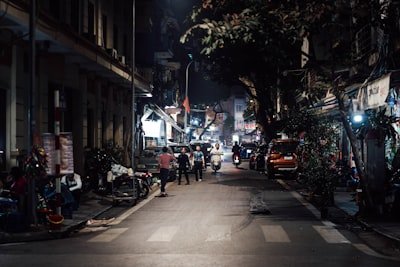
Often referred to as "36 Streets," the Old Quarter is the ancient heart of Hanoi. A labyrinth of narrow alleyways, it's a bustling commercial hub where each street traditionally specialized in a particular trade. Today, it’s a vibrant mix of shops, restaurants, cafes, temples, and residential homes. Spend hours wandering, observing daily life, sampling street food, and soaking in the energetic atmosphere. It truly comes alive in the evenings, especially during the weekend night market.
Hoan Kiem Lake (Lake of the Returned Sword)
This serene freshwater lake is a central point of Hanoi, steeped in legend. Legend has it that Emperor Le Loi was given a magic sword by a Golden Turtle God to defeat the Ming Chinese. After the victory, the turtle reappeared to reclaim the sword. Ngoc Son Temple, accessible via a picturesque red bridge (The Huc Bridge), sits on an islet, and Turtle Tower rises from another small island, making for iconic photos. The lake's surrounding pathways are popular for strolls, especially in the early mornings and evenings.
Temple of Literature & National University
Dating back to 1070, this complex is Vietnam's first national university and a beautifully preserved example of traditional Vietnamese architecture. Dedicated to Confucius and scholars, it features five courtyards, ancient trees, and stone steles mounted on turtle backs, listing the names of successful candidates in royal examinations. It's a peaceful oasis and a profound symbol of Vietnam's commitment to education.
Ho Chi Minh Mausoleum Complex
This monumental complex is dedicated to Vietnam's revered revolutionary leader, Ho Chi Minh. It includes the grand Mausoleum (where his embalmed body rests), the Presidential Palace (his former residence), Ho Chi Minh’s Stilt House (a simpler abode reflecting his humility), and the One Pillar Pagoda (an iconic lotus-shaped temple). Be sure to check visiting hours and dress respectfully.
Imperial Citadel of Thang Long
A UNESCO World Heritage Site, the Imperial Citadel was the political center of Vietnam for over a thousand years. While much of it lies underground, excavations have revealed foundations of ancient palaces, artifacts, and a fascinating insight into royal life. The Flag Tower of Hanoi, a prominent landmark, is also part of the complex.
St. Joseph's Cathedral
A striking example of French colonial architecture, this neo-Gothic cathedral was built in 1886. Its impressive twin spires dominate the surrounding area, and its interior offers a quiet respite from the city's hustle. The square in front of the cathedral is a popular gathering spot, especially in the evenings, with cafes and street food vendors.
Hoa Lo Prison Museum (Hanoi Hilton)
Known as the "Hanoi Hilton" by American POWs during the Vietnam War, Hoa Lo Prison was originally built by the French colonists to house Vietnamese political prisoners. The museum offers a sobering look into Vietnam's colonial past and its struggle for independence, as well as the experiences of American prisoners of war.
Thang Long Water Puppet Theatre
A unique and ancient art form, water puppetry originated in the rice paddies of Vietnam. Puppeteers stand in waist-deep water behind a screen, manipulating puppets on the water's surface, accompanied by live traditional music. The shows typically depict rural life, historical events, and Vietnamese legends, offering a captivating cultural experience.
West Lake (Ho Tay)
Hanoi's largest freshwater lake, West Lake offers a more tranquil atmosphere than Hoan Kiem. Its shores are dotted with elegant villas, upscale restaurants, cafes, and several ancient temples, including Tran Quoc Pagoda, the oldest pagoda in Hanoi, and Quan Thanh Temple. It's a great spot for a leisurely stroll, cycling, or enjoying a sunset.
Train Street
A narrow residential street where an active railway line runs just inches from people's front doors. It's become a popular, albeit sometimes controversial, tourist attraction. When the train approaches, residents quickly clear their belongings. While parts of it have been closed to tourists due to safety concerns, some sections remain open, offering a fascinating glimpse into local life. Check current access rules before visiting.
How to Reach Hanoi
Hanoi is a major transport hub, easily accessible by air, train, and bus from various domestic and international locations.
By Air
Noi Bai International Airport (HAN) is Hanoi's main airport, located approximately 30-45 km (19-28 miles) north of the city center. It serves numerous international and domestic flights.
- From the Airport to City Center:
- Taxi: The most convenient option. Reputable companies like Mai Linh (green cars) and Vinasun (white cars) offer metered fares, typically VND 300,000-400,000. Be wary of unofficial taxis.
- Grab (Ride-Hailing): Often cheaper than traditional taxis. Download the app and book a car or motorbike.
- Airport Bus: Public bus route 86 (express) and 7, 17, 90 (local) offer budget-friendly options, taking around 45-90 minutes depending on traffic. Fares are very cheap (VND 30,000-45,000 for express).
- Minibus: Various companies offer shared minibuses for VND 40,000-60,000, dropping passengers at specific points or their hotels in the Old Quarter.
By Train
Hanoi's main railway station,
Hanoi Railway Station (Ga Ha Noi), is located southwest of Hoan Kiem Lake. It's the northern terminus of Vietnam's North-South Railway, connecting Hanoi to major cities like Da Nang, Hue, Nha Trang, and Ho Chi Minh City. Overnight sleeper trains are a popular way to travel long distances, offering a unique experience.
By Bus
Hanoi has several large bus stations connecting it to provinces across Northern Vietnam and even to neighboring Laos and China.
- My Dinh Bus Station: Serves routes to the northwest (e.g., Sapa, Dien Bien Phu).
- Giap Bat Bus Station: Serves routes to the south (e.g., Ninh Binh, Thanh Hoa).
- Long Bien Bus Station: Smaller, serves local routes within and around Hanoi.
- Nuoc Ngam Bus Station: Serves routes to the south and some international routes to Laos.
Long-distance buses are generally economical but can be less comfortable than trains, and travel times can be extended due to traffic.
Local Food Guide: A Culinary Journey in Hanoi
Hanoi is a food lover's paradise, renowned for its delectable street food and unique culinary traditions. Eating in Hanoi is not just about sustenance; it’s a cultural immersion.
Pho (Noodle Soup)
The quintessential Vietnamese dish. While variations exist across the country, Hanoi is famous for its hearty beef (pho bo) or chicken (pho ga) noodle soup. Expect fragrant broth, tender meat, fresh herbs, and rice noodles. Find it at countless street stalls and small restaurants. A must-try is Pho Gia Truyen on Bat Dan Street.
Bun Cha (Grilled Pork with Noodles)
A Hanoi specialty made famous by a visit from Barack Obama and Anthony Bourdain. This dish consists of grilled pork patties and slices of pork belly served in a flavorful sweet and sour dipping broth, accompanied by a plate of fresh vermicelli noodles and a basket of herbs. You assemble each bite yourself. Look for it around the Old Quarter.
Cha Ca (Turmeric Fish with Dill)
A truly unique Hanoi dish, Cha Ca features grilled chunks of flaky white fish (often snakehead or catfish) marinated in turmeric, ginger, and dill, served sizzling at your table with vermicelli noodles, peanuts, and a pungent shrimp paste. Cha Ca La Vong is the most famous, dedicated solely to this dish for generations.
Banh Mi (Vietnamese Baguette Sandwich)
While popular nationwide, Hanoi's Banh Mi often boasts a slightly different flavor profile. A crusty baguette is filled with various ingredients like paté, grilled pork, cold cuts, fresh herbs, cucumber, pickled carrots, and chili. It’s a cheap, delicious, and incredibly satisfying snack or meal.
Egg Coffee (Ca Phe Trung)
A Hanoi invention! This decadent drink is made with strong Vietnamese coffee topped with a creamy, frothy mixture of egg yolk, sugar, and condensed milk. It's surprisingly delicious and resembles a liquid tiramisu. Cafes like Giang Cafe and Cafe Dinh are famous for it.
Nem Ran / Goi Cuon (Fried/Fresh Spring Rolls)
Nem Ran are crispy fried spring rolls, typically filled with minced pork, glass noodles, mushrooms, and vegetables, served with a dipping sauce.
Goi Cuon are fresh spring rolls, made with rice paper wrapped around shrimp, pork, vermicelli, and fresh herbs, served with peanut sauce. Both are ubiquitous and delicious appetizers.
Bia Hoi (Fresh Beer)
Hanoi is famous for its "Bia Hoi" culture – incredibly cheap, freshly brewed draft beer served daily. It's light, refreshing, and incredibly social. You'll find Bia Hoi establishments with low plastic stools spilling onto sidewalks, especially around Bia Hoi Junction (Ta Hien Street) in the Old Quarter.
Xoi (Sticky Rice)
A versatile and popular dish, Xoi can be a savory breakfast, a side dish, or a sweet dessert. Savory versions (xoi man) come with various toppings like grilled chicken, pork floss, fried egg, or Vietnamese sausage. Sweet versions (xoi che) are often topped with mung bean paste, coconut milk, and sugar.
Tips for Eating in Hanoi:
- Embrace Street Food: Don't be afraid to try street stalls; they often offer the most authentic and delicious experiences. Look for places with high turnover and a queue of locals.
- Hygiene: While generally safe, choose stalls that look clean, where food is cooked fresh, and ingredients are stored properly.
- Ask for Nuoc Cham: This ubiquitous dipping sauce (fish sauce, lime, sugar, chili, garlic) is key to many dishes.
- Learn Basic Phrases: "Ngon qua!" (Delicious!) will earn you smiles.
Public Transport in Hanoi
Navigating Hanoi can seem chaotic at first, but the public transport system offers various ways to get around, catering to different budgets and comfort levels.
Buses
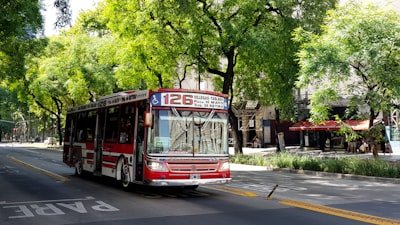
Hanoi has an extensive and efficient public bus network. It's the cheapest way to get around the city. Buses are generally well-maintained, air-conditioned, and cover most major attractions. Fares are very low (around VND 7,000-10,000 per ride). Use Google Maps or local bus apps to plan your routes. Be prepared for crowds during peak hours.
Taxis
Official metered taxis are plentiful and convenient. Stick to reputable companies like Mai Linh (green) and Vinasun (white/green) to avoid scams. Ensure the meter is on and reset at the start of your journey. Always have small denominations of VND.
Ride-Hailing Apps (Grab)
Grab is extremely popular and widely used in Hanoi, offering motorbike taxis (GrabBike) and car taxis (GrabCar). It's often cheaper than traditional taxis, provides upfront pricing, and allows you to pay cash or via card. It’s highly recommended for tourists as it bypasses language barriers and fare negotiations. Download the app before you arrive.
Cyclos (Pedicabs)
For a more traditional and leisurely experience, take a cyclo. These three-wheeled bicycle taxis are a charming way to see the Old Quarter. Negotiate the fare before you get in, and agree on whether it's for a specific destination or a timed tour. Expect to pay VND 100,000-200,000 for a 30-60 minute ride. While iconic, some tourists find the experience a bit aggressive from drivers.
Walking
For the Old Quarter and areas around Hoan Kiem Lake, walking is the best way to soak in the atmosphere and discover hidden gems. Be mindful of the chaotic traffic and motorbikes, especially when crossing streets – often, it's best to walk slowly and predictably, letting traffic flow around you.
Travel Budget Tips for Hanoi
Hanoi can be a very affordable destination, especially if you adopt local habits. Here’s how to make your money go further:
Accommodation Savings
- Hostels & Guesthouses: Hanoi has a wide array of budget-friendly hostels (dorm beds for $5-10 USD) and guesthouses (private rooms for $15-30 USD), especially in the Old Quarter.
- Homestays: Consider a local homestay for an authentic experience and often better value.
- Book in Advance: Especially during peak season, booking hostels or guesthouses a few weeks ahead can secure better rates.
Food and Drink
- Eat Street Food: This is where you'll find the most delicious and cheapest meals. A bowl of pho or bun cha can cost as little as VND 30,000-50,000 ($1.20-2 USD).
- Bia Hoi: Enjoy freshly brewed beer for as low as VND 5,000-10,000 ($0.20-0.40 USD) a glass.
- Local Markets: Buy fresh fruit and snacks from local markets rather than convenience stores.
- Avoid Tourist Trap Restaurants: While some are good, many overcharge. Venture a block or two away from major tourist hubs for better value.
Transportation
- Use Public Buses: The cheapest way to get around (VND 7,000-10,000 per ride).
- GrabBike: For solo travelers, GrabBike is significantly cheaper than GrabCar and taxis for short to medium distances.
- Walk: Explore the Old Quarter and central areas on foot. It’s free and offers the best way to experience the city.
Activities and Shopping
- Free Attractions: Many of Hanoi’s most iconic sights like Hoan Kiem Lake, St. Joseph's Cathedral, and simply wandering the Old Quarter are free.
- Bargain: When shopping at markets or with street vendors, always bargain politely. Start at 50% of the asking price and work your way up. It’s expected.
- Buy Local Souvenirs: Support local artisans. Silk, lacquerware, embroidered goods, and traditional Vietnamese art make great souvenirs.
Currency and Payments
- Vietnamese Dong (VND): The local currency. ATMs are widely available.
- Small Denominations: Always carry small notes for street food vendors, buses, and markets.
- Credit Cards: Accepted at most hotels, upscale restaurants, and larger shops, but cash is king for daily expenses.
Hotels and Accommodation in Hanoi
Hanoi offers a vast range of accommodation options to suit every budget and travel style, from bustling hostels to luxurious boutique hotels. The choice of neighborhood often dictates the kind of experience you'll have.
The Old Quarter (Hoan Kiem)
- Vibe: Bustling, lively, and very tourist-centric. You'll be right in the heart of the action, with street food, shops, cafes, and Hoan Kiem Lake just steps away.
- Accommodation: Dominantly budget hostels, mid-range boutique hotels, and guesthouses. Many offer charming, traditional decor.
- Pros: Excellent for first-time visitors who want to be close to everything. Great nightlife and food scene.
- Cons: Can be noisy, especially at night. Traffic is constant.
French Quarter (South of Hoan Kiem Lake)
- Vibe: Elegant, historic, and more serene than the Old Quarter. Characterized by broad, tree-lined boulevards and magnificent French colonial architecture. Home to government buildings, luxury shops, and upscale restaurants.
- Accommodation: Primarily luxury hotels (e.g., Sofitel Legend Metropole, Hotel de l'Opera) and high-end boutique options.
- Pros: Quieter, more refined atmosphere. Close to Hoan Kiem Lake and attractions like the Hanoi Opera House.
- Cons: Higher price point. Less immediate access to street food.
West Lake Area (Ho Tay)
- Vibe: Residential, expat-friendly, and more relaxed. Offers beautiful lake views, trendy cafes, international restaurants, and boutique shops. A great escape from the city's hustle.
- Accommodation: A mix of serviced apartments, boutique hotels, and some luxury resorts.
- Pros: Tranquil, fresh air, spacious. Good for longer stays or those seeking peace.
- Cons: Further from the Old Quarter's main attractions, requiring taxi or Grab for daily sightseeing.
Ba Dinh District
- Vibe: Political and cultural center, home to the Ho Chi Minh Mausoleum complex, Presidential Palace, and numerous embassies. More spacious and less dense than the Old Quarter.
- Accommodation: Some mid-range and upscale hotels, often catering to business travelers or those wanting to be near the historical sites.
- Pros: Close to key historical attractions. Generally quieter and more organized.
- Cons: Can feel less vibrant than the Old Quarter for leisure travelers.
Types of Accommodation:
- Hostels: Abundant, especially in the Old Quarter, offering dorms and private rooms at very low prices. Many are highly rated for social atmosphere and facilities.
- Boutique Hotels: Numerous charming options, often housed in renovated colonial buildings, providing a blend of local character and modern comforts.
- Mid-Range Hotels: Good quality hotels offering amenities like pools, gyms, and breakfast, at reasonable prices.
- Luxury Hotels: International chain hotels and independent luxury properties provide world-class service and facilities, especially in the French Quarter and around West Lake.
Safety Tips for Traveling in Hanoi
Hanoi is generally a safe city for tourists, but like any major urban center, it has its challenges. Being aware and taking precautions can ensure a smooth and enjoyable trip.
Traffic Awareness
- Crossing Streets: Traffic in Hanoi is relentless, with a constant flow of motorbikes. The key is to walk slowly and predictably across the street, allowing traffic to flow around you. Don't make sudden movements. Drivers are used to pedestrians, but you need to be confident.
- Motorbike Taxis: While convenient, always wear a helmet (provided by the driver). Check the driver's rating if using Grab.
Petty Theft
- Pickpocketing: Common in crowded areas like markets, bus stations, and the Old Quarter. Keep valuables secure in a money belt or zipped bag. Avoid flashing expensive items.
- Bag Snatching: Be aware of bags, especially shoulder bags, while walking on sidewalks or riding cyclos. Hold them close to your body, away from the street side.
- ATMs: Use ATMs in well-lit, secure locations, preferably inside banks or hotels.
Scams and Overcharging
- Taxis: Use reputable taxi companies (Mai Linh, Vinasun) and ensure the meter is running. Avoid unmarked taxis or those that aggressively solicit rides. Grab is a good alternative for transparent pricing.
- Cyclos: Always negotiate and agree on a price *before* starting the ride. Clarify whether the price is per person or per cyclo, and for how long.
- Street Vendors: Some street vendors might try to overcharge. Bargain politely but firmly if you feel the price is unfair.
- Fake Products: Be wary of counterfeit goods, especially electronics and branded clothing, in markets.
Food and Water Safety
- Tap Water: Do not drink tap water. Use bottled water for drinking and brushing teeth.
- Ice: Generally safe in established restaurants and cafes, but exercise caution with ice from very basic street stalls.
- Street Food: While delicious, choose stalls that appear clean, have a high turnover of customers (indicating freshness), and where food is cooked to order. Trust your gut feeling.
Health and Medical
- Travel Insurance: Always purchase comprehensive travel insurance.
- Vaccinations: Consult your doctor about recommended vaccinations before traveling to Vietnam.
- Medication: Bring any prescription medications you need, along with a copy of your prescription.
- Sun Protection: Hanoi can be very hot and sunny. Use sunscreen, wear a hat, and stay hydrated.
- Mosquitoes: While not as prevalent as in rural areas, dengue fever can occur. Use mosquito repellent, especially at dawn and dusk.
Respect Local Culture
- Dress Code: Dress modestly when visiting temples, pagodas, or the Ho Chi Minh Mausoleum (shoulders and knees covered).
- Footwear: Remove your shoes before entering temples or private homes.
- Photography: Ask for permission before taking photos of individuals, especially monks or ethnic minorities.
- Public Displays of Affection: Keep public displays of affection discreet.
FAQ: Frequently Asked Questions about Hanoi
Is Hanoi safe for tourists?
Yes, Hanoi is generally safe for tourists. Violent crime against tourists is rare. The main concerns are petty theft (pickpocketing, bag snatching) and scams (overcharging by taxis, cyclos). By being aware and taking common precautions, you can have a very safe trip.
What currency is used in Hanoi?
The official currency is the Vietnamese Dong (VND). Major hotels and larger shops may accept credit cards, but cash is essential for street food, markets, and smaller establishments.
Do I need a visa for Vietnam?
Most foreign visitors require a visa to enter Vietnam. However, some nationalities are exempt for short stays (e.g., 15-45 days depending on nationality). Check the latest visa requirements for your country well in advance of your trip. An e-visa system is available for many nationalities.
Is tipping customary in Hanoi?
Tipping is not traditional or mandatory in Vietnam, but it is increasingly appreciated, especially in tourist-focused services. For good service, rounding up the bill, leaving a small amount for tour guides, drivers, or hotel staff, or a small tip (10-15% in upscale restaurants) is a nice gesture.
What's the best way to get from Noi Bai Airport (HAN) to the city center?
The most convenient options are taxis (Mai Linh, Vinasun), ride-hailing apps (Grab), or the express public bus 86. Taxis/Grab take about 30-45 minutes, while the bus takes 45-90 minutes depending on traffic.
Can I drink tap water in Hanoi?
No, it is not safe to drink tap water in Hanoi. Always use bottled water for drinking, and it's also advisable to use it for brushing your teeth.
What are some essential phrases in Vietnamese?
- Hello: `Xin chào` (sin chow)
- Thank you: `Cảm ơn` (gahm uhn)
- Excuse me/Sorry: `Xin lỗi` (sin loy)
- Yes: `Vâng` (vung, for women) / `Dạ` (zah, for men)
- How much?: `Bao nhiêu?` (bow nyoo?)
- Delicious: `Ngon quá!` (ngon kwah!)
Is Hanoi walkable?
The Old Quarter and areas around Hoan Kiem Lake are very walkable, and exploring on foot is highly recommended to soak in the atmosphere. However, be prepared for chaotic traffic and motorbikes, which can make crossing streets an adventure. For longer distances or outside the central areas, public buses, taxis, or Grab are more practical.