Santiago Travel Guide – Best Places to Visit in Chile
Santiago: The Vibrant Heart of Chile
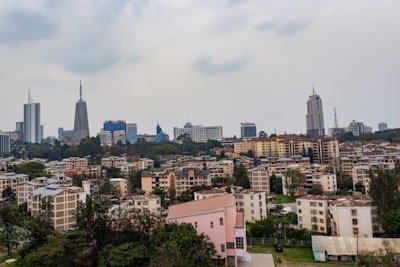
Nestled in a valley surrounded by the towering peaks of the Andes Mountains to the east and the Chilean Coastal Range to the west, Santiago is not just the capital of Chile but also its cultural, political, and economic epicenter. A sprawling metropolis of over 7 million inhabitants, Santiago is a city of fascinating contrasts, where colonial architecture stands proudly alongside gleaming skyscrapers, and bohemian neighborhoods buzz with life next to tranquil parks. It's a city that beckons travelers with its rich history, vibrant arts scene, world-class cuisine, and the ever-present, awe-inspiring backdrop of the snow-capped Andes. From exploring historic plazas to tasting exquisite wines, hiking urban hills to indulging in modern gastronomy, Santiago offers an unforgettable urban adventure that serves as an ideal gateway to the diverse wonders of Chile.
Best Time to Visit Santiago
Choosing the right time to visit Santiago can significantly enhance your experience, depending on your preferences for weather and activities.
Spring (September to November)
This is arguably the best time to visit Santiago. The weather is delightfully mild and pleasant, with clear skies and comfortable temperatures ranging from 15°C to 25°C (59°F to 77°F). The city's parks and streets burst into bloom, most notably with the vibrant jacaranda trees in October. It's an excellent time for sightseeing, walking tours, and enjoying outdoor cafes. The air quality is generally better during this period, and it precedes the peak summer heat.
Summer (December to February)
Santiago summers are hot and dry, with temperatures often soaring above 30°C (86°F), sometimes reaching 35°C (95°F). While the intense heat can be a deterrent for some, it's a fantastic time for day trips to the nearby coast (like Valparaíso or Viña del Mar) or to escape to the cooler elevations of the Andes. Many locals head out of the city for their holidays, making the central areas slightly less crowded, but some smaller businesses might have reduced hours. Air conditioning is a must if visiting during this season.
Autumn (March to May)
Another excellent period for a visit, autumn in Santiago is characterized by comfortable, gradually cooling temperatures, ranging from 10°C to 25°C (50°F to 77°F). The city's foliage transforms into beautiful hues of red, orange, and gold, particularly noticeable in parks and residential areas. March and April are ideal for exploring the city and embarking on wine tours, as it's harvest season in the surrounding valleys. The crisp air and fewer tourists make it a very enjoyable time.
Winter (June to August)
Winters are mild but wet, with average temperatures around 5°C to 15°C (41°F to 59°F). While the city itself rarely sees snow, the surrounding Andes mountains are covered in it, making it the prime season for skiing and snowboarding at world-class resorts like Valle Nevado, La Parva, and El Colorado, which are just a short drive away. The city can be prone to smog during colder, still days, but rainy periods help clear the air. It’s a quieter time for urban exploration, and you can enjoy hearty Chilean comfort food.
Recommendation: For the best balance of pleasant weather, fewer crowds, and vibrant scenery, aim for spring (October-November) or autumn (March-April).
Top Attractions in Santiago
Santiago offers a wealth of attractions catering to every interest, from historical landmarks to natural wonders and bohemian enclaves.
Plaza de Armas
The historic heart of Santiago, Plaza de Armas is a bustling public square surrounded by some of the city's most significant buildings. Here you'll find the impressive Metropolitan Cathedral, the Palacio de la Real Audiencia (housing the National History Museum), the Central Post Office, and the Palacio de la Cultura. It’s a vibrant place to observe local life, street performers, and chess players.
Cerro San Cristóbal and Parque Metropolitano
Dominating Santiago’s skyline, Cerro San Cristóbal offers unparalleled panoramic views of the city and the majestic Andes. Accessible by funicular or cable car, the summit features a statue of the Virgin Mary, a small chapel, and various viewing platforms. The hill is part of the sprawling Parque Metropolitano, which also includes a zoo, botanical gardens, and several swimming pools, making it a perfect spot for a half or full-day excursion.
Barrio Bellavista
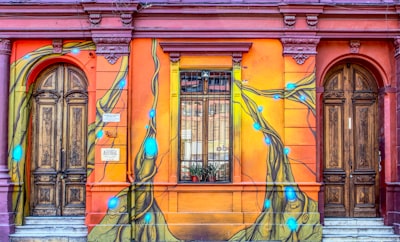
Known for its bohemian vibe, vibrant street art, lively nightlife, and diverse culinary scene, Barrio Bellavista is a must-visit. During the day, explore its colorful streets, browse artisan shops, and visit La Chascona, one of Nobel laureate Pablo Neruda’s unique homes. By night, the neighborhood transforms into a hub of restaurants, bars, and clubs.
Palacio de La Moneda
This neoclassical building is the seat of the President of Chile and has played a pivotal role in the nation's history. Visitors can witness the ceremonial Changing of the Guard, which takes place every other day (check schedules), and explore the surrounding Plaza de la Constitución. Beneath the palace is the modern Centro Cultural La Moneda, offering art exhibitions and cultural events.
Barrio Lastarria & Barrio Italia
These two charming neighborhoods are perfect for a leisurely stroll. Barrio Lastarria, adjacent to Santiago Centro, is a cultural hotspot with boutique shops, art galleries, independent cinemas, and excellent cafes and restaurants. Barrio Italia, a bit further east, has a more relaxed, village-like atmosphere, famous for its antique shops, design stores, and artisan workshops, alongside a growing number of fusion restaurants.
Museo Chileno de Arte Precolombino
Housed in a beautiful colonial building, this museum boasts one of the most comprehensive collections of pre-Columbian art and artifacts in South America. It offers fascinating insights into the indigenous cultures of Central and South America, with exquisitely preserved pieces ranging from ceramics and textiles to mummies.
Mercado Central & La Vega Central
Immerse yourself in local life at these bustling markets. Mercado Central is renowned for its seafood restaurants, offering fresh catch daily. La Vega Central, located just across the Mapocho River, is a vibrant, sprawling produce market where you can find an incredible array of fruits, vegetables, and local delicacies. It’s a sensory overload and a fantastic place for photography and people-watching.
Sky Costanera
Located atop the Costanera Center, the tallest building in Latin America, Sky Costanera offers breathtaking 360-degree views of Santiago. From its observation deck on the 61st and 62nd floors, you can truly grasp the scale of the city and its dramatic mountain setting, especially stunning at sunset.
Day Trips to Maipo Valley Wineries
Just an hour south of Santiago, the Maipo Valley is one of Chile's oldest and most renowned wine regions. Many vineyards, such as Concha y Toro, Santa Rita, and Cousiño Macul, offer guided tours and tastings, providing a wonderful escape from the city and a chance to savor some of Chile's world-class wines.
How to Reach Santiago
Santiago is easily accessible, serving as a major hub for travel within South America.
By Air
The primary gateway is Santiago International Airport (SCL), officially known as Arturo Merino Benítez International Airport. It’s located about 15 km (9 miles) northwest of the city center.
-
Airport Transfers: Several options are available:
-
Official Taxis: Metered taxis are available outside the arrivals hall. Ensure they are official (black cars with yellow roofs). Prices vary based on destination.
-
Shared Shuttles (Transfer Delfos, Centropuerto): A more economical option if you're traveling solo or as a couple, dropping passengers off at various city locations.
-
Buses (Centropuerto, TurBus): The cheapest option, buses run frequently from the airport to various Metro stations (like Los Héroes or Pajaritos), from where you can connect to the city's public transport network.
-
Ride-sharing Apps (Uber, Cabify, Didi): These services operate from the airport, but sometimes involve walking to a designated pick-up spot or coordinating with the driver.
By Bus
Santiago has several bus terminals serving long-distance routes within Chile and to neighboring countries like Argentina, Peru, and Bolivia.
-
Terminal Alameda & Terminal Santiago: Located next to each other, these are the main terminals for intercity travel.
-
Terminal San Borja: Primarily serves routes to northern and southern Chile.
-
International routes: Buses connect Santiago to Mendoza (Argentina), Lima (Peru), La Paz (Bolivia), among others.
By Car
Driving into Santiago from other parts of Chile or from Argentina (via the scenic Paso Los Libertadores mountain pass, which can be closed in winter due to snow) is possible. However, traffic in Santiago can be heavy, and parking challenging and expensive in central areas. A car is generally not necessary for exploring the city itself but can be useful for day trips to more remote areas.
Local Food Guide in Santiago
Chilean cuisine is hearty and flavorful, with a strong emphasis on fresh seafood, corn, potatoes, and meat. Santiago offers a fantastic culinary journey.
Must-Try Dishes
-
Empanadas: A staple! Savory pastries typically filled with "pino" (a mixture of ground beef, onions, olives, and hard-boiled egg) or cheese. Look for them freshly baked.
-
Pastel de Choclo: A delicious corn pie with a creamy mashed corn topping and a savory filling (pino, chicken, or both) underneath. Often served in individual clay pots.
-
Cazuela: A comforting, clear broth soup, usually featuring a large piece of meat (beef or chicken), a potato, corn on the cob, a pumpkin chunk, and green beans. Perfect for a chilly day.
-
Asado: Chilean barbecue, often featuring various cuts of beef, chicken, and sometimes pork, grilled to perfection. A social event enjoyed with family and friends.
-
Completos: Chile's version of the hot dog, but taken to an extreme. It's usually loaded with mayonnaise, chopped tomatoes, and sauerkraut (chucrut). The "completo italiano" includes just mayo, tomato, and avocado – named for the colors of the Italian flag.
-
Seafood: Given Chile's long coastline, fresh seafood is abundant. Try "reineta" (flounder), "congrio" (conger eel), or "machas a la parmesana" (razor clams baked with Parmesan cheese).
-
Lomo a lo Pobre: A generous dish featuring a tenderloin steak topped with two fried eggs, accompanied by a mountain of French fries and sautéed onions. Definitely not for the faint of heart!
-
Pebre: A fresh, spicy salsa made with finely diced tomatoes, onions, cilantro, aji (chile pepper), and olive oil. Served as a condiment with almost everything.
Traditional Drinks
-
Pisco Sour: The national cocktail, a delightful mix of pisco (grape brandy), lemon juice, simple syrup, and egg white, often topped with a dash of Angostura bitters.
-
Terremoto: Meaning "earthquake," this potent and sweet drink is traditionally served in a liter glass, consisting of pipeño (a sweet fermented wine), pineapple ice cream, and a dash of grenadine. It's known for its ability to make your legs wobbly!
-
Mote con Huesillo: A non-alcoholic, refreshing summer drink made from rehydrated dried peaches (huesillos) and husked wheat (mote), served in a sweet, syrupy liquid.
Where to Eat
-
Picadas: Look for these traditional, informal eateries that serve generous portions of classic Chilean comfort food at affordable prices.
-
Mercado Central: Famous for its seafood restaurants, offering fresh fish and shellfish dishes.
-
Barrio Bellavista, Lastarria, and Providencia: These neighborhoods boast a wide array of restaurants, from casual eateries to fine dining establishments, catering to all tastes and budgets.
-
Food Trucks: Increasingly popular, especially around parks and events, offering quick and diverse options.
Public Transport in Santiago
Santiago boasts an efficient and extensive public transportation system, making it easy to navigate the city without a car.
Metro de Santiago
The Santiago Metro is the backbone of the city's public transport. It's clean, modern, efficient, and covers a vast portion of the city with its seven lines (soon to be more).
-
How to Use: You'll need a
BIP! card (tarjeta BIP!), which can be purchased and topped up at any Metro station or designated BIP! card kiosks. Fares are deducted per ride, and you can transfer between Metro lines without extra charge within a certain timeframe. The fare varies slightly depending on the time of day (peak, normal, off-peak).
-
Hours: Generally runs from early morning (around 6 AM) until late evening (around 11 PM or midnight), with slightly reduced hours on weekends and holidays.
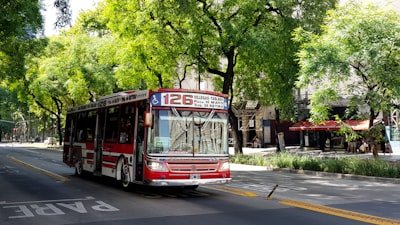
Buses (Transantiago / Red Movilidad)
The bus system complements the Metro, reaching areas not covered by the subway.
-
How to Use: Buses also require a BIP! card for payment; cash is not accepted. You can transfer from the Metro to a bus (or vice-versa, or between buses) usually for free or a reduced fare within a specific time window.
-
Routes: Numerous routes crisscross the city; use online maps or apps like Google Maps or Moovit to plan your bus journeys.
Taxis and Ride-sharing Apps
-
Taxis: Official taxis are black with yellow roofs. Ensure the meter is running or agree on a price before starting your journey, especially for longer distances.
-
Ride-sharing Apps: Uber, Cabify, and DiDi are widely available and popular in Santiago, often offering a convenient and transparent way to get around. Ensure you confirm the car and driver details before entering the vehicle.
Funicular and Teleférico
For accessing Cerro San Cristóbal, the funicular (located in Barrio Bellavista) and the teleférico (accessed from Providencia) are both part of the public transport experience, offering scenic rides up the hill.
Bike Rental
Santiago has been investing in bike lanes, and bike rental services are becoming more prevalent, particularly in areas like Providencia and Lastarria. It's a great way to explore the city's parks and charming neighborhoods on a pleasant day.
Travel Budget Tips for Santiago
Santiago can be enjoyed on various budgets. Here’s how to make your money go further:
Accommodation
-
Hostels: For budget travelers, hostels in neighborhoods like Bellavista, Lastarria, and Santiago Centro offer dorm beds and private rooms at competitive prices.
-
Budget Hotels: Look for small guesthouses or "hospedajes" that offer basic but clean rooms.
-
Airbnb/Apartment Rentals: Good for longer stays or groups, offering kitchen facilities to save on food costs.
-
Consider Neighborhoods: While Las Condes is upscale, Providencia offers a good balance of quality and price.
Food and Dining
-
"Menú del Día" or "Almuerzo": Many restaurants, especially on weekdays, offer a fixed-price lunch menu that includes a starter, main course, dessert, and a drink, providing excellent value.
-
Picadas: Seek out these traditional, unpretentious eateries for authentic, hearty Chilean food at low prices.
-
Markets: Visit La Vega Central for incredibly cheap fresh produce if you're cooking your own meals. Mercado Central offers affordable seafood options (though some restaurants there can be touristy).
-
Street Food: Empanadas and completos from reputable street vendors are quick, cheap, and delicious.
-
Cook Your Own: If staying in accommodation with a kitchen, buying groceries from supermarkets (Jumbo, Lider, Santa Isabel) can significantly cut down food expenses.
Transportation
-
Public Transport is Key: Rely heavily on the Metro and buses using your BIP! card. It’s significantly cheaper than taxis or ride-sharing for daily commuting.
-
Walk: Santiago is a very walkable city, especially its central neighborhoods. Walking allows you to discover hidden gems and saves on transport costs.
Attractions and Activities
-
Free Attractions: Many of Santiago's highlights are free: Plaza de Armas, Palacio de La Moneda (exterior and cultural center), exploring neighborhoods like Bellavista, Lastarria, and Barrio Italia, and hiking Cerro Santa Lucía.
-
Museum Free Days: Some museums offer free admission on specific days (e.g., first Sunday of the month) or for certain hours. Check their websites.
-
Parks: Enjoy the numerous beautiful parks like Parque Forestal, Parque Quinta Normal, and the vast Parque Metropolitano (Cerro San Cristóbal access might have a small fee for funicular/teleférico).
-
Look for Free Walking Tours: Many companies offer "free" walking tours (tip-based) that provide a great introduction to the city's history and culture.
Miscellaneous
-
Currency Exchange: Exchange money at reputable "casas de cambio" (exchange houses) rather than at the airport for better rates.
-
Tipping: Tipping 10% is customary in restaurants if service is not included. Round up taxi fares.
-
Negotiate: In artisan markets, a friendly negotiation for souvenirs can sometimes lead to a better price.
Hotels and Accommodation in Santiago
Santiago offers a wide range of accommodation options to suit every budget and preference, from luxurious five-star hotels to cozy boutique guesthouses and budget-friendly hostels.
Luxury (5-star hotels)
-
Neighborhoods: Primarily found in the upscale districts of
Las Condes and
El Golf. These areas are modern, safe, and business-oriented, with excellent dining and shopping options. They are well-connected by Metro.
-
Examples: The Ritz-Carlton, W Santiago, Hyatt Centric, Mandarin Oriental. These offer world-class amenities, fine dining, and often stunning views of the Andes.
Mid-Range (3-4 star hotels, boutique hotels)
-
Neighborhoods: Providencia is an excellent choice, offering a great balance of safety, amenities, and connectivity. It’s residential but also features many shops, restaurants, and easy Metro access.
Barrio Lastarria and parts of
Bellavista also have charming boutique hotels.
-
Examples: The Singular Santiago (Lastarria), Hotel Cumbres Lastarria, NH Collection Santiago Casacostanera (Vitacura), Hotel Director Vitacura. These often provide comfortable rooms, good service, and a local feel without the top-tier price tag.
Budget (Hostels, Guesthouses, Apartment Rentals)
-
Neighborhoods:
-
Barrio Bellavista: Ideal for backpackers and those seeking a lively, bohemian atmosphere with plenty of nightlife. Hostels are abundant here.
-
Santiago Centro: Great for those wanting to be right in the historical and cultural heart of the city, with easy access to museums and landmarks.
-
Barrio Lastarria: Offers a few well-regarded hostels and guesthouses, providing a more refined but still affordable option.
-
Examples: La Chimba Hostel (Bellavista), Hostel Forestal (Santiago Centro), Rado Boutique Hostel (Lastarria). Airbnb and other apartment rental platforms also offer numerous affordable options across these neighborhoods, often with kitchen facilities.
Key Neighborhoods for Accommodation
-
Providencia: Safe, elegant, excellent public transport links, many restaurants and shops. Good for all types of travelers.
-
Las Condes / El Golf: Modern, upscale, very safe, ideal for business travelers or those seeking luxury and high-end amenities. Can feel less "local."
-
Barrio Lastarria: Culturally rich, charming, bohemian, with a mix of boutique hotels and guesthouses. Great for art and food lovers.
-
Barrio Bellavista: Vibrant, lively, excellent for nightlife and budget travelers. Can be noisy at night.
-
Santiago Centro: Historical and bustling, very central for sightseeing, but some areas can feel less safe at night.
Booking Advice: Book in advance, especially during peak seasons (Spring and Autumn). Always check recent reviews to ensure the accommodation meets your expectations.
Safety Tips for Santiago
Santiago is generally considered a safe city for tourists, but like any large urban center, it's essential to be aware of your surroundings and take common-sense precautions.
General Awareness
-
Pickpocketing: This is the most common crime affecting tourists, particularly in crowded areas like Plaza de Armas, Mercado Central, busy Metro stations, and tourist hotspots. Keep your valuables secure and out of sight. Wear your backpack on your front in crowded places.
-
Bag Snatching: Be wary of motorcycles or cars that might drive by and snatch bags or phones. Keep your belongings close and away from the street side.
-
Distraction Techniques: Be cautious of people trying to distract you (e.g., asking for directions, spilling something on you). These are often ploys for pickpocketing.
Valuables and Money
-
Minimize Valuables: Don't display expensive jewelry, cameras, or large amounts of cash.
-
ATMs: Use ATMs during the day, preferably inside banks or shopping centers. Be discreet and put your cash away immediately.
-
Credit Cards: Inform your bank of your travel plans. Many places accept credit cards.
-
Photocopies: Keep photocopies of your passport and other important documents separate from the originals.
Night Safety
-
Taxis/Ride-sharing: Use official taxis or ride-sharing apps (Uber, Cabify, DiDi) when traveling at night, especially after dark. Avoid hailing unmarked taxis on the street.
-
Walk in Groups: If walking at night, stick to well-lit, populated streets and ideally walk in a group.
-
Avoid Less-Populated Areas: Some areas of Santiago Centro can feel less safe at night; stick to known entertainment districts.
Demonstrations and Protests
-
Stay Informed: Political protests and demonstrations (manifestaciones) occasionally occur, particularly in Santiago Centro around La Moneda and Plaza de Armas. While usually peaceful, they can sometimes turn disruptive.
-
Avoid: If you encounter a large gathering, it's best to observe from a distance or avoid the area altogether. Check local news or ask your hotel for current advisories.
Natural Hazards
-
Earthquakes: Chile is in a highly seismic zone. Familiarize yourself with basic earthquake safety procedures (Drop, Cover, and Hold On). Buildings in Santiago are constructed to withstand significant tremors.
Health and Environment
-
Sun Protection: The sun in Santiago, especially in summer, can be intense. Use high-SPF sunscreen, wear a hat, and sunglasses.
-
Hydration: Drink plenty of water, especially when walking around or engaging in physical activity.
-
Tap Water: Tap water in Santiago is generally safe to drink, though some visitors prefer bottled water.
-
Smog: In winter, Santiago can experience periods of smog due to atmospheric conditions and pollution. If you have respiratory sensitivities, check air quality reports.
Emergency Numbers
-
Police (Carabineros): 133
-
Ambulance (SAMU): 131
-
Fire Department (Bomberos): 132
By being mindful of your surroundings and taking these precautions, you can enjoy a safe and memorable trip to Santiago.
Frequently Asked Questions (FAQ) about Santiago
Is Santiago safe for tourists?
Yes, Santiago is generally considered safe for tourists. However, like any major city, pickpocketing and minor theft can occur, especially in crowded tourist areas and public transport. Exercise common sense, keep an eye on your belongings, and avoid walking alone in poorly lit areas at night.
Do I need to speak Spanish to visit Santiago?
While many people in the tourism industry (hotels, major attractions) will speak some English, knowing basic Spanish phrases will significantly enhance your experience. Locals appreciate the effort, and it will be helpful in restaurants, shops, and when using public transport.
What is the currency in Chile?
The currency is the Chilean Peso (CLP). Credit cards are widely accepted in most hotels, restaurants, and larger shops. ATMs are readily available, but it's wise to inform your bank of your travel plans beforehand.
How many days do I need to explore Santiago?
To see the main attractions and get a good feel for Santiago, 3 to 4 full days are usually sufficient. This allows time for cultural sites, exploring neighborhoods, and perhaps a trip up Cerro San Cristóbal. If you plan day trips (e.g., to wineries, Valparaíso, or the Andes), add extra days accordingly.
Can I drink tap water in Santiago?
Yes, tap water in Santiago is generally considered safe to drink for both locals and tourists. However, if you have a sensitive stomach or prefer to be cautious, bottled water is widely available.
What are common tipping practices in Santiago?
In restaurants, a 10% tip is customary and often suggested on the bill. If service is excellent, you can tip more. For taxi drivers, it's common to round up the fare. For hotel staff, a small tip for porters or housekeepers is appreciated.
Is it easy to get around Santiago without a car?
Absolutely. Santiago has an excellent public transportation system, including a modern and efficient Metro, and an extensive bus network. Taxis and ride-sharing apps (Uber, Cabify, DiDi) are also widely available. A car is generally not needed for city exploration.
What are some good day trips from Santiago?
Popular day trips include:
-
Valparaíso and Viña del Mar: Coastal cities known for colorful houses, street art, and beaches (1.5-2 hours drive).
-
Maipo Valley Wineries: Explore renowned vineyards like Concha y Toro for tours and tastings (1 hour drive).
-
Andes Mountains (e.g., Cajón del Maipo): Scenic drive, hiking, hot springs, and ski resorts in winter (1-2 hours drive).
-
Isla Negra: Visit Pablo Neruda's unique house museum on the coast (2 hours drive).
What should I pack for Santiago?
This depends on the season.
-
Spring/Autumn: Layers are key. Light jackets, sweaters, comfortable walking shoes.
-
Summer: Light clothing, sunscreen, hat, sunglasses. A swimsuit for pools or beach trips.
-
Winter: Warm layers, waterproof jacket, umbrella. If heading to the mountains, proper winter gear.
Always include comfortable walking shoes, as you'll be doing a lot of exploring on foot.
Is vegetarian or vegan food easy to find?
Santiago's culinary scene is evolving, and vegetarian and vegan options are becoming increasingly available, especially in trendy neighborhoods like Lastarria, Bellavista, and Providencia. Many restaurants will accommodate dietary restrictions if you ask.