Cape Town Travel Guide – Best Places to Visit in South Africa
Cape Town: The Mother City - An Ultimate Travel Guide
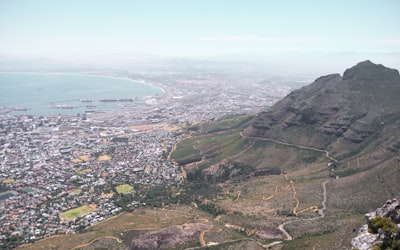
Nestled at the foot of the majestic Table Mountain, where the Atlantic and Indian Oceans are said to meet, lies Cape Town – a city of breathtaking natural beauty, rich history, and vibrant culture. Often referred to as the "Mother City," Cape Town is a captivating destination that promises an unforgettable experience for every traveler. From pristine beaches and dramatic landscapes to world-class dining and a poignant past, this South African jewel offers a diverse tapestry of attractions and activities. This comprehensive guide will equip you with everything you need to plan your journey to Cape Town, ensuring a smooth, enjoyable, and safe adventure.
Best Time to Visit
Cape Town experiences a Mediterranean climate with distinct seasons, which are the reverse of those in the Northern Hemisphere. Choosing the best time to visit largely depends on your interests and what you want to experience.
Summer (December to February)
This is peak season in Cape Town, characterized by long, sunny days, warm temperatures (25-30°C/77-86°F), and often a refreshing breeze known as the "Cape Doctor."
- Pros: Perfect for beach activities, swimming, outdoor adventures, and enjoying the city's lively atmosphere. Numerous festivals and events take place during this time.
- Cons: Crowds are at their largest, leading to higher prices for flights and accommodation. The wind can sometimes be very strong.
- Ideal for: Beach lovers, sun-seekers, and those who enjoy a vibrant, bustling atmosphere.
Autumn (March to May)
Autumn in Cape Town offers some of the most pleasant weather conditions, with mild temperatures (18-25°C/64-77°F) and fewer crowds as the summer rush subsides.
- Pros: Excellent for hiking, exploring vineyards, and enjoying outdoor dining without extreme heat or wind. Prices for flights and hotels start to drop.
- Cons: Evenings can be cooler, requiring light layers.
- Ideal for: Hikers, food and wine enthusiasts, and travelers seeking a more relaxed pace.
Winter (June to August)
Cape Town's winter is characterized by cooler temperatures (10-18°C/50-64°F) and higher rainfall, though clear, crisp days are also common.
- Pros: This is prime whale-watching season along the coast (especially Hermanus, a short drive away). The landscapes become lush and green. Accommodation and flight prices are at their lowest. Great for cozy fireside dining and exploring museums.
- Cons: Rain can sometimes limit outdoor activities, and some tourist attractions might have reduced operating hours.
- Ideal for: Budget travelers, whale watchers, and those interested in cultural and indoor activities.
Spring (September to November)
Spring brings a renewal of life, with wildflowers blooming, especially in the West Coast National Park. Temperatures gradually rise (15-22°C/59-72°F), and the city awakens from its winter slumber.
- Pros: Pleasant weather for outdoor activities, fewer crowds than summer, and the stunning display of wildflowers. Excellent for exploring the Winelands.
- Cons: Weather can be unpredictable, with occasional strong winds and late spring showers.
- Ideal for: Nature lovers, hikers, and those looking to experience Cape Town before the peak summer season.
Recommendation: For a balance of good weather, fewer crowds, and reasonable prices, the shoulder seasons of
March-April (Autumn) or
October-November (Spring) are often considered the best times to visit.
Top Attractions
Cape Town is brimming with iconic landmarks and hidden gems. Here are some of the must-visit attractions:
Table Mountain
Dominating the city's skyline, Table Mountain is an absolute must-see. You can reach the summit via a revolving cable car for breathtaking panoramic views of the city, coastline, and surrounding mountains. Alternatively, adventurous souls can choose from several hiking trails, offering a more immersive experience. The views from the top, especially at sunset, are simply unparalleled.
Robben Island
A UNESCO World Heritage Site, Robben Island is where Nelson Mandela was imprisoned for 18 of his 27 years. A ferry trip from the V&A Waterfront takes you to the island, where former political prisoners guide insightful tours, offering a powerful look into South Africa's apartheid history and the struggle for freedom. Book tickets well in advance.
V&A Waterfront
This bustling working harbor offers a fantastic blend of shopping, dining, entertainment, and cultural experiences. Home to the Two Oceans Aquarium, Zeitz MOCAA museum, countless restaurants, boutique shops, and craft markets, it's a vibrant hub day and night. It's also the departure point for Robben Island ferries and various boat trips.
Boulders Beach
Located in Simon's Town, Boulders Beach is famous for its colony of African penguins. Visitors can get up close to these charming creatures waddling freely on the white sand beaches and granite boulders. There are dedicated boardwalks for viewing, ensuring minimal disturbance to the penguins.
Cape Point
Part of the Table Mountain National Park, Cape Point offers dramatic sea cliffs, fynbos vegetation, and incredible views where the two oceans are famously said to meet. Ride the Flying Dutchman Funicular up to the old lighthouse for unparalleled vistas. Keep an eye out for baboons, ostriches, and various bird species.
Kirstenbosch National Botanical Garden
Nestled against the eastern slopes of Table Mountain, Kirstenbosch is renowned as one of the great botanical gardens of the world. It showcases South Africa's diverse flora, featuring indigenous plants, themed gardens, and a spectacular 'Boomslang' (Tree Snake) Canopy Walkway. It's perfect for a leisurely stroll or a summer concert.
Bo-Kaap
A vibrant, historic neighborhood famous for its brightly colored houses and cobbled streets. The Bo-Kaap is the spiritual home of the Cape Malay community, offering a glimpse into their unique culture, food, and traditions. It's a fantastic spot for photography and exploring its charming streets.
District Six Museum
This powerful museum commemorates the forced removal of 60,000 residents from District Six during the apartheid era. It tells the story of a vibrant community that was destroyed, through personal accounts, photographs, and artifacts. It's a moving and essential experience for understanding South African history.
Chapman's Peak Drive
One of the world's most scenic marine drives, "Chappies" winds its way between Noordhoek and Hout Bay, offering spectacular 180-degree views of the Atlantic coastline. There are numerous viewpoints along the route, perfect for photo stops and admiring the dramatic cliffs and ocean vistas.
The Cape Winelands
Just an hour's drive from Cape Town, the regions of Stellenbosch, Franschhoek, and Paarl are world-renowned for their exquisite wines, picturesque vineyards, and gourmet restaurants. Day trips often include wine tasting, cellar tours, and exploring charming historic towns.
How to Reach
International Flights
Cape Town International Airport (CPT) is South Africa's second-busiest airport and serves as the main gateway to the city. It has direct flights from major international hubs in Europe, the Middle East, and increasingly, North and South America. Major airlines like British Airways, Lufthansa, KLM, Emirates, Qatar Airways, and South African Airways operate routes to CPT.
Domestic Flights
If you're flying into South Africa via Johannesburg (OR Tambo International - JNB), there are frequent domestic connections to Cape Town. The flight duration is approximately two hours. Airlines like Safair, Lift, and Airlink offer competitive rates and frequent schedules.
By Road
Cape Town is accessible by national roads from other major South African cities. The N1 connects from Johannesburg, and the N2 runs along the coast from Durban. While the drives can be long (e.g., Johannesburg to Cape Town is about 14-16 hours), they offer opportunities to see more of the country's diverse landscapes. Car rental is widely available at airports and in major cities.
Visa Requirements
Visa requirements for South Africa vary significantly depending on your nationality. Many countries are exempt from visa requirements for short tourist stays (typically up to 90 days), while others need to apply in advance. It is crucial to check the latest visa regulations with your local South African embassy or consulate well before your planned travel dates. Ensure your passport is valid for at least six months beyond your intended departure date and has at least two blank pages.
Local Food Guide
Cape Town's culinary scene is a vibrant reflection of its multicultural history, blending African, Malay, Dutch, French, and Indian influences. Eating out is a true highlight of any visit.
Must-Try Dishes
- Braai: More than just a BBQ, braai is a national pastime. Expect perfectly grilled meats like boerewors (a coiled sausage), lamb chops, and steak, often served with pap (maize porridge) and chakalaka (spicy vegetable relish).
- Biltong & Droëwors: These dried, cured meats are beloved South African snacks, similar to jerky but with a unique spice blend. You'll find them everywhere from supermarkets to specialty biltong shops.
- Bobotie: A fragrant and mildly spiced dish of minced meat baked with an egg-based topping, often served with yellow rice, chutney, and sambals. It's a quintessential Cape Malay comfort food.
- Bunny Chow: While originating from Durban, this unique street food – a hollowed-out loaf of bread filled with curry – is widely available and enjoyed across South Africa.
- Malva Pudding: A warm, sweet, and sticky sponge pudding typically served with custard or ice cream. It's a rich and utterly delicious dessert.
- Koeksisters: There are two main types: the Afrikaner version, which is a plaited, syrup-soaked pastry, and the Cape Malay version, which is spiced, often coconut-dusted, and also soaked in syrup. Both are delightful.
- Potjiekos: A traditional stew slow-cooked outdoors in a three-legged cast-iron pot over an open fire. It can contain various meats and vegetables, simmered to perfection.
- Fresh Seafood: With two oceans on its doorstep, Cape Town offers an abundance of fresh seafood, from hake and snoek to prawns, mussels, and calamari. Look for restaurants specializing in fresh catches along the coast or at the Waterfront.
Dining Experiences
- V&A Waterfront: Offers a vast array of dining options, from casual cafes to upscale restaurants with harbor views.
- Bree Street & Kloof Street: Known for their trendy eateries, vibrant nightlife, and diverse culinary offerings, from artisanal bakeries to fine dining.
- Bo-Kaap: Explore authentic Cape Malay cuisine at local eateries, often in family-run settings.
- Oranjezicht City Farm Market: A popular Saturday morning market (and some Sundays) offering fresh produce, artisanal foods, and delicious street food from various vendors.
- Wine Tasting & Gourmet Dining: Head to the Winelands (Stellenbosch, Franschhoek) for exquisite wine pairings and world-class gourmet meals set amidst stunning vineyards.
Public Transport
Navigating Cape Town is relatively straightforward, with several transport options available, though a combination is often best for tourists.
MyCiTi Bus
The MyCiTi bus system is Cape Town's official integrated rapid transit network. It's modern, efficient, safe, and covers many key areas, including the city center, Gardens, Sea Point, Camps Bay, and the airport. You'll need to purchase a MyCiTi "MyConnect" card (available at stations and kiosks) and load it with funds. It's an excellent and affordable way to get around the central areas.
Minibus Taxis
These privately owned vans are the most common form of public transport for locals. They follow specific routes, picking up and dropping off passengers anywhere along the way. While very affordable, they can be chaotic and aren't typically recommended for tourists unfamiliar with routes and local customs.
Metered Taxis and Ride-Sharing Services
Uber and Bolt (formerly Taxify) are extremely popular and widely used in Cape Town. They offer a safe, convenient, and relatively affordable way to get around, especially for evening outings or when traveling with luggage. Traditional metered taxis are also available but tend to be more expensive.
Trains (Metrorail)
While Cape Town has a train network, it is generally not recommended for tourists due to safety concerns, particularly outside of peak commuting hours, and often unreliable service. It's best to stick to other transport methods.
Car Rental
Renting a car is highly recommended if you plan to explore areas outside the immediate city center, such as Cape Point, the Winelands, or scenic coastal drives like Chapman's Peak. South Africa drives on the left-hand side of the road. Ensure you have comprehensive insurance. Parking can be challenging and sometimes costly in central areas.
Hop-on Hop-off Bus
City Sightseeing operates a fantastic hop-on hop-off bus service that covers all the major tourist attractions. It's a convenient and informative way to see the city at your own pace, with commentary available in multiple languages.
Travel Budget Tips
Cape Town can be enjoyed on various budgets, from luxurious splurges to thrifty adventures. Here's how to make your money go further:
Accommodation
- Budget: Opt for hostels, guesthouses, or self-catering apartments, especially in areas like Gardens, Observatory, or Long Street. Booking in advance, particularly during peak season, can secure better rates.
- Mid-Range: Look for boutique hotels and guesthouses in areas like Green Point, Sea Point, or the quieter parts of the City Bowl.
- Luxury: For a splurge, Camps Bay, Clifton, or the V&A Waterfront offer high-end hotels and villas.
Food
- Self-Catering: If staying in an apartment, buy groceries from local supermarkets like Pick n Pay or Woolworths Food.
- Markets & Street Food: Explore local markets like Oranjezicht City Farm Market for delicious and affordable meals.
- Lunch Specials: Many restaurants offer excellent value lunch specials that are cheaper than dinner.
- Local Eateries: Venture beyond tourist traps to find authentic and often more affordable restaurants.
- Water: Tap water is generally safe to drink in Cape Town, saving you money on bottled water.
Activities
- Free Attractions: Enjoy numerous free activities: hiking Table Mountain (if fit), relaxing on beaches (Camps Bay, Clifton), strolling through Kirstenbosch Gardens (entry fee, but great value), exploring Bo-Kaap, and browsing the V&A Waterfront.
- City Pass: Consider purchasing a City Pass if you plan to visit many paid attractions. It can offer significant savings.
- Pre-booking: Book popular tours and attractions like Robben Island or Table Mountain cableway online in advance, often saving you time and sometimes money.
Transport
- MyCiTi Bus: Utilize the MyCiTi bus for economical travel within the city.
- Walk: Explore central areas like the City Bowl and Bo-Kaap on foot.
- Ride-Sharing: Share rides with fellow travelers if possible to split costs.
- Car Rental: While initially an expense, it can save money for groups or if you plan extensive day trips, as public transport to some areas is limited.
When to Visit
Traveling during the shoulder seasons (March-May, September-November) or winter (June-August) generally results in lower flight and accommodation prices compared to the peak summer months.
Currency
The local currency is the South African Rand (ZAR). ATMs are widely available, and credit cards are accepted in most establishments. It's wise to carry some cash for smaller purchases or tipping.
Tipping
Tipping is customary in South Africa.
- Restaurants: 10-15% for good service.
- Tour Guides: Around 10-15% of the tour cost, or a set amount per person/day.
- Petrol Attendants: R5-R10 for filling your tank and cleaning your windscreen.
- Car Guards: R5-R10 for watching your parked car.
Hotels and Accommodation
Cape Town offers an incredibly diverse range of accommodation options, catering to every budget and style preference. Choosing the right area depends on your interests and travel style.
Luxury Accommodation
- V&A Waterfront: Home to some of Cape Town's most exclusive hotels like the One&Only Cape Town, with stunning harbor and Table Mountain views, fine dining, and direct access to shopping and entertainment.
- Camps Bay & Clifton: These upscale coastal suburbs boast luxurious villas, boutique hotels, and guesthouses, many offering direct beach access or spectacular ocean views, perfect for a high-end beach holiday. Examples include The Twelve Apostles Hotel and Spa.
- City Bowl (Upper Side): Certain areas within the City Bowl, especially around Tamboerskloof or Oranjezicht, offer elegant boutique hotels with sophisticated charm and city views.
Mid-Range Accommodation
- City Bowl: The heart of the city, offering a mix of modern hotels, guesthouses, and self-catering apartments. It's convenient for accessing museums, restaurants, and nightlife. Look around Long Street, Bree Street, and Loop Street.
- Sea Point & Green Point: These vibrant coastal suburbs are popular choices, offering excellent value. They are well-connected by MyCiTi bus, have a lively promenade, numerous restaurants, and good access to beaches and the V&A Waterfront. You'll find a range of guesthouses and apartment hotels here.
- Gardens: A leafy, bohemian neighborhood just below Table Mountain, offering a relaxed atmosphere with many charming guesthouses, boutique hotels, and self-catering options. It's close to Kloof Street's restaurants and cafes.
Budget Accommodation
- Long Street: Known for its lively nightlife, Long Street also hosts many popular hostels and backpackers, ideal for solo travelers and those on a tight budget.
- Observatory (Obs): A trendy, student-friendly neighborhood further from the city center but well-connected by train and taxi. It offers numerous budget hostels and guesthouses, along with vibrant cafes and alternative nightlife.
- Self-Catering Apartments: Platforms like Airbnb and local holiday rental agencies offer a wide selection of apartments across various neighborhoods, which can be very cost-effective for longer stays or groups.
Key Areas to Stay
- City Centre / City Bowl: Best for first-time visitors who want to be in the thick of it, close to historical sites, museums, shopping, and nightlife.
- V&A Waterfront: Ideal for those seeking a luxurious, secure, and self-contained environment with abundant dining and entertainment options.
- Camps Bay / Clifton: Perfect for beach lovers, offering stunning views and a resort-like atmosphere, though it can be a bit more expensive and further from the city's historical core.
- Sea Point / Green Point: A great balance of affordability, accessibility, and a lively atmosphere, popular with families and those seeking a less intense city vibe.
- Gardens: A good choice for travelers who appreciate a quieter, more residential feel but still want easy access to the city's attractions.
Book your accommodation well in advance, especially if traveling during the peak summer season (December-February), as popular spots fill up quickly.
Safety Tips
While Cape Town is generally safe for tourists, it's essential to be aware of your surroundings and take common-sense precautions, just like in any major city worldwide.
Awareness
- Be Vigilant: Always be aware of your surroundings, especially in crowded areas, public transport hubs, and at night.
- Avoid Displaying Valuables: Keep expensive cameras, jewelry, and large amounts of cash out of sight. Don't flash expensive electronics or large sums of money.
- Secure Documents: Keep passports, travel documents, and large sums of money in a secure place, preferably a hotel safe. Carry only photocopies of important documents when out and about.
Transportation
- Reputable Taxis/Ride-Sharing: Only use registered metered taxis or reputable ride-sharing services like Uber or Bolt. Avoid unofficial taxis.
- Avoid Walking Alone at Night: Especially in dimly lit or less populated areas.
- Public Transport: While MyCiTi buses are generally safe, exercise caution and situational awareness, especially during off-peak hours. Avoid Metrorail trains for tourist travel.
Specific Areas & Activities
- Informal Settlements: Avoid visiting informal settlements (townships) without an organized, reputable guided tour. These areas can be unsafe for unescorted visitors.
- Hiking: If hiking Table Mountain or other trails, go in a group, stick to marked paths, inform someone of your route and expected return time, and be aware of weather changes. There have been incidents of muggings on less frequented trails; consider joining guided hikes.
- Beaches: Don't leave valuables unattended on the beach. Be mindful of strong currents when swimming.
- Nightlife: Stick to well-known, busy entertainment areas (e.g., Long Street, Bree Street, V&A Waterfront). Arrange your transport to and from venues in advance.
General Precautions
- Don't Resist in a Robbery: If confronted, do not resist. Hand over your belongings to avoid escalation.
- Secure Your Car: If you rent a car, always keep windows closed, doors locked, and valuables out of sight (e.g., in the boot). Park in well-lit, secure parking areas.
- Emergency Numbers: Save local emergency numbers in your phone:
- Table Mountain Cableway (Emergency): +27 (0)21 424 0015
- Trust Your Instincts: If a situation or area feels unsafe, remove yourself from it.
By following these safety tips and maintaining a sensible level of caution, you can fully enjoy the incredible beauty and vibrant energy that Cape Town has to offer.
FAQ
Q: What is the currency in Cape Town?
A: The currency is the South African Rand (ZAR).
Q: Is Cape Town safe for tourists?
A: Cape Town is generally safe for tourists, but like any major city, it has crime. Exercising common-sense precautions, staying aware of your surroundings, and avoiding high-risk areas can minimize risks.
Q: Do I need a visa for South Africa?
A: Visa requirements depend on your nationality. Many countries are visa-exempt for short tourist stays, but it's crucial to check with your local South African embassy or consulate before traveling.
Q: What language is spoken in Cape Town?
A: While South Africa has 11 official languages, English is widely spoken and understood in Cape Town, especially in tourist areas. Afrikaans and Xhosa are also commonly spoken by locals.
Q: Can I drink the tap water in Cape Town?
A: Yes, tap water in Cape Town is generally safe to drink, as it undergoes strict quality control.
Q: How many days do I need in Cape Town?
A: To comfortably experience the main attractions and take a day trip or two, a minimum of 5-7 days is recommended. Many travelers choose to stay 10-14 days to fully immerse themselves.
Q: What's the best way to get around Cape Town?
A: A combination of MyCiTi buses (for central areas), ride-sharing services (Uber/Bolt) for convenience, and car rental for day trips outside the city is often the best approach. The Hop-on Hop-off bus is also excellent for tourists.
Q: What should I pack for Cape Town?
A: Pack layers, as the weather can change quickly. Include swimwear, comfortable walking shoes, a hat, sunscreen, sunglasses, and a light jacket, even in summer. If visiting in winter, bring warmer waterproof clothing.
Q: Are there any specific health precautions I should take?
A: Consult your doctor about routine vaccinations. Cape Town is not a malaria risk area. However, if you plan to travel to other parts of South Africa (e.g., Kruger National Park), malaria prophylaxis might be necessary.
Cape Town awaits with open arms, ready to enchant you with its stunning landscapes, rich history, and vibrant culture. Arm yourself with this guide, embrace the spirit of adventure, and prepare for an unforgettable journey to the Mother City!