Bora Bora Travel Guide – Best Places to Visit in French Polynesia
Bora Bora: The Pearl of the Pacific - An Ultimate Travel Guide
Nestled in the heart of French Polynesia, Bora Bora isn't just a destination; it's a dream brought to life. Famed for its breathtaking volcanic peaks, particularly the majestic Mount Otemanu, and encircled by a vibrant turquoise lagoon, this island paradise consistently ranks as one of the world's most romantic and luxurious getaways. With its iconic overwater bungalows perched above crystal-clear waters, a vibrant marine ecosystem thriving beneath, and a serene atmosphere that whispers tranquility, Bora Bora offers an unparalleled escape. From adrenaline-pumping water sports to serene spa treatments and exquisite dining experiences, every moment here is designed to be unforgettable. Prepare to be enchanted by the island's natural beauty, the warmth of its Polynesian culture, and the sheer magic that permeates every inch of this South Pacific jewel. This comprehensive guide will help you navigate your journey to and around Bora Bora, ensuring your visit to the Pearl of the Pacific is nothing short of perfection.
Best Time to Visit
Choosing the right time to visit Bora Bora can significantly impact your experience, largely depending on weather preferences, crowd tolerance, and budget. Bora Bora experiences two primary seasons: the dry season and the wet season.
The Dry Season (May to October)
This period is widely considered the best time to visit Bora Bora.
- Weather: Expect consistently sunny days, lower humidity, and cooler, more comfortable temperatures, typically ranging from 75°F to 82°F (24°C to 28°C). Rainfall is minimal, making it ideal for outdoor activities and maximizing your time by the lagoon.
- Visibility: The lack of rain and calmer seas contribute to exceptional underwater visibility, perfect for snorkeling and diving.
- Crowds & Prices: As the most desirable time to visit, it's also the busiest and most expensive. Resorts are often fully booked months in advance, and prices for flights and accommodation are at their peak. Booking well in advance is essential.
- Events: This period often coincides with local festivals and cultural events, offering a chance to experience Polynesian traditions.
The Wet Season (November to April)
This period, also known as the low season, offers a different experience.
- Weather: Characterized by higher humidity, warmer temperatures (often exceeding 85°F/30°C), and more frequent, though often brief, tropical showers. There's a higher chance of cyclones, particularly from December to March, although direct hits are rare.
- Visibility: While still good, underwater visibility might be slightly reduced compared to the dry season due to increased rainfall and runoff.
- Crowds & Prices: This is the off-peak season, meaning fewer tourists and significantly lower prices for flights and accommodation. If you're looking for a more secluded experience and better deals, this could be an attractive option, provided you don't mind occasional rain.
- Lush Scenery: The rainfall transforms the island into an even lusher, greener landscape.
Shoulder Seasons (May/November)
Consider the fringes of the dry season, such as late April or early November. You might catch the tail end of good weather with slightly fewer crowds and more moderate prices before the peak or low season fully sets in. For a balance of good weather and fewer crowds, May and early June, or late October and early November, are excellent choices. Ultimately, the "best" time depends on your priorities: pristine weather and lively atmosphere (dry season) or budget-friendliness and tranquility (wet season).
Top Attractions
Bora Bora's allure lies primarily in its stunning natural beauty and the array of activities it offers, mostly centered around its legendary lagoon.
The Majestic Mount Otemanu
Dominating the island's skyline, Mount Otemanu (and its slightly smaller neighbor, Mount Pahia) is Bora Bora's most iconic landmark. While it's not possible to hike to the summit of Otemanu due to its volcanic rock formations being too dangerous, guided excursions can take you part of the way up Pahia for breathtaking panoramic views. The sight of these emerald peaks rising dramatically from the turquoise waters is what defines Bora Bora's visual identity. Boat tours around the island offer incredible perspectives of the mountains from the lagoon.
Matira Beach
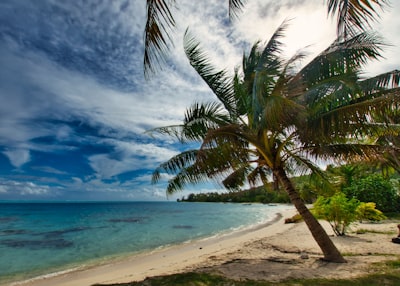
Widely considered one of the most beautiful public beaches in the world, Matira Beach is a long stretch of soft, white sand fringed with swaying palm trees. The water here is incredibly clear, shallow, and warm, making it perfect for swimming, sunbathing, and simply relaxing. Unlike the private beaches of the resorts, Matira is accessible to everyone and offers stunning sunset views. It’s a great spot for a leisurely stroll and a refreshing dip.
The Vibrant Coral Gardens (Jardin de Corail)
Located near the Motu Tapu islet, the Coral Gardens are a snorkeling paradise. This natural underwater aquarium teems with colorful coral formations and an astonishing variety of tropical fish, including parrotfish, angelfish, and even small reef sharks. The waters are shallow and calm, making it an ideal spot for snorkelers of all skill levels. Many lagoon tours include a stop here, providing masks, snorkels, and fins.
Bora Bora Lagoonarium
For an immersive marine experience, the Bora Bora Lagoonarium allows you to swim and interact with sharks, rays, turtles, and a plethora of tropical fish in a natural and enclosed environment. Expert guides feed the marine life, bringing them close for incredible photo opportunities. It's a unique chance to get up close with some of Bora Bora's most fascinating creatures without being in the open ocean.
Scuba Diving and Snorkelling Excursions
Bora Bora's lagoon and surrounding ocean offer some of the best diving and snorkeling spots on Earth.
- Scuba Diving: Certified divers can explore vibrant coral reefs, shipwrecks, and encounter larger marine life such as manta rays, eagle rays, lemon sharks, and blacktip reef sharks in their natural habitat. Popular dive sites include Anau, Tapu, and Tupuna. Several PADI-certified dive centers offer courses for beginners and guided dives for experienced divers.
- Snorkelling Tours: Numerous boat tours circle the lagoon, stopping at various "snorkelling gardens" where you can drift effortlessly among schools of fish and admire the diverse coral formations. Many tours combine shark and ray feeding experiences, allowing for safe interaction with these magnificent creatures.
Jet Skiing and Parasailing
For those seeking an adrenaline rush, jet skiing around the lagoon provides an exhilarating way to see the island from a different perspective. You can rent jet skis for guided tours or independent exploration. Parasailing offers an incredible bird's-eye view of the lagoon, the overwater bungalows, and Mount Otemanu, providing stunning photo opportunities and a memorable experience.
Island Tours (4x4 Jeep Safari or Quad Bike)
Venture beyond the lagoon and explore the island's interior with a guided 4x4 jeep safari or quad bike tour. These tours often take you off-road, navigating lush tropical trails, passing pineapple plantations, and stopping at ancient Polynesian temples (marae) and scenic viewpoints that offer breathtaking panoramas of the lagoon and surrounding motus. It's a fantastic way to learn about Bora Bora's history, culture, and botany.
Romantic Sunset Cruises and Luxury Spa Treatments
Bora Bora is synonymous with romance. A sunset cruise on the lagoon, often accompanied by champagne and canapés, is a quintessential experience, offering magical views as the sky changes to hues of orange and pink. For ultimate relaxation, indulge in a Polynesian-inspired spa treatment, often offered in serene overwater bungalows or garden settings, incorporating local ingredients like monoi oil and Tiare flowers.
How to Reach
Reaching Bora Bora is part of the adventure, involving a multi-leg journey to this secluded paradise.
International Flights to Tahiti (PPT)
Your journey will begin with an international flight to Faa'a International Airport (PPT) in Papeete, the capital of Tahiti, the main island of French Polynesia. Major airlines offering direct or connecting flights to PPT include Air Tahiti Nui, Air France, French Bee, United Airlines, Hawaiian Airlines, and Delta Air Lines, typically from Los Angeles (LAX), San Francisco (SFO), Auckland (AKL), or Tokyo (NRT). The flight duration from Los Angeles is approximately 8-9 hours.
Domestic Flight to Bora Bora (BOB)
From Faa'a Airport (PPT), you'll take a short domestic flight to Bora Bora. Air Tahiti is the sole domestic carrier operating frequent flights between Papeete and Bora Bora Airport (Motu Mute Airport - BOB). This scenic flight takes about 50 minutes and offers incredible aerial views of the various islands and the stunning turquoise hues of Bora Bora's lagoon as you approach. It’s highly recommended to get a window seat on the left side of the plane for the best views of Mount Otemanu upon arrival.
Boat Transfer to Your Resort
Bora Bora Airport (BOB) is located on a small islet (motu), not on the main island. Upon arrival, your chosen resort will typically provide a complimentary or paid boat transfer directly from the airport jetty to your hotel's reception. This final leg of the journey is often the most magical, as you glide across the iconic lagoon towards your overwater bungalow, providing your first true taste of Bora Bora's splendor. It's crucial to inform your resort of your flight details in advance so they can arrange your transfer. Public ferry services are available to Vaitape, the main village, but for most visitors staying at resorts, the resort transfer is the most convenient and common option.
Local Food Guide
Bora Bora's culinary scene is a delightful fusion of French sophistication and traditional Polynesian flavors, heavily reliant on fresh seafood and tropical produce. While luxury resorts offer world-class international dining, exploring local eateries provides a taste of authentic island life.
Signature Dishes to Try:
- Poisson Cru: This is the quintessential Polynesian dish and a must-try. Similar to ceviche, it consists of raw tuna marinated in lime juice and coconut milk, mixed with diced vegetables like cucumber, tomato, and onion. It's incredibly fresh, light, and flavorful.
- Ma'a Tinito: A hearty Chinese-Polynesian stew made with pork, beans, Chinese cabbage, and macaroni, often seasoned with ginger and soy sauce. It reflects the Chinese influence on Polynesian cuisine.
- Fafaru: For the adventurous palate, Fafaru is raw fish (often tuna) fermented in seawater. It has a very strong, distinctive aroma and taste.
- Grilled Fresh Fish: Given its oceanic setting, Bora Bora excels in grilled fish. Expect daily catches like tuna, mahi-mahi, snapper, and parrotfish, often simply grilled and served with rice and local vegetables.
- Tropical Fruits: Indulge in an abundance of fresh, ripe tropical fruits such as pineapple, mango, papaya, passion fruit, bananas, and coconut. They are often served as part of breakfast, desserts, or fresh juices.
- Pua'a Roti: Roasted pork, often slow-cooked in an *ahima'a* (traditional earth oven) for special occasions, imparting a smoky flavor and tender texture.
- Pain Coco (Coconut Bread): A delicious, slightly sweet bread made with coconut milk, often enjoyed for breakfast or as a snack.
Dining Experiences:
- Resort Restaurants: The luxury resorts boast an impressive array of fine dining options, from gourmet French cuisine to Japanese, Italian, and contemporary Polynesian fusion. Expect exquisite presentation, extensive wine lists, and often stunning lagoon views. Dining at resorts is generally expensive.
- Roulottes: For a more casual and authentic experience, head to the *roulottes* (food trucks) in Vaitape, the main village. These mobile eateries offer delicious and affordable local fare, from grilled fish and *poulet fafa* (chicken with taro leaves) to crepes and chow mein. They are particularly popular in the evenings.
- Local Restaurants (Vaitape): A few local restaurants in Vaitape offer a taste of authentic Polynesian cuisine at more reasonable prices than the resorts. Places like Snack Matira or Bloody Mary's (while touristy, offers a unique atmosphere) are popular choices.
- Market Visits: If you have access to a kitchen (e.g., in a guesthouse), visiting the local market in Vaitape provides fresh produce, fruits, and fish to prepare your own meals, which can be a budget-friendly option.
- Private Dining: Many resorts offer romantic private dining experiences, such as a candlelit dinner on the beach or a breakfast delivered by canoe to your overwater bungalow.
Don't forget to try a local Hinano beer or a fresh fruit juice to complement your meal. Be prepared for prices to be generally higher than in many other destinations due to the remote location and import costs.
Public Transport
Bora Bora, being a relatively small island focused on luxury resorts, has a very limited public transport system. Most visitors rely on resort-provided services or limited local options.
Resort Transfers and Shuttles
This is the primary mode of transportation for most tourists. Upon arrival at Motu Mute Airport, your resort will provide a boat transfer directly to their property. Once at the resort, many properties offer complimentary shuttle boats to and from the main island (Vaitape) at scheduled times. These shuttles are invaluable for exploring the village, shopping, or dining at local restaurants.
Taxis
There are a small number of taxis available on the main island. You can typically find them in Vaitape or arrange one through your hotel. They are relatively expensive, especially for longer distances, but are useful for specific trips if you miss a resort shuttle or want more flexibility. Taxi boats are also available for transfers between motus or specific points on the lagoon, but these are even more costly.
Le Truck
Bora Bora has a local bus service called "Le Truck," which is essentially an open-sided bus with wooden benches. It follows a single route around the main island, primarily serving local residents. It's an authentic but infrequent option and not generally recommended for tourists trying to reach specific attractions or resorts efficiently. Its schedule can be erratic.
Rental Cars and Scooters
A few local agencies offer rental cars or scooters on the main island. Renting a car can be a good option if you want to explore the main island's circumference at your own pace (the main road is about 32 km or 20 miles). However, most attractions are water-based or easily accessible via resort shuttles, making car rental less essential than in some other destinations. Scooters offer a more nimble way to navigate. Remember to drive cautiously, as roads can be narrow.
Bicycles
Many resorts offer complimentary bicycles, or you can rent them in Vaitape. Biking is an excellent way to explore the flatter sections of the main island, particularly around Matira Beach, allowing you to enjoy the scenery and stop wherever you wish.
In summary, for most visitors, relying on resort boat shuttles and occasionally taxis for specific needs is the most practical approach. If you wish to extensively explore the main island's interior or perimeter, a rental car or scooter might be worthwhile.
Travel Budget Tips
Bora Bora is renowned as a high-end destination, and while it can be very expensive, there are ways to manage your budget and make the dream more attainable.
1. Travel During the Wet Season (Low Season)
As mentioned, traveling between November and April significantly reduces costs for flights and accommodation. While you might encounter more rain, you'll save hundreds, if not thousands, of dollars.
2. Look for Package Deals
Many travel agencies and tour operators offer all-inclusive packages that bundle flights, accommodation, and sometimes activities. These can often be cheaper than booking everything separately, especially if departing from major hubs.
3. Consider a Mix of Accommodations
You don't have to stay in an overwater bungalow for your entire trip. Consider splitting your stay: a few nights in a luxurious overwater bungalow for the iconic experience, and then a few nights in a more budget-friendly garden villa, beach bungalow, or even a local guesthouse (pension) on the main island. Pensions often offer a more authentic cultural experience too.
4. Limit Restaurant Dining and Self-Cater
Dining at resort restaurants is a major expense.
- Breakfast: Choose accommodations that include breakfast.
- Lunch: Opt for lighter, more casual lunches. Grab a sandwich from a local bakery or provisions from a supermarket in Vaitape if your accommodation has a fridge.
- Dinner: Explore the local *roulottes* (food trucks) in Vaitape for delicious, authentic, and significantly cheaper dinners. If your accommodation has a kitchenette, consider buying groceries and cooking some of your meals.
- Drinks: Alcohol at resorts is very expensive. Purchase duty-free alcohol at your departure airport or at a supermarket in Vaitape to enjoy in your room.
5. Choose Free or Cheaper Activities
While many activities come with a price tag, there are free ways to enjoy Bora Bora:
- Matira Beach: Spend time relaxing, swimming, and sunbathing on the public Matira Beach. It's stunning and free.
- Snorkeling from your Bungalow/Beach: If you're staying in an overwater bungalow or a beach-front room, you can often snorkel right from your doorstep for free.
- Walking/Biking: Explore the main island on foot or by bicycle (many resorts offer free bike rentals).
- Watch Sunsets/Sunrises: Enjoy the spectacular natural light shows from various vantage points.
6. Book Excursions Locally
While booking through your resort is convenient, you might find slightly better prices by booking excursions directly with local tour operators in Vaitape. Always compare prices.
7. Minimize Shopping
Souvenirs and luxury goods can quickly add up. Focus on experiences rather than material purchases.
8. Bring Essentials
Sunscreen, insect repellent, basic medications, and toiletries are much more expensive to buy on the island. Pack them from home.
By strategically planning your trip and making conscious choices, you can experience the magic of Bora Bora without completely breaking the bank.
Hotels and Accommodation
Bora Bora is synonymous with luxury and exquisite accommodation, particularly its iconic overwater bungalows. However, there's a range of options, from ultra-luxurious resorts to charming guesthouses.
Ultra-Luxury Overwater Bungalow Resorts
These are the epitome of the Bora Bora experience, offering unparalleled indulgence, privacy, and breathtaking views directly from your room.
- The St. Regis Bora Bora Resort: Known for its expansive overwater bungalows (some of the largest in French Polynesia), personalized butler service, and a stunning lagoonarium. Offers multiple gourmet dining options.
- Four Seasons Resort Bora Bora: Famous for its impeccable service, spacious bungalows with plunge pools, a world-class spa, and stunning views of Mount Otemanu.
- Conrad Bora Bora Nui: Features stylish overwater bungalows and villas, some with catamaran nets, a beautiful hilltop spa, and access to a private islet (Motu Tapu).
- Le Meridien Bora Bora (now Westin Bora Bora Resort & Spa): Offers glass-bottom floors in some bungalows and a dedicated turtle sanctuary.
- InterContinental Bora Bora Resort & Thalasso Spa: Renowned for its Deep Ocean Spa, which uses ocean-derived treatments, and its environmentally friendly air conditioning system using deep-sea water.
These resorts typically offer a full range of amenities: multiple restaurants and bars, infinity pools, spas, fitness centers, water sports equipment, and bespoke excursion services. Expect prices to be premium, often starting from $1000-$2000+ USD per night.
Mid-Range to Upper Mid-Range Resorts
These resorts still offer a high level of comfort and amenities, often including overwater bungalows, but might be slightly smaller or offer fewer extravagant services than the ultra-luxury options.
- Sofitel Bora Bora Private Island / Sofitel Bora Bora Marara Beach Resort: Two properties offering distinct experiences; the Private Island is more exclusive, while Marara Beach is on the main island with garden and beach bungalows, offering good value.
- Bora Bora Pearl Beach Resort & Spa (rebranding to The Brando Bora Bora): Offers a mix of garden, beach, and overwater bungalows with a strong focus on Polynesian culture and hospitality.
Budget-Friendly Options (Relatively)
While "budget" is a relative term in Bora Bora, there are more affordable choices, primarily found on the main island. These typically offer garden or beach bungalows, and sometimes studios with kitchenettes.
- Hotel Maitai Polynesia Bora Bora: Located near Matira Beach, it offers a combination of garden, beach, and overwater bungalows at a more accessible price point than the luxury resorts. It's a popular choice for those seeking a good balance of quality and value.
- Guesthouses (Pensions): Scattered around Vaitape and other parts of the main island, guesthouses like Pension Fare Ama or Village Temanuata offer a more local experience, simpler accommodations, and significantly lower prices. They often include breakfast and might offer shared kitchens. While they lack the lavish amenities of resorts, they provide a genuine connection to island life.
When choosing accommodation, consider:
- Location: Do you want to be on a secluded motu (islet) requiring boat transfers, or on the main island with easier access to Vaitape?
- Type of Room: Overwater bungalow for the iconic experience, or a beach/garden bungalow for more space and potentially better value?
- Amenities: What's included (breakfast, water sports equipment, shuttles)?
- Budget: Be realistic about what you're willing to spend.
Booking well in advance, especially for the dry season, is crucial due to high demand.
Safety Tips
Bora Bora is an incredibly safe destination with a low crime rate, making it an ideal place for a relaxing vacation. However, like any travel destination, it's wise to be aware of a few safety precautions to ensure a smooth and enjoyable trip.
1. General Safety and Valuables
- Low Crime: Petty crime is rare, but it's always wise to take standard precautions. Don't leave valuables unattended on the beach or in unlocked vehicles. Use hotel safes for passports, cash, and electronics.
- Walk Safely: If walking or cycling on the main island, especially at night, be aware of your surroundings as some roads lack proper lighting or sidewalks.
- Respect Local Culture: Polynesians are very welcoming. Show respect by dressing modestly when visiting villages or religious sites, and always ask permission before taking photos of people.
2. Water Safety
- Swimming and Snorkeling: The lagoon waters are generally calm and safe. Be aware of currents if swimming outside the protected lagoon, especially near passes to the open ocean. Always swim with a buddy if possible.
- Marine Life: While largely harmless, be mindful of marine life.
- Coral: Do not touch or stand on coral, as it is sharp and can cause cuts, and more importantly, it's a living organism that is easily damaged.
- Stonefish: These venomous fish can be found camouflaged in shallow, rocky areas. Wear water shoes or reef shoes when walking in the shallows.
- Sharks and Rays: Tour operators are highly experienced in safe interactions during feeding tours. While generally not aggressive, maintain a respectful distance in the open water.
- Boating and Water Sports: Always follow the instructions of tour guides and rental operators. Wear life vests when required, especially for activities like jet skiing or kayaking in open waters.
- Hydration: Stay hydrated, especially when spending extended periods in the sun and water.
3. Sun Protection
- Strong Sun: The equatorial sun in Bora Bora is intense. Apply high-SPF, reef-safe sunscreen frequently, even on cloudy days.
- Protective Clothing: Wear a wide-brimmed hat, sunglasses, and UV-protective clothing (rash guards) when swimming or snorkeling for prolonged periods.
- Shade: Seek shade during the hottest parts of the day (mid-morning to late afternoon).
4. Health and Medical
- First Aid: Carry a basic first-aid kit with antiseptic wipes, band-aids, pain relievers, and any personal medications.
- Insect Repellent: Mosquitoes and sandflies can be present, especially around lush vegetation and at dusk. Use insect repellent.
- Medical Facilities: Bora Bora has a small medical center in Vaitape capable of handling minor injuries and illnesses. For serious medical emergencies, evacuation to Tahiti (Papeete) or another country might be necessary. Ensure you have comprehensive travel insurance that covers medical emergencies and potential evacuations.
- Drinking Water: Tap water in most resorts is purified and safe to drink, but it's best to confirm with your specific accommodation. Bottled water is widely available.
5. Natural Phenomena
- Cyclones: The wet season (November to April) is also cyclone season. While direct hits are rare, stay informed of weather forecasts. Resorts are well-prepared for such events and will provide guidance.
By being mindful of these simple safety tips, you can fully relax and immerse yourself in the unparalleled beauty and tranquility of Bora Bora.
FAQ Section
Q1: What is the currency in Bora Bora, and should I bring cash?
A: The official currency is the French Pacific Franc (XPF or CFP franc). While major credit cards (Visa, MasterCard, American Express) are widely accepted at resorts and larger establishments, it's advisable to carry some cash for smaller purchases, *roulottes* (food trucks), local markets, and tipping. ATMs are available in Vaitape.
Q2: What languages are spoken in Bora Bora?
A: French and Tahitian are the official languages. English is widely spoken in resorts, tourist establishments, and by tour operators. Learning a few basic French or Tahitian phrases (e.g., "Ia Ora Na" for hello, "Mauruuru" for thank you) is always appreciated by locals.
Q3: What should I pack for a trip to Bora Bora?
A: Pack light, comfortable clothing suitable for a tropical climate. Essentials include:
- Lightweight shorts, t-shirts, dresses, and sarongs
- Reef shoes or water sandals
- Sunscreen (reef-safe, high SPF)
- Wide-brimmed hat and sunglasses
- Light rain jacket (especially during the wet season)
- Casual evening wear for resort dining
- Snorkel gear (though often provided by tours/resorts)
- Any prescription medications
- Adapter for Type A/B/E power outlets if needed.
Q4: Is Bora Bora suitable for families with children?
A: Absolutely! Many luxury resorts are family-friendly, offering kids' clubs, dedicated pools, and activities tailored for younger guests. The calm, shallow lagoon is perfect for children to swim and snorkel safely. Activities like glass-bottom boat tours, shark and ray feeding (from a distance), and beach play are popular with families.
Q5: How much should I budget for a trip to Bora Bora?
A: Bora Bora is a luxury destination. A week-long trip can range from $5,000 to $15,000+ USD per couple, depending heavily on the season, choice of accommodation (overwater bungalow vs. guesthouse), dining preferences, and activities. Budget travelers might aim for the lower end by choosing guesthouses, cooking some meals, and traveling in the low season. Luxury seekers could easily spend upwards of $20,000 for a week.
Q6: Do I need a visa for French Polynesia?
A: Visa requirements depend on your nationality. French Polynesia is an overseas collectivity of France, so its visa policy generally aligns with the Schengen Area. Many nationalities, including US, Canadian, EU, UK, and Australian citizens, do not require a visa for stays up to 90 days. Always check the latest visa regulations with the French Consulate or Embassy in your country well before your travel date.
Q7: Is tipping customary in Bora Bora?
A: Tipping is not traditionally customary in Polynesian culture, and it is generally not expected in French Polynesia. Service charges are usually included in resort prices. However, if you receive exceptional service, a modest tip will always be graciously accepted and appreciated by staff. It's entirely at your discretion.
Conclusion
Bora Bora, the Jewel of French Polynesia, truly lives up to its reputation as an unparalleled paradise. From the iconic overwater bungalows to the majestic peaks of Mount Otemanu and the vibrant marine life thriving in its sapphire lagoon, every facet of this island is designed to captivate and enchant. Whether you seek thrilling water adventures, serene relaxation, or a deep dive into Polynesian culture, Bora Bora promises a journey filled with unforgettable moments. Prepare to be swept away by its beauty, its tranquility, and the warm hospitality of its people. A trip to Bora Bora isn't just a vacation; it's an experience that will forever be etched in your heart.