Singapore Travel Guide – Best Places to Visit in Singapore
Discover Singapore: A Comprehensive Travel Guide to the Lion City
Singapore, often hailed as the Lion City, is a gleaming metropolis that defies its small size, offering a potent blend of cultures, futuristic architecture, lush green spaces, and a world-renowned culinary scene. This island nation-state in Southeast Asia is a beacon of efficiency and innovation, captivating visitors with its vibrant energy and meticulous planning. From soaring skyscrapers and iconic landmarks to charming heritage districts and pristine gardens, Singapore promises an unforgettable experience for every type of traveler. Whether you're a foodie, an adventure-seeker, a culture enthusiast, or simply looking for a luxurious escape, Singapore's unique charm and unparalleled hospitality make it a must-visit destination.
Best Time to Visit
Singapore enjoys a tropical rainforest climate, meaning it's generally hot, humid, and rainy throughout the year, with average temperatures hovering around 27-31°C (81-88°F). Despite the consistent weather, certain periods are more popular for visitors due to slightly drier conditions or major events.
Understanding Singapore's Climate
The city experiences two main monsoon seasons: the Northeast Monsoon (December to early March) and the Southwest Monsoon (June to September). Inter-monsoon periods (March to May and October to November) tend to be warmer with more localized thunderstorms. Rainfall is common, often occurring in short, intense bursts, which can be a welcome respite from the heat.
Peak and Shoulder Seasons
- December to June: This period is generally considered the "dryer" season, although rain can still occur. December to February is popular due to the festive season (Christmas, New Year, Chinese New Year) and slightly cooler temperatures (though still warm). March to May sees warmer weather, making it ideal for those who enjoy the heat and want to take advantage of the many indoor attractions or water activities.
- July to September: This time often coincides with the Great Singapore Sale, making it a paradise for shoppers. It's also when the Formula 1 Grand Prix takes place (usually in September), drawing massive crowds and pushing up accommodation prices.
- October to November: These months can be quite wet, with the highest humidity levels. However, this also means fewer tourists and potentially better deals on flights and hotels, making it a good option for budget travelers who don't mind carrying an umbrella.
Major Events and Festivals
Consider the timing of your visit around Singapore's vibrant calendar of events:
- Chinese New Year (January/February): A spectacular celebration with decorations, markets, and cultural performances, particularly in Chinatown.
- Hari Raya Aidilfitri (Eid al-Fitr - shifts annually): Marks the end of Ramadan, celebrated with lights and markets in the Geylang Serai precinct.
- Deepavali (Diwali - October/November): The Hindu festival of lights, transforming Little India into a dazzling spectacle.
- Singapore Food Festival (July/August): A culinary extravaganza showcasing local and international flavors.
- Singapore Grand Prix (September): A thrilling night race that takes over the city streets, requiring early bookings for accommodation and transport.
Conclusion for Best Time: While Singapore is a year-round destination, the months of
February to April are often recommended as they offer a good balance of slightly less rainfall and comfortable warmth before the peak summer heat. However, if you're keen on shopping or specific festivals, plan accordingly and be prepared for crowds and higher prices. Always pack light clothing, comfortable walking shoes, and an umbrella or light rain jacket.
Top Attractions
Singapore boasts an impressive array of attractions, blending natural beauty with cutting-edge architecture and entertainment.
Gardens by the Bay
A horticultural wonderland spanning 101 hectares, Gardens by the Bay is an absolute must-visit.
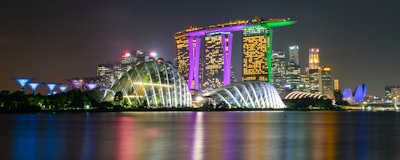
- Supertree Grove: These iconic, futuristic tree-like structures come alive with the Garden Rhapsody light and sound show every evening. You can also walk along the OCBC Skyway for panoramic views.
- Cloud Forest: A mist-filled conservatory featuring a 35-meter-tall indoor waterfall and diverse plant life from tropical highlands.
- Flower Dome: The world's largest glass greenhouse, showcasing exotic plants and flowers from five continents in nine different gardens.
Marina Bay Sands
An architectural marvel that dominates the city skyline, Marina Bay Sands is an integrated resort offering a myriad of experiences.
- Sands SkyPark Observation Deck: Perched atop the three hotel towers, this deck offers breathtaking 360-degree views of Singapore.
- ArtScience Museum: Recognizable by its lotus-inspired design, this museum hosts innovative exhibitions blending art, science, culture, and technology.
- The Shoppes at Marina Bay Sands: A luxury shopping paradise, complete with a canal for gondola rides.
Sentosa Island
Singapore's premier island resort is packed with theme parks, beaches, and attractions.
- Universal Studios Singapore: Experience thrilling rides and shows based on popular movies and TV shows.
- S.E.A. Aquarium: One of the world's largest aquariums, home to over 100,000 marine animals.
- Palawan Beach, Siloso Beach, Tanjong Beach: Relax on the artificial but pristine sandy beaches.
- Adventure Cove Waterpark: A fun-filled waterpark with slides, a lazy river, and snorkeling opportunities.
Mandai Wildlife Reserve (Singapore Zoo, Night Safari, River Wonders, Bird Paradise)
Home to some of the world's best wildlife parks, offering unique animal encounters.
- Singapore Zoo: Known for its "open concept" enclosures, providing an immersive experience with animals.
- Night Safari: The world's first nocturnal zoo, offering tram rides and walking trails to observe nocturnal animals in their naturalistic habitats.
- River Wonders (formerly River Safari): Focuses on riverine habitats, featuring pandas, manatees, and piranhas.
- Bird Paradise: Singapore’s new bird park, relocating from Jurong Bird Park, offers immersive aviaries and conservation efforts.
Cultural Enclaves: Chinatown, Little India, and Kampong Glam
Immerse yourself in Singapore's rich multicultural tapestry.
- Chinatown: Explore vibrant streets, traditional shophouses, temples (Buddha Tooth Relic Temple), hawker centers (Maxwell Food Centre), and bustling markets.
- Little India: A sensory feast of colors, aromas, and sounds, with ornate temples, spice shops, traditional eateries, and the bustling Mustafa Centre (24-hour shopping).
- Kampong Glam: Singapore's Malay-Muslim quarter, featuring the magnificent Sultan Mosque, boutique shops, trendy cafes, and vibrant street art.
Jewel Changi Airport
More than just an airport terminal, Jewel is a destination in itself.
- HSBC Rain Vortex: The world's tallest indoor waterfall, a mesmerizing centerpiece.
- Canopy Park: A recreational wonderland on the top level with mazes, bouncing nets, and various gardens.
Clarke Quay and Boat Quay
These riverside quays transform into vibrant nightlife and dining hubs after sunset, offering a wide array of restaurants, bars, and clubs.
National Gallery Singapore & National Museum of Singapore
For art and history buffs, these museums offer deep dives into Singapore's heritage, regional art, and cultural narratives.
How to Reach
Singapore is one of Asia's most accessible travel hubs, making it easy to reach from virtually anywhere in the world.
By Air
- Changi Airport (SIN): Consistently ranked among the world's best airports, Changi is a major international gateway. It's renowned for its efficiency, comprehensive amenities, and seamless connections. It serves as a hub for Singapore Airlines, Scoot, and Jetstar Asia, and is connected to hundreds of cities worldwide by numerous international carriers.
- Getting to the City from Changi:
- MRT (Mass Rapid Transit): The most cost-effective way. Take the East-West Line from Changi Airport station, usually requiring a transfer at Tanah Merah station to get to the city center. Travel time is around 45-60 minutes.
- Airport Shuttle: A convenient option for door-to-door service to most hotels, operating 24/7.
- Taxi/Ride-hailing: Readily available outside all terminals. A taxi ride to the city center takes about 20-30 minutes, depending on traffic. Ride-hailing apps like Grab are also widely used.
- Bus: Public bus service (Service 36/36A) connects the airport to the city, but it's slower than the MRT.
By Land
- From Malaysia: Singapore is connected to Malaysia by two causeways.
- Bus: Numerous bus companies operate services between various Malaysian cities (e.g., Kuala Lumpur, Johor Bahru) and Singapore. Immigration clearance takes place at both sides of the border.
- Train: Keretapi Tanah Melayu (KTM) operates train services from Malaysia, terminating at Woodlands Train Checkpoint in Singapore. From there, you'll need to take a local bus or taxi.
By Sea
- Cruise: Singapore is a popular cruise destination and homeport, with two cruise terminals: Marina Bay Cruise Centre Singapore (MBCCS) and Singapore Cruise Centre (SCC) at HarbourFront. These terminals host international cruise lines offering itineraries to Southeast Asia and beyond.
Visa Requirements
Most nationalities can enter Singapore without a visa for short tourist stays (typically 30 or 90 days). However, it's crucial to check the latest visa requirements based on your nationality on the official Immigration & Checkpoints Authority (ICA) website before your trip. Ensure your passport has at least six months' validity from your intended date of departure.
Local Food Guide
Singapore is a culinary melting pot, a true foodie paradise where diverse cultures converge to create an explosion of flavors. Hawker centers are the heart of Singaporean dining, offering incredible variety and value.
Must-Try Hawker Dishes
- Hainanese Chicken Rice: A national dish. Poached or roasted chicken served with fragrant oily rice, chili sauce, and ginger paste. Simple, yet incredibly satisfying. Famous stalls include Tian Tian Hainanese Chicken Rice (Maxwell Food Centre).
- Chilli Crab / Black Pepper Crab: Seafood lovers rejoice! Chilli crab is a sweet, savory, and spicy dish, often eaten with deep-fried mantou (buns) to soak up the glorious sauce. Black pepper crab offers a drier, spicier alternative. Jumbo Seafood is a famous restaurant, but hawker centers also offer good versions.
- Laksa: A rich, spicy noodle soup with coconut milk, often featuring prawns, fish cake, and cockles. Katong Laksa is a popular variant.
- Char Kway Teow: Stir-fried flat rice noodles with dark soy sauce, lap cheong (Chinese sausage), cockles, bean sprouts, and eggs. A smoky, savory delight.
- Satay: Skewered and grilled meat (chicken, beef, mutton) served with a rich peanut sauce, cucumber, and onion. Lau Pa Sat is famous for its Satay Street at night.
- Roti Prata: A South Indian flatbread, usually served with fish or chicken curry. Crispy on the outside, fluffy on the inside. Can also be sweet with sugar or kaya.
- Nasi Lemak: A fragrant rice dish cooked in coconut milk and pandan leaf, typically served with fried chicken or fish, ikan bilis (anchovies), peanuts, a hard-boiled egg, and sambal chili.
- Bak Kut Teh: A flavorful pork rib soup, either in a peppery Teochew style or a herbal Hokkien style. Often served with rice and Chinese tea.
- Kaya Toast and Soft-Boiled Eggs: The quintessential Singaporean breakfast. Toast slathered with kaya (coconut jam) and butter, accompanied by runny soft-boiled eggs seasoned with dark soy sauce and white pepper.
Other Delights
- Milo Dinosaur: An iced Milo (chocolate malt drink) topped with a generous spoonful of undissolved Milo powder. A sweet treat!
- Ice Kachang: A refreshing shaved ice dessert with various toppings like red beans, corn, attap chee (palm seeds), and colorful syrups.
- Durian: The "King of Fruits" – an acquired taste due to its pungent aroma, but beloved by many for its creamy, sweet flesh. Best eaten fresh from a street vendor during durian season (June-August).
Where to Eat
- Hawker Centers: Maxwell Food Centre, Lau Pa Sat, Tiong Bahru Market, Old Airport Road Food Centre, Amoy Street Food Centre, Hong Lim Market & Food Centre. These offer the most authentic and affordable local food.
- Food Courts: Located in shopping malls, offering a slightly more comfortable, air-conditioned environment but often at slightly higher prices than hawker centers.
- Restaurants: From Michelin-starred fine dining to casual cafes, Singapore has an extensive range of restaurants catering to all palates and budgets.
Public Transport
Singapore boasts one of the most efficient, extensive, and user-friendly public transport systems in the world, making it incredibly easy to navigate the city.
MRT (Mass Rapid Transit)
- The Backbone of Transport: The MRT is Singapore's subway system and the quickest way to get around. It's clean, air-conditioned, and covers most major attractions and residential areas. The network consists of several lines (North-South, East-West, North East, Circle, Downtown, Thomson-East Coast) identifiable by color.
- Operating Hours: Generally runs from around 5:30 AM to midnight daily, with extended hours on public holidays and eve of public holidays.
- Fares: Fares are distance-based and very affordable.
Buses
- Comprehensive Network: Singapore's bus system complements the MRT, reaching areas not directly served by the subway. Buses are also air-conditioned and offer a scenic way to see the city.
- Usage: Useful for shorter distances or when you want to enjoy the cityscape. Bus stops are well-marked, and routes are clearly displayed.
Payment Methods
- EZ-Link Card / NETS FlashPay Card: These reloadable smart cards are the most convenient way to pay for MRT and bus fares. Simply tap in and tap out. They can be purchased at MRT stations, convenience stores (7-Eleven), and customer service counters. Leftover balance can often be refunded.
- Singapore Tourist Pass (STP): This special EZ-Link card offers unlimited travel on MRT, LRT, and basic bus services for 1, 2, or 3 days. It can be purchased at selected MRT stations and Changi Airport. Ideal for tourists planning extensive use of public transport.
- Contactless Bank Cards: Most foreign-issued Mastercard and Visa credit/debit cards with contactless payment functionality (e.g., PayWave, PayPass) can be used directly on the MRT and buses. Fares are charged in local currency to your card.
- Single-trip Tickets: Available at MRT stations, but generally less cost-effective than using an EZ-Link card or STP.
Taxis and Ride-Hailing
- Taxis: Widely available at taxi stands, by hailing on the street, or through booking apps. Meters are mandatory, and surcharges apply during peak hours, late nights, or for airport trips.
- Ride-Hailing Apps: Grab is the dominant ride-hailing app in Singapore. Other options like Gojek are also available. These offer fixed fares and are very convenient, especially for groups or when traveling with luggage.
Walking
- Singapore is a very walkable city, especially in concentrated areas like Marina Bay, Orchard Road, and the cultural districts. Sidewalks are well-maintained, and many areas have covered walkways (like "five-foot ways" in heritage districts) to shield you from the sun and rain.
Travel Budget Tips
Singapore has a reputation for being an expensive city, but with smart planning, you can experience its wonders without breaking the bank.
Accommodation
- Budget Hostels: Look for "pod" hotels or backpacker hostels, especially in areas like Lavender, Little India, or Chinatown. These offer dormitory beds or small private rooms at competitive prices.
- Mid-Range Hotels: Consider boutique hotels or chains like Hotel G, Hotel Mi, or V Hotel. Booking in advance, especially during off-peak seasons, can yield better rates.
- Location: Staying slightly outside the prime tourist areas (e.g., Geylang, Bugis, Balestier) can offer more affordable options while still being well-connected by MRT.
- Book Early: Especially crucial during peak seasons and major events (like the F1 Grand Prix).
Food
- Hawker Centers are Your Best Friend: This is where you can eat like a local for very little. A delicious, filling meal can cost as little as S$4-8. Make it a point to try different hawker centers for variety.
- Avoid Tourist Traps: Restaurants in prime tourist areas like Marina Bay Sands or Orchard Road are significantly more expensive.
- BYO Water Bottle: Tap water in Singapore is safe to drink. Refill your bottle to save on buying bottled water, which can add up.
Attractions
- Free Attractions: Singapore offers many fantastic free sights:
- Gardens by the Bay: The Supertree Grove (Garden Rhapsody light show is free), and the outdoor gardens.
- Marina Bay Sands: The light and water show (Spectra) at the Event Plaza.
- Fort Canning Park: A historical park with lush greenery.
- Botanical Gardens: UNESCO World Heritage site (entry is free, but National Orchid Garden has a fee).
- Cultural Enclaves: Simply walking around Chinatown, Little India, and Kampong Glam is a rich cultural experience.
- Jewel Changi Airport: The Rain Vortex and some parts of Canopy Park.
- Combo Tickets: If you plan to visit multiple paid attractions (e.g., Universal Studios, S.E.A. Aquarium), look for combo tickets or attraction passes (like Klook, Go City, etc.) which can offer significant savings.
- Online Booking: Often, booking tickets online in advance can be cheaper than purchasing at the gate.
Transport
- Public Transport is Key: Stick to the MRT and buses (using an EZ-Link card or Singapore Tourist Pass) for the most economical way to get around.
- Walk: Explore walkable neighborhoods to save on short rides.
Shopping and Nightlife
- Great Singapore Sale (July-September): If shopping is a priority, consider visiting during this period for discounts.
- Duty-Free Shopping: For electronics and luxury goods, check out Changi Airport's duty-free options.
- Alcohol is Expensive: Alcoholic beverages are heavily taxed in Singapore. If you enjoy a drink, consider buying from supermarkets, or look for happy hour deals. Limiting your alcohol consumption can significantly cut down on your budget.
Hotels and Accommodation
Singapore offers a vast spectrum of accommodation options, from luxurious five-star resorts to cozy boutique hotels and budget-friendly hostels, catering to every traveler's preference and budget.
Luxury (S$400+ per night)
- Marina Bay Sands: Iconic landmark with an infinity pool offering unparalleled city views. Direct access to shopping, dining, and attractions.
- Raffles Hotel: A legendary colonial-era hotel, renowned for its heritage, impeccable service, and the famous Singapore Sling.
- The Fullerton Hotel Singapore / The Fullerton Bay Hotel Singapore: Housed in beautifully restored historical buildings, offering prime waterfront views and classic elegance.
- Capella Singapore (Sentosa): Secluded luxury on Sentosa Island, ideal for a resort-style escape with lush surroundings.
- Andaz Singapore: A stylish, modern hotel with breathtaking views from its high-floor rooms and rooftop bar, located in Bugis.
Mid-Range (S$150 - S$400 per night)
- Parkroyal Collection Pickering, Singapore: Famous for its "hotel-in-a-garden" concept, stunning architecture, and eco-friendly design. Located near Chinatown and Clarke Quay.
- Hotel G Singapore: A trendy, chic hotel in the Bugis area, popular with younger travelers, offering comfortable rooms and a vibrant atmosphere.
- M Social Singapore (Robertson Quay): A design-led hotel along the Singapore River, offering a lively and convenient base for exploring.
- Holiday Inn Express Singapore Clarke Quay / Orchard Road: Reliable international chain offering comfortable rooms, complimentary breakfast, and good value in central locations.
- The Quincy Hotel by Far East Hospitality: An adults-only, all-inclusive (with breakfast, minibar, and evening cocktails) boutique option, often lauded for its service.
Budget (Under S$150 per night)
- The Pod @ Beach Road: A popular "boutique capsule hostel" offering privacy and modern amenities.
- Five Stones Hostel (Clarke Quay): Known for its social atmosphere and central location.
- Dream Lodge (Lavender): Well-regarded for its clean facilities and friendly staff.
- Hotel 81 / Fragrance Hotel chains: These widespread local chains offer basic, clean, and functional rooms across various neighborhoods, providing good value.
- Hotel Boss: A large hotel near Lavender MRT, offering a good balance of price, amenities (including a pool), and accessibility.
- Arton Boutique Hotel (Jalan Besar): A charming boutique option offering comfortable stays in a vibrant heritage area.
- Areas for Budget Stays: Look for hotels and hostels in areas like Lavender, Bugis, Little India, or Geylang for more affordable options that are still well-connected by public transport.
Choosing Your Location
- Marina Bay: Best for iconic views, luxury, and proximity to major attractions like Gardens by the Bay, Marina Bay Sands, and Merlion Park.
- Orchard Road: Ideal for avid shoppers and those seeking upscale dining and entertainment.
- Sentosa Island: Perfect for families or those looking for a resort-style getaway with theme parks and beaches at their doorstep.
- Clarke Quay / Robertson Quay: Excellent for nightlife, riverside dining, and a vibrant atmosphere.
- Chinatown / Little India / Kampong Glam (Bugis): Great for cultural immersion, authentic food, and often more budget-friendly options with a charming local feel.
- Lavender / Kallang: Good for budget travelers, offering easy MRT access to most parts of the city.
Always book your accommodation in advance, especially during peak seasons or major events, as popular hotels tend to fill up quickly and prices can increase.
Safety Tips
Singapore is consistently ranked as one of the safest cities in the world, with extremely low crime rates and a strong sense of public order. However, like any travel destination, it's wise to be aware of local customs and exercise general precautions.
General Safety
- Low Crime Rate: Violent crime is rare. Petty theft, like pickpocketing, is also uncommon but can occur in crowded tourist areas. Always be mindful of your belongings, especially in busy markets or public transport.
- Non-Emergency Ambulance: 1777 (for less severe medical cases)
- Trustworthy Authorities: The police and other authorities are highly reliable and helpful. Don't hesitate to approach them if you need assistance.
Laws and Regulations
Singapore has strict laws and regulations, which contribute to its cleanliness and orderliness. Visitors should be aware of these to avoid fines or other penalties:
- Littering: Strictly prohibited, resulting in heavy fines.
- Chewing Gum: Importing and selling chewing gum is banned (with some medical exceptions). Don't bring it into the country.
- Smoking: Prohibited in most indoor public places, at bus stops, covered walkways, and within 5 meters of entryways. Designated smoking areas are available.
- Jaywalking: Cross only at designated pedestrian crossings.
- Vandalism: (e.g., graffiti) carries severe penalties.
- Drugs: Singapore has a zero-tolerance policy towards illegal drugs, including capital punishment for drug trafficking. Do not carry or consume any illicit substances.
- Public Order: Drunkenness, disorderly conduct, and public nuisances are taken seriously.
Health and Environment
- Heat and Humidity: Singapore's tropical climate means high heat and humidity year-round.
- Stay hydrated by drinking plenty of water.
- Wear light, breathable clothing (cotton, linen).
- Seek shade, especially during the hottest parts of the day.
- Use sunscreen and wear a hat or sunglasses to protect against the sun.
- Hygiene: Singapore maintains high standards of hygiene. Tap water is safe to drink. Food safety standards in hawker centers and restaurants are generally excellent.
- Haze: Occasionally (usually between June and October), Singapore can experience haze due to forest fires in neighboring countries. Check air quality reports if traveling during these months, especially if you have respiratory conditions.
Scams
While rare, be aware of common travel scams:
- Unlicensed Taxis: Always take licensed taxis or use reputable ride-hailing apps.
- Bargain Hunting: While bargaining is common in some markets (especially in neighboring countries), it's not customary in Singapore's retail stores or hawker centers where prices are fixed.
- "Free" Gifts or Deals: Be cautious of unsolicited offers or individuals approaching you with "too good to be true" deals.
Respect Local Culture
Singapore is a multicultural society.
- Dress Code: While generally casual, dress respectfully when visiting religious sites (temples, mosques). Shoulders and knees should be covered.
- Footwear: Remove your shoes before entering someone's home or some religious sites.
- Tipping: Not customary in Singapore as a service charge is usually included in restaurant bills. You may tip if you wish, but it's not expected.
By being mindful of these aspects, you can enjoy a safe, smooth, and pleasant journey through the remarkable city-state of Singapore.
FAQ Section
Q1: Is Singapore an expensive city to visit?
A1: Singapore is often cited as one of the most expensive cities in the world. However, it's possible to visit on a moderate budget, especially by utilizing public transport, eating at hawker centers, and taking advantage of free attractions. Accommodation and alcohol tend to be the biggest expenses.
Q2: Do I need a visa to enter Singapore?
A2: Visa requirements depend on your nationality. Many nationalities can enter Singapore without a visa for short tourist stays (usually 30 or 90 days). It's crucial to check the latest requirements on the official Immigration & Checkpoints Authority (ICA) website before your trip.
Q3: What currency is used in Singapore?
A3: The currency used is the Singapore Dollar (SGD). Credit cards are widely accepted, and ATMs are readily available.
Q4: What is the best way to get around Singapore?
A4: The Mass Rapid Transit (MRT) subway system and the public bus network are the most efficient and cost-effective ways to travel around Singapore. Consider purchasing an EZ-Link card or a Singapore Tourist Pass for convenience. Taxis and ride-hailing apps (Grab) are also widely available.
Q5: Is tipping customary in Singapore?
A5: Tipping is generally not customary in Singapore, as a service charge (usually 10%) is often included in restaurant bills. It is not expected in hawker centers or when taking taxis. You may tip if you wish, but it's not a strong part of the culture.
Q6: What are some local customs or etiquette to be aware of?
A6: Punctuality is valued. When visiting religious sites, dress respectfully (shoulders and knees covered) and remove your shoes before entering. Chewing gum is illegal, and littering carries heavy fines. It's polite to offer and receive items with both hands or your right hand.
Q7: Is Singapore suitable for families with children?
A7: Absolutely! Singapore is highly family-friendly, offering numerous attractions for all ages, including Universal Studios, the Singapore Zoo, S.E.A. Aquarium, KidZania, and many interactive museums and parks. Its cleanliness, safety, and excellent public facilities make it an ideal destination for families.
Q8: What is the typical climate like?
A8: Singapore has a tropical rainforest climate, meaning it is hot and humid year-round, with average temperatures ranging from 27-31°C (81-88°F). Rain showers are common, often in short, heavy bursts.
---
Singapore is a city that constantly reinvents itself, offering a dynamic fusion of cultures, culinary delights, and cutting-edge attractions. Its efficient infrastructure, unwavering commitment to cleanliness, and warm hospitality make it an unparalleled destination for travelers seeking both adventure and relaxation. From the futuristic glow of Marina Bay to the charming alleys of its heritage districts, Singapore invites you to explore its many facets and create memories that will last a lifetime. Prepare to be enchanted by the Lion City's unique blend of tradition and innovation, a truly global city that punches far above its weight.