Santorini Travel Guide – Best Places to Visit in Greece
Santorini: The Jewel of the Aegean – Your Ultimate Travel Guide
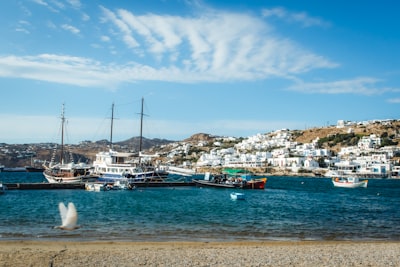
Nestled in the heart of the Aegean Sea, Santorini is undeniably one of Greece's most iconic and breathtaking islands. Part of the Cyclades island group, it captivates visitors with its dramatic caldera, created by a volcanic eruption centuries ago, and its distinctive white-washed villages clinging to cliffs. With its world-famous sunsets, unique architecture, and vibrant blue-domed churches, Santorini promises an unforgettable escape. This comprehensive guide will equip you with everything you need to plan your dream trip to this enchanting Greek paradise.
Best Time to Visit Santorini
Choosing the right time to visit Santorini can significantly impact your experience, depending on your preferences for crowds, weather, and budget.
Shoulder Seasons (April-May & September-October)
The shoulder seasons are arguably the best times to visit Santorini. The weather is delightfully warm and pleasant, typically ranging from 20-25°C (68-77°F), making it perfect for exploring without the intense heat of summer. The crowds are considerably smaller than in peak season, meaning you can enjoy popular spots like Oia and Fira with more ease. Prices for accommodation and flights are also more reasonable during these months. The sea is warm enough for swimming by late May and remains so through October. You’ll find all attractions, restaurants, and shops open, offering a vibrant yet relaxed atmosphere.
Peak Season (June-August)
Summertime in Santorini is bustling, vibrant, and hot. Temperatures often soar above 30°C (86°F), and the island is packed with tourists from all corners of the globe. While the energy is infectious and all services are operating at full capacity, be prepared for significant crowds, especially at sunset spots and popular restaurants. Accommodation and flight prices are at their highest during this period, and booking well in advance is essential. If you love lively atmospheres, bustling nightlife, and guaranteed sunshine for beach days, this is your time.
Off-Season (November-March)
The winter months offer a completely different Santorini experience. The island becomes quiet, reflecting its local life rather than its tourist-driven persona. Temperatures are cooler, ranging from 10-15°C (50-59°F), and some days can be rainy. Many hotels, restaurants, and shops close down for the winter. However, for those seeking solitude, lower prices, and a chance to see Santorini without the crowds, it can be a magical time. Fewer ferry connections and flights are available, but the dramatic winter landscapes and crisp air offer a unique perspective of the caldera.
Top Attractions
Santorini is an island packed with incredible sights and experiences. Here are some of the must-visit attractions:
Oia Sunset
Perhaps the most famous attraction, the sunset from Oia is legendary. Thousands gather daily to watch the sun dip below the horizon, painting the sky in a spectacular array of colors over the Aegean Sea and the caldera. Find a spot along the pedestrian walkways, by the old castle ruins, or book a table at a restaurant with a view. Arrive early to secure a good viewing point, especially during peak season.
Fira
The capital town of Santorini, Fira, is perched high on the caldera cliffs, offering panoramic views of the volcano and the sea. It’s a bustling hub with a labyrinth of narrow streets filled with shops, restaurants, cafes, and bars. Explore the Orthodox Metropolitan Cathedral, stroll along the caldera path, or take the cable car down to the old port.
Akrotiri Archaeological Site
Often referred to as the "Minoan Pompeii," Akrotiri is a remarkably well-preserved Bronze Age settlement buried under volcanic ash from the 17th-century BC eruption. The site is covered by a protective roof, allowing visitors to walk on elevated pathways above the ancient streets and buildings, marveling at the sophistication of this lost civilization, including multi-story buildings and advanced plumbing.
Red Beach and Perissa/Perivolos Black Sand Beaches
Santorini's beaches are unique. Red Beach, named for its distinctive red volcanic sand and towering cliffs, is visually striking and popular for swimming and snorkeling. For a different experience, head to the black sand beaches of Perissa and Perivolos on the southeast coast. These well-organized beaches offer sunbeds, umbrellas, water sports, and a wide array of beachfront bars and restaurants.
Caldera Cruise and Volcano Tour
A boat tour of the caldera is an absolute must-do. These tours typically take you to the volcanic island of Nea Kameni, where you can hike to the crater, and then to the hot springs of Palea Kameni for a therapeutic mud bath. Many tours also include stops at beautiful beaches and conclude with the iconic Oia sunset viewed from the sea, offering a different perspective.
Santo Wines Winery
For wine enthusiasts, a visit to Santo Wines in Pyrgos is highly recommended. Perched on the cliffs, it offers stunning caldera views and the opportunity to sample local Santorini wines, known for their unique volcanic terroir. Learn about the island's distinctive vine cultivation methods and enjoy a tasting platter of local cheeses and charcuterie.
Museum of Prehistoric Thera
Located in Fira, this museum houses an impressive collection of artifacts unearthed from the Akrotiri archaeological site. Exhibits include intricate frescoes, pottery, and tools, providing valuable insights into the daily life and artistic prowess of the ancient Minoan civilization before the volcanic eruption.
Ammoudi Bay
Nestled below Oia, Ammoudi Bay is a picturesque fishing village accessible by a scenic walk down 300 steps or a short drive. It's famous for its fresh seafood tavernas lining the water's edge, offering a perfect spot for lunch or dinner right by the sea. You can also swim in the crystal-clear waters or jump off the rocks near the small church of St. Nicholas.
How to Reach Santorini
Getting to Santorini is relatively straightforward, with options by air and sea.
By Air
Santorini International Airport (JTR) is well-connected. During peak season, numerous airlines operate direct flights from major European cities. Year-round, you can fly to Santorini via Athens International Airport (ATH), which has frequent connections to JTR. The flight from Athens is short, typically around 30-45 minutes. It’s advisable to book flights well in advance, especially for summer travel, as they can fill up quickly and become more expensive.
By Ferry
Ferries are a popular and often more scenic way to reach Santorini, especially if you're island hopping. There are two main types of ferries:
- High-speed ferries (catamarans): These are faster, taking about 4-5 hours from Piraeus (Athens' main port) to Santorini (Thira port). They are more expensive but save time.
- Regular/conventional ferries: Slower, taking about 7-8 hours from Piraeus, but more economical and offer a more stable ride, which can be better for those prone to seasickness. They often have more amenities onboard.
Ferries also connect Santorini with other popular Cycladic islands like Mykonos, Paros, Naxos, and Crete. Booking ferry tickets online in advance, especially during high season, is highly recommended. The main port in Santorini is Athinios, located on the southwest coast, about a 20-30 minute drive from Fira.
Local Food Guide
Santorini's cuisine is a delightful blend of traditional Greek flavors with unique local ingredients, many of which thrive in its volcanic soil.
Must-Try Dishes
- Fava (Santorini Split Pea Purée): A creamy, savory dip made from yellow split peas grown exclusively on the island. It’s a staple, often served with olive oil, chopped onions, and lemon.
- Tomatokeftedes (Tomato Fritters): Made from Santorini's small, sweet, and seedless cherry tomatoes, these crispy fritters are packed with herbs like mint and onion. A true island specialty.
- Fresh Seafood: Given its island location, fresh fish and seafood are abundant. Grilled octopus, calamari, and various fresh catches of the day are highly recommended, especially at seaside tavernas.
- Chlorotyri: A soft, creamy goat cheese produced locally, with a slightly sour taste.
- White Eggplant: Santorini's unique white eggplants are sweeter and less bitter than their purple counterparts, often used in salads or grilled.
- Local Wine: Santorini boasts a unique viticulture, with indigenous grape varieties like Assyrtiko (producing crisp, mineral-rich white wines), Aidani, and Mavrotragano (red). Visit a winery for a tasting experience.
- Souvlaki & Gyros: While not unique to Santorini, these Greek classics are widely available and perfect for a quick, delicious, and affordable meal.
Recommended Restaurants/Areas
- Oia & Fira: Offer a wide range of upscale restaurants with spectacular caldera views, perfect for a romantic dinner. Expect higher prices in these prime locations.
- Ammoudi Bay: Famous for its fresh seafood tavernas right on the water. A fantastic spot for lunch or dinner, especially for fish lovers.
- Pyrgos & Emporio: These less touristy villages offer more traditional Greek tavernas where locals eat, often with more authentic flavors and better prices.
- Perissa & Perivolos: Beachfront restaurants here offer a more relaxed dining experience, often serving fresh seafood and classic Greek dishes.
Public Transport and Getting Around
Navigating Santorini is relatively easy, with several options to suit different preferences and budgets.
KTEL Buses
The public bus system (KTEL) is efficient, reliable, and affordable. Fira serves as the central hub, with regular routes connecting it to all major towns, villages, and beaches, including Oia, Perissa, Perivolos, Akrotiri, and the port. Buses run frequently during peak season, less so in the off-season. Tickets are purchased directly on the bus (cash only) and are usually €1.80 - €2.50 per ride. This is the most budget-friendly way to get around.
Taxis
Taxis are available but relatively limited in number, especially compared to demand during peak season. They can be found at designated stands in Fira and Oia or hailed on the street. Expect higher fares, and it’s always wise to confirm the price with the driver before starting your journey. A taxi from Fira to Oia can cost around €25-€35.
Rental Cars/ATVs
Renting a car, scooter, or ATV provides the most flexibility to explore the island at your own pace.
- Cars: Recommended for families or those who prefer comfort. They allow easy access to all parts of the island, though parking can be challenging in Fira and Oia.
- ATVs (Quads) & Scooters: Popular choices, especially for younger travelers. They offer an exhilarating way to navigate the winding roads and are easier to park. However, exercise extreme caution as Santorini's roads can be narrow, winding, and busy, especially the road between Fira and Oia. Helmets are mandatory for scooters and highly recommended for ATVs.
International driving permits are often required in addition to your national license. Book rentals in advance, especially during high season.
Walking
Walking is a fantastic way to experience the charm of Santorini's villages. The scenic caldera path connecting Fira, Firostefani, Imerovigli, and Oia is a popular, albeit challenging, hike (approx. 2-4 hours depending on the section). Within the villages, walking is often the only option due to pedestrian-only zones.
Travel Budget Tips
Santorini can be an expensive destination, but with smart planning, you can enjoy its beauty without breaking the bank.
Accommodation
- Book Early: Especially for peak season, booking several months in advance can secure better rates.
- Consider Alternatives to Oia/Fira: While Oia and Fira offer stunning views, they are the most expensive. Look for accommodation in Imerovigli, Firostefani (still with caldera views but slightly cheaper), or on the non-caldera side in towns like Perissa, Perivolos, or Pyrgos for significantly lower prices.
- Hotels vs. Apartments: Apartments or guesthouses can offer better value, sometimes with kitchenettes allowing you to self-cater.
Food
- Eat Like a Local: Avoid tourist traps along the caldera for every meal. Seek out traditional tavernas in less famous villages (e.g., Pyrgos, Emporio) or away from the main squares in Fira/Oia for authentic, cheaper meals.
- Souvlaki & Gyros: These are your best friends for affordable lunches or dinners, usually costing €3-€6.
- Supermarkets: Buy snacks, drinks, and ingredients for simple meals (if your accommodation has a kitchen) to save on dining out.
- BYOB: Purchase local wine from supermarkets or wineries, which is much cheaper than restaurant prices.
Activities
- Free Activities: Enjoy the famous Oia sunset (from public spots), hike the caldera path, explore the villages, and relax on the beaches. These experiences are priceless and free.
- Group Tours: Opt for group boat tours instead of private charters for significant savings.
- Winery Visits: Many wineries offer tastings for a reasonable fee, often including snacks.
Transportation
- KTEL Buses: Stick to the public bus system for inter-town travel; it’s the most cost-effective option.
- Walk When Possible: Enjoy the scenic walks between Fira, Firostefani, and Imerovigli.
- Shared Transfers: Consider shared airport/port transfers if your hotel doesn't offer one, rather than expensive private taxis.
Hotels and Accommodation
Santorini offers a diverse range of accommodation, from luxurious cliffside villas to charming budget guesthouses.
Luxury (Often 500+ EUR/night)
- Cave Hotels: Iconic to Santorini, these luxurious properties are often carved into the caldera cliffs, offering private plunge pools, breathtaking views, and unparalleled service. Found predominantly in Oia, Imerovigli, and Fira. Examples include Katikies Santorini (Oia), Canaves Oia Epitome (Oia), and Grace Hotel Santorini (Imerovigli).
- Boutique Hotels: High-end hotels focusing on unique design, personalized service, and exclusive amenities.
Mid-Range (150-500 EUR/night)
- Traditional Guesthouses: Often family-run, offering comfortable rooms, friendly service, and sometimes a pool. Many can be found slightly off the main caldera path in Fira, or in Imerovigli.
- Hotels with Caldera Views (partial): Some properties offer great views without the premium price tag of a full-blown cliffside cave hotel.
- Hotels in less central areas: Good quality hotels in areas like Pyrgos or Perissa/Perivolos offer more amenities for the price, often including larger pools and closer proximity to beaches.
Budget (Under 150 EUR/night)
- Rooms to Let (Domatia): Simple, clean rooms in local homes, often without many frills but offering an authentic experience.
- Hostels: A few hostels exist in Fira and Perissa, offering dorm beds or private rooms at very affordable rates.
- Hotels on the non-caldera side: Areas like Perissa, Perivolos, and Kamari offer hotels that are typically much cheaper than their caldera counterparts, usually with good access to beaches and local amenities.
Best Areas to Stay
- Oia: Famous for sunsets, romantic, luxurious, and pricey. Ideal for couples seeking a serene and picturesque experience.
- Fira: The capital, lively, central, with great nightlife and dining. Good for first-time visitors who want to be close to everything.
- Imerovigli: Known as the "balcony of the Aegean," offers stunning caldera views, quieter than Fira/Oia but still luxurious. Perfect for honeymooners or those seeking tranquility.
- Firostefani: A quieter extension of Fira, offering similar views but with a more relaxed atmosphere and slightly better prices.
- Perissa/Perivolos/Kamari: Beach resorts on the east side of the island. More affordable, lively beach culture, good for families or those prioritizing beach access over caldera views.
- Pyrgos/Megalochori: Traditional, authentic villages in the island's interior. Offer a glimpse into local life, great food, and often charming, budget-friendly accommodation.
Safety Tips
Santorini is generally a very safe destination, but like any travel location, it's wise to be aware of your surroundings and take common-sense precautions.
General Safety
- Petty Theft: While rare, be mindful of your belongings in crowded areas like bus stops, markets, and popular sunset spots. Use hotel safes for valuables.
- Emergency Numbers: Dial 112 for all emergencies (police, ambulance, fire).
- Local Laws: Respect local customs and traditions. Public intoxication to an extreme level is generally frowned upon.
Sun Protection
- Sunscreen: The Mediterranean sun can be intense, especially during summer. Apply high SPF sunscreen generously and reapply often.
- Hydration: Drink plenty of water throughout the day to prevent dehydration.
- Hats & Sunglasses: Protect your head and eyes from direct sunlight.
- Shade: Seek shade during the hottest parts of the day (usually 12 PM - 3 PM).
Driving/Riding
- Road Conditions: Santorini's roads can be narrow, winding, and busy, especially the main routes. Drive defensively.
- ATVs/Scooters: If renting, ensure you are comfortable riding and wear a helmet. Be aware that many tourists are inexperienced riders, which can lead to accidents. Insurance is highly recommended.
- Alcohol: Never drink and drive, or ride.
Valuables
- Leave Valuables at Home: If you don't need it, don't bring it. Minimize the amount of cash and expensive jewelry you carry.
- Secure Belongings: When at the beach, don't leave your valuables unattended.
Frequently Asked Questions (FAQ)
Q: Is Santorini expensive?
A: Santorini can be as expensive or as budget-friendly as you make it. Luxury accommodation, caldera-view restaurants, and private tours can be very costly. However, by staying in less touristy areas, eating at local tavernas, using public transport, and enjoying free activities, you can have a memorable trip on a moderate budget.
Q: How many days do I need in Santorini?
A: Most visitors find 3-5 full days sufficient to experience the main attractions, enjoy the sunsets, relax, and explore. If you plan to island hop, 2-3 days might be enough for a quick taste.
Q: Do I need to rent a car?
A: Not necessarily. The KTEL bus system is efficient and covers most major towns and attractions. However, a rental car or ATV offers more flexibility, especially for exploring hidden gems or if you prefer not to rely on bus schedules.
Q: Is it safe to drink tap water in Santorini?
A: While tap water in Santorini is generally potable, it's often high in minerals and not particularly palatable. Most locals and tourists opt for bottled water for drinking.
Q: What should I pack for Santorini?
A: Light clothing (cotton, linen), comfortable walking shoes/sandals, swimwear, a hat, sunglasses, high SPF sunscreen, a light jacket or shawl for evenings (even in summer), and a camera!
Q: Do people speak English in Santorini?
A: Yes, English is widely spoken in tourist areas, hotels, restaurants, and shops, so communication is generally not an issue. Learning a few basic Greek phrases (e.g., "hello," "thank you") is always appreciated.
Q: Is Santorini suitable for families with children?
A: Yes, Santorini can be great for families, especially if you stay in areas like Perissa or Kamari with child-friendly beaches and amenities. However, navigating Fira and Oia with strollers can be challenging due to steps and crowds, and many caldera-edge properties have unfenced drops. Some activities, like boat tours, are very family-friendly.
Santorini is more than just a destination; it's an experience that etches itself into your memory. With its dramatic landscapes, romantic sunsets, and charming villages, it promises an escape unlike any other. By following this guide, you're well on your way to planning an unforgettable journey to this magnificent Greek island.