Tokyo Travel Guide – Best Places to Visit in Japan
Tokyo: A Journey Through Tradition and Tomorrow
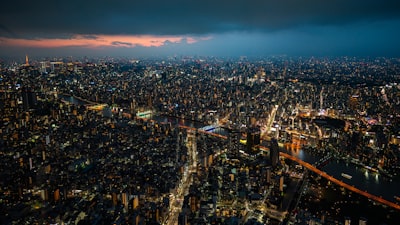
Tokyo, the vibrant capital of Japan, is a city where ancient traditions seamlessly blend with dazzling modernity. A megalopolis that constantly redefines itself, Tokyo offers an unparalleled travel experience, captivating visitors with its neon-lit skyscrapers, serene temples, bustling markets, and tranquil gardens. From the iconic scramble of Shibuya to the spiritual calm of Meiji Jingu Shrine, Tokyo promises an adventure for every kind of traveler, whether you're a foodie, a fashionista, a history buff, or a technology enthusiast. Prepare to be immersed in a culture rich in etiquette, innovation, and unparalleled hospitality.
Best Time to Visit
Choosing the right time to visit Tokyo can significantly enhance your experience, depending on your preferences for weather, crowds, and specific seasonal events.
Spring (Late March to Early May)
This is arguably the most popular time to visit due to the breathtaking cherry blossoms (sakura). The city transforms into a pastel wonderland, with parks like Ueno, Shinjuku Gyoen, and Chidorigafuchi becoming prime spots for hanami (cherry blossom viewing parties).
- Pros: Beautiful scenery, pleasant weather (mild temperatures), vibrant atmosphere.
- Cons: Extremely crowded, especially at popular viewing spots; higher prices for flights and accommodation; booking well in advance is essential. The exact timing of the cherry blossoms varies slightly each year, so flexibility is key.
Autumn (October to November)
Autumn in Tokyo is another highly recommended season, offering crisp, clear skies and comfortable temperatures, perfect for sightseeing. The city's parks and gardens burst into brilliant hues of red, orange, and gold as the autumn leaves (koyo) change.
- Pros: Excellent weather for walking and exploring, stunning foliage, fewer crowds than spring, pleasant evenings.
- Cons: Still a popular season, so some attractions can be busy; good deals on flights and hotels might require early booking.
Summer (June to August)
Tokyo summers are hot and humid, often accompanied by a rainy season (tsuyu) in June and early July. Temperatures can soar, making outdoor activities challenging.
- Pros: Numerous festivals (matsuri) and fireworks displays (hanabi), lively summer atmosphere.
- Cons: High humidity and temperatures can be uncomfortable; increased risk of typhoons in late summer; fewer people out during midday.
Winter (December to February)
Winter in Tokyo is generally cold but often features clear, sunny days. While there's no snow in central Tokyo, the air is dry and crisp.
- Pros: Fewer crowds, excellent visibility from observation decks, beautiful winter illuminations (especially around Christmas and New Year), potentially lower prices for flights and hotels.
- Cons: Cold temperatures require warm clothing; some outdoor activities might be less appealing.
Recommendation: For first-time visitors prioritizing aesthetics and comfortable weather,
late March to early April (for cherry blossoms) or
October to November (for autumn foliage) are ideal, provided you book well in advance. If avoiding crowds is a priority, consider
winter.
Top Attractions
Tokyo is a city of endless discoveries, offering a fascinating array of attractions that cater to all interests.
Shibuya Crossing
Often hailed as the busiest intersection in the world, Shibuya Crossing is an iconic symbol of modern Tokyo. Witness thousands of pedestrians crossing simultaneously from all directions, creating a mesmerizing, choreographed chaos. Surrounding the crossing are towering department stores, trendy boutiques, and vibrant nightlife spots. For the best view, head to the Starbucks on the second floor of the Tsutaya building or the Mag's Park observation deck at Shibuya 109.
Senso-ji Temple (Asakusa)
Tokyo's oldest temple, Senso-ji, offers a glimpse into the city's rich past. Begin your journey through the magnificent Kaminarimon (Thunder Gate), followed by Nakamise-dori, a bustling market street lined with stalls selling traditional snacks, souvenirs, and crafts. The main temple hall is a stunning example of Buddhist architecture, and the adjacent Asakusa Shrine provides a contrasting Shinto experience. Don't miss the tranquil pond and garden behind the main hall.
Meiji Jingu Shrine (Harajuku)
Nestled within a vast, serene forest, Meiji Jingu Shrine is dedicated to Emperor Meiji and Empress Shoken. This peaceful oasis, located just steps from the bustling Harajuku station, provides a stark contrast to the surrounding urban sprawl. Walk through the giant torii gates, past sake barrel offerings, and along the gravel paths to reach the main shrine complex. It's a wonderful place for a contemplative stroll and to witness traditional Japanese weddings on weekends.
Tokyo Skytree / Tokyo Tower
For panoramic views of the sprawling metropolis, Tokyo offers two iconic observation towers.
- Tokyo Skytree: The tallest structure in Japan, offering two observation decks (Tembo Deck at 350m and Tembo Galleria at 450m) that provide breathtaking 360-degree vistas, stretching as far as Mount Fuji on a clear day. The adjacent Tokyo Solamachi complex offers extensive shopping and dining.
- Tokyo Tower: Inspired by the Eiffel Tower, Tokyo Tower stands at 333 meters and offers charming, slightly lower-altitude views, especially beautiful at night when the tower itself is illuminated.
Akihabara (Electric Town)
The pulsating heart of Japan's otaku (geek) culture, Akihabara is a paradise for fans of anime, manga, video games, electronics, and J-pop. Explore multi-story electronics stores, specialized manga shops, themed cafes (like maid cafes), and arcades filled with claw machines and rhythm games. It's an energetic, visually stimulating district that perfectly encapsulates modern Japanese pop culture.
Ueno Park
One of Japan's first public parks, Ueno Park is a cultural hub home to several prominent museums, a zoo, and beautiful gardens. It's a fantastic spot for cherry blossom viewing in spring.
- Museums: Tokyo National Museum, National Museum of Western Art, Tokyo Metropolitan Art Museum, National Museum of Nature and Science.
- Ueno Zoo: Japan's oldest zoo, famous for its giant pandas.
Ginza
Tokyo's most upscale shopping district, Ginza is synonymous with luxury. Home to flagship stores of world-renowned brands, department stores like Ginza Six and Mitsukoshi, high-end restaurants, and art galleries. Ginza Dori, the main street, becomes a pedestrian paradise on weekend afternoons, allowing visitors to stroll freely.
Tsukiji Outer Market / Toyosu Market
While the famous wholesale fish market moved to Toyosu, the
Tsukiji Outer Market remains a vibrant culinary destination. Here you can sample fresh seafood, sushi, street food, and browse kitchenware and Japanese produce.
The new
Toyosu Market houses the wholesale tuna auctions and offers observation decks for visitors to watch the action from a distance. It's more modern and structured, primarily focusing on the wholesale business.
Shinjuku Gyoen National Garden
A magnificent blend of Japanese traditional, French Formal, and English Landscape garden styles, Shinjuku Gyoen is one of Tokyo's most beautiful and spacious parks. It's a tranquil escape from the urban hustle, perfect for a picnic or a leisurely walk, and particularly stunning during cherry blossom and autumn foliage seasons.
How to Reach
Tokyo is served by two major international airports, Narita (NRT) and Haneda (HND), both offering excellent connectivity to the city center.
Narita International Airport (NRT)
Located about 60-80 kilometers east of central Tokyo, Narita is Japan's primary international gateway.
- Narita Express (N'EX): The fastest and most comfortable option, offering direct service to major stations like Tokyo, Shinjuku, Shibuya, Shinagawa, and Ikebukuro. Travel time is approximately 50-80 minutes, and it's covered by the Japan Rail Pass.
- Keisei Skyliner: A high-speed train service connecting Narita to Ueno and Nippori stations in 41 minutes. Ideal if your accommodation is near these areas or on the Yamanote Line.
- Limousine Bus: Offers direct service to many major hotels and specific stations across Tokyo. Convenient if you have heavy luggage. Travel time is longer (60-90 minutes, depending on traffic).
- Local JR/Keisei Trains: Slower but more economical options, such as the JR Sobu Line (Rapid) or Keisei Main Line.
Haneda Airport (HND)
Closer to the city center (about 14-20 kilometers south), Haneda is increasingly handling international flights alongside its dominant domestic routes.
- Keikyu Line: Connects Haneda to Shinagawa Station (15-20 minutes) and continues to other subway lines.
- Tokyo Monorail: Connects Haneda to Hamamatsucho Station (15-20 minutes), which is a Yamanote Line stop, making transfers easy.
- Limousine Bus: Similar to Narita, provides direct service to many hotels and key areas, offering comfort and convenience.
Domestic Travel: For travel within Japan, the Shinkansen (bullet train) network is incredibly efficient. Tokyo Station is the main hub for Shinkansen services connecting to cities like Kyoto, Osaka, Hiroshima, and beyond.
Local Food Guide
Tokyo is a culinary paradise, offering everything from Michelin-starred dining to delectable street food. Eating in Tokyo is an experience in itself, a journey through diverse flavors and meticulous presentation.
Sushi and Sashimi
You cannot visit Tokyo without indulging in fresh sushi. While high-end sushi restaurants require reservations months in advance, you can find excellent quality at conveyor belt sushi (kaiten-zushi) chains or at the restaurants around Tsukiji Outer Market. Don't forget to try a sushi breakfast!
Ramen
A staple of Japanese cuisine, ramen comes in countless variations. Each region and even specific restaurants boast their unique broth, noodle, and topping combinations.
- Tonkotsu: Rich, cloudy pork bone broth (often from Kyushu).
- Shoyu: Clear, soy-sauce-based broth.
- Miso: Hearty, savory miso-paste-based broth (often from Hokkaido).
- Shio: Light, salt-based broth.
Explore ramen alleys or specific ramen shops like Ichiran (known for its individual booths) or Afuri (for yuzu-scented broth).
Tempura
Delicately battered and deep-fried seafood and vegetables. High-end tempura restaurants offer omakase (chef's choice) courses where each piece is fried to perfection and served immediately. More casual options are also widely available.
Udon and Soba
These noodle dishes offer comfort and versatility.
- Udon: Thick, chewy wheat noodles, served hot in broth or cold with a dipping sauce.
- Soba: Thin buckwheat noodles, often served similarly to udon. Both are popular fast-food options and can be found in specialized restaurants.
Yakitori
Grilled skewers of chicken (and sometimes vegetables or other meats). From classic chicken thigh (momo) to gizzards (sunagimo) and skin (kawa), yakitori offers a delicious variety of textures and flavors. Best enjoyed at an izakaya with a cold beer.
Takoyaki and Okonomiyaki
Popular street foods and casual dining options.
- Takoyaki: Ball-shaped wheat flour dumplings filled with diced octopus, ginger, and green onion, cooked in a special molded pan, topped with sauce, mayonnaise, bonito flakes, and nori.
- Okonomiyaki: A savory pancake made with flour, eggs, and shredded cabbage, with various fillings (meat, seafood, vegetables), grilled and topped with a special sauce, mayonnaise, and bonito flakes.
Izakaya Experience
An izakaya is a Japanese casual pub, perfect for unwinding after a day of sightseeing. Order small plates (tapas-style) of various dishes, from karaage (fried chicken) to edamame, gyoza, and grilled fish, accompanied by sake, beer, or chu-hi (shochu cocktail).
Donburi
Rice bowls with various toppings:
- Katsudon: Fried pork cutlet bowl
- Oyakodon: Chicken and egg bowl
Desserts and Snacks
Don't miss
Matcha (green tea) desserts,
Taiyaki (fish-shaped cakes with sweet fillings),
Mochi (rice cakes), and a visit to a convenience store (konbini) for their incredible selection of unique snacks, sandwiches, and drinks.
Public Transport
Tokyo's public transport system is renowned for its efficiency, punctuality, and extensive network. It's the best way to navigate the sprawling city.
Train and Subway Networks
The city is primarily served by two main systems:
- JR (Japan Railways) Lines: The most famous is the Yamanote Line, a circular route connecting major hubs like Tokyo, Shinjuku, Shibuya, Ueno, and Ikebukuro. JR lines are easily identifiable by green signage.
- Tokyo Metro and Toei Subway: These two separate subway networks cover a vast area of the city, reaching districts not served by JR. They are identified by distinct colors and alphanumeric codes for each line.
IC Cards (Suica & Pasmo)
Highly recommended for convenience. These rechargeable smart cards allow you to simply tap and go on almost all trains, subways, and buses in Tokyo (and increasingly across Japan). You can purchase them at any major station ticket machine or counter and top them up as needed. While the physical cards are being phased out for new purchases in some areas due to chip shortages, digital versions for smartphones (Apple Pay, Google Pay) are available, or you can get a Welcome Suica or Pasmo Passport card designed for tourists.
Day Passes
For intensive sightseeing, consider a day pass:
- Tokyo Subway Ticket: Available in 24, 48, or 72-hour increments, offering unlimited rides on all Tokyo Metro and Toei Subway lines. Can be a good value if you plan to visit many areas not on the JR Yamanote Line.
- JR Tokyo Wide Pass / Japan Rail Pass: If you plan extensive travel outside Tokyo, the Japan Rail Pass might be worthwhile. For only Tokyo and surrounding areas, the JR Tokyo Wide Pass is an option.
Etiquette
- Silence: Avoid talking loudly on trains, and never talk on your phone.
- Priority Seats: Designated for the elderly, pregnant women, and those with disabilities.
- Queuing: Form orderly queues on platforms and wait for passengers to disembark before boarding.
- Escalators: Stand on the left (in Tokyo, right in Osaka) and walk on the right.
Travel Budget Tips
Tokyo can be an expensive city, but with smart planning, you can enjoy it on a reasonable budget.
Accommodation
- Hostels and Guesthouses: Offer dormitory beds or private rooms at budget-friendly prices. Look in areas like Asakusa or Ueno.
- Capsule Hotels: A unique Japanese experience offering compact sleeping pods. Surprisingly comfortable and very affordable.
- Business Hotels: Chains like Toyoko Inn, APA Hotel, and Dormy Inn offer small but efficient rooms with good amenities at mid-range prices.
- Airbnb: While availability can fluctuate due to regulations, Airbnbs can be a cost-effective option for groups or longer stays.
Food
- Convenience Stores (Konbini): 7-Eleven, FamilyMart, and Lawson offer incredibly high-quality, affordable meals, snacks, and drinks (onigiri, bento boxes, sandwiches, fresh coffee).
- Supermarkets: Buy groceries for breakfast or simple meals.
- Lunch Deals: Many restaurants offer budget-friendly lunch sets (teishoku) that are significantly cheaper than dinner.
- Standing Noodle Bars: Quick, cheap, and delicious ramen or soba.
- Izakayas: Can be surprisingly affordable if you stick to drinks and a few small plates.
Transport
- IC Cards: Saves time and potentially money compared to individual tickets.
- Walk: Many attractions within an area (e.g., Shibuya/Harajuku) are walkable.
- Day Passes: If you plan heavy subway use.
Attractions
- Free Attractions: Many temples (Senso-ji, Meiji Jingu), parks (Ueno Park, Shinjuku Gyoen – modest entry fee), and some observation decks (Tokyo Metropolitan Government Building) are free or low-cost.
- Bundles: Look for combo tickets if visiting multiple attractions.
- Cultural Experiences: Attending a festival, exploring a local market, or simply people-watching in vibrant districts like Shibuya costs nothing.
Shopping
- ¥100 Shops (Daiso, Seria, Can Do): Find souvenirs, snacks, and daily necessities at incredibly low prices.
- Duty-Free: Look for duty-free shopping (tax-free for tourists) at major department stores or electronics retailers.
Hotels and Accommodation
Tokyo offers a vast range of accommodation options, from luxurious high-rise hotels to cozy guesthouses and unique capsule hotels.
Luxury (¥30,000+ per night)
- Areas: Shinjuku (Park Hyatt Tokyo, Hilton Tokyo), Ginza (Imperial Hotel, The Peninsula Tokyo), Marunouchi/Tokyo Station (Shangri-La Tokyo, Palace Hotel Tokyo).
- Features: Exceptional service, spacious rooms, often with stunning city views, multiple dining options, and wellness facilities.
Mid-Range (¥10,000 - ¥30,000 per night)
- Areas: Shinjuku, Shibuya, Ueno, Ikebukuro, Shinagawa. These areas offer good access to transport and amenities.
- Hotels: Business hotel chains like Mitsui Garden Hotel, JR Kyushu Hotel Blossom, Solaria Nishitetsu Hotel. These offer clean, comfortable, compact rooms with essential amenities, often including breakfast.
Budget (Under ¥10,000 per night)
- Areas: Asakusa, Ueno, Taito, and near major train stations.
- Hostels: K's House Tokyo, Sakura Hostel Asakusa, Nui. Hostel & Bar Lounge. Offer dormitory beds and sometimes private rooms.
- Capsule Hotels: Unique and cost-effective, offering a private sleeping pod with shared bathrooms. First Cabin is a more upscale capsule option.
- Budget Business Hotels: Chains like Toyoko Inn, APA Hotel, Dormy Inn offer slightly smaller rooms but good value.
Traditional Experience (Ryokan)
While most traditional ryokan are found outside major cities, some boutique ryokan can be found in Tokyo, particularly in quieter areas like Asakusa. These offer a chance to experience Japanese hospitality, tatami mats, futon bedding, and often include traditional meals (kaiseki). Expect higher prices for this unique experience.
Booking Advice: Book accommodation well in advance, especially if traveling during cherry blossom season or national holidays. Use reputable booking sites and check reviews.
Safety Tips
Tokyo is renowned as one of the safest major cities in the world, with extremely low crime rates. However, it's always wise to be aware and prepared.
General Safety
- Low Crime: Petty crime is rare, but be mindful of your belongings in crowded areas like Shibuya Crossing or train stations, especially late at night.
- Lost & Found (Koban): If you lose something, chances are it will be returned. Head to the nearest police box (Koban) or ask station staff.
- Public Behavior: Maintain respectful behavior. Public drunkenness is frowned upon, though not illegal. Avoid confrontation.
Natural Disasters (Earthquakes)
Japan is prone to earthquakes. While most are minor, familiarize yourself with basic safety procedures:
- Indoors: Drop, cover, and hold on under sturdy furniture.
- Outdoors: Move to an open area away from buildings and utility poles.
- Evacuation: Follow instructions from authorities or building staff. Hotels often have multilingual instructions. Apps like "Safety Tips" can provide early warnings.
Health and Medical
- Travel Insurance: Highly recommended. Medical costs can be high.
- Pharmacies: Easy to find, but some medications might require a prescription or differ from what you're used to. Carry essential personal medications.
- Emergency: Dial 119 for ambulance/fire, 110 for police. Limited English service may be available.
Scams and Tourist Traps
While rare, be cautious in entertainment districts like Kabukicho (Shinjuku) or Roppongi, particularly late at night.
- Bar Scams: Be wary of touts aggressively inviting you into bars, especially those offering "free entry" or "all you can drink." Always check prices before entering.
- Drink Spiking: While uncommon, remain vigilant if offered drinks by strangers.
Language Barrier
Many Japanese people have limited English proficiency.
- Translation Apps: Google Translate or similar apps are very helpful.
- Learn Basic Phrases: "Arigato gozaimasu" (Thank you), "Sumimasen" (Excuse me/Sorry), "Konnichiwa" (Hello) go a long way.
- Signs: Major tourist areas and public transport usually have English signage.
FAQ Section
Q: Do I need a visa to visit Tokyo/Japan?
A: Visa requirements depend on your nationality. Many countries have visa-free entry for short tourist stays (typically 90 days). Check the official website of the Ministry of Foreign Affairs of Japan or your country's Japanese embassy/consulate for the most up-to-date information.
Q: What currency is used in Japan, and is tipping customary?
A: The currency is the Japanese Yen (JPY ¥). Tipping is generally not customary in Japan and can sometimes be seen as rude or confusing, as excellent service is expected. The price you see is the price you pay.
Q: Is Wi-Fi widely available in Tokyo?
A: Yes, Wi-Fi is widely available. Many hotels, cafes, and public transport hubs offer free Wi-Fi. For constant connectivity, renting a pocket Wi-Fi device or purchasing a local SIM card (data only) is highly recommended. You can pick these up at airports.
Q: How much English is spoken in Tokyo?
A: While major tourist areas, hotels, and train stations often have staff who can speak some English, outside of these areas, English proficiency can be limited. Learning a few basic Japanese phrases and using translation apps will greatly enhance your experience.
Q: What should I pack for a trip to Tokyo?
A: Pack comfortable walking shoes, as you'll be doing a lot of exploring. Layers are good for adapting to indoor/outdoor temperature changes. A portable power bank for your phone is useful. If visiting in summer, light breathable clothing; in winter, warm layers. A universal adapter for your electronics is also necessary.
Q: Is Tokyo suitable for solo travelers?
A: Absolutely! Tokyo is one of the safest and most convenient cities for solo travelers. The public transport system is excellent, and there are many dining options for one person, including counter-seating ramen shops and cafes.
Q: How expensive is Tokyo compared to other major cities?
A: Tokyo can be expensive, especially for luxury accommodation and fine dining. However, it's possible to visit on a budget by utilizing public transport, eating at convenience stores or casual eateries, and choosing budget-friendly accommodation like hostels or capsule hotels. Prices are comparable to or slightly higher than other major global cities like London or New York.
Tokyo is a city that never ceases to amaze, a harmonious blend of the past and the future, tranquility and frenetic energy. It invites you to delve into its unique culture, savor its unparalleled cuisine, and explore its countless fascinating districts. From the quiet reverence of its shrines to the dazzling spectacle of its nightlife, Tokyo offers an unforgettable journey. Embrace the adventure, respect the local customs, and prepare to be enchanted by this extraordinary metropolis.