San Francisco Travel Guide – Best Places to Visit in USA
San Francisco Travel Guide: Explore the City by the Bay
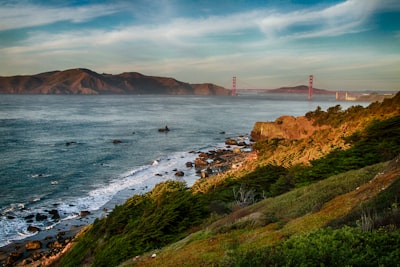
San Francisco, a city renowned for its iconic Golden Gate Bridge, historic cable cars, vibrant neighborhoods, and a thriving culinary scene, offers an unforgettable experience for every traveler. Nestled on the northern tip of a peninsula, surrounded by the Pacific Ocean and San Francisco Bay, this unique destination blends natural beauty with urban sophistication. From its rolling hills and Victorian architecture to its tech innovation and counter-culture roots, San Francisco promises a diverse and dynamic adventure. This comprehensive guide will help you navigate the city's charm, plan your itinerary, and make the most of your visit to the City by the Bay.
Best Time to Visit San Francisco
San Francisco’s weather is famously unpredictable, characterized by its microclimates and persistent fog, especially during summer. Understanding these patterns is key to choosing the best time for your visit.
Fall (September to November) – The Golden Window
Often dubbed San Francisco's "Indian Summer," fall is arguably the best time to visit. The notoriously chilly fog dissipates, giving way to warmer temperatures, clearer skies, and abundant sunshine. This period offers ideal conditions for sightseeing, outdoor activities, and enjoying panoramic views. Tourist crowds begin to thin out slightly after the summer rush, making it a more pleasant experience.
Spring (March to May) – Mild and Beautiful
Spring offers mild temperatures, fewer crowds than summer, and blooming flowers throughout the city’s parks and gardens. While there can still be some foggy days, the weather is generally pleasant, making it great for exploring on foot. This season is perfect for those who want to avoid peak tourist season while still enjoying comfortable weather.
Summer (June to August) – "Fogust" and Peak Season
Despite popular belief, San Francisco summers are often cool and foggy, especially in the mornings and evenings. Locals affectionately call August "Fogust." This is peak tourist season, meaning higher prices for flights and accommodation, and larger crowds at popular attractions. However, numerous outdoor festivals, concerts, and events take place, creating a lively atmosphere. If you visit in summer, pack layers!
Winter (December to February) – Mild and Rainy
Winters are generally mild, with temperatures rarely dropping below freezing, but it is the city's rainy season. While rain can deter some, it also means fewer tourists, lower prices, and a cozy atmosphere perfect for exploring indoor attractions like museums or enjoying the city's vibrant food scene. The holidays bring festive decorations and events.
Top Attractions in San Francisco
San Francisco is packed with world-renowned landmarks and hidden gems. Here's a rundown of must-see attractions:
The Golden Gate Bridge
An engineering marvel and the city's most iconic landmark. You can walk, bike, or drive across it for breathtaking views of the city skyline, Alcatraz Island, and the Pacific Ocean. Don't forget to visit the Golden Gate Bridge Welcome Center for historical insights and souvenirs. Head to Fort Point or Battery Spencer for classic photo opportunities.
Alcatraz Island
Once home to America's most notorious criminals, this historic prison island offers a fascinating and eerie tour. Book your tickets well in advance (weeks, or even months, especially during peak season) as tours sell out quickly. The audio tour, narrated by former inmates and guards, is incredibly immersive.
Fisherman's Wharf & Pier 39
A bustling waterfront area famous for its seafood restaurants (especially clam chowder in a sourdough bread bowl), souvenir shops, and the noisy sea lions basking on the docks of Pier 39. Enjoy street performers, explore the Aquarium of the Bay, or embark on a bay cruise from here.
Lombard Street (The Crookedest Street)
Located on Russian Hill, this incredibly steep street features eight hairpin turns designed to reduce the hill's natural 27% grade. It's a popular spot for photos, and you can either walk down or drive (if you dare!) for a unique experience.
San Francisco Cable Cars
More than just a mode of transport, the cable cars are a moving national historic landmark. Riding one is an essential San Francisco experience. Lines can be long, particularly at the Powell-Hyde and Powell-Mason termini. Purchase tickets at the termini or use your Clipper Card.
Golden Gate Park
Larger than New York's Central Park, this urban oasis offers endless activities. Explore the Japanese Tea Garden, visit the California Academy of Sciences, marvel at the de Young Museum, or simply relax by Stow Lake. It's perfect for walking, biking, and picnicking.
Chinatown
The oldest Chinatown in North America, and one of the largest outside of Asia. Its vibrant streets are filled with traditional markets, temples, authentic restaurants, and unique shops. Don't miss the Dragon's Gate entrance on Grant Avenue.
Ferry Building Marketplace
A vibrant public food market housed in the historic Ferry Building. It's a foodie paradise, featuring artisanal food stalls, local produce, gourmet restaurants, and stunning views of the Bay Bridge. Perfect for a casual meal or picking up local delicacies.
Mission District
Known for its vibrant murals, trendy boutiques, and delicious taquerias. Explore Clarion Alley or Balmy Alley for incredible street art, then grab an authentic Mission burrito. The district also boasts a lively nightlife scene.
Twin Peaks
For unparalleled panoramic views of the entire city, including the Golden Gate Bridge, Alcatraz, and the Bay, head to Twin Peaks. It's especially stunning at sunset or sunrise. Dress warmly, as it can be windy and chilly.
How to Reach San Francisco
San Francisco is well-connected by air, land, and sea.
By Air
The primary gateway is
San Francisco International Airport (SFO), located about 13 miles south of downtown. SFO is a major international hub with numerous domestic and international flights.
- From SFO to downtown: The most convenient option is BART (Bay Area Rapid Transit). The AirTrain connects all terminals to the SFO BART Station, from where you can take a train directly to downtown San Francisco (e.g., Powell Street, Montgomery Street stations). The ride takes about 30 minutes. Shuttles, taxis, and rideshare services (Uber/Lyft) are also readily available.
Other nearby airports include:
- Oakland International Airport (OAK): Located across the Bay, OAK is served by the BART system via the AirBART connector bus, making it another viable option, especially for budget airlines.
- Mineta San José International Airport (SJC): Further south, SJC is generally less convenient for accessing San Francisco directly, but may offer different flight options. You'd typically take a shuttle or rideshare to a Caltrain station, then take Caltrain north to SF, or a connecting bus service.
By Train
Amtrak serves the San Francisco Bay Area, but trains do not directly enter San Francisco. The primary Amtrak station is in
Emeryville, across the Bay. From Emeryville, a dedicated Amtrak bus service connects passengers directly to various points in San Francisco, including the Ferry Building.
By Bus
Long-distance bus services like Greyhound and FlixBus operate routes into San Francisco, typically arriving at the Salesforce Transit Center or other downtown locations.
By Car
San Francisco is accessible via major highways like US-101 and I-80. However, driving within the city can be challenging due to steep hills, narrow streets, heavy traffic, and extremely expensive and limited parking. For most tourists, relying on public transport and rideshares is recommended.
Local Food Guide
San Francisco is a world-class culinary destination, celebrated for its diverse food scene, fresh local ingredients, and innovative chefs.
Iconic San Francisco Dishes
- Clam Chowder in a Sourdough Bread Bowl: A quintessential SF experience, particularly at Fisherman's Wharf. The creamy chowder served inside a hollowed-out loaf of crusty sourdough is pure comfort food.
- Mission Burrito: Originating from the Mission District, this oversized, foil-wrapped burrito is packed with rice, beans, meat, salsa, and other fillings. Don't leave without trying one from a local taqueria.
- Dungeness Crab: Freshly caught Dungeness crab is a seasonal highlight (typically November-June), available steamed, cracked, or in crab cakes.
- Cioppino: A hearty fish stew with a tomato base, loaded with various types of seafood (fish, clams, mussels, crab, shrimp). A must-try for seafood lovers.
- Sourdough Bread: San Francisco's cool, foggy climate is ideal for cultivating the unique wild yeast strains that give its sourdough its distinctive tangy flavor. Enjoy it with butter, with cioppino, or as a bread bowl.
Foodie Neighborhoods
- Mission District: Best for Mexican food (burritos, tacos), trendy restaurants, and ice cream.
- North Beach: San Francisco's Little Italy, offering authentic Italian restaurants, cafes, and bakeries.
- Chinatown: Explore dim sum parlors, traditional Cantonese restaurants, and bakeries.
- Ferry Building Marketplace: A haven for gourmands, featuring artisanal cheeses, oysters, pastries, and diverse prepared foods.
- Fisherman's Wharf: Primarily known for its seafood, though often more tourist-oriented.
- Hayes Valley: Known for its boutique restaurants and stylish cafes.
Diverse Cuisines
Beyond the iconic dishes, San Francisco boasts an incredible array of international cuisines. You'll find everything from innovative Californian farm-to-table dining, sophisticated Asian fusion, Vietnamese pho, Ethiopian injera, and much more. The city's food trucks offer diverse and delicious, often more budget-friendly, options.
Drinks and Desserts
- Wine Country Proximity: San Francisco is a gateway to Napa and Sonoma Valleys, making fine wine readily available.
- Craft Beer: A thriving craft beer scene with numerous breweries and taprooms.
- Coffee Culture: The city takes its coffee seriously, with numerous independent coffee shops and artisanal roasters.
- Boudin Bakery: Famous for its sourdough bread, but also offers delicious pastries.
- Ghirardelli Square: Indulge in sundaes, chocolates, and other sweet treats at the historic Ghirardelli Ice Cream and Chocolate Shop.
Public Transport in San Francisco
San Francisco has an excellent public transportation system that makes getting around without a car relatively easy.
Muni (San Francisco Municipal Railway)
Muni is the city's primary public transit system, operating:
- Buses: Extensive network covering almost every part of the city.
- Streetcars (F-Line): Historic streetcars that run along Market Street and The Embarcadero, connecting Fisherman's Wharf to the Castro District, offering scenic rides.
- Metro (Subway/Light Rail): Several underground lines that cover downtown and connect to various neighborhoods.
- Cable Cars: The iconic, manually operated cable cars are both a tourist attraction and a form of transport, running on three lines (Powell-Hyde, Powell-Mason, California Street).
BART (Bay Area Rapid Transit)
BART is a regional heavy rail system that connects San Francisco with the East Bay, the Peninsula, and SFO. It's ideal for airport transfers and day trips outside the city center.
Clipper Card
This reloadable fare card is highly recommended. It works across almost all Bay Area transit systems, including Muni, BART, Golden Gate Ferry, and Caltrain. You can purchase and load value onto a Clipper card at Muni/BART stations, Walgreens, and other retailers. It offers discounted fares compared to single paper tickets.
Walkability
Many of San Francisco's neighborhoods are incredibly walkable. Exploring areas like North Beach, Chinatown, the Mission District, and the Haight-Ashbury on foot is often the best way to soak in their unique atmosphere. Be prepared for hills!
Rideshare Services
Uber and Lyft are very popular and widely available in San Francisco, offering a convenient, though often more expensive, alternative to public transport, especially for late-night travel or when navigating steep hills.
Ferries
Ferries connect San Francisco's Ferry Building to various destinations across the Bay, including Sausalito, Tiburon, Oakland, and Angel Island. They offer stunning views of the city skyline and the Golden Gate Bridge.
Travel Budget Tips
San Francisco is one of the most expensive cities in the U.S., but with careful planning, you can enjoy it on a reasonable budget.
Accommodation
- Book in Advance: Especially for peak season, securing accommodation early can save you money.
- Consider Hostels: San Francisco has numerous high-quality hostels, particularly around Union Square, Marina, and North Beach.
- Airbnb/Vacation Rentals: Can be cost-effective for groups or longer stays, especially if you utilize kitchens.
- Stay Slightly Outside Downtown: Areas like Daly City or Berkeley (easily accessible by BART) might offer cheaper hotel rates.
Food
- Utilize Grocery Stores/Markets: Buy snacks, drinks, and ingredients for simple meals.
- Food Trucks & Street Food: A fantastic way to sample diverse cuisines affordably. Look for them in the Mission District or outside major parks.
- Happy Hour Deals: Many restaurants offer discounted food and drinks during happy hour.
- Picnics: Grab some fresh produce from the Ferry Building Marketplace or a local grocery store and enjoy a picnic in Golden Gate Park or at Dolores Park.
- Mission Burritos: A delicious and filling meal that's easy on the wallet.
Attractions & Activities
- Free Attractions: Enjoy many of San Francisco's best sights for free! Walk across the Golden Gate Bridge, explore Golden Gate Park, visit Alamo Square (Painted Ladies), stroll through Chinatown, window shop in Union Square, or hike up Twin Peaks for free panoramic views.
- Free Walking Tours: Several organizations offer free (tip-based) walking tours that cover different neighborhoods and themes.
- Museum Free Days: Check museum websites for free admission days or evenings (e.g., Legion of Honor, de Young Museum, SFMOMA often have specific free days for residents or general free days for certain exhibitions).
- CityPASS: If you plan to visit multiple paid attractions (e.g., Alcatraz, California Academy of Sciences, Aquarium of the Bay), a San Francisco CityPASS can offer significant savings.
Transportation
- Clipper Card: Use the Clipper Card for discounted fares on Muni and BART.
- Walk Often: Many parts of the city are very walkable, saving you transit costs and offering a great way to explore.
- Avoid Taxis/Rideshares during Peak Hours: Prices surge, making them expensive.
- Bikes: Rent a bike to explore Golden Gate Park or cycle across the Golden Gate Bridge (though rentals can add up).
Hotels and Accommodation
San Francisco offers a wide range of accommodation options, from luxury hotels to budget-friendly hostels, scattered across various neighborhoods. Choosing the right area depends on your budget, interests, and preferred atmosphere.
Luxury (Often in Nob Hill, Union Square, Financial District)
- Nob Hill: Home to grand, historic hotels like the Fairmont San Francisco and Mark Hopkins InterContinental. Offers stunning views and a sense of old-world grandeur, though a bit removed from direct public transport for some.
- Union Square: Central location with high-end hotels (e.g., Grand Hyatt, St. Francis), excellent shopping, dining, and unparalleled access to public transport (Muni, BART, Cable Cars).
- Financial District: Primarily business hotels, often quieter on weekends, with good access to the Ferry Building and public transport.
Mid-Range (Union Square, SoMa, Marina)
- Union Square: Many mid-range options are available here, offering a balance of convenience and price.
- SoMa (South of Market): Trendy area with modern hotels, close to SFMOMA, Yerba Buena Gardens, and tech companies. Good transport links.
- Marina District/Cow Hollow: Upscale residential areas with boutique hotels and guesthouses. Quieter, with bay views and close to Crissy Field and Golden Gate Park. Good for couples or those seeking a more relaxed vibe.
- North Beach: Historic area with a bohemian feel, offering smaller, independent hotels and guesthouses. Great for foodies and those who enjoy vibrant nightlife.
Budget-Friendly (Tenderloin, Lower Nob Hill, Hostels throughout the city)
- Tenderloin: While offering some of the lowest hotel prices, this area is known for high rates of homelessness and drug use and can be unsettling, especially at night. Exercise caution if considering staying here.
- Lower Nob Hill: Just outside the Tenderloin, offers slightly better value than Union Square without the same level of street issues.
- Hostels: Numerous highly-rated hostels are located across the city, including areas like Union Square, Marina, and Fisherman's Wharf, offering dorms and private rooms for budget travelers.
- Outer Neighborhoods: Consider staying in less central areas like the Sunset or Richmond districts, which are quieter and more residential, often requiring more public transport time but offering lower prices.
Tips for Booking:
- Book Early: Especially during peak season (summer, fall), popular hotels fill up quickly and prices increase.
- Check Reviews: Pay close attention to recent reviews regarding cleanliness, safety, and noise levels for specific properties and neighborhoods.
- Consider Transportation: Choose a location with easy access to Muni and BART if you plan to rely on public transport.
Safety Tips
San Francisco is generally a safe city for tourists, but like any major urban area, it has its challenges. Being aware and taking precautions will ensure a smoother trip.
General Awareness
- Be Aware of Your Surroundings: Especially in crowded tourist areas (e.g., Fisherman's Wharf, Union Square) where pickpocketing can occur. Keep wallets in front pockets, secure bags, and avoid flashing valuables.
- Dress in Layers: San Francisco's microclimates mean weather can change dramatically within a few blocks or hours. Always carry extra layers, even on a sunny day.
Petty Crime
- Car Break-ins: This is a significant issue in San Francisco. NEVER leave anything visible in your car, even if you think it has no value. This includes luggage, backpacks, charging cables, and even empty shopping bags. If possible, avoid renting a car or park in secure, attended garages.
- Pickpocketing: Common in crowded areas, on cable cars, and on public transport. Be vigilant.
Homelessness and Substance Use
- San Francisco has a visible homeless population, particularly in areas like the Tenderloin, Civic Center, and parts of Market Street. While generally harmless to tourists, some individuals may be struggling with mental health issues or substance use. It's best to avoid direct engagement and keep a respectful distance.
- Tenderloin District: While bordering popular areas, this neighborhood is known for its high rates of homelessness and drug activity. It is generally advisable for tourists to avoid walking through the Tenderloin, especially at night, or to do so with extreme caution.
Walking at Night
- Stick to well-lit, populated streets at night. Avoid shortcuts through dark alleys or unfamiliar areas.
- If in doubt, use a rideshare service instead of walking.
Public Transport Safety
- Muni and BART are generally safe, but be aware of your belongings, especially on crowded trains or buses.
- Avoid engaging with disruptive passengers.
Emergency Services
- In case of an emergency, call 911 (police, fire, medical).
- Non-emergency police number for SF: (415) 553-0123.
FAQ Section
Q: Is San Francisco walkable?
A: Yes, many neighborhoods are very walkable, but be prepared for steep hills! Comfortable walking shoes are a must. Public transport (Muni, cable cars) can help you tackle the inclines.
Q: Do I need a car to get around San Francisco?
A: No, a car is generally not recommended for tourists. Parking is expensive and difficult, and public transport is excellent. Rely on Muni, BART, cable cars, and rideshares.
Q: What's the weather like in San Francisco?
A: San Francisco is known for its unpredictable microclimates. Summers are often cool and foggy ("Fogust"), while fall is typically the warmest and clearest. Always pack layers, regardless of the season.
Q: How many days do I need to visit San Francisco?
A: To experience the main attractions and get a good feel for the city, we recommend at least 3-5 full days. This allows time for popular sights like Alcatraz, the Golden Gate Bridge, and exploring a few distinct neighborhoods.
Q: Is San Francisco an expensive city to visit?
A: Yes, San Francisco is one of the most expensive cities in the United States. Accommodation, dining, and some attractions can be costly. However, with careful planning and utilizing budget tips, you can manage expenses.
Q: What's the best way to get from SFO to downtown San Francisco?
A: BART (Bay Area Rapid Transit) is the most efficient and cost-effective way. The AirTrain connects all terminals to the SFO BART station, from where you can take a train directly to downtown SF.
Q: Can I visit Alcatraz without booking in advance?
A: No, it is highly recommended to book Alcatraz tickets several weeks, and often months, in advance, especially during peak travel seasons. Tours frequently sell out.
Q: Is San Francisco safe for solo female travelers?
A: Yes, San Francisco is generally safe for solo female travelers. However, it's important to practice general safety precautions: be aware of your surroundings, avoid walking alone in deserted or poorly lit areas at night (especially the Tenderloin), and trust your instincts.
Q: What's the deal with the cable cars? How do I ride them?
A: San Francisco's historic cable cars are a unique experience. You can catch them at various stops along their three lines. Fares can be paid with a Clipper Card or purchased at the termini (e.g., Powell-Market, Hyde-Beach). Be prepared for lines at popular stops.