Cairo Travel Guide – Best Places to Visit in Egypt
Discover the Timeless Wonders of Cairo, Egypt: A Comprehensive Travel Guide
Welcome to Cairo, the sprawling, vibrant capital of Egypt – a city where ancient history breathes alongside modern life, creating an unparalleled tapestry of experiences. Known as "Umm al-Dunya" (Mother of the World), Cairo is a destination that captivates with its iconic pyramids, bustling souqs, majestic mosques, and the timeless flow of the River Nile. From the awe-inspiring Giza plateau to the chaotic charm of Khan el-Khalili, Cairo promises an unforgettable adventure through millennia of civilization. This comprehensive guide will equip you with all the essential information to navigate this extraordinary city, ensuring a memorable and enriching journey.
Best Time to Visit Cairo
Choosing the right time to visit Cairo can significantly enhance your experience, primarily due to the city's climate. Cairo experiences a desert climate, characterized by hot, dry summers and mild winters.
Ideal Seasons for Travel
The best time to visit Cairo is generally
from October to April. During these months, the weather is pleasantly mild, making it perfect for exploring historical sites, navigating bustling markets, and enjoying outdoor activities without the oppressive heat of summer.
- October to November (Autumn): Temperatures are comfortable, typically ranging from 20-30°C (68-86°F). The tourist crowds are manageable, and the weather is ideal for sightseeing.
- December to February (Winter): These are the coolest months, with average temperatures around 10-20°C (50-68°F). While days are sunny and pleasant, evenings can be chilly, so packing layers is advisable. This is peak tourist season, meaning higher prices and larger crowds at major attractions.
- March to April (Spring): Similar to autumn, spring offers pleasant temperatures before the summer heat kicks in. Temperatures range from 20-35°C (68-95°F). The Khamasin winds, dusty desert winds, can occasionally occur during this period, but they are usually short-lived.
Seasons to Consider Avoiding (or Preparing For)
- May to September (Summer): Cairo's summers are intensely hot, with temperatures often soaring above 35°C (95°F) and sometimes exceeding 40°C (104°F). Sightseeing during midday can be challenging and uncomfortable. While hotels might offer lower rates, the heat can detract from the overall experience unless you plan to limit outdoor activities to early mornings and late evenings.
- Ramadan: The holy month of Ramadan, which shifts annually based on the Islamic lunar calendar, offers a unique cultural experience but can also present challenges for first-time visitors. While many restaurants remain open for tourists, local establishments may operate on reduced hours during the day, opening only after sunset for Iftar (breaking the fast). Alcohol sales might be restricted. If you visit during Ramadan, embrace the evening festivities and be mindful of local customs, such as refraining from eating, drinking, or smoking in public during daylight hours.
Top Attractions in Cairo
Cairo is a treasure trove of ancient wonders and cultural landmarks. Prepare to be awestruck by its sheer historical grandeur.
The Giza Pyramids and Sphinx
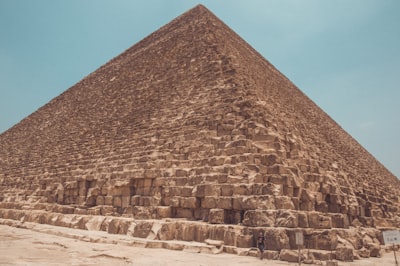
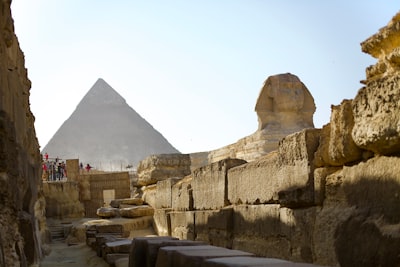
No visit to Cairo is complete without witnessing the last remaining wonder of the ancient world. Located on the Giza plateau, just outside the city center, stand the Great Pyramids of Khufu (Cheops), Khafre (Chephren), and Menkaure (Mycerinus), guarded by the enigmatic Great Sphinx.
- What to See: Marvel at the immense scale of the pyramids, take a camel or horse ride across the desert for classic photo opportunities, and consider entering one of the pyramids (extra ticket required) to experience their interior.
- Tips: Arrive early to beat the heat and crowds. Wear comfortable walking shoes, a hat, and bring plenty of water. Be wary of unofficial guides and vendors.
The Grand Egyptian Museum (GEM)
While the historic Egyptian Museum in Tahrir Square housed an incredible collection for decades, the new Grand Egyptian Museum (GEM), situated near the Giza Pyramids, is poised to become the largest archaeological museum in the world. As of early 2024, it is largely open for guided tours, with a full opening anticipated soon.
- What to See: The GEM will house over 100,000 artifacts, including the complete Tutankhamun collection, which has never been displayed in its entirety before. Its state-of-the-art facilities and exhibition spaces promise an immersive journey through ancient Egyptian civilization.
- Tips: Check the official website for opening status and ticket information. Plan at least half a day, if not a full day, to explore its vast collections.
Khan el-Khalili Bazaar
Step into a vibrant, sensory overload at Khan el-Khalili, Cairo's historic open-air market dating back to the 14th century.
- What to See: Explore narrow alleyways overflowing with spices, perfumes, jewelry, textiles, lamps, souvenirs, and traditional crafts. Practice your bargaining skills and soak in the lively atmosphere.
- Tips: Visit El Fishawy's café, one of Cairo’s oldest coffee houses, for a mint tea or Turkish coffee. Be prepared to haggle vigorously for the best prices. Keep an eye on your belongings in crowded areas.
Coptic Cairo
Discover a serene and historically rich enclave that predates Islamic Cairo, representing the heart of Egypt's Christian community.
- What to See: Visit the Hanging Church (El Muallaqa), one of the oldest churches in Egypt, seemingly suspended over the Roman gatehouse. Explore the Church of Saints Sergius and Bacchus, where the Holy Family is believed to have stayed. Discover the Ben Ezra Synagogue, which once housed a priceless collection of Jewish manuscripts. Also, visit the Coptic Museum.
- Tips: Dress respectfully when visiting religious sites. The area is easily walkable and offers a tranquil escape from the city's hustle.
Islamic Cairo and The Citadel of Saladin
Explore the magnificent mosques and medieval architecture that define Islamic Cairo, a UNESCO World Heritage site.
- Citadel of Saladin: A medieval Islamic fortification offering panoramic views of Cairo and housing several important mosques.
- Mosque of Muhammad Ali: The most prominent feature of the Citadel, an Ottoman-style mosque with soaring minarets and a grand alabaster courtyard.
- Sultan Hassan Mosque and Madrasa: A colossal Mamluk-era mosque renowned for its architectural grandeur.
- Ibn Tulun Mosque: One of Cairo's oldest and largest mosques, known for its unique spiral minaret, which you can climb for impressive views.
- Tips: Women should bring a headscarf to cover their heads when entering mosques. Remove shoes before entering prayer areas.
Cairo Tower
For unparalleled 360-degree views of the city, the Nile, and even the distant Pyramids on a clear day, ascend the Cairo Tower on Zamalek Island.
- What to See: Enjoy the revolving restaurant at the top or simply take in the breathtaking cityscape from the observation deck.
- Tips: Visit at sunset for spectacular views as the city lights up.
Felucca Ride on the Nile
Experience the timeless serenity of the Nile with a traditional felucca (sailboat) ride.
- What to See: Glide along the calm waters, watch local life unfold on the banks, and enjoy a peaceful escape from the city's noise. Sunset rides are particularly magical.
- Tips: You can hire a felucca from various points along the Corniche, particularly near Garden City or Maadi. Negotiate the price and duration beforehand.
How to Reach Cairo
Reaching Cairo is straightforward, especially by air, as it serves as a major gateway to Africa and the Middle East.
By Air
- Cairo International Airport (CAI): This is Egypt's busiest airport and the primary entry point for international travelers. It's well-connected with direct flights from major cities across Europe, Asia, Africa, and North America.
- From the Airport to the City:
- Taxis: Readily available outside the terminals. It's advisable to use reputable white taxis with meters or pre-negotiate the fare. Many drivers will try to overcharge; agreeing on a price before starting is crucial. Fares to downtown Cairo usually range from EGP 200-300.
- Ride-sharing Apps: Uber and Careem are widely used and often provide a more transparent and convenient option. You'll need local data or airport Wi-Fi to book.
- Airport Shuttle: Shared shuttle services can be booked in advance or upon arrival, offering a more economical option if you don't mind sharing.
- Public Bus: While the cheapest option, public buses can be confusing for first-time visitors and are not recommended with heavy luggage.
Visa Requirements
Most nationalities require a visa to enter Egypt.
- Visa on Arrival: Many countries (including the US, UK, EU, Canada, Australia) can obtain a 30-day single-entry tourist visa on arrival at Cairo International Airport for $25 USD. You'll purchase a visa sticker from a bank kiosk before immigration control.
- E-Visa: An e-visa system is also available and recommended for a smoother process, allowing you to obtain your visa online before departure. Apply through the official Egyptian government e-visa portal.
- Visa in Advance: Some nationalities must obtain a visa from an Egyptian embassy or consulate in their home country before traveling. Always check the latest visa requirements specific to your nationality well in advance of your trip.
Local Food Guide: Savoring the Flavors of Cairo
Egyptian cuisine is a delightful blend of Middle Eastern, Mediterranean, and African influences, rich in flavor, hearty, and often vegetarian-friendly.
Must-Try Dishes
- Koshary: The quintessential Egyptian street food. This hearty, inexpensive, and entirely vegetarian dish is a delicious mix of rice, macaroni, and lentils, topped with chickpeas, a spicy tomato sauce, garlic vinegar, and crispy fried onions. It's a must-try!
- Ful Medames: A staple breakfast food, consisting of slow-cooked fava beans seasoned with olive oil, cumin, and lemon juice. Often served with fresh bread, eggs, and pickled vegetables.
- Ta'ameya (Egyptian Falafel): Unlike Levantine falafel made from chickpeas, Egyptian ta'ameya is made from fava beans, giving it a distinct green interior and a fluffier texture. Served in pita bread with salad and tahini.
- Hawawshi: A savory delight of spiced minced meat (beef or lamb) baked inside a traditional Egyptian baladi bread, creating a flavorful, crispy sandwich.
- Mahshi: Vegetables (like bell peppers, zucchini, eggplant, cabbage leaves, or vine leaves) stuffed with a mixture of rice, herbs, and sometimes minced meat, then cooked in a flavorful broth.
- Molokhia: A green, viscous soup made from jute mallow leaves, often served with rice and chicken or rabbit. Its unique texture makes it an acquired taste for some but beloved by locals.
- Shawarma: While popular across the Middle East, Cairo offers excellent chicken or beef shawarma, thinly sliced meat cooked on a vertical spit, served in bread with various sauces and vegetables.
Sweet Treats & Drinks
- Basbousa: A sweet semolina cake soaked in simple syrup, often flavored with coconut and topped with an almond.
- Konafa: A shredded phyllo pastry dessert, typically filled with cream or nuts, baked until golden, and drenched in sweet syrup.
- Hibiscus Tea (Karkadeh): A refreshing, vibrant red drink, served hot or cold. It's tart and sweet.
- Mint Tea (Shai Bil Na'na'): A comforting and ubiquitous drink, often served in small glasses.
- Turkish Coffee: Strong, unfiltered coffee served in small cups, a common offering in cafes.
Where to Eat
- Street Food Stalls: Don't be afraid to try street food from reputable, busy vendors. It's often the most authentic and affordable way to experience local flavors. Look for places with a high turnover of customers.
- Local Restaurants (Mat'am Baladi): Seek out small, local eateries away from tourist traps for delicious and budget-friendly meals. Ask your hotel or local guides for recommendations.
- Khan el-Khalili: Several cafes and restaurants within the bazaar offer traditional Egyptian fare in an atmospheric setting.
- Nile-side Restaurants: For a more upscale dining experience with scenic views, explore restaurants along the Nile Corniche in areas like Zamalek or Maadi.
Public Transport in Cairo
Navigating Cairo's sprawling urban landscape can seem daunting, but the city offers several public transport options.
Cairo Metro
- Efficiency: The Cairo Metro is the fastest, cleanest, and most efficient way to get around the city, connecting major areas like Downtown, Giza, and Shubra.
- Tickets: Fares are very affordable, based on distance. You purchase a token for each journey.
- Women-Only Carriages: The first two carriages of each train are reserved for women, offering a more comfortable and private space, especially during peak hours.
- Tips: Avoid rush hours if possible (7-9 AM and 2-5 PM). The metro can get extremely crowded.
Taxis and Ride-Sharing
- White Taxis: These are plentiful but famous for drivers who may refuse to use the meter or attempt to overcharge. Always agree on a fare *before* getting in, or insist on the meter. Having small bills helps.
- Ride-sharing Apps (Uber & Careem): Highly recommended for tourists. They offer fixed prices, cashless payment options, and vehicle tracking, reducing the chances of scams or miscommunication. Download the apps before you arrive.
- Tips: Be aware that traffic in Cairo can be notoriously heavy, especially during peak times. Factor in extra travel time.
Buses and Microbuses
- Buses: Cairo has an extensive bus network, but it can be challenging to navigate for non-Arabic speakers due to a lack of clear route maps or English signage. Buses are often crowded and slow.
- Microbuses: These are privately owned mini-vans that follow specific routes. They are a local and very cheap way to travel but are not recommended for tourists due to language barriers, lack of clear stops, and often aggressive driving.
Felucca Rides
While not public transport, feluccas offer a unique way to experience the Nile. They are primarily for leisure but can serve as a picturesque way to get from one bank of the Nile to another in specific areas.
Travel Budget Tips for Cairo
Cairo can be an incredibly affordable destination, especially if you embrace local experiences.
- Budget: Hostels (EGP 150-300/night) or guesthouses, especially around Downtown or near Giza, offer dorms or basic private rooms.
- Mid-range: 3-4 star hotels (EGP 500-1500/night) provide good value with comfortable amenities. Look for options in areas like Zamalek or near the city center.
- Luxury: High-end hotels (EGP 2000+ /night) along the Nile offer world-class service and facilities.
- Street Food: Incredibly cheap and delicious. A koshary meal can cost EGP 20-50.
- Local Restaurants: Eating at a local 'mat'am baladi' will cost EGP 50-150 per meal.
- Tourist/Upscale Restaurants: Expect to pay EGP 200-500+ per meal, comparable to Western prices.
- Attractions: Entrance fees to major sites like the Pyramids and the Egyptian Museum are the primary cost. Consider purchasing a Cairo Pass (if available and cost-effective for your itinerary) for multiple entries. Student discounts are often available with an international student ID.
- Metro: Extremely cheap (EGP 5-10 per ride).
- Ride-sharing Apps: Uber/Careem rides are affordable, usually EGP 50-150 for rides across the city.
- Taxis: Negotiate hard or use apps.
- Souvenirs & Shopping: Bargaining is expected at markets like Khan el-Khalili. Start at 50% of the asking price and work your way up. Don't be afraid to walk away if you can't agree on a fair price.
- Currency: The local currency is the Egyptian Pound (EGP). ATMs are widely available, and credit cards are accepted in larger establishments. Exchange money at banks or official exchange offices for the best rates. Avoid changing money with street vendors.
- Tipping (Baksheesh): Tipping is customary in Egypt for almost all services, from waiters to toilet attendants. Carry small denominations of EGP for this purpose. A general rule is 5-10% in restaurants, and a few EGP for small services.
Hotels and Accommodation in Cairo
Cairo offers a vast range of accommodation options to suit every budget and travel style.
Luxury Hotels
- Nile Ritz-Carlton, Cairo: Overlooking the Nile and close to the Egyptian Museum, offering lavish rooms, multiple dining options, and excellent service.
- Four Seasons Hotel Cairo at Nile Plaza: Renowned for its impeccable service, luxurious amenities, and stunning Nile views.
- Sofitel Cairo Nile El Gezirah: Located on Gezirah Island (Zamalek), providing elegant rooms and beautiful views.
Mid-Range Hotels
- Steigenberger Hotel El Tahrir Cairo: Conveniently located in Tahrir Square, offering modern rooms and good facilities.
- Ramses Hilton: A well-known international brand offering comfortable stays with Nile views and a central location.
- Novotel Cairo El Borg: On Gezirah Island, offering good value with views of the Nile and Cairo Tower.
Budget Accommodation & Guesthouses
- Downtown Cairo: Many budget hotels and hostels are located in the historic downtown area, offering proximity to the Egyptian Museum and metro stations. They can be found in older buildings, often on upper floors. Examples include Downtown Hostel and Tahrir Square Hostel.
- Giza (Near Pyramids): For those prioritizing proximity to the Pyramids, numerous guesthouses offer rooms with direct views, some even from their balconies or rooftops. These are often family-run and provide a more local experience. Examples include Great Pyramid Inn or Pyramids View Inn.
- Zamalek: While generally more upscale, Zamalek also has some guesthouses and apartment rentals that can be more budget-friendly than hotels, offering a pleasant, greener environment on an island in the Nile.
Tips for Booking
- Location: Consider your itinerary. Downtown is central for museums and public transport. Giza is ideal for early pyramid visits. Zamalek is greener, quieter, and has good dining options.
- Reviews: Always check recent reviews, especially for budget options, to ensure cleanliness and good service.
- Amenities: Confirm if amenities like Wi-Fi, air conditioning (crucial in summer), and breakfast are included.
Safety Tips for Traveling in Cairo
Cairo is generally safe for tourists, but like any large city, it requires awareness and adherence to certain precautions.
- Petty Crime: Pickpocketing can occur in crowded areas like markets, metro stations, and popular tourist sites. Keep valuables secure and out of sight.
- Taxi Overcharging: Insist on the meter or use ride-sharing apps (Uber/Careem). If taking a white taxi, agree on the price before starting the journey.
- "Official" Guides: Be wary of unsolicited guides offering tours, especially around the Pyramids or major sites. They often charge exorbitant fees and may not be licensed. Book tours through reputable agencies.
- Fake Papyrus/Antiques: Many vendors will try to sell fake papyrus or "ancient" artifacts. Research reputable papyrus institutes if you want genuine items.
- "Free" Gifts/Help: Be cautious of individuals offering "free" gifts or overly helpful gestures, as they often lead to pressure for payment or a visit to an expensive shop.
- Dress Code: Egyptians are generally conservative. While there's no strict dress code for tourists, dressing modestly is advisable, especially for women, to show respect and avoid unwanted attention.
- Women: Cover shoulders and knees. Loose-fitting clothing is best. A headscarf is not generally required for daily wear but is respectful to carry for mosque visits.
- Men: Long pants and shirts are generally appropriate, though shorts are common in tourist areas.
- Water: Do NOT drink tap water in Cairo. Stick to bottled water, even for brushing teeth.
- Food: Be careful with street food. While delicious, ensure it's freshly cooked and hot. Peel fruits and vegetables.
- Sun Protection: The sun is intense. Wear sunscreen, a hat, and sunglasses, especially when visiting outdoor sites. Stay hydrated.
- Photography: Always ask for permission before taking photos of individuals, especially women and children. Be respectful of religious sites. Some sites may have restrictions or require an extra fee for photography/videography.
- Political Situation: While Cairo is generally stable, it's always wise to check your government's travel advisories before and during your trip for any updates. Avoid any political demonstrations.
- Solo Female Travelers: While Egypt is generally welcoming, solo female travelers might experience more unwanted attention or catcalling. Dressing modestly, maintaining confidence, and avoiding walking alone in deserted areas at night can help. Utilizing ride-sharing apps is also a good strategy.
- Emergency Numbers: Keep important numbers handy: Tourist Police (126), General Police (122), Ambulance (123).
FAQ Section
Q: Is Cairo safe for tourists?
A: Yes, Cairo is generally safe for tourists. The government places a high priority on tourist safety. However, like any major city, petty crime (pickpocketing, scams) exists. Exercise common sense, be aware of your surroundings, and follow local advice.
Q: What's the currency in Egypt?
A: The currency is the Egyptian Pound (EGP).
Q: Can I drink tap water in Cairo?
A: No, it is strongly advised not to drink tap water in Cairo. Stick to bottled water for drinking and even for brushing your teeth to avoid stomach upsets.
Q: What should I wear in Cairo?
A: Dress modestly out of respect for local culture, especially in religious sites and less touristy areas. For women, this means covering shoulders and knees. Loose-fitting clothing is recommended. Men should generally wear long pants. A headscarf for women is only typically required when entering mosques.
Q: Do I need a visa for Egypt?
A: Most nationalities require a visa. Many, including citizens of the US, UK, EU, Canada, and Australia, can obtain a 30-day single-entry tourist visa on arrival at Cairo International Airport for $25 USD. An e-visa system is also available and recommended for convenience. Always check specific requirements for your nationality.
Q: Is bargaining common in Cairo?
A: Yes, bargaining is expected and a cultural norm in markets like Khan el-Khalili for souvenirs, textiles, and other goods. It's part of the shopping experience.
Q: How many days do I need in Cairo?
A: To cover the main attractions comfortably, a minimum of 3 to 4 full days is recommended. This allows you to explore the Giza Pyramids, the Grand Egyptian Museum, Islamic Cairo, Coptic Cairo, and Khan el-Khalili without feeling rushed, with some time for a Nile felucca ride or other experiences.
Cairo is a city of astounding contrasts, where ancient marvels stand shoulder to shoulder with the rhythm of modern life. Prepare to be enchanted by its history, energized by its chaos, and welcomed by its people. With this guide, you're ready to embark on an unforgettable journey into the heart of Egypt.