London Travel Guide – Best Places to Visit in United Kingdom
London Travel Guide: Unveiling the Heart of the United Kingdom
Welcome to London, a city where centuries of history seamlessly blend with a vibrant, modern pulse. As the capital of the United Kingdom, London is a global hub of finance, art, fashion, and culture, offering an unparalleled experience for every type of traveler. From its iconic landmarks and world-class museums to its bustling markets and serene green spaces, London captivates with its diverse neighborhoods, dynamic energy, and a rich tapestry of stories waiting to be discovered. Whether you're a history buff, an art enthusiast, a foodie, or simply looking to soak in the atmosphere of one of the world's greatest cities, London promises an unforgettable adventure. Prepare to navigate its labyrinthine streets, sample its eclectic cuisine, and immerse yourself in a culture that is both quintessentially British and wonderfully global.
Best Time to Visit London
London is a year-round destination, but each season offers a different charm. Choosing the best time depends on your preferences for weather, crowd levels, and specific events.
- Spring (March-May): Often considered one of the best times to visit. The weather is mild and pleasant, with fewer crowds than summer. Parks and gardens burst into bloom, and the city feels fresh and vibrant. Temperatures average 8-15°C (46-59°F). Expect some rain, but also plenty of sunny days.
- Summer (June-August): The most popular time for tourists, offering the warmest weather (average 18-25°C / 64-77°F) and longest daylight hours. The city comes alive with outdoor events, festivals, and street performances. However, this also means larger crowds at major attractions and higher accommodation prices. Booking well in advance is essential.
- Autumn (September-November): Another excellent period. The summer crowds begin to thin, and the weather remains comfortable, though cooler (average 10-18°C / 50-64°F). The parks showcase stunning autumnal foliage, creating picturesque scenery. There are also many cultural events and exhibitions as the city gears up for winter.
- Winter (December-February): Cooler temperatures (average 2-8°C / 36-46°F) and shorter daylight hours define winter. While it can be chilly, the city takes on a magical glow with Christmas lights, festive markets, and New Year's celebrations. This is a great time for theatre shows, museums, and cozy pub visits. January and February are typically the quietest months, offering lower prices for flights and hotels, though some attractions might have reduced hours.
Overall, late spring and early autumn strike a good balance between pleasant weather, manageable crowds, and reasonable prices.
Top Attractions
London boasts an incredible array of attractions, catering to all interests. Here's a selection of must-visit sites:
The Tower of London
A UNESCO World Heritage Site with nearly 1,000 years of history. Explore its grim past as a royal palace, prison, and execution site. Don't miss the Crown Jewels, the Yeoman Warder (Beefeater) tours, and the famous ravens whose presence, legend says, ensures the kingdom's stability.
Buckingham Palace
The official residence of His Majesty The King. Witness the iconic Changing of the Guard ceremony, a spectacular display of British pageantry. During summer, you can also tour the State Rooms and the Royal Mews.
The British Museum
Home to a colossal collection of world art and artifacts, numbering around 8 million works. Key highlights include the Rosetta Stone, the Elgin Marbles, and the Egyptian mummies. Admission to the permanent collection is free.
Westminster Abbey & Houses of Parliament
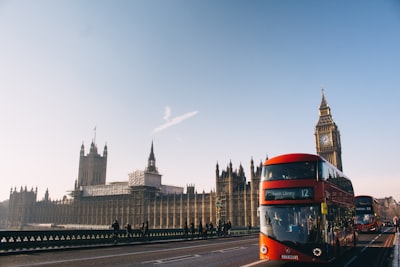
Westminster Abbey: A magnificent Gothic abbey church, the traditional place of coronation and burial site for British monarchs. Its history stretches back over a thousand years, hosting countless royal weddings and significant national events. Houses of Parliament (Palace of Westminster) & Big Ben: The iconic Gothic Revival masterpiece housing the UK Parliament. Adjacent to it stands Elizabeth Tower, home to the famous bell, Big Ben. Take a tour to learn about British democracy, or simply admire its architecture from outside.
The London Eye
A giant Ferris wheel offering breathtaking panoramic views of the city skyline. On a clear day, you can see up to 40 kilometers (25 miles) in every direction, making it a perfect way to orient yourself and capture stunning photos.
Tate Modern & The National Gallery
Tate Modern: Located in a former power station on the South Bank, this is Britain's national museum of international modern and contemporary art. It houses works by Picasso, Warhol, Dalí, and many other influential artists. Admission to the permanent collection is free. The National Gallery: Situated in Trafalgar Square, it houses a rich collection of over 2,300 paintings dating from the mid-13th century to 1900, including masterpieces by Van Gogh, Leonardo da Vinci, Botticelli, and Renoir. Free entry to the main collection.
Hyde Park & Kensington Gardens
Two of London's beautiful Royal Parks, offering vast green spaces for relaxation, walking, cycling, and boating. Visit Speaker's Corner, the Serpentine Lake, and the Princess Diana Memorial Fountain.
Covent Garden
A lively district known for its street performers, artisan stalls, independent shops, and a vibrant dining scene. The central Piazza is a hub of activity, surrounded by historic buildings and theatres.
Borough Market
One of London's oldest and largest food markets, dating back to the 13th century. It's a paradise for foodies, offering fresh produce, gourmet ingredients, and an incredible variety of street food from around the world.
How to Reach London
London is one of the most accessible cities in the world, with excellent connections by air, rail, and road.
By Air
London is served by six international airports, each with good transport links to the city centre:
- Heathrow Airport (LHR): The largest and busiest airport. Connect to central London via the Heathrow Express (15-20 mins to Paddington), Elizabeth Line (approx. 30 mins to central London), or Piccadilly Line (Tube, approx. 50-60 mins, cheapest option).
- Gatwick Airport (LGW): The second-largest. The Gatwick Express offers a direct train to Victoria Station (30 mins). Thameslink and Southern services also run regularly to various central London stations.
- Stansted Airport (STN): Primarily serves low-cost airlines. The Stansted Express train reaches Liverpool Street Station in about 45-50 minutes.
- Luton Airport (LTN): Another hub for low-cost carriers. Take a shuttle bus to Luton Airport Parkway station, then a Thameslink train to central London (around 30-45 minutes).
- London City Airport (LCY): The most central airport, popular with business travelers. Directly connected to the DLR (Docklands Light Railway), offering quick access to the City of London and Canary Wharf.
- Southend Airport (SEN): Smaller, further out, with train links to Liverpool Street Station.
By Train
For travelers coming from mainland Europe, the Eurostar high-speed train is an excellent option, connecting London St Pancras International with Paris, Brussels, and Amsterdam. Within the UK, a comprehensive national rail network connects London to cities across England, Scotland, and Wales, with major termini like King's Cross, Euston, Paddington, Waterloo, Victoria, and Liverpool Street.
By Bus/Coach
National Express and FlixBus operate extensive coach services across the UK, offering a budget-friendly way to reach London from other British cities. Most services arrive at Victoria Coach Station in central London.
Local Food Guide
London's culinary scene is a vibrant melting pot of traditional British fare and international flavors. Prepare for a delicious journey!
Must-Try British Dishes
- Fish and Chips: A quintessential British dish. Crispy battered fish (cod or haddock) served with thick-cut chips, often accompanied by mushy peas and tartare sauce. Find it at traditional chippies or gastropubs.
- Full English Breakfast: A hearty start to the day, typically including eggs, bacon, sausages, baked beans, grilled tomatoes, mushrooms, black pudding, and toast.
- Sunday Roast: A beloved tradition. Roast meat (beef, lamb, chicken, or pork) served with roasted potatoes, seasonal vegetables, Yorkshire pudding, and gravy. Best enjoyed in a cozy pub on a Sunday afternoon.
- Pie and Mash: A traditional working-class dish, especially popular in East London. Minced beef pie with mashed potatoes, often served with a parsley sauce called 'liquor'.
- Afternoon Tea: A delightful experience featuring a selection of finger sandwiches, scones with clotted cream and jam, and an assortment of delicate pastries, all accompanied by a pot of tea. Many hotels and tea rooms offer this.
- Curry: Thanks to its diverse population, London has an incredible curry scene. Brick Lane is famously known as "Curry Mile," offering a vast selection of Indian, Bangladeshi, and Pakistani restaurants.
Food Experiences & Where to Eat
- Pub Grub: London pubs are not just for drinks; many offer excellent food, from classic pub fare to more gourmet options. Look for gastropubs for a refined dining experience.
- Street Food Markets: London excels in street food. Visit Borough Market (Southwark), Maltby Street Market (Bermondsey), or Spitalfields Market (East London) for an incredible variety of international and local delicacies.
- Fine Dining: London is a global culinary capital with numerous Michelin-starred restaurants. From modern British cuisine to innovative international dishes, you'll find world-class dining experiences.
- Diverse Cuisine: Explore areas like Soho for Chinese and East Asian food, Brixton for Caribbean flavors, and Edgware Road for Middle Eastern cuisine.
Public Transport in London
London's public transport system is extensive, efficient, and one of the best ways to get around the city.
Oyster Card & Contactless Payment
The easiest way to pay for transport is using a contactless debit or credit card, or a mobile payment device (Apple Pay, Google Pay). Simply tap in and out at the beginning and end of your journey. The system automatically calculates the cheapest fare and applies daily caps, meaning you won't be charged more than a certain amount in a single day. Alternatively, you can purchase an Oyster card (a reusable smartcard) from Tube stations, which works similarly. Paper tickets are significantly more expensive.
The London Underground (The Tube)
The iconic Tube is the fastest way to travel across much of central London. It operates on a zone system (Zone 1 is central London, extending outwards). Lines are color-coded, making navigation relatively straightforward. Avoid peak hours (7:30-9:30 AM and 5:00-7:00 PM) if possible, as trains can be very crowded.
Buses
London's red double-decker buses offer a scenic and often cheaper alternative to the Tube, especially for shorter journeys or when you want to see the city as you travel. Tap your contactless card or Oyster card when you board (you don't tap out). Night buses operate on many routes after the Tube closes.
Docklands Light Railway (DLR)
An automated train system serving East London, including Canary Wharf, Greenwich, and London City Airport. It offers great views as it's mostly above ground.
Overground & National Rail Services
These services connect areas not served by the Tube, providing vital links to outer boroughs and commuter towns. Your Oyster card or contactless payment is valid on most of these services within London's fare zones.
Trams & River Bus
Trams operate in parts of South London. The River Bus (Thames Clippers) offers a unique way to travel along the Thames, connecting key attractions from Putney to Woolwich. It's a faster alternative to tourist boats and is included in the Oyster/contactless payment system.
Walking & Cycling
For shorter distances, walking is often the best way to explore London's neighborhoods and discover hidden gems. Cycle hire schemes like Santander Cycles are available throughout central London for spontaneous rides.
Travel Budget Tips
London can be an expensive city, but with smart planning, you can enjoy it on a reasonable budget.
- Accommodation:
- Book well in advance, especially during peak season.
- Consider staying in zones 2 or 3, which are well-connected by Tube/bus but offer significantly cheaper hotels or Airbnb rentals.
- Hostels (many excellent ones like Generator London, Wombat's City Hostel) are great for budget travelers and solo adventurers.
- Look for chain hotels (Premier Inn, Travelodge) which offer consistent quality at competitive prices.
- Food & Drink:
- Utilize free museum cafes for reasonable lunch options.
- Explore street food markets like Borough Market, Maltby Street, or Brick Lane for delicious and affordable meals.
- Take advantage of 'meal deals' from supermarkets (Tesco, Sainsbury's, M&S) for a sandwich, snack, and drink for around £3-£5.
- Enjoy traditional pub lunches, which are often good value.
- Pack snacks and a reusable water bottle to save on impulse purchases.
- Attractions:
- Many world-class museums and galleries (British Museum, National Gallery, Tate Modern, Victoria and Albert Museum) offer free entry to their permanent collections.
- Walk through Royal Parks (Hyde Park, Regent's Park) and explore vibrant neighborhoods (Notting Hill, Shoreditch) for free.
- Consider a London Pass if you plan to visit many paid attractions in a short period, but calculate if it truly saves you money based on your itinerary.
- Look for free walking tours (tip-based) to get an overview of different areas.
- Transport:
- Use contactless payment or an Oyster card for the cheapest fares and daily caps.
- Walk whenever possible; London is very walkable, and you'll discover more on foot.
- Utilize buses for shorter journeys to save money and enjoy the views.
- Avoid Black Cabs (taxis) for budget travel; use ride-sharing apps (Uber, Bolt) for specific situations or late nights if necessary.
- Shopping:
- Window shopping is free! For souvenirs, check out market stalls rather than tourist traps.
- Department stores like Harrods and Selfridges are experiences in themselves, even if you're not buying.
Hotels and Accommodation
London offers an extensive range of accommodation options, from luxurious five-star hotels to cozy boutique guesthouses and budget-friendly hostels. The best area to stay depends on your budget, interests, and how you plan to spend your time.
- Luxury (e.g., Mayfair, Knightsbridge, West End):
- The Ritz London: An iconic symbol of luxury and grandeur in Mayfair, known for its impeccable service and famous Afternoon Tea.
- The Langham London: Europe's first grand hotel, offering timeless elegance and a prime location near Oxford Circus.
- Shangri-La Hotel at The Shard: Provides unparalleled panoramic views of London from its location in the Shard skyscraper.
- Areas: Mayfair and Knightsbridge are renowned for their upscale boutiques, fine dining, and proximity to Hyde Park. The West End is ideal for theatre lovers and those wanting to be in the heart of the action.
- Mid-Range (e.g., South Kensington, Victoria, Covent Garden, Tower Bridge):
- The Hoxton, Holborn/Shoreditch: Stylish boutique hotels with vibrant common areas, popular with a younger crowd.
- Hub by Premier Inn (various locations): Compact, modern rooms with smart features, offering good value in central locations like Covent Garden or Tower Bridge.
- CitizenM London Bankside: Contemporary design hotel near Tate Modern and Borough Market, known for its tech-savvy rooms.
- Areas: South Kensington is perfect for museum access. Victoria offers excellent transport links. Covent Garden is lively and central for entertainment. Around Tower Bridge, you'll find great views and proximity to historic sites.
- Budget (e.g., King's Cross, Earl's Court, Paddington, some parts of East London):
- Generator London (King's Cross): One of London's largest and most popular hostels, offering both dorms and private rooms, with a lively atmosphere.
- Wombat's City Hostel London (Tower Bridge): Highly rated hostel with excellent facilities, including a bar and communal spaces, near major attractions.
- Premier Inn / Travelodge: Reliable chain hotels found across London, often offering good value, especially if booked in advance. Locations like King's Cross, Paddington, and Earl's Court are common.
- Areas: King's Cross is a major transport hub. Earl's Court and Paddington offer good Tube connections to central areas. Look slightly further out in East London (e.g., parts of Bethnal Green) for more affordable independent hotels or guesthouses with good transport links.
Booking well in advance, especially during peak season, is crucial to secure the best prices, regardless of your budget.
Safety Tips
London is generally a safe city, but like any major metropolis, it's wise to be aware of your surroundings and take standard precautions.
- General Awareness: Stay vigilant, especially in crowded tourist areas, on public transport, and at busy markets. Pickpocketing is the most common crime affecting tourists.
- Valuables: Keep your wallet, phone, and passport secure, ideally in an inside pocket or a cross-body bag. Avoid flashing expensive jewelry or electronics.
- Public Transport at Night: While the Tube and buses are generally safe, be cautious when traveling alone late at night. Some Tube lines have night services (Night Tube), and night buses are extensive. Consider a licensed black cab or a ride-sharing service for direct door-to-door travel after dark.
- Scams: Be wary of anyone approaching you with elaborate stories or asking for money. Also, be careful of "distraction thefts" in busy areas.
- Road Safety: Remember that traffic drives on the left in the UK. Always look right, then left, then right again before crossing the street. Use designated crossings.
- Emergency Numbers: In case of an emergency (police, fire, ambulance), dial 999. For non-emergencies, dial 101 for police.
- Alcohol: Drink responsibly. Pubs and bars can be very busy, and excessive drinking can make you more vulnerable.
- Accommodation Security: Always lock your hotel room door and use the safe for valuables if available.
- Weather: London weather can be unpredictable. Carry an umbrella or light rain jacket, even on sunny days.
FAQ Section
Q: Do I need a visa to visit London?
A: It depends on your nationality. UK visa requirements vary. Citizens of the EU, EEA, Switzerland, and many other countries (including the USA, Canada, Australia, New Zealand) typically do not need a visa for tourist stays of up to six months. Always check the official UK government website (gov.uk/check-uk-visa) for the most up-to-date requirements based on your country of origin.
Q: What currency is used in London?
A: The currency is the Great British Pound (£, GBP). Credit and debit cards are widely accepted, but it's useful to carry some cash for smaller purchases, markets, or tipping.
Q: Is London expensive?
A: London is widely considered one of the most expensive cities in the world. However, with careful planning and by utilizing budget tips (free museums, street food, public transport), you can manage costs effectively. Accommodation and fine dining are usually the biggest expenses.
Q: What is the best way to get around London?
A: The extensive public transport network (Tube, buses, DLR) is the most efficient way. Using a contactless payment card or an Oyster card provides the best value. Walking is also excellent for exploring neighborhoods.
Q: How many days should I spend in London?
A: To cover the main attractions and get a good feel for the city, a minimum of 3-5 full days is recommended. If you want to explore more deeply, visit specific areas, or take day trips, a week or more would be ideal.
Q: What is the tipping etiquette in London?
A: Tipping is less common than in some other countries, but always appreciated.
- Restaurants: A service charge (usually 10-12.5%) may be added to your bill; if so, no further tip is required. If not, 10-15% is customary for good service.
- Pubs: Tipping isn't usually expected, but you can offer to "buy a drink" for the bartender if you wish.
- Taxis: Round up the fare to the nearest pound or add 10-15% for good service.
- Hotel staff: Small tips (£2-£5) for porters or housekeepers are appropriate for good service.
Q: What type of power sockets does London use?
A: The UK uses Type G power sockets (three rectangular pins). The standard voltage is 230V, and the frequency is 50Hz. You will need a travel adapter if your devices use a different plug type.
Q: Can I drink tap water in London?
A: Yes, tap water in London is safe to drink. Carry a reusable water bottle and refill it throughout the day.
London truly offers something for everyone, a city that rewards exploration with a blend of history, culture, and contemporary excitement. Enjoy your journey!
Recent Blog

Seoul Itinerary Guide – Explore South Korea Like A Local
23-Aug-2026
Chicago Itinerary Guide – Explore USA Like A Local
18-Aug-2026
Things To Do In Nairobi – Complete Travel Guide 2026
16-Aug-2026
Brisbane Travel Guide 2026 – Complete Australia Travel Guide
15-Aug-2026
Marrakech Tourism Guide 2026 – Hotels, Food & Attractions
11-Aug-2026
Bangkok Travel Guide 2026 – Complete Thailand Travel Guide
08-Aug-2026
Nairobi Itinerary Guide – Explore Kenya Like A Local
07-Aug-2026
Things To Do In Barcelona – Complete Travel Guide 2026
04-Aug-2026
Things To Do In Sydney – Complete Travel Guide 2026
02-Aug-2026
Rio de Janeiro Itinerary Guide – Explore Brazil Like A Local
29-Jul-2026
Chicago Tourism Guide 2026 – Hotels, Food & Attractions
28-Jul-2026
Best Places To Visit In Sydney (2026 Guide)
25-Jul-2026
Best Places To Visit In Doha (2026 Guide)
21-Jul-2026
Melbourne Tourism Guide 2026 – Hotels, Food & Attractions
20-Jul-2026
Buenos Aires Tourism Guide 2026 – Hotels, Food & Attractions
17-Jul-2026Recent Destination
Doha Travel Guide – Best Places to Visit in Qatar
23-Aug-2026
Las Vegas Travel Guide – Best Places to Visit in USA
19-Aug-2026
Los Angeles Travel Guide – Best Places to Visit in USA
18-Aug-2026
Doha Travel Guide – Best Places to Visit in Qatar
16-Aug-2026
Cairo Travel Guide – Best Places to Visit in Egypt
15-Aug-2026
Kuala Lumpur Travel Guide – Best Places to Visit in Malaysia
11-Aug-2026
Toronto Travel Guide – Best Places to Visit in Canada
09-Aug-2026
Sydney Travel Guide – Best Places to Visit in Australia
08-Aug-2026
Sydney Travel Guide – Best Places to Visit in Australia
07-Aug-2026


