Lima Travel Guide – Best Places to Visit in Peru
Lima, Peru: A Culinary and Cultural Metropolis
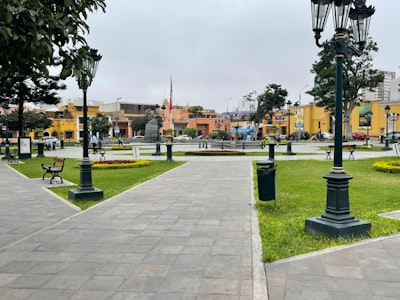
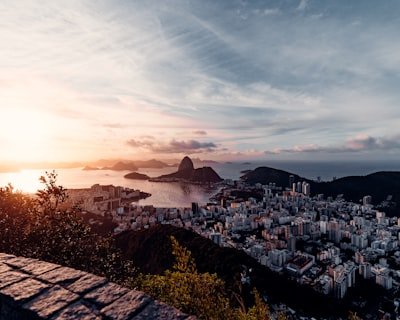
Lima, the sprawling capital of Peru, is a city of captivating contrasts, where ancient pre-Columbian ruins stand shoulder-to-shoulder with colonial grandeur and modern skyscrapers. Perched on a dramatic coastline overlooking the Pacific Ocean, Lima is often the first stop for travelers heading to the wonders of Machu Picchu, but it offers far more than just a transit point. It is a vibrant metropolis, a declared UNESCO World Heritage site for its Historic Center, and, perhaps most famously, the undisputed gastronomic capital of South America, boasting some of the world's most acclaimed restaurants.
Known as "The City of Kings," Lima’s rich history dates back to its founding by Francisco Pizarro in 1535. This legacy is palpable in its ornate churches, grand plazas, and charming neighborhoods. Beyond its historical charm, Lima pulses with a modern energy, evident in its thriving arts scene, bustling markets, and lively nightlife. From the bohemian streets of Barranco to the upscale districts of Miraflores and San Isidro, Lima invites visitors to delve into a dynamic blend of indigenous heritage, colonial elegance, and contemporary Peruvian life. Prepare to be enchanted by its complex flavors, artistic expressions, and the warm hospitality of its people.
Best Time to Visit Lima
Lima's climate is unique, characterized by its arid, subtropical desert environment, resulting in very little rainfall throughout the year. Instead, the city experiences distinct seasons defined by temperature, humidity, and cloud cover. Understanding these patterns is key to planning your visit.
Summer (December to April)
This is Lima's warmest and sunniest season. Temperatures typically range from 24°C to 30°C (75°F to 86°F). The sky is usually clear and blue, making it perfect for enjoying the city's coastal charm, visiting beaches, and engaging in outdoor activities. The high humidity can make it feel warmer, but the ocean breeze often provides relief. This period coincides with local holidays, so popular attractions and beaches can be more crowded, and accommodation prices might be slightly higher. If you're looking to combine city exploration with beach relaxation or surfing, summer is your ideal time.
Winter (May to November)
Lima's winter is characterized by cooler temperatures, ranging from 15°C to 20°C (59°F to 68°F), and persistent cloud cover. Known locally as "garúa," a thick coastal fog or mist often blankets the city, creating a perpetually grey sky and a damp atmosphere. Actual rainfall is rare, but the air feels moist. While it might lack the sunny appeal of summer, winter has its own advantages. The cooler temperatures are ideal for extensive sightseeing and exploring the historical sites without the intense heat. Tourist crowds are generally thinner, leading to potentially lower prices for flights and accommodation. If you're primarily interested in culture, cuisine, and history, and prefer cooler weather for walking, Lima's winter offers a comfortable and less crowded experience.
Shoulder Seasons (April/May and November/December)
These transitional periods often offer a balance of good weather and fewer tourists. In April and May, the summer warmth begins to fade, but sunny days are still common, making it pleasant for all types of activities. November and early December see the return of sunshine, with gradually rising temperatures before the peak summer rush. These months can be an excellent compromise for visitors seeking pleasant weather without the peak season crowds.
Ultimately, the "best" time depends on your priorities. For sun-seekers and beach lovers, summer is a must. For those prioritizing comfortable sightseeing and cultural immersion, the cooler, cloudier winter months or the shoulder seasons are highly recommended.
Top Attractions in Lima
Lima is a treasure trove of historical, cultural, and natural wonders. From ancient pyramids to colonial architecture and modern art, there's something to captivate every traveler.
Historic Center of Lima (UNESCO World Heritage Site)
The heart of colonial Lima, this area is a magnificent testament to Spanish architectural prowess.
- Plaza Mayor (Plaza de Armas): The main square, surrounded by the stunning Presidential Palace, the Cathedral of Lima, the Archbishop's Palace, and the City Hall. Witness the daily changing of the guard ceremony at the Presidential Palace (usually around noon).
- Monastery of San Francisco and Catacombs: A must-visit. This impressive Baroque monastery houses an incredible library, intricate religious art, and eerie catacombs filled with the bones of thousands of colonial-era Limenians.
- Convento Santo Domingo: One of Lima's oldest churches, featuring beautiful cloisters, a stunning bell tower, and the remains of three Peruvian saints: Saint Rose of Lima, Saint Martin de Porres, and Saint John Macías.
Miraflores
One of Lima’s most upscale and popular districts, known for its beautiful parks, ocean views, and vibrant atmosphere.
- Parque Kennedy (Cat Park): A lively central park famous for its friendly resident cats. It's a hub for local artists, street performers, and craft markets, especially on weekends.
- Larcomar: A unique shopping mall built into a cliff overlooking the Pacific Ocean. It offers stunning views, a wide range of shops, restaurants, and entertainment options, making it a perfect spot for sunset dining.
- Parque del Amor (Love Park): Inspired by Barcelona’s Park Güell, this park features a mosaic-covered wall and a large statue called "El Beso" (The Kiss) by Peruvian sculptor Victor Delfín. It's a romantic spot, especially at sunset, offering panoramic ocean vistas.
- Huaca Pucllana: An impressive adobe and clay pyramid dating back to the Lima culture (200-700 AD). Located right in the heart of Miraflores, it offers a fascinating glimpse into Peru's pre-Incan history with guided tours available.
Barranco
Lima's bohemian district, renowned for its colorful colonial mansions, street art, lively bars, and artistic vibe.
- Puente de los Suspiros (Bridge of Sighs): A charming wooden bridge surrounded by legend. Tradition says if you hold your breath and cross the bridge for the first time, your wish will come true. It's a romantic spot, often accompanied by local musicians.
- Bajada de Baños: A picturesque winding path that leads from the Bridge of Sighs down to the ocean, lined with quaint houses, restaurants, and street art.
- Street Art and Galleries: Wander through Barranco's streets to discover an open-air gallery of vibrant murals and explore numerous small art galleries and independent boutiques.
Magic Water Circuit (Parque de la Reserva)
A spectacular evening attraction featuring a series of thirteen ornamental fountains that combine water, light, music, and laser effects in choreographed shows. It holds a Guinness World Record as the largest fountain complex in a public park. The main show, typically projected onto a water screen, is a highlight.
Pachacamac
While a bit outside the immediate city (about an hour's drive south), this sprawling pre-Inca and Inca archaeological complex is a significant day trip. It was once a major pilgrimage site, dedicated to the Pacha Kamaq deity, and features temples, palaces, and pyramids.
How to Reach Lima
Lima serves as the primary gateway to Peru, with excellent international and domestic connections.
By Air
- Jorge Chávez International Airport (LIM): Located in Callao, approximately 10-15 kilometers (6-9 miles) northwest of central Lima, this is Peru's main international airport. It's well-connected with major cities across the Americas, Europe, and some Asian destinations.
- Official Taxis: For safety and reliability, always use official airport taxi services like Taxi Green or Taxi 365, which have kiosks inside the arrival hall. Prices are fixed and depend on your destination district (e.g., Miraflores, Barranco).
- Ride-Hailing Apps: Uber, Cabify, and Didi operate in Lima. While convenient, they are not allowed to pick up directly inside the airport. You'll need to walk a short distance outside the terminal to a designated pickup point or a main road. This can be slightly confusing for first-timers, but offers competitive pricing.
- Airport Express Lima: This is a reliable and comfortable shuttle bus service that connects the airport directly to major hotels and hostels in Miraflores and San Isidro. It's a cost-effective option for solo travelers or small groups.
- Pre-booked Transfers: Many hotels can arrange private airport pickups, offering convenience, especially for late-night arrivals.
By Bus (Domestic)
Peru has an extensive and generally reliable inter-city bus network, making it a popular choice for domestic travel.
- Major Bus Companies: Reputable companies like Cruz del Sur, Oltursa, and Civa offer comfortable, long-distance buses with various service levels (e.g., "cama" for full-recline seats).
- Bus Terminals: Unlike many cities with a central bus terminal, Lima's major bus companies often operate from their own private terminals scattered across the city. Always confirm the exact departure terminal when booking your ticket. For example, Cruz del Sur has a major terminal in Javier Prado, while Oltursa has one in San Isidro.
- Safety: While bus travel is common, always choose reputable companies for safety and comfort. Theft can occur on some routes, so keep valuables secure and within sight. Night buses are common for longer journeys, allowing you to save on accommodation.
Local Food Guide: A Gastronomic Paradise
Lima is not just Peru's capital; it's the gastronomic capital of South America, and arguably one of the best food cities in the world. Its cuisine is a vibrant fusion of indigenous Andean traditions, Spanish colonial influences, African, Chinese (Chifa), and Japanese (Nikkei) flavors, creating a truly unique culinary landscape.
Must-Try Dishes & Drinks
- Ceviche: The undisputed national dish. Fresh raw fish (often mahi-mahi or sole) marinated in lime juice, aji limo (Peruvian chili), red onions, and cilantro. Served with sweet potato (camote) and corn (choclo). It’s a refreshing explosion of flavor.
- Lomo Saltado: A classic "Chifa" (Chinese-Peruvian) dish. Tender strips of beef stir-fried with onions, tomatoes, and a soy sauce-based sauce, typically served with French fries and white rice. A hearty and flavorful meal.
- Aji de Gallina: A rich and creamy chicken stew, made with shredded chicken in a sauce of aji amarillo (yellow Peruvian chili), ground walnuts, cheese, and milk. Served with rice, black olives, and a boiled egg.
- Pisco Sour: Peru's national cocktail. A potent and delicious blend of Pisco (Peruvian brandy), lime juice, simple syrup, egg white, and Angostura bitters.
- Causa Rellena: A visually appealing and delicious cold dish. Layers of mashed yellow potatoes (aji amarillo seasoned) filled with various ingredients like tuna, chicken, avocado, or shrimp.
- Tiradito: Similar to sashimi, this dish features thinly sliced raw fish (often whitefish) served in a vibrant, spicy, and tangy sauce, often made with aji amarillo or rocoto chilies.
- Anticuchos: Skewers of marinated and grilled beef heart, often served with boiled potato and corn. Don't be deterred by the ingredient – it’s surprisingly tender and flavorful, a popular street food.
- Arroz con Pato: A rich and flavorful rice dish with duck, slow-cooked with cilantro, beer, and peas.
- Lucuma: A native Peruvian fruit with a creamy, caramel-like flavor. Enjoy it in ice cream, milkshakes, or desserts.
Dining Experiences
- High-End Restaurants: Lima boasts some of the world's top-ranked restaurants. Central (currently ranked No. 1 in The World's 50 Best Restaurants), Maido (Nikkei cuisine), and Astrid y Gastón (Peruvian nouvelle cuisine) offer extraordinary culinary journeys. Reservations are essential, often months in advance.
- Traditional "Huariques": These are local, often humble, eateries where Limenians go for authentic, affordable, and incredibly delicious food. Ask locals for their favorite "huariques" to experience true Peruvian flavors. Look for places bustling with locals.
- Mercados (Markets): Visit local markets like Mercado de Surquillo No. 1 for an immersive sensory experience. You can find food stalls serving fresh ceviche, juices, and other local delicacies, alongside an array of exotic fruits, vegetables, and spices.
- Cooking Classes: To truly understand Peruvian cuisine, consider taking a cooking class. Many tours and hotels offer classes where you can learn to prepare ceviche, pisco sour, and other Peruvian staples from scratch.
Public Transport in Lima
Navigating Lima can be an adventure. While the city has a sprawling public transport network, it can be overwhelming for first-time visitors. Here’s a breakdown of your options:
Metropolitano (Bus Rapid Transit - BRT)
- Overview: The Metropolitano is Lima’s most efficient public transport system, connecting the north and south of the city via dedicated bus lanes. It’s a modern, fast, and relatively comfortable way to travel along its main corridors.
- How to Use: You’ll need to purchase a rechargeable Metropolitano card (tarjeta) at any station. Fares are inexpensive. This system is recommended for tourists needing to travel between districts like the Historic Center and Miraflores/Barranco along the main routes.
- Pros: Fast, dedicated lanes, air-conditioned buses, affordable.
- Cons: Can be very crowded during peak hours, limited route coverage (doesn’t go everywhere).
Taxis and Ride-Hailing Apps
- Ride-Hailing Apps (Recommended): Uber, Cabify, and Didi are widely used and highly recommended for tourists. They offer fixed prices, cashless payments, and a record of your journey, significantly enhancing safety and convenience. Always confirm the license plate and driver photo before entering the vehicle.
- Street Taxis: Traditional street taxis are numerous but often unregulated. They don't have meters, so you *must* negotiate the fare before getting in. This option is generally less safe and often more expensive than ride-hailing apps, as tourists can be overcharged. Use with caution, especially at night.
- Formal Taxis: Official taxi services found at the airport or associated with major hotels are safer but pricier.
Combis and Micros (Minibuses)
- Overview: These small to medium-sized buses are the most common form of public transport for locals. They are cheap, plentiful, and often navigate through heavy traffic.
- How to Use: Routes are displayed on the windshield, and passengers often shout out their stops. Fares are paid directly to the "cobrador" (fare collector).
- Pros: Very cheap, extensive coverage.
- Cons: Extremely crowded, often driven erratically, routes can be confusing for non-Spanish speakers, and they are not recommended for tourists due to safety concerns (pickpocketing) and difficulty in navigating.
Walking
- Exploring Districts: Miraflores, Barranco, and the Historic Center are all highly walkable within their respective boundaries. Walking is the best way to soak in the atmosphere, discover hidden gems, and get a feel for the local culture.
- Safety: Be aware of your surroundings, especially at night. Use caution with valuables.
Travel Budget Tips for Lima
Lima can be enjoyed on a range of budgets, from backpacker-friendly to luxury. Here’s how to make your money go further.
Accommodation
- Hostels: For budget travelers, Lima has an excellent selection of hostels, particularly in Miraflores and Barranco (e.g., Selina, Pariwana). Dorm beds are very affordable, and private rooms are also available.
- Guesthouses & Mid-Range Hotels: Good value can be found in boutique hotels and guesthouses, especially outside the absolute peak season. Look for options slightly away from the main tourist streets.
- Location Matters: While Miraflores and Barranco are popular and safe, they tend to be pricier. The Historic Center can offer cheaper hotel options, but be mindful of safety, especially at night.
Food
- Embrace the "Menu del Día": Many restaurants, especially local "huariques" and those catering to office workers, offer a "Menu del Día" (set lunch menu) during lunchtime. This usually includes a starter, a main course, and a drink for a very reasonable price (S/10-25).
- Eat at Markets: Local markets like Mercado de Surquillo No. 1 offer delicious and incredibly affordable food stalls serving fresh ceviche, juices, and traditional dishes.
- Street Food: While delicious, exercise caution with street food to avoid stomach issues. Look for stalls with high turnover and visible hygiene practices. Anticuchos are generally a safe bet.
- Cook Your Own: If staying in a hostel or apartment with a kitchen, buying ingredients from a local market and cooking can save a lot.
- Happy Hours: Take advantage of happy hour deals for Pisco Sours and other drinks, especially in Barranco.
Transportation
- Walk, Walk, Walk: Explore districts like Miraflores and Barranco on foot. It’s free and the best way to experience the local vibe.
- Use Ride-Hailing Apps: For longer distances where walking isn't feasible, Uber, Cabify, and Didi offer transparent pricing and are generally cheaper and safer than haggling with street taxis.
- Metropolitano: If your route aligns, the Metropolitano BRT system is very affordable for covering longer distances across the city.
- Avoid Tourist Buses/Taxis: Unless it’s an official tour, avoid tour buses and taxis that specifically target tourists, as they often inflate prices.
Attractions & Activities
- Free Activities: Many of Lima's charms are free: strolling through Parque Kennedy, Parque del Amor, the Bridge of Sighs in Barranco, and the Plaza Mayor. Enjoying street art, people-watching, and sunset views over the Pacific are all budget-friendly.
- Museums on Specific Days: Some museums might offer free entry or discounted rates on certain days or hours. Always check their websites.
- Group Tours: Consider joining group walking tours (often tip-based) or free walking tours that cover the Historic Center or Barranco.
Shopping & Souvenirs
- Local Markets: For souvenirs, handicrafts, and alpaca goods, visit artisan markets rather than upscale boutiques. The Inca Market in Miraflores is popular but be prepared to haggle politely for better prices.
- Avoid Overspending: It’s easy to get carried away with shopping. Set a budget for souvenirs.
Hotels and Accommodation in Lima
Lima offers a vast array of accommodation options to suit every budget and travel style, primarily concentrated in a few key districts, each with its own distinct character.
Popular Districts for Accommodation
- Miraflores: This is by far the most popular district for tourists and often recommended for first-time visitors.
- Pros: Very safe, clean, modern, close to the ocean, numerous restaurants, cafes, bars, shopping centers (Larcomar), and vibrant nightlife. Excellent infrastructure, good public transport connections, and plenty of green spaces.
- Cons: Can be pricier, and sometimes feels a bit "touristy."
- Accommodation Types: Wide range from luxury hotels (JW Marriott Hotel Lima, Belmond Miraflores Park) to mid-range boutiques (Hotel Antigua Miraflores, Casa Andina Premium Miraflores) and popular hostels (Selina Miraflores, Pariwana Hostel Lima).
- Barranco: The bohemian, artistic, and romantic district, ideal for travelers seeking culture, nightlife, and a more local, independent vibe.
- Pros: Charming colonial architecture, vibrant street art, numerous art galleries, independent cafes, live music venues, and a lively bar scene. More character than Miraflores, still safe in tourist areas.
- Cons: Can be louder at night, fewer large hotels, though many boutique guesthouses.
- Accommodation Types: Known for its boutique hotels, charming guesthouses, and independent hostels that reflect its artistic spirit.
- San Isidro: An upscale, quieter, and more residential/business district, located north of Miraflores.
- Pros: Very safe, clean, green spaces (El Olivar Park), luxury shopping, and high-end restaurants. Ideal for business travelers or those seeking a more tranquil stay.
- Cons: Less tourist-centric, fewer budget options, and a bit further from main tourist attractions.
- Accommodation Types: Predominantly luxury hotels and corporate-style accommodations (Swissôtel Lima, Country Club Lima Hotel).
- Historic Center: The heart of colonial Lima, offering proximity to many historical attractions.
- Pros: Walkable access to Plaza Mayor, cathedrals, and museums. Generally cheaper accommodation options.
- Cons: Can be less safe at night, especially after business hours. Some areas are rundown. Fewer modern amenities compared to Miraflores/San Isidro.
- Accommodation Types: Budget hotels, guesthouses, and some charming but older colonial-style hotels. Recommended for those on a tight budget or those passionate about history and willing to compromise on evening safety.
Tips for Choosing
- Book in Advance: Especially during peak season (December-April) or if traveling around major holidays.
- Read Reviews: Check recent reviews on booking platforms to get an accurate picture of cleanliness, service, and safety.
- Consider Apartment Rentals: For longer stays or groups, platforms like Airbnb or Booking.com offer apartment rentals, providing more space and a kitchen, often at a good value.
- Check Amenities: Verify if breakfast is included, if there's air conditioning (important in summer), and if the hotel offers airport transfers.
Safety Tips for Lima
While Lima is generally safe for tourists in its main visitor areas, like any large city, it requires common sense and vigilance. Being aware of your surroundings and taking precautions will ensure a smoother and safer trip.
General Awareness
- Petty Crime: Pickpocketing and bag snatching are the most common issues, particularly in crowded areas (markets, bus terminals, tourist hotspots like Plaza Mayor, and even crowded Metropolitano buses).
- Be Vigilant: Always be aware of your surroundings. Avoid walking with your phone out or valuables prominently displayed.
- Avoid Flashing Valuables: Keep expensive cameras, jewelry, and large amounts of cash out of sight. Try to blend in rather than stand out as an obvious tourist.
- Scams: Be wary of distractions or overly friendly strangers trying to engage you in conversation, as these can sometimes be a setup for a scam or theft.
Transportation Safety
- Recommended: Use ride-hailing apps like Uber, Cabify, or Didi. They offer transparency (driver details, fixed prices, route tracking) and are generally safer. Confirm the car model, license plate, and driver photo before entering.
- Airport Taxis: At Jorge Chávez International Airport, use official taxi services like Taxi Green or Taxi 365, which have kiosks inside the terminal.
- Avoid Street Taxis: Do not hail random taxis off the street, especially at night. They are unregulated, and there's a higher risk of overcharging or unsafe situations.
- Public Transport (Combis/Micros): While very cheap, combis can be very crowded and are notorious for pickpocketing. They are also driven aggressively. Generally not recommended for tourists, especially at night or with significant luggage. The Metropolitano BRT is a safer alternative if its route suits your needs.
Areas to Be Cautious Of
- Historic Center at Night: While beautiful during the day, parts of the Historic Center can become less safe after business hours. Exercise caution and avoid dimly lit or empty streets. It's often best to take a taxi directly to and from your destination at night.
- Callao: The area immediately surrounding Jorge Chávez International Airport (Callao) is generally not recommended for independent exploration due to higher crime rates. Go directly from the airport to your accommodation.
- Unfamiliar Neighborhoods: Stick to well-known tourist areas like Miraflores, Barranco, and San Isidro, especially after dark. If venturing elsewhere, go with a local guide or someone familiar with the area.
Money and Documents
- Carry Copies: Keep photocopies or digital copies of your passport, visa, and important documents separate from the originals.
- ATM Safety: Use ATMs located inside banks, shopping centers, or well-lit areas during daylight hours. Be aware of anyone loitering nearby.
- Divide Cash: Don't carry all your money or all your credit cards in one place. Keep some in a secure money belt or hidden pocket.
- Small Bills: Carry small denominations for purchases, as vendors may not always have change for large bills.
Health & Well-being
- Tap Water: Lima's tap water is not safe to drink. Always stick to bottled water.
- Food Safety: Be cautious when eating street food. Choose stalls with high turnover and visible hygiene practices. For restaurants, generally, higher-end or busy local establishments are safer bets.
- Sun Protection: Even on cloudy days, the UV index can be high. Use sunscreen, wear a hat, and sunglasses.
- Altitude Sickness: While Lima is at sea level, if you're traveling to higher altitude areas in Peru (e.g., Cusco), be aware of the symptoms and take necessary precautions.
Emergencies
- Tourist Police: (01) 460-1060 (They speak English and can assist tourists with issues like theft or lost documents).
- Travel Insurance: Always purchase comprehensive travel insurance that covers medical emergencies, theft, and trip cancellations.
By following these safety tips, you can significantly minimize risks and enjoy a wonderful experience in Lima.
Frequently Asked Questions about Lima
Is Lima safe for tourists?
Yes, generally Lima is safe for tourists, especially in popular districts like Miraflores, Barranco, and San Isidro. Like any large city, petty crime (pickpocketing, bag snatching) is common, so basic precautions, vigilance, and avoiding flashing valuables are highly recommended. Always use reputable taxis or ride-hailing apps, especially at night.
What is the currency in Peru?
The official currency of Peru is the Peruvian Sol (PEN). It's always good to have some soles in small denominations for minor purchases, street food, and tips. Major credit cards (Visa, Mastercard) are widely accepted in hotels, larger restaurants, and shops.
Do I need a visa to visit Peru?
Visa requirements depend on your nationality. Citizens of many countries, including the USA, Canada, most of Western Europe, Australia, and New Zealand, do not require a visa for tourist stays of up to 90 days. Always check the latest visa regulations with the Peruvian embassy or consulate in your home country before traveling.
Is English widely spoken in Lima?
In major tourist areas, hotels, and upscale restaurants in Miraflores, Barranco, and San Isidro, you'll find staff who speak English. However, outside these areas, and with taxi drivers or in local eateries, English is less common. Learning a few basic Spanish phrases will greatly enhance your experience.
What is the typical tipping etiquette in Lima?
- Restaurants: A 10% tip is generally appreciated in sit-down restaurants. Service charge is sometimes included (look for "servicio" on the bill), but an additional small tip for good service is customary.
- Taxis: Tipping taxi drivers is not common unless they provide exceptional service, in which case you can round up the fare.
- Tour Guides: Tipping tour guides is customary, with amounts varying based on the length and quality of the tour.
- Other Services: For bellhops, housekeepers, etc., a small tip (S/5-10) is a nice gesture.
How many days should I spend in Lima?
To cover the main attractions of Lima's Historic Center, Miraflores, and Barranco, 2 to 4 days are usually sufficient. If you want to delve deeper into its gastronomy, explore more museums, or take a day trip (e.g., Pachacamac), you might extend your stay to 5-7 days. Many travelers use Lima as a starting point before heading to Cusco and Machu Picchu, so plan your time accordingly.
Can I drink tap water in Lima?
No, it is not safe to drink tap water in Lima. Always stick to bottled water, which is readily available everywhere. Be careful with ice in drinks in establishments that don't specifically state they use purified water.
Conclusion
Lima is a city that consistently surprises and delights. Far from being just a layover, it’s a destination in its own right, offering a compelling blend of ancient history, vibrant culture, and a world-renowned culinary scene. Whether you’re exploring the colonial grandeur of its Historic Center, soaking in the bohemian charm of Barranco, or indulging in the upscale modernity of Miraflores, Lima promises an unforgettable adventure. With its complex flavors, artistic expressions, and the warm hospitality of its people, the "City of Kings" invites you to discover its unique magic and leave with a taste of Peru's incredible spirit.