Paris Travel Guide – Best Places to Visit in France
Paris: The Ultimate Travel Guide to the City of Love and Lights
Paris, the capital of France, stands as an undisputed global hub for art, fashion, gastronomy, and culture. Often called the "City of Love" or the "City of Lights," it captivates millions of visitors each year with its iconic landmarks, charming boulevards, world-class museums, and delectable cuisine. From the majestic Eiffel Tower piercing the sky to the artistic labyrinth of Montmartre, Paris offers an unparalleled blend of historical grandeur and contemporary chic. Whether you're strolling along the Seine, admiring masterpieces at the Louvre, or savoring a croissant at a quaint café, Paris promises an unforgettable journey filled with romance, discovery, and unparalleled beauty. This comprehensive guide will equip you with all the essential information to plan your dream Parisian adventure.
Best Time to Visit Paris
Choosing the right time to visit Paris can significantly enhance your experience, depending on your preferences for weather, crowds, and events.
Spring (April to June)
This is arguably the most enchanting time to visit Paris. The weather is generally mild and pleasant, with temperatures ranging from 10°C to 20°C (50°F to 68°F). Parks and gardens are in full bloom, making for picturesque strolls. While crowds begin to pick up, especially around major holidays like Easter and Pentecost, it's still manageable compared to the peak summer season. You can enjoy outdoor cafés without the scorching heat or biting cold.
Summer (July to August)
Summer offers long, sunny days, perfect for exploring and enjoying outdoor activities. Temperatures typically range from 20°C to 28°C (68°F to 82°F), though heatwaves can push them higher. This is the peak tourist season, meaning larger crowds at attractions, longer queues, and higher prices for flights and accommodation. Many Parisians also leave for their summer holidays, leading some smaller shops and restaurants to close temporarily. However, the city buzzes with life, and numerous festivals and open-air events take place.
Autumn (September to October)
Autumn in Paris is delightful, offering comfortable temperatures between 10°C and 20°C (50°F to 68°F) and fewer crowds than summer. The city's parks transform with beautiful autumnal colors, creating a romantic backdrop. September is still quite popular, benefiting from the tail end of good weather, while October sees a significant drop in tourist numbers. This is an excellent time for museum visits and enjoying the local culture.
Winter (November to March)
Winter is the off-peak season, characterized by colder temperatures, ranging from 0°C to 10°C (32°F to 50°F), and shorter days. While it can be chilly and sometimes rainy, Paris in winter has a unique charm, especially around the holidays. The Christmas markets, festive lights, and ice-skating rinks create a magical atmosphere from late November through December. January and February are the quietest months, offering great deals on flights and hotels. It's an ideal time for budget travelers and those who prefer indoor activities like museum hopping, cozy cafés, and shopping.
Top Attractions in Paris
Paris boasts an incredible array of iconic landmarks and cultural treasures. Here are the must-see attractions:
Eiffel Tower
No visit to Paris is complete without witnessing the grandeur of the Eiffel Tower. Ascend to its various levels for breathtaking panoramic views of the city, especially stunning at sunset or when its 20,000 light bulbs sparkle on the hour, every hour, after dark. Book tickets well in advance to avoid long queues.
Louvre Museum
Home to thousands of works of art, including the enigmatic Mona Lisa, the Venus de Milo, and the Winged Victory of Samothrace, the Louvre is the world's largest art museum. Dedicate at least half a day, if not a full day, to explore its vast collections. Consider an audio guide and plan your visit to focus on specific wings or artworks.
Notre Dame Cathedral
Though currently undergoing extensive restoration following the devastating fire in 2019, the exterior of Notre Dame Cathedral on Île de la Cité remains a magnificent sight. Its Gothic architecture and historical significance are profound, and witnessing its ongoing revival is a testament to Parisian resilience. The surrounding area offers beautiful views of the Seine.
Arc de Triomphe & Champs-Élysées
Standing proudly at the western end of the Champs-Élysées, the Arc de Triomphe commemorates France's military victories. Climb to the top for stunning views down the famous avenue and across the city to the Eiffel Tower. The Champs-Élysées itself is a grand tree-lined avenue renowned for its luxury shops, cinemas, and cafés.
Sacré-Cœur Basilica & Montmartre
Perched atop the Butte Montmartre, the Sacré-Cœur Basilica offers another incredible vantage point over Paris. The white-domed basilica is a beautiful example of Romano-Byzantine architecture. Explore the charming, cobbled streets of Montmartre, a historic artists' quarter, home to Place du Tertre where painters still set up their easides, and the famous Moulin Rouge cabaret.
Musée d'Orsay
Housed in a former Belle Époque railway station, the Musée d'Orsay is dedicated to Impressionist and Post-Impressionist masterpieces, featuring works by Monet, Manet, Degas, Renoir, Cézanne, Van Gogh, and Gauguin. It offers a more manageable and focused art experience than the Louvre.
Palace of Versailles
A lavish former royal residence located just outside Paris, Versailles is a magnificent day trip. Explore the opulent Hall of Mirrors, the King's and Queen's Apartments, and the sprawling, meticulously manicured gardens, including Marie Antoinette's Hamlet. Allow a full day for this excursion and book tickets for both the palace and gardens in advance.
Seine River Cruises
A leisurely cruise along the Seine River offers a unique perspective of Paris's illuminated landmarks. Many companies offer daytime and evening cruises, some with dining options. It's a relaxing way to see the city from a different angle and capture stunning photos.
Latin Quarter
Known for its lively atmosphere, historic universities (like the Sorbonne), bookstores, and bohemian charm, the Latin Quarter is a great place to wander. Explore the narrow streets, discover Roman ruins, and enjoy affordable food in its many bistros and crêperies. The Panthéon, a neoclassical mausoleum for distinguished French citizens, is also located here.
Le Marais District
One of Paris's oldest and most historically significant districts, Le Marais offers a blend of medieval charm, chic boutiques, trendy galleries, and vibrant Jewish and LGBTQ+ communities. Explore Place des Vosges, Paris's oldest planned square, visit the Musée Picasso, and discover hidden courtyards.
How to Reach Paris
Paris is incredibly well-connected, making it accessible from virtually anywhere in the world.
By Air
Paris is served by three major international airports:
- Charles de Gaulle Airport (CDG): The largest and busiest airport, located northeast of the city. It's a major hub for international flights.
- To City Center: RER B train (most common, ~30-45 mins), RoissyBus (express bus, ~60-75 mins), taxis (~€55-60 to Right Bank, ~€60-65 to Left Bank, ~45-60 mins depending on traffic).
- Orly Airport (ORY): Located south of Paris, primarily serves domestic and some European flights.
- To City Center: Orlyval automated metro connects to RER B at Antony station (~35 mins total), OrlyBus (~30-40 mins), taxis (~€35-40 to Right Bank, ~30-35 to Left Bank, ~30-45 mins depending on traffic).
- Beauvais-Tillé Airport (BVA): Farther out, northwest of Paris, mainly used by low-cost carriers like Ryanair and Wizz Air.
- To City Center: A dedicated shuttle bus connects directly to Porte Maillot in Paris (~75-90 mins).
By Train
Paris is a major European rail hub with six main train stations, each serving different regions and international destinations.
- Gare du Nord: Eurostar to London, Thalys to Brussels, Amsterdam, Cologne.
- Gare de l'Est: Eastern France, Germany, Luxembourg.
- Gare de Lyon: Southeast France (Lyon, Marseille), Switzerland, Italy.
- Gare Montparnasse: Western and Southwestern France (Bordeaux, Rennes).
- Gare Saint-Lazare: Normandy region.
- Gare d'Austerlitz: Central France, Spain (night trains).
Traveling by train is an efficient and scenic way to reach Paris from many European cities.
By Bus
Long-distance bus services like FlixBus and Eurolines connect Paris with many European cities. Buses typically arrive at stations like Gallieni (east), Bercy Seine (southeast), or Porte Maillot (west), which are well-connected to the Parisian metro system. Bus travel is often the most economical option, though it can be slower.
Local Food Guide in Paris
Paris is a gastronomic paradise, offering an incredible array of culinary delights. Eating in Paris is an experience in itself.
Must-Try Parisian Foods
- Croissant & Pain au Chocolat: Start your day with these flaky, buttery pastries, best enjoyed fresh from a local *boulangerie*.
- Macarons: Delicate, colorful meringue-based confections with various fillings. Ladurée and Pierre Hermé are famous for them.
- Escargots: Snails baked with garlic, parsley butter, and often served as an appetizer. A classic French delicacy.
- Coq au Vin: Chicken braised with wine (traditionally Burgundy), mushrooms, lardons (bacon), and garlic.
- Boeuf Bourguignon: A rich, hearty beef stew slow-cooked in red wine with carrots, onions, and mushrooms.
- Crêpes: Thin pancakes, either savory (galettes, often with ham, cheese, egg) or sweet (Nutella, sugar, fruit).
- French Cheese (Fromage): France is famous for its cheese. Visit a *fromagerie* to sample a variety, from Brie and Camembert to Roquefort.
- Baguette: The iconic French bread, crusty on the outside, soft on the inside. Essential for any meal.
- Onion Soup (Soupe à l'oignon gratinée): A comforting broth topped with croutons and melted cheese.
- Wine (Vin): France is a renowned wine producer. Enjoy a glass of local red, white, or rosé with your meal.
- Pâté and Terrines: Savory meat spreads, often served with bread.
- Steak Frites: A simple yet quintessential bistro dish: steak served with a generous portion of French fries.
Dining Etiquette and Tips
- Bonjour/Bonsoir: Always greet staff with "Bonjour" (during the day) or "Bonsoir" (in the evening) upon entering and "Merci, au revoir" when leaving.
- Lunch (Le Déjeuner): Often a fixed-price "Formule" or "Menu du Jour" offering good value.
- Dinner (Le Dîner): Typically starts later, around 7:30 PM or 8 PM.
- Tipping: Service charge (service compris) is usually included, but it's customary to leave a small extra tip (e.g., €1-€5) for good service, especially in nicer restaurants.
- Water: Tap water (une carafe d'eau) is free and perfectly safe to drink. Ask for it if you don't want bottled water.
- Bread: Often served with meals and is typically eaten with cheese or to sop up sauces, not as an appetizer.
- Coffee: Café express (espresso) is common. A "café au lait" or "grand crème" is for breakfast.
Where to Eat
- Bistros: Smaller, informal restaurants offering traditional French fare.
- Brasseries: Larger, often more bustling establishments with extensive menus, serving food all day.
- Cafés: Perfect for a quick coffee, light meal, or people-watching.
- Boulangeries & Pâtisseries: For bread, pastries, and sweets.
- Marchés (Markets): Visit local food markets like Marché des Enfants Rouges for fresh produce, gourmet treats, and street food.
- Fromageries & Cavistes: Dedicated cheese shops and wine shops.
Public Transport in Paris
Paris boasts an excellent and extensive public transport network, making it easy to navigate the city.
Metro
The Paris Metro is efficient, fast, and covers virtually the entire city with 16 lines. Stations are frequent, and trains run reliably from approximately 5:30 AM to 1:15 AM (later on weekends). It's the quickest way to get around.
RER (Réseau Express Régional)
The RER is a regional express train network that complements the Metro, connecting Paris to its suburbs and major attractions outside the city center (like Versailles, Disneyland Paris, and the airports). There are 5 lines (A, B, C, D, E) and fewer stops than the Metro, making it faster for longer distances.
Buses
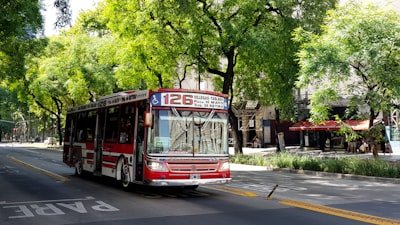
Parisian buses are a great way to see the city while traveling, especially if you prefer above-ground routes. They generally operate from 6 AM to 8:30 PM, with some lines running later. Night buses (Noctilien) operate after the Metro closes.
Trams
Tramways run along the periphery of Paris, connecting suburban areas. They can be useful for reaching areas not well-served by the Metro, but most tourists won't use them frequently within the central city.
Tickets and Passes
- T+ Ticket: A single-use paper ticket valid for one journey on the Metro, RER (within Zone 1), bus, or tram. You can buy them individually or in a "carnet" (pack of 10) at a discounted price (€16.90 for 10 in 2024, cheaper per ticket than buying individually). Keep your ticket until you exit, as inspectors sometimes check.
- Navigo Découverte Pass: A weekly (Monday-Sunday) or monthly pass, offering unlimited travel within chosen zones. This is the most cost-effective option for longer stays (e.g., 5-7 days). You need a passport-sized photo to get one.
- Paris Visite Pass: Designed for tourists, available for 1, 2, 3, or 5 consecutive days and for specific zones (e.g., 1-3 for central Paris, 1-5 for airports/Versailles/Disneyland). It comes with some discounts at attractions but is generally more expensive than a Navigo Découverte if you're there for a full week.
- Navigo Easy: A reloadable contactless card for t+ tickets. More convenient than paper tickets.
Tips for Public Transport
- Validate Tickets: Always validate your ticket upon entry. For Metro/RER, you insert it into a turnstile. For buses/trams, you tap it on a reader. Failure to do so can result in a fine.
- Plan Your Route: Use apps like Google Maps, Citymapper, or the official RATP app for real-time navigation and planning.
- Pickpocket Awareness: Be vigilant, especially on crowded Metro lines and at popular stations. Keep bags secure.
- Mind the Gap: Heed the "mind the gap" announcements ("attention au départ, attention à la marche").
Travel Budget Tips for Paris
Paris can be an expensive city, but with smart planning, you can enjoy its charm without breaking the bank.
Accommodation
- Hostels: A great option for budget travelers. Look for reputable hostels in central districts like Le Marais or the Latin Quarter.
- Budget Hotels: Explore areas slightly outside the most tourist-heavy zones, such as the 10th, 11th, 18th, or 20th arrondissements, for more affordable hotels.
- Airbnb/Apartment Rentals: Can be cost-effective for groups or longer stays, especially if you plan to cook some meals. Book well in advance.
- Book Off-Season: Travel during winter (excluding Christmas/New Year) for lower accommodation prices.
Food
- Picnics: Buy fresh baguettes, cheese, charcuterie, and wine from local markets or supermarkets and enjoy a picturesque picnic in a park (like Champs de Mars or Luxembourg Gardens).
- Lunch Deals (Formule Midi): Many restaurants offer fixed-price lunch menus (starter+main or main+dessert) that are significantly cheaper than dinner.
- Boulangeries & Pâtisseries: Excellent for inexpensive and delicious breakfast, lunch (sandwiches), or snacks.
- Street Food: Crêpes, falafel (especially in Le Marais), and other street vendors offer quick and cheap eats.
- Avoid Tourist Traps: Restaurants directly adjacent to major attractions tend to be overpriced and offer lower quality food. Venture a few streets away.
Attractions
- Museum Passes: Consider a Paris Museum Pass if you plan to visit many museums. It offers skip-the-line access and can save money if used extensively.
- Free Attractions: Many iconic sights like Notre Dame (exterior), Sacré-Cœur, and Père Lachaise Cemetery are free to visit. Enjoy free walking tours (tip-based) or simply wander charming neighborhoods.
- First Sunday of the Month: Many state-run museums offer free entry on the first Sunday of each month, but expect huge crowds.
- Walk Everywhere: Paris is a highly walkable city. Explore on foot to save on transport and discover hidden gems.
Transport
- Public Transport Passes: A Navigo Découverte (weekly pass) is the most economical option for frequent public transport use over a week.
- Walking: Many Parisian attractions are within walking distance of each other.
- Vélib' Métropole: Paris's bike-sharing system offers an affordable and fun way to get around.
Other Tips
- Book Flights in Advance: Especially for peak seasons, booking several months ahead can yield significant savings.
- Travel Insurance: Always recommendable for unforeseen circumstances.
- Student/Youth Discounts: If you're under 26 and an EU resident (or sometimes just under 26 for non-EU), you might qualify for free or reduced entry to many museums and attractions. Always carry your ID.
Hotels and Accommodation in Paris
Paris offers a vast range of accommodation options, from luxurious palaces to charming boutique hotels and budget-friendly hostels. Choosing the right neighborhood can greatly impact your experience.
Luxury (5-star hotels and Palaces)
- 8th Arrondissement (Champs-Élysées, Golden Triangle): Home to iconic hotels like The Ritz Paris, Four Seasons Hotel George V, and Mandarin Oriental. Exquisite service, prime locations, and opulent amenities.
- 1st Arrondissement (Louvre, Tuileries): Area around the Louvre and Place Vendôme, offering prestigious hotels such as Hôtel Le Meurice.
Mid-Range (3-4 star hotels)
- Le Marais (3rd/4th Arrondissements): Historic and trendy, with beautiful architecture, boutiques, and excellent dining. Great for culture lovers and those who enjoy a lively atmosphere.
- Latin Quarter (5th Arrondissement): Vibrant, bohemian, and close to the Sorbonne, with many bookshops and cafés. Good for those seeking a youthful, intellectual vibe and lively evenings.
- Saint-Germain-des-Prés (6th Arrondissement): Elegant and sophisticated, known for its literary cafés, art galleries, and upscale boutiques. Perfect for those seeking classic Parisian charm.
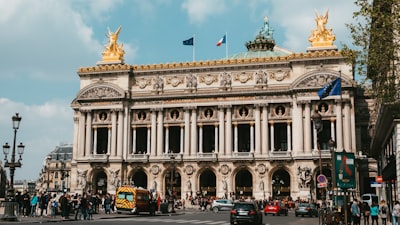
- Opera/Grands Boulevards (9th Arrondissement): Bustling commercial district, close to department stores (Galeries Lafayette, Printemps) and theatres. Good for shoppers and those who want easy access to transport hubs.
- Eiffel Tower Area (7th Arrondissement): For those who dream of waking up to views of the Eiffel Tower. Can be pricier, but offers iconic photo opportunities.
Budget (Hostels, 1-2 star hotels, budget apartment rentals)
- 18th Arrondissement (Montmartre, Pigalle): While Montmartre itself can be touristy, the surrounding areas offer more affordable stays. Pigalle has a vibrant nightlife.
- 10th Arrondissement (Canal Saint-Martin, Gare du Nord/Est): Trendy area popular with young Parisians, known for its canals, bars, and restaurants. Good transport links.
- 11th Arrondissement (Bastille, Oberkampf): Bustling and diverse, with a lively nightlife, independent shops, and a more local feel.
- 14th/15th Arrondissements: Residential areas offering more affordable hotels, but require a bit more travel time to central attractions.
Tips for Booking Accommodation
- Book in Advance: Especially for peak season (summer, holidays), secure your accommodation months ahead for better prices and availability.
- Check Location: Use a map to see how far your chosen accommodation is from Metro stations and key attractions.
- Read Reviews: Pay attention to reviews regarding cleanliness, noise levels, air conditioning (crucial in summer), and Wi-Fi quality.
- Consider Amenities: Decide what's important for you (e.g., private bathroom, breakfast included, elevator, laundry facilities). Many older Parisian buildings do not have elevators.
- City Tax: Be aware that a "taxe de séjour" (city tax) is usually added per person per night and paid directly to the hotel upon check-out.
Safety Tips for Paris
Paris is generally a safe city for tourists, but like any major metropolis, it has its share of petty crime, primarily pickpocketing. Awareness and caution can help ensure a smooth trip.
- Pickpockets: This is the most common crime affecting tourists.
- Be Vigilant: Especially in crowded areas like the Metro, tourist attractions (Eiffel Tower, Louvre), train stations, and bustling markets.
- Secure Belongings: Keep wallets in front pockets, use cross-body bags or money belts. Zippers are your friend.
- Avoid Distractions: Be wary of groups trying to distract you (e.g., asking for directions, dropping something, "found" ring scams).
- Don't Flash Valuables: Keep expensive cameras, jewelry, and large amounts of cash out of sight.
- Café/Restaurant Safety: Don't leave your phone or wallet on the table, and keep bags secured to your chair or between your feet.
- Petition Scams: Individuals (often young women) will approach you with clipboards asking for signatures on petitions, then demand money. Ignore them.
- Friendship Bracelet Scams: Someone might try to tie a "free" bracelet on your wrist, then demand payment. Politely but firmly refuse.
- Shell Game/Gambling: Avoid street gambling games; they are rigged.
- Night Safety: While central Paris is generally safe at night, some areas (especially around train stations like Gare du Nord) can be less so. Stick to well-lit, populated streets.
- Emergency Numbers: Dial 17 for police, 18 for fire, 15 for medical emergencies, or 112 for all emergencies (European standard).
- Tourist Traps: Be cautious of overly aggressive street vendors or unusually cheap deals that seem too good to be true.
- Protests/Demonstrations: Occasionally, protests occur in Paris. They are usually peaceful but can cause disruptions. Check local news if you encounter large gatherings.
- Stay Hydrated: Especially in summer, carry water.
- Travel Insurance: Highly recommended for medical emergencies, lost luggage, or trip cancellations.
- Know Your Limits: Drink responsibly, especially when out alone.
FAQ Section about Paris
Q: Do I need a visa to visit Paris?
A: This depends on your nationality. France is part of the Schengen Area. Many nationalities (e.g., US, Canadian, UK, Australian citizens) can enter for up to 90 days within a 180-day period without a visa for tourism. Always check the latest visa requirements for your specific nationality before traveling.
Q: What currency is used in Paris?
A: The currency used in Paris, and throughout France, is the Euro (€).
Q: Is English widely spoken in Paris?
A: In major tourist areas, hotels, and larger shops, you will generally find English speakers. However, knowing a few basic French phrases like "Bonjour" (hello), "Merci" (thank you), "S'il vous plaît" (please), "Parlez-vous anglais?" (Do you speak English?), and "Excusez-moi" (excuse me) will go a long way and be greatly appreciated by locals.
Q: How much should I budget per day for Paris?
A: A mid-range budget for Paris typically ranges from €100-€200+ per person per day, excluding international flights. This would cover a comfortable hotel, dining at bistros, public transport, and entry to a few attractions. Budget travelers can spend less (€50-€80) by staying in hostels, eating picnics, and utilizing free attractions. Luxury travel can easily exceed €300+ per day.
Q: Can I drink tap water in Paris?
A: Yes, tap water in Paris is safe and delicious to drink. Many restaurants will provide a free carafe d'eau (pitcher of water) if you ask.
Q: What is the best way to get around Paris?
A: The Metro is the most efficient and extensive way to get around Paris. For scenic travel, buses are great, and walking is ideal for exploring specific neighborhoods. The RER is best for longer distances to the suburbs or airports.
Q: Are most shops and museums closed on Sundays in Paris?
A: Historically, many shops were closed on Sundays, but this has changed. Most major department stores (Galeries Lafayette, Printemps), shops in tourist areas (Champs-Élysées, Le Marais), and large supermarkets are now open. Most museums and major attractions are open on Sundays, though some may close on Mondays or Tuesdays. Always check specific opening hours online.
Q: What should I wear in Paris?
A: Parisians generally dress smartly but comfortably. Opt for chic, versatile layers. Jeans are common, but avoid overly casual attire like sweatpants. Comfortable walking shoes are a must. In colder months, a good coat, scarf, and gloves are essential. For evenings, dress up slightly if going to nicer restaurants or shows.
Q: Is Paris safe for solo female travelers?
A: Yes, Paris is generally safe for solo female travelers. Take the usual precautions you would in any large city: be aware of your surroundings, especially at night, don't walk alone in poorly lit areas, secure your belongings against pickpockets, and avoid engaging with street scammers. Use common sense, and you'll have a wonderful trip.
Q: What's the best way to book tickets for attractions?
A: For popular attractions like the Eiffel Tower, Louvre, and Palace of Versailles, it is highly recommended to book your tickets online in advance through their official websites. This often allows you to skip long queues and secure your preferred time slot.
Paris is a city that lives up to its reputation. Its timeless beauty, rich history, and vibrant culture create an irresistible allure. With this guide, you're well-equipped to plan a memorable and seamless journey through the City of Lights. Enjoy every moment of your Parisian adventure!