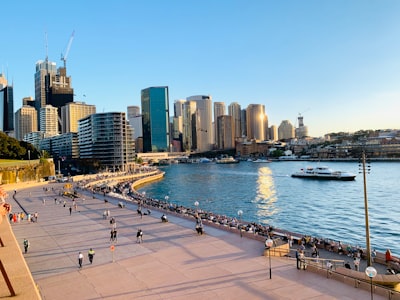
London Travel Guide – Best Places to Visit in United Kingdom
Your Ultimate Guide to Exploring London: A City of Endless Wonders
London, the vibrant capital of the United Kingdom, is a city where ancient history seamlessly blends with modern innovation, offering an unparalleled travel experience. From iconic landmarks and world-class museums to sprawling green parks and diverse culinary delights, London captivates every visitor with its unique charm and boundless energy. Whether you're a history buff, an art enthusiast, a foodie, or simply looking for an unforgettable urban adventure, London promises an itinerary filled with discovery and delight. This comprehensive guide will equip you with all the essential information to plan your perfect trip, ensuring you make the most of your time in this magnificent metropolis.
Best Time to Visit London
Choosing the right time to visit London can significantly enhance your experience, depending on your preferences for weather, crowds, and events.
Spring (March to May)
Spring in London is a delightful period when the city begins to bloom. Temperatures are mild, typically ranging from 8°C to 15°C (46°F to 59°F), and the parks burst with vibrant flowers. There are fewer crowds compared to summer, making it easier to explore popular attractions. However, be prepared for occasional rain showers, so an umbrella is a must-have. This season offers a wonderful balance of pleasant weather and manageable visitor numbers, making it ideal for sightseeing and enjoying the city's outdoor spaces. Major events like the London Marathon and the Chelsea Flower Show take place during this time.
Summer (June to August)
Summer is London's peak tourist season, and for good reason. The weather is generally warm and sunny, with temperatures averaging 18°C to 25°C (64°F to 77°F), though heatwaves can push them higher. Days are long, providing ample time for exploration, and the city buzzes with festivals, outdoor concerts, and street performers. However, expect significant crowds at all major attractions and higher prices for flights and accommodation. If you don't mind the hustle and bustle, summer is fantastic for enjoying London's lively atmosphere and numerous outdoor activities, including Wimbledon and Notting Hill Carnival.
Autumn (September to November)
Autumn brings a beautiful palette of colours to London's parks and gardens as the leaves change. Temperatures cool down, ranging from 10°C to 18°C (50°F to 64°F) in early autumn, dropping to cooler single digits by November. The summer crowds begin to dissipate, offering a more relaxed touring experience. This is a great time for cultural visits to museums and galleries, as well as enjoying cozy pubs. Early autumn still offers pleasant weather for walking, but by late November, prepare for colder temperatures and more frequent rain.
Winter (December to February)
Winter in London is characterized by cold weather, with temperatures typically between 2°C and 8°C (36°F to 46°F), and shorter daylight hours. While it can be chilly and damp, the city transforms into a magical wonderland during the festive season, with dazzling Christmas lights, ice skating rinks, and bustling markets. Post-Christmas, visitor numbers drop significantly, offering a quieter experience and potentially lower prices for travel and accommodation, except around New Year's Eve. If you enjoy a festive atmosphere, cozy indoor activities, and don't mind the cold, winter can be a charming time to visit.
Overall, late spring (April-May) and early autumn (September-October) are often considered the sweet spots for visiting London, offering good weather, fewer crowds, and a rich calendar of events.
Top Attractions in London
London is brimming with iconic landmarks and world-class institutions. Here's a selection of must-visit attractions that showcase the city's rich history, culture, and vibrant contemporary scene.
Historic Landmarks
- The Tower of London: A UNESCO World Heritage Site with a grim and fascinating history. Explore its various towers, see the Crown Jewels, and learn about the infamous prisoners it once held. Allow at least 2-3 hours.
- Buckingham Palace: The official residence of the King. Witness the Changing of the Guard ceremony, a spectacular display of British pageantry (check schedule in advance). During summer, you can tour the State Rooms.
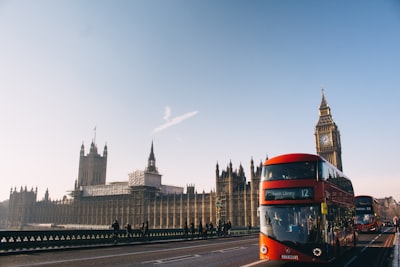
- Houses of Parliament & Big Ben: The iconic Gothic Revival palace houses the UK's legislative bodies. While Big Ben (officially Elizabeth Tower) is currently undergoing restoration, its chime remains a symbol of London. Take a photo from Westminster Bridge.
- Westminster Abbey: A magnificent Gothic church that has been the site of coronations, royal weddings, and burials of British monarchs and notable figures for centuries. Its history is palpable within its hallowed walls.
Museums & Galleries
- The British Museum: Home to a vast collection of world art and artefacts, including the Rosetta Stone, Elgin Marbles, and Egyptian mummies. Entry is free, but consider a donation. You could spend days here, but focus on key exhibits for a shorter visit.
- The National Gallery: Located in Trafalgar Square, this gallery houses a rich collection of European paintings from the 13th to the 19th centuries, featuring masterpieces by artists like Van Gogh, Da Vinci, and Monet. Free entry.
- Tate Modern: Housed in a former power station, this contemporary art museum showcases modern and contemporary art from around the world. Don't miss the panoramic views from the top floor. Free entry.
- Victoria and Albert Museum (V&A): The world's leading museum of art, design, and performance, with collections spanning 5,000 years of human creativity. Its diverse exhibits range from fashion and jewellery to furniture and photography. Free entry.
Parks & Green Spaces
- Hyde Park: One of London's largest and most famous royal parks, perfect for a leisurely stroll, a boat ride on the Serpentine, or visiting Speakers' Corner.
- Regent's Park: Known for its beautiful gardens, including Queen Mary's Rose Garden, and home to the London Zoo.
Views & Experiences
- London Eye: A giant Ferris wheel offering breathtaking panoramic views of the city's skyline, including the Houses of Parliament, Big Ben, and the River Thames.
- The Shard: Western Europe's tallest building, providing unparalleled 360-degree views of London from its observation decks. Consider booking tickets in advance for sunset views.
- Covent Garden: A lively district known for its street performers, unique shops, market stalls, and a vibrant atmosphere. Great for entertainment and dining.
- Borough Market: A historic food market offering an incredible array of fresh produce, gourmet ingredients, and street food from around the world. A paradise for foodies.
How to Reach London
London is one of the world's most accessible cities, well-connected internationally and nationally.
By Air
London is served by six major international airports, each with excellent transport links to the city centre:
- Heathrow Airport (LHR): The busiest airport, located west of London. Connects to central London via the Heathrow Express train (15-20 mins to Paddington Station), the cheaper Elizabeth Line (30-40 mins to central London), or the Piccadilly Line of the Underground (50-60 mins).
- Gatwick Airport (LGW): South of London. The Gatwick Express train runs non-stop to Victoria Station (30 mins). Other options include Southern Rail and Thameslink services.
- Stansted Airport (STN): Northeast of London. The Stansted Express train goes to Liverpool Street Station (45-50 mins). National Express coaches are a cheaper, albeit longer, alternative.
- Luton Airport (LTN): Northwest of London. A shuttle bus connects the airport to Luton Airport Parkway station, from where trains run to St Pancras International (30-40 mins).
- London City Airport (LCY): The closest airport to central London, popular with business travellers. It's connected by the DLR (Docklands Light Railway) into the financial district and beyond.
- Southend Airport (SEN): Further east, served by trains to Liverpool Street Station (50-60 mins).
By Train
- Eurostar: For travellers from mainland Europe, the Eurostar high-speed train is an excellent option, connecting London St Pancras International with Paris, Brussels, Amsterdam, and other European cities. It's a convenient and often scenic way to travel directly into the heart of the city.
- National Rail: London is the hub of the UK's national rail network, with numerous major train stations (e.g., King's Cross, Euston, Paddington, Waterloo, Victoria, Liverpool Street, London Bridge) connecting the capital to cities and towns across Great Britain.
By Coach/Bus
National Express and Megabus operate extensive networks of long-distance coach services connecting London's Victoria Coach Station to towns and cities throughout the UK. This is often the most budget-friendly option, though journey times can be longer.
By Car
While you can drive to London, navigating the city by car is generally not recommended for tourists due to congestion, limited parking, and the Congestion Charge (a daily fee for driving in central London during peak hours). Public transport is far more efficient and economical for getting around the city.
Local Food Guide in London
London's culinary scene is a vibrant tapestry woven from traditional British fare and diverse international influences. From Michelin-starred restaurants to bustling street food markets, there's something to satisfy every palate.
Must-Try Dishes
- Fish and Chips: A quintessential British classic. Crispy battered fish (typically cod or haddock) served with thick-cut chips, often accompanied by mushy peas, tartare sauce, or vinegar. Find excellent versions in traditional chippies or gastropubs.
- Full English Breakfast: A hearty start to the day, usually comprising fried eggs, bacon, sausages, baked beans, grilled tomatoes, mushrooms, black pudding, and toast. Many cafes and pubs serve this all day.
- Sunday Roast: A traditional weekend meal, featuring roasted meat (beef, lamb, chicken, or pork) served with roasted potatoes, Yorkshire puddings, vegetables, and gravy. Best enjoyed in a traditional pub on a Sunday.
- Pie and Mash: A working-class favourite, consisting of a minced beef pie with a pastry lid, served with mashed potatoes and often a green "liquor" (a parsley sauce).
- Afternoon Tea: A delightful British ritual involving a selection of sandwiches, scones with clotted cream and jam, and an assortment of cakes, all accompanied by a pot of tea. Many hotels and tea rooms offer this experience, ranging from casual to luxurious.
- Indian Curry: Thanks to its large South Asian community, London boasts some of the best Indian food outside of India. Brick Lane is famous for its curry houses, but excellent Indian restaurants can be found across the city.
Iconic Food Experiences
- Borough Market: A foodie paradise offering an incredible selection of street food, fresh produce, artisanal cheeses, baked goods, and international delicacies. Perfect for a casual lunch or sampling various treats.
- Street Food Markets: Beyond Borough, explore markets like Maltby Street Market, KERB (various locations), and Leather Lane Market for diverse and delicious street food options.
- Traditional Pubs: London's pubs are cultural institutions. Enjoy a pint of ale, classic pub grub (like pies, sausages & mash), and soak in the atmosphere. Many pubs also serve excellent modern British cuisine.
- Fine Dining: London is a global culinary capital with an impressive number of Michelin-starred restaurants, offering everything from British contemporary to cutting-edge international cuisine.
Drink Scene
London's pub culture is legendary. Explore historic pubs for real ale, craft beer, and a glimpse into local life. The city also has a thriving cocktail bar scene, gin distilleries, and wine bars for every taste. Don't miss trying a traditional English cider!
Public Transport in London
London's public transport network, managed by Transport for London (TfL), is one of the most extensive and efficient in the world, making it easy to navigate the city without a car.
The London Underground (The Tube)
The Tube is the oldest underground railway network in the world and the quickest way to travel across London. With 11 lines, it covers most of central London and extends into the suburbs.
- Tips for use: Avoid rush hour (7:30-9:30 AM and 5-7 PM) if possible, as trains can be very crowded. Always "Mind the Gap" when boarding and alighting. Use station maps or online journey planners.
Buses
London's iconic red double-decker buses offer a scenic way to travel. While slower than the Tube due to traffic, they provide excellent views and serve routes that the Underground doesn't.
- Tips for use: Buses are cashless; you must use an Oyster card or contactless payment. Most stops have electronic displays showing next bus times.
Overground & DLR (Docklands Light Railway)
- London Overground: An orbital railway network serving outer London, connecting areas not covered by the Tube.
- DLR: An automated light railway serving the East London Docklands area, including Canary Wharf, Greenwich, and London City Airport. It offers great views as it's mostly above ground.
River Bus Services (Thames Clippers)
For a unique perspective, consider travelling by Thames Clipper. These catamaran services operate along the River Thames, offering a fast and pleasant way to reach attractions like the Tower of London, Greenwich, and Westminster.
Payment Methods
- Oyster Card: A reusable smartcard that you load with money (pay-as-you-go) or a Travelcard. It's the most cost-effective way to travel on London's public transport. You can buy and top up Oyster cards at Tube stations.
- Contactless Payment: Using a contactless credit or debit card (or a payment-enabled device like a smartphone or smartwatch) is just as easy and often as cheap as using an Oyster card. Simply touch in and out at barriers/readers. TfL caps your daily and weekly fares, so you'll never pay more than a Travelcard for the zones you travel in.
- Travelcards: Paper tickets offering unlimited travel for a set period (e.g., 1 day, 7 days) within chosen zones. Best if you plan to use public transport extensively every day.
Apps & Resources
Download the
Citymapper or
TfL Go apps for real-time journey planning, live updates, and navigation. Google Maps also provides excellent public transport directions.
Travel Budget Tips for London
London has a reputation for being an expensive city, but with smart planning, you can explore its wonders without breaking the bank.
Accommodation
- Hostels: For solo travellers or those on a tight budget, hostels offer dormitory beds and private rooms at significantly lower prices. Look for highly-rated hostels in central or well-connected areas.
- Budget Hotels: Chains like Premier Inn, Travelodge, and Ibis offer comfortable, no-frills accommodation at reasonable prices. Book well in advance for the best deals.
- Airbnb/Serviced Apartments: Can be a good option for families or groups, offering more space and self-catering facilities, potentially saving on dining out.
- Location: Staying slightly outside Zone 1 but on a good Tube line (e.g., in areas like King's Cross, Paddington, Earl's Court, Bloomsbury, Victoria) can significantly reduce costs while still being well-connected.
Food
- Supermarkets: Buy groceries from supermarkets like Tesco, Sainsbury's, or Waitrose for breakfast, lunch, and snacks. Look for "meal deal" offers (sandwich, snack, drink) for a cheap lunch.
- Street Food Markets: Borough Market and others offer delicious and relatively affordable meals compared to sit-down restaurants.
- Pub Lunches: Many pubs offer great value lunch deals or classic pub grub that's hearty and reasonably priced.
- Happy Hour/Early Bird Deals: Many restaurants offer pre-theatre menus or happy hour drinks that can save you money.
- Pack Snacks: Carry water and snacks to avoid impulse purchases at tourist spots.
Attractions
- Free Museums & Galleries: London boasts an incredible array of world-class museums and galleries with free entry, including the British Museum, National Gallery, Tate Modern, V&A, and National History Museum. Take advantage of them!
- Walking Tours: Many companies offer "free" walking tours (tips-based) that provide a great introduction to different neighbourhoods and their history.
- London Pass/Go City: If you plan to visit many paid attractions, consider a London Pass or Go City All-Inclusive Pass. Do the maths beforehand to ensure it saves you money based on your itinerary.
- Parks: London's Royal Parks are free to enter and offer beautiful spaces for relaxation, picnics, and leisurely strolls.
Transport
- Oyster Card/Contactless: As mentioned, these offer the best value for public transport, with daily and weekly fare caps.
- Walk: London is a highly walkable city. Explore neighbourhoods on foot to save on transport and discover hidden gems. Many major attractions are relatively close to each other.
- Off-Peak Travel: If possible, travel outside peak hours to save a little on single fares, though daily caps often make this less critical.
General Savings
- Souvenirs: Buy souvenirs from larger shops or markets rather than small tourist stalls near attractions, where prices are inflated.
- Duty-Free: If you're eligible, remember to claim VAT refunds on purchases.
Hotels and Accommodation in London
London offers a vast spectrum of accommodation options to suit every taste and budget, from opulent five-star hotels to cozy boutique guesthouses and budget-friendly hostels.
Luxury Options (Typically £300+ per night)
- Areas: Mayfair, Knightsbridge, Belgravia, Westminster, and Marylebone are home to London's most luxurious hotels. These areas offer proximity to high-end shopping, fine dining, and major attractions.
- Features: Expect impeccable service, opulent interiors, gourmet dining, spa facilities, and concierge services. Examples include The Ritz, Claridge's, The Savoy, and The Langham.
Mid-Range Options (Typically £150-£300 per night)
- Areas: South Kensington, Bloomsbury, Covent Garden, Victoria, Paddington, and near the South Bank offer excellent mid-range hotels. These areas are well-connected by public transport and provide a good balance of amenities and convenience.
- Features: Comfortable rooms, often with breakfast included, good amenities, and a range of styles from modern to traditional. Look for boutique hotels, independent hotels, or well-regarded chains like Radisson, Hilton, and Marriott.
Budget-Friendly Accommodation (Typically under £150 per night)
- Areas: King's Cross, Earl's Court, Bayswater, and areas slightly further out like Stratford or Greenwich can offer more affordable hotel options while still being on direct Tube lines to central London.
- Hostels: Areas like King's Cross, Southwark, and various other neighbourhoods have a good selection of modern, clean hostels, offering dorm beds or private rooms. Chains like Generator Hostels, Wombat's City Hostel, and St Christopher's Inn are popular.
- Budget Hotel Chains: Premier Inn, Travelodge, Ibis, and easyHotel are reliable choices for clean, basic rooms across the city. Booking in advance is key to securing the best rates.
Unique Stays
- Boutique Hotels: For a more personalised and stylish experience, London has many charming boutique hotels in areas like Shoreditch, Notting Hill, and Soho, each with unique character.
- Serviced Apartments: If you prefer self-catering facilities and more space, serviced apartments are available across London, ideal for longer stays or families.
- Guesthouses/B&Bs: You can find delightful guesthouses and bed and breakfasts, especially in residential areas, offering a more homely feel.
Booking Tips:
- Book in Advance: Especially for peak season (summer) or during major events, book your accommodation several months ahead for the best selection and prices.
- Read Reviews: Always check recent guest reviews on booking sites to get an accurate picture of the hotel's quality and service.
- Consider Location & Transport: Prioritise proximity to a Tube station or bus stop that connects you easily to your main points of interest.
Safety Tips for London
London is generally a safe city for tourists, but like any major metropolis, it's wise to be aware of your surroundings and take common-sense precautions.
General Awareness
- Pickpocketing: This is the most common crime affecting tourists, especially in crowded areas like Tube stations, markets (e.g., Borough Market, Camden Market), and major attractions. Keep bags zipped, wallets secure in front pockets, and avoid flashing valuables.
- Scams: Be wary of people approaching you with "free" offers or trying to distract you. Do not sign petitions or engage with anyone offering unsolicited "help" with directions or tickets.
- Beggars: While some may genuinely need help, it's generally advised not to engage with beggars, especially those who can be aggressive or persistent.
- Personal Belongings: Never leave your bag unattended, especially in cafes, pubs, or on public transport.
Nighttime Safety
- Taxis & Minicabs: Always use licensed black cabs (which can be hailed on the street) or pre-booked minicabs from reputable companies (like Uber or Addison Lee). Never get into an unbooked minicab off the street, as these are unregulated and potentially unsafe.
- Well-lit Areas: Stick to well-lit, busy streets, especially when walking alone at night. Avoid shortcuts through dark alleys or parks.
- Know Your Route: Plan your route back to your accommodation in advance, especially if you'll be using public transport late at night. The Tube generally closes around midnight (later on weekends), so plan alternatives.
Emergency Services
- Emergency Number: For police, fire, or ambulance services, dial 999. This is a free call from any phone.
- Non-Emergency Police: For non-emergency police matters, dial 101.
- Non-Emergency Medical Advice: For urgent but non-life-threatening medical issues, dial 111 (NHS 111 service).
Public Transport
- Rush Hour: Be extra vigilant with your belongings during peak commuting hours on the Tube and buses when carriages are extremely crowded.
- Mind the Gap: Pay attention to announcements and signs, especially "Mind the Gap" when boarding and alighting trains.
Health & Insurance
- Travel Insurance: Always purchase comprehensive travel insurance that covers medical emergencies, trip cancellations, and theft.
- Medication: If you take prescription medication, carry enough for your trip and a copy of your prescription.
- Tap Water: London's tap water is safe to drink. Carry a reusable water bottle to stay hydrated and save money.
By being mindful and exercising common sense, you can enjoy a safe and memorable trip to London.
Frequently Asked Questions (FAQ) about London
Is London an expensive city to visit?
Yes, London is generally considered one of the more expensive major cities in the world, particularly for accommodation and dining out. However, there are many ways to budget effectively, such as utilising free museums, public transport, and self-catering options, as detailed in our budget tips.
Do I need a visa to visit London?
Visa requirements depend on your nationality. Many nationalities, including those from the EU, USA, Canada, Australia, and New Zealand, can visit the UK for tourism for up to six months without a visa. However, it's crucial to check the official UK government website (gov.uk) for the most up-to-date visa information specific to your country of origin before travelling.
What's the best way to get around London?
The London Underground (Tube) is generally the quickest way to cover long distances. For shorter journeys or a more scenic experience, buses are excellent. Walking is also highly recommended for exploring specific neighbourhoods. Use an Oyster Card or contactless payment for the best fares.
How many days do I need to visit London?
To get a good feel for London and visit the main attractions, a minimum of 3-5 full days is recommended. If you want to explore more extensively, include day trips, or delve deeper into specific interests, a week or more would be ideal.
Is tap water safe to drink in London?
Absolutely! London's tap water is safe, clean, and delicious to drink. You can fill up reusable water bottles from any tap, which is both eco-friendly and cost-effective.
What currency is used in London?
The currency used in London and throughout the United Kingdom is the Pound Sterling (£, GBP).
Do I need to speak English to visit London?
While English is the official language, London is a highly multicultural city, and you'll find people speaking a vast array of languages. Most signs and public information are in English, but many service staff are multilingual. Basic English will suffice, but translation apps can be helpful.
What about tipping in London?
Tipping is not as ingrained in UK culture as in some other countries, but it is appreciated for good service.
- Restaurants: A 10-15% tip is common for good table service if a service charge hasn't already been added to your bill. Check your bill carefully.
- Pubs: Tipping isn't usually expected at the bar for just drinks.
- Taxis: Round up the fare to the nearest pound, or add 10-15% for good service.
- Hotel staff: A small tip (£1-£5) for porters or housekeepers is at your discretion.
London truly offers an endless array of experiences, a city that manages to be both grand and intimate, ancient and ultra-modern. From the iconic chimes of Big Ben to the bustling energy of its markets, every corner of this magnificent capital holds a story waiting to be discovered. Plan your journey with this guide, and prepare to be enchanted by the timeless charm and dynamic spirit of London.