Sydney Travel Guide – Best Places to Visit in Australia
Sydney Travel Guide: Explore the Iconic Harbour City
Sydney, Australia's vibrant harbour city, is a dazzling metropolis renowned for its iconic landmarks, stunning beaches, thriving arts scene, and diverse culinary landscape. From the majestic sails of the Opera House to the golden sands of Bondi Beach, Sydney offers an unparalleled blend of natural beauty and urban sophistication. This comprehensive guide will help you plan an unforgettable journey to one of the world's most captivating destinations, covering everything from the best time to visit to essential safety tips.
Best Time to Visit
Sydney enjoys a temperate climate, making it an attractive destination year-round. However, certain seasons offer distinct advantages depending on your preferences.
Summer (December - February)
This is peak season, characterized by warm to hot temperatures (20-30°C/68-86°F) and long, sunny days perfect for beach activities, surfing, and outdoor adventures. Expect vibrant festivals, events, and a buzzing atmosphere, especially around Christmas, New Year's Eve, and Australia Day. However, it's also the most crowded and expensive time to visit, with accommodation and flights at their highest. Humidity can be high, and occasional thunderstorms are possible.
Autumn (March - May)
Autumn is arguably the most pleasant time to visit Sydney. Temperatures are mild and comfortable (15-25°C/59-77°F), humidity drops, and the crowds begin to thin out. It's ideal for sightseeing, coastal walks, and enjoying outdoor dining without the intense summer heat. Events like Vivid Sydney (late May) kick off towards the end of this season, offering spectacular light and music displays.
Winter (June - August)
Winter in Sydney is mild compared to many other parts of the world, with average temperatures ranging from 8-17°C (46-63°F). While it's too cool for swimming for most, it's perfect for exploring museums, galleries, and enjoying cosy cafes and restaurants. Crowds are at their lowest, and prices for flights and accommodation are generally more affordable. Whale watching season also begins in May and continues through November, offering a chance to spot majestic humpbacks migrating along the coast.
Spring (September - November)
Spring brings blooming gardens, pleasant temperatures (15-25°C/59-77°F), and a renewed energy to the city. It's an excellent time for outdoor activities, including hiking in national parks and enjoying the city's many parks and botanical gardens. The shoulder season offers a good balance of comfortable weather and fewer crowds than summer, though prices start to climb as the weather warms up.
Recommendation: For a balance of good weather, fewer crowds, and reasonable prices, aim for
Autumn (March-May) or
Spring (September-November). If you're looking for sun-drenched beach days and don't mind the crowds and higher costs, Summer is for you.
Top Attractions
Sydney is packed with iconic sights and experiences that cater to every interest.
Sydney Opera House & Sydney Harbour Bridge
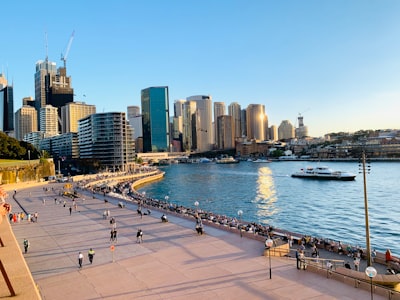
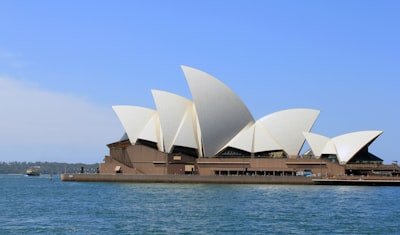
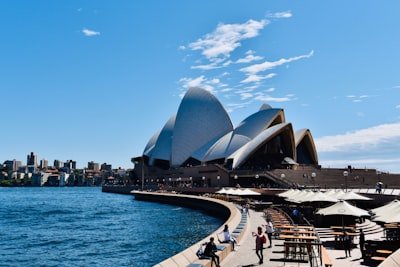
These architectural marvels are the undisputed symbols of Sydney. The Sydney Opera House, a UNESCO World Heritage site, offers fascinating guided tours that delve into its history and design. Catch a show, dine at one of its waterfront restaurants, or simply admire its unique 'sails' against the backdrop of the harbour. The Sydney Harbour Bridge, affectionately known as "The Coathanger," can be climbed for breathtaking panoramic views, or you can walk or cycle across its pedestrian and cycle paths. Circular Quay, where both landmarks meet, is a bustling hub for ferries, restaurants, and street performers.
Bondi Beach
One of the world's most famous beaches, Bondi is a must-visit for its golden sands, surfable waves, and vibrant atmosphere. Learn to surf, sunbathe, or take a refreshing dip in the ocean. The picturesque Bondi to Coogee Coastal Walk is a spectacular 6km path offering dramatic clifftop views, secluded beaches, and ocean pools. Explore the trendy shops, cafes, and restaurants along Campbell Parade.
Taronga Zoo Sydney
Located on the northern shore of Sydney Harbour, Taronga Zoo boasts spectacular city skyline views along with an impressive collection of Australian native wildlife and exotic animals. Reachable by a scenic ferry ride from Circular Quay, the zoo features daily shows, keeper talks, and unique animal encounters. Don't miss the Sky Safari cable car for stunning aerial views.
The Rocks
Sydney's oldest neighbourhood, The Rocks, is a charming labyrinth of cobblestone streets, historic pubs, and sandstone buildings. It's where the First Fleet landed in 1788 and offers a fascinating glimpse into early colonial Sydney. Explore the weekend markets, visit the local art galleries, or enjoy a pint in one of its atmospheric taverns. The Rocks Discovery Museum provides insights into the area's rich past.
Darling Harbour
A sprawling entertainment and leisure precinct, Darling Harbour is home to numerous attractions. You'll find the SEA LIFE Sydney Aquarium, WILD LIFE Sydney Zoo, Madame Tussauds, and the Australian National Maritime Museum here. It's also a hub for dining, shopping, and hosts regular events and fireworks displays, especially on Saturday nights.
Royal Botanic Garden Sydney
Nestled beside the Sydney Opera House, these magnificent gardens offer a tranquil escape from the city bustle. Spanning 30 hectares, the gardens feature diverse plant collections, lush lawns, and stunning harbour views. It's a perfect spot for a leisurely stroll, a picnic, or to simply relax and enjoy the natural beauty. Free guided walks are available daily.
Art Gallery of New South Wales (AGNSW)
One of Australia's leading art museums, the AGNSW houses an extensive collection of Australian, European, Asian, and contemporary art. Its beautiful buildings and diverse exhibitions make it a cultural highlight. Admission to the general collection is free, with charges for special exhibitions.
Queen Victoria Building (QVB)
An architectural masterpiece, the Queen Victoria Building is a grand Romanesque-revival building originally constructed in the late 19th century. Today, it houses a magnificent shopping arcade filled with boutiques, cafes, and galleries. Even if you're not shopping, it's worth visiting to admire its stunning stained-glass windows, ornate domes, and intricate interior details.
Manly Beach
For a different beach experience, take the iconic 30-minute ferry ride from Circular Quay to Manly. This scenic journey offers fantastic views of the Opera House, Harbour Bridge, and Sydney Heads. Manly itself offers a relaxed, surf-town vibe, beautiful beaches, and a bustling Corso lined with shops and eateries.
Day Trip: Blue Mountains National Park
Just 1.5 to 2 hours west of Sydney by car or train, the Blue Mountains offer breathtaking natural beauty. Famous for the Three Sisters rock formation, dramatic canyons, eucalyptus forests, and waterfalls, it's a UNESCO World Heritage site. Explore scenic lookouts, embark on bushwalks, or ride the Scenic World railway, skyway, and cableway for unique perspectives.
How to Reach
Sydney is a major international gateway, well-connected to the rest of the world.
By Air
Sydney Airport (SYD), also known as Kingsford Smith Airport, is Australia's busiest airport, serving numerous international and domestic flights. It's located approximately 8 km south of the city centre.
- Getting to/from the airport:
- Train: The Airport Link train service runs frequently between the airport terminals (International and Domestic) and the city centre (Central, Town Hall, Wynyard, Circular Quay). It's the fastest option, taking about 13 minutes to Central Station. Fares are higher than regular Opal card fares.
- Bus: Public buses operate from the airport to various suburbs, offering a cheaper alternative, though they can be slower and involve transfers.
- Taxi/Rideshare: Taxis and rideshare services (Uber, Ola, DiDi) are readily available from designated ranks outside the terminals. Travel time to the city centre is typically 20-30 minutes, depending on traffic.
- Shuttle Bus: Several private shuttle bus services offer door-to-door transfers, which can be cost-effective for solo travellers or small groups.
By Sea
Sydney is a popular cruise ship destination. Cruise liners typically dock at:
- Overseas Passenger Terminal (OPT) at Circular Quay: This prime location offers immediate access to the Opera House, Harbour Bridge, and The Rocks.
- White Bay Cruise Terminal (WBCT): Located in Rozelle, west of the CBD. Shuttle buses or taxis are usually required to reach the city centre from here.
By Rail
While not a common way to arrive for international visitors, interstate train services connect Sydney to other major Australian cities like Melbourne and Brisbane, though these journeys are long. Regional NSW TrainLink services connect Sydney to various towns and cities within New South Wales.
By Road
If you're exploring Australia by car, Sydney is accessible via major highways from other states. Coach services like Greyhound and Firefly Express also operate intercity routes to Sydney from destinations across Australia.
Local Food Guide
Sydney's food scene is a melting pot of cultures, offering everything from fresh seafood to innovative Modern Australian cuisine and global street food.
Seafood Extravaganza
Given its coastal location, Sydney excels in fresh seafood. Head to the Sydney Fish Market, the largest working fish market in the Southern Hemisphere, for a vibrant experience. Here you can sample fresh oysters, prawns, fish and chips, and sashimi straight from the trawler. Many waterfront restaurants around Circular Quay, Darling Harbour, and the eastern suburbs also offer exquisite seafood dining with stunning views.
Modern Australian Cuisine
This distinct culinary style blends European cooking techniques with Asian flavours and fresh, local Australian produce. Expect creative dishes that are seasonal and often incorporate native Australian ingredients. Sydney boasts numerous award-winning restaurants pushing the boundaries of Modern Australian cuisine, from fine dining establishments with harbour views to more casual, innovative eateries in suburbs like Surry Hills and Potts Point.
Cafe Culture and Brunch
Sydney takes its coffee and brunch very seriously. The city is dotted with countless cafes offering expertly brewed coffee (flat white is a local favourite!), smashed avocado on toast, creative egg dishes, and delicious pastries. Suburbs like Surry Hills, Newtown, and Bondi are particularly renowned for their vibrant cafe scenes.
Asian Cuisine
With a large Asian population, Sydney offers an incredible array of authentic Asian food. Explore Chinatown for dim sum, Peking duck, and various regional Chinese dishes. Vietnamese pho and banh mi, Thai curries, Japanese ramen and sushi, and Korean BBQ are also widely available and incredibly popular. Burwood, Cabramatta, and Ashfield are known for their diverse Asian food offerings beyond the city centre.
Pub Grub and Craft Beer
Experience a quintessential Australian pub meal at a local hotel. You'll find classic "pub grub" like schnitzels, burgers, steaks, and fish and chips, often accompanied by a good selection of Australian craft beers. Many pubs also feature outdoor seating, live music, and a relaxed atmosphere. The Rocks and inner-city suburbs have some great historic pubs.
Fine Dining with a View
Sydney offers some of the world's most spectacular fine dining experiences, often paired with breathtaking views of the Opera House and Harbour Bridge. Restaurants like Quay, Aria, and Bennelong (inside the Opera House) provide unforgettable culinary journeys for those looking to splurge.
Sweet Treats and Snacks
Don't leave without trying some classic Australian treats:
- Meat Pie: A handheld pastry filled with minced meat and gravy, a true Aussie staple.
- Lamingtons: Sponge cake coated in chocolate sauce and desiccated coconut.
- Tim Tams: A beloved chocolate biscuit, best enjoyed with the "Tim Tam Slam."
- Aussie Ice Cream: Look for local brands like Gelato Messina for artisanal flavours.
Public Transport
Sydney boasts an extensive and efficient public transport network, making it easy to navigate the city and its surrounds without a car.
Opal Card
The Opal card is your key to Sydney's public transport. It's a reusable smartcard that you load with money and tap on and off when travelling.
- Where to get one: You can purchase an Opal card at convenience stores (like 7-Eleven), newsagents, supermarkets, and some train stations.
- Topping up: Top up your Opal card online, via the Opal Travel app, or at retailers.
- Tap on/off: Always remember to tap on when starting your journey and tap off when finishing. Failure to tap off may result in a default fare.
- Contactless Payment: You can also use your credit/debit card (Visa, Mastercard, American Express) or mobile wallet (Apple Pay, Google Pay) directly to tap on and off, which works like an Opal card and charges adult fares. This is convenient for short-term visitors.
- Benefits: Opal cards offer daily and weekly fare caps, cheaper off-peak fares, and a discounted fare after eight paid journeys in a week.
Trains
Sydney's train network is extensive, connecting the CBD to suburbs and regional areas. It's the fastest way to travel across longer distances. Key stations in the city centre include Central, Town Hall, Wynyard, Martin Place, and Circular Quay. The Airport Link is part of this network.
Buses
Buses provide comprehensive coverage throughout the city and suburbs, reaching areas not served by trains. They are particularly useful for local travel and getting to beaches like Bondi. Look for specific bus routes and timetables via the Trip Planner on the Transport for NSW website or apps like Google Maps.
Ferries
Sydney's ferries offer one of the most picturesque ways to travel, providing stunning views of the harbour. They connect Circular Quay to various destinations including Manly, Taronga Zoo, Darling Harbour, and Parramatta. A ferry ride is an attraction in itself!
Light Rail
The Sydney Light Rail network covers key routes, including the CBD and South East Light Rail (L2/L3) connecting Circular Quay to Randwick and Kingsford, and the Inner West Light Rail (L1) connecting Central Station to Dulwich Hill. It's a convenient option for short to medium-distance travel within the city centre and inner suburbs.
Taxis and Rideshares
Taxis are readily available from designated ranks or can be hailed on the street. Rideshare services like Uber, Ola, and DiDi are also widely used and can be booked via their respective apps. These are generally more expensive than public transport but offer convenience, especially late at night or with luggage.
Travel Budget Tips
Sydney is known for being an expensive city, but with smart planning, you can explore its wonders without breaking the bank.
Accommodation
- Hostels: For budget travellers, hostels offer dorm beds and private rooms in central locations (e.g., CBD, Bondi, Glebe).
- Airbnb/Vacation Rentals: Can be cost-effective for groups or longer stays, allowing for self-catering.
- Stay outside the CBD: Consider suburbs like Glebe, Newtown, Potts Point, or North Sydney for slightly cheaper rates, often with excellent public transport links.
- Book in advance: Especially during peak season (summer), booking accommodation well ahead can secure better rates.
Food and Drink
- Cook your own meals: If your accommodation has a kitchen, buying groceries from supermarkets (Coles, Woolworths, Aldi) is significantly cheaper than eating out for every meal.
- Lunch specials: Many restaurants offer cheaper lunch deals or "happy hour" specials.
- BYO (Bring Your Own): Look for BYO restaurants where you can bring your own alcoholic beverages for a small corkage fee, saving on expensive restaurant drink prices.
- Markets and Food Courts: Explore food markets (e.g., Paddy's Markets, Carriageworks Farmers Market) or food courts for affordable and diverse options.
- Free tap water: Always ask for tap water at restaurants, it's free.
Attractions and Activities
- Free activities: Enjoy Sydney's many free attractions: walking across the Harbour Bridge, exploring the Royal Botanic Garden, visiting the Art Gallery of NSW (general admission), swimming at Bondi Beach, and strolling through The Rocks.
- Coastal walks: The Bondi to Coogee Coastal Walk is free and offers spectacular scenery.
- Discount passes: Consider purchasing a multi-attraction pass like the Sydney Pass or iVenture Card if you plan to visit several paid attractions (e.g., Taronga Zoo, Aquarium, Tower Eye). Calculate if it truly saves you money based on your itinerary.
- Walk everywhere: Sydney's CBD and surrounding areas are very walkable.
- Picnics: Pack a picnic to enjoy in one of Sydney's beautiful parks or beaches instead of dining out.
Public Transport
- Opal card/Contactless: Utilise the Opal card's daily/weekly caps and off-peak fares.
- Walk and cycle: For shorter distances, walking is free and allows you to discover hidden gems. Sydney also has cycling paths.
- Airport Link surcharge: Be aware of the additional station access fee for Airport Link trains; consider an airport shuttle or bus if budget is very tight and you don't have much luggage.
Hotels and Accommodation
Sydney offers a vast range of accommodation options to suit every budget and style, from luxurious five-star hotels to budget-friendly hostels.
Luxury (5-star and boutique hotels)
For an indulgent experience, look for hotels in the prime locations of Circular Quay, The Rocks, and Darling Harbour. These offer unparalleled views, top-notch service, and world-class amenities.
- Examples: Park Hyatt Sydney, Four Seasons Hotel Sydney, Shangri-La Hotel Sydney, The Old Clare Hotel (boutique).
Mid-Range (3-4 star hotels and serviced apartments)
These options provide comfort and excellent amenities without the premium price tag. You'll find a good selection in the CBD, Surry Hills, Potts Point, and North Sydney. Serviced apartments are great for longer stays or families, offering kitchenettes and more space.
- Examples: Vibe Hotel Sydney, Adina Apartment Hotels (various locations), Ovolo Woolloomooloo, Little National Hotel Sydney.
Budget (Hostels and budget hotels)
Sydney has numerous well-regarded hostels offering dorm beds and private rooms, popular with backpackers and solo travellers. Look for them in the CBD, Bondi, Kings Cross, and Glebe. Basic budget hotels are also available further out from the city centre.
- Examples: YHA Sydney Harbour, Wake Up! Sydney Central, The Village Glebe.
Alternative Options
- Airbnb/Vacation Rentals: A popular choice for those seeking a more local experience, especially for families or groups who benefit from self-catering facilities.
- Boutique Hotels: Often found in trendy inner-city suburbs, offering unique design and personalised service (e.g., The Collectionist Hotel, Paramount House Hotel).
Booking Tips:
- Book well in advance, especially during peak season (Dec-Feb) or during major events (e.g., New Year's Eve, Vivid Sydney).
- Consider hotel loyalty programs or booking directly with hotels for potential perks.
- Read recent reviews to get an idea of cleanliness, service, and noise levels.
Safety Tips
Sydney is a generally safe city for tourists, but like any major urban area, it's wise to be aware of your surroundings and take common precautions.
General Safety
- Awareness: Be mindful of your personal belongings, especially in crowded tourist areas, on public transport, and at markets. Pickpocketing can occur.
- Emergency Services: In case of emergency (police, fire, ambulance), dial 000 (triple zero).
- Valuables: Don't display large amounts of cash or expensive jewellery. Use hotel safes for passports and valuables.
- Walking at Night: Stick to well-lit and populated areas when walking alone at night. Public transport is safe, but be aware when waiting at stations.
- Alcohol: Drink responsibly. Alcohol laws are strict, and responsible service of alcohol is enforced.
- Traffic: Remember that Australians drive on the left side of the road. Always look both ways before crossing, even on one-way streets.
Water Safety
- Beaches: Sydney's beaches are beautiful but can have strong currents (rips). Always swim between the red and yellow flags, which mark areas patrolled by lifesavers. If caught in a rip, stay calm, raise one arm for help, and float or swim parallel to the shore.
- Sun Protection: The Australian sun is intense. Use high SPF sunscreen (30+ minimum), wear a hat, sunglasses, and protective clothing, especially between 10 am and 4 pm. Stay hydrated.
- Ocean Pools: Many beaches have ocean pools, which are safe alternatives for swimming.
Wildlife
- Snakes and Spiders: While common in rural areas, encountering dangerous snakes or spiders in central Sydney is rare. If you're hiking in national parks, wear appropriate footwear and be aware of your surroundings.
- Jellyfish: In warmer months, some beaches might have stingers. Look for warning signs and consult lifesavers if unsure.
Scams
- Be wary of common tourist scams, such as unsolicited offers, "free" gifts that turn out to be paid, or overly friendly strangers trying to sell you something.
FAQ Section
Q: Do I need a visa to visit Australia?
A: Most non-Australian citizens require a visa to enter Australia. The specific type of visa depends on your nationality and the purpose of your visit. For tourists, an eVisitor visa (subclass 651) or an Electronic Travel Authority (ETA) visa (subclass 601) are common. Check the Australian Department of Home Affairs website for detailed requirements well in advance of your trip.
Q: What currency is used in Sydney?
A: The official currency is the Australian Dollar (AUD$). Credit and debit cards are widely accepted, and ATMs are readily available throughout the city.
Q: What is the main language spoken?
A: English is the official language.
Q: Is tipping customary in Sydney?
A: Tipping is not mandatory or expected in Australia, unlike in some other countries. However, if you receive exceptional service at a restaurant, cafe, or for a taxi driver, a small tip (e.g., rounding up the bill or 5-10%) is always appreciated but entirely at your discretion.
Q: How many days should I spend in Sydney?
A: To experience the major highlights, a minimum of 3-5 full days is recommended. This allows time for iconic landmarks, a beach day, and exploring a few neighbourhoods. If you plan day trips (e.g., Blue Mountains), consider extending your stay to 7-10 days.
Q: Is Sydney suitable for families with children?
A: Absolutely! Sydney offers a wealth of family-friendly attractions including Taronga Zoo, SEA LIFE Sydney Aquarium, WILD LIFE Sydney Zoo, the Australian National Maritime Museum, and numerous parks and beaches. Public transport is also easy to navigate with children.
Q: Can I buy a local SIM card upon arrival?
A: Yes, you can easily purchase a local SIM card from providers like Telstra, Optus, or Vodafone at Sydney Airport or in phone stores around the city. Prepaid plans for tourists are readily available and affordable.
Q: What are the power outlets like in Australia?
A: Australia uses Type I power outlets (three flat pins, one of which is an earthing pin). The standard voltage is 230V, and the frequency is 50Hz. You will need a travel adapter for your devices if they use a different plug type.