Cape Town Travel Guide – Best Places to Visit in South Africa
Cape Town: A Gem at the Tip of Africa
Nestled dramatically between the iconic Table Mountain and the shimmering Atlantic Ocean, Cape Town stands as one of the world's most breathtaking and culturally rich destinations. This vibrant South African city, often referred to as the Mother City, offers a captivating blend of stunning natural landscapes, a complex history, diverse cultures, and a thriving contemporary scene. From pristine white-sand beaches and rugged mountain trails to bustling markets, world-class dining, and poignant historical sites, Cape Town promises an unforgettable adventure for every type of traveler. Its unique geographical position at the southern tip of the African continent imbues it with a distinctive character, where diverse influences converge to create a truly magical experience. Whether you're seeking adrenaline-pumping activities, serene natural beauty, or deep cultural immersion, Cape Town presents an irresistible allure that calls visitors back time and again.
Best Time to Visit
Choosing the perfect time to visit Cape Town largely depends on your travel priorities, as each season offers a unique experience. The city enjoys a Mediterranean climate, characterized by warm, dry summers and cool, wet winters.
Summer (December - February)
This is Cape Town's peak season, marked by glorious sunshine, minimal rainfall, and long, warm days. Temperatures often range from 20°C to 30°C (68°F to 86°F), making it ideal for beach activities, hiking, and enjoying outdoor festivals. The festive atmosphere around Christmas and New Year is exhilarating, with bustling markets and lively street performances. However, this popularity comes with a price: attractions are crowded, accommodation prices surge, and booking well in advance is essential. The famous 'Cape Doctor' wind can also make an appearance, offering a refreshing breeze but sometimes strong enough to disrupt beach plans.
Autumn (March - May)
Often considered the sweet spot for a visit, autumn in Cape Town offers delightful weather with fewer crowds than summer. Temperatures are mild and pleasant, typically ranging from 15°C to 25°C (59°F to 77°F), making it perfect for exploring the city's natural beauty on foot, cycling, or enjoying outdoor dining. The fierce summer winds subside, and the vineyards in the Winelands are in their harvest season, offering unique tasting experiences. Accommodation prices begin to drop slightly, and it's easier to get reservations at popular restaurants.
Winter (June - August)
Cape Town's winter is characterized by cooler temperatures and higher rainfall, especially from June to August. Average temperatures hover around 10°C to 18°C (50°F to 64°F). While some days can be grey and wet, there are often crisp, clear days with stunning visibility – perfect for ascending Table Mountain. Winter is also prime whale-watching season along the coast, particularly in areas like Hermanus (a short drive away). Accommodation and flight prices are at their lowest, and attractions are far less crowded, offering a more intimate experience. It's a great time for foodies to explore cozy restaurants and for art lovers to visit galleries and museums.
Spring (September - November)
Spring is another fantastic time to visit, as the city awakens with blooming wildflowers, particularly along the West Coast. The weather is increasingly pleasant, with temperatures gradually rising from 15°C to 22°C (59°F to 72°F) and less rainfall than winter. Crowds are still manageable before the peak summer rush, and prices remain reasonable. It's an excellent time for outdoor activities, and the Southern Right whales are still migrating along the coast in early spring, offering a last chance for whale watching. The city gears up for summer with various events and outdoor concerts beginning to take place.
Recommendation: For a balance of good weather, fewer crowds, and reasonable prices,
Autumn (March-May) and
Spring (September-November) are generally the best times to visit. If you don't mind the crowds and higher prices, summer offers guaranteed sunshine and a vibrant atmosphere. If you're on a budget or keen on whale watching and cultural immersion, winter provides a unique, quieter charm.
Top Attractions
Cape Town boasts an incredible array of attractions, catering to nature lovers, history buffs, foodies, and adventure seekers alike.
Natural Wonders
- Table Mountain: An undisputed icon, Table Mountain dominates the city skyline. Take the revolving cable car for breathtaking 360-degree views or challenge yourself with one of the numerous hiking trails, such as Platteklip Gorge. The summit offers diverse flora and fauna, well-marked paths, and multiple viewpoints.
- Lion's Head: Offering panoramic vistas of Table Mountain, the city bowl, and the Atlantic seaboard, a hike up Lion's Head is a Cape Town essential, especially popular for sunrise or sunset. The 360-degree views are truly spectacular, making the moderate climb worthwhile.
- Cape Point and Cape of Good Hope: Located within the Table Mountain National Park, this dramatic peninsula marks the southwesternmost tip of the African continent. Explore rugged cliffs, fynbos vegetation, and spot baboons. Take the Flying Dutchman funicular up to the old lighthouse for incredible views where the Atlantic and Indian Oceans theoretically meet.
- Boulders Beach Penguin Colony: Near Simon's Town, this sheltered beach is home to a thriving colony of endangered African penguins. Wooden boardwalks allow visitors to observe these charming birds up close in their natural habitat without disturbing them.
- Kirstenbosch National Botanical Garden: Nestled on the eastern slopes of Table Mountain, Kirstenbosch is renowned as one of the great botanical gardens of the world. It showcases South Africa's diverse indigenous flora, with beautiful themed gardens, canopy walks, and often hosts summer outdoor concerts.
Historical & Cultural Sites
- Robben Island: A UNESCO World Heritage Site, Robben Island is famous as the prison where Nelson Mandela spent 18 of his 27 years of incarceration. Tours are led by former political prisoners, offering a powerful and poignant insight into South Africa's apartheid history. Booking well in advance is crucial as tours often sell out.
- Bo-Kaap: Known for its vibrant, brightly painted houses and cobbled streets, Bo-Kaap is the historical home of the Cape Malay community. Explore its unique culture, sample traditional cuisine, and learn about its rich heritage at the Bo-Kaap Museum. It's a photographer's dream.
- District Six Museum: This museum chronicles the forced removals of 60,000 inhabitants from the multicultural District Six area during the apartheid era. It's a moving testament to social injustice and the resilience of the human spirit, preserving the memories of a vibrant community.
- Zeitz MOCAA (Museum of Contemporary Art Africa): Housed in a spectacularly reimagined grain silo at the V&A Waterfront, Zeitz MOCAA is the largest museum of contemporary African art in the world. Its architecture alone is a masterpiece, complementing the thought-provoking exhibitions within.
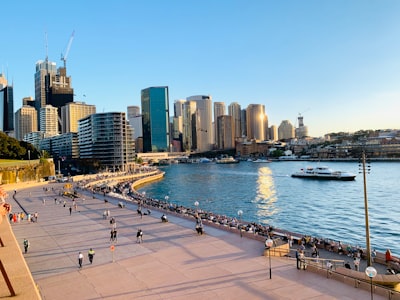
- V&A Waterfront: A bustling hub of activity, the Victoria & Alfred Waterfront is a working harbor and a premier leisure destination. It offers world-class shopping, diverse dining options, boat trips, the Two Oceans Aquarium, and often features live entertainment. It’s a great spot for both locals and tourists.
Coastal Drives & Excursions
- Chapman's Peak Drive: Widely regarded as one of the most scenic marine drives in the world, "Chappies" winds its way between Noordhoek and Hout Bay with 114 curves over 9km. It's a toll road offering breathtaking ocean views at every turn, with numerous viewpoints for photo opportunities.
- Muizenberg Beach: Famous for its brightly colored beach huts, Muizenberg is a popular surfing spot with gentle waves, ideal for beginners. It's a family-friendly beach with a vibrant local atmosphere.
- Hout Bay: A picturesque fishing village with a bustling harbor. Take a boat trip to Seal Island to see thousands of Cape Fur Seals, browse the local craft markets, or enjoy fresh fish and chips.
- Stellenbosch & Franschhoek Winelands: Just an hour's drive from Cape Town, these historic towns are the heart of South Africa's acclaimed wine industry. Explore sprawling vineyards, indulge in wine tasting tours, enjoy gourmet dining, and soak in the stunning mountain scenery. Many tour operators offer guided trips.
How to Reach
Cape Town is a major international gateway, making it easily accessible from around the globe.
By Air
The most common way to reach Cape Town is by flying into
Cape Town International Airport (CPT). It is South Africa's second-busiest airport and a major hub for both international and domestic flights. Numerous airlines operate direct flights from Europe, the Middle East, and other African cities, as well as connecting flights from North America and Asia. Domestically, there are frequent flights from Johannesburg (JNB) and Durban (DUR). The airport is located approximately 20 kilometers (12 miles) from the city center, with a journey time of about 20-30 minutes, depending on traffic. Transfers to the city can be arranged via official airport taxis, ride-sharing services (Uber/Bolt), or pre-booked shuttles.
By Road
If you're already in South Africa, reaching Cape Town by road is a popular option. Major national highways, such as the N1 from Johannesburg and the N2 from Durban (via the Garden Route), are well-maintained and offer scenic routes. Driving can be a great way to explore the diverse landscapes of South Africa, but distances are considerable (e.g., ~1400 km from Johannesburg, ~1700 km from Durban). Intercity bus services like Intercape and Translux also connect Cape Town with major cities across the country, offering a more economical travel option.
By Sea
While not a primary mode of arrival for most independent travelers, Cape Town is a popular port of call for cruise ships. Many international cruise lines include Cape Town in their itineraries, often docking at the V&A Waterfront, which provides immediate access to many city attractions. This offers a unique way to experience the city as part of a larger ocean journey.
Local Food Guide
Cape Town's culinary scene is as diverse and vibrant as its culture, offering a fusion of African, Malay, Dutch, and European influences.
Must-Try Dishes
- Braai (BBQ): More than just a meal, braai is a beloved South African social institution. Enjoy perfectly grilled meats (sausages, lamb chops, steak) often served with pap (maize porridge) and chakalaka (spicy vegetable relish). Look for local braai spots or join a braai experience.
- Biltong & Droëwors: South Africa's answer to jerky. Biltong is cured, dried meat (often beef, kudu, or ostrich) spiced with coriander, pepper, and salt. Droëwors are dried sausages. They make for excellent snacks.
- Gatsby: A quintessential Cape Town street food. This enormous submarine sandwich is typically filled with hot chips (fries), meat (polony, steak, chicken, or calamari), and sauces, often enough to feed two or more people.
- Bobotie: A fragrant and mildly spiced dish with Cape Malay origins. It consists of baked minced meat with an egg-based topping, often served with yellow rice and chutney. It's a comforting and flavorful staple.
- Cape Malay Curry: Distinct from Indian or Thai curries, Cape Malay curries are aromatic and flavorful, using spices like turmeric, cumin, coriander, and cardamom, but are generally milder with a touch of sweetness. Try a lamb or chicken curry.
- Koeksisters: A traditional Afrikaner delicacy. These plaited doughnuts are deep-fried and then immediately plunged into an ice-cold sugar syrup, resulting in a sweet, sticky, and somewhat crunchy treat. (Note: there's also a Cape Malay version, which is more cake-like and spiced).
- Seafood: Given its coastal location, fresh seafood is abundant. Enjoy snoek (a local barracuda-like fish), kingklip, prawns, mussels, and calamari, often prepared simply to highlight their freshness. Look for fish and chips at local harbor stalls.
- Wine: Explore the world-renowned Winelands around Stellenbosch and Franschhoek. South Africa is famous for its Chenin Blanc and Pinotage (a unique local cross). Many Cape Town restaurants offer extensive wine lists, and tasting experiences are readily available.
Dining Experiences
Cape Town offers everything from fine dining establishments that regularly feature on 'world's best' lists to casual eateries and vibrant food markets.
- Fine Dining: Areas like Constantia, the City Bowl, and the Winelands boast award-winning restaurants with innovative menus and exquisite wine pairings. Reservations are essential.
- Food Markets: Experience local flavors and artisan products at markets like the Oranjezicht City Farm Market, Mojo Market, and the various markets at the V&A Waterfront. They offer diverse street food, fresh produce, and unique crafts.
- Cafes and Bakeries: Discover charming cafes throughout the city, perfect for coffee, pastries, and light lunches. The breakfast and brunch scene is particularly strong.
- Casual Eats: Don't miss out on casual dining experiences, from hearty pub fare to authentic local takeaways serving gatsbys and curries.
Public Transport
While Cape Town has a public transport network, navigating it as a tourist requires some understanding and caution.
MyCiTi Bus
The MyCiTi bus system is the most modern and reliable public transport option for tourists. It covers major routes, connecting the airport, city center, V&A Waterfront, Camps Bay, and other key areas. To use it, you need to purchase a
MyCiTi card (MyConnect card) from MyCiTi stations or participating retailers and load it with funds. Fares are reasonable and vary by distance. The buses are clean, safe, and efficient, but routes might not cover every specific tourist spot directly.
Metrorail
Metrorail operates commuter train services. While economical, it is generally
not recommended for tourists due to safety concerns, particularly outside of peak hours and specific routes. Trains can be overcrowded, and petty crime is a risk. It is best avoided unless accompanied by a local who is familiar with the system.
Minibus Taxis
Minibus taxis are privately owned, unregulated vans that serve as a primary mode of transport for many locals, especially in townships. They follow semi-fixed routes, picking up and dropping off passengers along the way. While very affordable, they can be confusing for tourists to use due to informal routes, a lack of official stops, and language barriers. For safety and convenience, they are generally
not recommended for visitors.
Ride-Sharing Services (Uber/Bolt)
Uber and Bolt (formerly Taxify) are highly recommended for getting around Cape Town. They are widely available, reliable, safe, and often more affordable than traditional metered taxis. Simply download the app, request a ride, and track your driver. This is by far the most convenient and popular option for tourists, especially for evening travel or trips to areas not covered by MyCiTi.
Metered Taxis
Traditional metered taxis are available, but they tend to be more expensive than ride-sharing services. Ensure the taxi has a visible meter and that it is switched on at the start of your journey. It's advisable to use reputable companies or ask your hotel to arrange a taxi.
Car Rental
For maximum flexibility, especially if you plan to explore the Winelands, the Garden Route, or other attractions outside the city center,
renting a car is highly recommended. Roads are generally well-maintained, and signage is clear. However, be aware of peak hour traffic in and around the city, and remember that South Africans drive on the left side of the road. Parking can be challenging in central areas, but many hotels offer secure parking. Always ensure valuables are not left visible in the car.
Travel Budget Tips
Cape Town can be enjoyed on various budgets, from luxurious indulgence to savvy shoestring travel.
Accommodation
- Budget: Hostels (e.g., in Gardens, Observatory, Long Street), guesthouses, and self-catering apartments (Airbnb) offer more affordable options. Booking well in advance, especially outside peak season, can secure better deals.
- Mid-Range: Look for B&Bs, boutique hotels, and serviced apartments in areas like Sea Point, Green Point, and the less central parts of the City Bowl.
- Off-Season Travel: Visiting during winter (June-August) or shoulder seasons can significantly reduce accommodation costs.
Food
- Local Markets: Explore food markets like Oranjezicht City Farm Market for delicious and affordable meals, fresh produce, and snacks.
- Self-Catering: If your accommodation has kitchen facilities, buying groceries from supermarkets can save a lot.
- Local Eateries: Venture beyond tourist traps to find excellent value at local cafes, bakeries, and informal restaurants serving traditional dishes like gatsbys or fish and chips.
- BYOB: Many restaurants are licensed, but some smaller ones might be BYOB (Bring Your Own Bottle), saving on drink costs. Always check in advance.
Activities
- Free Attractions: Enjoy free activities like hiking Table Mountain (if you don't take the cableway), exploring the Company's Garden, walking along the Sea Point Promenade, visiting Clifton/Camps Bay beaches, or strolling through Bo-Kaap.
- City Pass: Consider purchasing a City Pass if you plan to visit multiple paid attractions (e.g., Table Mountain Cableway, Robben Island, Two Oceans Aquarium). It can offer significant savings.
- Budget-Friendly Excursions: For wine tasting, instead of a full tour, you can often drive yourself or use ride-sharing to visit one or two wineries and pay for individual tastings.
Transport
- MyCiTi Bus: Utilize the MyCiTi bus for economical travel around central areas.
- Ride-Sharing: Uber/Bolt are generally more affordable than traditional taxis. Consider carpooling if traveling in a group.
- Car Rental: While an initial cost, car rental can be more economical for groups or extensive day trips compared to booking multiple separate tours.
Currency & Tipping
- Currency: The local currency is the South African Rand (ZAR). Credit cards are widely accepted, but it's good to carry some cash for smaller purchases or markets.
- Tipping: Tipping is customary. 10-15% is standard for good service at restaurants. You should also tip petrol attendants (R5-R10), parking attendants (R5-R10 depending on duration), and tour guides (R50-R100 depending on tour length/quality).
Hotels and Accommodation
Cape Town offers a vast spectrum of accommodation options, from luxurious resorts to cozy guesthouses and budget-friendly hostels. The best area to stay depends on your budget, travel style, and what you plan to do.
Luxury Accommodation
- V&A Waterfront: Ideal for those seeking upscale hotels, vibrant dining, shopping, and easy access to boat trips and the aquarium. Popular choices include The One&Only and The Cape Grace.
- Camps Bay & Clifton: Known for their stunning beaches, trendy restaurants, and luxurious villas and boutique hotels, offering incredible ocean and sunset views.
- Constantia: Perfect for a tranquil retreat amidst vineyards and rolling hills, offering elegant guesthouses and hotels, close to wine farms and fine dining.
Mid-Range Accommodation
- City Bowl (Gardens, Company's Garden, De Waterkant): The central hub, offering a wide range of hotels, guesthouses, and apartments. Great for accessing museums, restaurants, and nightlife. Good transport links.
- Sea Point & Green Point: Located along the Atlantic Seaboard, these areas offer excellent value with numerous hotels and self-catering apartments. They boast a lively promenade, diverse restaurants, and easy access to beaches and the V&A Waterfront.
- Mouille Point: A quieter residential area between Green Point and Sea Point, with lovely ocean-facing apartments and guesthouses, offering pleasant walks and great views.
Budget Accommodation
- Observatory: A bohemian, student-friendly neighborhood known for its lively nightlife, quirky shops, and numerous hostels and budget guesthouses. Good for travelers looking for a vibrant, less-polished atmosphere.
- Long Street: Famous for its Victorian architecture, vibrant bars, and backpacker hostels, popular with young travelers and those looking for a lively social scene. Can be noisy at night.
- Gardens: While parts are mid-range, Gardens also offers a good selection of well-regarded hostels and budget B&Bs, offering a balance between central access and a slightly quieter environment.
Types of Accommodation
- Hotels: From international chains to boutique hotels, offering various amenities and service levels.
- Guesthouses & B&Bs: Provide a more personalized experience, often in charming homes, with breakfast included.
- Self-Catering Apartments/Villas (Airbnb, Booking.com): Ideal for longer stays, families, or groups, offering kitchen facilities and more space.
- Hostels: A great option for solo travelers or those on a tight budget, offering dorms and private rooms, with communal facilities.
Booking Advice: It is highly advisable to book your accommodation well in advance, especially if traveling during the peak summer season (December-February) or for popular events. This secures better rates and ensures availability.
Safety Tips
Cape Town is a generally safe city for tourists, especially in major tourist areas, but like any large urban center, it has its challenges. Practicing common sense and being aware of your surroundings will ensure a pleasant and safe trip.
General Awareness
- Be Alert: Always be aware of your surroundings, especially in crowded areas, public transport hubs, and at ATMs.
- Avoid Flashy Displays: Don't display expensive jewelry, cameras, or large amounts of cash. Keep your phone out of sight when not in use.
- Trust Your Instincts: If an area or situation feels unsafe, leave.
Walking Alone
- Nighttime: Avoid walking alone at night, especially in dimly lit or deserted areas. Use ride-sharing services (Uber/Bolt) or reputable metered taxis.
- Specific Areas: Research neighborhoods before venturing out. Some areas may be less safe for walking, particularly after dark.
Transport
- Ride-Sharing: Stick to reputable ride-sharing apps like Uber or Bolt. Always check the car details (plate number, make, model) and driver's photo match the app.
- Taxis: If using a metered taxi, ensure it's from a reputable company and that the meter is running, or agree on a fare beforehand. Avoid unmarked taxis.
- Public Transport: While MyCiTi buses are generally safe, exercise caution and awareness, particularly during off-peak hours. Avoid Metrorail and minibus taxis as a tourist.
Valuables
- Hotel Safe: Utilize your hotel's safe for passports, extra cash, and other valuables.
- Keep Out of Sight: When out and about, keep wallets, phones, and cameras out of easy reach (e.g., in a zipped inner pocket or a secure bag worn across your body).
- Bags: Don't leave bags unattended, especially in restaurants or public spaces.
ATMs and Money
- Daylight Hours: Use ATMs during daylight hours, preferably inside a bank or shopping center.
- Beware of "Helpful" Strangers: Be wary of anyone offering to "help" you at an ATM, as this can be a common scam.
- Credit Card Fraud: Be vigilant when using your credit card and always keep an eye on your card during transactions.
Emergency Numbers
- Ambulance/Medical Emergency: 10177
- General Emergency (from mobile): 112 (connects to all emergency services)
By taking these precautions, you can minimize risks and enjoy all that Cape Town has to offer with peace of mind. The vast majority of visitors experience no safety issues and find locals to be friendly and welcoming.
Frequently Asked Questions (FAQ)
Is Cape Town safe for tourists?
Yes, generally Cape Town is safe for tourists, especially in well-frequented areas. However, like any major city, it's crucial to be vigilant, aware of your surroundings, and take common-sense precautions. Avoid walking alone at night in dimly lit areas, secure your valuables, and use reputable transport like Uber/Bolt.
What language is spoken in Cape Town?
English is widely understood and spoken, especially in tourist areas. Afrikaans and Xhosa are also official languages and commonly spoken by locals.
What currency is used in Cape Town?
The official currency is the South African Rand (ZAR). Credit cards are widely accepted, but it's advisable to carry some cash for smaller purchases and tipping.
Do I need a visa to visit Cape Town?
Visa requirements depend on your nationality. Many countries are exempt from visas for stays of up to 90 days, but it's essential to check the latest requirements with the South African embassy or consulate in your country before traveling.
Is tap water safe to drink?
Yes, tap water in Cape Town is generally safe to drink and meets international standards. However, if you have a sensitive stomach or prefer, bottled water is readily available.
What's the best way to get around Cape Town?
For tourists, ride-sharing services (Uber/Bolt) are highly recommended for convenience and safety. The MyCiTi bus system is also excellent for covering major routes. For day trips outside the city, renting a car offers the most flexibility.
How much should I tip in Cape Town?
Tipping is customary for good service. A 10-15% tip is standard at restaurants. For petrol attendants and parking attendants, R5-R10 is appropriate. Tour guides might appreciate R50-R100 depending on the tour.
What is the voltage and plug type in South Africa?
South Africa uses 220-240V electricity at 50Hz. The primary plug type is Type M (three large round pins in a triangular pattern). It's advisable to bring a universal adapter.
What should I pack for a trip to Cape Town?
Regardless of the season, layered clothing is recommended as weather can change quickly. Pack comfortable walking shoes, sun protection (sunscreen, hat, sunglasses), a swimsuit, and a light jacket or windbreaker. If visiting in winter, warmer clothing and rain gear are essential.
Can I visit Robben Island without booking in advance?
It is highly recommended to book Robben Island tours well in advance (weeks or even months during peak season) as tickets sell out quickly.