info@24x7tt.com

info@24x7tt.com
Blog Detail
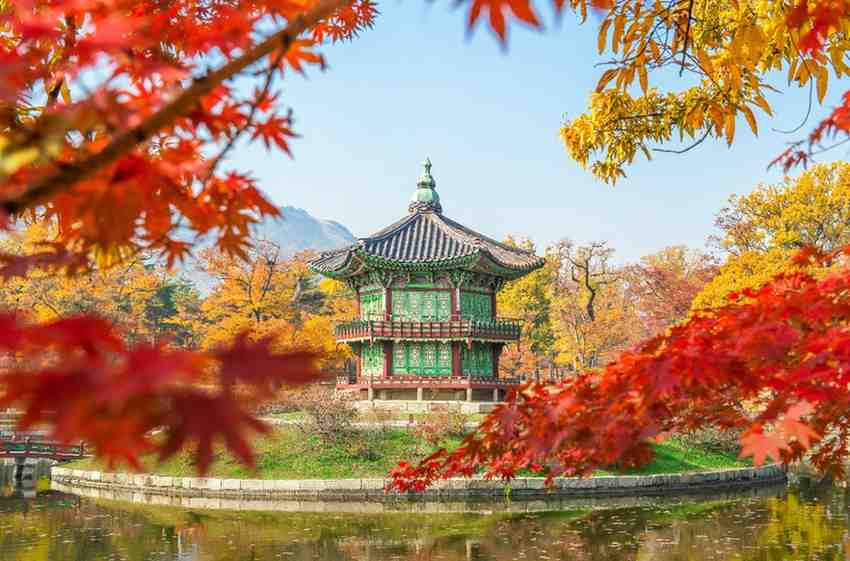
Nestled in the heart of vibrant Seoul, South Korea, Changdeokgung Palace stands as a breathtaking testament to the architectural brilliance and profound cultural heritage of the Joseon Dynasty. More than just a collection of majestic buildings, this UNESCO World Heritage site, designated in 1997, is celebrated for its unparalleled harmonious integration with the surrounding natural landscape. Unlike the more geometrically structured Gyeongbokgung, Changdeokgung was designed to blend seamlessly with the undulating topography, reflecting a deep respect for nature characteristic of traditional Korean aesthetics.
Originally built in 1405 by King Taejong, Changdeokgung served as a secondary palace to Gyeongbokgung. However, after Gyeongbokgung was devastated during the Japanese invasions of the late 16th century, Changdeokgung rose to prominence, becoming the primary royal residence and seat of government for over 270 years. It was here that many Joseon kings and queens lived, ruled, and shaped the destiny of the nation, leaving behind a legacy etched into every gate, hall, and garden. Its sprawling complex includes not only magnificent halls used for state ceremonies and royal living quarters but also the renowned Huwon, often called the "Secret Garden," a masterpiece of landscape design that offers a tranquil escape into nature's embrace.
Visiting Changdeokgung Palace is not merely a sightseeing excursion; it's an immersive journey back in time, allowing visitors to walk in the footsteps of kings and queens, marvel at exquisite craftsmanship, and experience the serene beauty of traditional Korean gardens. It represents the pinnacle of East Asian palace architecture and garden design, making it an indispensable destination for anyone exploring Seoul's rich historical tapestry.
The story of Changdeokgung Palace is deeply interwoven with the history of the Joseon Dynasty (1392-1910), one of Korea's longest-ruling dynasties. Built in 1405 by King Taejong as an auxiliary palace, its name, meaning "Prospering Virtue Palace," foreshadowed its future importance. The palace was meticulously planned to follow the natural contours of the land, rather than imposing a strict symmetrical layout, a stark contrast to Chinese-influenced palace designs. This approach fostered a deep connection between the royal inhabitants and the natural world, symbolizing the Joseon philosophy of harmony.
Tragically, like many Korean palaces, Changdeokgung suffered extensive damage during the Japanese invasions (Imjin War, 1592-1598) and was burnt down. However, its strategic importance led to its reconstruction beginning in 1607 under King Seonjo, and it eventually surpassed Gyeongbokgung as the primary royal residence. For centuries, it was the center of Joseon governance and culture, witnessing countless royal events, political intrigues, and cultural developments. Many kings, including the famous King Sejong the Great, are associated with the palace, further cementing its historical weight.
The palace complex continuously evolved over time, with additions and renovations reflecting the changing needs and tastes of its royal occupants. Notably, the Nakseonjae complex, added in the 19th century, represents a simpler, more understated architectural style, reflecting the later Joseon period's aesthetic. Even after the collapse of the Joseon Dynasty and during the Japanese colonial period, Changdeokgung remained a residence for the deposed royal family for some time, making it the last royal palace to house members of the former imperial household.
Today, Changdeokgung's UNESCO designation underscores its outstanding universal value. It stands as a prime example of East Asian palace architecture and garden design, showcasing how a royal residence can integrate seamlessly with its natural setting while embodying profound philosophical and aesthetic principles. Its preservation offers invaluable insights into the royal court life, governance, and cultural achievements of the Joseon Dynasty, making it a living museum of Korean history.
Changdeokgung Palace is a vast complex, each section offering unique insights into royal life and Joseon architecture. Allocate at least 2-3 hours for the main palace grounds and an additional 1.5-2 hours for a guided tour of the Secret Garden.
The main gate of Changdeokgung, Donhwamun, is the oldest existing palace gate in Seoul, dating back to 1412. Its two-story, pavilion-style structure exudes grandeur. Look for the massive bronze bell inside the gate. This gate served as the primary entrance for the king and state guests, setting the tone for the majesty within.
The Throne Hall of Changdeokgung, Injeongjeon, is where the most important state ceremonies took place, including coronations, receiving foreign envoys, and official assemblies. Its majestic two-tiered structure with a spacious courtyard paved with granite stones and surrounded by covered corridors (Haenggak) showcases the power and dignity of the Joseon monarchy. The interior features a magnificent throne under a golden canopy, with an intricately painted folding screen (Irworobongdo) depicting the sun, moon, and five peaks behind it – a symbol of royal authority and the prosperity of the nation.
Located behind Injeongjeon, Seonjeongjeon served as the king's official office and audience hall where daily affairs of state were conducted. What makes this hall distinctive is its rare blue-tiled roof, a unique feature among Joseon palaces, believed to have been imported from China or made with a special technique. This smaller, more intimate setting facilitated discussions between the king and his officials, showcasing the daily administrative life of the royal court.
Originally the king's living quarters, Huijeongdang later transformed into a working office after the Injeongjeon proved too formal for daily duties. This hall is notable for its blend of traditional Korean and early 20th-century Western architectural elements, a result of renovations after a fire. You can see traditional decorative patterns alongside modern features like electric lighting and glass windows, reflecting the changing times at the end of the Joseon Dynasty.
Daejojeon was the queen's official residence and the main living quarters for the royal family. It is distinct because it lacks a ridge beam on its roof, a feature often associated with the concept that the king is the only one who can "sit" above the palace. This hall witnessed many important events, including royal births and deaths. The interior design, with its colorful murals and traditional furniture, offers a glimpse into the intimate daily life of the royal family.
Built by King Heonjong in 1847 for his concubine Gyeongbin Kim and later used by the last Joseon empress, Queen Yun, and Princess Deokhye, Nakseonjae stands out for its elegant simplicity and lack of elaborate Dancheong (traditional Korean decorative painting). The complex comprises several buildings, including Nakseonjae (House of Joyful Abundance), Sugangjae (House of Longevity), and Seokbokheon (House of Tranquil Happiness). Its refined beauty, intricate window patterns, and surrounding gardens offer a serene atmosphere, a stark contrast to the more ornate main halls.
The Huwon, also known as Biwon or the Secret Garden, is arguably the most captivating part of Changdeokgung. This sprawling 78-acre garden was exclusively reserved for the royal family and designed to be a private retreat, reflecting a deep connection with nature. Its design eschews artificiality, instead embracing and enhancing the natural landscape of hills, valleys, and streams. Access to the Huwon is typically by guided tour only, which enhances the experience by providing historical context and ensuring its delicate preservation.
Choosing the right time to visit Changdeokgung Palace can significantly enhance your experience, especially if you plan to explore the Secret Garden.
Regardless of the season, consider visiting on a weekday rather than a weekend to avoid larger crowds. Arriving shortly after opening hours also allows for a more peaceful experience before the main rush begins. English guided tours for the Secret Garden run at specific times, so check the official website in advance.
Changdeokgung Palace is conveniently located in central Seoul and is easily accessible by various modes of public transportation.
The subway is the most efficient and popular way to get around Seoul.
Several bus routes stop near Changdeokgung Palace. Look for stops like "Changdeokgung" or "Changdeokgung.Wonnamdong" (창덕궁.원남동).
Using a navigation app like KakaoMap or Naver Map is highly recommended for real-time bus information and routes, as they are very accurate in Korea.
Taxis are readily available throughout Seoul. Simply tell the driver "Changdeokgung Gung" (창덕궁). Ride-hailing apps like Kakao T are also widely used and convenient, especially if you prefer to pay with a card or have a language barrier.
If you're staying in nearby areas like Bukchon Hanok Village, Insadong, or Samcheongdong, Changdeokgung is within comfortable walking distance, allowing you to enjoy the charming streets of old Seoul along the way.
Seoul boasts one of the most efficient, extensive, and user-friendly public transportation systems in the world, making it easy to navigate the city without a car.
The T-Money card is a rechargeable smart card used for all public transport in Seoul (and many other cities in Korea). It offers discounted fares compared to single-use tickets and saves you the hassle of buying a ticket for each journey. You can purchase a T-Money card at any convenience store (GS25, CU, 7-Eleven, etc.) or at vending machines in subway stations. Load it with money at these same locations. Simply tap the card when entering and exiting subway gates or buses. Don't forget to tap off the bus, or you might be charged a higher fare for the maximum route.
The subway is the backbone of Seoul's public transport. It's clean, safe, efficient, and well-signposted in both Korean and English. Each line is color-coded, and stations announce stops in multiple languages. Download a subway map app (such as "Seoul Subway" or utilize KakaoMap/Naver Map) for easy navigation. Pay attention to the destination of the train and the correct direction (e.g., "towards Gangnam" or "towards Seoul Station").
Seoul's bus system is comprehensive, reaching areas the subway doesn't cover as directly. Buses are categorized by color:
Bus stops are well-marked, and electronic displays show arrival times. Again, KakaoMap or Naver Map are invaluable for planning bus routes.
For navigating Seoul, two apps are indispensable:
With a T-Money card and one of these apps, you'll be able to explore Seoul efficiently and affordably.
Exploring the areas around Changdeokgung Palace offers a delightful culinary journey, from traditional Korean fare to trendy cafes.
Just a short walk from Changdeokgung, Jongno 3-ga is known for its bustling atmosphere. Ikseondong Hanok Village, nestled within this area, is a charming labyrinth of renovated traditional Korean houses (hanok) that now house stylish cafes, unique boutiques, and fusion restaurants. This is an excellent spot for:
A cultural hub famous for traditional crafts, art galleries, and antique shops, Insadong is also a fantastic place to sample authentic Korean food. It's just a 10-15 minute walk from Changdeokgung.
Located on the other side of the palace, leading towards Bukchon Hanok Village, Samcheongdong-gil is a picturesque street lined with elegant cafes, art galleries, and upscale restaurants. It's perfect for a leisurely stroll and a sophisticated meal or a relaxing coffee break.
Don't be afraid to venture into smaller alleys and local eateries; they often offer the most authentic and delicious experiences.
Seoul can be an expensive city, but with smart planning, you can enjoy its wonders without breaking the bank.
Staying near Changdeokgung Palace offers excellent access to historical sites, traditional culture, and convenient public transport.
The Jongno-gu district, where Changdeokgung is located, offers numerous excellent mid-range options.
When choosing accommodation, prioritize proximity to a subway station. Booking in advance, especially during peak travel seasons (spring and autumn), is highly recommended to secure your preferred choice and potentially better rates.
Seoul is consistently ranked as one of the safest major cities in the world. Violent crime is rare, and pickpocketing is not common. However, it's always wise to practice general travel safety precautions.
By keeping these simple tips in mind, you can enjoy a safe and memorable trip to Changdeokgung Palace and the vibrant city of Seoul.
No, the Secret Garden (Huwon) requires a separate entrance fee and typically a mandatory guided tour. While you pay a small fee to enter the main palace grounds, you'll need to purchase an additional ticket specifically for the Huwon tour. It's highly recommended to book your Secret Garden tour in advance online, especially for English-language tours, as spots are limited and can sell out quickly, particularly during peak seasons like spring and autumn.
To fully appreciate Changdeokgung Palace, we recommend allocating at least 2 to 3 hours for the main palace grounds, exploring the various halls and courtyards at a leisurely pace. For the Secret Garden (Huwon), the guided tour itself takes approximately 1.5 to 2 hours. Therefore, a comprehensive visit to both the palace and the garden would typically require a total of 3.5 to 5 hours, excluding travel time to and from the site. Factor in extra time for potential waiting in line, restrooms, or grabbing a snack.
Yes, absolutely! Many visitors choose to rent and wear traditional Korean Hanbok, not only for beautiful photo opportunities but also because visitors in Hanbok often receive free admission to the main palace grounds (though typically not for the Secret Garden tour). There are numerous Hanbok rental shops located in the areas surrounding Changdeokgung, particularly near Anguk Station and in Insadong, where you can choose from a wide variety of styles and colors for a memorable experience.
Yes, English guided tours are available for both the main palace grounds and the Secret Garden. For the Secret Garden, the guided tour is usually mandatory to access the area. It is highly recommended to check the official Changdeokgung Palace website for the latest English tour schedules and to book your Secret Garden tour online in advance, as tour slots are limited and can fill up quickly, especially during busy travel periods. The guides provide invaluable historical context and stories that enrich the visit.
Changdeokgung Palace has varying degrees of accessibility. The main palace grounds feature relatively flat, paved pathways that are generally manageable for wheelchairs and strollers, though some areas may have uneven surfaces or slight inclines. However, the Secret Garden (Huwon) is designed with natural terrain, including unpaved paths, hills, and steps, making it significantly less accessible for those with mobility issues. It's best to consult the palace's official visitor information or contact them directly for specific accessibility details if needed.
Changdeokgung Palace was designated a UNESCO World Heritage site in 1997 because it represents an outstanding example of East Asian palace architecture and garden design, harmoniously integrated into its natural surroundings. Its unique design, which adapted to the topography rather than imposing a strict layout, reflects a profound respect for nature. The palace complex also vividly illustrates the Joseon Dynasty's culture, royal court life, and administrative systems over centuries, serving as the primary royal residence for a long period and embodying significant historical and cultural value.
Changdeokgung Palace is more than just an ancient landmark; it is a living embodiment of Korea's rich history, architectural ingenuity, and profound connection to nature. From the majestic Donhwamun Gate to the serene beauty of the Secret Garden, every corner of this UNESCO World Heritage site tells a story of kings, queens, and the enduring spirit of the Joseon Dynasty. Its harmonious blend of intricate structures and meticulously preserved landscapes offers a tranquil retreat from the bustling city, inviting visitors to step back in time and experience the elegance of a bygone era.
Whether you're drawn by its historical significance, the allure of its traditional Korean architecture, or the breathtaking seasonal beauty of its gardens, Changdeokgung Palace promises an unforgettable experience. Plan your visit to this Seoul treasure and embark on a journey that will deepen your appreciation for Korea's artistic and cultural achievements.