info@24x7tt.com

info@24x7tt.com
Blog Detail
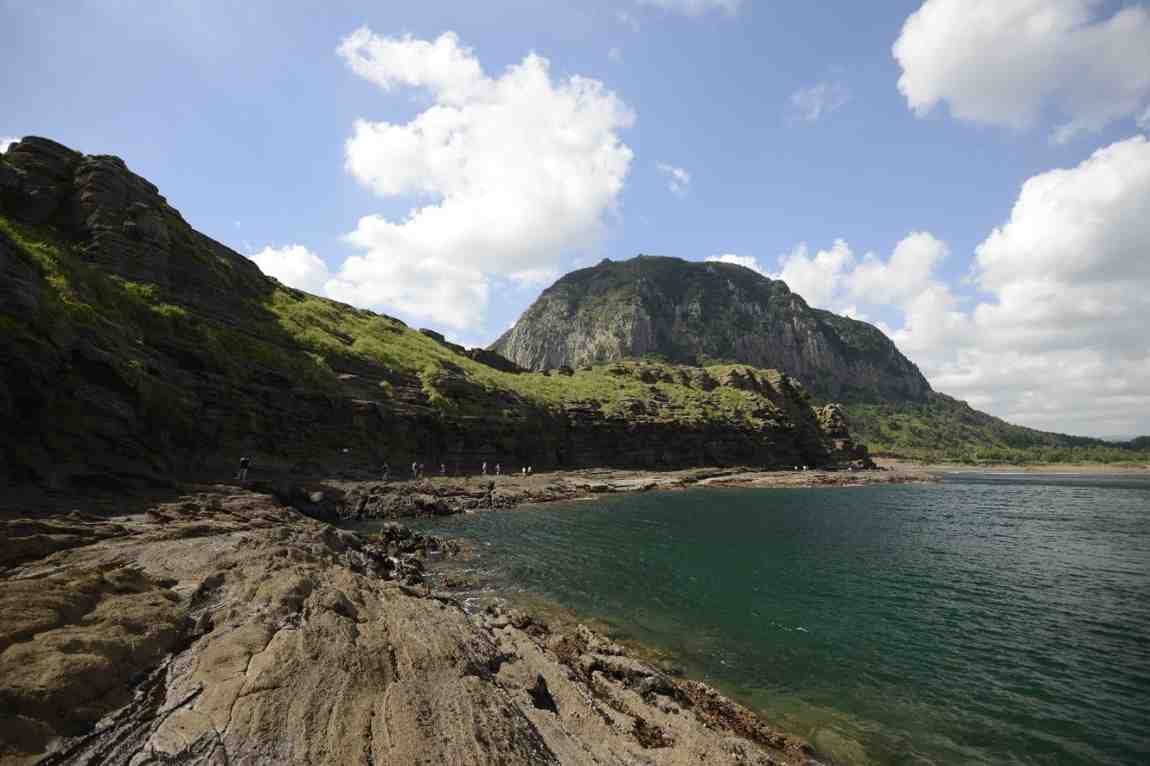
Nestled off the southern coast of South Korea, Jeju Island stands as a testament to nature's unparalleled artistry. Often hailed as the "Hawaii of Korea," this volcanic island is a UNESCO World Heritage site, celebrated for its unique geological formations, pristine beaches, and lush ecosystems. It's a destination where adventure beckons from every hiking trail, relaxation awaits on sun-drenched shores, and cultural immersion unfolds in vibrant markets and historic villages. Jeju Island offers a distinct blend of natural wonders and serene escapes, making it an irresistible magnet for travelers worldwide.
From the towering peak of Hallasan, South Korea's highest mountain, to the mesmerizing depths of its ancient lava tubes, Jeju's landscape tells a story millions of years in the making. Its coastline is dotted with picturesque beaches, dramatic cliffs, and stunning waterfalls, each offering a unique vista and experience. Beyond its natural allure, the island boasts a rich cultural heritage, evident in its unique dialect, traditional stone statues (Dol Hareubang), and distinctive local cuisine featuring fresh seafood and the famed black pork. Whether you're an avid hiker, a beach lover, a culinary explorer, or simply seeking a tranquil retreat, Jeju Island promises an unforgettable journey into South Korea's natural paradise.
Jeju Island offers a delightful experience year-round, but the "best" time to visit largely depends on your preferred activities and tolerance for crowds. Each season paints the island in a different hue, presenting unique opportunities for exploration.
Spring is arguably one of the most beautiful times to visit Jeju. The island erupts in a riot of color, with vibrant yellow canola fields blanketing the landscape and delicate cherry blossoms adorning the streets and parks. The weather is pleasantly mild, making it ideal for hiking Hallasan Mountain and exploring outdoor attractions without the summer heat or humidity. Expect comfortable temperatures ranging from 15°C to 20°C. This season is popular, so booking accommodations and flights in advance is advisable.
Summer brings warmth and sunshine, transforming Jeju into a bustling hub for beach lovers and water sports enthusiasts. Temperatures range from 25°C to 30°C, perfect for swimming, snorkeling, scuba diving, and simply relaxing on the island's many beautiful beaches like Hyeopjae and Jungmun. While the weather can be hot and humid, and occasional typhoons may occur (especially in August), the vibrant atmosphere and array of activities make it a prime time for a lively vacation. Be prepared for larger crowds and higher prices during peak season.
Autumn is another magnificent season, characterized by crisp, clear skies and comfortable temperatures (18°C to 25°C). The island's landscapes transform into stunning tapestries of red, orange, and gold as the leaves change, creating breathtaking scenery, especially around Hallasan and other forested areas. This season is excellent for hiking, cycling, and enjoying outdoor festivals. The crowds begin to thin out slightly after the summer rush, offering a more serene experience while still enjoying pleasant weather.
Winter on Jeju Island, while cooler (5°C to 10°C), offers a unique charm. Hallasan Mountain often gets snow-capped, providing spectacular winter hiking opportunities, though some trails may close due to heavy snowfall. The island is quieter, making it ideal for those seeking tranquility and a more intimate experience with nature. You can enjoy the unique beauty of camellia flowers blooming, explore indoor attractions, or indulge in warm local cuisine. It's also the season for Hallabong tangerines, a sweet and juicy local specialty.
Jeju Island is a treasure trove of natural wonders and cultural gems. Its diverse landscape ensures there's something to captivate every visitor.
Dominating the island's center, Hallasan Mountain is a majestic shield volcano and South Korea's highest peak, soaring 1,950 meters above sea level. This UNESCO-designated Biosphere Reserve is home to diverse ecosystems, from subtropical forests at its base to alpine flora near its summit. The crater lake, Baengnokdam, at the top is a breathtaking sight. Hallasan offers several well-maintained hiking trails, ranging from easy strolls to challenging climbs that require a full day. The Gwanneumsan and Seongpanak trails lead to the summit, offering panoramic views of the entire island and beyond. The mountain is particularly stunning in spring with azaleas, in autumn with vibrant foliage, and in winter when blanketed in snow. Hikers should check weather conditions and trail statuses before embarking.
A spectacular tuff cone formed by hydrovolcanic eruptions thousands of years ago, Seongsan Ilchulbong is perhaps Jeju's most iconic landmark. Its dramatic crater rim, adorned with 99 sharp rocks, resembles a giant crown. Climbing the well-paved stairs to the summit takes about 20-30 minutes and rewards visitors with awe-inspiring panoramic views, especially at sunrise (hence its name, Sunrise Peak). From the top, you can gaze upon the vast expanse of the ocean, the verdant island, and the unique geological formations. At the base, you can witness the famous 'Haenyeo' (Jeju's women divers) show, a captivating glimpse into the island's unique cultural heritage.
One of the finest and best-preserved lava tunnels in the world, Manjanggul is a designated UNESCO World Heritage site. Stretching over 7.4 kilometers, with a section of about 1 kilometer open to the public, this colossal tube offers a fascinating journey into the Earth's geological past. Inside, visitors can marvel at incredible lava formations, including lava stalagmites, lava stalactites, lava flowlines, and the towering 7.6-meter lava column, the largest known in the world. The cool, damp air inside provides a refreshing escape from the summer heat, while the dimly lit interior creates an atmospheric and otherworldly experience. Comfortable walking shoes and a light jacket are recommended.
Jeju Island boasts an array of beautiful beaches, each with its own unique charm.
Jeongbang is one of only a few waterfalls in Asia that plunges directly into the ocean. The 23-meter high waterfall creates a spectacular sight and sound as its waters crash onto the rocks below, just meters from the sea. Legend has it that a dragon lived beneath the falls, protecting the island. The area surrounding the falls is adorned with lush subtropical plants, adding to its picturesque charm. It's easily accessible and offers stunning photographic opportunities, especially at high tide.
Meaning "Sky Connected Pond," Cheonjiyeon Waterfall is a majestic cascade flowing into an artificial pond, surrounded by a natural park. The waterfall itself is 22 meters high and 12 meters wide, creating a serene and mystical atmosphere. The path leading to the falls meanders through a beautiful forested area, home to a variety of rare plants. At night, the illuminated waterfall provides a magical experience. Don't miss the tranquil pond where various fish species, including the protected Giant Mottled Eel, reside.
Just a short ferry ride from Seongsan Ilchulbong, Udo Island (Cow Island, named for its shape) is a charming microcosm of Jeju itself. It's famous for its pristine white beaches, unique volcanic landscapes, and tranquil rural atmosphere. Visitors can rent bicycles, electric scooters, or take a bus tour to explore the island's many attractions, including Seobinbaeksa Beach (with its dazzling white coral sand), the lighthouse park, and various cafes offering local specialties like peanut ice cream and seafood ramen. Udo offers a peaceful escape and stunning coastal views.
Step back in time at Seongeup Folk Village, a perfectly preserved traditional village that offers a glimpse into Jeju's past. This historical site showcases the unique culture, architecture, and lifestyle of the island's inhabitants from centuries ago. Visitors can explore traditional straw-thatched homes, learn about the local customs, observe traditional crafts, and even interact with residents who still live there. The village also features ancient trees, stone statues, and demonstrations of traditional Jeju farming techniques. It's a fantastic opportunity to understand the island's heritage and its people's resilience.
Jeju Island is highly accessible, primarily by air, making it a convenient destination for both domestic and international travelers.
Domestic Flights: Jeju International Airport (CJU) is one of South Korea's busiest airports, with frequent daily flights from major cities like Seoul (Gimpo and Incheon), Busan, Daegu, Gwangju, and Cheongju. The Seoul-Jeju route is one of the busiest in the world, with flights departing every 15-30 minutes during peak times. Flight duration from Seoul is approximately 1 hour. Several domestic airlines, including Korean Air, Asiana Airlines, Jeju Air, T'way Air, Eastar Jet, and Jin Air, operate these routes, often offering competitive prices.
International Flights: Jeju also has direct international flights from a growing number of cities, primarily from China, Japan, and Southeast Asian countries. However, for many international travelers, it's common to fly into Incheon International Airport (ICN) near Seoul first, and then take a connecting domestic flight to Jeju.
For those who prefer sea travel or wish to bring their vehicles, ferries are available from several mainland ports. Services operate from Mokpo, Wando, Yeosu, and Busan to Jeju. Ferry journeys can range from 3 to 12 hours depending on the departure port and vessel type. While slower than flying, it offers a scenic alternative and a different travel experience. Check ferry schedules and book tickets in advance, especially during peak seasons.
Once on Jeju, you have several options for exploring its vast landscapes.
Jeju Island's cuisine is a delightful reflection of its volcanic landscape and abundant marine resources. Freshness and unique flavors define its culinary identity.
For an authentic culinary adventure, head to Jeju's traditional markets like Dongmun Market in Jeju City, where you'll find a vast array of street food, fresh produce, seafood, and local delicacies. Many restaurants specializing in black pork are concentrated around Jeju City and Seogwipo. Coastal towns offer excellent seafood restaurants, often with scenic ocean views.
Jeju's public transport system, primarily buses, has been significantly improved, making it a viable option for travelers without a car. While less flexible than renting a car, it's economical and environmentally friendly.
Payment: It's highly recommended to purchase a T-Money card (available at convenience stores like GS25, CU) and load it with money. This allows for cashless payments, offers transfer discounts when switching between buses within a certain timeframe, and is generally more convenient than cash. Real-time bus information is available via apps like KakaoMap or Naver Map, which are essential for navigating the bus routes.
Jeju Island can be enjoyed on various budgets. Here’s how to make your money go further:
Jeju Island offers a wide spectrum of accommodation options to suit every budget and travel style, from luxurious resorts to charming guesthouses.
The Jungmun Tourist Complex in Seogwipo is home to several high-end international hotel chains and luxury resorts. These offer impeccable service, world-class amenities (spas, golf courses, private beaches, gourmet dining), and stunning ocean views. Examples include The Shilla Jeju, Lotte Hotel Jeju, and Grand Hyatt Jeju. Ideal for honeymooners, families seeking comfort, or those looking for a pampering retreat.
Throughout Jeju City and Seogwipo, as well as in smaller coastal towns like Aewol and Hamdeok, you'll find a growing number of stylish boutique hotels and comfortable mid-range options. These often feature unique designs, personalized service, and good value for money. Many offer amenities like cafes, small pools, and scenic views, providing a blend of comfort and local charm.
For budget-conscious travelers or those seeking a more social atmosphere, guesthouses and hostels are plentiful. They range from basic dormitories to cozy private rooms, often run by friendly locals who can offer insider tips. Many guesthouses are located in picturesque areas, close to beaches or hiking trails, fostering a sense of community among travelers.
Pensions are a popular choice, especially for families or groups. These are typically apartment-style accommodations, often equipped with kitchenettes, allowing for self-catering. They vary in size and style, from modern units to more rustic, charming bungalows, often located in scenic, quieter areas of the island.
Booking Tips: It's always advisable to book your accommodation in advance, especially during peak season (summer, public holidays, and cherry blossom season), as popular spots fill up quickly. Websites like Booking.com, Agoda, and local Korean platforms are useful.
Jeju Island is generally a very safe destination, known for its low crime rate and welcoming atmosphere. However, like any travel destination, it's wise to be aware of a few general safety precautions.
For many nationalities, Jeju Island offers a visa-free entry policy for up to 30 days, even if you would normally require a visa for mainland South Korea. However, this policy is subject to change and specific conditions. It's crucial to check the latest visa requirements for your nationality with the South Korean embassy or consulate in your country before planning your trip.
The local currency is the South Korean Won (KRW). Credit cards (Visa, MasterCard, American Express) are widely accepted at most hotels, restaurants, and larger shops. However, it's always good to carry some cash for smaller vendors, traditional markets, and public transport (though a T-Money card is better for buses).
The most flexible way to explore Jeju is by renting a car (international driving permit required). Alternatively, the island has an extensive and efficient public bus system. Taxis are also available. For specific areas, bicycle or scooter rentals can be fun.
To experience Jeju Island comprehensively, a minimum of 3-5 full days is recommended. This allows enough time to visit major attractions, enjoy a hike, relax on a beach, and savor the local cuisine without feeling rushed. If you wish to explore at a leisurely pace or engage in multiple activities, 7 days would be ideal.
While major tourist attractions, hotels, and some restaurants will have staff who speak basic to intermediate English, it is not universally spoken. Learning a few basic Korean phrases (hello, thank you, excuse me) can be very helpful and appreciated. Translation apps like Google Translate or Papago are highly recommended.
Unique souvenirs include Hallabong tangerines (or products made from them), local chocolates, Jeju black pork products, Dol Hareubang (stone grandfather) replicas, various tea products, and items made from volcanic rock or seashells.
Absolutely! Jeju Island is very family-friendly, offering a wide range of attractions for all ages, including safe beaches, eco-parks, museums (Teddy Bear Museum, Trick Eye Museum), aquariums, and easy hiking trails. Many resorts and pensions cater specifically to families.
The Jeju Olle Trail is a series of interconnected walking paths around the entire coastline of Jeju Island. There are over 26 main routes (each 10-20 km long) that offer diverse scenery, from coastal cliffs to forest paths and rural villages. Each trail is well-marked and provides a unique way to experience the island's natural beauty and culture at your own pace.
Jeju Island, with its captivating blend of volcanic grandeur, pristine coastlines, rich cultural tapestry, and delectable cuisine, truly lives up to its reputation as Korea's natural paradise. It's a destination that promises adventure, tranquility, and unforgettable memories, beckoning travelers to discover its countless charms. From the thrilling ascent of Hallasan to the serene beauty of its beaches and the warmth of its hospitality, Jeju offers an experience that rejuvenates the soul and ignites the spirit of exploration.