Bukchon Hanok Village - A Glimpse into Korea's Past
Bukchon Hanok Village: A Serene Journey into Korea's Ancient Soul
Nestled amidst the bustling metropolis of Seoul, Bukchon Hanok Village stands as a captivating testament to Korea's rich historical and architectural heritage. This enchanting neighborhood offers more than just picturesque views; it's a living museum, a vibrant community, and a peaceful escape where the echoes of the Joseon Dynasty resonate through beautifully preserved traditional Korean houses, known as hanoks. Often described as a "street museum," Bukchon provides an unparalleled opportunity to step back in time, immerse yourself in traditional Korean culture, and witness the harmonious blend of ancient traditions with modern city life.
Strategically positioned between two of Seoul's most iconic palaces, Gyeongbokgung Palace and Changdeokgung Palace, Bukchon was historically home to high-ranking officials and noble families. Today, its narrow, winding alleyways invite visitors to wander, explore, and uncover the stories etched into every wooden beam and tiled roof. Far from being a mere tourist attraction, many hanoks in Bukchon continue to be private residences, alongside a growing number converted into cultural centers, guesthouses, artisan workshops, and charming cafes. The village's unique charm lies in its authenticity and the tangible connection it offers to Korea's storied past, making it an indispensable stop on any Seoul itinerary for those seeking genuine cultural immersion.
A Journey Back in Time: The Essence of Bukchon Hanok Village
Bukchon Hanok Village is not just a collection of old buildings; it's a cultural cornerstone that encapsulates the architectural prowess, social structure, and aesthetic values of the Joseon Dynasty (1392-1897). The village's name, "Bukchon," literally means "northern village," referring to its location north of Cheonggyecheon Stream and Jongno, and between the two grand palaces. This strategic placement underscores its historical significance as a residential area for the royal family and high-ranking government officials, contributing to its unique character and the grandeur of its hanoks.
What Makes Bukchon Unique?
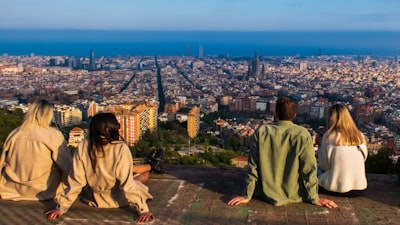
Unlike many other historical sites that are meticulously preserved but feel disconnected from contemporary life, Bukchon thrives as a living, breathing neighborhood. Residents go about their daily lives, adding an authentic layer to the visitor experience. The village seamlessly blends traditional beauty with modern elements, offering stunning panoramic views where the traditional curved roofs of hanoks stand in stark contrast against the futuristic skyline of Seoul. This juxtaposition creates a fascinating dialogue between past and present, making every corner a potential postcard-perfect moment.
The Hanok: A Symbol of Korean Heritage
At the heart of Bukchon's allure are the hanoks themselves. These traditional Korean houses are more than just structures; they are masterpieces of natural engineering and sustainable living, designed to harmonize with their surroundings and adapt to Korea's distinct seasons. Key architectural features include:
- Ondol (Underfloor Heating): A traditional heating system that warms the house from below, providing comfort during cold winters.
- Maru (Wooden Floor): A cool, elevated wooden floor common in summer, designed for ventilation and relaxation.
- Giwa (Tiled Roof): Beautifully curved, often black tiles that contribute to the hanok's distinctive aesthetic and provide insulation.
- Natural Materials: Hanoks are primarily built using natural materials like wood, stone, soil, and paper, making them breathable and environmentally friendly.
Exploring Bukchon is an education in traditional Korean architecture, showcasing the thoughtful design and craftsmanship that have been passed down through generations. Many hanoks have been lovingly restored, retaining their historical integrity while sometimes incorporating modern amenities for cultural centers or guesthouses, allowing visitors to experience the traditional lifestyle firsthand.
Best Time to Visit
Bukchon Hanok Village offers a unique charm in every season, but certain times of the year enhance the experience based on weather, crowds, and aesthetic beauty.
Seasonal Highlights
- Spring (April - May): Arguably the most popular time, as the weather is mild and pleasant, and cherry blossoms bloom beautifully around the palaces and throughout Seoul. The soft pastels against the traditional architecture create breathtaking scenes. However, this is also a peak tourist season, so expect larger crowds.
- Autumn (September - November): Another highly recommended season. The crisp air and vibrant autumn foliage transform the village into a palette of fiery reds, oranges, and golds. The clear skies offer excellent visibility for panoramic views, and the comfortable temperatures make for enjoyable wandering. Like spring, it's a popular time, but the natural beauty is unparalleled.
- Summer (June - August): Summers in Seoul can be hot and humid, with occasional heavy rainfall. While the village is still beautiful, walking through the alleys might be less comfortable. However, summer brings lush greenery, vibrant festivals, and a lively atmosphere. Early mornings or late afternoons are best to avoid the midday heat.
- Winter (December - March): Winter offers a serene and often magical experience, especially after a snowfall when the hanoks are dusted in white. The village is generally quieter, providing a more peaceful exploration. Bundle up, as temperatures can drop significantly. The bare trees allow for clearer views, and the traditional ondol heating in hanok guesthouses is particularly inviting.
Avoiding the Crowds
To fully appreciate Bukchon's tranquility and architectural details, consider visiting during the following times:
- Weekdays: Significantly less crowded than weekends.
- Early Mornings: Arriving shortly after sunrise (around 8-9 AM) allows you to experience the village in relative quiet, capture stunning photographs without many people, and observe local life beginning.
- Late Afternoons: As the sun begins to set, the light can be beautiful, and some of the daytime crowds start to dissipate.
Top Attractions in Bukchon Hanok Village
Bukchon Hanok Village itself is an attraction, with every alleyway and traditional house offering something to discover. However, certain spots are particularly renowned for their beauty, history, or cultural significance.
Main Photo Spots & Viewpoints (Bukchon 8 Views)
The "Bukchon 8 Views" are a designated set of scenic points that offer the most iconic perspectives of the village and its surroundings. While finding all eight can be a fun challenge, these are some of the most popular:
- Gahoe-dong 11-beonji (Bukchon 2nd, 3rd, and 4th Views): This uphill alleyway is perhaps the most famous and photographed spot. Lined with traditional hanoks on both sides, it culminates in a breathtaking view of Seoul's modern skyline contrasting with the traditional roofs. Be prepared for crowds, but the view is worth it.
- Gahoe-dong 31-beonji (Bukchon 5th and 6th Views): This area offers a quieter charm, showcasing the intricate details of individual hanoks and narrower, more intimate alleyways. The atmosphere here is more residential and less commercial.
- Samcheong-dong Stone Stairway (Bukchon 7th View): A unique set of stairs made entirely of a single large piece of rock, connecting Bukchon to the artistic Samcheong-dong area.
- Changdeokgung Palace Entire View (Bukchon 1st View): A vantage point that offers a sweeping view of Changdeokgung Palace's elegant roofs nestled among greenery.
Look for signs with maps indicating these views, but truly, the best way to explore is to simply wander and let the village surprise you.
Cultural Centers & Workshops
Many hanoks have been transformed into cultural spaces where visitors can gain a deeper understanding of Korean traditions:
- Bukchon Traditional Culture Center: A central hub offering information, maps, and often free exhibitions. They sometimes host traditional craft workshops or performances.
- Gahoe Museum: Specializes in Korean folk paintings (minhwa), ancient talismans, and traditional crafts. It offers a fascinating insight into the beliefs and artistic expressions of the common people during the Joseon era.
- Han Sangsu Embroidery Museum: Showcases exquisite traditional Korean embroidery, from intricate ceremonial attire to everyday items, highlighting the artistry and skill involved.
- Seoul Intangible Cultural Heritage Center: Located near Bukchon, this center preserves and promotes various intangible cultural heritage forms, often hosting demonstrations and workshops (e.g., traditional music, dance, crafts).
- Tea Ceremony Experiences: Several hanok teahouses offer traditional Korean tea ceremonies, a serene and meditative experience where you learn about the etiquette and philosophy behind Korean tea culture.
- Traditional Craft Workshops: Many hanoks offer hands-on experiences like knot-tying (maedeup), natural dyeing, pottery, or making traditional paper (hanji) crafts. These are excellent ways to create a personal souvenir and learn a new skill.
Museums & Galleries
Beyond the cultural centers, several smaller museums and art galleries are dotted around Bukchon and the adjacent Samcheong-dong area:
- Bukchon Oriental Medicine Clinic: Though primarily a functioning clinic, its traditional architecture and serene atmosphere are worth noting.
- Museum of Korean Art: Features a collection of traditional and modern Korean art.
- Art Galleries in Samcheong-dong: The adjacent Samcheong-dong Street is famous for its numerous small art galleries, showcasing contemporary Korean art. It's a great area for art lovers to explore after visiting the hanok village.
Bukchon Dong-gil Road & Samcheong-dong Street
While wandering the inner alleys is essential, these main thoroughfares offer their own appeal:
- Bukchon Dong-gil Road: This road runs along the ridge of Bukchon and offers some of the best panoramic views of the village below and the city beyond. It's a key route for capturing those iconic photos.
- Samcheong-dong Street: Located directly south and west of Bukchon, this trendy street is lined with unique cafes, boutique shops, contemporary art galleries, and restaurants. It offers a stylish contrast to the traditional hanoks and is perfect for a coffee break or a meal.
Exploring Nearby Palaces and Shrine
Bukchon's location makes it an ideal base for exploring Seoul's royal heritage. The following are within easy walking distance:
- Gyeongbokgung Palace: The largest and most iconic of the Five Grand Palaces built during the Joseon Dynasty. Famous for its majestic gates, impressive courtyards, and the National Folk Museum of Korea located within its grounds. Don't miss the changing of the guard ceremony.
- Changdeokgung Palace and Huwon (Secret Garden): A UNESCO World Heritage site, Changdeokgung is known for its beautiful architecture that harmonizes with the natural landscape. The Huwon (Secret Garden) is a masterpiece of Korean landscaping, requiring a separate guided tour reservation.
- Jongmyo Shrine: Another UNESCO World Heritage site, this royal ancestral shrine is dedicated to the deceased kings and queens of the Joseon Dynasty. It is an austere and deeply spiritual place, offering insight into traditional Korean Confucian rituals.
How to Reach Bukchon Hanok Village
Bukchon Hanok Village is conveniently located in central Seoul and is easily accessible via public transport.
From Incheon International Airport (ICN)
From Gimpo International Airport (GMP)
From Major Seoul Stations (e.g., Seoul Station, Myeongdong, Gangnam)
- Via Subway to Anguk Station (Line 3):
- From Seoul Station: Take Line 1 to Jongno 3(sam)-ga Station, then transfer to Line 3 (towards Daehwa) and get off at Anguk Station (Exit 2).
- From Myeongdong: Take Line 4 to Chungmuro Station, then transfer to Line 3 (towards Daehwa) and get off at Anguk Station (Exit 2).
- From Gangnam: Take Line 3 (towards Daehwa) directly to Anguk Station (Exit 2).
Recommended Public Transport Routes
The easiest and most common way to reach Bukchon Hanok Village is by taking Seoul Subway Line 3 to Anguk Station (Exit 2). From there, head east for about 100 meters, and you'll see a large information center and a map. Follow the signs uphill to enter the village. Be prepared for some uphill walking, as the village is built on a hillside.
Local Food Guide: A Taste of Tradition
Exploring Bukchon is not complete without indulging in the rich flavors of Korean cuisine. The village and its surrounding areas offer a delightful array of traditional eateries, charming cafes, and bustling street food stalls.
Traditional Korean Dining
For an authentic dining experience, look for restaurants specializing in:
- Bibimbap (비빔밥): A vibrant bowl of warm white rice topped with an assortment of sautéed vegetables, gochujang (chili paste), egg, and often beef. A classic Korean dish that is both healthy and delicious.
- Kimchi Jjigae (김치찌개): A hearty, spicy stew made with kimchi, tofu, pork or tuna, and vegetables. Perfect for a chilly day.
- Samgyetang (삼계탕): A nourishing whole young chicken stuffed with glutinous rice, ginseng, jujubes, and garlic, then slow-cooked in a clear broth. A popular health food, especially in summer.
- Pajeon (파전) & Bindaetteok (빈대떡): Savory pancakes. Pajeon often includes green onions and seafood, while Bindaetteok is a mung bean pancake. Great as an appetizer or a light meal, especially with makgeolli (rice wine).
- Korean BBQ (고기): While more common in areas like Hongdae or Gangnam, you can find excellent BBQ restaurants near Bukchon, offering various cuts of marinated or unmarinated meat (pork belly, beef short ribs) grilled at your table.
Street Food Delights
For a quick and delicious bite while exploring, don't miss the street food:
- Hotteok (호떡): Sweet, chewy pancakes filled with brown sugar, honey, peanuts, and cinnamon, often served hot in winter.
- Gyeranppang (계란빵): A fluffy, savory-sweet bread loaf with a whole egg baked inside.
- Tteokbokki (떡볶이): Spicy stir-fried rice cakes, often with fish cakes and a sweet, spicy gochujang sauce. A quintessential Korean street food.
- Eomuk (어묵): Skewered fish cakes served in a savory broth, perfect for warming up.
Charming Cafes & Teahouses
Bukchon and especially the adjacent Samcheong-dong are renowned for their picturesque cafes and traditional teahouses. Many are housed in beautifully restored hanoks, offering a unique ambiance.
- Traditional Teahouses: Experience the art of Korean tea, often served with traditional sweets (hangwa). These places offer a serene retreat from the bustling streets. Look for options serving "ssanghwacha" (a traditional herbal tea) or various flower teas.
- Modern Cafes: Samcheong-dong, in particular, boasts a vibrant cafe scene, from minimalist aesthetic spaces to cozy, artistic nooks. They're perfect for enjoying a cup of coffee, local desserts, and people-watching.
Recommended Dishes to Try
Don't leave Bukchon without trying a warm bowl of Samgyetang (especially after a long walk), a comforting Hotteok, and a traditional tea ceremony experience in a hanok teahouse. These offer a true taste of Korean culture.
Public Transport within Bukchon & Seoul
Seoul boasts one of the world's most efficient and extensive public transportation systems, making it incredibly easy to navigate both within Bukchon's vicinity and throughout the wider city.
Seoul Metro (Subway)
The Seoul Metropolitan Subway is the backbone of the city's transport. It's clean, safe, frequent, and has English signage and announcements.
- Key Lines for Bukchon: Line 3 (orange) is essential, with Anguk Station (Exit 2) being the primary gateway to the village.
- Navigation: Use apps like Naver Maps, KakaoMap, or Google Maps (though Google Maps is less accurate for public transport in Korea) for real-time directions and estimated travel times.
Buses
Seoul's bus network complements the subway, reaching areas the subway doesn't. Buses are color-coded (blue for main routes, green for connecting routes, red for express, yellow for circular city routes).
- Routes near Bukchon: Several green and blue buses pass through Anguk Station or nearby Jongno areas, providing convenient access to other parts of Seoul.
- Transfers: You can transfer between subway and bus (and vice-versa) within a certain time limit (usually 30-60 minutes) without incurring an extra base fare, as long as you use a T-Money card.
Taxis & Ride-Sharing
- Taxis: Readily available throughout Seoul. Regular taxis are orange or white, while "International Taxis" (black with a yellow stripe) offer English-speaking drivers and fixed fares to airports. Regular taxis are metered and generally affordable.
- Kakao T: Korea's dominant ride-sharing app. It functions similarly to Uber and is highly recommended. You can link a foreign credit card, and the app is available in English.
- Note: Taxis are generally not recommended for getting *into* Bukchon itself due to the narrow, often pedestrian-only alleys and restricted traffic zones. Use them to get to the periphery, like Anguk Station.
T-Money Card
A T-Money card is indispensable for using public transport in Seoul. It's a rechargeable smart card that can be used on subways, buses, and even some taxis and convenience stores.
- Where to Buy: Purchase at convenience stores (e.g., GS25, CU, 7-Eleven) or subway stations.
- How to Use: Tap the card on the scanner when entering and exiting subway gates or when boarding and alighting buses.
- Benefits: Offers a slight discount on fares compared to single-use tickets and allows for free transfers between different modes of transport within a specific time frame.
Travel Budget Tips
Visiting Bukchon Hanok Village and Seoul can be done on various budgets. Here are tips to save money without compromising on the experience.
Accommodation Savings
- Hanok Guesthouses: While some traditional hanok stays can be pricey, particularly luxury ones, many offer reasonably priced rooms, especially if booked in advance or during off-peak seasons. Shop around for deals.
- Hostels & Guesthouses: Look for well-reviewed hostels or guesthouses in nearby areas like Insadong, Jongno, or even closer to Anguk Station. They offer budget-friendly private rooms or dorms.
- Booking in Advance: Popular accommodations, especially unique hanok stays, fill up quickly. Booking several months ahead can secure better rates.
Food & Dining on a Budget
- Street Food: A fantastic way to eat cheaply and deliciously. Tteokbokki, Hotteok, and Gyeranppang are filling and cost only a few thousand won.
- Local Restaurants: Avoid tourist traps. Look for smaller, local eateries (often marked by their Korean menus, though many have English translations or picture menus). Lunch sets (jeongsik) are often good value.
- Convenience Stores (Pyeonui-jeom): Grab a quick and affordable meal, snack, or drink. They often have microwaveable meals, instant noodles, kimbap, and fresh sandwiches.
- Self-Catering (if possible): If your accommodation has a kitchen, buying groceries from a local market can significantly reduce food costs.
Free & Low-Cost Activities
- Explore the Village on Foot: Walking through Bukchon Hanok Village is completely free and the primary activity. You can spend hours just wandering the alleys, enjoying the architecture and views.
- Free Walking Tours: The Seoul Metropolitan Government offers free guided walking tours in English (and other languages) covering Bukchon. These are excellent for historical context and navigation. Book in advance online.
- Palace Grounds: While entry fees apply for Gyeongbokgung and Changdeokgung, they are relatively inexpensive. Consider a combined ticket if visiting multiple palaces. Renting a hanbok (traditional Korean dress) often grants free entry to palaces.
- Museums: Many smaller museums in Bukchon have minimal entrance fees or sometimes offer free admission on specific days.
Transportation Hacks
- T-Money Card: Essential for saving money on public transport by providing transfer discounts and slightly cheaper fares.
- Walk Everywhere Possible: Bukchon is best explored on foot. For areas outside Bukchon but still close (like Insadong or Samcheong-dong), walking is often the quickest and most enjoyable way.
Hotels and Accommodation Near Bukchon
Staying near Bukchon Hanok Village offers a unique blend of traditional charm and easy access to Seoul's historical and cultural attractions. Accommodation options range from authentic hanok stays to modern hotels.
Hanok Stays (Traditional Experience)
For an immersive cultural experience, staying in a hanok guesthouse is highly recommended. You'll sleep on a futon (yo) on the heated ondol floor, often in rooms with traditional paper screens and wooden beams. Prices vary greatly depending on luxury and location.
- Pros: Authentic cultural experience, charming ambiance, often includes a traditional Korean breakfast, unique photo opportunities.
- Cons: Can be less luxurious than modern hotels (e.g., shared bathrooms in some cases, sleeping on the floor may not be for everyone), can be more expensive than standard guesthouses.
- Recommendations: Look for "Bukchonmaru Hanok Guesthouse," "Chung Yeon Jae," "Gongsimga Hanok Guesthouse," or "Ohbok Hanok Guesthouse" for well-regarded options. Book well in advance.
Boutique Hotels & Guesthouses in Samcheong-dong/Insadong
The areas adjacent to Bukchon, particularly Samcheong-dong and Insadong, offer a mix of stylish boutique hotels and comfortable guesthouses that blend traditional aesthetics with modern comforts.
- Pros: Modern amenities, often with unique design, lively neighborhoods with cafes/shops, still within walking distance to Bukchon and palaces.
- Recommendations: Check out places like "Hotel Factory by SM," "Seoul K-Hostel Dongdaemun," or other guesthouses closer to Anguk Station for a balance of convenience and comfort.
Hostels & Budget Options
For budget-conscious travelers, there are numerous hostels and guesthouses located slightly further out, but still easily accessible by public transport (e.g., in Jongno, around Anguk/Jonggak stations).
- Pros: Very affordable, good for solo travelers or those on a tight budget, often have communal areas for meeting other travelers.
- Cons: May require more travel time to Bukchon, shared facilities, less privacy.
- Recommendations: Look for highly-rated hostels in the Jongno or Myeongdong areas which are only a few subway stops away.
Luxury Options
While Bukchon itself has fewer luxury hotels, high-end accommodations are available in the wider Jongno district, offering world-class services and facilities within a short taxi or subway ride from Bukchon.
- Pros: Full-service amenities, spacious rooms, excellent dining options, concierge services.
- Cons: Higher price point.
- Recommendations: "Four Seasons Hotel Seoul," "The Shilla Seoul," or "Lotte Hotel Seoul" are top-tier choices within a reasonable distance.
Tips for Booking
- Book Early: Especially for hanok stays, as they have limited rooms and are very popular.
- Read Reviews: Pay attention to comments on noise levels, bed comfort, and bathroom facilities, especially for hanoks.
- Check Location: Use a map to confirm proximity to Anguk Station (your main transport hub) and the heart of Bukchon Village.
- Consider Your Comfort Level: Decide if a traditional futon on the floor suits your preferences, or if a modern bed is a must-have.
Safety Tips for Visitors
South Korea is one of the safest countries in the world, and Seoul is generally very safe for tourists. However, it's always wise to be aware of your surroundings and respectful of local customs.
General Safety
- Low Crime Rate: Violent crime is extremely rare. Petty crime like pickpocketing is also uncommon but can occur in very crowded tourist areas, so keep an eye on your belongings.
- Valuables: Carry essential documents (passport copy, hotel info) and a small amount of cash. Leave other valuables securely in your accommodation.
- Traffic: Be mindful of traffic, especially on smaller streets. Pedestrian crossings are generally respected, but always double-check before crossing.
- Emergency Numbers:
- Tourist Complaint Center: 1330 (available 24/7 with multilingual support)
Respecting Local Culture & Residents
Bukchon Hanok Village is a residential area where people live. It's crucial to be respectful:
- Keep Noise Levels Down: Avoid loud conversations, shouting, or excessive noise, particularly in the early morning and evening hours.
- Respect Privacy: Do not peek into private hanok homes or open gates unless invited. Many hanoks are clearly marked as private residences.
- Stay on Designated Paths: Do not trespass onto private property for photos.
- No Littering: Dispose of your trash properly.
Health & Emergency Services
- Medical Facilities: Seoul has excellent hospitals and clinics. Major hospitals often have international clinics with English-speaking staff. Ensure you have travel insurance.
- Pharmacy: Pharmacies (약국 - yakkuk) are widespread for minor ailments.
- Dehydration: In summer, stay hydrated by carrying water.
Navigating the Area
- Footwear: Wear comfortable walking shoes, as you'll be doing a lot of walking on cobbled streets and uphill slopes.
- Maps: Download offline maps (Naver Map or KakaoMap are best for Korea) or grab a physical map from the information center.
- Wi-Fi: Free public Wi-Fi is common in Seoul, but consider a local SIM card or portable Wi-Fi egg for constant connectivity.
Immersing Yourself: Essential Tips for a Memorable Visit
To truly appreciate Bukchon and make the most of your visit, keep these additional tips in mind.
Dress Code (for Palaces/Shrines)
While there's no strict dress code for Bukchon itself, if you plan to visit Gyeongbokgung, Changdeokgung, or Jongmyo Shrine, it's advisable to dress modestly out of respect for the historical and cultural significance. Shoulders and knees covered are generally appreciated, though not strictly enforced for tourists. Many visitors enhance their experience by renting a hanbok (traditional Korean dress) for the day, which often grants free entry to the palaces and provides fantastic photo opportunities.
Footwear
As mentioned, comfortable walking shoes are non-negotiable. The village's charm lies in its winding, often steep, and sometimes uneven cobblestone paths. Heels or uncomfortable sandals will quickly diminish your enjoyment.
Photography Etiquette
Bukchon is a photographer's dream, but remember to be mindful:
- Be Respectful of Residents: Avoid pointing your camera directly into private homes.
- No Drones: Flying drones over residential areas or near historical sites is generally restricted without permits.
- Be Patient: Popular photo spots can get crowded. Wait your turn and be considerate of others.
Respect for Residents
This cannot be stressed enough. Bukchon is not just a backdrop for tourism; it is home to many people. Imagine tourists constantly peering into your windows or making loud noises outside your door. Exercise quiet consideration, especially when passing by residential hanoks. Look for "Please Be Quiet" signs, which are often displayed in the village.
FAQ (Frequently Asked Questions)
Q: Is there an entrance fee for Bukchon Hanok Village?
A: No, there is no entrance fee to enter and wander through Bukchon Hanok Village. It is a residential neighborhood, open to the public.
Q: How much time should I allocate for Bukchon Hanok Village?
A: To comfortably explore the main alleys and enjoy the views, allow at least 2-3 hours. If you plan to visit cultural centers, participate in a workshop, or enjoy a tea ceremony, extend your visit to half a day or more.
Q: What is the best way to get around the village?
A: The best way to explore Bukchon is on foot. Wear comfortable shoes as there are many uphill slopes and uneven paths. Maps are available at the information center near Anguk Station Exit 2.
Q: Can I stay overnight in a hanok?
A: Yes, many hanoks have been converted into guesthouses (hanok stays) offering traditional accommodation. This is a highly recommended experience for cultural immersion. Book well in advance, especially during peak season.
Q: Are there English signs and information available?
A: Yes, major signs and information boards are available in English. The tourist information center near Anguk Station Exit 2 has English-speaking staff and maps.
Q: Is Bukchon Hanok Village accessible for people with mobility issues?
A: Due to its hilly terrain, narrow cobblestone alleys, and numerous stairs, Bukchon can be challenging for visitors with mobility issues or those using wheelchairs. Some main roads are more accessible, but many of the famous photo spots require uphill walking.
Q: Are there public restrooms available?
A: Yes, public restrooms are available at key points in the village and near the tourist information center. Many cafes also have restrooms for customers.
Q: Can I combine a visit to Bukchon with other attractions?
A: Absolutely! Bukchon is perfectly situated between Gyeongbokgung Palace and Changdeokgung Palace, and is also very close to Insadong and Samcheong-dong. It's highly recommended to combine your visit with these nearby attractions.
Q: What are the operating hours?
A: As a residential village, Bukchon is always open. However, cultural centers, workshops, and shops typically operate from around 10:00 AM to 5:00 PM or 6:00 PM. It's best to visit during daylight hours to fully appreciate the architecture and views.
Q: Is photography allowed?
A: Yes, photography is generally allowed and encouraged, but always be respectful of residents' privacy. Avoid directly photographing into homes and maintain quietude in residential areas.
Conclusion: An Unforgettable Dive into Korea's Soul
Bukchon Hanok Village offers a truly unforgettable experience, transporting visitors from the dynamic pulse of modern Seoul into the serene beauty of a bygone era. It's a place where history isn't confined to textbooks but lives and breathes in every meticulously preserved hanok, every curving tiled roof, and every quiet, stone-paved alley. Whether you're captivated by the intricate architecture, keen to participate in traditional crafts, or simply seeking a tranquil escape with stunning city views, Bukchon delivers an unparalleled journey into the heart of Korean culture and heritage. It's more than just a destination; it's an invitation to connect with the enduring spirit of Korea, leaving you with cherished memories and a profound appreciation for its timeless charm.