Maldives Travel Guide – Best Places to Visit in Maldives
Maldives: Your Ultimate Guide to Paradise
The Maldives, an archipelago nation nestled in the Indian Ocean, is a dream destination synonymous with unparalleled luxury, breathtaking natural beauty, and serene tranquility. Comprising 26 natural atolls and over 1,000 coral islands, this tropical haven captivates visitors with its dazzling white-sand beaches, crystal-clear turquoise lagoons, and an underwater world teeming with vibrant marine life. From romantic overwater bungalows to exhilarating water sports and profound cultural experiences on local islands, the Maldives offers a diverse range of activities for every type of traveler. Whether you're seeking a secluded honeymoon retreat, a thrilling diving adventure, or a serene escape from the everyday, the Maldives promises an unforgettable journey into paradise. Its unique geography, where each resort often occupies its own private island, ensures an exclusive and intimate experience, while the warmth of its people adds a welcoming touch to this idyllic destination.
Best Time to Visit
The Maldives experiences a tropical monsoon climate with two main seasons: the dry season (northeast monsoon) and the wet season (southwest monsoon). Choosing the right time can significantly impact your experience.
Dry Season (November to April)
This is considered the peak tourist season due to consistently sunny skies, minimal rainfall, and low humidity.
- Weather: Expect long hours of sunshine, calm seas, and average temperatures ranging from 25°C to 30°C (77°F to 86°F).
- Activities: Perfect for all water-based activities like snorkeling, diving, swimming, and sunbathing. Visibility for diving and snorkeling is excellent, offering incredible encounters with marine life.
- Crowds & Prices: This is the busiest and most expensive time to visit. Resorts and flights are at their premium, and popular spots can be crowded. Booking well in advance is essential.
- Special Events: Christmas, New Year's, and Easter fall within this period, pushing prices even higher.
Wet Season (May to October)
The wet season is characterized by higher humidity, more frequent rainfall, and stronger winds.
- Weather: While it's called the "wet season," it doesn't rain continuously. Showers are often short and intense, followed by sunshine. Occasional storms can last longer. Temperatures remain warm, around 25°C to 29°C (77°F to 84°F). Rougher seas can occur.
- Activities: Still good for diving and snorkeling, especially for spotting manta rays and whale sharks, as plankton blooms during this time, attracting these magnificent creatures. Surfing conditions are generally better due to stronger swells.
- Crowds & Prices: This is the low season, meaning fewer crowds and significantly lower prices for flights and accommodation. It's an excellent time for budget-conscious travelers or those seeking a quieter experience.
- Considerations: While rain can be a factor, many resorts offer extensive indoor activities and spas. You might also get more dramatic skies and photography opportunities.
Shoulder Seasons
- Late April to Early May & Late October to Early November: These transition periods can offer a good balance of weather and price. You might catch the tail end of the dry season or the beginning of the wet season, enjoying fewer crowds and better rates than peak season, with a good chance of favorable weather.
For most travelers seeking guaranteed sunshine and calm waters, the dry season is ideal. However, for divers and those on a budget, the wet season can offer unique advantages and significant savings.
Top Attractions
The Maldives is a treasure trove of natural wonders and unique experiences. While many visitors stay within the confines of their luxury resorts, venturing out offers a deeper appreciation for this island nation.
Underwater Wonders: Snorkeling & Diving
The primary allure of the Maldives lies beneath its pristine waters.
- Banana Reef: One of the most famous dive sites, known for its vibrant coral formations, dramatic overhangs, and diverse marine life including reef sharks, barracudas, and groupers.
- Manta Point (Hanifaru Bay): Especially during the wet season (May to November), Hanifaru Bay in Baa Atoll is a UNESCO Biosphere Reserve where hundreds of manta rays gather to feed on plankton, offering an unparalleled snorkeling experience. Whale sharks can also be spotted here.
- Lion's Head: A protected marine area known for its strong currents and a good chance to spot grey reef sharks, snappers, and other pelagic fish.
- Fuvahmulah: Unique for its diverse pelagic life, including tiger sharks, thresher sharks, and oceanic mantas, found near the island's steep drop-offs.
Local Island Experiences
While resorts offer luxury, local islands provide a glimpse into authentic Maldivian life.
- Malé City: The bustling capital city offers a contrast to the serene resorts.
- Grand Friday Mosque (Hukuru Miskiy): An impressive architectural marvel, built from coral stone with intricate carvings.
- Malé Fish Market: A lively hub where local fishermen bring in their daily catch, offering a vibrant cultural experience.
- Local Market (Local Bazaar): Adjacent to the fish market, you can find local produce, snacks, and souvenirs.
- Sultan Park & National Museum: Located in the former Sultan's palace grounds, offering insights into Maldivian history and culture.
- Hulhumalé: A reclaimed island adjacent to the airport, Hulhumalé is a growing city with a more relaxed vibe than Malé. It boasts beautiful public beaches, parks, and guesthouses, making it a good option for transit or budget travelers.
- Maafushi: One of the most popular local islands for tourists, offering guesthouses, local restaurants, and "bikini beaches" where tourists can wear swimsuits. It's a great base for budget excursions like snorkeling trips, dolphin cruises, and sandbank visits.
- Himmafushi, Thulusdhoo, Dhiffushi: Other local islands offering similar guesthouse experiences, often popular with surfers or those seeking a quieter local stay.
Resort Island Activities
Each resort offers a plethora of activities designed for ultimate relaxation and adventure.
- Water Sports: Kayaking, paddleboarding, windsurfing, jet-skiing, parasailing, and catamaran sailing are widely available.
- Spa and Wellness: Indulge in world-class spas offering traditional Maldivian treatments, overwater massage rooms, and holistic wellness programs.
- Sunset Cruises & Dolphin Watching: Enjoy breathtaking sunsets over the Indian Ocean, often accompanied by playful pods of dolphins.
- Private Dinners: Experience romantic beach dinners or exquisite culinary journeys tailored to your preferences.
- Island Hopping: Some resorts offer excursions to nearby local islands or deserted sandbanks for picnics and secluded relaxation.
Bioluminescent Beaches (Vaadhoo Island)
While not guaranteed, witnessing the phenomenon of bioluminescent plankton lighting up the shoreline like a starry night is a magical experience. Vaadhoo Island in Raa Atoll is particularly famous for this.
How to Reach
Reaching the Maldives is an adventure in itself, often involving a scenic transfer to your final island destination.
International Flights
- Velana International Airport (MLE): Located on Hulhulé Island, adjacent to the capital Malé, MLE is the main international gateway to the Maldives.
- Airlines: Numerous international airlines operate direct or connecting flights to MLE from major cities worldwide, including Europe, Asia, and the Middle East. Popular carriers include Emirates, Qatar Airways, Turkish Airlines, SriLankan Airlines, Singapore Airlines, and various European charter airlines.
Transfers from MLE to Your Island Destination
Once you arrive at MLE, your journey isn't over. You'll need a transfer to your resort or guesthouse. Transfers are typically arranged by your accommodation and are often a significant part of your travel cost.
- Distance: Used for resorts and local islands relatively close to Malé (within approximately 30-60 minutes).
- Cost: Generally more affordable than seaplanes. Prices vary but can range from $50-$300+ per person for a round trip, depending on the distance and whether it's a shared or private transfer.
- Availability: Operates throughout the day and into the night.
- Experience: Can be bumpy in rough seas, but offers a direct route.
- Distance: Used for resorts and atolls further away from Malé (beyond a 30-minute speedboat ride).
- Cost: The most expensive transfer option, often ranging from $400-$600+ per person for a round trip.
- Availability: Operates only during daylight hours (approximately 6:00 AM to 4:00 PM). If your international flight arrives late or departs early, you may need to stay a night in Malé or Hulhumalé.
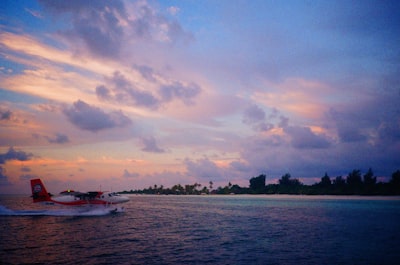
- Experience: Offers breathtaking aerial views of the scattered islands and atolls. It's an attraction in itself. There are two main operators: Trans Maldivian Airways (TMA) and Maldivian.
- Domestic Flight + Speedboat:
- Distance: For very remote atolls that are too far for a seaplane or if weather conditions prevent seaplane operations.
- Cost: Usually a combination of domestic flight fare (e.g., to Gan, Hanimaadhoo, or Maamigili airports) and a subsequent speedboat transfer to your final island.
- Availability: Domestic flights operate more frequently and over longer hours than seaplanes.
- Experience: Less scenic than a seaplane but often more reliable in varying weather.
Important Note: It is crucial to coordinate your transfers with your hotel or guesthouse *before* your arrival. They will usually arrange the most suitable and efficient transfer based on your arrival time and location. The cost of transfers is frequently not included in the room rate and must be paid separately.
Local Food Guide
Maldivian cuisine is a delightful blend of Indian, Sri Lankan, and Arabic influences, heavily reliant on the bounty of the ocean – fish, particularly tuna – and the ubiquitous coconut. It's flavorful, often spicy, and generally quite healthy.
Staple Ingredients
- Fish: Tuna (skipjack, yellowfin), mackerel, mahi-mahi are central to most dishes.
- Coconut: Used in various forms – milk, grated, oil, and coir.
- Rice: A common side dish.
- Starches: Taro, sweet potato, cassava.
- Spices: Chili, curry leaves, onions, garlic, ginger.
Must-Try Maldivian Dishes
- Garudhiya: A clear fish broth, typically made with tuna. It's a staple and often served with rice, lime, chili, and onions. Simple yet incredibly flavorful and comforting.
- Mas Huni: The most popular Maldivian breakfast dish. Shredded smoked tuna mixed with grated coconut, chili, and onion. It's usually eaten with "roshi" (Maldivian flatbread).
- Hedhikaa (Short Eats): These savory and sweet snacks are a cornerstone of Maldivian culinary culture, perfect for afternoon tea or a quick bite.
- Gulha: Small, deep-fried dumplings filled with smoked tuna, onions, and coconut.
- Kuli Boakibaa: Fish cakes made from rice, tuna, and spices, baked or fried.
- Bis Keemiya: Similar to a samosa, filled with tuna, curried potatoes, and hard-boiled egg.
- Bajiya: Another fried pastry, usually with a fish and onion filling.
- Foni Boakibaa: A sweet rice cake, often made with coconut and jaggery, a popular dessert.
- Rihaakuru: A thick, dark brown paste made from concentrated fish stock. It has a very strong, distinctive umami flavor and is often eaten with rice, roshi, and chili. An acquired taste but a true local delicacy.
- Kothu Roshi: A street food favorite, similar to Sri Lankan kothu roti. Shredded roshi stir-fried with vegetables, egg, and often chicken or fish.
- Curries (Riha): Maldivian curries are often milder than Indian ones, using coconut milk as a base. Fish curry (mas riha) and chicken curry (kukulhu riha) are common.
- Sahu Mai (Chillies): Maldivians love spice, and a small dish of raw chilies or chili paste often accompanies meals.
Drinks
- Sai (Tea): Maldivians are big tea drinkers, often served sweet and milky.
- Raa: A sweet, slightly fermented palm toddy, traditionally tapped from palm trees. Non-alcoholic when fresh, slightly alcoholic when fermented.
- Fresh Fruit Juices: Given the tropical climate, fresh juices from mango, papaya, passion fruit, and watermelon are incredibly refreshing.
- Coconut Water: Directly from the source, a natural electrolyte drink.
Where to Eat
- Local Cafes and Restaurants: Especially on local islands and in Malé/Hulhumalé, these offer authentic Maldivian dishes at very affordable prices. Look for places popular with locals.
- Guesthouses: Many guesthouses on local islands offer half-board or full-board options, including home-cooked Maldivian meals.
- Resort Restaurants: Resorts typically offer a wide range of international cuisines, buffets, and fine dining experiences, alongside some Maldivian specialties. Prices are significantly higher.
Public Transport
Navigating the Maldives primarily involves inter-island travel, and public transport options are available, especially for local islands. Transfers to private resort islands are almost always handled by the resorts themselves.
Inter-Island Public Ferries
- Coverage: Operated by MTCC (Maldives Transport and Contracting Company), public ferries connect Malé to most inhabited local islands across the atolls.
- Cost: Incredibly affordable, usually just a few USD for a ticket. This is the cheapest way to travel between local islands.
- Schedule: Schedules can be infrequent (sometimes only a few times a week for more remote islands) and are subject to change, especially during rough weather. They generally don't operate on Fridays (the Maldivian weekend).
- Experience: A slower but authentic way to experience local life and enjoy scenic views. Can be basic but comfortable enough for short journeys.
- Booking: Tickets are typically purchased at the ferry terminal just before departure.
Scheduled Speedboats
- Coverage: Faster than public ferries, these operate on more frequent schedules between Malé/Hulhumalé and popular local islands (e.g., Maafushi, Thulusdhoo).
- Cost: More expensive than public ferries but significantly cheaper than private transfers. Prices can range from $20-$40 per person per way.
- Schedule: More frequent and reliable than public ferries, often running several times a day.
- Booking: Can be booked through guesthouses, local travel agents, or directly with the speedboat operators at designated jetties.
Domestic Flights
- Coverage: For reaching more distant atolls, domestic flights connect Velana International Airport (MLE) to regional airports such as Gan (Addu Atoll), Hanimaadhoo (Haa Dhaalu Atoll), Maamigili (Alif Dhaalu Atoll), and Ifuru (Raa Atoll).
- Airlines: Maldivian and Manta Air are the main domestic carriers.
- Cost: Significantly more expensive than ferries or speedboats but much faster for long distances.
- Booking: Can be booked online through the airline websites or via travel agents.
Taxis
- Coverage: Available only within the two most urbanized islands: Malé and Hulhumalé.
- Cost: Fixed rates for rides within the island (e.g., around 25-30 MVR in Malé, often slightly more with luggage).
- Experience: Convenient for getting around Malé's narrow streets or transferring between the airport and your accommodation in Hulhumalé.
Walking & Bicycles
- On smaller local islands and resort islands, walking or cycling are the primary modes of transport. Many guesthouses and resorts offer bicycles for rent.
Important Considerations:
- Friday Travel: Public transport, especially ferries, is very limited on Fridays.
- Resort Transfers: Almost all resorts handle guest transfers exclusively via their own speedboats, seaplanes, or domestic flight arrangements. You cannot typically use public transport to reach a private resort island unless specifically instructed by the resort.
- Weather: All sea-based transport is susceptible to weather conditions, which can cause delays or cancellations.
Travel Budget Tips
A trip to the Maldives is often associated with extravagant luxury, but it is possible to experience this paradise without breaking the bank. The key lies in strategic planning and choosing the right type of accommodation and activities.
- Choose Local Islands Over Resorts: This is the single biggest money-saving tip. Staying on inhabited local islands (like Maafushi, Thulusdhoo, Dhiffushi, Himmafushi) with guesthouses offers a significantly cheaper alternative to private resort islands. You'll interact more with locals and experience authentic Maldivian culture.
- Opt for Guesthouses: Guesthouses on local islands provide comfortable, clean, and affordable accommodation. Many offer amenities like air conditioning, private bathrooms, and sometimes even breakfast included.
- Utilize Public Transport:
- Public Ferries: For inter-island travel between Malé and local islands, use the incredibly cheap public ferry system. Be mindful of their schedules and Friday limitations.
- Scheduled Speedboats: For quicker transfers to popular local islands, scheduled speedboats are a cost-effective alternative to private charters.
- Eat Local Food: Avoid resort prices by dining at local cafes and restaurants on inhabited islands. Maldivian cuisine is delicious and very affordable. Try Hedhikaa (short eats) for budget-friendly snacks.
- Travel During the Wet Season (May to October): While there's a higher chance of rain, this is the low season, meaning significantly lower prices for flights and accommodation. You can often find great deals, and rain showers are usually short-lived.
- Book Package Deals: Some guesthouses on local islands offer packages that include accommodation, meals, and excursions (snorkeling, sandbank trips). These can be more cost-effective than booking everything separately.
- DIY Excursions: Instead of booking expensive tours through resorts, arrange excursions through your guesthouse on a local island. They often offer the same trips (snorkeling, dolphin watching, sandbank visits) at a fraction of the price.
- Minimize Alcohol Consumption: Alcohol is expensive in the Maldives and only permitted on resort islands and safari boats. Avoiding these will save you money. On local islands, alcohol is prohibited.
- Bring Your Own Snorkeling Gear: Renting gear can add up. If you plan to snorkel frequently, bringing your own mask and snorkel can save a few dollars.
- Hydrate with Water: Purchase large bottles of water from local shops on inhabited islands, which are much cheaper than buying individual bottles at resorts or mini-bars.
- Plan Your Flights: Book international flights well in advance, and consider flying during weekdays or shoulder seasons for better rates.
- Cash for Local Islands: While cards are accepted in many guesthouses, having local currency (Maldivian Rufiyaa, MVR) or USD for small purchases and local cafes on inhabited islands is advisable.
By carefully considering these tips, you can enjoy the stunning beauty of the Maldives without the luxury price tag, making it an accessible paradise for more travelers.
Hotels and Accommodation
Accommodation in the Maldives spans a wide spectrum, from ultra-luxurious private island resorts to charming guesthouses on inhabited local islands. Your choice will largely dictate your budget, travel style, and the kind of experience you're seeking.
Luxury Resort Islands
- Experience: These are the iconic Maldives accommodations, typically occupying their own private islands. They offer unparalleled privacy, pristine beaches, and world-class service.
- Overwater Bungalows: The quintessential Maldivian experience, with villas built on stilts over the lagoon, often with direct access to the ocean.
- Beach Villas: Located directly on the beach, offering stunning ocean views and private beach access.
- All-Inclusive: Many resorts offer all-inclusive packages that cover meals, drinks (including alcohol), and sometimes non-motorized water sports. This can be a good value if you plan to fully utilize the resort's offerings.
- Amenities: Expect multiple dining options, infinity pools, luxurious spas, water sports centers, dive schools, kids' clubs, and personalized butler service.
- Cost: High to extremely high, ranging from a few hundred dollars to several thousand per night.
- Target Audience: Honeymooners, couples, luxury travelers, families seeking a pampered, secluded escape.
- Booking: Book well in advance, especially for peak season. Use reputable travel agents or online booking platforms. Pay close attention to transfer costs, which are almost always extra.
Guesthouses on Local Islands
- Experience: A burgeoning sector that allows travelers to experience local Maldivian culture and village life, often at a fraction of the cost of a resort.
- Types: Ranging from basic, clean rooms to boutique guesthouses with modern amenities. Many offer their own restaurants and excursion services.
- Amenities: Typically include air conditioning, en-suite bathrooms, Wi-Fi, and sometimes breakfast. Some have small gardens or communal areas.
- Cost: Very affordable, usually ranging from $50 to $200 per night.
- Target Audience: Budget travelers, backpackers, culture seekers, families on a moderate budget, and those who want to interact with locals.
- Location: Found on inhabited islands like Maafushi, Thulusdhoo, Dhiffushi, Himmafushi, and Hulhumalé. Remember that on local islands, alcohol is prohibited, and there are dress code restrictions (e.g., "bikini beaches" for tourists).
- Booking: Can be booked via popular online travel agencies or directly with the guesthouse.
Hotels in Malé and Hulhumalé
- Experience: Primarily used for transit stays, especially if your international flight arrives late or departs early and you cannot connect to your resort island the same day.
- Types: Ranging from basic city hotels to a few upscale options.
- Amenities: Standard hotel amenities; less focus on leisure facilities compared to resorts.
- Cost: Moderate, generally between $100 to $300 per night.
- Target Audience: Transit passengers, business travelers, those exploring the capital.
Key Booking Considerations:
- Transfers: Always clarify and pre-book your transfers to and from Velana International Airport (MLE) with your accommodation provider. The transfer cost can be significant and is usually separate from the room rate.
- Meals: Decide if you want full board, half board, or bed & breakfast, especially for resorts. All-inclusive packages can offer great value if you plan to enjoy the resort's food and drinks fully.
- Reviews: Always check recent reviews, particularly regarding service quality and the condition of the property.
- Location: Understand where your accommodation is located and what that means for accessibility, activities, and local interaction.
Safety Tips
The Maldives is generally a very safe destination with a low crime rate. However, like any travel destination, being aware of local customs, environmental factors, and basic safety practices will ensure a smooth and enjoyable trip.
Respect Local Culture and Laws
- Dress Code: The Maldives is a conservative Muslim country. Outside of private resorts and designated "bikini beaches" on local islands, modest dress is expected. Women should cover their shoulders and knees, and men should avoid going shirtless. Public displays of affection are frowned upon.
- Alcohol: Alcohol is prohibited on all local islands. It is only permitted within licensed resorts and safari boats. Bringing alcohol into the country (even duty-free) is illegal and can result in confiscation.
- Religion: Respect local religious practices, especially during prayer times and festivals like Ramadan.
- Public Behavior: Maintain a respectful demeanor in public. Avoid loud behavior or anything that could be perceived as disrespectful.
Water Safety
- Currents: Be aware of strong currents, especially when snorkeling or diving. Always check with locals or resort staff about current conditions. If caught in a current, swim parallel to the shore, not against it.
- Reef Safety: Coral reefs are sharp and fragile. Avoid touching coral to protect both yourself and the marine ecosystem. Wear reef-safe sunscreen.
- Marine Life: While most marine life is harmless, some creatures can be dangerous if provoked (e.g., moray eels, stonefish). Keep a respectful distance. Be aware of jellyfish, especially after rain or during certain seasons.
- Swimming Ability: If you are not a strong swimmer, stick to shallow areas or wear a life vest, especially in open water.
- Excursions: Always book water excursions with reputable operators who provide safety briefings and proper equipment.
Sun Protection
- The Maldivian sun is intense. Use high-factor, broad-spectrum sunscreen (reef-safe is preferred), wear a hat, sunglasses, and protective clothing. Seek shade during peak sun hours (10 AM - 4 PM).
- Stay hydrated by drinking plenty of water to prevent heatstroke and dehydration.
Health and Medical Facilities
- Hydration: Always drink bottled water. Tap water in resorts is usually desalinated and safe to drink, but check with your accommodation.
- Medical Facilities: Malé has a few hospitals (ADK Hospital, Indhira Gandhi Memorial Hospital) capable of handling emergencies. Resort islands typically have basic clinics with nurses or doctors. For serious medical conditions, evacuation to a neighboring country (like Sri Lanka or Singapore) may be necessary, so ensure you have comprehensive travel insurance.
- Insect Bites: While not a major issue, mosquitoes can be present, especially during the wet season and on local islands. Use insect repellent, especially in the evenings.
Personal Safety and Belongings
- Crime: The Maldives has a very low crime rate, particularly on resort islands. Petty theft can occur on more crowded local islands like Malé. Take standard precautions: don't leave valuables unattended, use hotel safes, and be aware of your surroundings.
- Protests: Political protests occasionally occur in Malé. Avoid any demonstrations and follow local media for updates.
- Drug Laws: The Maldives has strict anti-drug laws, and penalties are severe.
- Emergency Numbers: The national emergency number for police is 119.
By adhering to these safety guidelines, you can ensure a safe, respectful, and incredibly rewarding trip to the beautiful Maldives.
FAQ Section
Q: Is alcohol allowed in the Maldives?
A: Alcohol is prohibited on local, inhabited islands (including Malé and Hulhumalé). It is only allowed and served in private resort islands and safari boats. Bringing alcohol into the country, even duty-free, is illegal and will be confiscated.
Q: What should I wear in the Maldives?
A: On private resort islands, dress code is generally relaxed, and swimwear is acceptable. However, on local inhabited islands, it is respectful to dress modestly – women should cover shoulders and knees, and men should avoid going shirtless, especially when walking through villages or visiting public places. Swimwear is typically allowed only on designated "bikini beaches" on local islands.
Q: Is the Maldives only for honeymooners and couples?
A: While very popular for honeymoons and romantic getaways, the Maldives is increasingly catering to families, solo travelers, and groups. Many resorts offer kids' clubs, family villas, and a range of activities for all ages. Guesthouses on local islands are also a great option for solo or budget-conscious travelers.
Q: Can I visit the Maldives on a budget?
A: Yes! By choosing to stay on local islands (e.g., Maafushi, Thulusdhoo) in guesthouses, utilizing public ferries for transport, and eating at local restaurants, a trip to the Maldives can be surprisingly affordable, costing a fraction of what a luxury resort stay would.
Q: What currency is used in the Maldives?
A: The official currency is the Maldivian Rufiyaa (MVR). However, US dollars (USD) are widely accepted at resorts, guesthouses, and for most tourist-related services. It's advisable to have some MVR for smaller purchases on local islands, though USD is often accepted there too. Credit cards are widely accepted at resorts and many guesthouses.
Q: Do I need a visa to enter the Maldives?
A: Most nationalities receive a free 30-day tourist visa on arrival, provided they have a valid passport (at least 6 months validity), a confirmed onward/return ticket, and sufficient funds for their stay. It's always best to check the latest visa requirements for your specific nationality with the Maldivian Department of Immigration or your local embassy before traveling.
Q: Is tap water safe to drink?
A: In most resorts, tap water is desalinated and treated, making it generally safe to drink, but it's always best to confirm with your specific resort. On local islands, it's safer to stick to bottled water. Always stay hydrated, especially given the tropical climate.
Q: What is the electricity voltage and plug type?
A: The voltage is 230V at 50Hz. The most common plug types are Type G (like the UK), Type D (like India), and Type L (like Italy). It's advisable to carry a universal travel adapter.