Doha Travel Guide – Best Places to Visit in Qatar
Discovering Doha: A Comprehensive Travel Guide to Qatar's Vibrant Capital
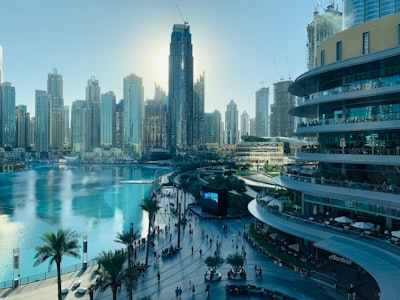
Doha, the glittering capital of Qatar, is a city of astounding contrasts where ancient traditions beautifully intertwine with futuristic modernity. Rising from the desert sands to become a global hub, Doha offers an intoxicating blend of world-class museums, breathtaking architecture, luxurious shopping, and an authentic Arabian cultural experience. From its stunning Corniche promenade to the bustling Souq Waqif, and from the artificial marvel of The Pearl-Qatar to its burgeoning art scene, Doha promises an unforgettable journey for every type of traveler. This comprehensive guide will help you navigate this dynamic city, ensuring you make the most of your visit to the heart of Qatar.
Best Time to Visit Doha
The climate in Doha is typically hot and arid, making the timing of your visit crucial for an enjoyable experience.
Ideal Months for Travel
The absolute best time to visit Doha is during the cooler months, specifically from
October to April.
- October to November: The intense summer heat begins to subside, offering pleasant daytime temperatures ranging from 25°C to 30°C (77°F to 86°F). Evenings are comfortable, perfect for outdoor activities and dining.
- December to February: These are the coolest months, with average temperatures between 20°C and 25°C (68°F to 77°F). This period is ideal for exploring outdoor attractions, enjoying desert safaris, and strolling along the Corniche without discomfort. Nights can be cooler, so a light jacket is advisable.
- March to April: Spring brings back warmer temperatures, generally between 25°C and 35°C (77°F to 95°F), but still manageable compared to the summer. The desert flowers might be in bloom, adding a touch of color to the landscape.
Months to Avoid
- May to September: These months are characterized by extreme heat, with temperatures often soaring above 40°C (104°F) and high humidity. Outdoor activities become challenging and potentially unsafe. While many indoor attractions are air-conditioned, walking between places is arduous. Travel during this period is only recommended if you plan to spend most of your time indoors or are accustomed to very hot climates.
Events and Festivals
Consider aligning your trip with some of Doha's vibrant events:
- Qatar National Day (December 18): A spectacular celebration with parades, fireworks, and cultural events.
- Doha Cultural Festival (various dates): Showcases traditional music, dance, and art.
- Sporting Events: Doha frequently hosts international sports events, from tennis to motorsports. Check local calendars for specific dates.
Top Attractions in Doha
Doha boasts a plethora of attractions that cater to history buffs, art lovers, thrill-seekers, and luxury shoppers alike.
Cultural and Historical Landmarks
- Museum of Islamic Art (MIA): Designed by I.M. Pei, this iconic museum stands majestically on its own island off the Corniche. It houses one of the world's most comprehensive collections of Islamic artifacts spanning 1,400 years, displayed in a stunning setting. The park surrounding it offers incredible skyline views.
- National Museum of Qatar (NMoQ): An architectural masterpiece resembling a desert rose, designed by Jean Nouvel. It tells the story of Qatar from prehistoric times to the present day through immersive exhibits, linking visitors to the nation's heritage and future.
- Souq Waqif: Step back in time at this revitalized traditional marketplace. Wander through labyrinthine alleyways filled with spices, textiles, perfumes, traditional handicrafts, and souvenirs. It's a fantastic place to dine, people-watch, and experience authentic Qatari culture. Don't miss the Falcon Souq nearby.
- Katara Cultural Village: A sprawling complex dedicated to arts and culture, featuring an amphitheater, opera house, art galleries, restaurants, and a public beach. It's a great place to experience various cultural events and admire beautiful architecture.
- Msheireb Downtown Doha: The world's first sustainable downtown regeneration project. This modern, smart city district showcases traditional Qatari architecture reimagined for the 21st century. It houses four Msheireb Museums, exploring Qatar's history through specific lenses (House of Mohammed Bin Jassim, Company House, Radwani House, Bin Jelmood House).
- Al Zubarah Fort (UNESCO World Heritage Site): Located about an hour north of Doha, this well-preserved 20th-century fort offers a glimpse into Qatar's pearling and trading past. The surrounding archaeological site provides insights into a once-thriving fortified town.
Modern Marvels and Leisure
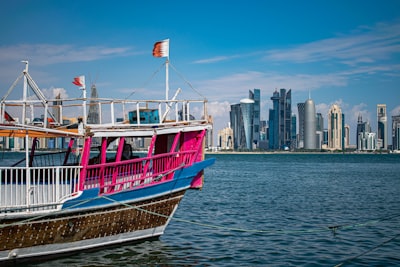
- The Corniche: A picturesque 7-kilometer promenade stretching along Doha Bay. Perfect for walking, jogging, or cycling, offering panoramic views of the city's futuristic skyline and the iconic Museum of Islamic Art. Dhow (traditional wooden boat) cruises are also available.
- The Pearl-Qatar: An artificial island synonymous with luxury. Featuring high-end residential towers, villas, marinas, designer boutiques, and gourmet restaurants. Porto Arabia and Qanat Quartier (Venice-inspired with canals and colorful buildings) are particularly charming for a stroll.
- Villaggio Mall: A Venetian-themed shopping mall complete with canals, gondola rides, and a sky-painted ceiling. It offers a unique shopping experience with a mix of luxury brands and popular retailers, plus an indoor theme park (Gondolania).
- 3-2-1 Qatar Olympic and Sports Museum: Located next to Khalifa International Stadium, this interactive museum celebrates the history and achievements of sports worldwide, with a strong focus on Qatar's sporting heritage.
- Desert Safari and Inland Sea (Khor Al Adaid): An absolute must-do for adventure seekers. Embark on a thrilling dune-bashing excursion, ride camels, and witness the spectacular natural wonder of the Inland Sea, where the desert meets the sea, one of the few places in the world where this phenomenon occurs.
How to Reach Doha
Doha is highly accessible internationally, primarily through its state-of-the-art airport.
By Air
- Hamad International Airport (HIA): This is Doha's sole international airport and one of the world's best. It serves as the hub for Qatar Airways, connecting Doha to virtually every major city globally. HIA is renowned for its luxurious facilities, efficient immigration processes, excellent duty-free shopping, diverse dining options, and unique art installations.
- Getting from HIA to the City:
- Doha Metro: The Red Line connects HIA (Hamad International Airport Station) directly to the city center and other key areas. It's the most cost-effective and efficient option.
- Karwa Taxis: Official turquoise-colored taxis are readily available outside the arrivals hall.
- Ride-Hailing Apps: Uber and Careem operate in Doha and provide convenient pick-ups from designated areas.
- Car Rental: Several international car rental agencies have counters at the airport.
Visa Requirements
- Qatar has a very traveler-friendly visa policy for citizens of many countries.
- Visa-Free Entry: Citizens of over 95 countries can enter Qatar visa-free, with varying permitted stays (30 or 90 days), either on arrival or requiring no prior arrangement. Always check the official Qatar Ministry of Interior or Qatar Tourism website for the most up-to-date list and specific requirements for your nationality before planning your trip.
- eVisa: For nationalities not eligible for visa-free entry, an eVisa system is available through the official Qatar e-Visa website.
- GCC Residents: Residents of Gulf Cooperation Council (GCC) countries may also have specific visa facilitation.
Local Food Guide
Qatari cuisine is a delightful blend of Bedouin traditions, Indian, Persian, and Mediterranean influences, characterized by aromatic spices and rich flavors.
Must-Try Dishes
- Machbous (Kabsa): The national dish of Qatar. A fragrant rice dish cooked with tender meat (chicken, lamb, or camel), vegetables, and a medley of spices. Often served with a side of daqoos (tomato sauce).
- Harees: A thick porridge made from crushed wheat, meat (usually chicken or lamb), and ghee. A comforting and nutritious dish, especially popular during Ramadan.
- Thareed: A hearty stew typically made with lamb or chicken and mixed vegetables (carrots, potatoes, zucchini) served over thin layers of bread, which soak up the flavorful broth.
- Balaleet: A sweet and savory breakfast dish consisting of vermicelli noodles cooked with sugar, cardamom, and saffron, topped with an omelet.
- Luqaimat: Sweet dumplings, crispy on the outside and soft on the inside, drizzled with honey or date syrup. A popular dessert.
- Ghuzi: Whole roasted lamb or goat, often served on a bed of rice and nuts. A celebratory dish.
- Shawarma and Falafel: While not uniquely Qatari, these Middle Eastern street food staples are incredibly popular and widely available, offering a delicious and affordable meal option.
Dining Experiences
- Souq Waqif: The best place to sample authentic Qatari food in a traditional setting. Numerous restaurants offer open-air dining and shisha.
- Fine Dining: Doha boasts an impressive array of Michelin-starred chefs and world-class restaurants, particularly in luxury hotels and The Pearl-Qatar, offering international and contemporary cuisine.
- Cafes: Qataris love their cafes. Enjoy a strong Arabic coffee or a glass of Karak (spiced milk tea), a local favorite, at almost any time of day.
Drinks
- Karak Tea: A strong, sweet, spiced milk tea, almost a national obsession. You'll find Karak tea stalls everywhere.
- Arabic Coffee (Qahwa): Served in small, handleless cups, this bitter, aromatic coffee is a symbol of hospitality.
- Fresh Juices: A wide variety of fresh fruit juices are popular and refreshing.
- Alcohol: Alcohol is available in licensed hotel restaurants, bars, and clubs. It is strictly regulated and public consumption is prohibited.
Public Transport in Doha
Doha has significantly invested in its public transportation network, making it relatively easy for tourists to get around.
Doha Metro
- Modern and Efficient: The Doha Metro is a world-class, fully automated driverless system with three lines (Red, Green, Gold). It's clean, air-conditioned, and connects major attractions, residential areas, and the airport.
- Hours of Operation: Generally runs from early morning until late evening, with reduced hours on Fridays (starting later).
- Fares and Tickets: You'll need a reusable Travel Card (Standard or Goldclub) which can be purchased from vending machines at any station. Top it up as needed. A standard single journey is very affordable (approx. QAR 2).
Karwa Taxis
- Official Taxis: These turquoise-colored taxis are operated by Mowasalat, the state-owned transport company. They are metered and generally reliable. You can flag them down on the street, find them at taxi stands, or book through the Karwa app.
- Cost: Generally affordable, with a starting fare and per-kilometer charge.
Ride-Hailing Apps
- Uber and Careem: These popular ride-hailing services are widely available and often preferred by tourists for their convenience, fixed pricing, and ease of use through the app.
Buses
- Karwa Buses: While extensive, the bus network is less frequently used by tourists as it can be slower and less direct to major tourist spots compared to the Metro or taxis. You need a Karwa Smartcard (purchased at bus stations or some convenience stores) to pay fares.
Car Rental
- For those who prefer independent exploration, especially for trips outside the city like Al Zubarah Fort or the desert, renting a car is an option. International driving permits are generally accepted for a limited period. Be aware of local driving styles and traffic conditions.
Walking
- While parts of Doha are pedestrian-friendly (like the Corniche, Souq Waqif, and some areas of The Pearl), the city is not designed for extensive walking due to its sprawling nature and intense heat for much of the year. Use public transport or taxis to cover longer distances.
Travel Budget Tips
Doha can be perceived as an expensive city, but with smart planning, you can manage your budget effectively.
Accommodation
- Luxury: Expect to pay QAR 800-2000+ per night for 5-star hotels (Four Seasons, Mandarin Oriental, St. Regis).
- Mid-Range: QAR 300-800 per night for 3-4 star hotels (Premier Inn, Holiday Inn, Oryx Rotana) or serviced apartments. Good value can be found outside the very central West Bay area.
- Budget: True budget hotels are scarce. Consider Airbnb or guesthouses for slightly cheaper options, though still typically QAR 200+.
- Tip: Book in advance, especially during peak season (winter) or major events. Look for hotel deals that include breakfast.
Food and Dining
- Local Eateries: Eating at traditional restaurants in Souq Waqif or local cafeterias can be very affordable. A meal can cost QAR 20-50. Karak tea is just a few riyals.
- Mid-Range Restaurants: Expect QAR 70-150 per person for a decent meal.
- Fine Dining: Can easily be QAR 300+ per person, especially in luxury hotels.
- Tip: Mix high-end experiences with local food spots. Supermarkets offer affordable snacks and drinks. Look for lunch deals (business lunches) at nicer restaurants.
Activities and Attractions
- Free/Low Cost: Strolling the Corniche, exploring Souq Waqif, visiting Katara Cultural Village (unless attending a specific paid event), parks, and beaches are free. Entry to the MIA Park is free.
- Museums: Entry fees for major museums like MIA and NMoQ are typically around QAR 50 per adult. Consider cultural passes if available.
- Desert Safari: These vary widely depending on inclusions (dune bashing, camel ride, dinner, overnight stay). Expect QAR 200-500+ per person for a half-day tour. Shop around for reputable tour operators.
- The Pearl/Villaggio: Window shopping is free; actual shopping can be expensive. Gondola rides at Villaggio are reasonably priced.
- Tip: Prioritize your must-do paid activities and balance them with free explorations.
Transportation
- Doha Metro: The most budget-friendly option. A standard reusable travel card costs QAR 10, and each journey is QAR 2.
- Taxis/Ride-Hailing: More expensive than the Metro but convenient. A short ride might be QAR 10-20; longer rides could be QAR 30-60+.
- Tip: Utilize the Metro as much as possible. If traveling in a group, taxis or ride-hailing might be cost-effective.
Currency
- The local currency is the Qatari Riyal (QAR). 1 QAR is pegged to the US Dollar at approximately 3.64 QAR = 1 USD.
- ATMs are widely available. Credit and debit cards are accepted almost everywhere.
Hotels and Accommodation in Doha
Doha offers a wide range of accommodation options, from opulent five-star resorts to comfortable boutique hotels.
Luxury (5-star and above)
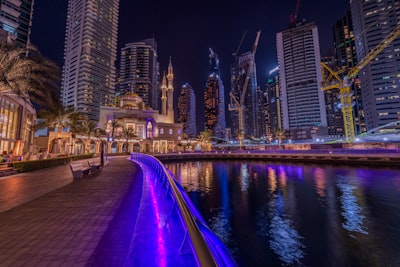
- West Bay: This modern district is home to many iconic skyscrapers and luxury hotels offering stunning sea or city views. Examples include the Four Seasons Hotel Doha, St. Regis Doha, W Doha Hotel & Residences, and Mandarin Oriental, Doha (in Msheireb). These properties boast world-class amenities, multiple dining options, spas, and often private beaches.
- The Pearl-Qatar: Offers lavish serviced apartments and hotels like Marsa Malaz Kempinski, The Pearl Doha, perfect for a resort-style stay with access to high-end shopping and dining.
Mid-Range (3-4 star)
- Msheireb Downtown Doha: A great option for modern, centrally located hotels that blend Qatari heritage with contemporary design.
- Al Sadd/Salwa Road Areas: Offer good value hotels further from the immediate waterfront but still well-connected by Metro. Examples include Premier Inn Doha Education City, Holiday Inn Doha - The Business Park, and Oryx Rotana Doha (near the airport).
- Old Doha / Near Souq Waqif: You can find charming 3-4 star hotels that offer a more traditional Qatari ambiance, some with rooftop pools and views of the souq.
Boutique and Traditional
- Souq Waqif Boutique Hotels by Tivoli: A collection of nine distinct boutique hotels nestled within the vibrant Souq Waqif. Each hotel has its own character, offering an authentic yet luxurious experience right in the heart of traditional Doha. Ideal for those seeking cultural immersion.
Serviced Apartments
- Popular for longer stays or families, offering more space and kitchen facilities. Many luxury and mid-range hotels also offer serviced apartment options (e.g., Fraser Suites Doha, The Curve Hotel).
Choosing Your Location
- West Bay: Best for business travelers, luxury seekers, and those who enjoy modern architecture and upscale dining.
- Msheireb Downtown Doha: Ideal for cultural explorers, design enthusiasts, and those wanting a central, walkable district with cultural sites.
- Souq Waqif: Perfect for cultural immersion, traditional dining, and experiencing the old-world charm of Doha.
- The Pearl-Qatar: Suited for a relaxed, luxurious resort-style vacation, with beaches and high-end leisure.
Safety Tips for Traveling to Doha
Doha is widely considered one of the safest cities in the world, with a very low crime rate. However, it's always wise to be aware of local customs and practices.
General Safety
- Low Crime Rate: Violent crime against tourists is extremely rare. Petty crime like pickpocketing is also uncommon but still advisable to keep an eye on your belongings in crowded areas.
- Emergency Numbers: Police: 999. Ambulance: 999. Fire: 999.
- Traffic Safety: While pedestrian-friendly areas exist, traffic can be fast-paced. Use designated crossings and be vigilant.
- Hydration: Especially outside the cooler months, stay hydrated by drinking plenty of water. Carry a water bottle and seek shade.
- Sun Protection: The sun can be intense. Use high SPF sunscreen, wear a hat, and sunglasses.
Cultural Sensitivity and Local Laws
- Dress Code: While Doha is relatively liberal, it's respectful to dress modestly in public places.
- Women: Should generally cover shoulders and knees. Avoid overly revealing clothing. When visiting religious sites (mosques), women will need to cover their heads (headscarves are often provided).
- Men: Shorts are generally acceptable, but avoid sleeveless shirts in formal settings or religious sites.
- Public Displays of Affection (PDAs): Keep PDAs to a minimum. Holding hands between married couples is generally fine, but anything more is considered inappropriate.
- Alcohol: Consumption is restricted to licensed hotel restaurants and bars. It is illegal to drink alcohol in public or be publicly intoxicated. Do not bring alcohol into the country.
- Photography: Always ask for permission before photographing people, especially women. Be mindful when photographing government buildings or sensitive areas.
- Ramadan: If visiting during the holy month of Ramadan, be aware that most restaurants are closed during daylight hours. Eating, drinking, and smoking in public are prohibited during fasting hours out of respect for those fasting.
- Same-Sex Relations: While not openly prosecuted against foreign visitors, same-sex relations are technically illegal under Qatari law. Public displays of affection are best avoided.
- Vaping/E-cigarettes: Importing, selling, or using e-cigarettes and vaping products is illegal in Qatar. Travelers found with such items may face fines or confiscation.
Health and Hygiene
- Food and Water: Tap water is safe to drink, but bottled water is widely consumed. Food hygiene standards are generally very high.
- Medical Facilities: Doha has excellent medical facilities and hospitals. Ensure you have comprehensive travel insurance.
By respecting local customs and being mindful of your surroundings, your trip to Doha will be safe, enjoyable, and culturally enriching.
Frequently Asked Questions (FAQ)
Q1: Is Doha an expensive city to visit?
A1: Doha can be expensive, especially for luxury hotels and fine dining. However, it's possible to visit on a mid-range budget by utilizing the Metro, eating at local eateries, and choosing more affordable hotels or serviced apartments. Many attractions, like the Corniche and Souq Waqif, are free to explore.
Q2: What is the dress code for women in Doha?
A2: While not strictly enforced for tourists, modest dress is recommended out of respect for local culture. Women should aim to cover their shoulders and knees. Avoid revealing clothing. A headscarf is only necessary when visiting mosques (often provided).
Q3: Can I drink alcohol in Doha?
A3: Yes, alcohol is available but restricted to licensed venues, primarily upscale hotels, their restaurants, and bars. It is illegal to drink alcohol in public places or be publicly intoxicated. Importing alcohol into Qatar is strictly prohibited.
Q4: Is tipping customary in Doha?
A4: Tipping is not mandatory but is appreciated for good service. For restaurants, a 10-15% tip is customary if a service charge isn't already included. For taxi drivers, rounding up the fare is common.
Q5: Do I need a visa to visit Doha?
A5: Many nationalities (over 95 countries) can enter Qatar visa-free, either on arrival or with no prior arrangement, for varying lengths of stay. It is crucial to check the latest visa requirements for your specific nationality on the official Qatar Ministry of Interior or Qatar Tourism website before your trip.
Q6: How many days do I need to explore Doha?
A6: For a good overview of Doha's main attractions, 3 to 5 days is recommended. This allows time for cultural sites, modern marvels, dining, and perhaps a desert safari. If you plan to visit Al Zubarah Fort or take longer excursions, add an extra day or two.
Q7: What language is spoken in Doha?
A7: Arabic is the official language. However, English is widely spoken and understood, especially in tourist areas, hotels, and businesses. You will have no problem communicating in English.
Q8: Is it safe to travel solo in Doha, especially for women?
A8: Yes, Doha is considered extremely safe for solo travelers, including women. The crime rate is very low. As with any destination, exercising general caution and respecting local customs is advisable.