Miami Travel Guide – Best Places to Visit in USA
Welcome to Miami: The Magic City Awaits
Miami, often hailed as the "Magic City," is a vibrant metropolis that captivates visitors with its unique blend of sun-kissed beaches, pulsating nightlife, diverse cultural experiences, and an iconic Art Deco skyline. Situated on the southeastern tip of Florida, this dazzling destination is a melting pot of Latin American influences, a fashion-forward haven, and an outdoor enthusiast's paradise. From the legendary shores of South Beach to the colorful streets of Little Havana, the artistic expressions of Wynwood, and the sophisticated charm of Coral Gables, Miami offers an endless array of experiences for every type of traveler. Whether you're seeking relaxation under swaying palm trees, an immersive dive into rich history and art, or an exhilarating culinary adventure, Miami promises an unforgettable escape. Prepare to be enchanted by its dynamic energy, warm hospitality, and the perpetual rhythm of its tropical allure.
Best Time to Visit Miami
Choosing the right time to visit Miami can significantly enhance your experience, as the city's climate and event calendar fluctuate throughout the year.
High Season (November to April)
This is generally considered the best time to visit Miami. The weather is spectacular: typically sunny, warm, and dry, with average temperatures ranging from 65-75°F (18-24°C). The humidity is low, making it ideal for exploring outdoor attractions, lounging on the beaches, and enjoying the city's vibrant outdoor dining and nightlife scenes. This period also coincides with numerous high-profile events, including Art Basel, the South Beach Wine & Food Festival, and the Miami Open, drawing large crowds and creating an electric atmosphere. However, be prepared for higher prices on flights and accommodation, and expect more crowded beaches and popular attractions. Booking well in advance is highly recommended.
Shoulder Season (May and October)
For those looking to avoid the peak season crowds and prices while still enjoying pleasant weather, the shoulder months of May and October are excellent choices. Temperatures begin to climb in May, reaching into the low 80s°F (27-29°C), with a slight increase in humidity. October offers a similar climate as the summer heat begins to subside. You'll find better deals on hotels and flights, and the city feels a bit less frenetic. While there's a higher chance of rain compared to winter, showers are often brief and quickly give way to sunshine. This is a great time for budget-conscious travelers or those who prefer a more relaxed pace.
Low Season (June to September)
The summer months in Miami are characterized by hot, humid weather, with daily temperatures often exceeding 90°F (32°C). This period also marks the heart of hurricane season (June 1st to November 30th), meaning there's a risk of tropical storms and heavy rainfall. While short, intense thunderstorms are common, they usually don't last all day. The upside is significantly lower prices on accommodation and airfare, and fewer tourists. Many indoor attractions, like museums and shopping centers, offer a cool escape. If you don't mind the heat and humidity, and are flexible with your travel dates in case of weather disruptions, visiting during the low season can offer great value. Always purchase travel insurance if visiting during hurricane season.
Top Attractions in Miami
Miami boasts an impressive array of attractions, catering to every interest from sun worshippers and art lovers to foodies and history buffs.
South Beach and Art Deco Historic District
South Beach is arguably Miami's most iconic neighborhood, famous for its pristine white sand beaches, turquoise waters, and vibrant atmosphere. Lummus Park runs parallel to the beach, offering a beautiful green space for recreation. Ocean Drive, the bustling street that fronts Lummus Park, is a showcase of the world-renowned Art Deco Historic District. Here, over 800 architecturally significant buildings from the 1930s and 40s line the streets in pastel hues, featuring distinctive geometric patterns and intricate details. Take a guided walking tour or simply stroll along Ocean Drive and Collins Avenue to admire the unique architecture, quirky boutiques, and sidewalk cafes. At night, South Beach transforms into a lively hub of bars and nightclubs, offering endless entertainment options.
Little Havana
Step into the vibrant heart of Cuban culture in Little Havana, centered around the famous Calle Ocho. This dynamic neighborhood is a sensory delight, filled with the aroma of strong Cuban coffee, the sounds of salsa music, and the sight of locals playing dominoes in Máximo Gómez Park (Domino Park). Explore the Walk of Fame honoring Latin American celebrities, browse local cigar shops, and sample authentic Cuban cuisine like "ropa vieja," "medianoche" sandwiches, and delicious "pastelitos." Don't miss the chance to try a potent "cafecito" or enjoy a freshly squeezed guarapo (sugar cane juice). Little Havana offers a genuine cultural immersion and a glimpse into the resilient spirit of the Cuban diaspora.
Wynwood Walls and Arts District
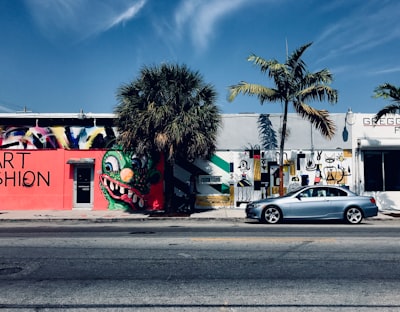
What was once a neglected warehouse district has been transformed into one of the world's most impressive outdoor street art installations: the Wynwood Walls. This open-air gallery features massive, colorful murals by renowned international street artists, constantly evolving and offering a fresh visual experience with each visit. Beyond the Walls, the wider Wynwood Arts District is home to numerous art galleries, trendy boutiques, craft breweries, and innovative restaurants. It's a fantastic place to spend an afternoon wandering, taking photos, and soaking in the bohemian, creative atmosphere. The area truly comes alive during its monthly Art Walk, held on the second Saturday.
Everglades National Park (Day Trip)
Just an hour's drive west of Miami, Everglades National Park offers a dramatic contrast to the city's urban landscape. This vast wilderness, a UNESCO World Heritage site, is the largest subtropical wilderness in the United States and a critical ecosystem for a diverse range of wildlife, including alligators, crocodiles, Florida panthers, and numerous bird species. Take an exhilarating airboat ride through the "River of Grass" to spot alligators in their natural habitat, or explore the walking trails and boardwalks such as the Anhinga Trail for birdwatching and wildlife viewing. Kayaking and canoeing are also popular ways to explore the park's tranquil waterways.
Vizcaya Museum & Gardens
Transport yourself to a bygone era of opulence and European grandeur at Vizcaya Museum & Gardens. This stunning estate, built in the early 20th century as the winter residence of industrialist James Deering, features a magnificent Italianate villa furnished with exquisite European art and antiques. The surrounding 10 acres of formal gardens are equally breathtaking, with elaborate fountains, sculpted hedges, and intricate statuary, all set against the picturesque backdrop of Biscayne Bay. It's a popular spot for photographers and anyone looking for a serene escape from the city's bustle.
Biscayne National Park
While Miami is famous for its beaches, Biscayne National Park offers a unique perspective on Florida's aquatic wonders. Over 95% of this park is underwater, protecting a significant portion of the world's third-largest coral reef, mangrove forests, and the northernmost Florida Keys. Visitors can explore this aquatic paradise through snorkeling, scuba diving, kayaking, or boating tours that often include stops at historical lighthouses and colorful coral reefs. It’s an ideal destination for nature lovers and those seeking an adventure on or under the water.
Pérez Art Museum Miami (PAMM)
Located in Museum Park overlooking Biscayne Bay, PAMM is a contemporary art museum showcasing international art of the 20th and 21st centuries. Its distinctive modern architecture, designed by Herzog & de Meuron, is a work of art in itself, featuring hanging gardens and an open-air veranda. The museum hosts a rotating collection of exhibitions, educational programs, and provides stunning views of the bay and city skyline, making it a cultural highlight in Downtown Miami.
How to Reach Miami
Miami is a major international gateway, making it easily accessible from various parts of the world.
By Air
The primary airport serving Miami is
Miami International Airport (MIA), one of the busiest airports in the world. MIA offers extensive domestic and international connections. Upon arrival, travelers can reach downtown Miami, South Beach, and other areas via several transportation options, including the Metrorail Orange Line (connecting to the MIA Mover from the terminals), Metrobus, taxis, ride-sharing services (Uber/Lyft), and rental cars.
Another convenient option is
Fort Lauderdale-Hollywood International Airport (FLL), located about 30 miles north of Miami. FLL often offers competitive fares, especially for domestic flights. From FLL, you can take a shuttle service, Tri-Rail commuter train (connecting to Metrorail), or ride-sharing services to Miami.
By Road
Miami is well-connected by major highways, making it accessible by car from other parts of Florida and neighboring states. Interstate 95 (I-95) runs north-south along the East Coast, directly connecting to Miami. The Florida Turnpike provides another major route, especially for those coming from central and northern Florida. Car rental services are widely available at both MIA and FLL, offering flexibility for exploring Miami and its surrounding areas. Be prepared for potential traffic congestion, especially during peak hours and on weekends.
By Rail
Amtrak offers train services to Miami, with its station located near Hialeah, connecting Miami to cities along the East Coast. While it's a scenic way to travel, train journeys can be lengthy, and a car or public transport would be needed from the Amtrak station to reach central Miami or South Beach. For regional travel, Brightline offers high-speed rail service connecting Miami to Fort Lauderdale, West Palm Beach, Orlando, and other Florida cities, providing a comfortable and efficient alternative for inter-city travel within Florida.
Local Food Guide: Savoring Miami's Flavors
Miami's culinary scene is as diverse and vibrant as its population, heavily influenced by its strong Latin American and Caribbean connections. From casual food trucks to upscale dining, there's a taste for every palate.
Cuban Cuisine: A Miami Staple
No visit to Miami is complete without indulging in authentic Cuban food. Head to Little Havana for the real deal. Must-try dishes include:
- Cubano Sandwich: A pressed sandwich with roasted pork, ham, Swiss cheese, pickles, and mustard.
- Ropa Vieja: Shredded beef stewed in a tomato-based sauce with peppers and onions.
- Croquetas: Small, fried fritters typically filled with ham, chicken, or cheese.
- Empanadas: Savory pastries filled with meat, cheese, or vegetables.
- Cafecito: A strong, sweet Cuban espresso, often shared in small sips.
- Mojito: A refreshing cocktail made with rum, lime, mint, sugar, and soda water.
Try traditional eateries like Versailles Restaurant or Sanguich de Miami for an unforgettable experience.
Fresh Seafood Delights
Being a coastal city, Miami offers an abundance of fresh seafood. Stone crabs (in season from October to May) are a local delicacy, served chilled with a mustard sauce. Look for fresh catches like snapper, mahi-mahi, and grouper. Many restaurants along the waterfront or in areas like Coconut Grove and Key Biscayne specialize in seafood. Joe's Stone Crab on South Beach is legendary (though pricey) for its stone crabs, while casual spots like Garcia's Seafood Grille & Fish Market offer a more laid-back, authentic experience.
Latin American and Caribbean Influences
Beyond Cuban, Miami's food scene is rich with flavors from across Latin America and the Caribbean. You'll find excellent Peruvian ceviche, Colombian arepas, Nicaraguan fritanga, and Haitian griot (fried pork). Explore neighborhoods like Sweetwater for Nicaraguan cuisine or Little Haiti for Haitian flavors. The diversity is astounding, offering a new culinary adventure around every corner.
Fine Dining and Trendy Eateries
Miami also boasts a sophisticated fine-dining scene, especially in South Beach, Brickell, and the Design District. Michelin-starred restaurants and celebrity chef establishments offer innovative cuisine from around the globe. Wynwood is a hotspot for trendy, chef-driven restaurants and food halls like Smorgasburg Miami, perfect for sampling various cuisines in one go.
Food Trucks and Markets
For budget-friendly and diverse options, keep an eye out for Miami's thriving food truck scene. They often gather at local events or designated spots. Farmer's markets, like the Lincoln Road Farmers Market, offer fresh local produce, baked goods, and artisanal foods.
Public Transport in Miami
Navigating Miami without a car is entirely feasible, thanks to its evolving public transportation system and the popularity of ride-sharing services.
Metromover
The Metromover is a free, automated, elevated transit system that operates in Downtown Miami, Brickell, and Omni neighborhoods. It's an excellent way to get around these central areas, connecting major hotels, businesses, attractions, and the Metrorail. It runs frequently, making it a convenient and cost-effective option for exploring the urban core.
Metrorail
Metrorail is Miami's elevated heavy-rail system, extending 25 miles from Dadeland South to Palmetto, with a branch connecting to Miami International Airport (MIA) via the MIA Mover. It's useful for commuting between various neighborhoods along its north-south corridor and for airport transfers. Fares are typically $2.25 per ride, payable with an Easy Card or Easy Ticket.
Metrobus
Miami-Dade Transit's Metrobus system offers extensive coverage across Miami-Dade County, reaching areas not served by Metrorail or Metromover, including Miami Beach, Coral Gables, and Homestead. Bus routes can be complex, so using a trip planner app like Google Maps or the Miami-Dade Transit Tracker is highly recommended. Fares are similar to Metrorail, also requiring an Easy Card or Easy Ticket.
Trolley Services
Several Miami neighborhoods operate their own free trolley services, which are excellent for local travel.
- Miami Beach Trolley: Connects various parts of Miami Beach, from South Beach to North Beach, operating seven days a week.
- Coral Gables Trolley: Services the beautiful city of Coral Gables, connecting to Metrorail.
- Downtown Miami Trolley & Brickell Trolley: Complement the Metromover for more localized routes.
- Wynwood Trolley: Great for exploring the Wynwood Arts District.
These trolleys are a fantastic, free way to explore specific areas without walking or using ride-shares.
Ride-Sharing and Taxis
Uber and Lyft are widely available and popular in Miami, offering convenient on-demand transportation throughout the city and to/from airports. Taxis are also readily available, especially in tourist areas like South Beach and at airports.
Bike-Sharing
Miami offers bike-sharing programs like Citi Bike, particularly in Miami Beach and Downtown. Biking is a great way to explore the beach boardwalks, parks, and certain neighborhoods, especially given Miami's flat terrain.
Travel Budget Tips for Miami
Miami can be an expensive destination, but with smart planning, you can enjoy its magic without breaking the bank.
Accommodation
- Stay outside prime areas: Hotels in South Beach and Brickell are typically the priciest. Consider staying in neighborhoods like Midtown, Coconut Grove, or even parts of Downtown Miami for better value.
- Hostels and Vacation Rentals: Miami Beach has several well-regarded hostels offering dormitory beds and private rooms. Airbnb and other vacation rental platforms can provide more affordable options, especially for groups or longer stays.
- Travel during shoulder/low season: As mentioned, May, October, and the summer months offer significantly lower hotel rates.
- Book in advance: Especially during peak season, early booking can secure better rates.
Food and Dining
- Explore local eateries: Little Havana, Wynwood, and various ethnic enclaves offer delicious and affordable meals compared to upscale restaurants in South Beach.
- Food trucks and markets: Hunt down food trucks for diverse and budget-friendly options. Visit local markets for fresh produce if your accommodation has kitchen facilities.
- Happy Hour deals: Many restaurants and bars offer discounted drinks and appetizers during happy hour, a great way to sample upscale venues without the full price tag.
- Pack snacks and drinks: Save on convenience store markups by bringing your own water bottle and snacks for beach days and excursions.
- Cook if possible: If staying in a vacation rental with a kitchen, grocery shopping and preparing some of your meals can lead to significant savings.
Attractions and Activities
- Free beaches and parks: Miami's beautiful beaches are free to access. Lummus Park, South Pointe Park, and Bayfront Park offer excellent free recreation.
- Free transportation: Utilize the free Metromover in downtown and the various neighborhood trolley services.
- Free cultural experiences: Wander through Wynwood Walls (free outdoor art), enjoy the vibrant atmosphere of Calle Ocho in Little Havana, or simply stroll the Art Deco Historic District.
- Museum free days/hours: Check museum websites (like PAMM or Frost Science Museum) for potential free admission days or discounted entry times.
- Discount passes: If you plan to visit multiple paid attractions, consider a city pass (e.g., Go Miami Pass) which can offer savings, but do the math to ensure it's cost-effective for your itinerary.
- Outdoor activities: Walking, biking (rentals available), and swimming are excellent free or low-cost ways to enjoy Miami's climate.
Transportation
- Utilize public transport: The Metromover is free, and Metrorail/Metrobus are affordable. Purchase an Easy Card for convenience and potential savings.
- Walk or bike: Many areas like South Beach, Wynwood, and Downtown are very walkable or bike-friendly.
- Consider ride-sharing for groups: For groups, splitting an Uber/Lyft can sometimes be comparable to public transport, especially for shorter distances. Avoid renting a car if possible, as parking fees and traffic can add up.
Hotels and Accommodation in Miami
Miami offers a vast range of accommodation options to suit every budget and travel style, from luxurious beachfront resorts to charming boutique hotels and budget-friendly hostels.
Luxury and High-End Resorts
- South Beach: Known for its iconic Art Deco hotels, lavish beachfront resorts, and trendy boutique properties. Expect amenities like direct beach access, celebrity chef restaurants, and vibrant pool scenes. Examples include The Setai, Faena Hotel Miami Beach, The Miami Beach EDITION, and Loews Miami Beach Hotel.
- Brickell: A more modern, upscale choice, Brickell offers sleek skyscrapers housing luxury hotels and apartments, catering to business travelers and those seeking urban sophistication. Mandarin Oriental and EAST Miami are prime examples.
- Bal Harbour: North of South Beach, Bal Harbour provides a more exclusive and tranquil luxury experience, famous for its high-end shopping and pristine beaches. The St. Regis Bal Harbour Resort is a standout.
Mid-Range Options
- Mid-Beach/North Beach: These areas offer a slightly more relaxed atmosphere than South Beach with a good selection of mid-range hotels, often with direct beach access, at more competitive prices. Look for brands like Hilton, Marriott, and Hyatt.
- Downtown Miami: With its growing number of attractions, museums, and proximity to cruise ports, Downtown offers many modern hotels, often catering to business travelers but also suitable for tourists looking for good value.
- Coconut Grove: A charming, historic neighborhood with a bohemian vibe, Coconut Grove offers a mix of boutique hotels and larger chains amidst lush greenery and bayfront views.
- Coral Gables: Known for its beautiful architecture and tranquil streets, Coral Gables has elegant hotels, often with a more sophisticated and less touristy feel.
Budget-Friendly Stays
- Hostels: South Beach has several reputable hostels that offer both dormitory beds and private rooms, popular among backpackers and solo travelers. They often include social events and are a great way to meet other travelers.
- Motels and Inland Hotels: For the most budget-conscious, look for motels along major routes further inland from the beaches, or hotels in areas like Doral or Sweetwater, which might require a car or longer public transport commutes.
- Vacation Rentals: Websites like Airbnb, Vrbo, and Booking.com offer numerous apartments, condos, and houses for rent across various neighborhoods. This can be a cost-effective option for families or groups, especially if you plan to cook some meals.
Choosing Your Neighborhood
- South Beach: For nightlife, beach action, Art Deco architecture, and vibrant people-watching.
- Brickell/Downtown Miami: For urban energy, museums, financial district, and easy access to Metromover.
- Wynwood: For art lovers, trendy vibes, and unique boutique stays.
- Little Havana: For an immersive cultural experience and authentic Cuban charm.
- Mid-Beach/North Beach: For a more relaxed beach vacation, family-friendly atmosphere, and often better value than South Beach.
- Coral Gables/Coconut Grove: For a more serene, upscale, and charming experience, often favored by couples or families.
Regardless of your choice, booking in advance, especially during peak season, is always recommended to secure the best rates and availability.
Safety Tips for Travelers in Miami
Miami is generally a safe city for tourists, but like any major metropolitan area, it's wise to be aware of your surroundings and take common-sense precautions.
- Be Aware of Your Surroundings: Always pay attention to what's happening around you, especially in crowded tourist areas, on public transportation, or when walking alone at night.
- Protect Valuables: Keep an eye on your belongings. Avoid openly displaying expensive jewelry, electronics, or large amounts of cash. Use hotel safes for passports, extra cash, and other valuables. Be particularly vigilant against pickpocketing in crowded areas like South Beach, Wynwood, or public markets.
- Nightlife Safety: If you're out enjoying Miami's famous nightlife, never leave your drink unattended. If you're consuming alcohol, do so responsibly. Consider using ride-sharing services or taxis for late-night transportation rather than walking alone.
- Rip Currents: Pay attention to warning flags on the beach, which indicate current conditions. Red flags mean strong currents; do not swim.
- Sun Protection: The Florida sun is intense. Use high SPF sunscreen, wear hats and sunglasses, and seek shade during peak sun hours (10 AM to 4 PM).
- Hydration: Drink plenty of water to avoid dehydration.
- Marine Life: Be mindful of jellyfish or other marine life, especially after storms.
- Driving and Parking: Traffic in Miami can be heavy, and drivers can be aggressive. Parking, especially in popular areas like South Beach, can be expensive and difficult to find. If you rent a car, always lock your doors and do not leave valuables visible inside the vehicle. Use reputable parking garages or lots.
- Public Transportation: While generally safe, be cautious on public transport, particularly late at night. Plan your route in advance and be aware of your stops.
- Neighborhoods: While most tourist areas are safe, some neighborhoods may have higher crime rates. It's advisable to research areas before venturing off the main tourist paths, especially if you're unfamiliar with the city.
- Hurricane Season (June 1st to November 30th): If traveling during this period, monitor weather forecasts closely. Have a plan in place in case of a storm, and consider purchasing travel insurance that covers weather-related cancellations or evacuations.
- Emergency Services: In case of an emergency, dial 911 for police, fire, or medical assistance.
By staying vigilant and exercising common sense, you can ensure a safe and enjoyable trip to Miami.
FAQ Section
Q1: Is Miami an expensive city to visit?
A1: Miami can be as expensive as you make it. Accommodation in South Beach and upscale dining can be pricey, but there are plenty of free attractions (beaches, parks, Metromover), affordable Cuban eateries, and budget-friendly hotels or hostels if you plan carefully and utilize public transport. Traveling during the shoulder or low season also significantly reduces costs.
Q2: Do I need a car to get around Miami?
A2: Not necessarily. For tourists primarily staying in South Beach, Downtown, or Brickell, public transport (Metromover, Metrorail, Metrobus, free trolleys) combined with ride-sharing services (Uber/Lyft) can be sufficient. A car offers more flexibility for day trips (e.g., Everglades, Key West) or exploring further-flung neighborhoods, but parking can be expensive and traffic heavy.
Q3: What's the legal drinking age in Miami/USA?
A3: The legal drinking age throughout the United States, including Miami, is 21 years old. Bars and clubs strictly enforce this, requiring valid photo identification.
Q4: What currency is used in Miami?
A4: The official currency is the United States Dollar (USD). Credit cards are widely accepted everywhere, and ATMs are readily available. It's always a good idea to have some small bills for tips or smaller purchases.
Q5: Is it safe to swim in the ocean in Miami?
A5: Yes, generally it is safe to swim in the ocean. Miami's beaches are beautiful and monitored. Always pay attention to beach flags for current conditions (e.g., rip currents, marine life). Never swim alone, and avoid swimming in areas with strong currents.
Q6: What should I pack for a trip to Miami?
A6: Pack light, breathable clothing suitable for warm, humid weather (cotton, linen). Swimsuits, beachwear, comfortable walking shoes, sandals, sunglasses, a wide-brimmed hat, and high-SPF sunscreen are essential. If you plan on going out at night, include some smart casual or dressier outfits. A light jacket or sweater can be useful for air-conditioned indoor spaces or cooler evenings in winter. Don't forget bug spray if you plan on visiting the Everglades!
Q7: What is the tipping culture like in Miami?
A7: Tipping is customary in the United States. For restaurant service, a tip of 15-20% of the bill is standard if the service is good. For bartenders, $1-2 per drink. Hotel porters expect $1-2 per bag, and housekeepers $2-5 per day. Taxi/ride-share drivers typically receive 15-20%.
Q8: Are there any cultural norms or etiquette I should be aware of?
A8: Miami is very diverse and generally laid-back. Politeness and respect go a long way. People tend to be friendly and open. Casual dress is acceptable in most places, except for some upscale restaurants or clubs that may have dress codes. While English is widely spoken, many residents also speak Spanish, and knowing a few basic Spanish phrases can be appreciated, especially in areas like Little Havana.
In conclusion, Miami is a city of endless discovery, offering a kaleidoscope of experiences from its sun-drenched beaches and architectural marvels to its vibrant cultural enclaves and world-class dining. Whether you're seeking a lively party scene, a tranquil retreat into nature, or a deep dive into rich cultural heritage, Miami truly delivers. With careful planning and an adventurous spirit, your trip to the Magic City will be filled with unforgettable moments and a desire to return.