Doha Travel Guide – Best Places to Visit in Qatar
Doha Travel Guide: Discovering Qatar's Jewel
Welcome to Doha, the dazzling capital of Qatar – a city where futuristic skyscrapers pierce the desert sky, ancient traditions thrive in bustling souqs, and luxury meets unparalleled cultural experiences. Once a modest fishing and pearl-diving village, Doha has transformed into a global hub, boasting world-class museums, magnificent architecture, opulent shopping, and a burgeoning arts scene. It's a city of contrasts, offering a fascinating blend of Arabian heritage and cutting-edge modernity, all underpinned by warm hospitality. This comprehensive guide will help you navigate Doha, ensuring a memorable and enriching journey through this captivating Arabian gem.
Best Time to Visit Doha
Doha experiences an arid desert climate, characterized by hot summers and mild winters. Choosing the right time to visit is crucial for a comfortable and enjoyable trip.
Winter (November to April): Ideal Season
This is by far the best time to visit Doha. Temperatures are pleasant and comfortable, ranging from 17°C to 25°C (63°F to 77°F) during the day, with cooler evenings. The weather is perfect for outdoor activities, exploring souqs, strolling along the Corniche, and enjoying desert excursions. Rainfall is minimal, and humidity is low. This period also coincides with numerous cultural events, sports tournaments (like the Qatar Open tennis), and festivals, making the city vibrant and lively.
Spring (May to June) and Autumn (September to October): Shoulder Seasons
These months act as transitional periods. Temperatures begin to rise in spring, reaching 30°C to 40°C (86°F to 104°F), and start to cool down in autumn. While still warm, it’s manageable, especially if you plan your outdoor activities for early mornings or late evenings. Hotel prices might be slightly lower than in winter, making it a good option for budget-conscious travelers who don't mind the heat. Indoor attractions remain comfortable thanks to ubiquitous air conditioning.
Summer (July to August): Very Hot
Summers in Doha are intensely hot, with daily temperatures often exceeding 40°C (104°F) and sometimes reaching 50°C (122°F), accompanied by high humidity. Outdoor activities are challenging during the day, and most locals and tourists opt for air-conditioned indoors. If you visit during this time, focus on museums, malls, and indoor entertainment. While not ideal for extensive sightseeing, it's the period with the lowest tourist crowds and potentially the best deals on flights and accommodation.
Top Attractions in Doha
Doha is brimming with iconic landmarks and cultural treasures. Here’s a curated list of must-visit attractions that showcase the city's unique charm.
Museum of Islamic Art (MIA)
Designed by the legendary architect I.M. Pei, the Museum of Islamic Art is an architectural masterpiece standing proudly on its own artificial island, overlooking the Doha Corniche. Housing one of the world's most comprehensive collections of Islamic art spanning 1,400 years, MIA features textiles, ceramics, jewelry, manuscripts, and more from across three continents. Its stunning exterior is as captivating as its interior, and the surrounding MIA Park is perfect for leisurely walks and offers superb city views.
Souq Waqif
Step back in time at Souq Waqif, Doha’s traditional marketplace. This vibrant souq (meaning "standing market") has been meticulously restored to evoke the atmosphere of a 19th-century bazaar. Wander through its labyrinthine alleyways, where you can find everything from spices, perfumes, and textiles to traditional garments, handicrafts, and souvenirs. Enjoy a meal at one of the many authentic Qatari or Middle Eastern restaurants, watch falconers tend to their birds, or simply soak in the lively ambiance, especially in the evenings.
Katara Cultural Village
Dubbed "the village of cultures," Katara is a sprawling complex dedicated to arts and culture. It features a grand amphitheater, an opera house, art galleries, exhibition halls, and two stunning mosques (the Golden Mosque and the Katara Mosque). Stroll along its beachfront, visit the numerous international restaurants, or simply enjoy the unique architecture and artistic expressions found throughout the village. It often hosts festivals, performances, and workshops.
The Pearl-Qatar
A man-made island covering nearly four million square meters, The Pearl-Qatar is a testament to luxury living. It's home to upscale residential towers, international marinas, high-end boutiques, and exquisite restaurants and cafes. Often called the "Arabian Riviera," it’s a beautiful place to walk around, admire the yachts, and indulge in some luxurious shopping or dining. Porto Arabia and Qanat Quartier (with its Venetian-inspired canals and colorful buildings) are particularly picturesque areas.
National Museum of Qatar (NMOQ)
Designed by Jean Nouvel, the National Museum of Qatar is a breathtaking architectural marvel inspired by the desert rose crystal formation. Inside, its immersive and experiential exhibits narrate the story of Qatar, from its geological formation and early nomadic life to its pearling history, discovery of oil, and modern development. The museum offers a deep dive into Qatari identity, heritage, and future aspirations through engaging displays and interactive presentations.
Doha Corniche
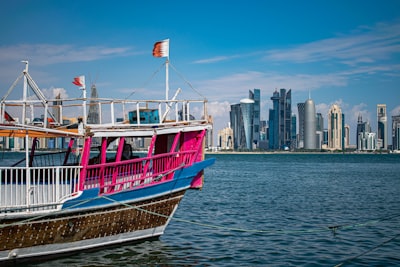
The Doha Corniche is a picturesque waterfront promenade stretching for several kilometers along Doha Bay. It offers stunning panoramic views of the city's modern skyline on one side and the tranquil waters of the Arabian Gulf on the other. It's a popular spot for jogging, walking, cycling, or simply enjoying the sunset. Dhow (traditional wooden boat) cruises are available, offering unique perspectives of the city from the water.
Msheireb Downtown Doha
An ambitious regeneration project, Msheireb Downtown Doha is the world's first sustainable downtown regeneration project. It seamlessly blends traditional Qatari architecture with modern design and smart technologies. Explore its charming streets, visit the Msheireb Museums (showcasing Qatar's heritage through four historic houses), and enjoy its array of cafes and boutique shops. It’s a fascinating glimpse into Doha's vision for sustainable urban living.
Aspire Zone (Doha Sports City) / Villaggio Mall
Aspire Zone is an international sports destination, featuring state-of-the-art sporting facilities, including Khalifa International Stadium and the Aspire Dome. Nearby is Villaggio Mall, one of Doha’s most unique shopping centers. Designed to resemble an Italian village, it even has an indoor canal with gondola rides, alongside a wide range of international brands, restaurants, and entertainment options.
Mathaf: Arab Museum of Modern Art
Located in Education City, Mathaf offers a unique perspective on modern and contemporary art from the Arab world and its diasporas. It features a diverse collection of paintings, sculptures, and installations by Arab artists, challenging Western-centric narratives of art history. It's a significant cultural institution for those interested in regional artistic expressions.
Inland Sea (Khor Al Adaid)
For an adventurous escape, embark on a desert safari to the Inland Sea, a UNESCO recognized natural reserve where the sea encroaches deep into the heart of the desert, surrounded by towering dunes. It's accessible only by 4x4 vehicles and offers exhilarating dune bashing, stunning natural beauty, and a chance to truly experience Qatar's desert landscape.
How to Reach Doha
Doha is extremely well-connected internationally, primarily through air travel.
By Air: Hamad International Airport (HIA)
Hamad International Airport (HIA) (DOH) is Qatar's sole international airport and a major global aviation hub. It's consistently ranked among the world's best airports, known for its stunning architecture, luxurious facilities, and efficient operations. Qatar Airways, the national carrier, operates an extensive network of flights worldwide. HIA offers a range of services, including duty-free shopping, diverse dining options, transit hotels, and an impressive art collection.
Visas and Entry Requirements
- Visa-Free Entry: Citizens of over 100 countries are eligible for visa-free entry to Qatar, typically allowing stays of 30 or 90 days, depending on nationality. Check the official Qatar Ministry of Interior or Qatar Airways website for the latest list.
- e-Visa: For those not eligible for visa-free entry, an e-visa can be applied for online in advance.
- GCC Residents: Residents of Gulf Cooperation Council (GCC) countries may also have specific visa-on-arrival or visa-free arrangements.
- Required Documents: Typically, a passport valid for at least six months beyond your intended stay, a confirmed onward/return ticket, and proof of accommodation are required. Always check the specific requirements based on your nationality before traveling.
Getting to and from Hamad International Airport
- Doha Metro: The Red Line of the Doha Metro connects HIA directly to the city center, offering a fast, efficient, and affordable way to travel. The airport station is conveniently located within the terminal.
- Karwa Taxis: Official Karwa taxis are readily available outside the arrivals hall. They are metered, government-regulated, and a reliable option.
- Ride-Sharing Apps: Uber and Careem operate in Doha and can be booked via their respective apps.
- Car Rental: All major international car rental companies have counters at HIA.
Local Food Guide in Doha
Qatari cuisine, while influenced by its Arab and Indian neighbors, offers unique flavors centered around slow-cooked meats, fragrant rice, and aromatic spices. Doha also boasts an incredible international dining scene.
Traditional Qatari Dishes
- Machboos (Kabsa): The national dish of Qatar, this flavorful rice dish is cooked with tender meat (chicken, lamb, or camel), vegetables, and a blend of aromatic spices.
- Thareed: A hearty stew made with vegetables and meat (often lamb), served over layers of thin, unleavened bread that soaks up the savory broth.
- Harees: A simple yet nourishing dish made from crushed wheat and meat (usually chicken or lamb), slow-cooked until it forms a porridge-like consistency, often topped with ghee.
- Luqaimat: Sweet dumplings, crisp on the outside and soft on the inside, drizzled with date syrup (dibbs) and often sprinkled with sesame seeds. A popular dessert during Ramadan.
- Ghuzi: A whole roasted lamb or sheep served on a bed of rice, often a centerpiece at feasts and celebrations.
- Karak Tea: A strong, sweet, spiced milk tea that is a beloved national beverage. You'll find karak cafes everywhere, from humble stalls to modern cafes.
Dining Experiences
- Souq Waqif: The best place to sample authentic Qatari and Middle Eastern cuisine in a traditional setting. Numerous small eateries offer delicious and affordable meals.
- Fine Dining: Doha's luxury hotels house world-renowned restaurants run by celebrity chefs, offering everything from exquisite French and Italian to innovative Asian and Middle Eastern fusion.
- International Cuisine: Due to its diverse expatriate population, Doha has an incredible range of international restaurants catering to every palate and budget, from Indian and Pakistani to Filipino, Lebanese, and European.
- Street Food: While not as prevalent as in some other countries, you can find delicious and inexpensive street food options, particularly around Souq Waqif and in local neighborhoods. Look for shawarma, falafel, and grilled meats.
Dining Tips
- Dress Code: While not strictly enforced in all restaurants, smart casual attire is generally recommended for upscale establishments.
- Alcohol: Alcohol is served only in licensed hotel restaurants and bars, and consumption is restricted to these venues. It is illegal to drink alcohol in public places.
- Tipping: Tipping is appreciated but not mandatory. Around 10-15% is standard for good service in restaurants.
Public Transport in Doha
Doha has significantly invested in its public transportation network, making it increasingly easy for visitors to get around.
Doha Metro
The Doha Metro is a modern, driverless railway system that is fast, clean, and highly efficient. It consists of three lines (Red, Green, and Gold) covering most major attractions, including Hamad International Airport, Souq Waqif, Katara, and The Pearl-Qatar (via a tram link).
- Fare Card: Purchase a reusable Karwa Smart Card from any metro station for QR 10, then top it up. A single journey costs QR 2. Goldclub cards offer premium cabins for QR 10 per journey.
- Operating Hours: Generally, 6 AM to 11 PM Saturday to Wednesday, 6 AM to midnight on Thursday, and 2 PM to midnight on Friday.
Karwa Taxis
The official taxi service in Qatar is operated by Mowasalat (Karwa). These turquoise-colored taxis are metered and reliable.
- Booking: You can hail them on the street, find them at taxi stands (e.g., at malls, hotels, airport), or book via the Karwa Taxi App (available on iOS and Android). Booking via the app ensures availability and tracking.
- Cost: Fares are reasonable, starting at QR 4 and increasing by QR 1.2 per kilometer during the day.
Buses
Mowasalat also operates an extensive public bus network. While buses cover many areas, they can be less convenient for tourists compared to the metro or taxis due to less frequent schedules and less prominent routes to major tourist sites. A Karwa Smart Card is also used for bus fares.
Ride-Sharing Apps (Uber & Careem)
Both Uber and Careem are widely available and popular in Doha. They offer a convenient way to get around, often with competitive pricing and the ability to pay via the app.
Car Rental
Renting a car is an option for those who prefer independent travel, especially for exploring areas outside the city or if planning multiple desert excursions.
- Requirements: An international driving permit (IDP) is usually required in addition to your national driving license.
- Driving: Roads are generally well-maintained, but traffic can be heavy during peak hours. Parking is usually ample at major attractions and malls.
Travel Budget Tips for Doha
Doha can be perceived as an expensive destination, but with smart planning, you can enjoy its offerings without breaking the bank.
- Accommodation: Book well in advance, especially during peak season (November-April). Consider staying outside the most luxurious areas like West Bay for better value. Look for serviced apartments or guesthouses if staying longer.
- Food: While fine dining is abundant, you can eat very well and affordably at local eateries in Souq Waqif, or at cafeteria-style restaurants in more residential areas. Opt for lunch specials or "business lunches" at upscale restaurants for a taste of luxury at a lower price.
- Transportation: Utilize the Doha Metro for most of your commutes. It's significantly cheaper than taxis or ride-sharing, especially for solo travelers or small groups. Walk when possible, particularly along the Corniche or within areas like Souq Waqif.
- Free Attractions: Many of Doha's most iconic sights are free to enter or enjoy:
- Katara Cultural Village (grounds, some exhibitions may have fees)
- The Pearl-Qatar (strolling and admiring)
- Msheireb Downtown Doha (exploring the architecture)
- Museum Entry: While some museums have an entry fee (e.g., NMOQ, MIA), these are typically reasonable for the quality of the experience. Consider purchasing a Qatar Museums Culture Pass for discounts and exclusive access if planning to visit multiple museums.
- Souvenirs: Haggle respectfully in Souq Waqif for better prices on handicrafts and souvenirs.
- Hydration: Always carry water. Buying bottled water in supermarkets is much cheaper than in convenience stores or tourist spots.
- Duty-Free: Hamad International Airport has excellent duty-free shopping, which can be a good place for last-minute gifts, though prices are generally premium.
Hotels and Accommodation in Doha
Doha offers a wide spectrum of accommodation, from ultra-luxurious five-star resorts to comfortable mid-range hotels and serviced apartments.
Luxury Hotels (5-Star and Resorts)
Doha excels in luxury, with a plethora of international chains offering opulent stays, impeccable service, and world-class amenities (spas, private beaches, multiple dining options).
- Examples: The St. Regis Doha, Four Seasons Hotel Doha, Mandarin Oriental Doha, W Hotel Doha, The Ritz-Carlton, Marsa Malaz Kempinski.
- Areas: Primarily concentrated in West Bay (city skyline views), The Pearl-Qatar (marina views, upscale lifestyle), and along the Corniche.
- Amenities: Expect multiple swimming pools, private beaches, spas, fitness centers, concierge services, and a range of fine dining restaurants.
Mid-Range Hotels (3-4 Star)
These hotels offer excellent value, combining comfort, good service, and convenient locations without the ultra-high price tag of luxury resorts.
- Examples: DoubleTree by Hilton Doha, Holiday Inn Doha - The Business Park, Dusit D2 Salwa, Hyatt Regency Oryx Doha.
- Areas: Found throughout the city, including areas like Al Sadd, Old Airport Road, and closer to Msheireb Downtown Doha.
- Amenities: Typically include a swimming pool, fitness center, a restaurant or two, and comfortable rooms.
Budget Accommodation
Budget options are fewer in Doha compared to many other cities, but they do exist, particularly in the form of serviced apartments or guesthouses.
- Examples: Look for properties like Ezdan Hotel & Suites (large complex with varied room types), Oryx Airport Hotel (for transit stays within HIA), or smaller independent hotels.
- Areas: Often found in older parts of the city or slightly further from major tourist hubs, requiring more reliance on public transport.
- Tips: Booking well in advance is crucial for securing good rates on budget-friendly options. Consider staying in serviced apartments if you plan a longer visit, as they often include kitchenettes, saving on food costs.
Areas to Stay
- West Bay: Best for business travelers and those seeking modern luxury, close to shopping malls and corporate offices. Great skyline views.
- Souq Waqif Area: Ideal for cultural immersion, close to the souq, MIA, and NMOQ. Offers a charming, traditional atmosphere.
- Msheireb Downtown Doha: A sustainable urban hub, offering a blend of modern amenities with cultural appeal, walkable and well-connected by metro.
- The Pearl-Qatar: For a lavish, resort-style experience with marina views and high-end dining and shopping.
Safety Tips for Travelers in Doha
Qatar is considered one of the safest countries in the world, with a very low crime rate. However, it's always wise to be aware of local customs and general safety practices.
- Low Crime Rate: Violent crime against tourists is extremely rare. Petty crime like pickpocketing is also uncommon, but it’s always good practice to keep an eye on your belongings in crowded areas.
- Cultural Sensitivity and Dress Code:
- Modesty: While Doha is relatively liberal compared to some other Gulf nations, it is a Muslim country, and respect for local customs is paramount. Modest dress is appreciated, especially when visiting religious sites, government buildings, or traditional areas like Souq Waqif. For women, this generally means covering shoulders and knees; for men, avoiding tank tops.
- Public Displays of Affection: Avoid overt public displays of affection, as this can be considered offensive.
- Photography: Always ask for permission before photographing people, especially women. Be mindful of privacy.
- Heat Precautions: During the hotter months (May-October), the heat can be intense.
- Stay hydrated by drinking plenty of water.
- Wear light, breathable clothing and a hat.
- Use sunscreen and sunglasses.
- Plan outdoor activities for early mornings or late evenings, or stick to air-conditioned indoors during the hottest parts of the day.
- Traffic Safety: While driving standards are generally good, traffic can be fast-paced.
- Use designated pedestrian crossings.
- Be cautious when crossing roads.
- If renting a car, familiarize yourself with local driving laws and customs.
- Alcohol Consumption: Alcohol is strictly controlled in Qatar.
- It is only sold and consumed in licensed hotel restaurants and bars.
- It is illegal to drink alcohol in public places or to be intoxicated in public.
- Bringing alcohol into the country is strictly prohibited.
- Local Laws and Etiquette:
- Avoid criticizing the government or the royal family.
- During the holy month of Ramadan, refrain from eating, drinking, or smoking in public during fasting hours (sunrise to sunset).
- Shake hands with men when introduced; for women, wait for them to extend a hand first.
- Emergency Services (Police, Ambulance, Fire): 999
- Keep your hotel's address and phone number handy.
FAQ Section
Q1: Is Doha expensive to visit?
A: Doha can be expensive, especially for luxury accommodation and fine dining. However, it's possible to travel on a moderate budget by using the metro, eating at local restaurants, and enjoying the many free attractions.
Q2: What should I wear in Doha?
A: Modesty is key. For women, it's advisable to cover shoulders and knees, especially when visiting public places, religious sites, or traditional areas like Souq Waqif. Men should avoid tank tops. Swimwear is acceptable at hotel pools and private beaches.
Q3: Can I drink alcohol in Doha?
A: Yes, but only in licensed hotel restaurants and bars. It is illegal to drink alcohol in public places or to be intoxicated in public. Bringing alcohol into Qatar is also strictly prohibited.
Q4: Is Doha safe for solo female travelers?
A: Yes, Doha is considered extremely safe for solo female travelers due to its very low crime rate. Women generally experience no harassment, but dressing modestly and being aware of local customs will enhance comfort and respect.
Q5: How many days do I need to visit Doha?
A: For a good overview of Doha's main attractions, 3 to 5 days is recommended. This allows time to explore cultural sites, enjoy luxury experiences, and perhaps venture into the desert. If you're using Doha as a stopover, 1-2 full days can cover the highlights.
Q6: What currency is used in Qatar?
A: The official currency is the Qatari Riyal (QAR), which is pegged to the US Dollar at a rate of 1 USD = 3.64 QAR. ATMs are widely available, and credit cards are accepted in most establishments.
Q7: Do I need to learn Arabic?
A: No, English is widely spoken and understood, especially in tourist areas, hotels, and businesses. While learning a few basic Arabic phrases is appreciated, it's not necessary for navigating the city.
Q8: What are the best souvenirs to buy in Doha?
A: Popular souvenirs include spices, Arabic coffee pots (dallah), pashminas, oud (fragrant wood), traditional Qatari sweets, pearls (real or imitation), and small handicrafts from Souq Waqif.
Doha is a destination that truly offers something for everyone – whether you seek cultural immersion, luxurious indulgence, desert adventures, or a glimpse into a rapidly evolving modern city. With this guide, you are well-equipped to explore the wonders of Qatar’s vibrant capital.