Phuket Travel Guide – Best Places to Visit in Thailand
Phuket: Thailand's Enchanting Pearl of the Andaman
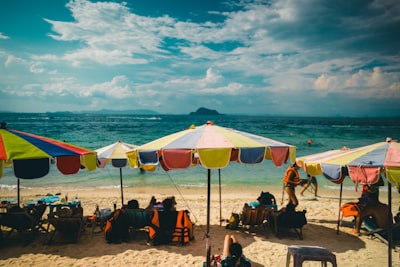
Phuket, Thailand's largest island, is a dazzling jewel nestled in the Andaman Sea. Renowned for its pristine white-sand beaches, crystal-clear turquoise waters, vibrant nightlife, and lush rainforests, Phuket offers an intoxicating blend of relaxation and adventure. From the bustling energy of Patong Beach to the serene tranquility of its northern shores, and the cultural richness of Phuket Old Town, the island caters to every type of traveler. Whether you're seeking adrenaline-pumping water sports, spiritual enlightenment at ancient temples, culinary delights, or simply a tranquil escape under the sun, Phuket promises an unforgettable tropical experience that captivates the senses and rejuvenates the soul.
Best Time to Visit
Understanding Phuket's distinct seasons is key to planning your perfect trip. The island experiences a tropical monsoon climate, characterized by two main seasons: the dry season and the monsoon season.
The
dry season, from
November to February, is widely considered the best time to visit. During these months, the weather is gloriously sunny with comfortable temperatures averaging 24-32°C and minimal humidity. The seas are calm and clear, making it ideal for swimming, snorkeling, diving, and island hopping. This peak season sees the highest influx of tourists, so expect higher prices for flights and accommodation, and more crowded attractions. Booking well in advance is highly recommended if you plan to visit during this period, especially around Christmas and New Year.
Following the dry season is the
hot season, from
March to May. Temperatures can soar above 35°C, and humidity levels rise significantly. While still sunny, the heat can be intense for some. Despite this, it can be a good time for budget travelers as crowds thin out slightly before the monsoon season, and prices may be a bit lower. The Thai New Year, Songkran (mid-April), offers a unique cultural experience with lively water fights across the island.
The
monsoon (rainy) season typically runs from
May to October. This period is characterized by higher rainfall, often in short, intense bursts, though prolonged days of rain are less common. Temperatures are still warm, around 28-30°C. While rain might deter some, this "green season" offers several advantages: lush landscapes, fewer tourists, significantly lower prices for hotels and tours, and a more authentic local experience. Surfers might find good waves on the west coast beaches during these months. However, rougher seas can sometimes lead to cancellations of boat trips to outer islands. Always check weather forecasts and sea conditions. Overall, for ideal beach weather and outdoor activities, the dry season is unbeatable, but shoulder seasons (late October/early November and March/April) can offer a good balance of weather and fewer crowds.
Top Attractions
Phuket is brimming with attractions that cater to diverse interests, from stunning natural landscapes to rich cultural sites and thrilling adventure activities.
Beaches
Phuket's coastline is famous for its diverse beaches.
Patong Beach is the most popular and lively, known for its bustling atmosphere, vast array of water sports, shopping, and vibrant nightlife on Bangla Road. For a more relaxed vibe,
Kata Beach and
Karon Beach offer softer sands, clear waters, and family-friendly environments with plenty of dining options.
Nai Harn Beach, further south, is a local favorite, less crowded, and perfect for swimming, especially during the high season.
Freedom Beach, accessible by longtail boat, is a pristine, secluded paradise ideal for snorkeling and sunbathing away from the crowds. For ultimate tranquility, the long, quiet stretch of
Mai Khao Beach in the north is perfect for long walks and witnessing sea turtle nesting.
Cultural and Historical Sites
The
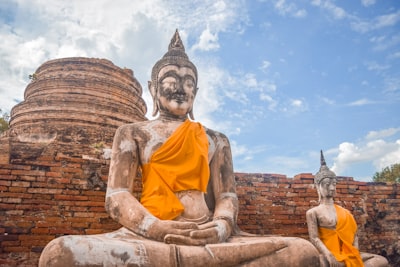
Big Buddha (Phra Phutta Mingmongkol Akenakkiri) is one of Phuket's most iconic landmarks, a magnificent 45-meter-tall white marble statue sitting atop Nakkerd Hill. It offers breathtaking panoramic views of the island.
Wat Chalong, Phuket's largest and most revered temple, is a spiritual hub featuring intricate architecture, golden statues, and beautiful murals depicting Buddha's life.
Phuket Old Town is a charming area filled with colorful Sino-Portuguese architecture, trendy cafes, boutique shops, and vibrant street art. Exploring its narrow streets provides a glimpse into the island's tin-mining heritage and offers fantastic photo opportunities.
Nature and Adventure
A must-do excursion is a day trip to
Phang Nga Bay, famous for its dramatic limestone karsts rising majestically from the emerald waters, including the iconic James Bond Island (Koh Tapu). Explore sea caves and hidden lagoons by kayak. The
Phi Phi Islands (Koh Phi Phi Don and Koh Phi Phi Leh) are another popular day trip destination, celebrated for their stunning Maya Bay (featured in "The Beach" movie), Viking Cave, and excellent snorkeling opportunities. For serious divers, the
Similan Islands, a protected marine national park, offer some of the best diving sites in the world with incredible marine biodiversity. Ethical
elephant sanctuaries like the Phuket Elephant Sanctuary or Elephant Jungle Sanctuary offer heartwarming interactions with rescued elephants in a natural setting. Don't miss the spectacular sunset views from
Promthep Cape, Phuket's southernmost point, or the panoramic vistas from
Khao Rang Hill Viewpoint in Phuket Town.
Activities
Beyond sightseeing, Phuket offers a wealth of activities. Engage in thrilling
water sports like jet-skiing, parasailing, and paddleboarding. Learn the secrets of Thai cuisine with a
cooking class. Experience the adrenaline of
Muay Thai (Thai boxing) by watching a match or taking a beginner's lesson. Explore the lush interior on a
zip-lining adventure or ATV tour. The island's vibrant
nightlife, particularly in Patong, offers everything from lively bars and nightclubs to cabaret shows.
How to Reach
Phuket is one of Thailand's most accessible destinations, offering various transportation options depending on your starting point and budget.
By Air
The most convenient and popular way to reach Phuket is by flying into
Phuket International Airport (HKT). It is Thailand's second-busiest airport and serves as a major hub for both domestic and international flights.
- International Flights: HKT receives direct flights from major cities across Asia, Australia, Europe, and the Middle East. Airlines like Thai Airways, Bangkok Airways, AirAsia, Emirates, Qatar Airways, and many others operate routes to Phuket.
- Domestic Flights: Frequent direct flights connect Phuket with Bangkok (Suvarnabhumi BKK and Don Mueang DMK), Chiang Mai, Samui, and other Thai cities. The flight from Bangkok takes approximately 1 hour and 20 minutes.
Upon arrival at HKT, you can easily reach your accommodation via airport taxis, Grab (ride-hailing app), airport bus services, or pre-booked private transfers.
By Road
While flying is faster, reaching Phuket by road is an option for budget travelers or those already exploring mainland Thailand.
- Bus Services: Regular long-distance buses operate daily from Bangkok's Southern Bus Terminal (Sai Tai Mai) to Phuket Town. The journey is long, typically 12-14 hours, but modern VIP buses offer comfortable reclining seats, air conditioning, and sometimes meals. Several private bus companies also offer routes from other major Thai cities.
- Private Car/Minivan: Renting a car or hiring a private minivan with a driver is an option for more flexibility, especially for groups, though it is significantly more expensive than the bus. The Sarasin Bridge connects Phuket to the mainland.
By Sea
If you're island hopping from nearby destinations like Krabi, Koh Phi Phi, Koh Lanta, or Koh Lipe, ferries and speedboats are a popular mode of transport.
- Ferries and Speedboats: Daily services connect Phuket's Rassada Pier (Phuket Town) or other smaller piers to these islands. The journey duration varies from 1.5 hours (Phi Phi) to several hours (Koh Lanta). These services are generally reliable, but can be affected by rough seas during the monsoon season. Booking tickets in advance, especially during peak season, is advisable through local tour operators or online platforms.
Local Food Guide
Phuket's culinary scene is a vibrant fusion of Thai, Malay, Chinese, and Indian influences, offering an incredible array of flavors and experiences. Eating local is not just delicious but also a fantastic way to immerse yourself in the culture.
Must-Try Dishes
- Tom Yum Goong: The iconic hot and sour shrimp soup, fragrant with lemongrass, galangal, kaffir lime leaves, and chili. A must-try classic.
- Pad Thai: Stir-fried rice noodles with shrimp or chicken, tofu, bean sprouts, peanuts, and a tangy tamarind sauce. A ubiquitous and delicious street food staple.
- Massaman Curry: A rich, mild, and slightly sweet curry with influences from Persian cuisine. Typically made with chicken or beef, potatoes, and peanuts, served with rice.
- Gaeng Keow Wan (Green Curry): A creamy, spicy, and aromatic curry made with green chilies, coconut milk, bamboo shoots, and various meats or vegetables.
- Khao Pad (Fried Rice): A simple yet satisfying dish of rice stir-fried with egg, vegetables, and your choice of meat, often served with a wedge of lime and sliced cucumber.
- Som Tum (Papaya Salad): A refreshing and spicy salad made from shredded green papaya, chilies, lime, fish sauce, peanuts, and cherry tomatoes. You can specify your desired level of spice.
- Fresh Seafood: Being an island, Phuket boasts an abundance of fresh seafood. Head to local markets or beachfront restaurants for grilled prawns, whole fish (snapper, grouper), crabs, and squid, often cooked with garlic and chili or steamed with lime.
- Mee Hokkien: A Phuket specialty – stir-fried Hokkien noodles with seafood, pork, and sometimes an egg, typically thicker and chewier than other noodles.
- Kanom Jeen: A popular breakfast dish of fresh rice vermicelli noodles served with various curries and an array of fresh vegetables and herbs.
Where to Eat
- Street Food Markets: The best way to experience authentic and affordable local cuisine. Check out Banzaan Fresh Market or Malin Plaza Patong for a huge selection of stalls selling everything from grilled skewers and spring rolls to fresh fruit shakes and desserts. Phuket Walking Street (Lard Yai) in Old Town (Sunday evenings) is also a fantastic spot for foodies.
- Local Restaurants (Raan Ahaan Thai): These are abundant across the island, offering a more casual dining experience with extensive menus and very reasonable prices. Look for places popular with locals.
- Fine Dining: For a more upscale experience, Phuket has numerous high-end restaurants, many attached to luxury resorts, offering gourmet Thai cuisine and international dishes with stunning views.
- Food Courts: Shopping malls like Central Festival Phuket have excellent food courts offering a clean and air-conditioned environment with a wide variety of Thai and international dishes at budget-friendly prices.
Drinks
Quench your thirst with fresh tropical
fruit shakes (mango, pineapple, watermelon), refreshing
Thai iced tea (Cha Yen) or
iced coffee (Oliang), and local Thai beers like Singha, Chang, or Leo.
Public Transport
Navigating Phuket can be an adventure in itself, with various transport options catering to different budgets and preferences.
Tuk-Tuks
These brightly colored, motorized three-wheelers are ubiquitous in tourist areas. They are convenient for short distances but can be more expensive than other options, especially in Patong. Always
negotiate the fare before getting in, as they rarely use meters. Prices are generally higher after dark.
Songthaews (Baht Buses)
These are open-sided, converted pickup trucks that serve as Phuket's local bus system. They follow fixed routes, connecting Phuket Town with various beaches (e.g., Patong, Kata, Karon). They are the cheapest mode of transport for longer distances. Look for the destination displayed on the front. They don't have fixed stops; just flag them down, and ring the bell when you want to get off. They are slower but offer an authentic local experience.
Grab (Ride-hailing)
Grab is Southeast Asia's version of Uber and is widely available and popular in Phuket. It offers car and motorbike taxi services. The app provides upfront pricing, which eliminates the need for negotiation and makes it a reliable and transparent option. It's often cheaper than tuk-tuks for comparable distances, especially when traveling alone or in small groups.
Motorbike Taxis
Identified by their colored vests, motorbike taxis are a fast way to get around for solo travelers. They are readily available, especially in busy areas. Agree on the fare beforehand. While quick, they carry inherent risks, so always wear a helmet (provided by the driver).
Car and Scooter Rental
Renting a scooter (around 200-300 THB per day) offers the most freedom to explore at your own pace. However, traffic in Phuket can be chaotic, and accidents involving tourists are common. Only rent if you have prior experience and an international driving permit (and relevant motorbike license category). Always wear a helmet. Car rental is also an option for families or groups, offering comfort and safety, but be prepared for right-hand-side driving and navigating sometimes challenging local roads. Insurance is highly recommended for both.
Longtail Boats and Speedboats
For island hopping, beach transfers to secluded coves (like Freedom Beach), or exploring nearby islands, longtail boats and speedboats are essential. You can hire them privately for customized tours or join group tours. Negotiate prices for private hires.
Travel Budget Tips
Phuket can be enjoyed on various budgets, from luxurious indulgence to shoestring backpacking. Here are tips to stretch your baht further:
Accommodation
- Budget Stays: Opt for hostels (dorm beds around 200-400 THB/night), guesthouses, or basic hotels away from the main tourist strips. Phuket Town and some areas of Patong offer cheaper options.
- Book in Advance: Especially during peak season, booking early can secure better rates.
- Consider Shoulder Season: Traveling during late May-June or September-October often means significantly reduced hotel prices due to fewer tourists.
Food
- Embrace Street Food: This is your best friend for budget eating. Delicious meals can be found for as little as 40-80 THB per dish. Night markets are a feast for the senses and your wallet.
- Local Restaurants: Seek out restaurants frequented by locals; they offer authentic Thai food at lower prices than tourist-oriented establishments.
- Cook Your Own: If your accommodation has kitchen facilities, buying fresh produce from local markets and cooking some of your meals can save money.
- Avoid Tourist Traps: Restaurants directly on the busiest beach fronts often charge a premium. Walk a few streets back for better value.
Transport
- Use Songthaews: For inter-beach travel, these are the most economical choice.
- Walk: For short distances, walking is free and a great way to explore.
- Grab App: For convenience and transparent pricing, Grab is often more affordable than negotiating with tuk-tuk drivers.
- Rent a Scooter (with caution): If experienced and licensed, renting a scooter can be cost-effective for exploring, but factor in fuel costs and safety risks.
- Group Tours: For island hopping, joining a group tour is usually cheaper than hiring a private boat.
Activities
- Free Attractions: Enjoy Phuket's beautiful beaches, watch the sunset from Promthep Cape, explore Phuket Old Town, or visit temples (donations appreciated).
- Bargain: At markets and for unmetered transport, always politely bargain for a better price. Start at about 50-70% of the asking price.
- Package Deals: For multiple tours or activities, look for reputable tour agencies that offer package deals. Compare prices.
- Happy Hour: Take advantage of happy hour deals at bars and restaurants for cheaper drinks.
Shopping and Miscellaneous
- Night Markets: Great for souvenirs, clothes, and snacks at reasonable prices.
- Currency Exchange: Exchange money at local exchange booths in tourist areas or banks; airport rates are usually less favorable.
- Travel Insurance: An essential investment that can save you a fortune in case of emergencies, especially if you plan to do adventure activities.
Hotels and Accommodation
Phuket offers an extensive range of accommodation options, catering to every budget and style, from luxurious five-star resorts to cozy guesthouses and lively hostels. The choice of where to stay often depends on your priorities: nightlife, relaxation, family-friendliness, or cultural immersion.
Luxury Accommodation (5-star Resorts)
For those seeking ultimate indulgence, Phuket boasts world-class resorts with stunning infinity pools, private beach access, spa services, and gourmet dining.
- Areas: These are typically found in more serene areas like Kamala, Surin, Mai Khao, or secluded bays like Panwa Cape. Examples include The Slate (Mai Khao), Trisara (Naithon Beach), and Amanpuri (Pansea Beach).
- Features: Expect spacious rooms or villas, impeccable service, private balconies/terraces, and extensive amenities.
Mid-Range Accommodation (3-4 star Hotels)
This category offers a fantastic balance of comfort, amenities, and value for money. You'll find a wide selection of hotels with swimming pools, restaurants, and good service.
- Areas: Karon Beach and Kata Beach are particularly popular for mid-range options, often favored by families due to their calmer atmosphere and good facilities. Patong also has numerous mid-range hotels, offering proximity to the action. Phuket Town has boutique hotels blending modern comforts with traditional charm.
- Features: Air-conditioned rooms, private bathrooms, Wi-Fi, often a pool, and sometimes breakfast included.
Budget Accommodation (Hostels, Guesthouses, Basic Hotels)
Phuket is very backpacker-friendly, with plenty of affordable options for solo travelers or those on a tight budget.
- Areas: Patong (especially away from the main beach road) and Phuket Town have the highest concentration of budget accommodation. You can also find guesthouses in areas like Rawai and Nai Harn.
- Features: Dorm rooms or basic private rooms, shared or private bathrooms, usually A/C, and common areas. Hostels often organize social events and tours.
Areas to Stay Based on Preference:
- Patong Beach: Best for nightlife, vibrant atmosphere, shopping, and easy access to water sports. Can be very busy and noisy.
- Kata Beach & Karon Beach: Ideal for families and couples seeking a more relaxed beach experience, good swimming conditions, and a balance of amenities.
- Phuket Old Town: Perfect for cultural enthusiasts, history buffs, and foodies. Offers charming boutique hotels, local eateries, and a distinct heritage feel. Less about beaches, more about exploring.
- Rawai & Nai Harn: Quieter, more local feel, popular with expats and long-term visitors. Great for beautiful sunsets and delicious seafood restaurants (Rawai Seafood Market).
- Kamala Beach & Surin Beach: Upscale, sophisticated areas with beautiful beaches, high-end resorts, and fine dining.
- Mai Khao Beach & Nai Yang Beach: In the north near the airport, these beaches are very quiet, natural, and offer a truly tranquil escape, often with luxury resorts.
Booking platforms like Booking.com, Agoda, and Expedia offer a wide selection and are useful for comparing prices and reading reviews. Consider checking directly with hotels for special offers.
Safety Tips
While Phuket is generally a safe destination for tourists, like any popular travel spot, it's wise to be aware of common risks and take precautions.
General Safety
- Petty Crime: Be mindful of pickpocketing, especially in crowded areas like markets, busy streets (e.g., Bangla Road), and on public transport. Keep valuables secure and out of sight.
- Scams: Be cautious of common scams such as jet ski rental scams (where operators claim you damaged the vehicle and demand excessive compensation), gem scams, and unsolicited offers for cheap tours that turn out to be high-pressure sales pitches. Always rent from reputable operators and inspect equipment thoroughly.
- Personal Belongings: Don't leave bags unattended on beaches or in open vehicles. Use hotel safes for passports, large sums of cash, and other important documents.
- Nightlife: If enjoying Patong's nightlife, drink responsibly. Avoid walking alone in poorly lit areas late at night. Be wary of spiked drinks.
- Drugs: Thailand has extremely strict drug laws with severe penalties, including long prison sentences and even the death penalty. Do not engage with or buy any illicit substances.
Traffic Safety
- Motorbike Rentals: This is where most tourist accidents occur. Only rent a scooter if you are an experienced rider, possess an international driving permit with a motorbike endorsement, and always wear a helmet. Be aware of erratic local driving habits, poor road conditions, and sand on roads.
- Tuk-Tuks/Taxis: While generally safe, agree on the fare beforehand to avoid disputes.
- Pedestrians: Be vigilant when walking, especially crossing roads. Traffic can be fast and unpredictable.
Water Safety
- Rip Currents: Be aware of rip currents, especially during the monsoon season (May-October) when red flags are often displayed on beaches. Always swim where there are lifeguards and obey flag warnings.
- Boat Safety: When taking boat tours, choose reputable operators. Ensure life jackets are available and worn, especially on speedboats which can get very choppy.
- Sun Protection: The tropical sun is intense. Use high-SPF sunscreen, wear hats and sunglasses, and stay hydrated to prevent sunburn and heatstroke.
Health and Hygiene
- Food Safety: Eat at busy establishments with high turnover, as this usually indicates fresh ingredients. Be cautious with street food if you have a sensitive stomach, but generally, it's safe and delicious.
- Hydration: Drink plenty of bottled water (tap water is not potable).
- Insects: Dengue fever and Zika virus are present in Thailand. Use insect repellent, especially during dawn and dusk.
- Travel Insurance: This is crucial. Ensure your policy covers medical emergencies, hospitalization, emergency evacuation, and any adventure activities you plan to undertake.
Respect Local Culture
- Dress Code: When visiting temples or sacred sites, dress modestly (shoulders and knees covered). Remove your shoes before entering.
- Monarchy: Show respect for the Thai monarchy; criticizing it is illegal and severely punished.
- Buddhism: Be respectful of Buddha images and monks. Never point your feet at a Buddha image or a person.
- Head and Feet: The head is considered the most sacred part of the body, and the feet the lowest. Avoid touching people's heads and never point your feet at anyone.
FAQ Section
Q: Is Phuket expensive?
A: Phuket can cater to all budgets. While luxury resorts and tourist-heavy areas like Patong can be expensive, it's very possible to travel on a budget by staying in guesthouses, eating street food, and using local transport like songthaews.
Q: How many days are enough for Phuket?
A: A minimum of 3-5 days is recommended to experience Phuket's main attractions. However, to truly relax, explore nearby islands, and enjoy various activities, 7-10 days would allow for a more comprehensive and unhurried trip.
Q: Do I need a visa for Thailand?
A: Many nationalities can enter Thailand visa-free for periods ranging from 15 to 45 days, depending on the country. Always check the specific visa requirements for your nationality with the Thai embassy or consulate in your home country before traveling.
Q: What's the best way to get around Phuket?
A: For convenience, ride-hailing apps like Grab are popular. For budget travel, songthaews (local buses) are the cheapest. Tuk-tuks are common for short distances but require fare negotiation. Renting a scooter offers freedom but requires caution and an international driving permit.
Q: Is Phuket safe for solo female travelers?
A: Generally, yes. Phuket is a popular destination and relatively safe. However, standard travel precautions apply: be aware of your surroundings, avoid walking alone in poorly lit areas at night, and be cautious of over-friendly strangers. Using reputable transport and letting someone know your itinerary is always a good idea.
Q: What should I wear in Phuket?
A: Lightweight, breathable clothing like cotton or linen is ideal due to the tropical climate. Swimwear is perfect for beaches. When visiting temples or religious sites, dress modestly with shoulders and knees covered as a sign of respect. Comfortable walking shoes or sandals are recommended for exploring.
Phuket truly is a multifaceted destination, promising sun-drenched beaches, cultural insights, thrilling adventures, and culinary delights that will leave a lasting impression. Plan your trip with these tips, and prepare for an unforgettable Thai island escape.