Marrakech Travel Guide – Best Places to Visit in Morocco
Discover the Enchanting Red City: A Comprehensive Travel Guide to Marrakech
Marrakech, often referred to as the "Red City" due to its distinctive rose-hued buildings, is a vibrant and mystical destination that promises an unforgettable sensory adventure. Nestled at the foot of the Atlas Mountains, this ancient imperial city in Morocco is a tapestry of rich history, bustling souks, opulent palaces, serene gardens, and an energetic cultural scene. From the moment you step into its labyrinthine medina, you’ll be immersed in a world where ancient traditions blend seamlessly with modern life, where the scent of spices hangs heavy in the air, and the call to prayer echoes through narrow alleyways. Marrakech is a city that stimulates all the senses – a feast for the eyes, a symphony for the ears, a culinary delight, and an experience that will leave an indelible mark on your soul. Prepare to be captivated by its warmth, its chaos, and its undeniable charm.
Best Time to Visit Marrakech
Choosing the right time to visit Marrakech can significantly enhance your experience, primarily due to its desert climate.
Spring (March to May)
Spring is widely considered the ideal time to visit Marrakech. The weather is pleasantly warm, with average temperatures ranging from 20°C to 28°C (68°F to 82°F). The city’s gardens are in full bloom, offering a lush escape from the bustling medina. Daylight hours are long, perfect for exploring attractions and day trips. This period is popular, so expect larger crowds and higher accommodation prices.
Autumn (September to November)
Autumn is another excellent window, offering similar comfortable temperatures to spring, typically between 20°C and 30°C (68°F to 86°F). The intense summer heat has receded, and the air is crisp, making it perfect for wandering through the souks and enjoying outdoor activities. Like spring, autumn is a peak season, so advance booking for flights and hotels is recommended.
Winter (December to February)
Winter brings cooler temperatures, averaging 10°C to 20°C (50°F to 68°F) during the day, with evenings becoming quite chilly, often dropping to near freezing. While you'll encounter fewer tourists and lower prices, some attractions might have reduced hours, and the weather can be unpredictable, with occasional rain. However, the mild daytime temperatures are still very agreeable for exploration, and clear skies often prevail. If you plan to visit the Atlas Mountains, expect much colder, possibly snowy conditions.
Summer (June to August)
Summer in Marrakech is characterized by intense heat, with temperatures often soaring above 35°C (95°F) and sometimes exceeding 40°C (104°F). This is the low season for tourism, meaning fewer crowds and significantly lower prices for flights and accommodation. If you can tolerate extreme heat and plan your activities for early mornings and late evenings, or prioritize hotels with good air conditioning and pools, it can be a budget-friendly option. However, extensive daytime exploration can be uncomfortable and potentially unsafe without proper precautions.
Top Attractions in Marrakech
Marrakech is brimming with iconic sights that tell tales of its storied past and vibrant present.
Jemaa el-Fnaa
The heart of Marrakech, Jemaa el-Fnaa is a UNESCO World Heritage site and an open-air theatre that transforms from a quiet market square by day into a spectacular carnival at night. Here, you’ll find storytellers, snake charmers, acrobats, musicians, and rows of food stalls serving authentic Moroccan cuisine. It's an overwhelming, enchanting, and utterly unforgettable experience.
Bahia Palace
Meaning "brilliance," the Bahia Palace lives up to its name. This magnificent 19th-century palace showcases the best of Moroccan and Islamic architecture, with intricate mosaics, carved cedar ceilings, lush courtyards, and beautiful stained-glass windows. It offers a glimpse into the opulent lives of Morocco's wealthy elite.
Jardin Majorelle
A tranquil oasis designed by French painter Jacques Majorelle, later restored by Yves Saint Laurent and Pierre Bergé. The garden is famous for its vibrant cobalt blue buildings, exotic plant collections (cacti, palms, bamboo), and serene ponds. It also houses a small Berber Museum and the Yves Saint Laurent Museum nearby.
Ben Youssef Madrasa
Once the largest Islamic college in North Africa, the Ben Youssef Madrasa is a breathtaking example of Marinid architecture. Its courtyards are adorned with intricate tilework (zellij), carved stucco, and cedarwood, leading to small student cells. It's a peaceful and profoundly beautiful historical site.
Saadian Tombs
These royal tombs date back to the 16th century and were rediscovered in 1917. They house the remains of around 60 members of the Saadian dynasty, including Sultan Ahmad al-Mansur and his family. The mausoleums are lavishly decorated with intricate carvings, colorful tiles, and domes of carved cedar wood, showcasing exceptional craftsmanship.
Koutoubia Mosque
The largest mosque in Marrakech, its magnificent minaret dominates the city's skyline. While non-Muslims cannot enter the mosque, its exterior and the surrounding gardens are beautiful and peaceful to explore. The minaret served as a prototype for the Giralda in Seville and the Hassan Tower in Rabat.
The Medina and Souks
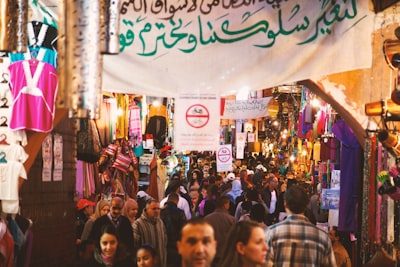
The UNESCO-listed Medina is a labyrinthine maze of narrow alleys, bustling with life and commerce. Within it are the famous souks (markets), where you can haggle for everything from spices, leather goods, textiles, and ceramics to lanterns, jewelry, and traditional Moroccan clothing. It's a truly immersive shopping and cultural experience.
El Badi Palace
While mostly in ruins today, this 16th-century palace was once a lavish structure built by Sultan Ahmad al-Mansur. Its vast courtyards, sunken gardens, and impressive scale still hint at its former grandeur. It’s a favorite nesting spot for storks, adding to its picturesque charm.
How to Reach Marrakech
Marrakech is well-connected, making it accessible from various international and domestic locations.
By Air
The primary gateway is
Marrakech Menara Airport (RAK), located just 6 km southwest of the city center. It handles numerous international flights from Europe, as well as domestic flights from other Moroccan cities like Casablanca and Fes.
- From the Airport to the City: Taxis are readily available outside the terminal (fixed price around 70-100 MAD to the Medina/Gueliz, confirm before getting in). Bus line 19 offers a more economical option, running regularly to Jemaa el-Fnaa, Gueliz, and the main bus station. Many riads and hotels also offer airport transfer services, which can be convenient for first-time visitors navigating the medina.
By Train
Morocco has an efficient national rail network (ONCF). Marrakech's main train station (Gare de Marrakech) is located in the modern Gueliz district.
- From Casablanca: High-speed trains (Al Boraq for part of the journey, then regular intercity) connect Casablanca to Marrakech in about 2.5-3 hours.
- From Rabat: Approximately 3.5-4 hours by train.
- From Fes: Around 6-7 hours, often requiring a transfer in Casablanca.
By Bus
Long-distance buses are a popular and affordable way to travel between Moroccan cities.
- CTM and Supratours: These are the two most reputable bus companies, offering comfortable and reliable services across the country. Their stations are typically near the train station or on the outskirts of the medina.
- From Essaouira: Approximately 3 hours by bus.
- From Agadir: Around 3-4 hours by bus.
Local Food Guide in Marrakech
Moroccan cuisine is a delightful fusion of Berber, Arab, Andalusian, and Mediterranean influences, and Marrakech offers an unparalleled culinary journey.
Must-Try Dishes
- Tagine: The national dish, cooked and served in an earthenware pot with a conical lid. Variations include chicken with preserved lemons and olives, lamb with prunes and almonds, or vegetable tagine. The slow cooking process makes the meat incredibly tender and infuses the flavors.
- Couscous: Traditionally served on Fridays after midday prayers, this staple consists of steamed semolina grains served with meat (chicken, lamb, or beef) and a medley of vegetables, often in a rich broth.
- Tanjia Marrakchia: A specialty unique to Marrakech, this is a slow-cooked lamb or beef dish traditionally prepared in a clay urn, seasoned with saffron, cumin, garlic, and preserved lemons, and slow-roasted in the embers of a public oven (furnatchi). It's incredibly rich and tender.
- Harira: A hearty and savory traditional Moroccan soup, typically served to break the fast during Ramadan. It’s made with tomatoes, lentils, chickpeas, and sometimes meat, flavored with herbs and spices.
- Brochettes (Kebabs): Skewers of marinated meat (chicken, lamb, or beef) grilled over charcoal, readily available in Jemaa el-Fnaa.
- M'semen: A square-shaped, flaky Moroccan pancake, often served for breakfast with honey or cheese.
- Sfenj: Moroccan donuts, light and airy, deep-fried and typically enjoyed for breakfast or as a snack.
Drinks and Sweets
- Mint Tea (Atay): The quintessential Moroccan welcome drink, often referred to as "Moroccan whiskey." It's a strong green tea brewed with fresh mint leaves and plenty of sugar, served with much ceremony.
- Fresh Orange Juice: Abundant and delicious, especially from the stalls in Jemaa el-Fnaa.
- Moroccan Pastries: Sweet treats like Chebakia (sesame honey cookies), Ghriba (almond cookies), and Kaab el Ghazal (gazelle horns, almond paste pastries).
Dining Experience
- Jemaa el-Fnaa Food Stalls: A vibrant and immersive experience, where you can sample a vast array of local dishes cooked right in front of you. Look for stalls with long queues of locals, indicating good food and hygiene.
- Restaurant Terraces: Many restaurants in the Medina offer rooftop terraces with stunning views, particularly at sunset.
- Fine Dining Riads: For a more upscale and romantic experience, many luxury riads offer exquisite Moroccan and international cuisine in beautiful settings.
Public Transport in Marrakech
Navigating Marrakech can be an adventure in itself, with various modes of transport available.
Walking
Within the Medina, walking is by far the best way to explore. The narrow, winding alleyways are mostly car-free, and getting lost is part of the charm (and often leads to unexpected discoveries). Wear comfortable shoes!
Petit Taxis
These small beige cars are ubiquitous in Marrakech. They are supposed to use meters, but drivers often refuse, especially for tourists. Always negotiate the fare *before* getting in, or insist on the meter (though this can be difficult). A ride within Gueliz or from Gueliz to the Medina typically costs between 15-30 MAD during the day. Prices increase at night.
Grand Taxis
Larger, usually cream-colored Mercedes, Grand Taxis are used for inter-city travel or for longer distances within the city (e.g., to the airport, or if you have a lot of luggage). They can be shared or private. Fares are usually negotiated.
Horse-Drawn Carriages (Caleshes)
For a more romantic or scenic way to see parts of the city, especially around the Koutoubia Gardens or along the ramparts, caleshes are an option. Again, negotiate the price beforehand.
Local Buses (ALSA)
The local bus network (ALSA) is extensive and very affordable (around 4-5 MAD per ride). While not commonly used by tourists for main attractions (due to routes sometimes being indirect for tourist spots), they are a legitimate way to get around for those on a tight budget or wanting a more local experience, especially between Gueliz and specific points outside the immediate medina.
Ride-Sharing Apps
Apps like Bolt and Careem are available in Marrakech and can offer transparent pricing, often making them a good alternative to negotiating with petit taxi drivers. Availability can vary, especially late at night or in less central areas.
Travel Budget Tips for Marrakech
Marrakech can be explored on various budgets, from shoestring to luxury. Here’s how to save money without compromising on experience.
Accommodation
- Hostels: Offer the most budget-friendly options, especially in the Medina. Dorm beds can be as low as €10-20 per night.
- Budget Riads: Many riads offer comfortable rooms at reasonable prices, especially if booked outside peak season. Expect €30-60 for a private room.
- Mid-Range Riads/Hotels: Good value can be found in the €70-120 range, often including breakfast and a pool.
- Book in Advance: Especially during spring and autumn, booking early can secure better rates.
Food
- Street Food: Eating at the food stalls in Jemaa el-Fnaa (once you vet the busy ones) or from local vendors in the souks is incredibly cheap and authentic. A full meal can cost as little as 30-60 MAD.
- Local Eateries: Look for "snack" places or small local restaurants away from the main tourist hubs for affordable and delicious tagines and couscous (50-100 MAD for a main).
- Cook Your Own: If staying in an Airbnb or Riad with kitchen access, buying fresh produce from local markets is very economical.
- Avoid Tourist Traps: Restaurants directly overlooking Jemaa el-Fnaa often charge significantly more for views rather than food quality.
Shopping and Souvenirs
- Haggle, Haggle, Haggle: Bargaining is expected in the souks. A good starting point is to offer 30-50% of the initial asking price and work your way up. Don't be afraid to walk away; another stall will have something similar.
- Shop Around: Don't buy from the first vendor you see. Compare prices and quality.
- Know Your Value: Research typical prices for items before you start shopping to have a baseline.
Transport
- Walk: Most attractions in the Medina are within walking distance of each other.
- Local Buses: The cheapest way to cover longer distances (e.g., between Gueliz and the Medina).
- Negotiate Taxis: Always agree on a fare *before* getting into a petit taxi to avoid overpaying.
- Airport Transfer: Bus 19 is much cheaper than a taxi.
Attractions
- Free Sights: Jemaa el-Fnaa (especially at night), Koutoubia Mosque gardens, and simply wandering the Medina are free and incredibly rewarding experiences.
- Entry Fees: Most major attractions have entry fees (e.g., Bahia Palace, Jardin Majorelle, Ben Youssef Madrasa). Factor these into your daily budget. Look for combination tickets if available, though they are not common.
Hotels and Accommodation in Marrakech
Marrakech offers a diverse range of accommodation options to suit every taste and budget, each offering a unique experience.
Riads (Traditional Guesthouses)
- What they are: Riads are traditional Moroccan houses with an interior courtyard or garden, often featuring a fountain or small pool. They are typically found within the Medina walls.
- Experience: Staying in a Riad offers an authentic and intimate Moroccan experience. They are often beautifully restored, with intricate tilework, carved wood, and rooftop terraces offering views over the Medina. The service is usually personal and welcoming.
- Budget: Riads range from very budget-friendly (€30-50/night) to luxurious boutique properties (€200+/night), with excellent mid-range options (€70-150/night) being common.
- Location: Primarily in the Medina, offering easy access to the souks and main square, but can be tricky to find initially (many offer pickup services).
Boutique and Luxury Hotels
- What they are: These offer higher-end amenities, often with larger pools, spas, and more extensive dining options. They can be found both inside and outside the Medina.
- Experience: Combining traditional Moroccan design with modern comforts. Many offer excellent service, world-class cuisine, and serene environments.
- Hivernage: A modern, upscale district near the Medina, offering larger hotels, casinos, and nightclubs. Good for those who want proximity to the Medina but prefer a more contemporary hotel experience with easy car access.
- Gueliz: The "new city" of Marrakech, with a European feel, wide boulevards, shops, and modern restaurants. Hotels here are typically larger and more conventional.
- Palmerie: A vast palm grove area on the outskirts of the city, home to sprawling luxury resorts with golf courses, large pools, and a tranquil atmosphere, perfect for relaxation away from the city's hustle.
Hostels
- What they are: Dormitory-style accommodation, primarily aimed at backpackers and budget travelers.
- Experience: A great way to meet other travelers, often with communal spaces and organized activities.
- Budget: The most affordable option, with dorm beds starting from €10-20.
- Location: Mostly within the Medina, offering a social base for exploration.
Things to Consider When Booking
- Location: Decide if you want to be in the heart of the bustling Medina or in a quieter, more modern district.
- Amenities: Check for air conditioning (crucial in summer), heating (important in winter), and a pool (a blessing in warmer months).
- Breakfast: Many accommodations include breakfast, which can be a delicious start to your day and save on costs.
- Reviews: Always check recent reviews for cleanliness, service, and location accuracy.
Safety Tips for Travelers in Marrakech
Marrakech is generally safe for tourists, but like any bustling city, it pays to be aware of your surroundings and take some precautions.
Petty Crime
- Pickpocketing: Be vigilant in crowded areas like Jemaa el-Fnaa and the souks. Keep valuables secure in a cross-body bag or money belt. Avoid flashing expensive jewelry or electronics.
- Bag Snatching: Be aware of mopeds passing closely, especially in narrow alleys. Hold your bag securely on the side away from the street.
Scams and Hustle
- Fake Guides: Unofficial "guides" may approach you, especially near major attractions or when you look lost. Politely decline and be firm. If you want a guide, book one through your Riad or a reputable tour operator.
- "This Way to the Tanneries!": A common tactic where someone will direct you "the wrong way" only to lead you to a shop (often a tannery or spice shop) where they get a commission. Be firm and say "La shukran" (no thank you).
- Taxi Overcharging: Always agree on a price before getting in a taxi, or insist on the meter (though this can be a battle).
- Souk Haggling: While not a scam, vendors will start with inflated prices. Be prepared to haggle vigorously (aim for 30-50% of the initial price). Don't feel pressured to buy.
Cultural Sensitivity and Dress Code
- Dress Modestly: Morocco is a Muslim country. While tourists are not expected to cover fully, dressing modestly (shoulders and knees covered for women, avoiding overly revealing clothing) shows respect and can help you avoid unwanted attention.
- Respect Religious Sites: When visiting mosques or religious schools, dress appropriately and be mindful of prayer times. Non-Muslims are generally not allowed inside mosques.
- Photography: Always ask permission before taking photos of locals, especially women and children. Be discreet if photographing street performers, and be prepared to offer a small tip if they pose for you.
Health and Hydration
- Tap Water: It's generally advised not to drink tap water. Stick to bottled water, which is widely available.
- Food Safety: Be cautious with street food. Opt for stalls that are busy and have a high turnover of food, indicating freshness. Ensure food is cooked thoroughly.
- Hydration and Sun Protection: Marrakech can get very hot. Drink plenty of water, wear sunscreen, a hat, and sunglasses, especially during the warmer months.
General Safety Tips
- Learn Basic Phrases: Knowing a few words of Arabic or French (hello, thank you, no thank you, how much) can be very helpful and appreciated.
- Stay Connected: Keep your phone charged. Consider purchasing a local SIM card for data access and emergencies.
- Emergency Numbers: Police (19), Ambulance/Fire (15).
- Solo Female Travelers: Marrakech is generally safe for solo female travelers, but you might experience more unwanted attention or persistent hawkers. Confidence, firm polite refusals, and dressing modestly can help. Avoid walking alone in deserted areas of the Medina at night.
FAQ Section
Q: Is Marrakech safe for tourists?
A: Yes, Marrakech is generally safe for tourists. The Moroccan government places high importance on tourist safety. However, petty crime like pickpocketing and common scams (fake guides, overcharging) can occur, so it's wise to be vigilant and aware of your surroundings.
Q: What should I wear in Marrakech?
A: For women, it's recommended to dress modestly out of respect for local culture. This means covering your shoulders and knees. Loose-fitting trousers, long skirts, and t-shirts or blouses are ideal. For men, shorts and t-shirts are generally acceptable, but long trousers are preferred for religious sites. Comfortable walking shoes are a must for exploring the Medina.
Q: Do I need a visa for Morocco?
A: Visa requirements vary by nationality. Many nationalities, including citizens of the US, UK, EU, Canada, and Australia, do not require a visa for stays up to 90 days. Always check the latest visa requirements for your specific nationality with the Moroccan embassy or consulate in your country before traveling.
Q: What currency is used in Marrakech?
A: The official currency is the Moroccan Dirham (MAD). Dirhams cannot be legally imported or exported, so you'll need to exchange currency upon arrival or withdraw from ATMs. Major credit cards are accepted in larger hotels and restaurants, but cash is essential for souks, street food, taxis, and smaller shops.
Q: Is it okay to drink tap water in Marrakech?
A: It is generally not recommended to drink tap water in Marrakech or throughout Morocco. Stick to bottled water, which is widely available. Use bottled water for brushing your teeth as well.
Q: How much should I tip in Marrakech?
A: Tipping is customary in Morocco.
- Restaurants: 5-10% is standard if service charge isn't included.
- Taxis: Round up the fare or add a few Dirhams (10-20 MAD for a longer ride).
- Hotel Staff/Porters: 10-20 MAD.
- Guides: 50-100 MAD per day, depending on the service.
- Small Services (e.g., help with directions): 5-10 MAD if truly helpful, but be wary of those who demand payment.
Q: Can I use credit cards everywhere?
A: No. While major hotels, upscale restaurants, and larger shops in Gueliz will accept credit cards, cash is king in the Medina, souks, smaller eateries, and for taxis. Always carry sufficient cash (Dirhams) for daily expenses. ATMs are widely available, especially in Gueliz and near Jemaa el-Fnaa.
Marrakech is a city that never fails to enchant, offering a kaleidoscope of experiences that blend ancient traditions with a vibrant, modern pulse. Embrace its spirited chaos, indulge in its rich flavors, and allow yourself to be transported to a truly magical corner of the world.