Lima Travel Guide – Best Places to Visit in Peru
Lima Travel Guide: Unveiling Peru's Culinary Capital and Historic Gem
Lima, often called the "City of Kings," is a sprawling metropolis that serves as Peru's vibrant capital and economic heart. Nestled along the Pacific coast, this dynamic city is a captivating blend of ancient history, colonial grandeur, and a dazzling contemporary culture, particularly its world-renowned culinary scene. From its UNESCO-listed historic center to the bohemian charm of Barranco and the modern elegance of Miraflores, Lima offers an unforgettable journey into the heart of Peruvian identity. It's a city of contrasts, where pre-Incan ruins stand near skyscrapers, and bustling markets coexist with Michelin-starred restaurants. Prepare to be enchanted by Lima's unique atmosphere, rich flavors, and the warmth of its people.
Best Time to Visit Lima
Lima's climate is unique, characterized by a persistent coastal mist (garúa) for much of the year, especially during its "winter" months. However, this doesn't mean it's perpetually rainy; rather, it's often cloudy and mild. The best time to visit largely depends on your preference for sunshine versus fewer crowds.
Summer (December to April)
This is Lima's warmest and sunniest season, offering clear skies and pleasant temperatures ranging from 25°C to 30°C (77°F to 86°F). The city comes alive with beach-goers, outdoor activities, and vibrant street life. If you're looking for sunbathing, surfing, or simply enjoying the ocean views without the infamous "garúa," this is your ideal time. However, it's also peak tourist season, meaning higher prices for flights and accommodation, and more crowded attractions.
Winter (May to November)
During these months, Lima experiences its characteristic grey skies and cooler temperatures, typically ranging from 15°C to 20°C (59°F to 68°F). The "garúa" is prevalent, creating a misty, often atmospheric ambiance, though actual rainfall is rare. While the lack of sunshine might deter some, this period offers a more authentic glimpse into local life. Tourist numbers are lower, leading to better deals on hotels and fewer queues at popular sites. It's an excellent time for cultural exploration, museum visits, and culinary adventures without the intense heat.
Ultimately, Lima is a year-round destination. For sun-seekers, summer is best. For those prioritizing cultural immersion and avoiding crowds, the cooler, cloudier months offer a distinctive experience.
Top Attractions in Lima
Lima boasts an impressive array of attractions that cater to history buffs, art enthusiasts, foodies, and those seeking vibrant urban experiences.
Historic Centre of Lima (UNESCO World Heritage Site)
Step back in time as you explore the beautifully preserved colonial architecture of Lima's historic core.
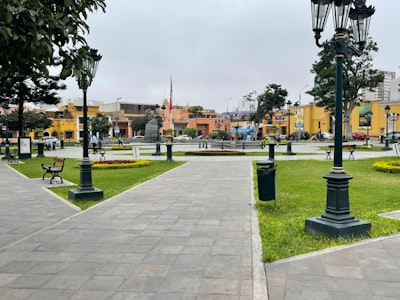
- Plaza de Armas (Plaza Mayor): The heart of old Lima, surrounded by magnificent buildings like the Government Palace, Archbishop's Palace, and the Cathedral of Lima. Witness the daily changing of the guard ceremony.
- Basilica Cathedral of Lima: A stunning example of colonial architecture, housing the remains of Francisco Pizarro, the conquistador who founded Lima.
- Convento de San Francisco and Catacombs: Explore the ornate church, its impressive library, and venture into the chilling underground catacombs, a burial ground for thousands of colonial-era Limenos.
- Jirón de la Unión: A bustling pedestrian street connecting the Plaza de Armas to Plaza San Martín, perfect for people-watching and soaking in the city's energy.
Miraflores
This upscale, modern district is popular with tourists for its beautiful parks, ocean views, and lively atmosphere.
- Parque Kennedy (Parque Central de Miraflores): Famous for its resident population of cats, this park is a lively hub with artisan markets, street performers, and often live music.
- Larcomar: An open-air shopping mall dramatically built into a cliffside, offering stunning Pacific Ocean views, international shops, restaurants, and entertainment.
- Malecón de Miraflores: A beautiful clifftop boardwalk stretching for several kilometers, ideal for walking, cycling, or paragliding over the ocean. It connects several themed parks like Parque del Amor (Park of Love).
- Huaca Pucllana: A pre-Incan adobe and clay pyramid dating back to 500 AD, remarkably situated amidst modern Miraflores. Guided tours explain its historical significance.
Barranco
Known as Lima's bohemian district, Barranco is a haven for artists, writers, and musicians, characterized by colorful colonial mansions, street art, and a vibrant nightlife.
- Puente de los Suspiros (Bridge of Sighs): A romantic wooden bridge with a local legend: if you hold your breath and cross it, your wish will come true.
- Bajada de Baños: A picturesque pathway leading down to the sea, lined with traditional houses and restaurants.
- Street Art and Galleries: Wander through its charming streets to discover vibrant murals, independent art galleries, and quaint cafes.
Museo Larco
Housed in an 18th-century vice-royal mansion built upon a 7th-century pre-Columbian pyramid, this private museum boasts an extraordinary collection of pre-Columbian art, including ceramics, textiles, and gold and silver artifacts, providing deep insights into ancient Peruvian cultures. Its garden cafe is also a delight.
Circuito Mágico del Agua (Magic Water Circuit)
Located in Parque de la Reserva, this Guinness World Record-holding park features a series of 13 interactive fountains, light, sound, and laser shows. It's a mesmerizing experience, especially at night, and a popular attraction for families and couples alike.
Pachacámac
For a half-day trip outside the city, visit Pachacámac, an ancient pre-Incan and Inca archaeological complex. This sprawling site offers insights into various pre-Columbian civilizations, featuring temples, palaces, and pyramids made of adobe. It's a powerful reminder of Peru's deep historical roots.
How to Reach Lima
Lima is Peru's main international gateway, making it easily accessible from various parts of the world.
By Air
The primary point of entry is
Jorge Chávez International Airport (LIM), located in Callao, approximately 10 kilometers (6 miles) from central Lima. It's the busiest airport in Peru and a major hub for South America.
- International Flights: Direct flights are available from major cities in North America, Europe, and other South American countries.
- Domestic Flights: Connects Lima to all major Peruvian cities, including Cusco (for Machu Picchu), Arequipa, and Iquitos.
Getting to and From the Airport
- Airport Express Lima: A reliable and safe bus service connecting the airport directly to Miraflores and San Isidro, with several stops along the way. It's a convenient and affordable option.
- Official Taxis: Look for official taxi counters inside the airport terminal to pre-book a safe and licensed taxi. Fares are fixed based on your destination.
- Ride-Hailing Apps: Uber, Cabify, and InDrive are widely used in Lima. While convenient, some drivers might not be allowed to pick up directly inside the airport due to regulations; you might need to walk a short distance outside the main exit.
- Private Transfers: Many hotels offer airport shuttle services, or you can book private transfers in advance for a hassle-free arrival.
By Bus
For those traveling domestically within Peru, long-distance buses are a common and generally comfortable mode of transport. Lima has several major bus terminals (each bus company usually has its own terminal or operates from specific areas). Reputable bus companies like Cruz del Sur, Oltursa, and Civa offer modern, multi-tiered services with varying levels of comfort, including "bus-cama" (sleeper buses) for overnight journeys.
Local Food Guide: A Culinary Journey in Lima
Lima has rightfully earned its reputation as the "Gastronomic Capital of South America," boasting a culinary scene that ranges from world-renowned fine dining establishments to vibrant street food stalls and traditional "huariques." Peruvian cuisine is a fusion of indigenous traditions with Spanish, African, Chinese, and Japanese influences, creating a diverse and incredibly flavorful palate.
Must-Try Dishes
- Ceviche: Peru's national dish, fresh raw fish marinated in lime juice with aji (chili), red onion, and cilantro, typically served with sweet potato and corn. Absolutely essential.
- Lomo Saltado: A classic "Chifa" (Peruvian-Chinese) stir-fry featuring strips of beef, onions, tomatoes, and French fries, served with rice.
- Aji de Gallina: A creamy, comforting dish made with shredded chicken in a mild yellow chili (aji amarillo) cream sauce, served with potatoes, rice, and often a hard-boiled egg.
- Causa Rellena: A vibrant layered potato casserole, typically featuring mashed yellow potatoes seasoned with lime and aji amarillo, filled with tuna, chicken, or vegetables, and often topped with avocado and mayonnaise.
- Anticuchos: Skewers of marinated grilled beef heart, a popular street food, often served with boiled potato and corn. Don't be shy; they're delicious!
- Rocoto Relleno: Originating from Arequipa, this is a spicy rocoto pepper stuffed with minced meat, vegetables, and cheese, then baked.
- Arroz con Pollo: Chicken and rice cooked in cilantro, beer, and vegetable broth, giving it a distinctive green color.
- Picarones: A sweet treat resembling doughnuts, made from squash and sweet potato dough, deep-fried and drizzled with chancaca (cane sugar syrup).
Drinks
- Pisco Sour: Peru's national cocktail, a delightful blend of pisco (grape brandy), lime juice, simple syrup, egg white, and Angostura bitters.
- Chicha Morada: A refreshing non-alcoholic drink made from purple corn, pineapple peel, cinnamon, clove, and sugar.
- Inca Kola: A bright yellow, sweet, bubblegum-flavored soft drink, uniquely Peruvian.
Where to Eat
- Fine Dining: Lima is home to some of the world's best restaurants.
- Central Restaurante: Continuously ranked among the top restaurants globally, offering a tasting menu based on Peru's diverse ecosystems. (Reservations essential, months in advance).
- Maido: Celebrated for its innovative Nikkei (Peruvian-Japanese) cuisine. (Reservations highly recommended).
- Astrid y Gastón: A pioneer in Peruvian haute cuisine, offering a refined dining experience.
- Mid-Range & Traditional "Huariques":
- Barranco & Miraflores: Abound with excellent restaurants offering traditional Peruvian dishes and international fare. Look for places popular with locals.
- Surquillo Market No. 1: A fantastic spot for an authentic market experience and delicious, inexpensive local food, especially ceviche.
- La Picantería: For traditional Peruvian seafood in a lively, informal setting.
- Street Food: While delicious, exercise caution. Look for stalls with high turnover and visible hygiene practices. Anticuchos and emoliente (herbal tea) are popular choices.
Public Transport in Lima
Navigating Lima's sprawling urban landscape can be an adventure. While traffic is notoriously heavy, several public transport options are available.
Metropolitano (Bus Rapid Transit - BRT)
This is Lima's most efficient public transport system, consisting of dedicated bus lanes and stations. It connects key districts like Chorrillos, Barranco, Miraflores, San Isidro, and the Historic Centre.
- How to Use: You'll need to purchase a rechargeable 'Metropolitano' card (Tarjeta del Metropolitano) at any station. Fares are fixed and inexpensive.
- Pros: Fast, reliable for its routes, and relatively modern.
- Cons: Can be very crowded during peak hours, and routes are limited to specific corridors.
Buses and Combies
Traditional buses (blue, yellow, etc.) and "combies" (small, often dilapidated vans or minibuses) are the most widespread but also the most chaotic form of transport.
- How to Use: Routes are often indicated by signs on the windshield, but it can be confusing for non-locals. You flag them down, and pay the fare (very cheap) to the "cobrador" (fare collector).
- Pros: Extensive network, very cheap.
- Cons: Often overcrowded, unpredictable routes, can be slow due to traffic, and safety can be a concern, especially for valuables. Not recommended for first-time visitors or if you're carrying a lot of luggage.
Taxis
Taxis are plentiful in Lima, but it's crucial to use them wisely.
- Ride-Hailing Apps: Uber, Cabify, and InDrive are highly recommended. They offer set fares, GPS tracking, and driver identification, greatly enhancing safety and convenience.
- Official Taxis: If hailing on the street, look for taxis with company logos and proper identification. Always negotiate the fare before getting in, as meters are rarely used.
- Avoid: Unmarked cars posing as taxis, especially late at night.
Colectivos (Shared Taxis)
These are shared taxis that operate on fixed routes, often picking up multiple passengers. They are faster than buses but cost more. Like regular street taxis, negotiate the fare and be aware of your belongings.
Walking
Many of Lima's most attractive districts, like Miraflores and Barranco, are best explored on foot. The Malecón in Miraflores offers beautiful walking paths along the ocean. In the Historic Centre, walking is essential to appreciate the architecture.
Travel Budget Tips for Lima
Lima can be enjoyed on a shoestring budget or with a lavish splurge. Here’s how to make your money go further:
Accommodation
- Hostels: Miraflores and Barranco have excellent hostels offering dorms and private rooms at budget-friendly prices. Many include breakfast.
- Budget Hotels: Look for guesthouses (hospedajes) or smaller hotels outside the main tourist strips but still in safe neighborhoods.
- Airbnb/Booking.com: Can offer good deals, especially for longer stays or groups, in residential areas.
Food & Drink
- Menu del Día: Most local restaurants (especially for lunch) offer a "menu del día" or "menú ejecutivo" – a fixed-price meal typically including a starter, main course, and drink. It's incredibly affordable and filling.
- Local Markets: Eat at market stalls for delicious and authentic Peruvian food at rock-bottom prices. Mercado de Surquillo No. 1 is a must-visit.
- Street Food: While delicious, choose stalls with visible hygiene and high turnover.
- Supermarkets: Buy snacks, water, and some breakfast items from supermarkets like Vivanda or Wong to save on eating out.
Transport
- Metropolitano: Your cheapest and most efficient option for getting between key districts.
- Walking: Embrace walking within neighborhoods like Miraflores and Barranco.
- Ride-Hailing Apps: Uber/Cabify/InDrive are cheaper than traditional street taxis and safer. Use them for longer distances or late at night.
Attractions & Activities
- Free Walking Tours: Many companies offer "free" walking tours (tip-based) of the Historic Centre and Barranco, a great way to get an overview and local insights.
- Parks: Enjoy Lima's beautiful parks (Parque Kennedy, Malecón) for free.
- Museums: Many museums have student discounts or free entry days/times. Check their websites. General entry fees are usually reasonable (S/15-S/30).
- Magic Water Circuit: An affordable evening entertainment option.
Miscellaneous
- Negotiate: For souvenirs in artisan markets or non-app-based taxi fares, polite negotiation is common.
- Water: Always drink bottled water. Buying large bottles is more economical.
Hotels and Accommodation in Lima
Lima offers a wide range of accommodation options to suit every budget and travel style, primarily concentrated in its most tourist-friendly districts.
Miraflores
The most popular choice for tourists, Miraflores is known for its safety, vibrant atmosphere, ocean views, and excellent infrastructure.
- Luxury: Belmond Miraflores Park (stunning ocean views, impeccable service), JW Marriott Hotel Lima (prime location, great amenities).
- Mid-Range: Hotel Antigua Miraflores (charming, colonial-style), Hotel Estelar Miraflores (modern, comfortable).
- Budget/Hostels: Selina Miraflores (trendy, co-working spaces), Pariwana Hostel Lima (social, popular with backpackers).
Barranco
The bohemian district appeals to those looking for artistic flair, boutique hotels, and a lively, alternative vibe. It's known for its colorful streets, art galleries, and nightlife.
- Boutique/Luxury: Hotel B (art-filled, exquisite design), Second Home Peru (former home of artist Victor Delfín, unique).
- Mid-Range/Hostels: Casa Republica Barranco (elegant colonial mansion), Kaminu Backpackers (social, good value).
San Isidro
An upscale, primarily residential and business district, San Isidro offers a quieter, more refined atmosphere with tree-lined streets, golf courses, and high-end restaurants. It's a good choice for business travelers or those seeking tranquility.
- Luxury: Country Club Lima Hotel (historic, elegant), Westin Lima Hotel & Convention Center (modern, full-service).
- Mid-Range: NM Lima Hotel (stylish, good amenities).
Historic Centre (Cercado de Lima)
While offering immersion in colonial history, this area has fewer high-end tourist hotels. It's more suitable for budget travelers or those who want to be right in the historical heart, but be mindful of safety, especially at night.
- Budget/Mid-Range: Gran Hotel Bolivar (historic landmark, though a bit dated), Hostal Iquique (basic, good value).
When choosing accommodation, consider your priorities: proximity to attractions, nightlife, safety, and budget. Miraflores and Barranco offer the best balance for most tourists.
Safety Tips for Traveling in Lima
Like any large city, Lima requires visitors to be aware of their surroundings and take precautions to ensure a safe and enjoyable trip.
General Awareness
- Pickpocketing & Bag Snatching: This is the most common crime. Be vigilant in crowded areas (markets, bus terminals, tourist sites), on public transport, and especially in the Historic Centre. Keep your belongings secure, ideally in a front pocket or cross-body bag.
- Avoid Displaying Valuables: Don't flash expensive electronics, jewelry, or large amounts of cash. Keep your phone out of sight when not in use.
- ATMs: Use ATMs located inside banks during business hours. Be wary of anyone offering "help."
Transport Safety
- Taxis: Stick to ride-hailing apps (Uber, Cabify, InDrive) or official, pre-booked taxis. Avoid hailing unmarked cars on the street, especially at night, as these can be associated with "express kidnappings" (where you're driven around to withdraw money from ATMs).
- Public Buses/Combies: While cheap, they can be crowded and present opportunities for pickpockets. If you must use them, be extra careful with your belongings. The Metropolitano is generally safer.
Nightlife & Going Out
- Stick to Well-Lit Areas: When out at night, particularly in Barranco or Miraflores, stick to main, well-lit streets and avoid walking alone down deserted alleys.
- Drinks: Keep an eye on your drink and don't accept drinks from strangers.
Neighborhoods
- Miraflores, Barranco, San Isidro: Generally considered the safest districts for tourists. Exercise normal precautions, especially at night.
- Historic Centre: Safe during the day, especially around the main plazas. Be more cautious after dark, and consider using taxis to get around rather than walking long distances.
- Less Touristy Areas: Exercise increased caution or avoid areas like Callao (outside the airport area) unless with a knowledgeable local guide.
Emergency Contacts
- General Emergency: 105 (Police)
- Tourist Police: (01) 460-1060 or 0800-22221. They have offices in Miraflores and the Historic Centre and can assist tourists with issues like theft or lost passports.
Frequently Asked Questions (FAQ) about Lima
Q: Is Lima safe for tourists?
A: Lima is generally safe in tourist areas like Miraflores, Barranco, and San Isidro, especially during the day. However, like any large city, petty crime (pickpocketing, bag snatching) is common. It's crucial to be aware of your surroundings, secure your belongings, and use reputable transportation (ride-hailing apps or official taxis). Avoid walking alone in deserted areas at night.
Q: Do I need a visa for Peru?
A: Most nationalities, including citizens from the USA, Canada, EU countries, Australia, and New Zealand, do not require a visa for tourist stays of up to 90 or 183 days. You will receive an Andean Migration Card (TAM) upon arrival. Always check the latest visa requirements for your specific nationality before traveling.
Q: What currency is used in Lima?
A: The official currency is the Peruvian Sol (PEN). US dollars are also widely accepted in many tourist-oriented businesses, hotels, and larger stores, though you'll often receive change in soles. It's always good to have soles for smaller purchases, markets, and street food.
Q: Is tipping customary in Lima?
A: Tipping is customary but not obligatory.
- Restaurants: 10% is common for good service; some restaurants include a service charge, so check your bill.
- Taxi Drivers: Not generally expected, but appreciated if they go above and beyond.
- Tour Guides: S/10-S/20 per person for a half-day tour is appropriate.
- Hotel Staff: A few soles for porters or housekeepers.
Q: What's the best way to get around Lima?
A: For tourists, the safest and most convenient options are ride-hailing apps (Uber, Cabify, InDrive) or the Metropolitano bus system for specific routes. Walking is great for exploring individual neighborhoods like Miraflores and Barranco. Avoid hailing unmarked street taxis.
Q: What language is spoken in Lima?
A: Spanish is the official language. In tourist areas, hotel staff, tour guides, and many restaurant workers will speak English. Learning a few basic Spanish phrases will greatly enhance your experience.
Q: Can I drink tap water in Lima?
A: It is generally not recommended to drink tap water in Lima. Stick to bottled water, which is widely available. Use bottled water for brushing teeth as well if you have a sensitive stomach.
Q: How many days should I spend in Lima?
A: To experience the main highlights of Lima – including the Historic Centre, Miraflores, Barranco, and a culinary deep dive – a minimum of 2 to 3 full days is recommended. If you plan to include a day trip to Pachacámac or simply want to savor the city's atmosphere, 4 to 5 days would be ideal.