San Francisco Travel Guide – Best Places to Visit in USA
San Francisco: Your Ultimate Travel Guide to the Golden City
San Francisco, a city famed for its iconic Golden Gate Bridge, rolling fog, vibrant cultural tapestry, and picturesque hills, stands as a quintessential American travel destination. Nestled on the tip of a peninsula, this captivating city in Northern California offers an eclectic blend of natural beauty, historic landmarks, world-class dining, and a distinct, free-spirited charm. From the historic cable cars trundling up steep streets to the bustling energy of Fisherman's Wharf and the tranquil beauty of Golden Gate Park, San Francisco promises an unforgettable experience for every type of traveler. This comprehensive guide will help you navigate the city by the bay, ensuring you make the most of your adventure.
Best Time to Visit San Francisco
San Francisco famously experiences a unique microclimate, often characterized by its legendary fog, affectionately known as "Karl the Fog." Deciding the best time to visit largely depends on what you wish to experience and your tolerance for cooler, often overcast weather.
Spring (April to May)
Spring is widely considered one of the best times to visit. The skies are often clearer, the temperatures are mild and pleasant, and the tourist crowds are not yet at their peak. You'll find blooming flowers in Golden Gate Park and enjoy comfortable weather for walking and exploring. It’s an excellent shoulder season offering a great balance.
Fall (September to November)
Many locals will tell you that San Francisco’s "summer" actually arrives in the fall. September and October often bring the warmest temperatures and the clearest, sunniest days, with the fog taking a temporary retreat. This period is fantastic for outdoor activities, enjoying the beaches, and taking in panoramic views. However, this also means it's a popular time, so expect larger crowds and higher prices for accommodation and flights.
Summer (June to August)
While many envision summer as the perfect beach weather, San Francisco’s summers are notoriously foggy and cool, especially in the mornings and evenings. If you don't mind bundling up and experiencing the city's iconic fog, it can still be an exciting time with numerous festivals and events. Just be prepared for temperatures that rarely exceed 70°F (21°C).
Winter (December to March)
Winter is the rainy season in San Francisco, though precipitation often comes in short bursts rather than prolonged downpours. Temperatures are cool but rarely drop below freezing. If you're looking for fewer crowds and potentially lower prices, and don't mind the chance of rain, winter can be a good option. The holiday season brings festive decorations, and indoor attractions like museums are less crowded.
Top Attractions
San Francisco boasts an impressive array of iconic landmarks and hidden gems. Here's a rundown of the must-see sights:
Golden Gate Bridge
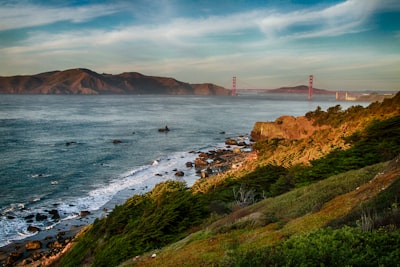
An engineering marvel and arguably San Francisco’s most famous landmark. Walk, bike, or drive across the bridge for breathtaking views of the city, Alcatraz, and the Pacific Ocean. Don’t miss the viewpoints at the Presidio (south side) and Vista Point or Battery Spencer (north side in Sausalito) for incredible photo opportunities.
Alcatraz Island
Once a notorious federal prison, Alcatraz offers a fascinating glimpse into its dark history. The audio tour, narrated by former inmates and guards, is incredibly immersive. Book tickets well in advance (weeks, or even months, especially during peak season) as they sell out quickly.
Fisherman's Wharf & Pier 39
A bustling waterfront area famous for its seafood restaurants (try the clam chowder in a sourdough bowl!), souvenir shops, and the raucous sea lions basking on the docks of Pier 39. Ride the historic F-Line streetcar to get there.
Cable Cars
A National Historic Landmark, riding a cable car is an essential San Francisco experience. Choose from three lines: Powell-Hyde, Powell-Mason, and California Street. The Powell-Hyde line offers the most scenic route, ending near Ghirardelli Square.
Lombard Street
Known as the "Most Crooked Street in the World," this incredibly steep, one-block section features eight hairpin turns. It's best experienced by walking down for unique photo opportunities, though driving it is also a popular (and slow) activity.
Golden Gate Park
Larger than New York City's Central Park, this urban oasis is home to the California Academy of Sciences, the de Young Museum, the Japanese Tea Garden, the Conservatory of Flowers, and serene lakes. Rent a bike or stroll through its vast landscapes.
Chinatown
The oldest Chinatown in North America and one of the largest outside Asia. Explore its vibrant streets, ornate temples, traditional markets, and delicious dim sum restaurants. Grant Avenue is the main thoroughfare, but Stockton Street offers a more authentic local experience.
Coit Tower
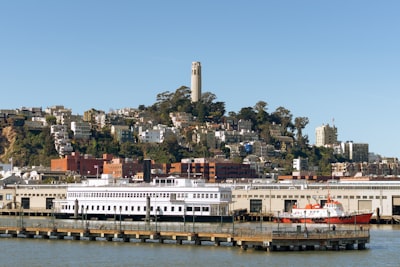
Perched atop Telegraph Hill, Coit Tower offers 360-degree panoramic views of the city skyline, the Golden Gate Bridge, Alcatraz, and the Bay. The lobby features fascinating murals depicting life in California during the Great Depression.
Palace of Fine Arts
A stunning Greco-Roman style rotunda and colonnades originally built for the 1915 Panama-Pacific Exposition. It's a popular spot for photography, picnics, and leisurely walks around its tranquil lagoon.
The Painted Ladies
A row of colorful Victorian houses in Alamo Square Park, famously featured in the opening credits of the TV show "Full House." Enjoy a picnic in the park and snap a photo with the city skyline as a backdrop.
How to Reach
San Francisco is well-connected nationally and internationally by air, rail, and road.
By Air
Most international and domestic travelers arrive via
San Francisco International Airport (SFO), located about 13 miles south of downtown. SFO is a major hub with excellent public transportation connections.
Oakland International Airport (OAK), located across the bay, is another convenient option, particularly for budget airlines. It's easily accessible to San Francisco via BART.
By Car
Driving to San Francisco is straightforward, with major interstates like I-80 and US-101 leading into the city. However, driving within the city can be challenging due to steep hills, narrow streets, heavy traffic, and very expensive parking. Car break-ins are also a significant concern, so never leave valuables in your vehicle.
By Train
Amtrak offers train services to the Bay Area. The closest Amtrak station to San Francisco is in Emeryville (across the bay), with a dedicated Thruway bus service connecting directly to the San Francisco Ferry Building and other downtown locations.
By Bus
Long-distance bus services like Greyhound and FlixBus connect San Francisco to various cities across the USA. The main bus terminal is located near the Transbay Transit Center downtown.
Local Food Guide
San Francisco is a foodie paradise, renowned for its fresh ingredients, diverse culinary influences, and innovative dining scene.
Must-Try Dishes
- Clam Chowder in a Sourdough Bowl: An iconic San Francisco experience, particularly at Fisherman's Wharf. The Boudin Bakery is a famous spot, but many restaurants offer delicious versions.
- Mission Burrito: Born in the Mission District, these super-sized, foil-wrapped burritos are packed with rice, beans, meat, salsa, and often guacamole and sour cream. El Farolito and La Taqueria are local favorites.
- Dungeness Crab: Fresh Dungeness crab is a seasonal delicacy, often served cracked, steamed, or in crab cioppino (a seafood stew).
- Oysters: The nearby waters of Tomales Bay and the Pacific provide excellent oysters, widely available at seafood restaurants and the Ferry Building Marketplace.
- Chinese Food: Explore the authentic flavors of Chinatown, from dim sum palaces to traditional bakeries.
- California Cuisine: Characterized by its emphasis on fresh, seasonal, and locally sourced ingredients. Look for farm-to-table restaurants across the city.
- Craft Coffee: San Francisco has a thriving coffee culture, with numerous independent roasters and cafes.
Food Neighborhoods to Explore
- The Mission District: Famous for its taquerias, Latin American cuisine, and trendy eateries.
- North Beach: The city's historic Italian quarter, offering fantastic Italian restaurants, cafes, and bakeries.
- Ferry Building Marketplace: A gourmet's dream, featuring artisan food vendors, restaurants, and farmers' markets with stunning bay views.
- Hayes Valley: A chic neighborhood with upscale boutiques and excellent dining options.
- Inner Sunset/Richmond District: Home to a fantastic array of Asian cuisines beyond just Chinese.
Public Transport
Navigating San Francisco without a car is not only feasible but often recommended due to parking difficulties and congestion. The city has an extensive public transportation system.
Muni (San Francisco Municipal Railway)
Muni operates the city's network of buses, streetcars, light rail (Metro), and the iconic cable cars.
- Buses: Extensive network covering almost all parts of the city.
- Streetcars (F-Line): Historic streetcars running along the Embarcadero and Market Street, a scenic way to see the waterfront.
- Metro (Light Rail): Underground and surface lines connecting downtown to various neighborhoods.
- Cable Cars: Essential for the experience, but lines can be long. They are less about practical transport and more about historic charm.
BART (Bay Area Rapid Transit)
BART is a regional heavy rail system connecting San Francisco with the East Bay, SFO, and OAK airports. It’s the fastest way to travel between these areas.
Clipper Card
This reloadable fare card is highly recommended for convenience. It works on Muni, BART, Golden Gate Transit (buses and ferries), and other Bay Area transit systems. You can purchase one at most Muni/BART stations and convenience stores.
MuniMobile App
Purchase and store Muni tickets and passes directly on your phone. This is a convenient alternative to the Clipper Card.
Multi-Day Passes
Consider purchasing a Muni Passport for 1, 3, or 7 days, which offers unlimited rides on all Muni services, including cable cars. If you plan to use BART frequently, factor those costs separately as the Passport does not cover BART.
Walking & Biking
San Francisco is very walkable, but be prepared for steep hills! Wear comfortable shoes. Biking is also popular, especially in flatter areas like Golden Gate Park and along the waterfront.
Ride-Sharing
Uber and Lyft are widely available and can be convenient for direct trips, especially when public transport isn't direct or late at night.
Travel Budget Tips
San Francisco is one of America's most expensive cities, but smart planning can help you enjoy it without breaking the bank.
Free Attractions
- Walk the Golden Gate Bridge: Absolutely free and offers unparalleled views.
- Explore Golden Gate Park: Many areas, like Stow Lake, the Japanese Tea Garden (before 10 AM on specific days), and the Bison Paddock, are free.
- Wander through neighborhoods: Chinatown, Mission District, North Beach, and the Castro offer rich cultural experiences for free.
- Visit the Ferry Building Marketplace: Window shop, sample a few free bites, and enjoy the bay views.
- Lands End Trail: Offers stunning coastal views and a glimpse of Sutro Baths ruins.
- Alamo Square Park: Relax and admire the Painted Ladies with the city skyline in the background.
- Dolores Park: A popular spot for locals, especially on sunny days, offering great views of downtown.
- Free Walking Tours: Look for companies offering tip-based walking tours covering different neighborhoods.
Food Savings
- Grocery Stores & Farmer's Markets: Buy snacks, picnic supplies, and even some meals from local supermarkets or the Ferry Building Farmers Market.
- Food Trucks: Find delicious and often more affordable options, especially in areas like SoMa.
- Happy Hour Deals: Many restaurants offer discounted food and drinks during specific hours.
- Mission Burrito: A filling and relatively inexpensive meal.
- Dine at Casual Eateries: Explore ethnic restaurants in Chinatown, the Mission, or the Richmond/Sunset districts for authentic and cheaper meals.
Transportation Savings
- Muni Passes: If you plan to use public transit frequently, especially cable cars, a Muni Passport can save you money.
- Walk: Embrace walking whenever possible to save on transit fares and truly experience the city's character.
- Avoid Taxis/Ride-Shares during Peak Hours: Surge pricing can make these options very expensive.
Accommodation Savings
- Stay outside prime tourist areas: Neighborhoods slightly further from Union Square or Fisherman's Wharf (e.g., Marina, Lower Haight, parts of the Mission) might offer better value, though check public transport links.
- Hostels: San Francisco has several well-regarded hostels for budget travelers.
- Airbnb/VRBO: Can be a good option for groups or longer stays, but verify reviews and locations carefully.
- Book in advance: Especially during peak seasons, prices rise significantly closer to your travel date.
Hotels and Accommodation
San Francisco offers a wide range of accommodation options, from luxury hotels to boutique inns and budget-friendly hostels. Choosing the right neighborhood can greatly impact your experience.
Union Square
Pros: Central location, excellent for shopping, dining, and nightlife. Great public transport connections.
Cons: Can be very busy and touristy, higher prices.
Fisherman's Wharf
Pros: Close to major attractions like Pier 39, Alcatraz tours. Family-friendly. Bay views.
Cons: Very touristy, fewer local dining options, prices can be high.
Nob Hill / Russian Hill
Pros: Historic, luxurious, quieter. Beautiful architecture and stunning views.
Cons: Steep hills (as the names suggest!), more upscale and expensive.
SOMA (South of Market)
Pros: Modern hotels, close to Moscone Center, museums (SFMOMA), and the Bay Bridge. Good for business travelers.
Cons: Can be less charming and quieter at night compared to other areas.
Mission District
Pros: Vibrant, diverse, excellent food scene, lively nightlife, street art.
Cons: Can be a bit grittier, some areas might feel less safe at night.
Marina District / Cow Hollow
Pros: Trendy, good dining and boutiques, flat streets, close to Golden Gate Park and the Presidio.
Cons: A bit further from downtown attractions, more expensive.
Hayes Valley / Castro
Pros: Boutique shops, unique restaurants, lively LGBTQ+ neighborhood (Castro), charming and walkable.
Cons: Limited public transport connections to some tourist areas (Castro has Muni Metro).
Safety Tips
While San Francisco is generally a safe city for tourists, like any major urban area, it's important to be aware of your surroundings and take precautions.
- Be Aware of Car Break-ins: This is a significant issue in San Francisco. Never leave anything visible in your car, even in the trunk. If possible, park in secure garages.
- Secure Your Belongings: Keep your wallet in a front pocket, use cross-body bags, and don't flash expensive electronics or large amounts of cash. Pickpocketing can occur in crowded tourist areas.
- Homelessness: San Francisco has a visible homeless population. While most encounters are harmless, avoid direct engagement and do not leave belongings unattended.
- Nighttime Safety: Stick to well-lit, populated areas, especially in tourist zones. Avoid walking alone at night in less-trafficked neighborhoods or those with a higher crime rate. Use ride-sharing services if you're unsure.
- Watch Your Step: The city's steep hills and sometimes uneven sidewalks can be challenging. Wear comfortable, sturdy shoes.
- Weather Preparedness: San Francisco weather can change rapidly. Always carry layers, even on a sunny morning, as fog and cool winds can roll in quickly.
- Use Reputable Tour Operators: When booking tours (especially to Alcatraz), ensure you are using official or highly-rated vendors.
Frequently Asked Questions (FAQ)
Q: Do I need a car in San Francisco?
A: No, a car is generally not recommended for tourists. Parking is expensive and difficult, and public transportation is extensive. Use ride-sharing services for convenience.
Q: How far in advance should I book Alcatraz tickets?
A: Book Alcatraz tickets as far in advance as possible, ideally 1-3 months, especially during peak season (summer and fall). They frequently sell out.
Q: What's the deal with the fog in San Francisco?
A: San Francisco's fog (known as Karl) is a natural phenomenon caused by cool ocean air meeting warmer inland temperatures. It often rolls in during summer afternoons, making those months surprisingly cool. Always dress in layers!
Q: Is San Francisco walkable?
A: Yes, it is very walkable, but be prepared for steep hills in many neighborhoods. Wear comfortable shoes, and use public transport or ride-shares for longer distances or particularly hilly routes.
Q: What's the best way to get from SFO airport to downtown?
A: BART (Bay Area Rapid Transit) is the quickest and most cost-effective way. It connects SFO directly to downtown San Francisco stations in about 30 minutes. Taxis and ride-shares are also available.
Q: What's the difference between a Muni Passport and a regular Muni ticket?
A: A Muni Passport offers unlimited rides on all Muni services (buses, streetcars, light rail, and cable cars) for a set period (1, 3, or 7 days). A regular Muni ticket is for a single ride. If you plan to use cable cars more than once or use public transport frequently, a Passport is usually more cost-effective.
Q: Is tipping customary in San Francisco?
A: Yes, tipping is customary in the US. Expect to tip 15-20% for good service at restaurants, 10-15% for taxi drivers, and a few dollars for hotel bellhops or housekeepers.
San Francisco truly offers a mosaic of experiences – from the grandeur of its natural landscape to its vibrant urban culture and historical depth. By following this guide, you’re well-equipped to explore the city's charming streets, savor its culinary delights, and create memories that will last a lifetime. Enjoy your journey to the Golden City!