Seoul Travel Guide – Best Places to Visit in South Korea
Your Ultimate Guide to Seoul: A Journey Through Tradition and Modernity
Welcome to Seoul, the vibrant heart of South Korea, where ancient traditions gracefully coexist with cutting-edge technology and a pulsating modern culture. This dynamic metropolis is a captivating blend of majestic palaces, tranquil temples, bustling markets, towering skyscrapers, and world-class entertainment districts. From the serene beauty of a hanok village to the electrifying energy of a K-pop concert, Seoul offers an unparalleled travel experience that caters to every interest. Whether you're a history buff, a foodie, a fashionista, or an adventurer, Seoul promises an unforgettable journey filled with discovery, excitement, and endless opportunities for exploration. Prepare to be enchanted by a city that never sleeps, constantly innovates, and warmly embraces its visitors with its unique charm and hospitality.
Best Time to Visit
Choosing the right time to visit Seoul can significantly enhance your travel experience, as each season offers a distinct charm.
Spring (March to May)
Spring is arguably the most popular time to visit Seoul, and for good reason. The weather is mild and pleasant, with average temperatures ranging from 10°C to 20°C (50°F to 68°F). This season brings the magical spectacle of cherry blossoms, particularly vibrant in late March to mid-April, transforming parks and streets into breathtaking floral avenues. Key spots like Yeouido Park and Seoul Forest become picturesque destinations. Spring also hosts numerous festivals and outdoor activities. However, it’s also peak tourist season, meaning larger crowds and potentially higher prices for flights and accommodation.
Summer (June to August)
Seoul summers are hot and humid, with temperatures often exceeding 30°C (86°F). This period is also monsoon season, bringing frequent rainfall, especially in July and August. While the lush greenery is beautiful, the heat and humidity can be challenging for sightseeing. Despite this, summer offers vibrant nightlife, water parks, and outdoor concerts. Air-conditioned museums and indoor attractions provide a welcome escape from the heat. Prices for travel might be slightly lower than peak spring/autumn, but be prepared for the weather.
Autumn (September to November)
Autumn is another fantastic time to visit Seoul, rivaling spring in popularity. The weather is crisp, cool, and generally sunny, with temperatures similar to spring. The city bursts into a stunning palette of fiery reds, oranges, and golds as the leaves change, making locations like Namsan Park, Bukhansan National Park, and the palaces incredibly scenic. The air quality is often excellent, and the clear skies are perfect for photography and outdoor excursions. Similar to spring, this is a peak season, so booking well in advance is advisable.
Winter (December to February)
Winters in Seoul are cold, dry, and often snowy, with temperatures frequently dropping below freezing. Average temperatures range from -5°C to 5°C (23°F to 41°F). While it might not be ideal for those sensitive to cold, winter offers a unique charm with snow-covered landscapes, ice skating rinks (like the one at Seoul Plaza), and cozy cafes. It's also a great time to enjoy hearty Korean stews and street food. Tourist crowds are thinner, and prices for flights and hotels can be more budget-friendly. Ski resorts near Seoul are also easily accessible for winter sports enthusiasts.
Recommendation: For the best weather and scenic beauty,
Spring (late March to May) and
Autumn (September to November) are highly recommended. If you prefer fewer crowds and don't mind the cold, winter can be a magical experience.
Top Attractions
Seoul is packed with an incredible array of attractions that showcase its rich history, dynamic culture, and futuristic vision.
Historical & Cultural Landmarks
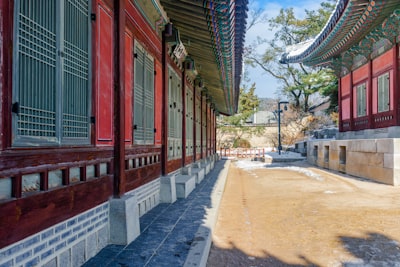
- Gyeongbokgung Palace: The largest and most beautiful of Seoul's Five Grand Palaces, Gyeongbokgung served as the main royal palace of the Joseon Dynasty. Don't miss the impressive Changing of the Royal Guard ceremony. Renting a hanbok (traditional Korean dress) for an immersive experience is highly recommended, as it often grants free palace entry.
- Changdeokgung Palace & Huwon (Secret Garden): A UNESCO World Heritage site, Changdeokgung is renowned for its harmonious integration with its natural surroundings. The Huwon, or Secret Garden, is a serene masterpiece of landscape design, offering guided tours that reveal its hidden beauty.
- Bukchon Hanok Village: Nestled between Gyeongbokgung and Changdeokgung, this traditional Korean village is home to hundreds of preserved hanok (traditional houses). Wander through its charming alleys, admire the unique architecture, and soak in the historical atmosphere.
- Jongmyo Shrine: Another UNESCO World Heritage site, this royal ancestral shrine houses the spirit tablets of Joseon Dynasty kings and queens. It's a place of profound historical and cultural significance, known for its solemn architecture and ancient rituals.
- Namsan Hanok Village: A collection of five traditional hanok houses relocated and restored from different parts of the city. It offers a glimpse into various social classes of the Joseon Dynasty and frequently hosts traditional craft workshops and cultural performances.
Modern & Urban Highlights
- N Seoul Tower (Namsan Tower): Perched atop Namsan Mountain, this iconic landmark offers panoramic views of the entire city. It's especially enchanting at night when the city lights twinkle below. Don't forget to visit the "Locks of Love" area.
- Myeongdong: A bustling shopping paradise and a mecca for beauty products, Myeongdong is also famous for its vibrant street food scene. It's a fantastic place to experience Seoul's energetic urban pulse, shop for trendy clothes, and try delicious local snacks.
- Gangnam District: Epitomizing Seoul's modern, upscale, and trendy side, Gangnam is home to luxury boutiques, high-end restaurants, and vibrant nightlife. Explore the COEX Mall, visit the Starfield Library, or stroll along Apgujeong Rodeo Street.
- Dongdaemun Design Plaza (DDP): Designed by world-renowned architect Zaha Hadid, the DDP is an iconic landmark with a futuristic, curvilinear design. It serves as a cultural hub, hosting exhibitions, fashion shows, and conferences, and is surrounded by major shopping malls.
- Hongdae: Known for its youthful energy, indie music scene, and vibrant street art, Hongdae is a favorite among students and artists. Explore quirky cafes, unique shops, live music venues, and enjoy street performances.
Nature & Relaxation
- Bukhansan National Park: Just a short subway ride from the city center, Bukhansan offers stunning hiking trails, granite peaks, and panoramic views. It's a refreshing escape from urban life and a beloved spot for both locals and tourists.
- Cheonggyecheon Stream: This beautifully restored urban stream offers a tranquil oasis in the heart of the city. Stroll along its banks, enjoy public art installations, and relax amidst the soothing sounds of flowing water.
- Seoul Forest: A large urban park offering a peaceful retreat with walking paths, a deer park, an insect garden, and various themed areas. It's an excellent spot for a picnic or a leisurely afternoon.
How to Reach
Reaching Seoul is straightforward, primarily via its world-class international airports.
By Air
- Incheon International Airport (ICN): Located west of Seoul, ICN is one of the busiest and best-rated airports globally, serving as the main gateway to South Korea for international travelers. It's known for its efficiency, cleanliness, and extensive facilities.
- Gimpo International Airport (GMP): Closer to central Seoul, Gimpo primarily handles domestic flights but also operates some short-haul international flights, mainly to Japan, China, and Taiwan.
Transportation from Incheon International Airport (ICN) to Seoul
- AREX (Airport Railroad Express): The most efficient way to reach Seoul from ICN.
- Express Train: Non-stop service directly to Seoul Station in approximately 43 minutes. Offers comfortable seating and luggage space.
- All Stop Train: Makes several stops before reaching Seoul Station, taking about 53-60 minutes. It's a more budget-friendly option and connects to various subway lines.
- Airport Limousine Bus: Offers comfortable seating and direct routes to major hotels and districts across Seoul. It's a convenient option if you have heavy luggage or want to be dropped off closer to your accommodation. Tickets can be purchased at the airport's arrival hall.
- Taxi: Available 24/7. Regular taxis are abundant, while Deluxe Taxis (black, "모범택시") offer more comfort and space at a higher fare. International Taxis with multilingual drivers are also available for booking. Journey time varies from 60-90 minutes depending on traffic and destination.
- Private Car Service: Pre-booked private transfers offer the ultimate convenience, especially for groups or those with specific arrival requirements.
Local Food Guide
Korean cuisine is a global sensation, known for its bold flavors, fresh ingredients, and emphasis on shared dining experiences. Seoul is a paradise for foodies.
Must-Try Dishes
- Kimchi: The ubiquitous fermented cabbage dish, a staple at every Korean meal. There are countless varieties, each with unique flavors.
- Bibimbap: A vibrant and wholesome dish of warm rice topped with sautéed vegetables, meat (often beef), a fried egg, and gochujang (chili paste), all mixed together before eating.
- Korean BBQ (Gogi-gui): An essential dining experience. Popular choices include:
- Samgyeopsal: Thick slices of grilled pork belly, cooked at your table.
- Galbi: Marinated grilled ribs, often beef or pork, tender and flavorful.
- Tteokbokki: A popular street food made from chewy rice cakes simmered in a spicy, sweet gochujang sauce, often with fish cakes and boiled eggs.
- Kimchi Jjigae / Sundubu Jjigae: Hearty and comforting stews. Kimchi Jjigae features kimchi, tofu, and pork, while Sundubu Jjigae is a spicy soft tofu stew, often served with seafood or meat.
- Korean Fried Chicken (Chimaek): Crispy fried chicken, often served with various sauces (sweet and spicy, soy garlic, original), and typically paired with beer (maekju) – hence "Chimaek" (chicken + maekju).
- Japchae: Stir-fried glass noodles with colorful vegetables and often beef, seasoned with soy sauce and sesame oil.
- Hotteok: A sweet, pan-fried pancake often filled with brown sugar, cinnamon, and nuts – a popular winter street snack.
- Bingsu: A refreshing shaved ice dessert, often topped with red bean paste, fruit, condensed milk, and various other ingredients.
Where to Eat
- Myeongdong Street Food: A bustling evening market where you can sample a wide variety of Korean street snacks like tteokbokki, gyeranppang (egg bread), odeng (fish cakes), and more.
- Gwangjang Market: One of Korea's oldest traditional markets, famous for its authentic street food. Don't miss the mung bean pancakes (bindaetteok) and bibimbap. It's a vibrant and sensory experience.
- Namdaemun Market: Another historic market offering a vast array of goods, including excellent food stalls serving traditional Korean dishes at affordable prices.
- Hongdae & Gangnam: These districts boast countless trendy cafes, upscale restaurants, and themed eateries catering to diverse tastes, from traditional Korean to international cuisine.
Dining Etiquette: Koreans typically share dishes, so ordering a variety is common. Meals often come with numerous side dishes (banchan) that are usually refillable. It's customary to pour drinks for others and be offered a drink in return.
Public Transport
Seoul boasts one of the most efficient, extensive, and easy-to-navigate public transportation systems in the world.
T-Money Card
This rechargeable smart card is essential for using Seoul's public transport. It can be purchased and topped up at subway stations, convenience stores (7-Eleven, GS25, CU), and some bus terminals. Using a T-Money card offers discounted fares compared to single-use tickets and allows for seamless transfers between subways and buses within a specified time limit. It can also be used for minor purchases at convenience stores and some taxis.
Subway
The Seoul Metropolitan Subway system is the backbone of the city's transport.
- Extensive Network: With over 20 lines, it covers virtually the entire city and surrounding areas.
- User-Friendly: Stations and trains have clear signage in Korean and English, and announcements are often in multiple languages.
- Efficiency: Trains run frequently and are almost always on time.
- Navigation: Use apps like KakaoMap, Naver Map, or Google Maps (though Google Maps has limited public transport info in Korea) to plan your routes. Station numbers and line colors make navigation intuitive.
Buses
Seoul's bus system complements the subway, reaching areas not directly served by trains.
- Blue Buses: Run on major arterial roads, connecting different parts of the city.
- Green Buses: Connect residential areas to subway stations and main bus routes, often serving shorter distances.
- Red Buses: Express buses connecting Seoul to surrounding satellite cities.
- Yellow Buses: Loop routes within specific central districts (e.g., Namsan Circular Bus).
- Real-time Information: Bus stops have electronic displays showing arrival times, and apps provide real-time tracking.
- Payment: Use your T-Money card by tapping it when boarding and alighting to ensure correct fare calculation for transfers.
Taxis
Taxis are readily available and can be hailed on the street or found at designated stands.
- Standard Taxis (Orange/White/Grey): Most common and affordable.
- International Taxis (Orange/Black with "International Taxi" sign): Drivers are proficient in English, Japanese, or Chinese, and fares are fixed for airport routes. Can be booked in advance.
- Deluxe Taxis (Black, "모범택시"): Offer higher comfort and service at a higher fare.
Apps like Kakao T can also be used to hail taxis, similar to Uber.
Travel Budget Tips
Seoul can cater to all budgets, from luxury to backpacker-friendly. Here’s how to make your won go further.
Accommodation
- Hostels and Guesthouses: Abundant throughout the city, especially in areas like Hongdae, Itaewon, and Myeongdong, offering dorms and private rooms at budget-friendly prices.
- Goshiwons: Small, inexpensive rooms originally for students, now also used by budget travelers for longer stays. They offer basic amenities and shared facilities.
- Hanok Stays: While some are luxurious, many offer a unique traditional experience at mid-range prices.
- Book in Advance: Especially during peak seasons (spring and autumn), booking accommodation several months ahead can secure better rates.
Food
- Street Food: Your best friend for budget-friendly and delicious meals. Myeongdong, Gwangjang Market, and Namdaemun Market offer endless options.
- Local Restaurants (Kimbap Cheonguk-style): Look for small local eateries that specialize in Kimbap, ramen, and other simple Korean dishes. These are incredibly affordable and authentic.
- Convenience Stores: GS25, CU, and 7-Eleven offer a surprising range of pre-made meals, instant ramen, snacks, and drinks at very low prices. They often have seating areas.
- Lunch Specials: Many restaurants offer discounted lunch sets (점심특선, jeomsim teukseon) during weekdays.
Attractions & Entertainment
- Free Attractions: Many of Seoul's parks (Seoul Forest, Olympic Park), Cheonggyecheon Stream, and even parts of the Han River are free to enjoy. Bukchon Hanok Village and various mural villages are also free to explore.
- Integrated Passes: Consider the Discover Seoul Pass, which offers free entry to many major attractions and public transport usage, potentially saving money if you plan to visit multiple paid sites.
- Walk: Seoul is very walkable, especially within districts. Walking not only saves money but also allows you to discover hidden gems.
Transportation
- T-Money Card: As mentioned, essential for cost-effective public transport.
- Public Transport: Rely heavily on the subway and buses; taxis should be reserved for convenience or late-night travel.
Shopping
- Traditional Markets: Namdaemun and Gwangjang markets offer souvenirs, clothing, and household goods at more affordable prices than department stores.
- Underground Shopping Centers: Myeongdong, Gangnam, and Express Bus Terminal underground malls offer trendy fashion and accessories at competitive prices.
- Tax Refunds: Look for "Tax Free" signs. Non-residents can claim a tax refund on purchases over a certain amount.
Budget Estimate (per person, per day, excluding flights):
- Budget Traveler: ₩40,000 - ₩70,000 (approx. $30 - $55 USD) - Hostels, street food, public transport, free attractions.
- Mid-Range Traveler: ₩80,000 - ₩150,000 (approx. $60 - $115 USD) - Guesthouses/mid-range hotels, local restaurants, some paid attractions, occasional taxi.
- Luxury Traveler: ₩160,000+ (approx. $120+ USD) - High-end hotels, fine dining, private transport, tours.
Hotels and Accommodation
Seoul offers a vast range of accommodation options to suit every style and budget, from luxurious five-star hotels to cozy guesthouses and traditional hanok stays.
Areas to Stay
- Myeongdong: Ideal for first-time visitors. It's centrally located, bustling with shopping and street food, and offers excellent subway connectivity to most attractions. You'll find a mix of mid-range to luxury hotels here.
- Gangnam: Best for those seeking upscale experiences, trendy nightlife, and modern amenities. Home to luxury hotels, boutique stays, and high-end dining. It’s well-connected but further from traditional sites.
- Hongdae: Perfect for younger travelers, students, and those looking for a vibrant, artistic, and budget-friendly atmosphere. Known for its live music, street art, cafes, and numerous guesthouses and hostels.
- Insadong/Jongno: For a cultural immersion. This area is close to palaces, hanok villages, and traditional craft shops. Offers boutique hotels, traditional hanok guesthouses, and mid-range options.
- Itaewon: An international district known for its diverse dining scene, nightlife, and unique shops. A great choice for those seeking a multicultural vibe and easy access to both city attractions and the Namsan area.
Types of Accommodation
- Luxury Hotels: International chains like Four Seasons, Lotte Hotel, Shilla Hotel, and Conrad offer top-tier amenities, service, and usually excellent city views.
- Boutique Hotels: Stylish and unique hotels offering personalized experiences, often found in trendy neighborhoods like Gangnam or Hongdae.
- Mid-Range Hotels: Numerous options providing comfortable stays with good amenities, catering to business and leisure travelers. Look for chains like Hotel Skypark or individual Korean brands.
- Guesthouses and Hostels: Widely available, offering affordable dormitory beds or private rooms. Great for solo travelers or those on a budget, often providing communal spaces for socializing.
- Hanok Stays: Experience traditional Korean living by staying in a beautifully restored hanok (traditional house). These offer a unique cultural insight, often with modern comforts blended with ancient charm. Many are located in Bukchon or Namsan Hanok Village areas.
- Serviced Apartments: Ideal for longer stays or families, offering more space and kitchen facilities.
Booking Platforms: Major platforms like Booking.com, Agoda, Expedia, and Airbnb are widely used. It's advisable to book well in advance, especially during peak travel seasons, to secure better rates and availability.
Safety Tips
Seoul is widely considered one of the safest major cities in the world, with a very low crime rate. However, like any travel destination, it's wise to be aware of your surroundings and take basic precautions.
- Low Crime Rate: Violent crime is exceptionally rare. Petty theft (pickpocketing) can occur in crowded tourist areas like markets or subway stations, so always keep an eye on your belongings.
- Traffic Safety: While pedestrians have the right of way in some areas, cars can sometimes be less yielding than in Western countries. Always use crosswalks, wait for the green light, and remain vigilant when crossing streets. Scooters on sidewalks are also common.
- 1330: Korea Travel Hotline (for tourist information, translation, and emergency assistance)
- Language Barrier: While English is spoken in major tourist areas and by younger generations, it's not universally fluent. Carry a translation app (Papago by Naver is excellent) and learn a few basic Korean phrases (hello, thank you, excuse me).
- Cultural Sensitivity: Be respectful of local customs. Dress modestly when visiting temples or shrines. Remove your shoes before entering homes or traditional restaurants.
- Scams: While rare, some tourist scams can occur, particularly around club districts where drinks might be overpriced or spiked. Exercise caution when approached by strangers offering unsolicited services.
- Staying Connected: Purchase a local SIM card or eSIM upon arrival at the airport or a convenience store for easy access to maps, translation, and emergency services. Wi-Fi is widely available in cafes and public areas.
- Solo Travelers: Seoul is exceptionally safe for solo travelers, including women. Public transport runs late, and streets are generally well-lit.
- Alcohol Consumption: Koreans enjoy drinking socially. While generally safe, be mindful of your limits and avoid getting overly intoxicated in public, especially if alone.
- Documentation: Always carry a photocopy of your passport and visa (if applicable) and keep the originals secured in your accommodation.
FAQ Section
Q: Is Seoul safe for solo travelers?
A: Absolutely. Seoul is renowned for its safety, even late at night. Solo travelers, including women, can generally feel very comfortable exploring the city. Just exercise basic precautions as you would in any major city.
Q: Do I need a visa for South Korea?
A: Visa requirements depend on your nationality. Many countries have visa-free entry agreements for short tourist stays (e.g., 90 days for US, EU, UK, Canada, Australia citizens). However, since September 2021, most visa-free travelers need to obtain a K-ETA (Korea Electronic Travel Authorization) prior to arrival. Always check the latest requirements with your country's South Korean embassy or consulate before traveling.
Q: What's the currency, and can I use credit cards?
A: The currency is the South Korean Won (₩ or KRW). Credit cards (Visa, MasterCard, American Express) are widely accepted everywhere, from major department stores to small cafes and even many street food vendors. It's wise to carry some cash for smaller purchases at traditional markets or very small stalls.
Q: Is English widely spoken in Seoul?
A: In major tourist areas, hotels, and international establishments, you'll find English speakers. However, outside these areas, English proficiency can be limited. Translation apps (like Naver Papago) are highly recommended. Subway and bus signs often have English translations.
Q: What adaptors do I need for South Korea?
A: South Korea uses Type C and F electrical sockets (two round pins). The standard voltage is 220V with a frequency of 60Hz. Make sure to bring a travel adapter and a voltage converter if your devices don't support 220V.
Q: How many days are enough to visit Seoul?
A: A minimum of 4-5 full days is recommended to cover the main attractions and get a feel for the city. For a more comprehensive experience that includes day trips or deeper exploration of specific districts, 7-10 days would be ideal.
Q: What is the tipping culture in South Korea?
A: Tipping is generally not customary in South Korea. Service charges are usually included in hotel bills, and restaurant staff do not expect tips. Offering a tip might even be met with polite confusion.
Q: Is internet access readily available?
A: Yes, South Korea has one of the fastest internet speeds globally. Free Wi-Fi is widely available in cafes, restaurants, hotels, and public areas. You can also purchase a local SIM card/eSIM or rent a portable Wi-Fi device (pocket Wi-Fi) at the airport for continuous connectivity.
Q: Can I drink tap water in Seoul?
A: Yes, tap water in Seoul is generally safe to drink, though many locals prefer bottled or filtered water. Public drinking fountains are also common.
Q: What are the typical business hours?
A: Most shops and offices operate from 9 AM or 10 AM to 6 PM or 7 PM. Department stores and larger shopping malls often stay open until 8 PM or 9 PM. Many restaurants and cafes have longer hours, and nightlife districts like Hongdae and Gangnam buzz until the early hours.
Seoul offers an unforgettable blend of the ancient and the ultra-modern, promising every traveler a unique and enriching experience. With this guide, you're well-equipped to explore its majestic palaces, savor its incredible cuisine, navigate its efficient transport, and immerse yourself in its vibrant culture. Get ready to fall in love with Seoul!