Vienna Travel Guide – Best Places to Visit in Austria
Vienna: An Imperial Journey into Culture and Grandeur
Nestled in the heart of Europe, Vienna, the capital of Austria, stands as a magnificent testament to imperial grandeur, artistic innovation, and timeless elegance. Once the center of the powerful Habsburg monarchy, this vibrant city continues to enchant visitors with its opulent palaces, world-class museums, classical music heritage, and charming coffee house culture. From the grand Ringstrasse to the cobbled streets of the Innere Stadt, Vienna offers an unparalleled blend of history, culture, and modern sophistication. Whether you’re drawn to the waltzes of Strauss, the art of Klimt, or the irresistible aroma of Wiener Schnitzel, Vienna promises an unforgettable journey into a city that truly lives up to its imperial legacy. Prepare to be captivated by its majestic architecture, serene parks, and the refined charm that permeates every corner.
Best Time to Visit
Vienna is a city that offers a unique charm in every season, making the "best" time to visit largely dependent on your preferences. However, certain periods stand out for their agreeable weather and array of activities.
Spring (April to May)
Spring is arguably one of the most delightful times to visit Vienna. The weather is mild and pleasant, with average temperatures ranging from 10°C to 20°C (50°F to 68°F). The city's numerous parks and gardens, such as the Volksgarten and Schönbrunn Palace Gardens, burst into bloom, creating a picturesque setting. Outdoor cafés and markets begin to fully operate, and there are fewer crowds compared to the peak summer months. It's ideal for sightseeing on foot and enjoying the city's green spaces.
Summer (June to August)
Summer brings warm temperatures, often reaching 25°C to 30°C (77°F to 86°F), and longer daylight hours. This is peak tourist season, so expect larger crowds and higher prices for accommodation and flights. However, the city comes alive with open-air concerts, festivals (like the Vienna Jazz Festival), and outdoor events. Many attractions offer extended hours, and it's a great time to enjoy the Danube Island or a boat trip on the Danube River. Book your accommodation and major attraction tickets well in advance if visiting during summer.
Autumn (September to October)
Autumn is another excellent time to visit, offering a beautiful transition of colors as the leaves turn golden, particularly stunning in the Vienna Woods and along the Danube. The temperatures are comfortably cool, ranging from 10°C to 18°C (50°F to 64°F), making it perfect for exploring without the intense heat or the winter chill. The summer crowds begin to dissipate, offering a more relaxed experience. Wine taverns (Heuriger) celebrate the new wine harvest, providing a unique local experience.
Winter (November to March)
Winter in Vienna is cold, with temperatures often dropping below freezing, and snowfall is common, transforming the city into a magical wonderland. Despite the chill, this season has its unique allure, especially from late November through December with the enchanting Christmas markets. These markets, scattered throughout the city, offer festive cheer, traditional crafts, and warming Glühwein. January and February are generally the quietest months, ideal for museum-hopping and enjoying cozy coffee houses. The Vienna Ball Season, culminating in the world-famous Opera Ball, runs from November to February, offering a glimpse into Viennese high society and culture.
Top Attractions
Vienna boasts an incredible array of attractions that cater to every interest, from imperial history and world-class art to vibrant markets and serene parks.
Schönbrunn Palace
A UNESCO World Heritage site, Schönbrunn Palace was the former imperial summer residence and is one of Vienna's most significant cultural assets. With 1,441 rooms, its Baroque architecture and extensive gardens are breathtaking. Highlights include the Imperial Apartments, the Gloriette, the vast Schönbrunn Gardens, the world's oldest zoo (Tiergarten Schönbrunn), and the Wagenburg (Imperial Carriage Museum). Allow at least half a day to fully explore the palace and its grounds.
Hofburg Palace
Located in the city center, the Hofburg was the principal imperial palace of the Habsburg dynasty for over 600 years. Today, it houses several key attractions:
- Imperial Apartments, Sisi Museum, and Silver Collection: Explore the opulent private and official apartments of Emperor Franz Joseph and Empress Elisabeth (Sisi), delve into Sisi's fascinating life, and marvel at the extensive collection of imperial dining ware.
- Spanish Riding School: Home to the famous Lipizzaner horses, you can watch their morning exercise or attend one of their classical dressage performances.
- Imperial Treasury: Discover the imperial crown of the Holy Roman Empire, the Austrian Imperial Crown, and other priceless regalia and jewels.
St. Stephen's Cathedral (Stephansdom)
This iconic Gothic cathedral, with its distinctive multi-colored tiled roof, is the symbol of Vienna. Climb the South Tower for panoramic views of the city or explore the catacombs below. The interior is equally impressive, featuring stunning altars, chapels, and historical artifacts.
Belvedere Palace
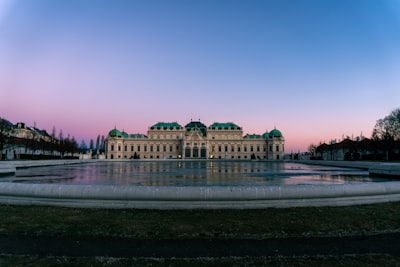
A magnificent Baroque complex consisting of two palaces (Upper and Lower Belvedere), an Orangery, and extensive gardens. It houses an impressive collection of Austrian art, most notably Gustav Klimt's "The Kiss," found in the Upper Belvedere. The Lower Belvedere hosts temporary exhibitions, while the gardens offer beautiful strolls and photo opportunities.
Prater and Giant Ferris Wheel (Riesenrad)
The Prater is a vast public park, home to the Wurstelprater, one of the oldest amusement parks in the world. Its most famous attraction is the Wiener Riesenrad, the Giant Ferris Wheel, offering stunning views over Vienna. Entry to the park itself is free, with individual rides paid for separately.
MuseumsQuartier (MQ)
One of the largest cultural complexes in the world, the MQ combines Baroque architecture with modern design. It hosts several major museums, including:
- Leopold Museum: Features a vast collection of modern Austrian art, including works by Egon Schiele and Gustav Klimt.
- Mumok (Museum of Modern Art Ludwig Foundation Vienna): Focuses on 20th and 21st-century art.
- Kunsthalle Wien: Showcases international contemporary art.
The MQ also has numerous cafés, restaurants, and shops, making it a vibrant meeting place.
Vienna State Opera (Wiener Staatsoper)
One of the world's leading opera houses, the Staatsoper offers a daily changing repertoire of opera and ballet. Even if you don't attend a performance, consider taking a guided tour to admire its lavish interiors. Standing tickets are an affordable way to experience a show.
Naschmarkt
Vienna's most famous market, spanning 1.5 kilometers, offers a vibrant array of culinary delights from around the world. Here you'll find fresh produce, exotic spices, cheeses, baked goods, and numerous food stalls and restaurants serving everything from traditional Viennese fare to Middle Eastern and Asian cuisine. It’s a fantastic place for lunch or an evening meal. On Saturdays, a large flea market also takes place adjacent to the food market.
Hundertwasserhaus
This quirky, colorful apartment building designed by artist Friedensreich Hundertwasser is a unique architectural gem. With uneven floors, trees growing from windows, and a vibrant facade, it's a testament to unconventional design. While you can't enter the residential units, there's a small "Hundertwasser Village" opposite with shops and a café.
How to Reach
Vienna is a major European hub and is easily accessible by various modes of transport.
By Air
Vienna International Airport (VIE) is the main airport, located about 18 km southeast of the city center.
- City Airport Train (CAT): Offers the fastest non-stop connection to Wien Mitte (city center) in 16 minutes. It runs every 30 minutes.
- S-Bahn (S7 line): A more economical option, taking approximately 25 minutes to Wien Mitte, with more stops.
- Railjet Trains: Connects the airport directly to Wien Hauptbahnhof (main train station) in about 15 minutes.
- Airport Buses (Vienna Airport Lines): Connects the airport to various key locations in Vienna, including Westbahnhof and Schwedenplatz.
- Taxi/Ride-sharing: Available outside the terminals, offering direct service to your accommodation.
By Train
Vienna is well-connected to major European cities by an extensive rail network.
- Wien Hauptbahnhof (Vienna Main Station): The primary railway station, serving international and national long-distance trains. It's a modern hub with excellent public transport connections (U-Bahn, S-Bahn, trams, buses) to the rest of the city.
- Wien Meidling: A secondary hub for some train lines.
- Wien Westbahnhof: Primarily serves regional trains and is also a major U-Bahn hub.
By Bus
International long-distance bus services (e.g., FlixBus, Eurolines) connect Vienna to many European cities. The main bus terminal is
Vienna International Busterminal (VIB), located near the Erdberg U3 station, or stops near Wien Hauptbahnhof.
By Car
While driving to Vienna is feasible, navigating and parking in the city center can be challenging and expensive. Many areas are restricted traffic zones. If arriving by car, consider parking at a Park & Ride facility on the outskirts and using public transport to get into the city.
Local Food Guide
Viennese cuisine is a rich tapestry of Central European flavors, heavily influenced by the former Habsburg Empire. It’s hearty, comforting, and utterly delicious.
Must-Try Dishes
- Wiener Schnitzel: The iconic dish – a thin, pan-fried, breaded veal cutlet, traditionally served with potato salad or lingonberry jam and a lemon wedge.
- Tafelspitz: Boiled beef, typically sirloin or top round, served with horseradish, chives sauce, and apple sauce, often with roasted potatoes or spinach. Emperor Franz Joseph's favorite.
- Goulash: A rich, savory stew, often made with beef and plenty of paprika, served with bread or dumplings. Viennese goulash tends to be milder than Hungarian versions.
- Kaiserschmarrn: A fluffy, caramelized shredded pancake, served with fruit compote (often plum or apple) or apple sauce. A delightful dessert or even a main meal.
- Sachertorte: Vienna's most famous cake, a dense chocolate cake with a thin layer of apricot jam, covered in dark chocolate icing. Best enjoyed with Schlagobers (whipped cream).
- Apfelstrudel: A classic dessert made from paper-thin dough filled with spiced apples, raisins, and breadcrumbs, usually served warm with vanilla sauce or whipped cream.
- Palatschinken: Austrian pancakes, similar to French crêpes, often filled with apricot jam, chocolate, or curd cheese.
- Frankfurter Würstel (Wiener Würstel): Vienna sausages, typically boiled and served with mustard and a Kaiser roll.
Coffee Culture
Viennese coffee house culture is a UNESCO Intangible Cultural Heritage. It's not just about the coffee; it's about the atmosphere, the newspapers, the conversations, and the contemplation.
- Melange: The closest equivalent to a cappuccino, made with steamed milk and milk foam.
- Einspänner: Black coffee served in a glass with a generous topping of whipped cream.
- Fiaker: Black coffee with rum and whipped cream.
- Verlängerter: A "lengthened" espresso, essentially an Americano.
- Kaffeehaus recommendations: Café Central, Café Sacher, Demel, Café Landtmann, Café Sperl.
Where to Eat
- Traditional Restaurants (Gasthäuser): Look for places offering "Gutbürgerliche Küche" for authentic Viennese fare. Figlmüller (famous for its huge schnitzels) and Plachutta (renowned for Tafelspitz) are popular choices, but many smaller, local establishments offer excellent food.
- Heuriger: Traditional wine taverns, often found on the outskirts of Vienna (e.g., Grinzing, Nussdorf). They serve their own wine, along with simple cold and hot dishes. Look for the "Ausg'steckt" sign indicating they are open.
- Naschmarkt: As mentioned, a fantastic spot for international street food and local delicacies.
- Würstelstands: For a quick, affordable, and authentic snack, try a hot dog or Kasekrainer (cheese sausage) from one of the many Würstelstands around the city.
Public Transport
Vienna boasts an excellent, efficient, and integrated public transport system, making it easy to get around the city without a car. It's operated by Wiener Linien.
Modes of Transport
- U-Bahn (Subway/Underground): The fastest way to travel long distances, with five main lines (U1, U2, U3, U4, U6) covering most of the city.
- Straßenbahn (Trams): An extensive network of trams, offering a scenic way to see the city. Tram lines 1 and 2 (Ring Tram) circle the Ringstrasse, passing many major attractions.
- Bus: Complements the U-Bahn and tram network, serving areas not covered by other lines, especially night buses (N-Bus).
- S-Bahn (Suburban Railway): Operated by ÖBB, connects Vienna with its suburbs and the airport. It also runs through the city center.
Tickets and Fares
- Single Ticket (Einzelfahrschein): Valid for one uninterrupted journey in one direction, including transfers.
- 24/48/72-Hour Tickets: Best value for tourists, offering unlimited travel within the city for the chosen duration.
- Weekly Pass (Wochenkarte): Valid from Monday 00:00 to the following Monday 09:00. Requires a specific start date, but can be a good option for longer stays.
- Vienna City Card: Offers unlimited public transport for 24, 48, or 72 hours, plus discounts on attractions, museums, shops, and restaurants. It also includes airport transfer options (with add-on).
- Vienna Pass: A premium sightseeing pass offering free entry to over 60 attractions, skip-the-line access, and unlimited hop-on hop-off bus tours. Public transport is NOT included by default; an add-on is available.
Tips for Using Public Transport
- Validate Your Ticket: All tickets must be validated before your first journey by stamping them in the blue boxes at U-Bahn station entrances or on trams/buses. Failure to do so can result in a hefty fine. Multi-day passes only need to be validated once.
- Network Map: Pick up a free network map from any U-Bahn station or download the Wiener Linien app for real-time information and route planning.
- Walkability: Vienna's city center is very walkable, and often you might find walking between attractions enjoyable.
- Night Buses: From around 00:30 to 05:00, night buses (N-Bus lines) operate on a grid network, mostly replacing U-Bahn services during these hours. U-Bahn operates 24/7 on weekends and public holidays.
Travel Budget Tips
Vienna can be enjoyed on various budgets. Here’s how to save money without compromising on the experience.
Accommodation
- Hostels: For budget travelers, hostels offer dormitory beds and private rooms at competitive prices. Look outside the immediate city center but near U-Bahn stations.
- Guesthouses (Pensionen): A good mid-range option, often family-run, offering more character and personalized service than hotels.
- Apartments/Airbnb: Suitable for longer stays or groups, providing cooking facilities to save on food costs.
- Book in Advance: Especially during peak season (summer, Christmas markets, ball season), booking early secures better rates.
Food and Drink
- Lunch Menus (Mittagsmenü): Many restaurants offer fixed-price lunch menus that are significantly cheaper than dinner.
- Supermarkets: Stock up on groceries, snacks, and drinks from supermarkets like Billa, Spar, and Hofer. Prepare your own breakfast or picnic lunches.
- Naschmarkt: While it has sit-down restaurants, you can also find affordable street food and fresh produce to create your own meals.
- Würstelstands: A cheap and cheerful option for a quick bite.
- Tap Water: Vienna's tap water comes directly from Alpine springs and is safe and delicious to drink, saving you money on bottled water.
Attractions and Activities
- Walk the Ringstrasse: Admire the grand architecture.
- Explore St. Stephen's Cathedral: Entry to the main nave is free (towers and catacombs cost).
- Stroll through parks: Schönbrunn Gardens (excluding palace tours), Volksgarten, Prater.
- Window shopping: Kärntner Strasse, Graben.
- Visit Hundertwasserhaus (exterior).
- Attend a free open-air concert (e.g., Vienna Philharmonic Summer Night Concert at Schönbrunn).
- Vienna Pass or Vienna City Card: Evaluate if these passes offer value based on your planned itinerary. If you intend to visit many major paid attractions, the Vienna Pass can save money. If you prioritize transport and a few attractions, the Vienna City Card is better.
- Standing Room Opera Tickets: An incredibly affordable way (starting from €3-€10) to experience a world-class opera performance at the Vienna State Opera or Volksoper. Be prepared to queue.
- MuseumsQuartier: While museums cost money, the MQ courtyard is a vibrant free space to relax and people-watch.
Transport
- Walk: Many attractions in the city center are within walking distance of each other.
- Multi-day Public Transport Tickets: As mentioned, the 24/48/72-hour tickets or weekly pass offer unlimited travel and are more economical than buying single tickets for each journey.
Hotels and Accommodation
Vienna offers a wide range of accommodation options to suit every budget and preference, from luxurious five-star hotels to cozy guesthouses and modern hostels.
Areas to Stay
- Innere Stadt (1st District): The historical city center. Ideal for first-time visitors who want to be steps away from major attractions like St. Stephen's Cathedral, Hofburg Palace, and the State Opera. It's the most expensive area but offers unparalleled convenience and charm.
- *Luxury:* Hotel Sacher, Grand Hotel Wien, Park Hyatt Vienna.
- *Mid-range/Boutique:* Hotel Am Stephansplatz, K+K Palais Hotel.
- Leopoldstadt (2nd District): Just across the Danube Canal from the city center, known for the Prater amusement park and Augarten. It's diverse, vibrant, and generally more affordable than the 1st district, with good public transport links.
- *Mid-range:* Novotel Wien City, Hotel Stefanie (Vienna's oldest hotel).
- *Budget:* Superbude Wien Prater.
- Wieden (4th District) & Mariahilf (6th District): Trendy districts south and southwest of the city center. Home to the Naschmarkt, Vienna's main shopping street (Mariahilfer Strasse), and the Museumsquartier. These areas offer a lively atmosphere, excellent dining, and good public transport.
- *Mid-range:* Hotel Kaiserhof Wien (Wieden), Hotel MOTTO (Mariahilf).
- *Budget:* Wombat's City Hostel Vienna Naschmarkt.
- Landstraße (3rd District): Located east of the city center, home to Belvedere Palace and the Hundertwasserhaus. It offers a mix of residential areas and diplomatic buildings, making it a quieter alternative with good connections.
- *Luxury:* Andaz Vienna Am Belvedere.
- *Mid-range:* Ruby Sofie Hotel Vienna, Hotel Daniel Vienna.
- Josefstadt (8th District) & Neubau (7th District): These districts north and west of the city center are charming residential areas with beautiful architecture, small boutiques, and local restaurants. They offer a more authentic Viennese experience, slightly further from the main tourist crowds but still well-connected.
- *Mid-range:* Hotel Rathaus Wein & Design (Josefstadt), Hotel Sans Souci Wien (Neubau, higher end).
Types of Accommodation
- Luxury Hotels: Vienna excels in this category, offering historic grand hotels with impeccable service and opulent interiors.
- Boutique Hotels: Smaller, stylish hotels with unique designs and personalized service, often found in historic buildings.
- Mid-Range Hotels: A wide selection of comfortable, modern hotels offering good value, usually with standard amenities.
- Guesthouses (Pensionen): Often family-run, offering a more traditional and intimate experience at a moderate price.
- Hostels: Numerous options for budget travelers, ranging from basic dorms to stylish, modern hostels with private rooms.
- Apartments/Serviced Apartments: Ideal for families, groups, or longer stays, providing more space and self-catering facilities.
When booking, consider proximity to U-Bahn stations, as this significantly impacts your convenience in getting around the city.
Safety Tips
Vienna is consistently ranked as one of the safest major cities in the world. However, like any large city, it's wise to be aware of your surroundings and take standard precautions.
- Petty Crime: The most common issue is petty theft, particularly pickpocketing, especially in crowded tourist areas (e.g., Schönbrunn, St. Stephen's Cathedral, Naschmarkt), on public transport, and at busy train stations.
- Keep an eye on your belongings.
- Use an anti-theft bag or wear your backpack on your front in crowded places.
- Don't leave valuables unattended at café tables or on public transport.
- Scams: Be wary of people approaching you with "free" offers, petitions, or street performers demanding excessive payment. These are rare but can happen.
- European Emergency Number (all services): 112
- Vienna has excellent medical facilities.
- Tap water is safe and delicious to drink.
- If you have travel insurance, keep your policy details handy.
- European Health Insurance Card (EHIC) for EU citizens provides access to state-provided healthcare.
- Nightlife: Vienna's nightlife is generally safe. Stick to well-lit areas, don't walk alone if feeling uncomfortable, and be mindful of your drinks.
- Traffic: Pay attention to traffic, especially trams, which are quiet but move quickly. Use designated crossings.
- General Awareness: While it's a safe city, always maintain a basic level of awareness, particularly late at night or in less familiar areas.
FAQ Section
Q: Is Vienna an expensive city to visit?
A: Vienna can be moderately expensive, similar to other major Western European capitals. Accommodation and dining can be pricey, especially in the city center. However, it's possible to visit Vienna on a budget by utilizing public transport, eating at local bakeries or lunch menus, and taking advantage of free attractions. Public transport is relatively affordable, and museum entry fees are standard for a European capital.
Q: Do people in Vienna speak English?
A: Yes, generally, most people working in the tourism industry, hotels, restaurants, and shops speak excellent English. Younger generations also tend to have good English skills. While it's always appreciated if you try a few basic German phrases (e.g., "Guten Tag," "Danke Schön"), you will have no problem navigating Vienna solely with English.
Q: How many days should I spend in Vienna?
A: For a comprehensive visit, 3 to 5 days is ideal.
- 3 days: Allows you to see the main highlights like Schönbrunn, Hofburg, St. Stephen's Cathedral, and a museum or two.
- 4-5 days: Gives you time to delve deeper, explore more museums, enjoy the coffee house culture, visit the Naschmarkt, experience an opera or concert, and maybe take a day trip to the Vienna Woods or a Heuriger.
Q: Is Vienna walkable?
A: The historic city center (Innere Stadt) is very walkable, and many of the main attractions there are close to each other. For attractions further afield (like Schönbrunn Palace or Belvedere Palace), Vienna's excellent public transport system (U-Bahn, trams, buses) is efficient and highly recommended.
Q: What are the best souvenirs to buy in Vienna?
A: Popular souvenirs include:
- Manner Wafers: Iconic pink packaging, delicious hazelnut wafers.
- Sachertorte: You can buy original Sachertorte from Hotel Sacher to take home.
- Mozartkugel: Chocolate and pistachio marzipan candies.
- Fine Porcelain: From Augarten Porcelain Manufactory.
- Snow Globes: Invented in Vienna, you can find them at the Original Vienna Snow Globe Museum shop.
- Loden clothing or traditional Austrian attire: If you're looking for something more substantial.
- Coffee house essentials: Viennese coffee blends, special coffee cups.
Q: Is Vienna good for families with children?
A: Absolutely! Vienna offers many family-friendly attractions:
- Tiergarten Schönbrunn (Vienna Zoo): The world's oldest zoo.
- Prater amusement park: Especially the Giant Ferris Wheel and various rides.
- ZOOM Kindermuseum: Interactive museum for children.
- Haus des Meeres (House of the Sea): An aquarium located in a former flak tower with great city views.
- Technical Museum Vienna: Interactive exhibits on technology and science.
- Schönbrunn Palace Children's Museum: Hands-on activities for kids.
Q: What is the local currency and should I carry cash?
A: The local currency is the Euro (€). Credit and debit cards are widely accepted, especially in larger establishments, hotels, and restaurants. However, it's always advisable to carry some cash for smaller purchases, street vendors (like at Würstelstands or smaller Naschmarkt stalls), and some traditional Heuriger, which might prefer cash.
Vienna truly is a city that delights at every turn, blending its magnificent imperial past with a vibrant, modern present. From the grandeur of its palaces to the cozy charm of its coffee houses, the echoes of classical music to the aromas of its culinary delights, it invites you to explore, discover, and fall in love with its unique spirit. Immerse yourself in the elegance, history, and culture of this spectacular European gem, and create memories that will last a lifetime.