Rome Travel Guide – Best Places to Visit in Italy
Rome: The Eternal City - A Comprehensive Travel Guide
Introduction to Rome
Welcome to Rome, the Eternal City, a place where millennia of history, art, and culture converge to create an unparalleled travel experience. Nestled in the heart of Italy, Rome is more than just a city; it's an open-air museum, a living testament to the rise and fall of empires, the birth of artistic movements, and the enduring spirit of human achievement. From the awe-inspiring grandeur of the Colosseum to the spiritual solace of St. Peter's Basilica, and the vibrant chaos of its charming piazzas, Rome captivates every visitor with its unique blend of ancient ruins, baroque masterpieces, and modern Italian life.
Wander through cobblestone streets where gladiators once walked, toss a coin into the Trevi Fountain to ensure your return, and savor authentic Roman cuisine that tantalizes the taste buds. This guide aims to equip you with all the essential information needed to navigate Rome, uncover its hidden treasures, and immerse yourself fully in its timeless charm. Prepare to fall in love with a city that truly has a story around every corner.
Best Time to Visit
Choosing the right time to visit Rome can significantly enhance your experience, influencing everything from crowd levels to weather and event availability.
Spring (April to May)
Spring is arguably the best time to visit Rome. The weather is pleasantly mild with comfortable temperatures ranging from 15°C to 25°C (59°F to 77°F). The city's gardens are in full bloom, and the longer daylight hours make for ideal sightseeing conditions. Crowd levels are moderate, picking up closer to May, but generally manageable. Easter can bring significant crowds and higher prices, so check the calendar if you plan to travel around this period.
Summer (June to August)
Summer in Rome is hot, with temperatures often soaring above 30°C (86°F) and humidity making it feel even warmer. This is peak tourist season, meaning larger crowds, longer queues, and higher prices for accommodation and flights. Many locals also leave the city in August for their annual Ferragosto holidays, which can lead to some smaller shops and restaurants closing. However, summer also offers vibrant nightlife, outdoor concerts, and the opportunity to enjoy gelato under the stars. Early mornings and late evenings are the best times for sightseeing to avoid the midday sun and crowds.
Autumn (September to October)
Autumn is another excellent choice for visiting Rome. September still enjoys warm weather, gradually cooling down into October with temperatures between 18°C and 25°C (64°F to 77°F). The summer crowds begin to dissipate, and the city takes on a golden hue as the leaves change. It's a wonderful time for walking tours and outdoor dining. Occasional rain showers can occur, but they are usually brief.
Winter (November to March)
Winter is the low season, offering fewer crowds and generally lower prices for flights and hotels. Temperatures range from 5°C to 15°C (41°F to 59°F), and while it can be chilly, snow is rare. December brings festive Christmas markets and decorations, and January/February are quietest, perfect for exploring museums and indoor attractions without the hustle and bustle. Pack layers and a warm coat, and be prepared for potential rain.
Top Attractions
Rome's historical and cultural tapestry is woven with countless iconic landmarks. Here are the must-see attractions:
Ancient Rome
- Colosseum: The quintessential symbol of Rome, this ancient amphitheater once hosted gladiatorial contests and public spectacles. Book tickets well in advance, ideally with a guided tour, to skip lines and fully appreciate its brutal history and architectural marvel.
- Roman Forum & Palatine Hill: Adjacent to the Colosseum, the Roman Forum was the heart of ancient Rome, a sprawling ruin of government buildings, temples, and markets. Climb Palatine Hill, one of Rome's seven hills, for panoramic views of the Forum and Circus Maximus, imagining the opulent palaces of emperors. A combined ticket with the Colosseum is standard.
- Pantheon: A remarkably preserved ancient Roman temple, now a church, famous for its unreinforced concrete dome with a central oculus. Entry is free, but expect queues. Its architectural genius continues to astound engineers and visitors alike.
- Circus Maximus: While only a vast grassy expanse remains, this ancient chariot racing stadium once seated over 150,000 spectators. It's a great spot for a picnic or a leisurely stroll, imagining the thunderous roar of the crowd.
Vatican City
- St. Peter's Basilica: The largest church in the world and the spiritual center of Roman Catholicism, St. Peter's is an architectural masterpiece. Marvel at Michelangelo's Pietà and the stunning dome (climb it for breathtaking city views). Dress respectfully (shoulders and knees covered).
- Vatican Museums & Sistine Chapel: Home to an unparalleled collection of art amassed by popes over centuries, culminating in Michelangelo's magnificent frescoes on the ceiling of the Sistine Chapel. Plan several hours for your visit and book tickets online to avoid long waits.
Baroque & Renaissance Rome
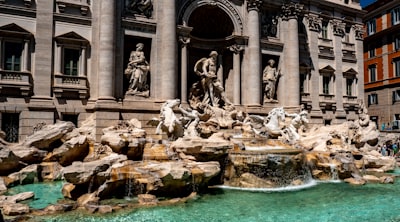
- Trevi Fountain: The largest Baroque fountain in Rome, famous for its intricate sculptures and the tradition of throwing a coin over your shoulder to ensure a return to the Eternal City. It's often crowded, especially in the evenings, but truly magical.
- Spanish Steps: A grand staircase linking the Piazza di Spagna with the Trinità dei Monti church. It’s a popular meeting point and a great spot for people-watching, though sitting on the steps is now prohibited.
- Piazza Navona: A lively and elegant Baroque square featuring Gian Lorenzo Bernini's Fountain of Four Rivers. It's surrounded by charming cafes and street artists, perfect for an evening passeggiata.
- Borghese Gallery & Museum: Housed in a magnificent villa within the Borghese Gardens, this museum boasts an incredible collection of Bernini sculptures (including Apollo and Daphne) and Caravaggio paintings. Booking tickets well in advance is essential as entry is strictly timed. Afterwards, enjoy a stroll or rent a golf cart in the beautiful gardens.
How to Reach Rome
Rome is a major European capital, well-connected by air, rail, and road.
By Air
- Leonardo da Vinci–Fiumicino Airport (FCO): Rome's main international airport, located about 30 km (18 miles) southwest of the city center.
- Leonardo Express Train: Non-stop service to Roma Termini station (main train station) every 15-30 minutes. Journey time is about 32 minutes.
- FL1 Regional Train: Connects to various local stations (Trastevere, Ostiense, Tiburtina) but does not go to Termini.
- Airport Bus Shuttles: Several companies (Terravision, SIT Bus Shuttle) offer cheaper bus services to Termini. Journey time is 45-60 minutes, depending on traffic.
- Taxi: Fixed fare to central Rome destinations (inside the Aurelian Walls) is €50-€55.
- Ciampino–G. B. Pastine International Airport (CIA): Primarily serves low-cost airlines, located about 12 km (7.5 miles) southeast of the city center.
- Airport Bus Shuttles: Connects to Roma Termini. Journey time 30-40 minutes.
- Taxi: Fixed fare to central Rome is €30-€35.
By Train
- Roma Termini: Rome's central railway station and one of Europe's largest. It's a major hub for national and international trains. High-speed trains connect Rome to Florence (1.5 hrs), Naples (1 hr), Milan (3 hrs), and Venice (4 hrs). Booking tickets in advance, especially for high-speed routes, is recommended via Trenitalia or Italo.
- Roma Tiburtina: A secondary station, sometimes used by high-speed trains, located slightly northeast of the city center, well-connected by Metro Line B.
By Bus
While international bus routes exist, they are less common for reaching Rome compared to air or train. Domestic bus services connect Rome to various Italian towns, often arriving at Tiburtina bus station.
By Car
Driving into Rome's city center is not recommended due to ZTL (Zona a Traffico Limitato - Limited Traffic Zone) restrictions, heavy traffic, and scarce parking. If you arrive by car, consider parking outside the ZTL and using public transport.
Local Food Guide
Roman cuisine is a celebration of simple, fresh ingredients transformed into hearty and flavorful dishes. Eating well in Rome is a vital part of the experience.
Must-Try Dishes
- Pasta Dishes (The "Four Roman Pastas"):
- Cacio e Pepe: A deceptively simple yet incredibly flavorful dish with Pecorino Romano cheese and black pepper.
- Amatriciana: A rich tomato sauce with guanciale (cured pork cheek), Pecorino Romano, and sometimes onion.
- Carbonara: The king of Roman pasta, made with guanciale, eggs (yolk only for traditionalists), Pecorino Romano, and black pepper. No cream!
- Gricia: Often called "white Amatriciana," it's Cacio e Pepe with guanciale.
- Saltimbocca alla Romana: "Jumps in the mouth" - veal cutlets topped with prosciutto and sage, pan-fried in white wine and butter.
- Supplì: Fried rice balls, typically filled with tomato sauce, rice, and a piece of mozzarella in the center (hence "supplì al telefono" for the cheesy pull).
- Pizza Romana: Distinct from Neapolitan pizza, Roman pizza has a thin, crispy crust. Try classics like Pizza Margherita or Pizza Bianca (plain pizza bread, often with mortadella).
- Artichokes (Carciofi): Seasonal (winter/spring) and prepared two ways: *alla Romana* (braised with herbs) or *alla Giudìa* (deep-fried until crispy).
- Gelato: An essential Roman treat. Look for artisan gelaterias (gelaterie artigianali) that use natural ingredients and avoid places with brightly colored, piled-high gelato.
Dining Experiences
- Trattorias and Osterias: More casual, family-run establishments offering traditional Roman dishes at reasonable prices. Osterias are generally simpler than trattorias.
- Ristorantes: More formal restaurants, often with a wider menu and higher prices.
- Pizzerias: Dedicated pizza restaurants. Many offer pizza *al taglio* (by the slice) for a quick, cheap meal.
- Aperitivo: From late afternoon to early evening, many bars offer an aperitivo – a pre-dinner drink (like an Aperol Spritz) accompanied by complimentary snacks or a buffet. It's a great way to socialize and save money on dinner.
- Markets: Explore local markets like Campo de' Fiori or Testaccio Market for fresh produce, local cheeses, cured meats, and affordable street food.
Beverages
- Wine: Lazio, Rome's region, produces excellent wines. Try local varieties. House wine (vino della casa) is often a good and affordable option.
- Coffee: Experience Italian coffee culture! Start your day with a *caffè* (espresso) standing at the bar. Other popular options include *cappuccino* (milk and espresso, typically consumed in the morning), *latte macchiato*, and *macchiato*.
Public Transport
Rome's public transport system, managed by ATAC, includes metro, buses, trams, and regional trains. It's an efficient way to get around, though walking is often the best way to experience the city's charm.
Metro
Rome has three metro lines (A, B, C), which are generally fast and reliable, especially for reaching major attractions.
- Line A (Orange): Connects Vatican City (Ottaviano station), Spanish Steps (Spagna), Trevi Fountain (Barberini), and Termini station.
- Line B (Blue): Connects Colosseum (Colosseo), Circus Maximus (Circo Massimo), and Termini station.
- Line C (Green): The newest line, still under construction in parts of the city center, connecting eastern suburbs to the historic core (San Giovanni).
Buses & Trams
An extensive network of buses and trams covers areas not reached by the metro. They are slower due to traffic but offer a good way to see the city. Look for bus stops marked "ATAC". Night buses (indicated by an "N" after the route number) run after metro hours.
Tickets
Tickets are valid across all ATAC public transport (metro, buses, trams, some regional trains within the city limits).
- BIT (Biglietto Integrato a Tempo): Single ride ticket, valid for 100 minutes from first validation. You can use multiple buses/trams within this time, but only one metro ride. Cost: €1.50.
- ROMA 24/48/72H: Valid for 24, 48, or 72 hours from first validation. Unlimited travel.
- CIS (Carta Integrata Settimanale): Valid for 7 days from first validation. Unlimited travel.
Tickets must be purchased *before* boarding from metro stations, newsstands (*edicola*), or tobacco shops (*tabacchi*). Remember to validate your ticket upon boarding a bus/tram or entering a metro station.
Taxis & Ride-Sharing
Official white taxis are metered and can be found at designated taxi stands or hailed via apps like Free Now (which calls licensed taxis). Beware of unofficial taxis. Uber is available in Rome, but mainly offers Uber Black (higher-end, more expensive) services with licensed drivers.
Travel Budget Tips
Rome can be enjoyed on various budgets. Here’s how to save money without compromising on the experience:
Accommodation
- Hostels: For budget travelers, Rome has many excellent hostels, especially around the Termini area.
- B&Bs/Guesthouses: Offer a good balance of comfort and value.
- Apartment Rentals: Consider Airbnb or similar for longer stays or groups, often including kitchen facilities to save on food costs.
- Book in Advance: Especially during peak season, early booking can secure better rates.
Food
- Eat Like a Local: Opt for *trattorias* and *osterias* over tourist traps. Look for a *menu fisso* (fixed-price menu) for lunch.
- Street Food: Grab *pizza al taglio*, *supplì*, or sandwiches from bakeries for cheap and delicious meals.
- Markets: Buy fresh ingredients from local markets (like Campo de' Fiori or Testaccio) and prepare your own meals if you have kitchen access.
- Aperitivo: Take advantage of the aperitivo culture for a pre-dinner snack or light meal.
- Water: Carry a reusable water bottle. Rome has numerous public drinking fountains (*nasoni*) providing fresh, potable water.
Attractions & Activities
- Rome Pass/Omnia Card: Evaluate if these tourist passes are worth it for your itinerary. They offer free entry to some sites and discounts on others, plus public transport. They are typically cost-effective if you plan to visit many paid attractions in a short period.
- Free Attractions: Many of Rome's best sights are free: the Pantheon, St. Peter's Basilica (though climbing the dome costs extra), Trevi Fountain, Spanish Steps, Piazza Navona, and wandering through the Roman Forum (from outside, if not entering).
- Pre-book Tickets: Always book popular attractions like the Colosseum, Vatican Museums, and Borghese Gallery online and in advance to avoid long queues, which saves time and stress, if not always money.
- Free Walking Tours: Look for "free" walking tours (tip-based) to get an overview of the city and its history from a local guide.
Transport
- Walk Everywhere: Rome is incredibly walkable. Wear comfortable shoes and explore on foot to save on transport costs and discover hidden gems.
- Public Transport Passes: If you plan on using public transport frequently, buy a 24/48/72-hour or weekly pass (CIS) instead of single tickets.
General Savings
- Avoid Tourist Traps: Restaurants right next to major attractions often have inflated prices. Walk a few blocks away for better value.
- Souvenirs: Buy souvenirs from local markets or smaller shops rather than the main tourist arteries for better prices and more authentic items.
Hotels and Accommodation
Rome offers a diverse range of accommodation options, from luxury hotels to budget-friendly hostels and charming B&Bs. Choosing the right neighborhood can greatly impact your experience.
Neighborhoods to Consider
- Monti: One of Rome's oldest and most charming neighborhoods, located between the Colosseum and Termini. It's full of artisan shops, trendy boutiques, traditional restaurants, and lively bars. Ideal for those who want to be central but away from the main tourist hustle.
- Trastevere: Known for its picturesque cobblestone streets, vibrant nightlife, and authentic Roman atmosphere. It's packed with traditional trattorias, artisan workshops, and lively squares. Great for foodies and those seeking a bohemian vibe, though can be noisy at night.
- Prati: An elegant, residential district located across the Tiber River from the historic center, just north of Vatican City. It offers a more upscale and peaceful environment with beautiful Art Nouveau buildings, wide boulevards, and good shopping. Well-connected by Metro Line A.
- Testaccio/Ostiense: More off-the-beaten-path, these neighborhoods offer an authentic glimpse into Roman life, particularly renowned for their food scene. Testaccio Market is a foodie paradise, and Ostiense has vibrant street art. Best for those seeking a local experience and good value.
- Termini (Esquilino): The area around Rome's main train station is excellent for budget travelers and those prioritizing transport convenience. It has a high concentration of hotels, hostels, and guesthouses. While bustling and sometimes a bit gritty, it offers unbeatable access to all metro lines and buses.
- Campo de' Fiori/Piazza Navona: These areas are right in the heart of the historic center, offering immediate access to many major attractions. Expect higher prices and more tourist-oriented establishments, but the convenience and ambiance are unparalleled.
Types of Accommodation
- Luxury Hotels: Rome boasts an array of five-star hotels, often housed in historic palazzi, offering impeccable service and amenities (e.g., Hotel de Russie, Hotel Eden).
- Boutique Hotels: Smaller, stylish hotels with unique designs and personalized service, often found in Monti or the historic center.
- Mid-Range Hotels: Numerous 3-4 star hotels provide comfortable stays with standard amenities. Look for those with good reviews for cleanliness and location.
- B&Bs and Guesthouses: A popular choice in Rome, offering a more intimate and often budget-friendly experience. Many are located in historic buildings and run by locals.
- Hostels: Predominantly found near Termini, hostels are ideal for solo travelers or those on a strict budget, offering dorms and private rooms.
- Apartment Rentals: For longer stays, families, or groups, renting an apartment via platforms like Airbnb can provide more space, privacy, and kitchen facilities.
Safety Tips
Rome is generally a safe city for tourists, but like any major European capital, it's wise to be aware of common issues and take precautions.
- Pickpocketing: This is the most prevalent crime affecting tourists, especially in crowded areas.
- Hotspots: Metro (especially Line A), buses (e.g., bus 64 to/from Vatican), crowded attractions (Colosseum, Trevi Fountain, Spanish Steps), and busy markets.
- Precautions: Keep your wallet in a front pocket or use a money belt. Wear bags across your body or keep them in front. Be mindful of distractions (e.g., someone bumping into you). Avoid flashing large amounts of cash or expensive jewelry.
- Scams: Be wary of common tourist scams:
- Bracelet/Rose Sellers: Often aggressive; politely but firmly refuse.
- "Free" Gifts: Never accept anything offered for free, as they will demand payment.
- Fake Petitions: Used as a distraction while accomplices pickpocket you.
- Taxis: Always use official white, metered taxis or reputable ride-sharing apps. Confirm the fixed airport fare before starting the journey.
- 112: European emergency number (carabinieri/police, ambulance, fire).
- 113: Polizia di Stato (State Police).
- Solo Travel: Rome is generally safe for solo travelers, including women. Take standard precautions: stay in well-lit areas at night, inform someone of your itinerary, and trust your instincts.
- Night Safety: Stick to well-populated and well-lit areas at night. If you've been drinking, consider taking a taxi or ride-share back to your accommodation.
- Stay Hydrated: Especially in summer, drink plenty of water. Use the *nasoni* (public drinking fountains) for free, cold water.
- Sun Protection: Wear sunscreen, a hat, and sunglasses during sunny days.
- Pharmacies: Indicated by a green cross sign. Pharmacists can offer advice for minor ailments.
FAQ Section
Q: Is Rome walkable?
A: Absolutely! Rome is incredibly walkable, and exploring on foot is the best way to soak in its atmosphere and discover hidden gems. However, wear comfortable shoes as you'll be covering a lot of ground on cobblestone streets.
Q: Do I need to learn Italian?
A: While a few basic Italian phrases ("Buongiorno," "Grazie," "Per favore," "Scusi," "Parli inglese?") are always appreciated, most people in tourist areas, hotels, and restaurants speak at least some English. Learning a few phrases can enhance your experience.
Q: What's the best way to get around Rome?
A: For short distances, walking is ideal. For longer distances, the metro is fast and efficient. Buses and trams cover areas not reached by the metro. Purchase a multi-day public transport pass if you plan to use it frequently. Taxis are available but more expensive.
Q: How many days do I need in Rome?
A: To see the main highlights without feeling rushed, 4-5 full days is recommended. This allows you to explore ancient Rome, Vatican City, Baroque squares, and enjoy the food culture. For a more relaxed pace or day trips, consider a week.
Q: Is the Vatican a separate country?
A: Yes, Vatican City is the smallest independent state in the world, governed by the Pope. You'll pass through security to enter St. Peter's Square and the Vatican Museums, but there are no formal border controls for tourists coming from Rome.
Q: What should I wear when visiting churches and the Vatican?
A: When visiting religious sites like St. Peter's Basilica, the Vatican Museums, and other churches, a modest dress code is required. Shoulders and knees must be covered. Avoid sleeveless tops, shorts, mini-skirts, and revealing clothing. Carrying a light scarf to cover shoulders is a good idea.
Q: Can I drink tap water in Rome?
A: Yes, Rome's tap water is safe and delicious to drink. You'll find numerous public drinking fountains (nasoni) throughout the city, providing fresh, cold water. Carry a reusable water bottle to refill as you explore.
Q: Is Rome expensive?
A: Rome can be as expensive or as affordable as you make it. Accommodation and dining in prime tourist areas can be pricey. However, with budget tips like using public transport, eating at local trattorias, enjoying street food, visiting free attractions, and carrying a reusable water bottle, you can have a fantastic experience without breaking the bank.