Santiago Travel Guide – Best Places to Visit in Chile
Santiago: A Comprehensive Travel Guide to Chile's Vibrant Capital
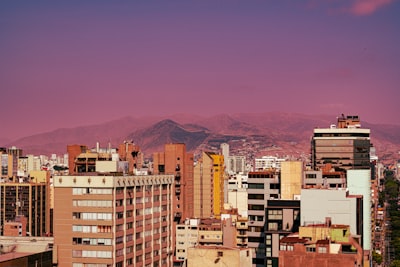
Nestled in a valley surrounded by the snow-capped Andes Mountains to the east and the Chilean Coastal Range to the west, Santiago is a dynamic metropolis that pulsates with energy, history, and culture. Chile's capital and largest city, Santiago, offers a captivating blend of colonial charm and modern sophistication. From its bustling markets and historic plazas to world-class museums and a thriving culinary scene, Santiago is a city of contrasts, where ancient traditions meet contemporary urban life. It serves not only as a crucial economic and political center but also as a gateway to Chile's diverse landscapes, including the dramatic Andes, sun-drenched wine valleys, and the colorful Pacific coast. Whether you're a history buff, a food enthusiast, an art lover, or an adventure seeker, Santiago promises an unforgettable journey into the heart of South America.
Best Time to Visit
Choosing the right time to visit Santiago can significantly enhance your experience, as the city experiences distinct seasons.
Spring (September to November)
This is arguably the best time to visit Santiago. The weather is pleasantly warm, skies are generally clear, and the city's parks and gardens burst into bloom. Temperatures typically range from 15°C to 25°C (59°F to 77°F). It's an ideal period for sightseeing, exploring outdoor attractions, and enjoying day trips to the nearby wine valleys before the intense summer heat sets in. Shoulder season crowds are also more manageable than peak summer.
Summer (December to February)
Santiago summers are hot and dry, with temperatures often soaring above 30°C (86°F), sometimes reaching 35°C (95°F). While the intense heat can be challenging for extended outdoor exploration, the city is lively with outdoor events and rooftop bars. Many locals head to the coast during February, making the city a bit quieter, but key attractions remain open. This is also peak season for visiting the Chilean Patagonia and ski resorts (though skiing itself is not possible).
Autumn (March to May)
Another excellent time to visit, autumn brings cooler, more comfortable temperatures, typically between 15°C and 25°C (59°F to 77°F). The city's trees transform into beautiful hues of red and gold, creating stunning scenery. The grape harvest season (vendimia) in the wine valleys usually occurs in March and April, offering unique vineyard experiences. The weather remains pleasant for outdoor activities, and tourist crowds begin to thin out.
Winter (June to August)
Winters in Santiago are mild and often rainy, especially in June and July. Temperatures usually hover between 5°C and 15°C (41°F to 59°F). While it's cooler, the surrounding Andes often get a fresh dusting of snow, creating spectacular backdrops. This is the prime season for skiing and snowboarding in the nearby Andes resorts like Valle Nevado and Portillo. The air quality in the city can sometimes be poor during winter due to thermal inversion. If you plan to ski, this is your season; otherwise, bring layers and an umbrella for city exploration.
Top Attractions
Santiago is brimming with captivating sights that cater to every interest.
Cerro San Cristóbal and Parque Metropolitano
Dominating the city's skyline, Cerro San Cristóbal is the second-highest point in Santiago and offers unparalleled panoramic views of the city framed by the majestic Andes. Accessible by funicular or cable car, the summit features a colossal statue of the Virgin Mary, a charming chapel, and an observatory. The hill is part of the vast Parque Metropolitano, which also houses the National Zoo, two municipal swimming pools, and extensive walking and biking trails. Spend at least half a day here to soak in the views and enjoy the park's offerings.
Plaza de Armas
The historic heart of Santiago, Plaza de Armas is a vibrant square surrounded by some of the city's most important landmarks. Here you'll find the stunning Metropolitan Cathedral, a neoclassical masterpiece that dates back to the 18th century. Other significant buildings include the grand Central Post Office (Correo Central), the Palacio de la Real Audiencia (housing the National History Museum), and the Municipalidad de Santiago. The plaza itself is a lively hub, with street performers, artists, and locals enjoying the atmosphere.
La Moneda Palace
This elegant neoclassical palace serves as the seat of the President of the Republic of Chile. Famous for its dramatic history, including the 1973 military coup, La Moneda is an iconic symbol of Chilean democracy. Below the palace, the spacious Centro Cultural La Moneda (CCLM) hosts excellent art exhibitions, film screenings, and artisan shops. Don't miss the daily changing of the guard ceremony, usually held at 10 AM on even-numbered days (check schedule as it can vary).
Barrio Bellavista
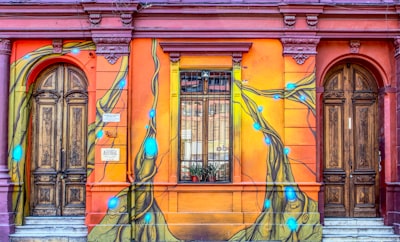
Known as Santiago's bohemian quarter, Bellavista is a colorful neighborhood famed for its vibrant street art, lively nightlife, and diverse dining options. During the day, explore its unique boutiques, art galleries, and the whimsical La Chascona, one of Pablo Neruda's three houses, now a museum dedicated to the poet. By night, the streets come alive with countless bars, pubs, and restaurants offering a festive atmosphere.
Barrio Lastarria
Adjacent to Santiago Centro, Lastarria is a charming, tree-lined neighborhood that effortlessly blends historic architecture with a chic, modern vibe. It's a cultural hotspot, home to independent cinemas, boutique shops, art galleries, and an array of sophisticated cafes and restaurants. Take a stroll along its cobblestone streets, browse the weekend artisan market, or simply relax with a coffee and soak in the refined ambiance.
Museums
Santiago boasts an impressive collection of museums.
- Museo Chileno de Arte Precolombino: Houses a magnificent collection of pre-Columbian art from across Central and South America.
- Museo Nacional de Bellas Artes: Located in a beautiful Beaux-Arts building, it features Chilean and international art from the colonial period to the present.
- Museo de la Memoria y los Derechos Humanos: A powerful and moving museum dedicated to the victims of human rights violations during the military dictatorship of Augusto Pinochet.
- Museo Interactivo Mirador (MIM): A fantastic interactive science museum, perfect for families.
Mercado Central
A bustling iron-structured market hall that is a must-visit for seafood lovers. Experience the lively atmosphere as vendors hawk their fresh catches of the day. Inside, you'll find numerous restaurants serving traditional Chilean seafood dishes, from hearty *caldillo de congrio* (conger eel soup) to fresh ceviche. It's a sensory overload in the best possible way.
Cerro Santa Lucía
This picturesque urban park, located in the heart of Santiago, is a beautifully landscaped hill offering stunning views and a tranquil escape. Once a pre-Columbian fortress and the site of Santiago's founding, it features ornate staircases, fountains, statues, and a small castle. Climb to the top for a different perspective of the city.
Day Trips from Santiago
Santiago's central location makes it an ideal base for exploring beyond the city limits.
- Valparaíso & Viña del Mar: A UNESCO World Heritage site, Valparaíso is a vibrant port city famous for its labyrinthine hills, colorful bohemian houses, and historic funiculars. Nearby Viña del Mar offers a more upscale coastal experience with beautiful beaches and gardens.
- Wine Valleys: Chile is renowned for its wines. The Maipo Valley, just south of Santiago, is easily accessible and home to famous wineries like Concha y Toro and Santa Rita. The Casablanca Valley, towards the coast, is famous for its white wines. Many tours offer tastings and vineyard visits.
- Andes Ski Resorts: During winter (June to September), world-class ski resorts like Valle Nevado, La Parva, and El Colorado are just a short drive away, offering excellent slopes and stunning mountain scenery.
How to Reach
Santiago is well-connected internationally and domestically.
By Air
Arturo Merino Benítez International Airport (SCL), also known as Comodoro Arturo Merino Benítez International Airport or Santiago International Airport, is the main gateway to Chile. It is located approximately 15 kilometers (9 miles) northwest of downtown Santiago.
- Airlines: SCL serves numerous international airlines from North America, Europe, and other parts of South America, as well as domestic flights across Chile.
- From the Airport to the City:
- Buses: Centropuerto and TurBus offer frequent, affordable bus services from the airport to various points in Santiago, including the Los Héroes metro station (Centropuerto) and Estación Central (TurBus). Travel time is around 30-45 minutes, depending on traffic.
- Taxis: Official airport taxis are available outside the terminals. It's recommended to pre-pay for your taxi at one of the authorized counters inside the airport to avoid scams.
- Shared Transfers: Minibus services like Transvip offer shared rides to your accommodation, often a cost-effective option for solo travelers or small groups.
- Ride-sharing Apps: Uber, Cabify, and Didi operate in Santiago, but officially they can only pick up outside the airport perimeter. Many drivers will meet you at designated parking areas or slightly outside the main pick-up zones.
By Land
- International Buses: Santiago's main bus terminal, Terminal Alameda/Estación Central, has connections to neighboring countries like Argentina (Mendoza, Buenos Aires), Peru, and Bolivia.
- Domestic Buses: Extensive bus networks connect Santiago to virtually every major city and town in Chile, offering a comfortable and affordable way to travel domestically. Various companies like TurBus and Pullman Bus provide frequent services.
Local Food Guide
Chilean cuisine, while perhaps less globally renowned than some of its South American counterparts, offers a delicious array of comforting and hearty dishes influenced by indigenous traditions, Spanish colonization, and German immigration.
Must-Try Dishes
- Empanadas: A staple in Chile. While cheese empanadas (empanadas de queso) are common, try the classic *empanada de pino*, filled with a savory mixture of ground beef, onions, olives, and a hard-boiled egg.
- Pastel de Choclo: A wonderfully rich and comforting dish. It's a savory corn pie topped with a creamy corn purée (choclo) and baked, typically containing ground beef (pino), chicken, onions, and sometimes olives and hard-boiled eggs at the bottom.
- Cazuela: A hearty and warming soup, often considered Chile's national dish. It usually features a large piece of meat (beef, chicken, or pork), a potato, corn on the cob, rice, and sometimes other vegetables.
- Completo: Chile's extravagant hot dog. A hot dog bun loaded with frankfurter sausage, generous amounts of mayonnaise, chopped tomatoes, and sauerkraut (chucrut). The *completo italiano* swaps sauerkraut for avocado, mimicking the colors of the Italian flag.
- Choripán: A simple yet incredibly popular street food, especially at barbecues (asados). It's a grilled chorizo sausage served in a crusty bread roll, often topped with *pebre* (a Chilean salsa of chopped onions, tomatoes, cilantro, and ají pepper).
- Machas a la Parmesana: A beloved seafood appetizer, especially popular in coastal areas but widely available in Santiago. Razor clams baked in their shells with Parmesan cheese and butter. Delicious!
Drinks
- Pisco Sour: While debated with Peru, Chile claims its own version of this iconic cocktail. Made with pisco (grape brandy), lemon juice, simple syrup, and often egg white.
- Mote con Huesillo: A unique non-alcoholic summer drink. It consists of dried peaches (huesillo) rehydrated and cooked in sugar and cinnamon syrup, served with husked wheat (mote). Refreshing and distinctly Chilean.
- Chilean Wines: Chile is one of the world's leading wine producers. Don't leave without trying its renowned Cabernet Sauvignon, Carmenere, Sauvignon Blanc, and Chardonnay. Wineries in the Maipo and Casablanca Valleys are easily accessible for tastings.
- Terremoto: Literally "earthquake," this potent and sweet cocktail is popular during celebrations. It's a mix of *pipeño* (a sweet fermented wine), pineapple ice cream, and grenadine, often topped with a dash of fernet or rum.
Dining Experiences
From high-end restaurants in Vitacura and Providencia to casual eateries in Bellavista and the bustling Mercado Central, Santiago offers dining for all tastes and budgets. Look for *Menú del Día* (daily menu) specials at lunchtime for great value.
Public Transport
Santiago boasts an efficient and extensive public transportation system that makes navigating the city relatively easy.
Metro de Santiago
The Metro is the fastest and most efficient way to get around Santiago. It's clean, modern, and covers most of the city's key attractions and neighborhoods with its seven lines (L1 to L7, with more planned).
- Bip! Card: You'll need a "Bip! card" to use the Metro and city buses. These rechargeable cards can be purchased and topped up at any Metro station or designated Bip! card sales points.
- Hours: Generally operates from around 6 AM to 11 PM, with extended hours on weekends and reduced hours on holidays. Check official schedules as they can vary.
Buses (Red System)
The "Red" bus system complements the Metro, providing comprehensive coverage across the city. Buses are modern and comfortable.
- Bip! Card: Like the Metro, buses only accept payment via the Bip! card. Cash is not accepted.
- Planning Routes: Google Maps or the official Transantiago app are excellent tools for planning bus routes and checking real-time schedules.
Taxis and Ride-sharing Apps
- Taxis: Black and yellow taxis are plentiful. Ensure the taxi uses a meter (taxímetro) and ask for an estimated fare if possible.
- Ride-sharing: Uber, Cabify, and Didi are widely used and generally more reliable and transparent regarding fares than street taxis. They offer convenient door-to-door service and cashless payments.
Walking and Cycling
Many central neighborhoods like Lastarria, Bellavista, and Santiago Centro are best explored on foot. Santiago also has an increasing number of dedicated bike lanes, and bike rental services are available. Be mindful of traffic and uneven pavements when walking or cycling.
Travel Budget Tips
Santiago can be explored on various budgets. Here’s how to make your money go further:
- Hostels: For budget travelers, hostels in neighborhoods like Bellavista, Lastarria, and Providencia offer dorm beds and private rooms.
- Mid-range: Look for guesthouses (residenciales) or smaller hotels in Providencia or Santiago Centro for good value. Booking in advance, especially during peak season, can save money.
- Apartments: Consider Airbnb or similar platforms, especially for longer stays or groups, which can include kitchen facilities to save on food costs.
- Menu del Día: Many restaurants, especially during weekdays, offer a "Menú del Día" (fixed-price lunch menu) which usually includes a starter, main course, and sometimes a drink or dessert, offering excellent value.
- Markets: Explore local markets like Mercado Central (for seafood) or La Vega Central (for produce) to buy fresh ingredients if you have kitchen access. You can also find inexpensive local eateries within these markets.
- Street Food: Empanadas and completos from street vendors are tasty and budget-friendly snacks.
- Cook Your Own: If your accommodation has a kitchen, buying groceries from supermarkets like Líder (Walmart), Jumbo, or Santa Isabel can significantly reduce food expenses.
- Bip! Card: Utilize Santiago's efficient Metro and bus system with a Bip! card. It's much cheaper than taking taxis everywhere.
- Walk: Many attractions in the city center are within walking distance of each other.
- Free Walking Tours: Look for "free" walking tours (tip-based) to explore the city's history and culture without a fixed cost.
- Free Attractions: Many of Santiago's highlights are free to visit, including Plaza de Armas, Cerro Santa Lucía, Parque Metropolitano (entry to the park itself, funicular/cable car have a fee), and wandering through neighborhoods like Lastarria and Bellavista.
- Museum Discounts: Some museums offer free entry on certain days of the week or for specific age groups. Always check their websites.
- Picnics: Instead of always eating out, pack a picnic to enjoy in one of Santiago's beautiful parks.
- Currency Exchange: Exchange money at reputable *casas de cambio* (exchange houses) rather than at the airport, where rates are usually less favorable. ATMs are widely available, but be aware of withdrawal fees.
Hotels and Accommodation
Santiago offers a wide range of accommodation options, from budget-friendly hostels to luxurious five-star hotels, scattered across various neighborhoods, each with its own character.
Neighborhoods to Consider
- Providencia: One of the most popular choices, Providencia is a safe, upscale, and leafy neighborhood known for its excellent restaurants, cafes, boutiques, and easy access to the Metro. It offers a good balance of tranquility and urban amenities. Ideal for families and couples.
- Lastarria & Bellavista: These adjacent neighborhoods are perfect for travelers seeking a vibrant cultural and nightlife scene. Lastarria is more bohemian chic, with boutique hotels and upscale restaurants, while Bellavista is famous for its colorful houses, street art, bars, and hostels. Great for young travelers, solo adventurers, and those who enjoy being in the thick of the action.
- Santiago Centro (Downtown): The historic heart of the city, offering proximity to Plaza de Armas, La Moneda, and many museums. Accommodation here can range from grand historic hotels to budget hostels. It's bustling during the day but can be quieter at night. Good for history buffs and budget-conscious travelers.
- Vitacura & Las Condes: These are Santiago's most affluent and modern districts, characterized by luxury hotels, high-end shopping malls (like Parque Arauco), and some of the city's best fine dining. While further from the historic center, they offer superb safety, modern infrastructure, and easy access to metro and bus lines. Ideal for business travelers or those seeking luxury and comfort.
- Barrio Italia: A charming, slightly bohemian neighborhood known for its antique shops, design stores, and independent cafes and restaurants. It offers a more local, relaxed vibe with boutique guesthouses.
Types of Accommodation
- Hostels: Abundant in Bellavista and Lastarria, offering dorms and private rooms, great for solo travelers and those on a budget. Many offer social atmospheres and organized tours.
- Boutique Hotels: Found primarily in Lastarria, Providencia, and Barrio Italia, these offer unique designs, personalized service, and a more intimate experience.
- Chain Hotels: Major international hotel chains are present in Providencia, Las Condes, and Vitacura, providing reliable standards and amenities.
- Apart-hotels/Serviced Apartments: A good option for longer stays or families, offering kitchens and more space, common in Providencia and Las Condes.
- Airbnb/Vacation Rentals: A popular choice across many neighborhoods, offering a local experience and varying price points.
Safety Tips
Santiago is generally considered a safe city for tourists, but like any large metropolis, it's essential to be aware of your surroundings and take common-sense precautions.
- Pickpocketing and Bag Snatching: These are the most common crimes targeting tourists.
- Be vigilant in crowded areas such as Plaza de Armas, Mercado Central, bus terminals, and on the Metro.
- Keep your wallet in a front pocket, use a cross-body bag that is difficult to snatch, and avoid carrying too much cash.
- Be wary of distractions; sometimes one person will distract you while another attempts to steal your belongings.
- Avoid leaving bags unattended, even for a moment, in restaurants or cafes.
- Exercise caution when walking alone at night, especially in less well-lit areas.
- Stick to well-populated and well-lit streets in popular nightlife areas like Bellavista.
- When leaving bars or clubs, use reputable ride-sharing apps (Uber, Cabify, Didi) or authorized taxis.
- Protests and Demonstrations:
- Santiago occasionally experiences protests, especially around La Moneda Palace and Plaza Baquedano (formerly Plaza Italia).
- While usually peaceful, they can escalate quickly. Check local news and avoid areas where large gatherings are occurring. If you encounter a protest, calmly leave the area.
- Leave valuable jewelry and unnecessary documents (like your passport) in your hotel safe. Carry a photocopy of your passport instead.
- Avoid openly displaying expensive electronics (phones, cameras) in crowded areas.
- Be discreet when handling money in public.
- When using street taxis, ensure the meter is on and visible. It's often safer to pre-book a taxi or use ride-sharing apps.
- Always confirm the driver and car details match those provided by the app.
- Air Quality: Santiago can sometimes suffer from air pollution, especially during winter months due to thermal inversion. If you have respiratory issues, monitor local air quality reports and consider wearing a mask on high pollution days.
- Water Safety: Tap water in Santiago is generally safe to drink, but bottled water is widely available if you prefer.
FAQ Section
Q: Is Santiago safe for tourists?
A: Yes, Santiago is generally safe for tourists, especially in the main tourist areas and affluent neighborhoods. However, like any large city, pickpocketing and minor theft can occur, particularly in crowded places. It's important to be vigilant, aware of your surroundings, and take common-sense precautions.
Q: What is the local currency in Chile?
A: The local currency is the Chilean Peso (CLP). Credit cards are widely accepted in most shops, restaurants, and hotels. ATMs are common, but be aware of potential transaction fees.
Q: Do I need a visa to enter Chile?
A: Visa requirements vary by nationality. Many countries, including the USA, Canada, Australia, and most European Union countries, do not require a visa for tourist stays up to 90 days. However, certain nationalities may need to pay a reciprocity fee upon arrival or obtain a visa in advance. Always check the latest requirements with the Chilean embassy or consulate in your country before traveling.
Q: What language is spoken in Santiago?
A: The official language is Spanish. While many people in the tourism industry speak some English, especially in hotels and major attractions, knowing some basic Spanish phrases will greatly enhance your experience.
Q: How many days do I need to visit Santiago?
A: To get a good feel for Santiago and visit its main attractions, 3 to 4 full days are recommended. If you plan to include day trips to Valparaíso, wine valleys, or the Andes, you might want to extend your stay to 5-7 days.
Q: Is tipping customary in Santiago?
A: Yes, tipping is customary in restaurants. A 10% tip (propina) is standard for good service and is usually suggested on the bill. It's also common to round up taxi fares or tip a small amount to tour guides.
Q: Can I drink the tap water in Santiago?
A: Yes, tap water in Santiago is generally considered safe to drink for locals and tourists. However, some visitors with sensitive stomachs might prefer bottled water, which is readily available.
Q: What is the best way to get around Santiago?
A: The Metro is the most efficient and convenient way to navigate Santiago. Buses are also extensive. For both, you'll need a rechargeable Bip! card. Taxis and ride-sharing apps (Uber, Cabify, Didi) are also widely available. Many central areas are easily walkable.
Q: What is the climate like in Santiago?
A: Santiago has a Mediterranean climate with hot, dry summers (December-February) and mild, somewhat rainy winters (June-August). Spring (September-November) and autumn (March-May) offer pleasant temperatures and are considered the best times to visit.
Q: What should I pack for a trip to Santiago?
A: This depends on the season. In summer, light clothing, sunscreen, and a hat are essential. In winter, layers, a warm jacket, and an umbrella are advisable. For spring and autumn, pack layers as temperatures can vary. Comfortable walking shoes are a must year-round. If you plan on hiking or visiting the Andes, bring appropriate gear.