

Top Kitchen Design Trends Homeowners Love
Introduction
Alright folks, listen up! As a contractor who's seen more kitchen remodels than hot dinners, I can tell you there's nothing quite like the buzz of a homeowner planning a kitchen overhaul. It's not just another room; it's the heart of your home, where memories are made, meals are shared, and sometimes, where the toughest homework battles are fought. We're talking about the space that truly defines your home's character and functionality.
But here's the kicker: kitchen design trends, they're always moving, evolving, and sometimes, they feel like they're flying by at warp speed. What was cutting-edge five years ago might feel a little... well, tired today. My job, and what I love to do, is help folks navigate this exciting but sometimes overwhelming world of kitchen design. We're not just talking about pretty pictures here; we're talking about practical, durable, and beautiful solutions that homeowners are absolutely falling in love with right now. I'm going to walk you through the top trends I'm seeing on the ground, the ones that truly make a difference in daily life, and how you can bring them into your own space without losing your shirt or your sanity. So, pull up a chair, grab a coffee, and let's talk kitchens!
Why Keeping Up with Kitchen Design Trends Matters for Your Home
You might be thinking, "Do I really need to chase trends? My kitchen works just fine." And hey, I get it. If your kitchen is functional and you love it, that's what matters most. But here's the honest truth from someone who's seen the long-term impact: keeping an eye on current kitchen design trends isn't just about being "in style." It's about optimizing your home's functionality, comfort, and ultimately, its value. Think about it: an outdated kitchen can make your whole house feel old, even if other parts are spruced up. It can be a real drag on daily life, making cooking less enjoyable and entertaining a bit awkward.
From a practical standpoint, modern designs often incorporate better ergonomics, more efficient storage solutions, and energy-saving appliances. This means less bending, less searching for that elusive spatula, and lower utility bills. From a financial perspective, a kitchen is one of the top two rooms that buyers look at when considering a home purchase – the other being the bathroom. A fresh, modern kitchen can significantly boost your property's appeal and resale value. I've personally seen homes sit on the market because of a drab, decades-old kitchen, only to sell quickly for a higher price after a strategic remodel. It's an investment, not just an expense, and understanding what's popular helps ensure that investment pays off.
Common Homeowner Frustrations with Outdated Kitchens
Oh, I could write a book on this one! I've walked into countless homes where the kitchen is the source of daily headaches. Homeowners often come to me with a laundry list of complaints about their current setup. One of the biggest gripes is always the lack of functional storage. You know the drill: crammed cabinets, overflowing drawers, spices falling out every time you open a door. It's frustrating when you can't find anything, or worse, you have to buy duplicates because you can't see what you already own. Then there's the poor workflow. Picture trying to cook a holiday meal with your spouse, kids, and maybe a pet or two all bumping into each other because the fridge, sink, and stove are in a terrible triangle. It's a recipe for stress, not culinary delight.
Another common frustration? The dated aesthetic. Think dark, heavy cabinets that suck the light out of the room, chipped laminate countertops, or linoleum floors from the 80s that just scream "fix me!" This isn't just about vanity; it impacts how you feel about your home. Many homeowners tell me they avoid entertaining because they're embarrassed by their kitchen. And let's not forget the sheer inefficiency of older appliances that guzzle energy or simply don't perform well. A clunky, noisy dishwasher or an oven that heats unevenly can make meal prep a chore instead of a pleasure. These aren't minor annoyances; they chip away at your enjoyment of your home every single day.
What Causes Kitchens to Feel Outdated and How Trends Evolve
So, why do kitchens get that "outdated" feeling? It's usually a combination of factors, not just one thing. First off, materials. The colors, textures, and types of countertops, cabinetry, and flooring popular in one decade can look drastically different from the next. Remember the avocado green and harvest gold appliances? Or the dark, heavily varnished oak cabinets that were everywhere in the 90s? While those had their moment, they definitely scream "past era" today. Appliances themselves play a huge role too. Older models might lack the sleek, integrated look of modern designs, or they might simply be less energy-efficient and noisier, instantly dating the space.
Layouts also evolve. The traditional closed-off kitchen, separate from the dining and living areas, was once standard. But today, the open-concept living trend has dominated, making those older, compartmentalized kitchens feel cramped and isolated. People want to be connected to family and guests while cooking, not tucked away in a back room. Technology is another driver. Smart appliances, integrated charging stations, and seamless lighting controls are becoming standard, making kitchens without these features feel behind the times. What makes a trend stick, though, is often a blend of aesthetics, functionality, and how it addresses modern living needs. Trends that solve real problems, like better storage or more social layouts, tend to have staying power, while purely aesthetic fads might fade faster.
Signs Your Kitchen Needs a Modern Design Update
How do you know if your kitchen is crying out for an update? Sometimes it's obvious, sometimes it's more subtle, but as a contractor, I've learned to spot the red flags a mile away. Here are some clear indicators:
- The "Ugh" Factor: Every time you walk into your kitchen, you let out a little sigh of disappointment. You don't enjoy being in there, and it just doesn't spark joy. That's a huge emotional sign.
- Worn-Out Surfaces: Cracked tile, peeling laminate, scratched countertops, or faded cabinet finishes are not just unsightly; they can harbor dirt and become difficult to clean.
- Inefficient Layout: Do you find yourself constantly walking back and forth, tripping over family members, or having trouble accessing appliances? A poor kitchen triangle (sink, stove, fridge) is a major design flaw that causes daily headaches.
- Lack of Storage & Organization: If your countertops are perpetually cluttered because you have no place to put things, or your pantry is a black hole, it's time for a change. Modern kitchens prioritize smart, accessible storage.
- Outdated Appliances: Appliances that are more than 10-15 years old are likely less energy-efficient, perform poorly, and stick out like a sore thumb in an otherwise updated home. Plus, they might be on their last legs, meaning you'll be replacing them soon anyway.
- Poor Lighting: Is your kitchen dim, with only one central fixture? Modern kitchens use layered lighting – ambient, task, and accent – to create a bright, functional, and inviting space.
- Disconnected Feel: If your kitchen feels completely separate from the rest of your home, especially if you have an open-concept living area elsewhere, it's likely due for a spatial redesign.
- The "Echoes of the Past": Think wallpaper borders, brass hardware from the 80s, or cabinet styles that haven't been seen since your grandma's house was new. These are undeniable signals that your kitchen is stuck in a time warp.
How to Integrate Top Kitchen Design Trends into Your Home
Alright, let's get into the good stuff – bringing those coveted trends into your space. This isn't about blindly following fads; it's about smart incorporation. Here's how I advise my clients to approach it:
Step 1: Assess Your Needs and Lifestyle
Before you even look at a catalog, think about how you use your kitchen. Do you cook a lot? Entertain often? Need a dedicated homework spot for the kids? Are you a baker, a gourmet chef, or a microwave warrior? Your lifestyle dictates the functionality. For example, if you entertain, a large island might be a must. If you have a big family, durable, easy-to-clean surfaces are paramount.
Step 2: Define Your Aesthetic and Budget
What styles do you naturally gravitate towards? Modern, traditional, farmhouse, industrial? Collect inspiration from magazines, Pinterest, and Houzz. This helps identify common threads. Simultaneously, establish a realistic budget. This will guide your choices in materials, appliances, and whether you do a full gut renovation or a more modest refresh.
Step 3: Focus on Functional Trends First
I always tell folks to prioritize functionality. Trends like smart storage solutions (pull-out pantries, drawer organizers, corner solutions) or multi-functional islands that double as eating areas and workstations are worth their weight in gold. These improve daily life dramatically. Another great functional trend is integrated appliances – hiding your fridge or dishwasher behind cabinet panels creates a seamless, high-end look and reduces visual clutter.
Step 4: Incorporate Aesthetic Trends Thoughtfully
This is where the fun really begins! Here are some top aesthetic trends and how to use them:
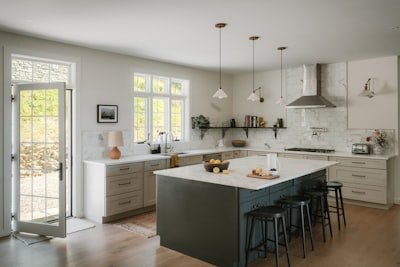
- Two-Tone Cabinetry: A huge trend! Often, darker or bolder colors on lower cabinets or the island, with lighter neutrals on uppers. This adds depth and visual interest without overwhelming the space. It's a fantastic way to introduce a pop of color that feels sophisticated, not fleeting.
- Natural Materials: Think rich wood tones, quartz, marble, or even concrete countertops. These bring warmth, texture, and a sense of timelessness. Consider open shelving with solid wood or a stunning wood island base.
- Statement Lighting: Forget the basic flush mount. Pendants over an island, sconces for task lighting, or even a chandelier in a larger kitchen can be a focal point. It's like jewelry for your kitchen.
- Large Kitchen Islands: More than just prep space, these are command centers. Incorporate seating, a prep sink, charging stations, or even a wine fridge. They become the social hub.
- Walk-In or Butler's Pantries: If space allows, a dedicated pantry is a game-changer for organization and storage. It keeps small appliances and bulk items out of sight, reducing countertop clutter.
- Warm Neutrals & Earth Tones: Moving away from stark whites, we're seeing more creams, greiges, muted greens, and blues. These create a calming, inviting atmosphere.
- Smart Kitchen Tech: From smart ovens you can preheat from your phone to touchless faucets and integrated charging ports, technology makes life easier. Decide what genuinely benefits you, not just what's new.
Step 5: Don't Forget the Details
Hardware, backsplashes, and even the faucet can make a huge impact. Brass, matte black, and brushed nickel are popular hardware finishes. For backsplashes, consider large format tiles, unique patterns like zellige or handmade look tiles, or even slab backsplashes that extend up the wall for a dramatic effect.
Step 6: Plan for the Future
Choose elements that have longevity. While trends are fun, some designs are more timeless than others. Mix trendy elements with classic foundations (like cabinet styles or flooring) so your kitchen won't feel dated too quickly. This strategic approach saves you money and heartache down the road.
Professional Contractor Advice for Your Kitchen Remodel
Okay, let me lay some contractor wisdom on you. When you're tackling a kitchen remodel, especially one incorporating new trends, there are a few things I always emphasize to my clients:
First, planning is paramount. I mean, really plan. Don't just pick out some pretty cabinets and call it a day. Think about your workflow. Where will your trash can go? How much counter space do you actually need next to your stove? Where will you store your pots and pans? A good contractor will help you visualize this. We use specialized software to create 3D renderings so you can virtually "walk through" your new kitchen before we even lift a hammer. This catches potential problems before they become expensive mistakes.
Second, don't cheap out on the bones. I see this all the time. Folks want the fancy quartz counters and high-end appliances, but then they skimp on the cabinet boxes or the plumbing. Your cabinets are the foundation of your kitchen; invest in quality construction that will last. Same goes for plumbing and electrical – these are hidden but critical. A leaky pipe or faulty wiring behind a brand new backsplash is a nightmare nobody wants. A good contractor will ensure the unseen elements are solid and up to code, protecting your investment.
Third, consider lighting from the start. It's often an afterthought, but lighting can make or break a kitchen. You need a mix: ambient (general room light), task (under-cabinet lights for prep, pendants over an island), and accent (in-cabinet lighting, toe-kick lights). This layered approach creates warmth, functionality, and highlights your beautiful new finishes. I always recommend putting all lighting on dimmers so you can adjust the mood for cooking, dining, or late-night snacks.
Fourth, measure everything, twice. And then measure again. This is our mantra. Especially with custom cabinetry or fitting large appliances, precision is key. A half-inch error can throw off an entire run of cabinets or leave you with a fridge that won't quite fit. That's why having a professional handle the measurements is so crucial. We've got the tools and the experience to get it right.
Finally, communication with your contractor is vital. Be clear about your vision, your budget, and any changes you want to make. A good contractor will keep you informed every step of the way, explain options, and address concerns. We're a team, and open communication ensures a smoother process and a result you'll love.
Best Materials Or Equipment for Modern Kitchen Designs
When it comes to materials and equipment, the current trends really focus on durability, aesthetics, and smart functionality. Here's what homeowners are loving and what I recommend:
- Countertops:
- Quartz: Still king. It's incredibly durable, non-porous (meaning stain and scratch resistant), and comes in an endless array of patterns that mimic natural stone like marble or granite, without the maintenance. It's a homeowner's dream for busy kitchens.
- Natural Stone (Marble, Granite): Timeless beauty. Marble offers unparalleled elegance but requires sealing and careful maintenance. Granite is more forgiving. If you love the natural variations, these are stunning choices.
- Butcher Block: Adds warmth and a natural touch, especially on an island. It requires regular oiling but develops a beautiful patina over time.
- Cabinetry:
- Shaker Style: The enduring classic. Clean lines, versatile, works with almost any design aesthetic from modern to traditional. It's a safe bet for longevity.
- Flat-Panel (Slab): Perfect for minimalist, modern, or contemporary kitchens. Creates a sleek, seamless look, especially when paired with integrated appliances.
- Wood Veneer/Laminate: Don't scoff! Modern laminates are incredibly durable, realistic, and offer a cost-effective way to achieve high-end looks, especially in matte finishes or wood grains.
- Flooring:
- Hardwood (Engineered or Solid): Warm, classic, and adds value. Engineered wood is more stable in kitchens with fluctuating humidity.
- Large Format Porcelain or Ceramic Tile: Fewer grout lines mean easier cleaning and a more expansive, modern look. Many mimic wood or natural stone beautifully.
- Luxury Vinyl Plank (LVP): Incredibly durable, waterproof, and comes in fantastic wood and stone lookalikes. A top choice for busy families and pets.
- Appliances:
- Integrated & Panel-Ready: The ultimate sleek look, where appliances blend seamlessly with cabinetry.
- Smart Appliances: Ovens that preheat remotely, fridges with internal cameras, dishwashers with smart cycles. Choose what genuinely enhances your life.
- Induction Cooktops: Energy-efficient, precise temperature control, and easy to clean. A popular choice for modern cooks.
- Ventilation: Don't overlook a powerful range hood. It keeps your kitchen air clean and protects your cabinets from grease build-up. Hidden or flush-mounted options are popular.
- Faucets & Sinks:
- Pull-Down Faucets: Highly practical for cleaning and rinsing. Matte black, brushed gold, and brushed nickel are popular finishes.
- Workstation Sinks: These large, single-basin sinks come with integrated accessories like cutting boards, colanders, and drying racks, making them incredibly versatile.
Benefits of Embracing Modern Kitchen Design Trends
So, why go through all this effort to update your kitchen with the latest trends? The benefits are pretty substantial, both for your daily life and your home's overall health:
- Increased Home Value and Appeal: As I mentioned, a modern, well-designed kitchen is a huge selling point. It can differentiate your home in the market and command a higher price. Buyers are often willing to pay a premium for a move-in-ready kitchen.
- Enhanced Functionality and Efficiency: Modern trends aren't just about looks. They often incorporate smart layouts, ergonomic designs, and clever storage solutions that make cooking, cleaning, and living in your kitchen far more enjoyable and efficient. No more bending over backwards to reach the back of a cabinet!
- Improved Aesthetics and Mood: A beautiful, contemporary kitchen simply makes you feel good. It's a space you'll want to spend time in, entertain in, and show off. The right colors, lighting, and materials can create a calm, inviting, or energetic atmosphere, tailored to your preference.
- Better Energy Efficiency: New appliances are significantly more energy-efficient than older models, leading to lower utility bills. Smart lighting and zoning can also contribute to energy savings.
- Durability and Longevity: Many modern materials, like quartz countertops, LVP flooring, and high-quality cabinetry, are designed to withstand the rigors of daily life, meaning your investment will last longer and look better for years to come.
- Health and Safety: Upgrading outdated systems can improve air quality (with better ventilation), reduce potential hazards from old wiring or plumbing, and even make cleaning easier, leading to a healthier environment.
- Personalization: While trends guide, modern design allows for immense personalization. You can mix and match elements to create a kitchen that truly reflects your unique style and needs, making your home feel more "you."
Common Mistakes to Avoid During a Kitchen Design Update
As much as I love seeing a gorgeous new kitchen, I've also seen my fair share of remodels go sideways. Here are some common pitfalls homeowners fall into, and how you can steer clear:
- Ignoring the Kitchen Triangle: This refers to the efficient placement of your sink, stove, and refrigerator. If these three points are too far apart, too close, or obstructed, your kitchen workflow will suffer. It's a fundamental design principle for a reason. Don't sacrifice functionality for aesthetics.
- Underestimating the Budget: Kitchen remodels are complex. There are always unexpected costs – a hidden plumbing issue, electrical upgrades, or simply falling in love with a slightly more expensive tile. Always add a 10-15% contingency to your budget.
- Impulse Buying: Don't pick out a backsplash tile on a whim because it looks good in the store. See it in your home, with your lighting, alongside your chosen cabinets and counters. Samples are your best friend.
- Forgetting About Storage: This is a big one. People get caught up in the look and forget to plan for enough practical storage. Think about every item you own and where it will go. Pull-outs, deep drawers, and pantry solutions are essential, not luxuries.
- Poor Lighting Planning: As I mentioned, don't make lighting an afterthought. A single overhead light creates shadows and makes prep work difficult. Plan for layered lighting from the get-go.
- Over-Personalizing: While you want your kitchen to reflect you, going too niche with highly specific, non-mainstream trends can hurt resale value down the line. Balance your personal style with elements that have broader appeal.
- DIYing Beyond Your Skill Level: I'm all for homeowners tackling small projects, but a full kitchen remodel involves complex electrical, plumbing, structural, and finishing work. Mistakes here can be costly, dangerous, and often require a pro to fix anyway, doubling your expenses. Know when to call in the cavalry.
- Not Living in the Space First: If you've just moved into a new home, try to live with the existing kitchen for a few months before planning a remodel. You'll discover how you actually use the space, what frustrates you, and what your true needs are.
Maintenance Checklist for Your Modern Kitchen
A beautiful new kitchen deserves to stay that way! Modern materials are often low-maintenance, but "low" doesn't mean "no." Here’s a quick checklist to keep your kitchen sparkling and functional:
- Daily:
- Wipe down countertops immediately after use to prevent stains, especially on natural stone.
- Clean spills on floors to avoid sticky residue or slips.
- Wipe down your sink and faucet to prevent water spots and mineral buildup.
- Quick clean of the stove/cooktop after cooking.
- Weekly:
- Thoroughly clean all countertops, sink, and faucet.
- Clean the microwave inside and out.
- Wipe down cabinet fronts to remove fingerprints and grease splashes. Use a gentle, non-abrasive cleaner specific to your cabinet finish.
- Sweep and mop floors.
- Empty and wipe down the trash can.
- Monthly:
- Clean the dishwasher filter (if applicable) and run a cleaning cycle.
- Wipe down the inside of the refrigerator and freezer.
- Clean your range hood filters to maintain proper ventilation.
- Polish stainless steel appliances to remove smudges.
- Check grout lines for any signs of cracking or discoloration.
- Quarterly/Annually:
- Check and re-seal natural stone countertops (marble, granite) if recommended by the manufacturer.
- Clean light fixtures and bulbs.
- Inspect plumbing under sinks for any leaks or drips. Tighten any loose connections.
- Check cabinet hinges and drawer slides for smooth operation. Lubricate if necessary.
- Deep clean oven (self-cleaning cycle or manual scrub).
- If you have a garbage disposal, run ice cubes and citrus peels through it to clean and sharpen.
Safety Tips in Kitchen Design and Usage
Safety isn't the flashiest part of kitchen design, but it's absolutely critical. As a contractor, I've seen enough close calls to know that a beautiful kitchen isn't worth a single injury. Here are some key safety considerations:
- Proper Electrical Planning: Ensure you have enough GFCI (Ground Fault Circuit Interrupter) outlets near water sources (sinks) to prevent electrical shock. Dedicated circuits for large appliances (oven, fridge, microwave) are essential to prevent overloading. Always have a licensed electrician handle wiring.
- Adequate Ventilation: A powerful range hood isn't just for smells; it removes smoke, grease, and carbon monoxide. Ensure it's properly sized for your cooktop and vented to the outside, not just recirculating.
- Clear Pathways: Design your kitchen with enough space between counters, islands, and appliances. A minimum of 36 inches for a single-cook kitchen and 42-48 inches for multiple cooks allows for safe movement and prevents collisions, especially when carrying hot items.
- Fire Safety: Install smoke detectors and a carbon monoxide detector in or near the kitchen. Keep a fire extinguisher readily accessible and know how to use it. Never leave cooking unattended.
- Child Safety: If you have young children, consider child locks on lower cabinets, especially those with cleaning supplies. Avoid sharp corners on islands and countertops, opting for rounded edges. Keep knives and hazardous items out of reach.
- Slip-Resistant Flooring: While aesthetics are important, choose flooring that isn't excessively slippery, especially when wet. Textured tiles or even well-maintained hardwood can be safer than highly polished surfaces.
- Proper Appliance Installation: Ensure all appliances, especially gas ranges, are installed by qualified professionals to prevent leaks or malfunctions. Anti-tip brackets for ranges are critical to prevent them from tipping over if someone leans on an open oven door.
- Lighting for Task Areas: Good task lighting over prep areas and the stove prevents accidents from poor visibility while chopping or cooking.
Cost Saving Tips for Your Kitchen Remodel
A kitchen remodel can be a significant investment, but there are smart ways to save money without sacrificing quality or style. Here's my advice:
- Prioritize Needs vs. Wants: Make a list of "must-haves" and "nice-to-haves." Focus your budget on the essentials first, like good quality cabinets and functional layout changes. You can always upgrade smaller items later.
- Keep the Layout (If Possible): Moving plumbing and electrical lines is one of the most expensive parts of a kitchen remodel. If your current layout is mostly functional, keeping the sink, stove, and fridge in their existing locations can save you thousands.
- Reface or Paint Cabinets: If your cabinet boxes are structurally sound and you like the layout, consider refacing them with new doors and drawer fronts, or simply painting them. This can dramatically update the look for a fraction of the cost of new cabinets.
- Mix High-End with Budget-Friendly: Splurge on one or two showstopping elements, like a gorgeous countertop or a statement backsplash, and save on others. For example, use a high-end tile for the backsplash but a more affordable, durable LVP for the floor.
- Consider Stock or Semi-Custom Cabinets: Fully custom cabinets offer endless possibilities but come with a hefty price tag. Stock cabinets are ready-made and very affordable, while semi-custom offers more options for sizes and finishes at a mid-range price point.
- DIY What You Can (Safely): If you're handy, you might tackle demolition, painting, or even installing your own backsplash. ONLY do what you are genuinely skilled and comfortable with. Don't risk costly mistakes or safety hazards.
- Shop Around for Appliances: Don't buy the first appliances you see. Look for sales, floor models, or package deals. You can often get great quality at a lower price if you're patient and flexible with brands.
- Buy Materials in Bulk or On Sale: Keep an eye out for sales on flooring, tile, or even countertops. Buying in bulk can sometimes offer discounts, but ensure you have proper storage if you're buying far in advance.
- Donate Old Materials: If your old cabinets, appliances, or fixtures are still in decent shape, consider donating them to organizations like Habitat for Humanity ReStore. You might get a tax deduction, and it keeps usable items out of landfills.
When To Call Professionals for Your Kitchen Design and Remodel
I get it, the allure of saving a buck by doing it yourself is strong. But there are definitely times when trying to DIY a kitchen remodel is a recipe for disaster. Here's when you absolutely should pick up the phone and call in the pros, like myself:
- Any Structural Changes: If you're knocking down walls (especially load-bearing ones), moving windows, or changing the footprint of your kitchen, you need engineers, architects, and experienced contractors. This isn't just about aesthetics; it's about the structural integrity and safety of your entire home.
- Plumbing Relocation or Major Upgrades: Moving a sink, adding a prep sink, or relocating a dishwasher involves complex plumbing work. Incorrectly done, it can lead to leaks, water damage, and costly repairs down the road. A licensed plumber ensures everything is up to code and watertight.
- Significant Electrical Work: Adding new outlets, moving light fixtures, installing dedicated circuits for appliances, or upgrading your electrical panel are all jobs for a licensed electrician. Electrical fires are no joke, and faulty wiring is a serious hazard.
- Custom Cabinetry or Complex Installations: While you might hang some pre-assembled cabinets, if you're going for custom sizes, tricky corner solutions, or integrated appliance panels, a professional cabinet installer will ensure a perfect fit and finish. Misaligned cabinets ruin the look of an entire kitchen.
- Gas Line Installation or Relocation: This one is non-negotiable. If you're installing a gas range or moving existing gas lines, you NEED a licensed gas fitter. Improper installation can lead to dangerous gas leaks.
- You're Overwhelmed or Don't Have the Time: A kitchen remodel is a huge undertaking. It involves coordinating multiple trades, managing timelines, and making countless decisions. If you're feeling stressed or simply don't have the bandwidth, a general contractor can handle all the heavy lifting, allowing you to enjoy the process (mostly!).
- You Want