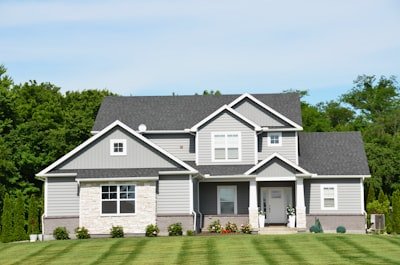


Signs Your Home Windows Need Replacement
Introduction: Is Your Home Secretly Crying Out for New Windows?
Alright folks, let's talk windows. As a contractor who's been crawling around attics and basements, and through countless homes across this great nation for years, I've seen it all. From brand-new builds to historic gems, one thing remains constant: your windows are more than just panes of glass. They're your home's eyes, its lungs, and a major player in its comfort and energy efficiency. But sometimes, they start to show their age, acting up and causing all sorts of headaches.
You know the feeling, right? That nagging thought when you walk past a window on a cold day and feel a distinct chill, even though the furnace is blasting. Or you glance at your energy bill and your jaw drops a little further each month. It’s not just in your head; your home might be trying to tell you something important. It's time to pay attention to those subtle, and not-so-subtle, signs that your home windows need replacement.
This isn't about pushing you into a big project you don't need. It's about empowering you with the knowledge to make smart decisions for your home and your wallet. We're going to dig deep into what to look for, why it matters, and how to approach this critical home improvement.
Why This Problem Matters: Beyond Just a Drafty Room
You might think, "Oh, it's just a little draft," or "The condensation clears up eventually." But believe me, these seemingly minor issues can snowball into bigger, more expensive problems down the road. Ignoring the signs that your windows are failing isn't just about tolerating discomfort; it's about potentially throwing money out the window, literally.
Think about it:
- Your comfort: Nobody likes a cold spot in the living room or a bedroom that's always too hot in the summer. Failed windows create inconsistent temperatures, making your home feel less like a sanctuary and more like a battleground against the elements.
- Your wallet: This is a big one. Old, inefficient windows are notorious for leaking conditioned air. Your HVAC system works overtime to compensate, driving up your energy bills month after month. It's like pouring money directly into the utility company's pockets instead of keeping it in yours.
- Your home's health: Condensation between panes isn't just unsightly; it can be a breeding ground for mold and mildew if moisture gets into the window frame or surrounding wall structure. Rotting wood frames compromise structural integrity and can invite pests.
- Your home's value: When it comes time to sell, outdated or clearly failing windows are a huge red flag for potential buyers. They see dollar signs for future repairs and replacements, which can significantly impact your asking price or how quickly your home sells.
- Your safety and security: Older windows often have weak or outdated locking mechanisms, making your home less secure. Furthermore, damaged glass or frames can be a safety hazard, especially if you have kids or pets.
As a contractor, I've walked into homes where folks have been living with these problems for years, just accepting it as "the way things are." But it doesn't have to be that way. Recognizing the problem is the first step to a more comfortable, efficient, and valuable home.
Common Homeowner Problems: The Frustration is Real
I hear the same complaints time and time again from homeowners, and frankly, I get it. These issues aren't just minor inconveniences; they chip away at your enjoyment of your home.
- The "Money Pit" Energy Bill: This is probably the number one frustration. You crank the thermostat, but the house just won't stay warm in winter, or cool in summer. You look at your utility bill and it's shockingly high. You start to wonder if your heating and cooling systems are broken, when often, the real culprits are your old, drafty windows.
- The Uncomfortable Zones: You have a favorite armchair by the window, but you can't sit there in January without a blanket because it's like sitting next to an open refrigerator. Or that one bedroom that always feels like a sauna in August, no matter how low you set the AC. These inconsistent temperatures make parts of your home unusable or uncomfortable.
- The Constant Battle with Condensation: Waking up to foggy windows, especially between the glass panes, is not only annoying because you can't see out, but it's also a visual reminder that something is fundamentally wrong. It feels damp, looks ugly, and you worry about what kind of damage it's doing behind the scenes.
- Windows That Just Won't Cooperate: Ever struggled to open a window on a beautiful spring day, only for it to get stuck halfway, or slam shut on your fingers? Or maybe you can't even lock them properly. This isn't just an inconvenience; it's a safety and security concern.
- The Noise Pollution: If you live on a busy street or near noisy neighbors, old windows do a terrible job of blocking sound. It feels like the outside world is constantly intruding on your peace and quiet, making your home less of a sanctuary.
These frustrations aren't just minor gripes; they genuinely impact your quality of life at home. Addressing them means reclaiming comfort, saving money, and boosting your home's appeal.
Main Causes: Why Windows Go Bad
Windows aren't designed to last forever, and a variety of factors contribute to their eventual decline. Understanding these can help you pinpoint the issues and anticipate future problems.
- Age and Material Degradation: This is the most common culprit. Over decades, the materials used in windows – wood, vinyl, aluminum – break down. Wood can rot, warp, or crack. Vinyl can become brittle and lose its seal. Aluminum can corrode. The sealants around the glass and frame also dry out, crack, and fail, allowing air and moisture penetration.
- Exposure to the Elements: Your windows constantly battle Mother Nature. Intense UV radiation from the sun degrades frames and seals. Rain and snow relentlessly attack the exterior, leading to water damage and rot. Extreme temperature fluctuations cause materials to expand and contract, stressing seals and joints over time.
- Poor Installation: I see this one a lot, especially in homes where DIY was king or corners were cut. If windows weren't installed correctly from the start – not plumb, level, or square, or if flashing and sealing were inadequate – they'll fail prematurely. Improper installation can lead to drafts, water leaks, and operational issues almost immediately or just a few years down the line.
- Foundation Movement: This is a less obvious but significant cause. If your home's foundation shifts or settles, it can put immense stress on window frames, causing them to rack out of square. This leads to windows that are difficult to open or close, cracked glass, and broken seals, even if the windows themselves are relatively new.
- Lack of Maintenance: While modern windows require less maintenance than older ones, neglecting basic care can shorten their lifespan. Not cleaning tracks, not lubricating hardware, or ignoring minor caulking cracks can accelerate wear and tear.
- Impact Damage: Accidents happen. A stray baseball, a falling tree branch, or even hail can cause cracks, chips, or outright breaks in the glass or frame, compromising the window's integrity.
Knowing these causes helps you understand that sometimes it's not just about one issue, but a combination of factors working against your windows.
Warning Signs: Your Windows Are Talking, Are You Listening?
Alright, let's get down to the nitty-gritty. These are the tell-tale signs, the flashing red lights, that scream, "Hey, I need replacing!" Don't just gloss over these; take a walk around your house, inside and out, and really pay attention.
Drafts and Air Leaks: The Invisible Energy Thief
This is probably the most common complaint. You feel a distinct cold breeze near a closed window, especially on windy days. It's not just uncomfortable; it's a clear sign that conditioned air is escaping and outside air is getting in. Here's a quick test you can do:
- The Candle Test: On a breezy day, light a candle or an incense stick and hold it near the edges of your closed windows. If the flame flickers or the smoke wavers dramatically, you've got air leaks. This is often due to failing weatherstripping, cracked caulk, or a compromised seal around the frame.
I’ve seen homes where the homeowner thought their furnace was dying because they couldn’t keep the house warm. Turns out, their 30-year-old single-pane windows were just giant holes in the wall, letting all the heat escape. Once we replaced them, their comfort level soared, and their energy bills plummeted.
Condensation Between Glass Panes: The Foggy Window Frustration
If you have double or triple-pane windows, they're designed with an inert gas (like argon) sealed between the panes to provide insulation. When you see fog, moisture, or even ice forming *between* the glass layers, it means the seal has failed. That insulating gas has escaped, and humid air has snuck in. Once that seal is broken, the window's energy efficiency drops to virtually zero, performing no better than a single-pane window.
You can't clean this condensation away because it's trapped inside. It's not just an eyesore; it's a fundamental failure of the window unit. This is almost always a sign that the insulated glass unit (IGU) needs replacement, and often, it's more cost-effective to replace the entire window.
Rotting, Soft, or Damaged Window Frames: A Structural Nightmare
Especially with older wood windows, moisture can get trapped, leading to rot. Poke around the frames, sills, and sashes with a screwdriver. If the wood feels soft, spongy, or crumbles easily, you've got rot. This isn't just ugly; it compromises the structural integrity of the window and can spread to the surrounding wall framing if left unchecked. You might also see peeling paint, warping, or visible cracks in any frame material.
I once had a client who had beautiful old wooden windows, but when we started the removal process, we found that the entire bottom sill was so rotted it practically disintegrated in our hands. Water had been seeping in for years, causing damage to the wall studs underneath.
Difficulty Opening, Closing, or Locking: A Daily Struggle
Are your windows a pain to operate? Do they stick, jam, or refuse to stay open? This could be due to several factors:
- Warping: Wood windows can warp due to moisture or age. Vinyl windows can also warp if exposed to extreme heat or if they're poorly made.
- Foundation Issues: As mentioned before, if your house has settled, the window frames might be out of square, causing binding.
- Broken Hardware: Springs, balances, and latches wear out over time, making windows hard to lift or secure.
Windows that don't operate smoothly are not only annoying but can also be a fire hazard if they can't be opened quickly in an emergency. And if they don't lock properly, your home's security is compromised.
Rising Energy Bills: The Silent Money Drain
If your energy bills are steadily climbing, and you've already checked your insulation, HVAC system, and adjusted your thermostat, your windows are a prime suspect. Old, inefficient windows are massive energy vampires, letting heat escape in winter and seep in during summer. This symptom often goes hand-in-hand with drafts and uncomfortable rooms.
Exterior Noise Intrusion: Losing Your Peace and Quiet
Modern, energy-efficient windows are designed to significantly reduce outside noise. If you find yourself constantly hearing traffic, barking dogs, or neighborhood chatter as if there's no glass there at all, your windows aren't doing their job. This is a sign of poor insulation, inadequate glass thickness, or failed seals.
Visible Damage: Cracks, Chips, and Broken Glass
This one's obvious. Any cracks, chips, or shattered panes mean the window's integrity is compromised. Even a small crack can lead to significant air leakage and is a safety risk. It also makes your home vulnerable to weather and intruders.
Fading Furniture and Floors: The Sun's Harmful Rays
If you notice your carpet, hardwood floors, or upholstery near a window are fading or discolored, it means your windows aren't effectively blocking harmful UV rays. Modern windows come with Low-E (low-emissivity) coatings that filter UV light, protecting your interior furnishings and helping with energy efficiency.
Outdated Appearance: Curb Appeal Killer
While not a functional failure, old, ugly windows can drastically detract from your home's curb appeal. Peeling paint, dated styles, or mismatched windows can make your whole house look tired. If you're planning to sell, or just want to feel better about your home, new windows can provide a dramatic aesthetic facelift.
Step By Step Solutions: What To Do When You Spot The Signs
So, you've identified some of these warning signs. What's next? Don't panic! Here's a practical, step-by-step approach to figure out your next move:
Step 1: Document and Prioritize the Problems
- Walk-Through: Go through every single window in your home, inside and out.
- Make a List: Note down every issue you find for each window: "Bedroom 1: drafty bottom sash, fog between panes. Living Room: difficult to open, cracked frame. Kitchen: feels cold here."
- Take Photos: Snap pictures of condensation, rot, cracks, and any other visible damage. This helps you remember and shows contractors exactly what you're dealing with.
- Prioritize: Which issues are most urgent? Safety hazards? Major drafts? Widespread condensation? This helps you budget and tackle the worst problems first if a full replacement isn't immediately feasible.
Step 2: Research Your Options (Repair vs. Replace)
- Minor Repairs: For small issues like a bit of cracked caulk, failing weatherstripping, or a broken latch, a repair might be sufficient. You can re-caulk, replace weatherstripping, or swap out hardware yourself or with a handyman.
- Glass Replacement: If only the glass unit is failed (foggy panes) but the frame is in excellent condition, you *might* be able to have just the insulated glass unit replaced. This is often an option for newer vinyl or fiberglass windows. However, for older windows or if the frame is also compromised, it's rarely cost-effective.
- Full Window Replacement: If you have widespread issues – multiple drafts, pervasive condensation, rotting frames, operational failures, or very old single-pane windows – a full replacement is usually the best long-term solution.
Step 3: Gather Information and Get Multiple Quotes
- Educate Yourself: Learn about different window materials (vinyl, wood, fiberglass), glass options (Low-E, argon gas, different U-factors), and styles (double-hung, casement, picture).
- Seek Professional Assessments: Contact 3-5 reputable local window contractors. Ask them to come out, assess your windows, and provide detailed estimates. Don't just get a price; ask them to explain *why* they recommend what they do.
- Ask for References: Any good contractor will happily provide references from past clients. Call them!
- Compare & Contrast: Don't just look at the bottom line. Compare window quality, energy ratings, warranties (both product and installation), and the contractor's reputation.
Step 4: Understand the Installation Process
- Ask Questions: How long will the installation take? What kind of disruption should you expect? How will they protect your home and landscaping? What's the cleanup process?
- Permits: In many areas, window replacement requires a permit. A professional contractor should handle this for you.
Professional Contractor Advice: What I Tell My Clients
Listen up, because this is where my years of experience can save you a lot of grief and money.
- Don't Rush the Decision: Window replacement is a significant investment. Take your time to research, get quotes, and understand the options. A good contractor won't pressure you.
- Prioritize Energy Efficiency: Look at the NFRC (National Fenestration Rating Council) label. This isn't just marketing fluff. Pay attention to the U-factor (how well a window insulates) and Solar Heat Gain Coefficient (SHGC – how well it blocks heat from the sun). Lower numbers usually mean better performance.
- Vetting is Key: Check licenses, insurance, and references. Look at online reviews, but don't just pick the cheapest guy. A poor installation can negate all the benefits of high-quality windows. I've seen perfectly good windows fail in just a few years because they weren't installed correctly. It's heartbreaking to watch a homeowner go through that twice.
- Understand the Warranty: A good window will have a solid manufacturer's warranty on the product (often lifetime for the original owner). Just as important is the *installation* warranty from your contractor. What happens if there's a leak or an operational issue a year after they leave?
- Consider the Long-Term ROI: While the upfront cost can be high, think about the long-term savings on energy bills, increased home value, and improved comfort. New windows often have one of the best returns on investment for home improvements.
- Don't Forget About Aesthetics: Windows are a huge part of your home's curb appeal. Choose a style, color, and grid pattern that complements your home's architecture.
- Ask About Lead Paint: If your home was built before 1978, there's a high chance of lead paint around your old windows. Your contractor should be EPA Lead-Safe certified and follow strict protocols for removal and disposal. This isn't just a recommendation; it's a legal requirement and a safety must.
Best Materials Or Equipment: Choosing Your New Home Eyes
When it comes to new windows, you've got choices. Each material has its pros and cons, and the "best" really depends on your budget, climate, and aesthetic preferences.
Window Frame Materials:
- Vinyl Windows:
- Pros: Most popular, affordable, excellent insulation, low maintenance, never needs painting, good variety of styles and colors.
- Cons: Can expand and contract more with temperature changes than other materials, limited color options compared to wood, can warp if poorly manufactured or exposed to extreme heat.
- Expert Take: Great all-around option for most homeowners looking for a balance of cost and performance. Make sure to choose high-quality virgin vinyl, not recycled, for better durability.
- Wood Windows:
- Pros: Classic, beautiful aesthetic, excellent natural insulator, can be painted or stained any color, ideal for historic homes.
- Cons: Most expensive, requires significant maintenance (painting, sealing) to prevent rot and decay, susceptible to pests.
- Expert Take: If you love the look and are committed to maintenance, wood is unparalleled. Many modern wood windows are clad on the exterior with aluminum or vinyl to reduce maintenance.
- Fiberglass Windows:
- Pros: Extremely strong and durable, very stable (resists expansion/contraction), excellent insulator, can be painted, looks similar to wood, low maintenance.
- Cons: More expensive than vinyl, fewer manufacturers, limited color options from some brands.
- Expert Take: My personal favorite for durability and performance. If your budget allows, fiberglass is a fantastic, long-lasting investment.
- Aluminum Windows:
- Pros: Very strong, thin frames allow for maximum glass area, low maintenance, durable, often used in commercial applications or modern architectural designs.
- Cons: Poor insulator (conducts heat/cold easily, leading to condensation), can corrode in coastal areas, less common for residential replacement.
- Expert Take: Generally not recommended for residential applications in most climates due to poor thermal performance, unless specific aesthetic or structural needs dictate it.
Glass Technology: Don't Skimp Here!
- Double or Triple Pane Glass: Essential for insulation. The more panes, the better the insulation.
- Low-E Coatings: (Low-emissivity) Invisible metallic coating that reflects radiant heat. It keeps heat in during winter and out during summer. Crucial for energy efficiency and protecting your interiors from UV damage.
- Argon or Krypton Gas Fills: Inert gases sealed between the panes act as an additional insulator, slowing heat transfer. Argon is standard; Krypton is denser and offers even better insulation, often found in triple-pane windows.
- Warm-Edge Spacers: The material that separates the glass panes. Traditional aluminum spacers conduct heat. Warm-edge spacers (made of foam or non-metallic materials) reduce heat transfer at the edge of the glass, improving overall window performance and reducing condensation.
Investing in good glass technology is where you'll see the biggest returns on your energy bills and comfort. Don't compromise here to save a few bucks upfront.
Benefits: The Sweet Rewards of New Windows
So, after all that talk about problems and solutions, let's talk about the good stuff. What do you actually *gain* from replacing your old, failing windows?
- Significant Energy Savings: This is often the biggest motivator. You'll see a noticeable drop in your heating and cooling bills, putting more money back in your pocket every month. It's not uncommon for homeowners to save 15-25% or even more on their energy costs after replacing old, inefficient windows.
- Enhanced Home Comfort: No more cold spots, no more drafts, no more rooms that are always too hot or too cold. Your home will maintain a much more consistent and comfortable temperature throughout, making every room enjoyable year-round.
- Increased Home Value and Curb Appeal: New windows are a major selling point. They immediately update your home's exterior, boost its curb appeal, and signal to potential buyers that the home has been well-maintained and is energy efficient. You can expect a healthy return on investment, often recouping a large percentage of the cost when you sell.
- Reduced Noise Pollution: High-quality, properly installed new windows act as an excellent sound barrier, making your home a quieter, more peaceful sanctuary, especially if you live in a noisy area.
- Improved Security: Modern windows come with robust locking mechanisms, making your home much more secure against intruders.
- UV Protection: Low-E coatings on new windows block harmful UV rays, protecting your furniture, flooring, and artwork from fading and sun damage.
- Easier Maintenance: Many modern windows, especially vinyl and fiberglass, are tilt-in for easy cleaning from inside the house, and they often never need painting or scraping.
- Reduced Condensation: With properly sealed and insulated glass units, interior condensation on the glass surface is significantly reduced, and condensation *between* the panes is eliminated.
These aren't just theoretical benefits; these are real-world improvements that you'll experience every single day.
Common Mistakes To Avoid: Learn From Others' Errors
As a contractor, I've seen homeowners make some avoidable blunders. Here's how you can steer clear of them:
- Going for the Absolute Cheapest Option: It's tempting to save a buck, but with windows, you often get what you pay for. Super cheap windows usually mean lower quality materials, poor energy efficiency, and a shorter lifespan. You'll end up replacing them sooner and paying more in energy bills in the meantime. It's a false economy.
- DIYing a Full Replacement (Unless You're a Pro): Replacing a window isn't like hanging a picture. It requires precision, specific tools, and knowledge of flashing, sealing, and structural integrity. A poorly installed window will leak air and water, cause rot, and defeat the purpose of getting new windows in the first place. Leave full replacements to the pros.
- Ignoring the NFRC Label: Don't just trust a salesperson's word that a window is "energy-efficient." Look for the NFRC label and understand what the U-factor and SHGC numbers mean for your climate. This is your objective measure of performance.
- Not Checking References or Insurance: Always, always check a contractor's references, licensing, and proof of insurance. If a worker gets hurt on your property and the contractor isn't insured, you could be liable. A contractor who can't provide these is a huge red flag.
- Forgetting About the Warranty: A good warranty is your peace of mind. Understand what's covered (product, glass, installation), for how long, and what voids it. Some warranties are only for the original owner.
- Rushing the Decision: Don't sign on the dotted line with the first contractor who gives you a quote. Take your time, get multiple bids, and sleep on it. High-pressure sales tactics are a sign to walk away.
- Not Considering Your Home's Style: New windows should complement your home's existing architecture. Putting modern vinyl windows on a historic brick home without thought can look jarring and actually detract from its charm.
Maintenance Checklist: Keeping Your Windows Happy
Whether you've got brand new windows or are trying to extend the life of your current ones, a little maintenance goes a long way.
For Existing Windows (to prolong life):
- Annual Cleaning: Wash both sides of your windows with a mild soap and water solution. Clean the frames and sills too.
- Inspect Caulking and Weatherstripping (Annually): Look for cracks, gaps, or deterioration. If you find any, re-caulk around the exterior of the window frame where it meets the siding, and replace worn weatherstripping around the sashes. This is your first line of defense against drafts and moisture.