

How Solar Energy Helps Reduce Electricity Bills
Introduction
Howdy, folks! It's your local contractor here, and let's be honest, there's not much that stings more than opening up that monthly electricity bill. Am I right? You work hard, you maintain your home, and then BAM! Another three-digit number staring back at you, often higher than you expected, especially during those scorching summers or chilly winters. It's enough to make any homeowner throw their hands up in frustration. We've all been there, feeling that pinch and wondering if there's ever going to be a way out of this endless cycle of rising utility costs.
Well, I'm here to tell you there is a way, and it’s not some pipe dream. We're talking about solar energy – harnessing the power of the sun to cut down, or even eliminate, those pesky electricity bills. For years, I've seen families in our community struggle with energy expenses, and I've also seen the incredible relief and satisfaction on their faces after making the switch to solar power. It’s a real, tangible solution that puts money back in your pocket and gives you a sense of control over your home’s future. So, let's pull up a chair, grab a coffee, and talk about how bringing solar panels onto your roof can truly transform your financial landscape and your peace of mind.
Why This Problem Matters: The Weight of High Electricity Bills
When that electricity bill arrives, it's not just a number on a piece of paper; it's a direct hit to your family budget. For many American homeowners, utility costs are a significant and unpredictable expense, often competing with groceries, mortgage payments, or even a child's college fund. I've heard countless stories from folks who dread checking the mail, knowing that another unexpectedly high bill could derail their carefully planned finances for the month. It creates stress, forces tough choices, and can make you feel like you're constantly playing catch-up.
Think about it: every time you turn on the AC, run the dryer, or even just charge your phone, you're essentially watching a meter spin and add to that future bill. This constant drain on resources isn't just about the money, though that's a huge part of it. It's about feeling powerless, tied to a system where rates can change on a dime due to fuel costs, infrastructure upgrades, or even just the weather. It impacts your ability to save, to plan for the future, and to enjoy your home without that nagging worry. That's why tackling this problem head-on with solar energy isn't just a home improvement project; it's an investment in your financial stability and your family's quality of life.
Common Homeowner Problems with Electricity Costs
From my years of talking with homeowners, the frustrations around electricity bills are pretty universal. Here are some of the biggest headaches I hear about:
- Unpredictable Monthly Bills: One month it's manageable, the next it's through the roof. This makes budgeting a nightmare. I had a client, Sarah, who told me her summer AC bill was so high last year, it felt like she was paying for two mortgages!
- Constantly Rising Rates: It seems like every year, the utility company finds a reason to bump up their rates. It's a slow burn, but over time, it adds up to a substantial increase in your annual expenses.
- Peak Demand Charges: Some areas have complex rate structures where using electricity during certain "peak" hours costs significantly more. Trying to navigate these schedules while living your life is just plain frustrating.
- Feeling Tied to the Grid: During power outages, you're completely at the mercy of the utility company. No power means no lights, no refrigeration, no AC, and for some, no way to work from home. It's a helpless feeling.
- Environmental Concerns: Many homeowners want to do their part for the planet but feel limited by their options when it comes to energy consumption. They know traditional energy sources contribute to pollution but don't see an easy way to switch.
- Lack of Control: Ultimately, most folks just feel like they have no say in their energy costs. It's a bill that just shows up, and you have to pay it, no questions asked.
Main Causes of High Electricity Bills
So, what exactly drives those bills sky-high? It's a mix of factors, some within your control and some completely outside of it:
- Rising Fuel Costs: A big chunk of our electricity still comes from burning fossil fuels. When the price of natural gas, coal, or oil goes up, so does the cost of generating electricity, and those costs get passed directly to you.
- Aging Infrastructure: Our electrical grids are old, some components dating back decades. Maintaining and upgrading these systems is incredibly expensive, and again, those costs are absorbed by ratepayers.
- Peak Demand: During extreme weather – a heatwave or a cold snap – everyone cranks up their AC or heat at the same time. This surge in demand strains the system and often requires utilities to fire up less efficient, more expensive power plants, leading to higher rates.
- Inefficient Home Appliances and Insulation: Old refrigerators, drafty windows, poor attic insulation, and outdated HVAC systems can be huge energy hogs, silently driving up your consumption without you even realizing it.
- "Phantom Load" or Standby Power: All those electronics that are plugged in but not actively in use (TVs, chargers, computers) still draw a small amount of power. It's not a huge individual drain, but collectively, it adds up over a month.
Warning Signs You're Paying Too Much for Electricity
How do you know if your electricity bills are higher than they should be? Beyond just the sticker shock, there are some clear indicators:
- Consistent Bill Increases: If your bill keeps creeping up month after month, year after year, without a significant change in your energy usage, that's a red flag.
- Higher Than Neighbor's Bills: Talk to your neighbors – casually, of course. If their homes are similar in size and age, but their bills are consistently lower, it might be time to investigate.
- Feeling the Squeeze on Your Budget: If electricity costs are regularly making you reconsider other household expenses, it's a sign that they're too high.
- Rate Increases from Your Utility Company: When you get those notices about upcoming rate adjustments, pay attention. They're telling you your costs are going up.
- Old, Inefficient Appliances: If your furnace is 20 years old or your fridge is from the 90s, chances are they're costing you a fortune in energy.
Step-By-Step Solutions to Embrace Solar Energy and Cut Bills
Making the switch to solar might seem like a big undertaking, but as a contractor who's guided many homeowners through this, I can tell you it's a well-defined process. Here’s how it generally works:
Step 1: Initial Consultation and Energy Assessment
- Understanding Your Needs: A good solar contractor will start by understanding your current electricity usage. They'll ask for your past 12 months of utility bills to get an accurate picture of your consumption patterns. This is crucial for sizing your system correctly.
- Site Evaluation: We'll inspect your roof's condition, angle, and sun exposure. We'll look for shading from trees or other structures, and assess the structural integrity to ensure it can support the panels. Sometimes, a tree trimming or a minor roof repair might be recommended first.
Step 2: System Design and Proposal
- Custom Design: Based on your energy needs and roof specifics, engineers will design a solar panel system tailored for your home. This includes the number of panels, their placement, and the type of inverter.
- Financial Breakdown: You'll receive a detailed proposal outlining the system cost, estimated energy production, projected savings, and available financial incentives like the federal solar tax credit and local rebates. This is where you really see the numbers come alive.
Step 3: Financing Options
- Cash Purchase: If you have the capital, buying outright offers the best long-term return.
- Solar Loan: Many homeowners opt for a loan, similar to a home improvement loan. You own the system, pay monthly installments, and still benefit from incentives and bill savings.
- Solar Lease or Power Purchase Agreement (PPA): With these, a third party owns and maintains the system on your roof, and you either pay a fixed monthly lease payment or pay for the electricity the panels produce at a reduced rate. While you don't own the system, you get immediate bill savings without the upfront cost.
Step 4: Permitting and Installation
- Paperwork & Approvals: Your solar contractor handles all the necessary permits from your local municipality and submits interconnection agreements to your utility company. This can be a complex process, so having an expert manage it is a huge relief.
- Installation Day: Once permits are approved, the installation team gets to work. This typically involves mounting the racking system on your roof, installing the solar panels, wiring them to an inverter, and connecting the inverter to your home's electrical panel. Most residential installations take just a few days.
Step 5: Inspection and Grid Connection
- Final Inspections: Once installed, the system undergoes inspections by local authorities and the utility company to ensure everything is up to code and safely connected.
- Permission to Operate (PTO): After all approvals, the utility company gives you "Permission to Operate," and you can officially flip the switch, activating your solar system and starting to generate your own clean electricity!
Step 6: Monitoring and Maintenance
- Performance Monitoring: Most modern solar systems come with monitoring apps that allow you to track your energy production in real-time. This is incredibly satisfying to watch!
- Minimal Maintenance: Solar panels require very little maintenance. Occasional cleaning (rain often takes care of it) and ensuring no new shading issues arise are usually sufficient.
Professional Contractor Advice for Going Solar
Alright, listen up. As a contractor, I've seen the good, the bad, and the downright ugly in this industry. Here’s my straight talk for homeowners considering solar:
- Do Your Homework on Contractors: Don't just pick the first company that knocks on your door. Get at least three quotes. Check their licenses, insurance, and read reviews. Ask for references and actually call them! A good contractor will be transparent and happy to provide this information. I always tell my clients, "You wouldn't hire a roofer without checking their work, right? Solar is no different."
- Understand the Contract: Read every single line of that contract. Don't be afraid to ask questions. What's covered by warranty? What happens if there's a problem with the roof during installation? What's the timeline? Make sure all promises are in writing.
- Future-Proof Your Roof: If your roof is nearing the end of its life (say, 5-10 years left), it often makes sense to replace it BEFORE installing solar panels. Taking panels off for a new roof later is an added expense and hassle you want to avoid. We can roll the roof replacement into the overall project.
- Think About Battery Storage: While not for everyone, battery storage is becoming more affordable. It allows you to store excess solar energy for use at night or during power outages. It's a great way to achieve true energy independence and provides peace of mind.
- Don't Be Afraid to Ask "Dumb" Questions: There's no such thing when it comes to a major investment in your home. If you don't understand something about net metering, panel efficiency, or inverter types, make the contractor explain it until it clicks for you.
- Consider Energy Efficiency First: Sometimes, the first step to a lower bill isn't solar, but addressing major energy leaks in your home. Better insulation, energy-efficient windows, or a new HVAC system can significantly reduce your overall energy demand, meaning you might need a smaller, less expensive solar system.
Best Materials and Equipment for Your Solar System
When we talk about solar, we're really talking about a system of interconnected components. Here's a quick rundown of what's generally considered top-tier:
- Solar Panels:
- Monocrystalline Panels: These are typically the most efficient, meaning they convert more sunlight into electricity per square foot. They're sleek, black, and perform very well in various conditions. They're often the go-to for homes with limited roof space.
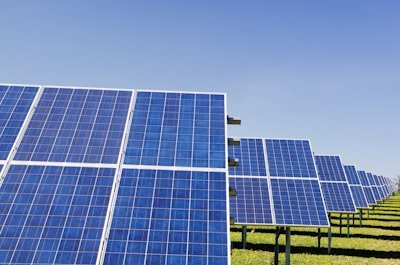
- Polycrystalline Panels: A bit less efficient than monocrystalline, but usually more affordable. They have a blueish hue. Great for homes with ample roof space where maximum efficiency isn't the absolute top priority.
- Thin-Film Panels: Less common for residential rooftops due to lower efficiency, but they can be flexible and lightweight.
- Inverters:
- String Inverters: A common and cost-effective option where panels are wired in "strings," and one central inverter converts DC power to AC. If one panel is shaded or underperforming, it can affect the whole string.
- Microinverters: Each panel has its own microinverter, converting DC to AC right at the panel. This means each panel operates independently, maximizing output even if one panel is shaded or dirty. They're great for roofs with complex layouts or potential shading issues.
- Power Optimizers: These combine aspects of both. An optimizer is attached to each panel to condition the DC power, then sends it to a single string inverter. This offers panel-level optimization without the full cost of microinverters.
- Mounting Systems: High-quality aluminum or stainless steel racking is essential for durability and to securely attach panels to your roof without leaks.
- Battery Storage: Brands like Tesla Powerwall, Enphase Encharge, and Generac PWRcell are leading the charge. These batteries store excess solar energy, giving you backup power and allowing you to maximize self-consumption.
Benefits of Going Solar for Your Home
The advantages of installing solar panels go way beyond just feeling good about helping the planet. Here are the tangible benefits you'll experience:
- Significant Reduction in Electricity Bills: This is the big one, right? Many of my clients see their bills drop to the minimum service charge, sometimes just a few dollars a month. Imagine that!
- Increased Home Value: Studies consistently show that homes with solar panels sell faster and for more money. It's a tangible asset that adds value to your property.
- Protection Against Rising Energy Costs: Once your system is installed, you're generating your own power. You're no longer at the mercy of utility rate hikes, giving you predictable energy costs for decades.
- Federal and State Incentives: The federal solar tax credit (ITC) currently offers a substantial percentage of your system cost back as a tax credit. Many states and local utilities also offer rebates or other incentives, significantly reducing your upfront investment.
- Environmental Impact: You'll be reducing your carbon footprint and contributing to a cleaner, more sustainable future. This is a huge motivator for many families.
- Energy Independence and Grid Resilience: With a solar-plus-battery system, you gain a level of independence from the grid. You'll have power during outages, giving you peace of mind during storms or grid failures.
- Low Maintenance: Once installed, solar panel systems require very little upkeep. They're built to last and designed to withstand the elements.
Common Mistakes to Avoid When Installing Solar
Just like any major home improvement, there are pitfalls to sidestep when going solar. Here are the ones I see most often:
- Not Getting Multiple Quotes: Relying on a single bid means you might miss out on better pricing, different equipment options, or more experienced contractors. Always compare.
- Ignoring Roof Condition: Installing solar on an old, leaky, or damaged roof is a recipe for future headaches. Address roof repairs or replacements first.
- Underestimating Your Energy Needs: A system that's too small won't deliver the savings you expect. Ensure the initial assessment is thorough and based on your actual historical usage.
- Skipping Proper Permitting: Never work with a contractor who suggests cutting corners on permits. It's illegal, unsafe, and can cause major problems when you try to sell your home or if you have an insurance claim.
- Falling for High-Pressure Sales Tactics: A reputable solar company will give you time to consider your options, review the contract, and ask questions. If you feel pressured, walk away.
- Not Understanding Net Metering: Net metering allows you to send excess solar electricity back to the grid and get credits on your bill. Make sure you understand how it works in your area and how your utility credits you.
- Focusing Only on Price: While cost is important, don't let it be the sole deciding factor. Quality equipment, a strong warranty, and an experienced installer are worth paying a bit more for in the long run.
Maintenance Checklist for Your Solar System
The good news is that solar panel systems are incredibly low maintenance. But a little care goes a long way in ensuring peak performance:
- Monitor Performance Regularly: Use your system's monitoring app or online portal at least once a month. Look for any significant dips in production that aren't explained by weather.
- Keep Panels Clean: Rain usually does a good job, but if you live in a dusty area, near a busy road, or under trees that drop pollen or sap, an annual or semi-annual cleaning might be beneficial. Use a soft brush and plain water – no harsh chemicals!
- Check for Shading: Over time, trees might grow and start to shade your panels. Trim branches as needed to ensure maximum sun exposure.
- Inspect for Damage: After a severe storm, do a visual check from the ground for any visible damage to panels or wiring.
- Annual Professional Check-Up: Consider having your installer or a qualified electrician perform a quick annual check. They can inspect electrical connections, verify inverter performance, and ensure everything is running optimally.
Safety Tips for Solar Energy Systems
While solar is incredibly safe when installed correctly, a few common-sense safety measures are always smart:
- Professional Installation Only: This isn't a DIY job. Electricity is dangerous, and working on a roof has its own risks. Always hire licensed and insured professionals.
- Know Your Emergency Shut-Off: Your system will have a clearly labeled emergency shut-off switch. Know where it is and how to use it in case of a fire or other emergency, and make sure first responders are aware of its location.
- Never Tamper with Wiring: Unless you're a qualified electrician, do not attempt to open or work on any electrical components of your solar system.
- Roof Safety: If you're going on the roof for cleaning or inspection, use proper safety equipment (ladders, harnesses) and have a spotter. Better yet, consider hiring a professional for roof work.
- Inform Emergency Services: Some fire departments appreciate knowing if a home has solar panels, as it can affect how they approach a fire.
Cost-Saving Tips Beyond Solar Installation
Even with solar, there are still smart ways to keep your overall energy consumption down and maximize your savings:
- Energy Audit: Have a professional energy audit done on your home. They can pinpoint exactly where you're losing energy (drafts, poor insulation) and recommend targeted improvements.
- Upgrade Insulation: Proper insulation in your attic, walls, and crawl spaces is one of the most cost-effective ways to improve energy efficiency. It keeps heat in during winter and out during summer.
- Seal Air Leaks: Caulk and weatherstrip around windows, doors, and utility penetrations. Even small gaps can lead to significant energy loss.
- Smart Thermostats: Devices like Nest or Ecobee learn your habits and can automatically adjust temperatures, saving energy when you're away or asleep.
- LED Lighting: Replace old incandescent bulbs with energy-efficient LEDs. They use a fraction of the electricity and last much longer.
- Efficient Appliances: When it's time to replace appliances, look for ENERGY STAR certified models. They consume significantly less energy.
- Unplug "Energy Vampires": Get into the habit of unplugging chargers and electronics when not in use, or use smart power strips that cut power to idle devices.
When To Call Professionals for Your Solar System
While solar is low maintenance, there are definite times when you absolutely need to call in the pros:
- Initial Assessment and Installation: This is a given. You need licensed, experienced solar installers from the very beginning.
- System Malfunctions: If your monitoring system shows no production, error codes, or significantly reduced output that isn't weather-related, call your installer. Don't try to troubleshoot electrical issues yourself.
- Visible Damage: If you see any physical damage to panels, wiring, or your inverter after a storm or accident, contact your solar company immediately.
- Inverter Issues: The inverter is the brain of your system. If it's making strange noises, displaying error messages, or not functioning, it needs professional attention.
- Roof Repairs: If your roof needs repair or replacement under your solar panels, you'll need professionals to safely remove and reinstall the panels.
- System Expansion: If your energy needs increase and you want to add more panels or battery storage, a professional will ensure proper integration and permitting.
Frequently Asked Questions About Solar Energy and Electricity Bills
Q1: How much can I really save on my electricity bill with solar panels?
A1: The savings can be substantial, often reducing your monthly electricity bill by 70-100%. Many homeowners find their bill drops to just the minimum connection fee required by their utility company, which might be around $5-$20. Your exact savings depend on factors like your home's energy consumption, the size and efficiency of your solar system, local electricity rates, and whether you have net metering in your area. Over the lifespan of a solar system (25-30 years), these savings can easily amount to tens of thousands of dollars.
Q2: What happens when it's cloudy or at night? Will I still have power?
A2: Yes, you'll still have power! Solar panels produce less electricity on cloudy days, but they don't stop working entirely. At night, your panels won't produce any power. This is where net metering comes in: any excess electricity your panels produce during sunny hours is sent back to the grid, and your utility company credits your account. Then, when your panels aren't producing (like at night or on very cloudy days), you draw electricity from the grid, using those credits. If you want to be completely independent from the grid, especially during power outages, you'll need to add a battery storage system to your solar setup, which stores excess energy for later use.
Q3: How long do solar panels typically last, and what about their warranty?
A3: Modern solar panels are incredibly durable and built to last. Most manufacturers offer a performance warranty guaranteeing at least 80-85% of the original power output after 25 years. The physical panels themselves can often last even longer, sometimes 30-40 years or more. Inverters typically have a warranty of 10-12 years, and microinverters often come with a 20-25 year warranty. Your installer will also provide a workmanship warranty for the installation itself, usually for 10-25 years.
Q4: Is my roof suitable for solar panel installation?
A4: Most roofs are suitable, but there are a few key considerations. Your roof should ideally be in good condition, facing south, southwest, or southeast for optimal sun exposure. It needs to have enough unshaded space to accommodate the required number of panels. The pitch (angle) of the roof is also a factor, but experienced installers can often work with various angles. During the initial site assessment, a professional contractor will evaluate your roof's condition, structural integrity, and sun exposure to determine its suitability and recommend any necessary repairs or tree trimming.
Q5: What is net metering, and how does it help reduce my bill?
A5: Net metering is a billing mechanism that allows residential and commercial customers who generate their own electricity (like with solar panels) to send excess electricity they produce back to the utility grid. When your solar panels produce more power than your home needs, that surplus energy flows into the grid, and your utility meter essentially spins backward, giving you credits on your electricity bill. When your system isn't producing enough (e.g., at night), you draw power from the grid, and those credits offset your consumption. This effectively allows you to use the grid as a giant battery, ensuring you maximize the value of every electron your panels generate and significantly reducing your overall utility costs.
Q6: Are there government incentives or tax credits for installing solar?
A6: Absolutely! The most significant incentive is the federal solar Investment Tax Credit (ITC), which currently allows homeowners to deduct a substantial percentage of the cost of installing a solar energy system from their federal taxes. This is a direct dollar-for-dollar reduction in your tax liability. Additionally, many states, local municipalities, and utility companies offer their own incentives, such as rebates, property tax exemptions, or performance-based incentives. These programs can significantly reduce the upfront cost of your solar system, making it more affordable and accelerating your return on investment. Your solar contractor should be knowledgeable about all applicable incentives in your area.
Q7: How does solar energy increase my home's value?
A7: Multiple studies, including those by the National Renewable Energy Laboratory (NREL) and Zillow, have shown that homes with solar panel systems sell for a premium compared to homes without them. This increase in value is often significant, sometimes as much as 4.1% on average, or even more in specific markets. Buyers are willing to pay more for a home that comes with dramatically lower energy bills and a reduced carbon footprint, essentially transferring the long-term savings to the new homeowner. It's an attractive feature that makes your home stand out in the market.
Final Thoughts: Take Control of Your Energy Future
Look, I've been in this business a long time, and I've seen firsthand the difference that smart home improvements can make in people's lives. Going solar isn't just about sticking some panels on your roof; it's about taking back control. It's about saying goodbye to those anxiety-inducing electricity bills and hello to predictable, lower monthly costs. It's about investing in your home, boosting its value, and leaving a lighter footprint on this planet for future generations.
The sun is out there, shining down on your roof every single day, offering a free, abundant source of power. Why let that energy go to waste when it could be powering your home and saving you money? The technology is proven, the incentives are strong, and the long-term benefits are undeniable. If you're tired of seeing your hard-earned money disappear into utility bills and you're ready to make a change that truly pays off, then it's time to explore solar.
Don't wait another month for that next high bill to hit. Reach out to a trusted local solar professional today to get a no-obligation quote and see how much you can save. Take the first step towards energy independence and a brighter financial future for your home.