

How Often Should You Clean Your Gutters
Introduction: Clearing Up the Gutter Cleaning Confusion
Alright folks, let's talk gutters. As a contractor who's seen it all – from pristine homes to houses that look like they're growing a small forest on their roofline – I can tell you that one of the most common questions I get is, "How often should I really clean my gutters?" It sounds simple, right? But believe me, there's more to it than just grabbing a ladder when things start overflowing. This isn't just about curb appeal; it's about protecting your biggest investment: your home.
You see, neglecting your gutters is like ignoring a leaky faucet in your house. It might seem minor at first, but over time, that little drip turns into a significant problem, causing real headaches and emptying your wallet. I've been in this business for decades, and I've seen firsthand the damage that a little bit of debris can cause. So, let's get down to brass tacks and figure out a gutter cleaning schedule that makes sense for your home, keeps it safe, and saves you money in the long run.
Why This Problem Matters: More Than Just a Little Mess
I know, I know. Gutter cleaning isn't anyone's favorite Saturday afternoon activity. It's dirty, it can be a bit scary up on a ladder, and it's easy to push it off for "next weekend." But let me tell you, as someone who’s had to fix the aftermath, ignoring your gutters is a gamble you really don't want to take. The stakes are much higher than just a little mess.
Think about it. Your gutters and downspouts are your home's primary defense against water damage. They're designed to collect rainwater from your roof and direct it safely away from your foundation. When they get clogged, that system breaks down. Instead of flowing neatly through the downspout, water spills over the sides, creating a waterfall effect right next to your house. What does that lead to?
- Foundation Damage: This is probably the biggest and scariest one. Water pooling around your foundation can seep into the soil, causing it to expand and contract. Over time, this movement can lead to cracks in your foundation walls, basement leaks, and even structural instability. I've seen homeowners facing five-figure repair bills because of something as simple as neglected gutters. It's heartbreaking.
- Basement Flooding: A direct result of foundation issues or just excessive water pooling. Nobody wants a soggy basement, the smell of mildew, or ruined belongings.
- Fascia and Soffit Rot: The fascia board is the long, straight board that runs along the lower edge of your roof. The soffit is the material bridging the gap between the siding and the roofline. When water constantly overflows, it saturates these wooden components, leading to rot, mold, and pest infestations. This isn't just cosmetic; it compromises the integrity of your roof edge.
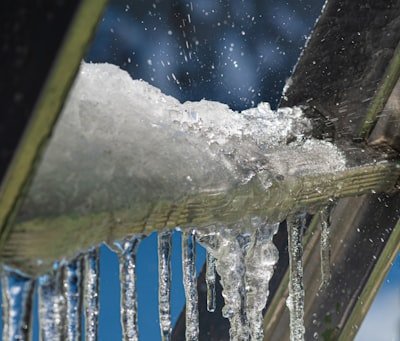
- Roof Damage: Clogged gutters can cause water to back up under your shingles, especially in freezing temperatures (ice dams!). This can rot your roof decking, compromise your attic insulation, and lead to costly roof leaks.
- Landscaping Erosion: All that overflowing water pounding the ground directly below your gutters will wash away your topsoil, damage your plants, and create unsightly trenches around your home.
- Pest Infestations: Standing water and decaying leaves in your gutters create an ideal breeding ground for mosquitoes, and a cozy home for rodents, birds, and insects. Trust me, you don't want a squirrel nest in your downspout.
So, when I talk about cleaning your gutters, I'm not just giving you another chore. I'm talking about preventative maintenance that will save you a ton of stress, time, and money down the road. It's an investment in the longevity and health of your home.
Common Homeowner Problems: The Gutter Cleaning Dilemma
As a contractor, I hear all sorts of reasons why folks put off gutter cleaning. And honestly, I get it. It's not a fun job. Here are some of the common frustrations and problems homeowners face:
- "Out of Sight, Out of Mind": This is probably the biggest one. You don't see the inside of your gutters from ground level, so it's easy to forget about them until a major downpour turns your roofline into a series of mini-waterfalls. Then, panic sets in!
- Fear of Heights/Ladders: Let's be real, climbing up a tall ladder isn't for everyone. It can be intimidating, especially if you have a multi-story home or an uneven landscape. Safety is a huge concern, and rightly so.
- Time Constraints: Life is busy. Between work, family, and everything else, finding a few hours to dedicate to gutter cleaning can feel impossible. It's a chore that often gets pushed to the bottom of the to-do list.
- Physical Limitations: For older homeowners or those with physical ailments, getting up on a ladder and doing strenuous work is simply not an option. It's a genuine barrier that needs to be respected.
- "It's Too Expensive to Hire Someone": While professional gutter cleaning does come with a cost, many homeowners underestimate the potential cost of NOT cleaning them. A few hundred dollars for cleaning pales in comparison to thousands for foundation repair.
- Uncertainty About Frequency: "How often do I actually need to do this?" This question leads to procrastination. Without a clear understanding, it's easy to just wait until there's a problem.
These are all valid concerns, and understanding them is the first step to finding a practical solution. Whether you tackle it yourself or call in the pros, the important thing is that it gets done.
Main Causes of Clogged Gutters: The Usual Suspects
So, what exactly fills up those gutters and causes all this trouble? Most of the time, it's pretty obvious, but sometimes there are hidden culprits. Here’s a rundown:
- Leaves: The absolute number one offender. Especially in the fall, deciduous trees shed their leaves, and a significant portion of them end up in your gutters. Oak, maple, and sycamore leaves are particularly notorious.
- Pine Needles: If you live near evergreens, pine needles are your constant companion. They're small, they pack tightly, and they decompose slowly, creating a dense, sludge-like mess. They can be even more challenging than leaves because they slip through some gutter guards.
- Twigs and Small Branches: Storms, high winds, or just natural shedding can bring down small branches that get caught in your gutters, forming dams for other debris.
- Shingle Grit: Your asphalt shingles have a granular surface that protects them from UV rays. Over time, these granules wear off and wash into your gutters. While a small amount is normal, excessive grit can indicate aging shingles and contributes to the sludge.
- Seed Pods and "Helicopters": Trees like maples and sweetgums produce seed pods that can quickly accumulate and clog things up.
- Nests and Critters: Birds, squirrels, and other small animals sometimes decide your gutters are a perfect place to build a nest. Not only does this create a blockage, but it can also attract other pests. I once found a whole family of raccoons living in a neglected gutter system!
- Pollen and Dirt: Over time, airborne dust, dirt, and pollen can settle in your gutters, especially if there's any standing water to help it settle and compact.
Understanding what's likely to fall into your gutters helps you anticipate when and how often you'll need to clean them. A house surrounded by mature oak trees will have a very different cleaning schedule than one in a new subdivision with minimal landscaping.
Warning Signs Your Gutters Are Clogged: Don't Wait for a Flood
You don't need to wait for a full-blown basement flood to know your gutters are having issues. Your house will give you plenty of clues if you know what to look for. Here are the most common warning signs that it's time to get up on that ladder (or call a pro):
- Water Overflowing Over the Sides: This is the most obvious sign. During a rainstorm, if you see water pouring over the edges of your gutters like a waterfall instead of flowing through the downspouts, you've got a clog. This is often accompanied by splashing and dripping sounds.
- Water Pooling Around Your Foundation: If you notice puddles of water gathering near your home's foundation after rain, it's a clear indicator that water isn't being directed away properly. This is a critical warning sign for potential foundation damage.
- Sagging Gutters: Gutters full of heavy debris and standing water will start to sag and pull away from the fascia board. This puts immense strain on the hangers and can cause permanent damage to the gutter system itself. If you see them drooping, act fast.
- Streaks or Stains on Siding: Overflowing water often carries dirt, shingle grit, and grime, leaving unsightly streaks and stains on your home's siding, especially directly below the gutter line. These streaks can be tough to remove.
- Mold or Mildew Growth: Constant dampness from overflowing gutters can lead to mold and mildew growth on your exterior walls, fascia, or even inside your basement if water is seeping in. That musty smell is a big red flag.
- Gutter Sprouting Plants: Believe it or not, I've seen small trees and plants growing right out of gutters! This means there's enough accumulated organic matter and moisture for seeds to germinate. If you've got a little garden in your gutter, it's definitely time for a cleanout.
- No Water Coming Out of Downspouts: During a rainstorm, if water is overflowing from your gutters but nothing or very little is coming out of the bottom of your downspouts, then your downspout itself is likely clogged. This is a common and serious issue.
- Birds or Pests Around Gutters: If you notice an unusual amount of birds, squirrels, or insects hanging around your gutters, they might be attracted to standing water or using the debris for nesting material.
Don't ignore these signs. They're your home's way of telling you it needs some attention.
Step By Step Solutions for DIY Gutter Cleaning
Okay, so you've decided to tackle the gutters yourself. Good for you! It's a manageable job for many homeowners, but it requires the right approach and, most importantly, safety first. Here’s how I’d walk a homeowner through it:
Step 1: Gather Your Gear
Before you even think about climbing that ladder, make sure you have everything you need on hand. Nothing's worse than being halfway up and realizing you forgot something.
- Sturdy Ladder: An extension ladder or a stable A-frame ladder is essential. Make sure it's tall enough to comfortably reach your gutters without overextending.
- Heavy-Duty Gloves: Protect your hands from sharp debris, grime, and potential critters.
- Gutter Scoop or Trowel: A small plastic scoop or garden trowel works wonders for scraping out gunk.
- Bucket or Tarp: To collect the debris you remove. A five-gallon bucket with a handle is perfect for hanging off the ladder.
- Garden Hose with a Spray Nozzle: For flushing out the gutters and downspouts.
- Safety Glasses: Protect your eyes from falling debris, splashing water, or anything else that might come flying out.
- Sturdy Shoes: Good grip is crucial for ladder safety.
Step 2: Set Up Your Ladder Safely
This is non-negotiable. Ladder safety is paramount.
- Stable Ground: Place your ladder on a firm, level surface. If the ground is uneven, use leveling blocks or a ladder leveler.
- Angle: For extension ladders, the 4-to-1 rule is a good guideline: for every four feet of height you're climbing, the base of the ladder should be one foot away from the wall.
- Extend Above Roofline: The top of an extension ladder should extend at least three feet above the edge of the roof for stability when getting on and off.
- Secure It: If possible, have someone spot you, or secure the ladder at the top.
- Don't Overreach: Never lean too far to the side. Climb down and reposition the ladder frequently. Always keep your belt buckle between the ladder rails.
Step 3: Remove the Big Stuff
Start at one end of your gutter run and work your way across. Use your scoop or gloved hands to remove leaves, twigs, and larger debris. Drop it directly into your bucket or onto a tarp laid out on the ground below. Be thorough, but don't try to get every last bit of sludge just yet.
Step 4: Flush the Gutters
Once you've removed the bulk of the debris, grab your hose. Start at the highest point of your gutter run and spray water towards the downspout. This will wash away any remaining smaller debris, shingle grit, and sludge. Watch the water flow. It should move freely towards the downspout without pooling.
Step 5: Clear the Downspouts
This is often where the real clogs happen. Direct the hose nozzle directly into the top of the downspout. You should hear water freely flowing out the bottom. If it backs up or doesn't flow, you have a downspout clog. Here's how to deal with it:
- Hose Pressure: Often, the pressure from the hose is enough to dislodge a minor clog.
- Plumber's Snake: For tougher clogs, you might need a plumber's snake (auger). Feed it down the downspout until you hit the blockage, then twist and push to break it up.
- Disassemble: In extreme cases, you might need to disassemble sections of the downspout, particularly at elbows, to physically remove the clog. This usually involves unscrewing or unfastening sections.
Step 6: Inspect and Admire
Once everything is flowing freely, take a moment to inspect your gutters. Look for any signs of damage: rust spots, cracks, loose hangers, or sections that aren't properly pitched. Make a note of any repairs needed. Then, step back and admire your clean, functioning gutter system!
Professional Contractor Advice: Beyond the Basics
As a seasoned contractor, I've learned a few things that go beyond just scooping out leaves. Here's some insider advice I share with my clients:
Frequency is Key, But It Varies: There's no one-size-fits-all answer. For most homes, especially those surrounded by trees, I recommend cleaning your gutters at least twice a year: once in the late spring/early summer after pollen and tree seeds have fallen, and critically, again in the late fall after all the leaves have dropped. If you live in an area with lots of pine trees, you might even need a third cleaning in late winter. If you're under a heavy canopy, three or even four times a year isn't unheard of.
Don't Forget the Downspout Extensions: Many homeowners clean their gutters but overlook the downspout extensions that carry water away from the foundation. Make sure these are clear and directing water at least 6-10 feet away from your home. I've seen perfectly clean gutters rendered useless because the extension was clogged or too short, directing water right back to the foundation.
The Pitch Matters: Gutters need a slight slope (pitch) towards the downspout to drain effectively. If your gutters are holding standing water even after being cleaned, they might not be pitched correctly, or they could be sagging. This will need adjustment, which might be a job for a pro.
Gutter Guards: A Double-Edged Sword: Many homeowners ask about gutter guards, thinking they'll eliminate cleaning. Here's my take: they can significantly reduce the frequency of cleaning, but they don't eliminate it entirely. Fine debris, shingle grit, and pine needles can still get through or build up on top. So, while they're a good investment for some, be prepared for occasional cleaning or maintenance, even with guards. And choose your guards wisely; some are much more effective than others.
Seasonal Considerations:
- Spring: After winter storms and early spring tree pollen, seed pods, and "helicopters" fall. This is a good time to clear out any winter buildup.
- Late Fall: Absolutely essential. Wait until most of the leaves have fallen from nearby deciduous trees before doing your major fall cleanout. Cleaning too early means you'll just have to do it again.
- After Major Storms: If you've had a severe windstorm, hail, or heavy rain, it's a good idea to quickly inspect your gutters for new debris or damage.
Best Materials Or Equipment for Gutter Cleaning
Having the right tools makes the job safer, faster, and more effective. Here’s what I recommend:
- Ladder:
- Extension Ladder: Best for reaching high gutters on multi-story homes. Ensure it has a good stabilizer bar.
- A-Frame Ladder: Good for single-story homes, offers more stability than an extension ladder if you don't need extreme height.
- Ladder Stabilizer/Standoff: Attaches to the top of your ladder, allowing it to rest against the roof or wall without damaging the gutters and giving you more clearance. Highly recommended for safety and ease.
- Hand Protection:
- Heavy-Duty Work Gloves: Essential for protecting your hands from sharp debris, splinters, and grime.
- Debris Removal Tools:
- Gutter Scoop/Trowel: Specifically designed to fit the curve of most gutters, making debris removal quick and efficient.
- Small Garden Trowel: A good alternative if you don't have a dedicated gutter scoop.
- Gutter Tongs/Grabbers: Long-handled tools that allow you to reach into gutters from the ground or from a lower ladder position, reducing the need to constantly move your ladder.
- Collection & Disposal:
- 5-Gallon Bucket with Handle: Easily clips onto a ladder rung, keeping your hands free.
- Tarp: Laid on the ground to catch fallen debris, making cleanup much easier.
- Flushing & Clearing:
- Garden Hose with High-Pressure Nozzle: For flushing out residual debris and testing downspouts.
- Plumber's Snake/Auger: For clearing stubborn downspout clogs.
- Safety Gear:
- Safety Glasses: Protect your eyes from falling debris.
- Sturdy, Non-Slip Shoes: Crucial for ladder safety.
- Long Sleeves/Pants: To protect your skin from scratches and grime.
Benefits of Regular Gutter Cleaning: Peace of Mind and Protection
Let’s reiterate why all this effort is worth it. The benefits of keeping your gutters clean are huge, both for your home and your wallet:
- Prevents Costly Water Damage: This is the big one. By ensuring water is directed away from your home, you actively prevent foundation cracks, basement flooding, roof leaks, and fascia/soffit rot. This saves you thousands in potential repairs.
- Protects Your Landscaping: No more eroded flowerbeds or washed-out soil around your foundation. Your plants will thank you.
- Extends the Life of Your Roof and Siding: Preventing water backup onto your roof and constant overflowing onto your siding means these expensive components will last longer, delaying replacement costs.
- Deters Pests: Clean, dry gutters are far less attractive to mosquitoes, rodents, birds, and insects looking for a home or a breeding ground.
- Maintains Curb Appeal: Sagging, overflowing, or plant-filled gutters are an eyesore. Clean gutters contribute to a well-maintained and attractive home.
- Prevents Ice Dams: In colder climates, clear gutters prevent water from backing up and freezing on your roof, which can cause significant damage.
- Provides Peace of Mind: Knowing your home is protected from water damage, especially before a big storm, is invaluable. No more anxious peeking out the window during a downpour!
Common Mistakes To Avoid When Cleaning Gutters
Even with good intentions, homeowners can make mistakes that compromise safety or the effectiveness of the cleaning. Here are some pitfalls to steer clear of:
- Ignoring Safety Gear: Skipping gloves, safety glasses, or wearing flimsy shoes. A small injury can turn a simple chore into a hospital visit.
- Overreaching on the Ladder: Never lean too far to the side to reach "just a little further." This is how falls happen. Reposition your ladder often.
- Not Clearing Downspouts: Many homeowners clean the horizontal gutters but forget to check if the downspouts are clear. A clear gutter with a clogged downspout is still a clogged system.
- Cleaning Only When Overflowing: Waiting for a problem to occur means you're already risking damage. Proactive cleaning is always better.
- Using a High-Pressure Washer Incorrectly: While a pressure washer can blast out tough clogs, using it at full power or too close can damage your gutters, shingles, or siding. Use with caution and a wide spray.
- Assuming Gutter Guards Mean No Maintenance: As I mentioned, gutter guards reduce maintenance, but they don't eliminate it. Debris can still accumulate on top or seep through.
- Forgetting to Inspect for Damage: Cleaning day is the perfect time to check for loose hangers, cracks, rust, or improper pitch. Don't just clean and leave.
- Cleaning at the Wrong Time: Cleaning too early in the fall means leaves will just fill them up again. Waiting until after all leaves have fallen is more efficient.
- Disregarding Weather Conditions: Cleaning gutters during heavy rain, high winds, or icy conditions is extremely dangerous. Pick a clear, calm day.
Maintenance Checklist: Your Gutter Care Schedule
To make it easy, here’s a simple checklist to keep your gutters in top shape throughout the year:
Seasonal Checks:
- Early Spring (March/April):
- Inspect gutters for winter debris (twigs, shingle grit, ice dam remnants).
- Clear out pollen and early spring seeds.
- Check for any damage from winter weather (loose hangers, cracks).
- Late Spring/Early Summer (May/June):
- Perform a full cleanout, especially if you have trees that shed seeds or heavy pollen.
- Flush downspouts thoroughly.
- Late Fall (October/November):
- CRITICAL CLEANING: Wait until most deciduous trees have shed their leaves.
- Thoroughly remove all leaves and debris.
- Ensure downspouts are completely clear before winter freezing temperatures hit.
- Inspect for any pre-winter repairs needed.
As-Needed Checks:
- After Major Storms: High winds, heavy rain, or hail can dislodge branches and fill gutters quickly. Do a quick visual check from the ground.
- When You See Warning Signs: Don't wait for your scheduled cleaning if you notice overflowing water, sagging gutters, or water pooling around your foundation. Address it immediately.
- If You Have Pine Trees: Consider an extra cleaning in late winter/early spring to clear out accumulated pine needles.
Stick to this schedule, and you'll drastically reduce your risk of gutter-related problems.
Safety Tips: Don't Take Risks
I can't stress this enough: safety is paramount when working on a ladder. I've seen too many preventable accidents. Follow these tips to keep yourself safe:
- Always Use a Sturdy Ladder: Ensure your ladder is in good condition, rated for your weight, and placed on firm, level ground.
- Maintain Three Points of Contact: When climbing or working, always have two hands and one foot, or two feet and one hand, on the ladder at all times.
- Never Overreach: If you can't comfortably reach the gutter without leaning precariously, climb down and reposition the ladder. Your belt buckle should always stay within the ladder rails.
- Wear Appropriate Gear: Sturdy, non-slip shoes, heavy-duty gloves, and safety glasses are non-negotiable.
- Avoid Power Lines: Be extremely aware of any overhead power lines. Keep your ladder and any tools well clear of them. Aluminum ladders are especially dangerous near power lines.
- Have a Spotter: If possible, have someone hold the base of the ladder for added stability, especially on uneven ground.
- Check the Weather: Only clean gutters on dry, calm days. Avoid windy conditions, rain, or icy surfaces.
- Don't Rush: Take your time. Rushing leads to mistakes.
- Know Your Limits: If you're afraid of heights, lack the physical ability, or have a multi-story home, it's safer to hire a professional. There's no shame in it; it's smart.
Cost Saving Tips: Smart Gutter Maintenance on a Budget
Nobody wants to spend more than they have to, right? Here are some ways to save money on gutter maintenance without sacrificing your home's protection:
- DIY When Safe and Possible: If you're comfortable and capable, cleaning your own gutters is the most direct way to save money on labor costs. Just make sure you invest in the right safety equipment first.
- Regular Maintenance Prevents Big Repairs: This is my golden rule. A few hours of cleaning a couple of times a year is far cheaper than paying thousands for foundation repair, roof leaks, or fascia replacement down the line. Preventative care is always the most cost-effective.
- Consider Gutter Guards (Wisely): While they aren't a magic bullet, good quality gutter guards can extend the time between professional cleanings. Do your research, read reviews, and talk to a contractor about the best type for your specific trees and climate. Don't just buy the cheapest option.
- Get Multiple Quotes for Professional Services: If you decide to hire a pro, don't just go with the first company you call. Get at least three bids. Compare not just price, but also what's included (debris removal, downspout flushing, minor repairs, warranty).
- Bundle Services: Some home service companies offer discounts if you bundle gutter cleaning with other services like window washing or pressure washing.
- Join a Maintenance Plan: Some gutter cleaning companies offer annual maintenance plans that can be more cost-effective than calling them out for individual cleanings, especially if you need it done multiple times a year.
When To Call Professionals: Knowing When to Hand It Off
Look, I'm a contractor. I know the value of a good DIY job. But I also know when it's time to call in the experts. There are situations where hiring a professional gutter cleaning service isn't just convenient, it's essential for safety and effectiveness:
- Steep or Multi-Story Roofs: If your home has more than one story, or if your roof pitch is steep, the risk of a fall increases significantly. This is when a professional, with their specialized equipment and training, becomes a necessity.
- Fear of Heights or Physical Limitations: If you're genuinely uncomfortable on a ladder, or if you have any physical conditions that make climbing or strenuous work risky, it's simply not worth the danger. Your health is more important than saving a