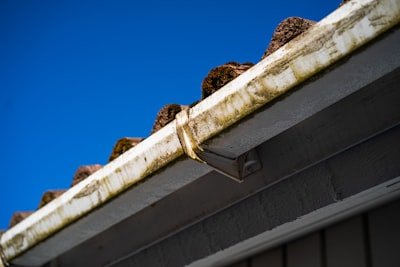


How Clogged Gutters Damage Your Home
Introduction
Alright folks, let's talk about something that's often out of sight, out of mind, until it becomes a real headache: your gutters. As a contractor who's seen it all, from minor drips to full-blown structural nightmares, I can tell you straight up that clogged gutters are one of the most underestimated threats to your home. You might think, "Eh, a few leaves, what's the big deal?" But trust me, that innocent pile of debris can turn into a silent, relentless destroyer, chipping away at your home's integrity and your wallet.
Imagine this: a beautiful, sunny afternoon turns into a torrential downpour. You're inside, cozy and dry, but outside, your home's first line of defense against water — your gutters — are choked with leaves, twigs, and shingle grit. Instead of channeling that rainwater safely away, it's spilling over, cascading down your walls, pooling around your foundation, and seeping into places it absolutely shouldn't be. This isn't just an inconvenience; it's a slow-motion disaster waiting to happen, and it costs homeowners thousands of dollars in preventable repairs every single year.
My goal here isn't just to tell you *that* clogged gutters are bad. I want to show you *why* they're bad, *how* they cause damage, and most importantly, *what you can do* to protect your biggest investment – your home. We're going to dive deep into the nitty-gritty, giving you the kind of expert advice you'd get if I were standing right there with you, pointing out the issues on your own property.
Why This Problem Matters
You work hard for your home, and you want it to last, right? Well, think of your gutters as the unsung heroes of your home's exterior drainage system. Their primary job is to collect rainwater from your roof and direct it safely away from your house's foundation. When they're not doing that job, because they're packed solid with debris, it's like opening the floodgates to a whole host of expensive and frustrating problems.
I've walked into countless homes where the homeowner is scratching their head, wondering why their basement is damp, their paint is peeling, or their landscaping looks like a swamp. More often than not, the root cause traces back to neglected gutters. This isn't just about curb appeal; it's about the very structure that keeps your home standing strong. Water is incredibly powerful, and given enough time and opportunity, it will find its way into every crack, crevice, and vulnerable spot, causing damage that can be incredibly costly and time-consuming to fix. Ignoring those clogged gutters today means paying a much bigger price down the road, and that's a mistake no homeowner wants to make.
Common Homeowner Problems from Clogged Gutters
Let's get real about the headaches clogged gutters can cause. I've seen homeowners tear their hair out over these issues, and most of them could have been avoided with a simple gutter cleaning schedule:
- Foundation Damage and Basement Flooding: This is probably the biggest and most expensive problem. When gutters overflow, water doesn't get diverted away from the house. Instead, it pours directly down, saturating the soil right next to your foundation. Over time, this constant moisture can lead to hydrostatic pressure building up against your foundation walls. That pressure can cause cracks, allow water to seep into your basement, or even worse, compromise the structural integrity of your foundation. I've seen basements that looked like swimming pools after heavy rains, all because of gutters that hadn't been touched in years. The repair bill for foundation issues? Easily five figures.
- Fascia and Soffit Rot: The fascia board is the long, straight board that runs along the lower edge of your roof, directly behind your gutters. Soffits are the material forming the underside of your roof overhang. When gutters overflow, water runs directly over these wooden components. Constant exposure to moisture causes wood to rot, soften, and decay. This isn't just unsightly; it weakens the roof structure, invites pests, and can lead to expensive repair work involving carpentry, painting, and sometimes even roof repair. I once replaced a whole section of fascia that was so rotted, I could poke my finger right through it.
- Roof Damage and Leaks: Believe it or not, clogged gutters can back up water onto your roof. If water sits on the roof edge for too long, especially under shingles, it can cause the shingles to lift, buckle, or rot. In colder climates, this can lead to ice dams forming, where melting snow refreezes at the cold roof edge (often over clogged gutters), pushing water back up under the shingles and into your attic or walls. That's a direct path to interior water damage, stained ceilings, and mold.
- Landscape Erosion and Garden Damage: All that overflowing water has to go somewhere. It often creates trenches and washouts in your flowerbeds, washes away mulch, and can drown or damage plants that aren't meant to be constantly waterlogged. Your beautiful landscaping, which you've invested time and money into, can be ruined in a single season of heavy rain and neglected gutters.
- Pest Infestation: Stagnant water and damp debris in clogged gutters create a perfect breeding ground for mosquitoes, ants, termites, and other unwanted critters. The damp, rotting wood of compromised fascia and soffits also becomes an attractive nesting spot for carpenter ants, wasps, and even rodents looking for shelter. I've seen wasp nests the size of footballs in neglected gutters, and believe me, you don't want to be up on a ladder near one of those.
- Mold and Mildew Growth: Constant moisture against your home's exterior walls, especially in shaded areas, is an open invitation for mold and mildew. This not only looks awful, staining your siding and brick, but it can also degrade the exterior finish and, if it finds its way inside, pose health risks.
- Driveway and Walkway Deterioration: When water continuously overflows and pools on your driveway or walkways, especially concrete or asphalt, it can accelerate wear and tear. In freezing temperatures, this standing water expands as ice, causing cracks and potholes to form or worsen.
Main Causes of Gutter Clogs
So, what exactly fills up your gutters and causes all this trouble? It’s usually a mix of natural debris and sometimes, just plain bad luck. Here’s what I commonly find when I'm up there inspecting a homeowner's gutters:
- Leaves: This is the big one, especially if you have mature trees near your house. Deciduous trees shed their leaves in the fall, and those leaves end up everywhere, including your gutters. Once wet, they clump together, forming a thick, sludgy mess that completely blocks water flow. Even evergreen needles can be a problem, though they break down slower.
- Twigs and Small Branches: Storms, high winds, or just the natural shedding of tree branches can deposit small twigs and sticks into your gutters. These act like mini dams, catching leaves and other debris and accelerating the clogging process.
- Shingle Grit: Your asphalt shingles are covered in tiny granules that protect them from the sun's UV rays. Over time, especially as shingles age or during heavy rain, these granules wash off. They collect in the gutters and, when mixed with water and organic material, create a dense, abrasive sludge that can speed up gutter deterioration and block drainage.
- Pine Needles: If you have pine trees, you know these things are relentless. They're small, sharp, and they get everywhere. They might not seem like much individually, but they accumulate quickly, forming a dense mat that's incredibly effective at blocking water. Plus, they're not easy to clear out without the right tools.
- Seeds and Pods: Many trees, like maple, oak, and sweetgum, drop seeds and pods that are just the right size to get caught in gutters. These can sprout into small plants in the nutrient-rich, damp debris, further cementing the clog.
- Nests and Critters: Birds, squirrels, and other small animals sometimes see clogged gutters as prime real estate for building nests. Their nesting materials, combined with existing debris, create formidable blockages. And yes, I've found everything from bird nests to dead squirrels in gutters over the years. Not a pleasant surprise.
- Dirt and Dust: Rain washes down dirt and dust that settle on your roof. This fine particulate matter adds to the sludge, especially when mixed with organic debris, making the clog even more dense and difficult to remove.
Warning Signs Your Gutters Are Clogged
You don't need to wait for a full-blown flood to know your gutters are having issues. Your house will give you plenty of hints if you know what to look for. Catching these warning signs early can save you a lot of grief and money. Here are the red flags I always tell homeowners to watch out for:
- Water Overflowing from the Gutters: This is the most obvious sign. During a rainstorm, if you see water pouring over the sides of your gutters like a waterfall instead of flowing out through the downspouts, you've got a blockage. It means the gutter system can't handle the volume of water, and it's taking the path of least resistance – right down your home's exterior.
- Sagging Gutters: Gutters are designed to hold water for a brief moment as it drains. When they're constantly filled with heavy, waterlogged debris, that weight can cause them to pull away from the fascia board or sag in places. If you notice your gutters are no longer straight and level, or you see the hangers pulling out, that's a serious indicator of a clog and potential structural damage to the gutter system itself.
- Water Stains on Exterior Walls: Look for streaks or discoloration on your home's siding, brick, or trim directly below the gutters. These stains are tell-tale signs of water overflowing and running down your walls, leaving mineral deposits and dirt behind. If left unchecked, these stains can lead to mold, mildew, and paint damage.
- Puddles Around the Foundation: After a rain, if you consistently see standing water or saturated soil right next to your foundation, it means water isn't being directed away properly. This is a critical warning sign that could lead to basement leaks and foundation issues.
- Plants Growing in Your Gutters: Yes, you read that right. If you see weeds, grass, or even small saplings sprouting from your gutters, it's a clear indication that there's enough accumulated organic matter and moisture to support plant life. This isn't just unsightly; it means your gutters are a mini garden, not a drainage system.
- Visible Debris: Sometimes, the sign is as simple as looking up. If you can see leaves, twigs, or shingle granules poking out of your gutters, especially from the ground, you can bet there's a good amount more blocking the flow inside.
- No Water Coming from Downspouts: During a rainstorm, go outside and check your downspouts. If little to no water is coming out, or if it's just a trickle while your gutters are overflowing, it means your downspout is completely blocked, or the main gutter itself is jammed before the downspout entry.
- Ice Dams in Winter: In colder climates, if you frequently see large icicles or thick ridges of ice forming along the edge of your roof and sometimes backing up onto the shingles, it's a strong indicator of poor attic insulation, poor ventilation, *and* often, clogged gutters. The clogged gutters prevent melting snow from draining, causing it to refreeze and build up.
Step By Step Solutions: DIY Gutter Cleaning
Okay, so you've spotted the signs, and you're ready to tackle those clogged gutters yourself. Good for you! It's definitely a manageable DIY project for many homeowners, but I can't stress this enough: **safety first!** A ladder fall is no joke. If you're not comfortable with heights or don't have the right equipment, please, call a pro. For those who are ready, here’s a practical step-by-step guide:
Step 1: Gather Your Gear
Don't just jump on a ladder. Preparation is key. You'll need:
- Sturdy Ladder: An extension ladder is usually best for reaching higher gutters. Make sure it's stable and rated for your weight.
- Heavy-Duty Gloves: Protect your hands from sharp debris, grime, and potential critters.
- Gutter Scoop or Small Trowel: Essential for scooping out wet, mucky debris. Your hands will thank you.
- Bucket with a Handle: To collect the gunk. Hang it from your ladder so both hands are free.
- Garden Hose with a Spray Nozzle: For flushing out the gutters and testing downspouts.
- Safety Glasses: Protect your eyes from falling debris, especially when flushing.
- Long-Sleeved Shirt and Pants: To protect your skin.
Step 2: Set Up Your Ladder Safely
This is where most accidents happen. Take your time:
- Stable Ground: Place the ladder on a firm, level surface. Never on soft dirt, uneven ground, or a slippery deck. If the ground isn't level, use ladder levelers.
- Angle: For every four feet of height you need to reach, move the base of the ladder one foot away from the wall. This creates a safe 75-degree angle.
- Extend Beyond: The top of the ladder should extend at least three feet (about three rungs) above the edge of the roof or gutter line. This gives you something to hold onto when stepping on and off the roof, or simply for stability.
- Secure It: If possible, have someone foot the ladder for you. If working alone, consider tie-offs or a ladder stabilizer bar.
- Never Overreach: Don't lean too far to the side. Move the ladder frequently. Always keep your belt buckle between the ladder rails.
Step 3: Remove Large Debris
Start at one end of the gutter and work your way across. Using your gloved hands and gutter scoop:
- Scoop out leaves, twigs, shingle grit, and any other large debris.
- Place the scooped material directly into your bucket. Don't just toss it on the ground or, worse, down the downspout.
- Be thorough. Get as much of the loose, wet gunk out as you can.
Step 4: Flush with Water
Once the bulk of the debris is gone:
- Use your garden hose with a good, strong nozzle.
- Start flushing from the opposite end of the downspout. For example, if your downspout is on the left, start flushing from the right side of the gutter.
- The water will push any remaining small debris towards the downspout.
- Watch for water flow. It should flow freely towards and down the downspout.
Step 5: Check and Clear Downspouts
This is a crucial step often overlooked. A clear gutter is useless if the downspout is clogged:
- While flushing, observe if water is coming out strongly from the bottom of the downspout.
- If water backs up or trickles out, your downspout is clogged.
- To clear a downspout clog:
- Try flushing from the top again with strong water pressure.
- If that doesn't work, use a plumber's snake or a specially designed downspout cleaning tool. Gently feed it down the downspout until you hit the blockage, then twist and push to break it up.
- Sometimes, a clog is at the very bottom elbow of the downspout. You might need to temporarily detach the bottom section of the downspout to clear it manually.
Step 6: Final Inspection
Once you've cleared everything and flushed the system, take a moment to look over your work:
- Are the gutters clean and free of standing water?
- Is water flowing freely down the downspouts and away from the foundation?
- Check for any signs of damage to the gutters themselves – loose hangers, cracks, or rust. Address these now to prevent future issues.
Remember, this isn't a race. Take your time, prioritize your safety, and if at any point you feel uncomfortable or out of your depth, it’s always smarter to call in a professional.
Professional Contractor Advice
As a contractor, I've seen the good, the bad, and the ugly when it comes to gutter maintenance. My best advice boils down to a few key points that can save you a ton of stress and cash:
Don't Underestimate Regular Maintenance
This is the golden rule. Many homeowners only think about their gutters when they're overflowing during a storm. By then, potential damage might already be happening. Depending on your trees, you should be checking and cleaning your gutters at least twice a year – once in late spring after tree pollen and small debris have fallen, and critically, once in late fall after all the leaves are down. If you have a lot of pine trees or especially messy trees, three or four times a year might be necessary. Think of it like an oil change for your car; regular, preventative maintenance is always cheaper than a major engine repair.
Invest in Quality Gutter Guards (with a caveat)
Gutter guards aren't a "set it and forget it" solution, but they can significantly reduce the frequency of cleanings. There are many types – mesh, screens, reverse curve, foam inserts. I generally recommend metal mesh or micro-mesh systems. They're good at keeping out leaves and large debris, but they can still get clogged with tiny shingle grit, pine needles, or seeds, especially if your roof sheds a lot of debris. You'll still need to clean them occasionally, usually by sweeping off the top, but it's a lot less hassle than scooping out sludge from inside the gutter. Be wary of cheap, plastic screens that just sit on top; they often fail quickly and can make clogs worse by trapping debris underneath.
Ensure Proper Pitch and Downspout Extenders
Gutters need a slight pitch, or slope, towards the downspouts for water to drain effectively. If your gutters are sagging or not installed correctly, water will sit and stagnate, accelerating debris breakdown and leading to heavier clogs. Also, always make sure your downspouts have extenders that direct water at least 5-10 feet away from your foundation. I've seen too many homes where water just dumps right next to the house, negating the whole purpose of the gutter system. Simple downspout extenders are cheap insurance against foundation issues.
When in Doubt, Call a Pro
I know the DIY spirit is strong, but there are times when calling a professional is the smartest move. If your house is multi-story, your roof is steep, you have health issues, or you're simply uncomfortable on a ladder, don't risk it. A professional gutter cleaning service has the right equipment, experience, and insurance to do the job safely and effectively. They can also spot other issues like loose hangers, leaks, or fascia damage that you might miss. Think of it as investing in peace of mind and protecting your property value.
I remember one homeowner who tried to clean his gutters on a slippery, steep roof after a light rain. He ended up breaking a few shingles and almost taking a tumble. The cost of replacing those shingles and patching the roof was far more than what a professional cleaning would have cost. Sometimes, being a hero isn't worth the risk.
Best Materials Or Equipment for Gutter Maintenance
Having the right tools makes a world of difference, whether you're doing it yourself or just inspecting. Here's a breakdown of what's best:
-
For DIY Cleaning:
- Extension Ladder: As mentioned, a sturdy aluminum or fiberglass extension ladder is crucial. Look for one with a good safety rating and anti-slip feet.
- Ladder Stabilizer/Standoff: This accessory attaches to the top of your ladder, allowing it to rest against the roof, not the gutter. It prevents damage to your gutters and provides a much more stable base, allowing you to reach slightly further.
- Heavy-Duty Work Gloves: Protect your hands from sharp debris, grime, and potential animal droppings.
- Gutter Scoop: These are specifically designed to fit the curve of a gutter and are excellent for quickly removing wet leaves and muck.
- 5-Gallon Bucket with Hook: A bucket that can hook onto a rung of your ladder is invaluable. It keeps your hands free and provides a convenient place for debris.
- Garden Hose with High-Pressure Nozzle: Essential for flushing and testing downspouts.
- Plumber's Snake or Downspout Auger: For clearing stubborn downspout clogs. A flexible, long brush designed for downspouts also works well.
- Safety Glasses and Work Clothes: Non-negotiable for personal safety.
-
For Gutter Protection (Gutter Guards):
- Micro-Mesh Gutter Guards: These are generally considered the most effective. They have a very fine mesh (often stainless steel) that blocks even small debris like shingle grit and pine needles, while allowing water to flow through freely. They require minimal maintenance (usually just brushing off the top surface).
- Screen Gutter Guards (Perforated Aluminum/Metal): These are more affordable and good for blocking larger leaves and twigs. However, smaller debris can still get through or accumulate on top, requiring occasional cleaning. Avoid flimsy plastic screens.
- Reverse Curve Gutter Guards: These use surface tension to guide water into the gutter while leaves fall over the edge. They are effective but can sometimes be visible and may struggle with very heavy rainfall, leading to overflow.
- Brush Gutter Guards: These look like giant pipe cleaners inserted into your gutters. They catch debris in their bristles. They are easy to install but can still accumulate fine debris and require cleaning.
-
For Professional Use (or advanced DIYers):
- Powerful Wet/Dry Vacuums: Some professionals use specialized gutter vacuums with long attachments to suck out debris from the ground, eliminating the need for ladders in some cases.
- Gutter Cleaning Robots: A newer, more niche option, these small robots can navigate and clean gutters remotely. Still evolving technology, but interesting.
- Pressure Washer with Gutter Cleaning Attachment: A curved wand can help clean gutters from the ground, but use with caution to avoid damaging shingles or forcing water under them.
Choosing the right tools, especially for safety and efficiency, makes the task less daunting and more effective.
Benefits of Clean Gutters
Alright, we've talked a lot about the bad stuff, but let's flip the coin. What are the *benefits* of keeping your gutters spick and span? Plenty! It's not just about avoiding problems; it's about protecting your investment and enjoying peace of mind.
- Foundation Protection: This is huge. Clean gutters ensure rainwater is directed well away from your home, preventing the soil around your foundation from becoming saturated. This significantly reduces the risk of hydrostatic pressure, cracks, and costly foundation repairs, which can run into tens of thousands of dollars.
- Prevent Basement and Crawl Space Flooding: By keeping water away from your foundation, you drastically cut down the chances of water seeping into your basement or crawl space. No more damp smells, ruined possessions, or expensive water extraction and mold remediation.
- Protecting Your Roof and Fascia: When gutters are clear, water drains properly off your roof. This prevents water from backing up under shingles, which can lead to leaks, rot in the roof decking, and premature shingle deterioration. It also protects your fascia boards and soffits from water damage and rot, preserving the structural integrity and appearance of your roofline.
- Preventing Landscape Erosion: Your carefully cultivated garden beds and lawn will thank you. Clean gutters mean controlled water flow, preventing unsightly trenches, soil erosion, and damage to your plants from uncontrolled runoff. Your landscaping stays looking neat and healthy.
- Pest Control: Stagnant water and damp debris in clogged gutters are magnets for mosquitoes, termites, carpenter ants, and other pests. By eliminating these breeding and nesting grounds, you make your home less attractive to unwelcome visitors.
- Avoiding Mold and Mildew: Continuous moisture against your home's exterior creates ideal conditions for mold and mildew growth, which can stain siding, degrade materials, and potentially impact indoor air quality if it spreads. Clean gutters help keep your exterior dry and clean.
- Increased Curb Appeal: Let's be honest, overflowing gutters with plants growing out of them aren't a good look. Clean, well-maintained gutters contribute to a tidy, well-cared-for exterior, boosting your home's curb appeal and potentially its value.
- Longer Gutter Lifespan: When gutters are regularly cleaned, they aren't constantly bearing the excessive weight of debris and water. This reduces stress on the hangers and the gutter material itself, preventing sagging, bending, and premature corrosion, ultimately extending the life of your entire gutter system.
- Peace of Mind: Knowing that your home is protected from water damage, especially during heavy storms, offers incredible peace of mind. You won't be dreading every downpour, wondering what new damage you'll find.
Common Mistakes To Avoid When Dealing With Gutters
Having been in this business for years, I've seen homeowners make the same mistakes over and over again when it comes to their gutters. Avoiding these can save you a lot of grief and money:
- Ignoring Them Completely: This is the number one mistake. "Out of sight, out of mind" is a dangerous philosophy with gutters. Many homeowners only react when they see water overflowing or, worse, inside their house. By then, the damage has already begun. Proactive cleaning is always better than reactive repair.
- Improper Ladder Use: As I've stressed, ladder safety is paramount. Using an unstable ladder, placing it on uneven ground, overreaching, or not having someone spot you are common mistakes that lead to falls and serious injury. Never lean your ladder directly against the gutter itself; it can bend or damage the gutter.
- Not Clearing Downspouts: Many homeowners clean the horizontal gutter runs but forget about the vertical downspouts. A clean gutter feeding into a clogged downspout is still a clogged system. Always flush the downspouts thoroughly.
- Waiting Too Long Between Cleanings: If you wait until your gutters are completely packed solid, the debris becomes a heavy, compacted, mucky mess that's much harder and more unpleasant to remove. Regular, lighter cleanings are far easier.
- Using the Wrong Tools (or No Tools): Trying to scoop out debris with your bare hands is inefficient and unhygienic. Using a flimsy plastic screen as a gutter guard often just makes things worse by trapping debris underneath. Use appropriate, sturdy tools.
- Hosing Debris Down the Downspout: While flushing helps clear smaller bits, trying to force large clumps of leaves and mud down a downspout with a hose can cause a severe blockage further down, often where it's harder to reach and clear. Always scoop out the bulk first.
- Overlooking Gutter Pitch: Gutters need a slight slope towards the downspouts (typically 1/16 to 1/8 inch per foot). If they're level or sagging, water will sit in them, leading to accelerated debris breakdown, heavier clogs, and rust. This often requires professional adjustment.
- Neglecting Downspout Extenders: Even if your gutters and downspouts are perfectly clean, if the water is