

Complete Guide To Residential Solar Installation
Introduction
Hey folks, your trusted local contractor here, ready to talk about something that's been on a lot of homeowners' minds: residential solar power. I've seen a lot of changes in the home improvement game over the years, but few things offer the kind of long-term benefits and peace of mind that a well-installed solar system can. If you've been watching your utility bills creep up, or just feel a tug towards doing something good for the planet and your wallet, then you're in the right place. We're going to walk through everything you need to know about getting solar panels on your home, from the first thought to flipping the switch.
It can seem like a big undertaking, a bit intimidating even. I get it. There's a lot of technical jargon out there, and frankly, some folks just want to sell you something without really explaining it. My goal here is to cut through all that noise. I want to give you the straight scoop, the kind of honest, practical advice I'd give my own family or a good neighbor. We'll cover the whole journey, making sure you feel confident and informed every step of the way. So grab a cup of coffee, and let's talk about bringing the power of the sun to your home.
Why Going Solar Matters for Your Home
You know, for years, the idea of solar power felt like something from a sci-fi movie or only for the super-rich. But let me tell you, times have changed dramatically. Today, going solar is a practical, smart investment for the average American homeowner. The "problem" it addresses isn't just about saving a few bucks – it's about taking control, plain and simple.
- Escalating Utility Costs: This is probably the biggest trigger for most folks. You get that bill every month, and it feels like a roll of the dice. One month it's manageable, the next it's through the roof, especially during those peak summer AC months or cold winter days. When you go solar, you're essentially locking in your energy costs, or at least dramatically reducing your reliance on those unpredictable utility companies. Imagine knowing that your biggest energy expense is largely taken care of by the sun, day after day.
- Boosting Home Value: Believe it or not, studies have shown that homes with owned solar panel systems sell for more and often quicker than comparable homes without them. It's an upgrade, just like a new kitchen or bathroom, but one that actively saves the new owner money from day one. When I'm talking to clients, I always emphasize that it's not just a utility bill reducer; it's an asset you're adding to your property.
- Environmental Impact: Look, we all want to leave a better world for our kids and grandkids. Burning fossil fuels for electricity has its consequences. Solar power is clean, renewable energy. Every kilowatt-hour you generate from your roof is one less that has to come from a power plant burning coal or gas. It’s a tangible way to reduce your carbon footprint, and honestly, that feels pretty good at the end of the day.
- Energy Independence and Resilience: With a solar system, especially one paired with battery storage, you're not as vulnerable to grid outages or fluctuations. I've seen folks in areas prone to storms lose power for days, while their neighbors with solar and batteries were still running essentials. That peace of mind, knowing your family is comfortable and safe even when the grid goes down, is priceless.
So, it's not just about getting rid of a high bill. It's about financial security, property enhancement, environmental stewardship, and a whole lot of peace of mind. That's why this "problem" of traditional energy dependence matters so much.
Common Homeowner Problems with Going Solar
Alright, let's get real. While solar is fantastic, it's not without its initial hurdles and frustrations for homeowners. I've heard it all, and these are the common worries that pop up:
- "It's just too expensive, isn't it?" This is probably the number one concern. People see the upfront cost and immediately think it's out of reach. They worry about taking on a new loan or draining their savings. It's a big investment, and that financial fear is totally valid.
- "Is my roof even right for solar?" Homeowners often look up at their roof and wonder if it's too old, too shady, or just not angled correctly. They don't want to spend money on something that won't work efficiently.
- "Who do I trust? There are so many companies out there!" This is a big one. The solar industry has grown fast, and unfortunately, not all companies operate with the same integrity. Homeowners get overwhelmed by pushy sales tactics, confusing contracts, and worry about picking a fly-by-night installer. I've seen folks get burned by bad installations or companies that disappear when a problem arises.
- "What about permits and paperwork? It sounds like a headache." Dealing with local building departments, utility companies, and incentive programs can feel like navigating a maze. It's a lot of red tape, and most homeowners just want a straightforward process.
- "Will it actually save me money, or is it just a gimmick?" There's a healthy skepticism, which I appreciate. People want to see concrete numbers and a clear return on investment. They worry about promises that don't materialize.
- "What happens if there's a power outage? Do my lights stay on?" This is a common misunderstanding. Many assume solar panels automatically mean backup power, which isn't always the case without a battery system.
These are all legitimate concerns. My job, and the point of this guide, is to help you navigate these issues and find practical solutions so you can make an informed decision without all the stress.
Main Causes (Why Homeowners Are Looking Towards Solar)
So, what's really driving folks to consider solar for their homes these days? It's usually a combination of factors, a slow build-up of frustrations with the old way of doing things, and a growing awareness of better options. Here's what I hear most often:
- Skyrocketing Utility Bills: This is the big one, the primary motivator for most. Every time those rates go up, or a heatwave hits and the AC is cranking, that bill stings a little more. Homeowners are tired of feeling like they're writing a blank check to the power company every month. They see solar as a way to fix that unpredictability and take back control of their household budget.
- Desire for Energy Independence: There's a strong current of self-sufficiency in America, and that extends to energy. People want to generate their own power, especially after experiencing grid instability or outages. The thought of being less reliant on a centralized, often fragile, power grid is very appealing.
- Environmental Consciousness: More and more homeowners are genuinely concerned about climate change and the impact of fossil fuels. They want to do their part, and installing solar panels is one of the most direct and impactful actions they can take to reduce their carbon footprint. It's about aligning their home with their values.
- Government Incentives and Rebates: Let's be honest, the financial incentives make a huge difference. The federal solar tax credit, state programs, and local rebates can significantly reduce the upfront cost, making solar a much more attractive proposition. Without these, the initial investment would be a tougher pill to swallow for many.
- Increasing Home Value: As I mentioned earlier, solar is now seen as a premium feature. Homeowners are savvy; they know that an investment in solar isn't just about utility savings, but also about increasing their property's market appeal and resale value. It's a smart long-term financial play.
- Technological Advancements: Solar technology has come a long way. Panels are more efficient, more durable, and often look better than older models. The systems are smarter, with better monitoring and integration. This increased reliability and performance make it a more viable and trustworthy option than it might have been a decade ago.
It's not just one thing, but usually a perfect storm of these causes that pushes a homeowner from "thinking about solar" to "let's get some quotes."
Warning Signs (Is Your Home Ready for Solar?)
Alright, so you're thinking about solar. How do you know if your home is a good candidate, or what you might need to address first? Think of these as "warning signs" or key indicators that you're ready, or that you might have some homework to do:
- Sky-High Electric Bills: This is the most obvious sign. If your monthly electricity costs are consistently over $100-$150, you're a prime candidate. The more you spend, the faster solar will pay for itself. Keep those old bills handy, as they'll be crucial for a solar consultant to assess your usage.
- An Older, Inefficient HVAC System: If your air conditioning unit or furnace is ancient, it's likely a massive energy hog. While solar can power it, addressing the inefficiency first can significantly reduce the size (and cost) of the solar system you need. Sometimes, fixing the cause of high consumption is just as important as generating your own power.
- Your Roof is Old or Needs Repairs: This is a critical one. If your roof is nearing the end of its life (say, less than 10-15 years left), you absolutely need to consider replacing it *before* installing solar panels. Trust me on this – you do NOT want to pay to have solar panels removed, a new roof installed, and then put the panels back on just a few years down the road. It’s a costly double-job and a huge frustration. I've seen it happen, and it's never pretty. A good contractor will assess your roof's condition as part of their initial visit.
- Significant Shading on Your Roof: Take a look at your roof throughout the day. Are there big trees or tall buildings casting shadows for hours? Solar panels need direct sunlight to produce power efficiently. Some shade is manageable with certain technologies (like micro-inverters), but heavy, consistent shade might mean your roof isn't ideal, or you'd need significantly more panels to compensate.
- Limited Unobstructed Roof Space: Beyond shade, do you have enough clear roof area? Vents, chimneys, skylights, and even satellite dishes can eat up valuable space where panels could go. A solar designer will map this out precisely.
- Desire for Long-Term Home Ownership: If you're planning on selling your house in the next year or two, the financial payback period for solar might not fully materialize for you. While it adds value, the biggest savings come over the long haul. Most solar systems are designed to last 25+ years.
Don't let these "warning signs" scare you off; they're just things to be aware of and discuss with a professional. Knowing these upfront helps you prepare and ensures a smoother, more effective solar installation.
Step By Step Solutions: The Residential Solar Installation Journey
Alright, let's get down to the nitty-gritty. So you've decided solar is for you. What happens next? Don't worry, it's not as complicated as it might seem, especially with the right team. Here's a general roadmap of how a typical residential solar installation unfolds:
Step 1: Initial Consultation & Site Assessment
This is where it all begins. A solar professional will come to your home – or sometimes do an initial assessment remotely using satellite imagery. They'll talk to you about your energy goals, look at your past electricity bills (this is crucial for sizing the system correctly), and inspect your roof for suitability (age, condition, pitch, orientation, shading). They'll also check your electrical panel to ensure it can handle the new system. This isn't just a sales pitch; it's a critical fact-finding mission.
Step 2: System Design & Proposal
Based on the assessment, the solar company will design a custom system specifically for your home. This includes the number and type of panels, inverter technology, and how they'll be laid out on your roof. They'll present you with a detailed proposal outlining the system's estimated energy production, projected savings, the total cost, available incentives (like the federal tax credit), and financing options. Don't be afraid to ask questions here and compare proposals from different companies.
Step 3: Financing & Contract Signing
Once you're happy with a proposal, you'll finalize the financing. This could be a cash purchase, a solar loan, or a lease/PPA (Power Purchase Agreement). Each has its pros and cons, and it's important to understand them fully. After that, you'll sign the contract. Make sure you read every line, understand the warranties, and know what's covered.
Step 4: Permitting & Approvals
This is often the longest waiting period, and it's mostly out of your hands. The solar company will handle all the necessary paperwork for local building permits and utility interconnection agreements. This involves submitting plans to your city or county for approval and getting permission from your utility company to connect your system to the grid. It can take anywhere from a few weeks to a few months, depending on your local bureaucracy. Patience is a virtue here!
Step 5: Equipment Ordering & Installation Day
Once permits are approved, the equipment is ordered. Installation day usually involves a crew arriving early, setting up safety gear, and getting to work. Here’s what typically happens:
- Racking Installation: They'll attach a racking system to your roof, which is what the panels will sit on. This involves sealing penetrations to ensure your roof remains watertight.
- Panel Mounting: The solar panels are then lifted and securely bolted to the racking.
- Electrical Wiring: This is the heart of the system. Electricians will connect the panels to inverters (which convert DC power to AC power your home uses) and then connect the inverters to your home's electrical panel and the utility meter. This often involves upgrading your electrical panel if it's not up to code or sufficient for the new load.
- Battery Installation (if applicable): If you're adding battery storage, that will be installed, usually in a garage or utility area, and wired into the system.
A typical residential installation can take anywhere from one to three days, depending on the system size and complexity.
Step 6: Final Inspections & Grid Connection
After installation, your local building department will conduct a final inspection to ensure everything was installed according to code and the approved plans. Once that passes, the utility company will come out for their own inspection, often to replace your old meter with a new "net meter" that can track both the electricity you use from the grid and the excess electricity your panels send back to it. This step is sometimes called "Permission to Operate" (PTO).
Step 7: System Activation & Monitoring
Once you have PTO, you're good to go! The solar company will show you how to turn on your system and explain how to use the monitoring app, which allows you to track your system's energy production in real-time. This is the exciting moment when your home officially starts generating its own clean energy!
See? It's a structured process. With a reliable contractor, you'll be guided through each phase, making the whole experience much smoother than you might initially think.
Professional Contractor Advice
As a contractor who's been around the block, I've seen what makes a solar project successful and what can lead to headaches. Here's my honest-to-goodness advice:
- Do Your Homework on the Contractor: This is probably the single most important piece of advice I can give you. Don't just go with the first company that knocks on your door or offers the lowest price.
- Check Licenses and Insurance: Make sure they are properly licensed in your state for electrical and general contracting work, and that they carry adequate insurance (liability and worker's comp). Ask for proof.
- Read Reviews and Ask for References: Look at Google reviews, Yelp, BBB. But don't stop there. Ask the company for at least three recent references you can call. Ask those homeowners about the communication, the timeline, the cleanup, and how the company handled any issues.
- Longevity Matters: How long have they been in business? A company that's been around for 10+ years is more likely to be there to honor your warranty than a startup that might be gone in a few years.
- Local Knowledge: A local company will be more familiar with your specific city's permitting process, utility company requirements, and even local weather patterns that affect system design.
- Get Multiple Bids (at least three!): Don't settle for just one quote. Different companies have different pricing structures, equipment preferences, and levels of service. Comparing bids helps you understand the market and ensures you're getting a fair deal. But remember, the cheapest isn't always the best. Look for value.
- Understand Your Contract: Before you sign anything, read the entire contract. Understand the total cost, the payment schedule, the equipment being used (specific models!), the warranties (on panels, inverters, and labor/workmanship), the estimated timeline, and what happens if there are delays. If something isn't clear, ask for clarification in writing.
- Don't Be Pressured: Good contractors don't use high-pressure sales tactics. If someone is pushing you to sign "today" for a "limited-time offer," that's a red flag. Take your time, do your research, and make a decision you're comfortable with.
- Clarify Warranties: You should have at least three types of warranties:
- Panel Product Warranty: Covers defects in the manufacturing of the panels (usually 10-12 years).
- Panel Performance Warranty: Guarantees a certain percentage of power output over time (often 25 years).
- Workmanship/Installation Warranty: Covers the actual installation and labor (typically 1-10 years, but look for longer).
- Ask About Monitoring: How will you track your system's performance? What kind of app or portal will you use? What happens if you notice a drop in production? A good monitoring system is key to ensuring your investment is paying off.
My biggest takeaway here is: be an informed consumer. Your home is your biggest asset, and investing in solar is a major upgrade. Treat it with the same care you would any other major home renovation.
Best Materials Or Equipment for Residential Solar
Alright, let's talk gear. Just like building a house, the quality of your solar system depends a lot on the components you choose. You don't need to be an expert, but knowing the basics will help you understand your quotes better. Here are the main players:
Solar Panels (Modules)
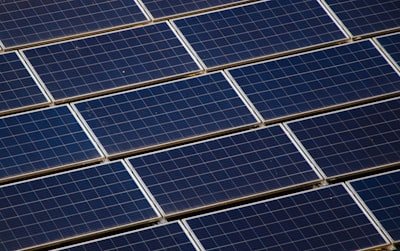
- Monocrystalline Panels: These are generally considered premium. They're made from a single crystal silicon, making them very efficient (meaning they produce more power in a smaller footprint) and usually have a sleek, dark appearance. They tend to perform better in lower light conditions and higher temperatures. They're often a bit more expensive per watt, but their efficiency can be worth it if you have limited roof space. Think brands like SunPower, LG (though LG is exiting solar), Panasonic, REC.
- Polycrystalline Panels: Made from multiple silicon crystals, these are usually a bit less efficient than monocrystalline panels and have a slightly mottled, bluish appearance. They're generally more affordable, making them a good choice if you have ample roof space and budget is a primary concern. Brands include Canadian Solar, Trina Solar, Jinko Solar.
- Thin-Film Panels: Less common in residential setups, these are more flexible and can be used in unique applications, but they are significantly less efficient than crystalline panels. You'll rarely see these on a typical home.
Expert Tip: Look for panels with good temperature coefficients. This tells you how well the panel performs as temperatures rise. Lower is better, meaning less efficiency loss on hot days.
Inverters
Inverters are the brains of your system, converting the DC (direct current) electricity from your panels into AC (alternating current) that your home appliances use. This is where a lot of technological innovation happens.
- String Inverters: This is the traditional setup. Panels are wired together in "strings," and each string connects to one central inverter, usually located near your electrical panel. They are generally less expensive upfront. The downside? If one panel in a string is shaded or underperforming, it can drag down the performance of all other panels in that string.
- Microinverters: These are installed directly under each individual solar panel. Each panel has its own inverter. This is a huge advantage because if one panel is shaded or has an issue, it doesn't affect the output of the others. They also offer panel-level monitoring, which is fantastic for troubleshooting. Brands like Enphase are leaders here. They're often a bit more expensive initially but can offer better overall system performance, especially on roofs with varying shade.
- Power Optimizers: These are a hybrid approach (SolarEdge is a major player). An optimizer is attached to each panel to condition the DC power and send it to a single string inverter. They offer some of the benefits of microinverters (panel-level optimization and monitoring) with the cost-effectiveness of a string inverter setup.
- Hybrid Inverters: These can manage both solar production and battery storage, allowing for more flexible energy management, especially if you plan to add a battery down the road.
Racking and Mounting Systems
These are the structures that secure your panels to the roof. Good racking is essential for durability and weather resistance. They should be made of high-quality, corrosion-resistant materials like aluminum and stainless steel. The installer's expertise in correctly attaching and sealing these is critical to prevent leaks and ensure structural integrity.
Solar Batteries (Optional but Increasingly Popular)
While not strictly necessary for a grid-tied system, batteries like the Tesla Powerwall or Enphase Encharge are becoming more common. They store excess solar energy generated during the day for use at night or during power outages. This offers true energy independence and backup power. They're an additional investment but provide significant peace of mind and can help you maximize self-consumption of your solar energy.
When you're looking at quotes, pay attention to the specific brands and models of these components. Reputable installers will use high-quality, warrantied equipment from established manufacturers. Don't be afraid to ask why they recommend one type over another for your specific home.
Benefits of Residential Solar
Let's talk about the good stuff, the reasons why so many homeowners are making the switch. The benefits of residential solar are pretty compelling, both for your wallet and your peace of mind.
- Significant Savings on Electricity Bills: This is the big one everyone thinks about. Once your solar system is up and running, you'll see a dramatic drop in your monthly electricity costs. For many, it's close to zero, only paying for connection fees. Over 25-30 years, these savings add up to tens of thousands of dollars. Imagine putting that money back into your pocket or towards other home improvements!
- Increased Home Value: I mentioned this before, but it bears repeating. Studies from reputable sources like Zillow and Berkeley Lab have consistently shown that homes with owned solar panels sell for a premium – typically around 3-4% more than comparable homes without solar. It's an asset that buyers are willing to pay for.
- Protection Against Rising Energy Costs: Utility rates have a knack for only going one way: up. With solar, you're essentially hedging against future price hikes. You're generating your own power at a fixed "cost" (your initial investment), giving you long-term financial stability.
- Reduced Carbon Footprint & Environmental Impact: This is a powerful benefit for those who care about sustainability. By generating clean, renewable energy, you're directly reducing your reliance on fossil fuels and lowering your household's contribution to greenhouse gas emissions. It's a tangible way to make a difference.
- Energy Independence & Grid Resilience: With a grid-tied system, you're less vulnerable to utility company issues. If you add a battery backup, you gain true energy independence. During a blackout, your home can continue to power essential loads, keeping your family safe and comfortable when your neighbors are in the dark.
- Lucrative Financial Incentives: The federal solar tax credit (ITC) is a huge incentive, currently at 30% of the system cost. Many states and local municipalities also offer their own rebates, tax exemptions, or SRECs (Solar Renewable Energy Credits). These incentives can significantly reduce your upfront investment, making solar more affordable than ever.
- Low Maintenance: Once installed, solar panels require very little maintenance. They're durable and built to withstand the elements. Most systems come with long warranties, giving you peace of mind for decades.
- Long Lifespan: Modern solar panels are built to last. Most come with performance warranties guaranteeing 80-85% of their original output even after 25 years. This means your investment will continue to pay dividends for a very long time.
When you put it all together, residential solar isn't just an expense; it's an investment that pays off in multiple ways, both financially and for your lifestyle.
Common Mistakes To Avoid When Going Solar
Nobody wants to make a mistake on a big home improvement project, especially one as significant as solar. I've seen homeowners stumble in a few common areas, so let's walk through them so you can steer clear:
- Ignoring Your Roof's Condition: I cannot stress this enough. If your roof is old or needs repairs, get that sorted *before* solar installation. Putting panels on a roof that needs replacing in 5-10 years is a costly blunder. You'll pay to remove the panels, replace the roof, and then reinstall the panels. Get a roof inspection from an independent roofing contractor if you have any doubts.
- Not Getting Multiple Quotes: This is a cardinal sin in any contracting work. Settling for the first or second quote means you're missing out on understanding market prices, different equipment options, and various service levels. Always aim for at least three detailed proposals.
- Focusing Only on Price: The cheapest bid isn't always the best. A super