

Benefits Of Solar Panel Installation For Homes
Introduction
Hey there, folks! John here, your trusted contractor with over 25 years of dirt under my boots and a whole lot of experience wiring up homes and making them run right. Today, we're gonna talk about something that's been buzzing louder than a cicada in August: solar panels for your home. Now, I know what some of you are thinking – "Is it really worth it? Is it just a fad? Is it gonna break the bank?" Well, I'm here to lay it all out for you, straight from someone who's seen the good, the bad, and the ugly of home improvement.
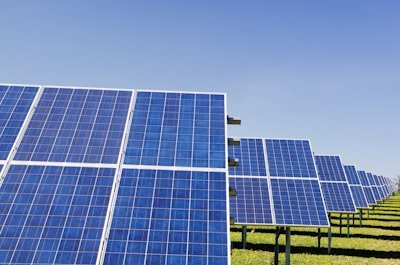
Solar energy isn't some far-off science fiction dream anymore. It's a real, tangible solution that's helping homeowners just like you save a ton of money, gain energy independence, and frankly, just feel better about their footprint on this big old planet. We're gonna dig deep into the true benefits of slapping some solar panels on your roof, give you the lowdown on what to expect, and share some hard-earned advice from the trenches.
Why Your Energy Choices Matter
Let's be honest, nobody likes getting hit with a sky-high utility bill. It's that gut-punch moment every month when you open that envelope or click that email, and your heart sinks a little. It's not just about the money, though that's a huge part of it. It's about feeling like you're at the mercy of some faceless power company, watching rates climb year after year with seemingly no end in sight. You work hard for your money, and you want to feel secure in your home, right?
Beyond the financial hit, there's a growing awareness about where our energy comes from and what it does to our environment. We all want a healthy future for our kids and grandkids. Relying on traditional grid power, which often comes from burning fossil fuels, contributes to air pollution and climate concerns. Your energy choices aren't just about your wallet; they're about your peace of mind, your family's future, and your independence.
Common Homeowner Problems Solved by Solar
Alright, let's talk about the real headaches homeowners face that solar panels can fix. I've heard 'em all, and probably lived a few myself:
- The Ever-Increasing Electric Bill: This is probably the number one complaint. You try to conserve, you turn off lights, you unplug things, but that bill just keeps creeping up. It's infuriating, and it feels like you're constantly fighting a losing battle.
- Grid Instability and Outages: Remember that big storm last winter? Or that heatwave that put a strain on the grid? Losing power isn't just an inconvenience; it can be dangerous. Food spoils, medical equipment stops, and you're left in the dark, literally.
- Feeling Helpless Against Utility Companies: Ever tried calling your power company to dispute a charge or understand a rate hike? It can feel like talking to a brick wall. You have zero control over the price you pay for an essential service.
- Environmental Guilt: Many folks genuinely want to do their part for the planet, but they don't know where to start, or they think it's too expensive or complicated. They feel like they're contributing to a problem they wish they could solve.
- Home Value Stagnation: In today's market, buyers are looking for homes that are efficient and modern. An older home with high energy costs can be a tough sell, or at least won't fetch the premium that an energy-efficient home will.
Main Causes of These Problems (and How Solar Intervenes)
So, what's really driving these frustrations? It's a mix of factors, and understanding them helps you see why solar is such a potent solution.
- Reliance on Centralized Power Grids: Our traditional electricity comes from large power plants, often far away, through a complex web of transmission lines. This system is susceptible to weather, equipment failures, and cyber threats. Solar, especially with battery storage, creates a more decentralized, resilient system for your home.
- Fossil Fuel Dependence and Market Volatility: A significant portion of our electricity still comes from burning coal, natural gas, and oil. The prices of these fuels fluctuate based on global markets, political events, and supply chain issues. When those prices go up, so do your utility bills. Solar panels, once installed, harness free energy from the sun, insulating you from these market swings.
- Aging Infrastructure: Many parts of our electrical grid are old and in need of serious upgrades. This leads to inefficiencies and a higher likelihood of outages. Your home solar system helps lighten the load on this aging infrastructure.
- Limited Energy Options for Homeowners: For a long time, homeowners had one choice: buy power from the utility. Now, solar offers a viable alternative, putting power (pun intended) back into your hands.
Warning Signs It's Time to Consider Solar
How do you know if solar panels are right for you? Keep an eye out for these "warning signs" that your current energy situation isn't cutting it:
- Your Electric Bill is a Rollercoaster: If your monthly bill jumps dramatically without a clear reason, or if it consistently rises year over year, that's a huge red flag. You're losing control of your budget.
- Frequent Power Outages: If your neighborhood experiences blackouts more often than you'd like, especially during peak demand or bad weather, you're vulnerable. Solar with battery backup can keep your lights on when the grid goes down.
- You're Building a New Home: This is the perfect time! Integrating solar from the ground up is often simpler and can be factored into your mortgage, making it incredibly cost-effective.
- You're Planning a Roof Replacement: If you know you'll need a new roof in the next few years, coordinating solar installation with that project makes a lot of sense. You save on scaffolding and labor costs, and your panels go on a brand-new surface.
- You Care About Your Carbon Footprint: If environmental impact is a significant concern for you, and you want to actively reduce it, solar is one of the most direct ways to do so as a homeowner.
- Government Incentives are Available: When your state or federal government offers tax credits, rebates, or other programs, it's a clear signal that now is a financially smart time to invest. These incentives don't last forever.
The Step-By-Step Journey to Solar Power
So, you're thinking about it. Great! Let's walk through what going solar generally looks like. It's not as intimidating as some folks make it out to be.
- Initial Consultation & Site Assessment: A reputable solar contractor (like us!) will come out to your home. We'll look at your roof – its size, angle, shading from trees or other buildings – and analyze your past electricity bills to understand your usage. We'll discuss your goals: offsetting all your usage, just a portion, or adding battery backup.
- System Design & Proposal: Based on the assessment, we'll design a custom solar system for your home. This includes the number and type of panels, the inverter, and any battery storage. We'll give you a detailed proposal outlining the costs, estimated savings, and available incentives.
- Financing Options: We'll help you understand the various ways to pay for solar – outright purchase, solar loans, or even power purchase agreements (PPAs) or leases. We'll explain the pros and cons of each.
- Permitting & Approvals: This is where the contractor really earns their keep. We handle all the paperwork for local permits, utility company interconnection agreements, and any necessary homeowner association (HOA) approvals. This can be a real headache if you try to do it yourself.
- Installation Day: Once permits are in hand, our team gets to work. We'll install the racking system on your roof, mount the panels, install the inverter (which converts the DC power from the panels into AC power for your home), and connect everything to your electrical panel. This usually takes a few days, depending on the system size.
- Inspection & Interconnection: After installation, the local building department will inspect the system to ensure it meets all codes. Once approved, the utility company will come out, install a net meter (if applicable), and give you the green light to switch on your system.
- Flip the Switch & Start Saving: That's it! You're now generating your own clean electricity. You'll start seeing those savings immediately, and you'll have access to monitoring apps to track your system's performance.
Professional Contractor Advice for Going Solar
Alright, listen up, because this comes from years of seeing what works and what doesn't. My biggest piece of advice is this: Do your homework, but trust the experts.
- Get Multiple Bids, But Don't Just Go for the Cheapest: Always get at least three quotes. But when you're comparing, look beyond just the price tag. What kind of panels are they using? What's their warranty? How long have they been in business? A super low bid might mean they're cutting corners or using lower-quality equipment.
- Verify Credentials: Make sure your contractor is licensed, insured, and has specific experience with solar installations. Ask for references and check online reviews. A good contractor will be transparent and happy to provide this information.
- Understand Your Energy Needs: Before anyone designs a system, they should thoroughly analyze your past electricity usage. If they just eyeball your roof and throw out a number, that's a red flag. The goal is to design a system that meets *your* specific energy demands.
- Ask About Warranties: Solar panels come with performance warranties (how much power they'll produce over time) and product warranties (against defects). Inverters also have warranties. Understand what's covered and for how long. The installation itself should also have a workmanship warranty.
- Consider Battery Storage: While not essential for everyone, battery storage is becoming more affordable and offers true energy independence and blackout protection. If frequent outages are a concern, or if your utility has unfavorable net metering policies, a battery might be a smart addition.
- Don't Forget About Your Roof: If your roof is old or nearing the end of its lifespan, it's smart to replace it *before* installing solar panels. It's much more cost-effective to do it all at once than to remove and reinstall panels later.
- Understand Net Metering: This is crucial. Net metering allows you to send excess electricity your panels produce back to the grid and get credit for it. Policies vary by state and utility, so make sure you understand how it works in your area.
Best Materials & Equipment for Home Solar
When it comes to solar, not all equipment is created equal. Here's a quick rundown of what we typically recommend and why:
- Solar Panels (Modules):
- Monocrystalline Panels: These are generally considered the most efficient, meaning they convert more sunlight into electricity per square foot. They look sleek and black, and they're usually what we recommend for most residential installations where roof space might be a consideration. Brands like SunPower, LG (though they're exiting the market, existing panels are great), REC, and Canadian Solar are well-regarded.
- Polycrystalline Panels: A bit less efficient than mono, but often more affordable. They have a blueish hue. They can be a good option if you have plenty of roof space and a tighter budget.
- Thin-Film Panels: Less common for residential roofs, usually for commercial or specialized applications.
- Inverters: This is the brain of your system, converting DC power from panels to AC power for your home.
- String Inverters: A single inverter handles all your panels. Cost-effective, but if one panel is shaded or underperforming, it can affect the entire string.
- Microinverters: Each panel has its own small inverter. This means better performance in shaded conditions, easier monitoring of individual panels, and greater system resilience. Brands like Enphase are excellent.
- Power Optimizers: These are a hybrid, with optimizers on each panel that send optimized DC power to a central string inverter. Brands like SolarEdge are very popular.
- Mounting System: High-quality aluminum racking is essential to securely attach panels to your roof without leaks. Look for systems that are durable and designed for your specific roof type.
- Battery Storage (Optional but Recommended): If you want true energy independence and blackout protection, a home battery system is key. Tesla Powerwall, Enphase Encharge, and Generac PWRcell are leading options. These store excess solar energy generated during the day for use at night or during grid outages.
The Incredible Benefits of Solar Panel Installation for Homes
Alright, this is the meat and potatoes of why we're all here. The advantages of going solar are simply too good to ignore. Let's break down the major wins:
1. Massive Savings on Electricity Bills
This is usually the first thing homeowners think about, and it's a huge one. Imagine slashing your electric bill by 50%, 80%, or even 100%! With solar, you're generating your own power. Instead of paying the utility company for every kilowatt-hour you consume, you're using free energy from the sun. I've seen clients go from paying $300 a month to literally $10 for connection fees. Over the 25+ year lifespan of a solar system, those savings really add up. Think about all the other things you could do with that money – home improvements, vacations, college funds. It's not just a monthly saving; it's significant financial relief over the long haul.
2. Protection Against Rising Energy Costs
Utility rates have been on a steady climb for decades, and there's no sign of them slowing down. When you install solar panels, you essentially lock in your electricity costs. You become your own power company. You're no longer at the mercy of unpredictable market fluctuations, fossil fuel prices, or utility rate hikes. This predictability gives you incredible peace of mind and makes budgeting so much easier. It's like having a fixed-rate mortgage on your electricity.
3. Increased Home Value
This is a big one that often gets overlooked. Multiple studies, including those by the National Renewable Energy Laboratory (NREL), have shown that homes with solar panels sell for more money and sell faster than comparable homes without solar. Buyers are increasingly aware of energy efficiency and the long-term savings solar offers. It's an attractive feature, making your home stand out in the market. Think of it as an upgrade, just like a new kitchen or bathroom, but one that actually pays you back over time.
4. Environmental Impact and Reduced Carbon Footprint
For many folks, doing their part for the environment is a primary motivator. Solar energy is clean, renewable, and produces zero greenhouse gas emissions during operation. By going solar, you're directly reducing your reliance on fossil fuels, contributing to cleaner air, and fighting climate change. It feels good to know you're making a tangible positive difference for the planet and setting a great example for your community and family.
5. Energy Independence and Security
This ties into avoiding outages. With a solar system, especially one paired with battery storage, you gain a significant degree of energy independence. During a grid outage, your home can continue to power essential appliances, keeping your family safe and comfortable. No more scrambling for flashlights or worrying about food spoiling. It's a sense of security that's hard to put a price on.
6. Take Advantage of Incredible Incentives and Rebates
Governments, both federal and state, and even some local utilities, offer significant incentives to encourage solar adoption. The federal solar tax credit (Investment Tax Credit or ITC) can cover a substantial percentage of your system's cost. Many states offer their own tax credits, rebates, or programs like Solar Renewable Energy Credits (SRECs) that you can sell for additional income. These incentives drastically reduce the upfront cost, making solar more affordable than ever. But remember, these programs can change, so it's smart to act while they're strong.
7. Low Maintenance and Long Lifespan
Modern solar panels are incredibly durable. They're designed to withstand harsh weather, from heavy snow to strong winds. They have no moving parts, so there's very little to break down. Generally, all they need is an occasional cleaning (rain usually handles most of it!) and an annual check-up to ensure everything is running optimally. Most panels come with a performance warranty of 25 years or more, meaning they'll still be producing a high percentage of their original power output for decades.
8. Supporting Local Job Growth and Innovation
When you invest in solar, you're often supporting local businesses and creating jobs in your community – from installers and electricians to sales and administrative staff. It's an investment that has ripple effects, boosting the local economy and fostering innovation in clean energy technology.
Common Mistakes to Avoid When Going Solar
Even with all these benefits, it's possible to stumble. Here are some pitfalls I've seen homeowners fall into:
- Not Getting Multiple Quotes: As I said before, don't just go with the first company that knocks on your door. Competition is good for you.
- Ignoring Your Current Energy Usage: If you don't understand how much power you actually use, you might end up with a system that's too small (not enough savings) or too large (overpaying). Get that energy audit done!
- DIY Installation: Unless you're a certified electrician and roofer with specific solar experience, this is a terrible idea. There are significant electrical safety risks, potential roof damage, and you'll likely void warranties and struggle with permits.
- Forgetting About the Roof's Condition: Putting new panels on an old, worn-out roof is asking for trouble. You'll have to pay to take the panels off, replace the roof, and put them back on – a costly endeavor.
- Not Understanding the Financing: Read the fine print on loans, leases, and PPAs. Make sure you understand the total cost, interest rates, and any escalator clauses.
- Overlooking Shading Issues: A good contractor will do a thorough shade analysis. Even a small amount of consistent shading can significantly reduce a panel's efficiency.
- Ignoring Post-Installation Support: What happens if something goes wrong? Make sure the company offers good customer service, monitoring, and has a clear process for warranty claims or repairs.
Maintenance Checklist for Your Solar Panels
The good news is that solar panels are pretty low-maintenance. But a little care goes a long way:
- Annual Visual Inspection: Once a year, or after a major storm, take a look at your panels from the ground (safely!). Are there any visible cracks? Loose wires? Debris? If you see anything concerning, call your installer.
- Keep Them Clean: Rain usually does a decent job, but if you live in a dusty area, near a busy road, or under trees, you might need to clean them periodically. Use a soft brush and water – no harsh chemicals or abrasive scrubbers. Do this on a cool day, early morning or evening, to avoid thermal shock to the panels. Never walk on your panels!
- Monitor Performance: Most modern systems come with monitoring software. Check it regularly to ensure your system is producing as expected. A sudden drop in production could signal a problem.
- Trim Overhanging Branches: Keep trees trimmed so they don't shade your panels, especially during peak sun hours. This is a common culprit for reduced output.
- Clear Debris: If leaves, bird nests, or other debris accumulate on or under your panels, carefully remove them.
- Check Inverter Status: Your inverter usually has indicator lights or a display. Learn what the normal operating status looks like and what warning signs mean.
Safety Tips for Solar Panel Systems
While extremely safe when installed correctly, here are a few things to keep in mind:
- Never Attempt DIY Electrical Work: Solar systems generate powerful DC electricity. This can be extremely dangerous. Always leave electrical work to licensed professionals.
- Stay Off the Roof (Unless You're a Pro): Roof work is inherently risky. If you need to clean or inspect closely, consider hiring a professional or using a long-handled brush from the ground.
- Know Your Shut-Off Points: Your system will have disconnect switches for safety. Know where they are and how to use them in an emergency (like if firefighters need to access your roof). Your installer should show you these.
- Protect Against Pests: Pigeons or other animals can nest under panels, potentially chewing wires. Your installer might recommend critter guards.
- Be Aware of Weather: Avoid working around panels during lightning storms or heavy winds.
Cost-Saving Tips Beyond Installation
Getting solar is a big step, but you can squeeze even more savings out of your system:
- Energy Efficiency First: Before you even size your system, make your home as energy-efficient as possible. Seal air leaks, add insulation, upgrade to energy-efficient appliances. A more efficient home needs a smaller, less expensive solar system.
- Optimize Your Usage: Use high-energy appliances (washing machine, dishwasher, EV charging) during the day when your panels are producing the most power. This maximizes self-consumption and reduces reliance on the grid at night.
- Understand Time-of-Use Rates: Many utilities have "Time-of-Use" (TOU) rates, where electricity costs more during peak demand hours. If you have TOU rates, adjusting your consumption patterns can lead to significant savings.
- Take Advantage of All Incentives: Make sure your contractor helps you apply for every federal, state, and local incentive available. Don't leave money on the table!
- Regular Maintenance: A well-maintained system operates at peak efficiency, ensuring you get the most power production and savings possible.
- Monitor Your System: Regularly checking your system's performance ensures it's working properly and helps you quickly identify and address any issues that could reduce energy production.
When to Call the Professionals for Your Solar System
While solar is low-maintenance, there are times when you absolutely need to call in the experts:
- System Malfunction or Error Codes: If your monitoring system shows an error, or your inverter displays a fault code, call your installer.
- Significant Drop in Production: If your system's output suddenly drops without a clear reason (like heavy shading or extreme weather), it's time for a diagnostic check.
- Visible Damage: If you see cracked panels, loose wiring, or any other physical damage, do not touch it. Call a professional immediately.
- Before Any Roof Work: If you need roof repairs or a full replacement, your solar panels will need to be safely removed and reinstalled. This is not a DIY job.
- Electrical Panel Upgrades: If you're planning any major electrical upgrades to your home, consult with your solar installer to ensure compatibility and safety.
- Adding a Battery or Expanding Your System: Any modifications to your existing solar setup should only be done by certified professionals.
Frequently Asked Questions About Home Solar
Q1: How long do solar panels last, and what about their warranty?
A1: Modern solar panels are incredibly durable and built to last. Most high-quality panels come with a performance warranty of 25 to 30 years, guaranteeing that they will still produce at least 80-85% of their original rated power output after that time. The physical product warranty, covering manufacturing defects, is typically 10-12 years. Inverters usually have a warranty of 10-15 years, and reputable installers will offer a workmanship warranty on the installation itself, often for 5-10 years. So, you're looking at decades of reliable power generation.
Q2: Will solar panels work on cloudy days or in winter?
A2: Yes, solar panels absolutely work on cloudy days and in winter, just not as efficiently as on bright, sunny days. Panels generate electricity from daylight, not just direct sunlight. Think of it like a light bulb: it still illuminates a room even if the sun isn't shining directly through the window. Production will be lower, but your system will still be contributing to your home's energy needs. Snow cover will temporarily block production, but panels are often dark and angled, which helps snow slide off quickly once the sun reappears.
Q3: What happens to my solar panels during a power outage? Will my house still have electricity?
A3: This is a critical safety point. For grid-tied solar systems without battery storage, your panels will automatically shut down during a power outage. This is called "anti-islanding" and it's a safety measure to protect utility workers who might be repairing power lines. If your system *does* include a home battery backup, then yes, your home can continue to draw power from the battery (which is charged by your solar panels) during an outage, keeping essential circuits running until grid power is restored.
Q4: How much roof space do I need for solar panels?
A4: The amount of roof space needed depends on several factors: your household's electricity consumption, the efficiency of the panels, and the amount of sunlight your roof receives. A typical 6-kilowatt (kW) residential system, which can offset a significant portion of an average home's electricity needs, might require around 300-400 square feet of unshaded roof space. A professional solar installer will conduct a detailed site assessment to determine the optimal system size and panel placement for your specific home.
Q5: Is my home's electrical system compatible with solar? Do I need an upgrade?
A5: Most modern homes have electrical systems that can accommodate solar panel installation. However, depending on the age of your home and the size of the solar system, you might need an electrical panel upgrade or a sub-panel installation. This is common for older homes with smaller main service panels (e.g., 100-amp service) that might not have enough capacity for the new solar breaker. Your solar contractor will assess your current electrical panel during the site visit and include any necessary upgrades in your proposal.
Q6: How does net metering work, and why is it important?
A6: Net metering is a billing mechanism that credits solar energy system owners for the electricity they add to the grid. When your solar panels produce more electricity than your home consumes, the excess power is sent back to the utility grid. Your electricity meter literally spins backward, or a digital meter records the outflow. You receive credits on your bill for this excess energy, which you can then use to offset the cost of electricity you draw from the grid at night or on cloudy days. It's crucial because it allows you to get full value for the power your system generates, helping you reach that zero-dollar electric bill.
Q7: What about hail or extreme weather damage to solar panels?
A7: Solar panels are built to be tough! They undergo rigorous testing to ensure they can withstand harsh weather conditions, including significant hail, heavy snow loads, and high winds. Most panels are rated to withstand hailstones up to an inch in diameter traveling at high speeds. While extreme events can cause damage (just like they can damage your roof or car), it's relatively rare. Your homeowner's insurance policy typically covers solar panels as part of your dwelling, just like any other attached structure on your property.
Q8: Will installing solar panels damage my roof?
A8: When installed correctly by a qualified and experienced contractor, solar panels should not damage your roof. Reputable installers use mounting systems specifically designed to penetrate the roof deck minimally and seal those penetrations with flashing and sealants to prevent leaks. In fact, panels can actually protect the parts of your roof they cover from UV degradation and weather, potentially extending that section's lifespan. The key here is "installed correctly" – this is why choosing a good contractor is paramount.
Final Thoughts
Look, I've been in this business a long time, and I've seen a lot of trends come and go. But solar? This isn't a trend; it's a smart, long-term investment in your home, your finances, and our shared future. The benefits are clear: significant savings on your electric bill, protection from rising energy costs, an increase in your home's value, and the satisfaction of knowing you're using clean, renewable energy. It's about taking control, gaining independence, and making a choice that truly pays off.
Don't just take my word for it. Do your research, ask the tough questions, and find a contractor who genuinely cares about getting you the right solution for your home. If you're tired of those high utility bills and want to explore a brighter, more sustainable path for your family, now is the time to start that conversation. Give us a call, or fill out the form on our site, and let's figure out if solar is the right fit for your home. Let's get you generating your own power and enjoying the freedom that comes with it. You've earned it!