

Complete Guide To Residential Solar Installation
Introduction
Hey there, neighbor! John here, your trusted contractor with more than two decades of dirt under my boots and sawdust in my hair. I’ve seen just about every home improvement trend come and go, but one thing that’s not going anywhere is solar power. And let me tell ya, the buzz around residential solar installation isn't just hype – it's a genuine shift, and it’s one of the smartest investments you can make for your home and your wallet.
You’ve probably been hearing a lot about solar panels lately, seeing them pop up on roofs all over your neighborhood. Maybe you’ve even thought about it yourself, wondering if it’s the right move for your place. Well, you've come to the right spot. This isn't just some techy jargon-filled guide; this is me, John, walking you through everything you need to know about getting solar on your home, from the first spark of an idea to flipping the switch and watching your meter spin backward. We're talking real-world advice, straight from a guy who's been on countless roofs and knows the ins and outs of getting things done right. So, grab a coffee, and let's talk sunshine and savings.
Why This Problem Matters
Now, why are so many folks suddenly looking up at their roofs and thinking about solar? It boils down to a few core reasons, and they hit close to home for all of us.
- Skyrocketing Energy Bills: This is probably the biggest one, isn't it? We've all opened that electricity bill and felt our jaw drop. Utility rates just keep climbing, and it feels like there’s nothing we can do about it. Solar changes that. It gives you a way to lock in your energy costs, or even eliminate them altogether, for decades to come. Think about the peace of mind knowing your biggest monthly utility expense is shrinking, or even gone.
- Energy Independence: Ever feel a little uneasy about relying entirely on the grid? Storms hit, power lines go down, and suddenly you're in the dark. A residential solar power system, especially one with battery storage, gives you a significant degree of independence. You're generating your own clean power, right there on your property. That's a powerful feeling, knowing you're less vulnerable to outages and the whims of the energy market.
- Environmental Responsibility: Let's be honest, we all want to do our part. Burning fossil fuels for electricity contributes to pollution and climate concerns. By choosing solar energy for your home, you're directly reducing your carbon footprint. You're using a clean, renewable resource – the sun – to power your life. It's a choice that feels good, knowing you're leaving a cleaner planet for the next generation.
- Increasing Home Value: This is a tangible benefit many homeowners overlook. Studies consistently show that homes with owned solar panel installations sell faster and for more money. It’s an upgrade, just like a new kitchen or bathroom, but one that actively saves the new homeowner money every single month.
So, it’s not just about getting fancy panels; it’s about controlling your future, saving money, protecting the environment, and adding real value to your property. That's why this "problem" – the one of expensive, grid-dependent power – matters so much.
Common Homeowner Problems
Alright, so you’re thinking solar sounds great, but you’ve probably got a whole bunch of questions and maybe even some worries. Believe me, I’ve heard them all. Here are some of the most common headaches and hangups homeowners face when considering solar:
- "It's Too Expensive!" This is usually the first thing out of people's mouths. The upfront cost of a home solar panel system can look daunting. But what most folks don't realize is that between federal tax credits, state incentives, and local rebates, the net cost can be significantly lower. Plus, financing options make it accessible for almost any budget. It's an investment, yes, but one with a huge return.
- "The Process Seems Overwhelming and Confusing." Permitting, inspections, utility interconnection agreements, choosing the right equipment – it can feel like a bureaucratic nightmare. I've seen homeowners throw up their hands in frustration. Good news: a reputable solar contractor handles almost all of this for you. That's our job – to navigate the red tape so you don't have to.
- "Will It Even Work on My Roof? What About the Aesthetics?" Not every roof is ideal for solar. Shading from trees, the direction your roof faces, and its age are all factors. And let's be real, nobody wants their house to look like a science experiment. Modern solar panels are sleek, and a good installer will design a system that's both efficient and visually appealing. We'll assess your roof and give you an honest appraisal.
- "Who Can I Trust?" This industry, like any booming one, has its share of fly-by-night operations. Homeowners worry about getting ripped off, having shoddy work done, or being stuck with equipment that doesn't perform. Finding a reliable, experienced local solar company is absolutely critical.
- "What Happens When the Sun Doesn't Shine?" People often worry about cloudy days or nighttime. This is where grid-tied systems or battery storage come into play. Most residential systems are connected to the utility grid, so you draw power when your panels aren't producing. And if you've got batteries, you store your excess energy for later use, giving you true energy resilience.
These are all legitimate concerns, and it’s why getting solid information and working with a trusted professional is so important. Don't let these common worries stop you from exploring the possibilities!
Main Causes (Why Homeowners Choose Solar)
When I sit down with homeowners, trying to figure out if solar is a good fit, the reasons they're looking into it are pretty consistent. It's not usually a "problem" in the traditional sense, but more of a strategic move to improve their living situation. Here’s what usually motivates folks:
- Escalating Energy Costs: This is the big one, plain and simple. Homeowners are tired of seeing their utility bills climb year after year with no end in sight. They want to take control, and generating their own electricity is the ultimate way to do that. Imagine having predictable, or even zero, electricity costs for the next 25-30 years!
- A Desire for Energy Independence: There's a growing sentiment out there – a desire to be less reliant on large, centralized power grids. Whether it's concerns about grid stability, aging infrastructure, or just wanting to be self-sufficient, homeowners are drawn to the idea of producing their own power. During power outages, homes with battery storage can often keep the lights on while their neighbors are in the dark.
- Environmental Consciousness: Many families genuinely want to reduce their carbon footprint and contribute to a cleaner environment. They see solar as a tangible way to make a difference, using a renewable energy source that doesn't produce harmful emissions. It's about aligning their values with their home's operations.
- Government Incentives and Rebates: Let's be real, the financial incentives are a huge driver. The federal solar tax credit (ITC), state-specific programs, and local rebates make solar significantly more affordable than it used to be. Homeowners are smart enough to realize that these incentives won't last forever, so there's a sense of urgency to take advantage while they can.
- Increasing Home Value: As I mentioned before, solar panels are a significant home upgrade. It's not just about immediate savings; it's about making your home more attractive and valuable in the long run. When you sell, a solar-equipped home is a huge selling point, often recouping much of the initial investment.
These motivations are strong and practical. It’s about making a smart, forward-thinking decision for their property and their family’s financial well-being.
Warning Signs (Indications Solar Is Right For You)
Instead of "warning signs" of a problem, let's talk about the "green lights" or indicators that residential solar installation might be a fantastic idea for your home. If you're experiencing any of these, it's definitely time to get a quote:
- Your Electricity Bills Are Consistently High: This is the clearest sign. If you’re regularly paying hundreds of dollars a month for electricity, solar panels offer a direct path to slashing those costs. The higher your current bill, the more you stand to save.
- Your Roof Is Relatively New or In Excellent Condition: Solar panels have a lifespan of 25-30 years. If your roof is old and needs replacing soon, it makes sense to do that *before* installing solar. If your roof is already in good shape, you're perfectly positioned for an installation that will last.
- You Have Ample Unshaded Roof Space Facing South (or East/West): Optimal solar production comes from panels facing south. However, modern panels and inverter technology mean east and west-facing roofs can also produce significant power, especially if you have high energy usage in the mornings or evenings. Minimal shading from trees or neighboring buildings is key.
- You Plan to Stay in Your Home for Several Years: While solar adds home value, the biggest financial returns come from the long-term savings on your electricity bills. If you're planning to move in a year or two, the payback period might not fully materialize for you, though the increased resale value is still a factor.
- You Live In an Area With Good Solar Incentives: Check your state and local government websites. Many areas offer significant tax credits, rebates, and other programs that can drastically reduce the net cost of your system. If you're in a sunny state with good incentives, it's almost a no-brainer.
- You're Thinking About an Electric Vehicle (EV) or Other High-Energy Appliances: Planning to get an EV? That's going to add to your electricity consumption. Solar can help offset those new loads, essentially giving you "free fuel" for your car.
If a few of these sound like you, then it's absolutely worth exploring a detailed solar assessment. You're likely leaving money on the table every month by not going solar.
Step By Step Solutions: Your Journey to Solar Power
Alright, so you're ready to dive in. That's fantastic! Let's break down the residential solar installation process into manageable steps. This is what you can expect from start to finish with a good contractor:
Step 1: Initial Research and Consultation
- Your Homework: Start by doing a little digging. Understand the basics of solar, what incentives might be available in your area (federal tax credit is a big one!), and think about your average electricity usage.
- Reaching Out to Contractors: Contact a few reputable local solar companies. Ask for a free consultation. This is where they'll gather information about your energy bills, your home's address (for satellite imagery analysis), and your goals.
Step 2: Site Assessment and System Design
- On-Site Visit: A good contractor will send a specialist to your home. They'll inspect your roof's condition, measure its dimensions, check for shading from trees or chimneys, examine your electrical panel, and assess your attic space. This is crucial for an accurate design.
- Custom System Design: Based on the assessment and your energy needs, they'll design a custom solar power system. This includes determining the number of panels, their placement, the type of inverter, and potentially battery storage. They'll show you projected energy production and savings.
Step 3: Financial Review and Contract Signing
- Understanding the Numbers: Your contractor will present a detailed proposal outlining the total cost, available incentives (like the federal solar tax credit), and various financing options (cash purchase, solar loan, lease, or PPA). Make sure you understand the differences and choose what's best for you.
- Signing the Agreement: Once you're comfortable with the design and financing, you'll sign the contract. Read it carefully! Make sure all details, warranties, and timelines are clearly stated.
Step 4: Permitting and Approvals
- The Paperwork Trail: This is where your contractor earns their keep. They'll handle all the necessary permits from your local building department and get approval from your utility company for interconnection. This can be a lengthy process, so patience is key.
- HOA Approvals: If you live in a Homeowners Association (HOA) community, your contractor will also help you navigate their specific approval process, which often requires additional documentation and reviews.
Step 5: Equipment Ordering and Installation
- Scheduling: Once permits are in hand, the equipment is ordered, and an installation date is scheduled.
- The Installation Day(s): This is the exciting part! The crew will arrive, often taking 1-3 days depending on system size. They'll install the racking system, mount the solar panels, install the inverters, and make all the necessary electrical connections to your main service panel. Safety is paramount during this phase.
Step 6: Inspections and Interconnection
- City/County Inspection: After installation, your local building department will conduct a final inspection to ensure everything was installed to code and safety standards.
- Utility Interconnection: Once the city signs off, the utility company will perform their own inspection. If all is good, they'll give you permission to operate (PTO), often installing a new net meter that measures both the power you draw from and send back to the grid.
Step 7: System Activation and Monitoring
- Flipping the Switch: This is the moment you've been waiting for! Your contractor will show you how to activate your system.
- Monitoring Your Production: Most modern solar systems come with an online monitoring portal or app. You can track your system's performance, see how much electricity you're generating, and watch your savings grow.
And there you have it! From initial thought to generating your own clean power. It’s a process, but with a good team, it’s smoother than you might think.
Professional Contractor Advice
Listen, folks, I can't stress this enough: the success of your residential solar installation hinges almost entirely on the contractor you choose. This isn't a DIY project, and you don't want just anyone climbing on your roof and messing with your electrical system. Here’s my honest advice:
- Get Multiple Quotes (at least 3!): Don't just go with the first company that knocks on your door. Get quotes from at least three different reputable local solar companies. This helps you compare pricing, equipment, warranties, and proposed designs.
- Check Their Credentials and Reputation:
- Licensing and Insurance: Make sure they are properly licensed (electrical and general contractor licenses are usually required) and fully insured (liability and worker's comp). Ask for proof!
- References: Ask for references from past customers. A good contractor will be happy to provide them. Call those references and ask about their experience.
- Reviews: Check online reviews on Google, Yelp, and industry-specific sites. Look for patterns in feedback.
- Experience: How long have they been in business? Do they specialize in residential solar? Experience matters.
- Understand the Equipment Being Offered: Don't just accept whatever panels they suggest. Ask about the brands of solar panels, inverters (string vs. microinverters), and any battery storage options. Ask why they recommend specific brands. Better quality equipment often means better performance and longer warranties.
- Scrutinize the Warranties: There are typically three main warranties:
- Product Warranty (on panels/inverters): How long are the components guaranteed against defects?
- Performance Warranty (on panels): How much power are the panels guaranteed to produce over their lifespan (e.g., 80% after 25 years)?
- Workmanship Warranty: How long does the installer guarantee their labor and installation quality? This is crucial for peace of mind.
- Read the Contract Carefully: Before you sign anything, read every single line. Understand the payment schedule, cancellation policies, estimated timelines, and what exactly is included in the price. If anything is unclear, ask for clarification in writing.
- Beware of High-Pressure Sales Tactics: A trustworthy contractor won't pressure you into signing on the spot. They'll give you time to consider the proposal and answer all your questions. If you feel rushed, that's a red flag.
Choosing the right partner for your home solar panels is a decision that will impact your home and finances for decades. Take your time, do your due diligence, and go with your gut feeling about who you trust.
Best Materials Or Equipment for Your Solar Setup
When you're investing in a residential solar system, you want the best bang for your buck, which often means quality equipment that lasts. Here's a rundown of the key components and what to look for:
Solar Panels (PV Modules)
- Monocrystalline vs. Polycrystalline:
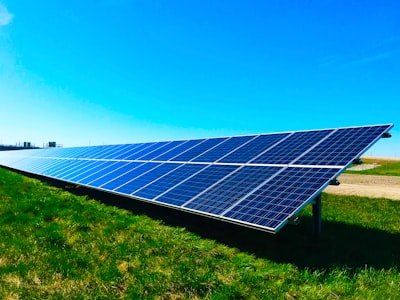
- Monocrystalline: These are the most common and efficient. They're made from a single crystal of silicon, giving them a uniform dark appearance and generally better performance, especially in lower light conditions. They're typically more expensive but also more space-efficient.
- Polycrystalline: Made from multiple silicon fragments, these have a slightly lower efficiency and a bluer, speckled appearance. They're generally more affordable. For most homeowners, monocrystalline is the preferred choice due to its efficiency and sleek look.
- Panel Efficiency: Look for panels with higher efficiency ratings (typically 19-22% or more). This means they convert more sunlight into electricity per square foot, which is great if you have limited roof space.
- Durability and Warranties: Choose panels from reputable manufacturers with strong product and performance warranties (25-year performance warranty is standard, and product warranties are often 12-25 years). Brands like SunPower, LG (though they are exiting the panel market, existing products are still serviced), REC, and Q CELLS are well-regarded.
Inverters
Inverters convert the DC electricity from your panels into AC electricity usable by your home.
- String Inverters: These are a single, central unit that converts DC from an entire "string" of panels. They're cost-effective but if one panel is shaded or underperforming, it can affect the whole string.
- Microinverters: Each solar panel has its own microinverter. This means each panel operates independently, maximizing individual panel output. If one panel is shaded, the others aren't affected. They also allow for panel-level monitoring. They're more expensive upfront but offer better performance in varied conditions and often come with longer warranties. Brands like Enphase and SolarEdge (which uses optimizers with a central inverter) are leaders here.
- Hybrid Inverters: These are designed to work with both solar panels and battery storage, simplifying the system for homeowners looking for backup power.
Racking and Mounting Systems
These secure your panels to your roof.
- Material Quality: Look for durable, corrosion-resistant materials like aluminum or stainless steel.
- Roof Compatibility: The racking system needs to be specifically designed for your roof type (shingle, tile, metal, flat). A good installer will ensure proper flashing and sealing to prevent leaks.
Solar Batteries (Optional, but Recommended for Backup)
If you want to store excess solar energy for use during power outages or at night, batteries are key.
- Capacity: Measured in kilowatt-hours (kWh), this indicates how much energy the battery can store. Your needs depend on how long you want to power essential loads.
- Power Output: Measured in kilowatts (kW), this is how much power the battery can deliver at one time.
- Brands: Tesla Powerwall, Enphase Encharge, LG Chem RESU, and Generac PWRcell are popular choices.
Choosing quality equipment might mean a slightly higher upfront cost, but it pays off in greater efficiency, longer lifespan, fewer maintenance issues, and better warranties. Don't skimp on the core components of your solar energy system!
Benefits of Going Solar
Okay, let's talk about the good stuff, the reasons why so many homeowners are making the switch. The benefits of residential solar installation are numerous and often compound over time:
- Significant Electricity Bill Savings: This is the most immediate and tangible benefit. By generating your own power, you dramatically reduce or even eliminate your monthly electricity bill. Over the lifespan of your system, these savings can amount to tens of thousands of dollars.
- Increased Home Value: Numerous studies, including those by the National Renewable Energy Laboratory (NREL), show that homes with solar panels sell for more money and often sell faster than comparable homes without solar. It's a desirable upgrade.
- Hedge Against Rising Energy Costs: Utility rates have historically increased over time. With solar, you essentially lock in your electricity costs. You become less vulnerable to future price hikes from your utility company.
- Reduced Carbon Footprint: Using solar energy means less reliance on fossil fuels, which translates to fewer greenhouse gas emissions. You're contributing directly to a cleaner, healthier environment for everyone. It's a feel-good benefit that also has a real impact.
- Energy Independence and Grid Resilience: Generating your own power means less dependence on the centralized grid. With a battery storage system, you gain even more resilience, keeping your lights on and essentials running during power outages.
- Eligibility for Financial Incentives: The federal solar tax credit (ITC) is a huge incentive, providing a significant percentage of your system cost back as a tax credit. Many states and local municipalities offer additional rebates, grants, or performance-based incentives (like SRECs), making solar more affordable.
- Low Maintenance: Once installed, solar systems require very little maintenance. Panels are durable and designed to withstand harsh weather. Most come with long warranties, giving you peace of mind.
- Quiet and Clean Operation: Unlike some generators, solar panels operate silently and produce no emissions at the point of use. They're a clean, unobtrusive addition to your home.
When you add all these up, it's clear that going solar isn't just a trend; it's a smart, sustainable, and financially rewarding decision for any homeowner.
Common Mistakes To Avoid
I've seen my share of solar projects, and sadly, I've also seen where homeowners go wrong. Avoiding these common pitfalls can save you a lot of grief and money in the long run:
- Skipping the Roof Inspection/Replacement: This is a big one. Solar panels are going to be on your roof for 25-30 years. If your roof is already old or showing signs of wear, replacing it *before* solar installation is a must. Tearing down and reinstalling panels later to do a roof repair is a costly, unnecessary headache.
- Not Getting Multiple Quotes: As I mentioned, comparing at least three detailed proposals is critical. Different contractors offer different equipment, warranties, and pricing structures. Don't settle for the first offer.
- Focusing Only on the Lowest Price: The cheapest bid isn't always the best. A rock-bottom price might mean lower quality equipment, less experienced installers, or cutting corners on permits and safety. Look for value, not just the lowest number.
- Ignoring Shading Issues: A few trees might seem harmless, but even partial shading on a few panels can significantly reduce the output of your entire system, especially with string inverters. A good contractor will identify and address these issues, perhaps recommending tree trimming or microinverters.
- Misunderstanding Financing Options: Solar loans, leases, PPAs (Power Purchase Agreements), and cash purchases each have pros and cons. Understand the long-term financial implications of each. For example, with a lease or PPA, you don't own the system, which can affect incentives and home value.
- Forgetting About Maintenance and Warranties: Know what's covered and for how long. Ask about ongoing monitoring and what happens if your system underperforms. A reliable solar company stands behind their work.
- Attempting DIY Installation: Unless you are a licensed electrician and roofer with specific solar experience, this is a dangerous and likely non-code-compliant mistake. Electrical work, roof penetrations, and structural integrity are not areas for amateur hour.
- Overlooking Local Incentives: Beyond the federal tax credit, many states and cities offer their own programs. Your contractor should be well-versed in these, but it's good to do a little research yourself so you know what questions to ask.
Educate yourself, ask tough questions, and trust your instincts. A little diligence upfront saves a lot of trouble later.
Maintenance Checklist for Your Solar System
The great thing about residential solar panels is how little maintenance they generally need. They're built tough! But a little proactive care can ensure they operate at peak efficiency for decades. Here’s a simple checklist:
- Annual Visual Inspection:
- Check for Debris: Are there leaves, dirt, or bird droppings accumulating on the panels?
- Look for Damage: Any cracked glass, loose wiring, or signs of animal nesting?
- Inspect Racking: Are all mounts secure? No signs of rust or shifting?
- Check for Shading Changes: Have nearby trees grown, or new structures been built that might cause new shading?
- Panel Cleaning (As Needed):
- In most areas, rain is enough to keep panels clean.
- If you live in a dusty area, near heavy industry, or notice a significant drop in production, a gentle cleaning might be beneficial. Use a soft brush or squeegee with plain water. Avoid harsh chemicals or abrasive materials.
- Monitor System Performance Regularly:
- Use your system's online monitoring portal or app to track daily, weekly, and monthly production.
- Look for any sudden or consistent drops in energy output that can't be explained by weather. This could indicate an issue.
- Check Your Electrical Panel:
- Periodically ensure all breakers related to your solar system are in the "on" position.
- Listen for any unusual buzzing or smells near the inverter or electrical components.
- Keep Vegetation Trimmed:
- If you have trees near your home, make sure they are trimmed to prevent shading, especially during peak sun hours. Keep an eye on new growth.
- Professional System Check-up (Every 3-5 Years):
- Consider having your original installer or another qualified solar technician perform a deeper inspection. They can check electrical connections, inverter health, and overall system integrity more thoroughly.
By following these simple steps, you can ensure your home solar power system keeps cranking out clean energy efficiently for many years to come.
Safety Tips for Solar Installations
Safety is paramount, both during the residential solar installation process and afterward. While professionals handle the heavy lifting, it's good for homeowners to be aware of the key safety considerations:
- During Installation (Leave it to the Pros!):
- No DIY: This is not a project for the untrained. Working with high-voltage electricity and on rooftops carries significant risks. Leave it to licensed and insured professionals.
- Clear the Work Area: Keep children and pets away from the installation site. Ensure the path for installers is clear of obstacles.
- Electrical Safety: Your contractor will de-energize your electrical system during much of the installation. Don't interfere with this process.
- Roof Access: Ensure safe access for installers, and don't try to climb ladders or scaffolding yourself.
- Post-Installation Safety:
- Know Your Shut-Offs: Your solar system will have a rapid shutdown switch, typically near the inverter or main electrical panel. In case of an emergency (like a fire), firefighters need to know how to quickly de-energize the system. Make sure you know where it is and how to use it (though only use it if instructed by emergency personnel or your installer).
- Labeling: Ensure all solar-related electrical components (inverters, disconnects, circuit breakers) are clearly labeled. This is usually a code requirement.
- Don't Tamper: Never attempt to modify, repair, or disconnect any part of your solar system yourself. This includes panels, wiring, or inverters. You risk electrocution or damaging the system.
- Regular Visual Checks from the Ground: As mentioned in maintenance, visually inspect your panels and wiring for any obvious damage or loose connections from a safe distance.
- Emergency Planning: If you have a battery backup system, understand its operation during a power outage. Ensure it's installed in a well-ventilated area, away from flammable materials.
- Professional Repairs: If you suspect a problem with your system, always call your installer or a qualified solar technician. Don't try to fix it yourself.
A reputable solar contractor prioritizes safety above all else. They'll follow all codes and regulations, and they'll ensure you understand the basic safety protocols for living with your new solar power system.
Cost-Saving Tips for Your Solar Project
Getting residential solar panels is a big investment, but there are plenty of ways to make it more affordable and maximize your long-term savings. Here’s how to be smart with your money:
- Maximize the Federal Solar Tax Credit (ITC): This is hands down the biggest money-saver. As of now, it's a 30% tax credit on the total cost of your system. Make sure you understand how to claim it and factor it into your financial planning. This isn't a deduction; it's a dollar-for-dollar reduction in the income taxes you owe.
- Research State and Local Incentives: Don'