Colombo Budget Travel Guide 2026 – Complete Sri Lanka Travel Guide
Colombo on a Budget: Your Ultimate Guide to an Affordable Sri Lankan Adventure
Welcome, intrepid traveler, to Colombo – Sri Lanka's bustling capital and a vibrant gateway to the teardrop island nation. Often perceived as just a stopover, Colombo is a treasure trove of culture, history, and culinary delights waiting to be discovered, and brilliantly, it's a city that welcomes budget travelers with open arms. Forget the notion that exotic travel must break the bank; Colombo proves that an immersive, enriching experience can be incredibly affordable if you know where to look.
From the chaotic charm of its markets to the serene beauty of its temples, Colombo offers a fascinating blend of old-world charm and modern dynamism. This comprehensive budget travel guide will equip you with all the knowledge you need to explore Colombo without emptying your wallet. We'll delve into everything from the cheapest ways to get around and where to find delicious, inexpensive food, to free attractions and smart money-saving tips. Get ready to embark on an unforgettable Sri Lankan adventure that proves you don't need a lavish budget to experience the best of this incredible city.
### Why Colombo is Perfect for Budget Travelers
Colombo often gets overlooked in favor of Sri Lanka's pristine beaches, ancient cities, or lush tea plantations. However, this bustling metropolis offers a unique and authentic experience for those traveling on a shoestring. Unlike some more heavily touristed destinations, Colombo retains a strong local character, meaning local prices are generally the norm outside of high-end establishments. Public transport is incredibly cheap, street food is abundant and delicious, and many of its most iconic sights can be enjoyed for free or a minimal fee. It’s a city where a few dollars can go a long way, allowing you to stretch your travel budget further and immerse yourself in the local rhythm without constantly worrying about expenses.
Getting to Colombo & Navigating on a Dime
Your budget adventure begins the moment you land. Understanding how to get to and around Colombo affordably is crucial for setting the right tone for your trip.
Arriving in Colombo: Airport Transfers that Won't Break the Bank
Bandaranaike International Airport (CMB) is located in Katunayake, about 35 km north of Colombo city center. While taxis and airport shuttles are readily available, they can be pricey.
- Public Bus: This is by far the cheapest option. Head outside the terminal building and look for public buses (usually air-conditioned, although non-AC buses are even cheaper). Buses run regularly to Colombo Central Bus Station (Pettah). The journey takes approximately 1 to 1.5 hours, depending on traffic, and costs a fraction of a taxi fare (expect around LKR 150-250 per person). Look for routes like "187" or express buses directly to Colombo.
- Train: Less frequent than buses, but a scenic and very cheap option if your schedule aligns. There's a train station near the airport (Katunayake South or Seeduwa) from where you can catch a train to Colombo Fort station. You might need a short tuk-tuk ride or walk to the station from the airport. Check schedules in advance as they are not as frequent as buses.
- Ride-sharing Apps (PickMe/Uber): While more expensive than public transport, using apps like PickMe or Uber can be a good middle ground if you're traveling with luggage or a small group. You can often share rides or opt for a budget car. Always confirm the fare before accepting.
Getting Around Colombo: Embrace Local Transport
Once in Colombo, navigating the city affordably is surprisingly easy and part of the experience.
- Walking: For short distances, especially within compact areas like Fort or Pettah, walking is the best way to soak in the atmosphere and completely free!
- Public Buses: Colombo's bus network is extensive, chaotic, and incredibly cheap. A ride across town might cost you as little as LKR 20-50. Don't be shy; hop on and ask the conductor for your stop. It's an authentic local experience and a great way to save.
- Trains: For longer distances within the city or day trips to nearby coastal towns, trains are a fantastic option. They offer picturesque views and are very budget-friendly. Colombo Fort Railway Station is the main hub.
- Tuk-tuks: The iconic three-wheeled auto-rickshaws are ubiquitous and an essential Colombo experience. Always negotiate the fare beforehand or insist on a meter. Many tuk-tuks now use meters, especially those associated with apps like PickMe or Uber. A short ride might cost LKR 150-300. Be wary of un-metered tuk-tuks around tourist areas, as they tend to quote inflated prices.
- Ride-sharing Apps (PickMe/Uber): For convenience and transparency, PickMe and Uber are excellent choices. They offer tuk-tuk and car options with upfront pricing, removing the need for haggling. They are slightly more expensive than negotiating with a street tuk-tuk but offer peace of mind.
Budget Accommodation in Colombo: Sleep Smart, Save Big
Finding comfortable yet affordable accommodation is key to a successful budget trip. Colombo offers a range of options catering to various preferences without breaking the bank.
Hostels: The Backpacker's Best Friend
Colombo has a growing number of hostels, especially popular with solo travelers and backpackers. They offer dormitory beds, private rooms, and a communal atmosphere perfect for meeting fellow travelers.
- Average Price: A dorm bed can cost anywhere from LKR 1,500 - 3,500 (USD 5-12) per night. Private rooms will be higher, usually LKR 4,000 - 7,000 (USD 13-23).
- Where to Look: Areas like Kollupitiya (Colombo 3), Bambalapitiya (Colombo 4), and near Galle Face Green are popular for their central location and accessibility.
- Tips: Look for hostels with free breakfast, common kitchens, and good Wi-Fi to maximize savings and convenience.
Guesthouses & Homestays: Authentic & Affordable
For a more local experience and often better value, consider guesthouses or homestays. These are usually family-run establishments offering comfortable rooms, sometimes with shared bathrooms, but always with a warm welcome.
- Average Price: Expect to pay LKR 3,000 - 8,000 (USD 10-27) for a private room, depending on location and amenities.
- Benefits: You often get personalized service, home-cooked meals (sometimes for an extra fee, but usually very reasonable), and invaluable local tips from your hosts.
- Where to Look: Check out booking platforms like Booking.com or Airbnb, filtering by price and location. These are often found slightly away from the absolute city center, offering a quieter, more residential feel.
Budget Hotels: When You Need a Bit More Comfort
If hostels aren't your style but you still want to keep costs down, Colombo has a decent selection of budget hotels. These typically offer private rooms with en-suite bathrooms, air conditioning, and basic amenities.
- Average Price: A budget hotel room can range from LKR 6,000 - 12,000 (USD 20-40) per night.
- Tips: Look for hotels slightly off the main thoroughfares or in less touristy districts for better rates. Always check recent reviews for cleanliness and service.
Savoring Colombo on a Budget: A Culinary Journey for Less
Sri Lankan cuisine is a highlight of any trip, and Colombo is a fantastic place to dive into its rich flavors without breaking the bank. Eating like a local is not only cheaper but also offers a more authentic taste of the city.
Street Food Delights: The Heart of Colombo's Cuisine
Colombo's streets come alive with vendors offering an incredible array of snacks and quick meals. This is where you'll find the most authentic and cheapest food.
- Kottu Roti: A quintessential Sri Lankan dish. Chopped roti bread stir-fried with vegetables, egg, and your choice of meat or seafood. It's delicious, filling, and incredibly cheap (LKR 300-600). Look for places where you can hear the rhythmic clanging of the metal blades – that's how you know it's fresh!
- Hoppers (Appa) & String Hoppers (Indi Appa): A bowl-shaped pancake made from fermented rice flour and coconut milk, often served with an egg inside (egg hopper). String hoppers are steamed rice flour noodles. Both are perfect for breakfast or dinner, served with sambol (coconut relish) or curry. Prices range from LKR 50-150 per hopper.
- Samosas, Vadai, & Patties: Small, savory fried snacks found at almost every street stall. Perfect for a quick bite or snack on the go. Prices are usually LKR 50-100 each.
- Short Eats: A broad category covering a variety of baked or fried snacks like fish buns, rolls, and cutlets. Found in bakeries and small cafes, great for a cheap lunch or snack.
- Where to Find Them: Galle Face Green in the evenings is a bustling hub for street food. Pettah Market area also has countless stalls, and you'll find vendors scattered throughout the city.
Local Eateries & 'Hotels': Rice & Curry Paradise
For a more substantial meal, head to local "hotels" (small restaurants, not necessarily offering accommodation) or eateries. These are where locals eat daily, guaranteeing authentic flavors and budget-friendly prices.
- Rice & Curry: The national dish! A generous portion of rice served with several vegetable curries, dhal, and often a choice of fish or chicken curry. It's incredibly flavorful, varied, and offers amazing value. Expect to pay LKR 350-700 for a large plate.
- Lamprais: A Dutch-Burgher dish, rice cooked in stock, served with a special curry, frikadels (meatballs), and sambol, all wrapped in a banana leaf and baked. A must-try! Prices vary, but usually LKR 500-900.
- Veggie Options: Sri Lanka is very vegetarian-friendly. Many curries are vegetable-based, and you can easily find purely vegetarian rice & curry meals.
- Tips: Look for places that are busy with locals – that's usually a sign of good, fresh food. Don't be afraid to point at what looks good!
Markets & Supermarkets: DIY Meals & Snacks
To further cut down on food costs, consider buying fresh produce, snacks, and drinks from local markets and supermarkets.
- Pettah Market: A sensory overload but fantastic for fresh fruits, vegetables, and spices at local prices. Grab exotic fruits like rambutan, mangosteen, or wood apple for cheap.
- Supermarkets: Major chains like Cargills Food City or Arpico Supercentre have branches throughout Colombo. Stock up on water, juices, biscuits, and easy-to-prepare items if your accommodation has a kitchen.
Hydration on the Cheap
Staying hydrated is crucial in Colombo's tropical climate.
- Water: Always drink bottled or filtered water. A 1-liter bottle costs around LKR 80-150. Consider carrying a reusable water bottle and refilling it at your accommodation or cafes that offer filtered water to reduce plastic waste and save money.
- Fresh Juice: Street vendors and small shops offer delicious fresh fruit juices for LKR 150-300. Try lime, mango, or passion fruit.
- King Coconut (Thambili): Refreshing, natural, and packed with electrolytes. A king coconut costs about LKR 100-200, and vendors will often chop it open for you to drink directly.
Free & Cheap Things to Do in Colombo: Explore Without Emptying Your Pockets
Colombo is rich in attractions that cater to the budget-conscious traveler. Many of its most engaging experiences are free or come with a very low entrance fee.
Wander Through Galle Face Green
This iconic urban park stretches along the coastline, offering spectacular views of the Indian Ocean, especially at sunset. It's a popular spot for locals to relax, fly kites, and enjoy street food.
- Experience: Join the locals in the evening, sample some *isso wade* (prawn cakes) from a vendor, and watch the kite flyers and families enjoying the sea breeze. It's a vibrant, authentic experience.
Explore the Historic Fort & Pettah Markets
Dive into the heart of old Colombo. The Fort area, once a walled city, is now a mix of colonial-era buildings, modern offices, and government institutions. Adjacent to it is the sprawling, chaotic, and utterly fascinating Pettah Market.
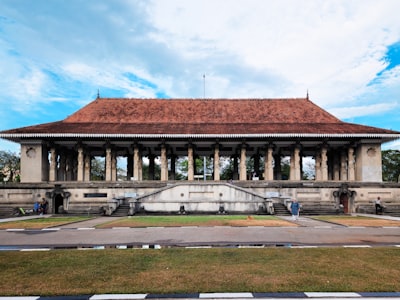
- Fort: Marvel at the Old Parliament Building, the historic Cargills building, and the Grand Oriental Hotel. You can also glimpse the lighthouse and clock tower.
- Pettah: Get lost in the labyrinthine streets of Pettah. This bustling market is a sensory overload of sights, sounds, and smells. You'll find everything from textiles and electronics to fresh produce, spices, and gemstones. It's a photographer's dream and a great place to absorb local life. Remember to practice safe wandering and keep an eye on your belongings.
Visit Temples & Mosques (Respectfully)
Colombo is a melting pot of cultures and religions, reflected in its beautiful places of worship.
- Gangaramaya Temple: One of Colombo's most important and eclectic temples. It features a unique blend of Sri Lankan, Thai, Indian, and Chinese architecture. There's a small museum and a vast collection of artifacts.
- Cost: Small entrance fee (around LKR 300-500).
- Tips: Dress modestly (shoulders and knees covered). Remove your shoes before entering.
- Seema Malaka Temple: Part of the Gangaramaya complex, this temple floats serenely on Beira Lake, designed by the renowned architect Geoffrey Bawa. It's incredibly picturesque, especially at sunset.
- Cost: Usually included in Gangaramaya ticket or very small separate fee.
- Jami Ul-Alfar Mosque (Red Mosque): A striking landmark in Pettah, known for its distinctive red and white striped facade. While non-Muslims can sometimes enter certain areas, it's generally best to admire its beauty from the outside, especially if you're not appropriately dressed.
- Cost: Free to admire from outside.
Relax at Viharamahadevi Park
Colombo's largest and oldest park, named after the mother of King Dutugemunu. It's a peaceful green oasis perfect for an afternoon stroll or a picnic.
- Experience: Enjoy the lush greenery, spot local families picnicking, and admire the majestic Buddha statue and the beautiful fountains.
Discover the National Museum (Low Entry Fee)
For a dose of history and culture, the National Museum of Colombo houses a vast collection of artifacts, including royal regalia from the Kandyan Kingdom and ancient Buddhist sculptures.
- Cost: Relatively low entrance fee (around LKR 600-1000 for foreigners).
- Tips: Allocate a couple of hours to explore the various galleries.
Stroll Around Beira Lake
This picturesque lake in the heart of the city offers a tranquil escape from the urban hustle. You can rent paddle boats or simply enjoy a leisurely walk along its banks.
- Cost: Free to walk around. Paddle boat rentals are available for a small fee.
- Experience: Visit the Seema Malaka Temple located on a small island, and keep an eye out for the resident pelicans and other birds.
Art & Culture: Galleries & Street Art
Colombo has a burgeoning arts scene.
- Paradise Road Galleries: While some galleries might have high-end art, many allow free browsing.
- Street Art: Keep an eye out for vibrant murals and street art, particularly in areas like Horton Place and some backstreets of Kollupitiya.
Beach Time (A Short Trip Away)
While Colombo itself isn't known for its beaches, Mount Lavinia, just a short bus or train ride south, offers a decent stretch of sand popular with locals.
- Cost: Bus/train fare (LKR 50-100).
- Experience: Enjoy the sunset, have a cheap beer at a beachside shack, or take a dip in the ocean.
Sample 3-Day Colombo Budget Itinerary
This itinerary balances key sights with local experiences, all while keeping your budget in mind.
Day 1: Heritage & Hustle
- Morning (Free/Cheap): Start at Galle Face Green. Walk along the promenade, enjoy the sea breeze.
- Late Morning (Free/Cheap): Head into the Fort area. Admire the colonial architecture, the Old Parliament, and the lighthouse.
- Lunch (Budget): Grab short eats from a local bakery or a cheap rice & curry from an eatery in Fort or Pettah.
- Afternoon (Free): Dive into the sensory overload of Pettah Market. Explore the various streets, from spice sellers to fabric shops.
- Evening (Budget): Back to Galle Face Green for sunset, followed by Kottu Roti from a street vendor for dinner.
- Estimated Daily Spend (excluding accommodation): LKR 1,500 - 2,500 (approx. USD 5-8).
Day 2: Culture & Calm
- Morning (Low Cost): Visit Gangaramaya Temple and the serene Seema Malaka Temple on Beira Lake. Spend time appreciating the architecture and artifacts.
- Late Morning (Low Cost): Walk around Beira Lake, maybe rent a paddle boat for a small fee.
- Lunch (Budget): Find a local "hotel" for a delicious rice & curry set meal.
- Afternoon (Low Cost): Explore the National Museum of Colombo to delve into Sri Lankan history and culture.
- Evening (Budget): Enjoy a quiet dinner at a local guesthouse or try more street food (hoppers!) in your chosen area.
- Estimated Daily Spend (excluding accommodation): LKR 2,000 - 3,500 (approx. USD 7-12).
Day 3: Markets & Modernity
- Morning (Free/Cheap): Head to Pettah Market again if you want to pick up some cheap souvenirs or try specific street food you missed. Alternatively, explore a different local market.
- Late Morning (Free): Relax at Viharamahadevi Park, enjoying the greenery and escape from the city noise.
- Lunch (Budget): Try a Lamprais from a well-known local spot or grab some cheap roti and curries.
- Afternoon (Free/Budget): Take a short bus or train ride to Mount Lavinia Beach. Relax on the sand, enjoy the ocean.
- Evening (Budget): Enjoy a budget dinner at one of the beach shacks in Mount Lavinia or head back to Colombo for your favorite budget meal.
- Estimated Daily Spend (excluding accommodation): LKR 1,500 - 3,000 (approx. USD 5-10).
*(Note: These are estimates for food and activities; transport costs are minimal but add up.)*
Essential Budget Travel Tips for Colombo
Beyond just knowing where to go and eat, adopting certain habits can significantly impact your budget.
Master the Art of Haggling
- Tuk-tuks & Markets: For tuk-tuks not on a meter, always negotiate the price *before* you start the journey. Aim for about 30-50% off the initial quote. In markets, especially Pettah, haggling is expected, particularly if you're buying multiple items. Start low and work your way up. Do it respectfully and with a smile.
Get a Local SIM Card
- Stay Connected: Immediately upon arrival at the airport, purchase a local SIM card (Dialog, Mobitel, or Airtel are popular providers). They are inexpensive (LKR 500-1500 for a tourist package with data) and essential for using ride-sharing apps, navigation, and staying in touch.
Drink Tap Water (Boiled/Filtered) or Refill
- Avoid Plastic & Save Money: While tap water isn't generally recommended for direct drinking by tourists, if your accommodation provides boiled and filtered water, use it! Otherwise, invest in a good reusable water bottle and look for refill stations, or buy large 5-liter bottles from supermarkets to decant into your smaller bottle. This significantly cuts down on single-use plastic and costs.
Walk Whenever Possible
- Explore & Save: For shorter distances, walking allows you to discover hidden gems, observe local life, and, of course, save money on transport. Wear comfortable shoes!
Avoid Tourist Traps
- Be Skeptical: Be wary of unsolicited guides or touts offering "special" deals or trying to take you to specific shops. Politely decline and follow your own itinerary. Research restaurants and shops online before visiting.
Be Mindful of Exchange Rates
- Local Currency: Sri Lankan Rupee (LKR). Always carry small denominations for tuk-tuks, street food, and small purchases.
- ATMs: Withdraw money from reputable banks. Inform your bank before traveling.
Safety in Colombo
Colombo is generally a safe city for tourists. However, like any major city, it's wise to take precautions:
- Pickpocketing: Be aware of your belongings, especially in crowded areas like Pettah Market and on public buses.
- Tuk-tuk Scams: Stick to metered tuk-tuks or use ride-sharing apps. Confirm the price before you start.
- Nighttime: Avoid walking alone in poorly lit areas at night. Use a reputable taxi or ride-sharing service.
- Scams: Be polite but firm with touts. Do your research on attractions and prices.
Best Time to Visit Colombo on a Budget
The dry season, from
December to March, is generally considered the best time to visit Colombo, with less humidity and pleasant temperatures. This is also peak tourist season, so accommodation prices might be slightly higher.
- Shoulder Seasons: April and mid-July to September can offer a good balance of weather and potentially lower prices for flights and accommodation as tourist numbers might dip slightly before the next peak or after the previous one. You might experience occasional rain showers, but they are usually short-lived.
- Off-Peak: The monsoon season (May to July and October to November) sees heavy rainfall, which might make exploring less comfortable, though prices will be at their lowest.
Traveling during the shoulder or off-peak seasons can be a great budget strategy, but be prepared for the weather.
Frequently Asked Questions (FAQ) About Budget Travel in Colombo
### Is Colombo expensive for tourists?
No, Colombo can be very affordable for tourists, especially if you embrace local transport, eat street food and at local eateries, and opt for budget-friendly accommodation like hostels or guesthouses. Your budget will stretch far here compared to many Western cities.
### What is a reasonable daily budget for Colombo?
A reasonable daily budget for a budget traveler in Colombo, excluding long-distance transport, could be around
LKR 6,000 - 10,000 (approx. USD 20-35) per person. This typically covers a dorm bed or a very basic private room, local meals, public transport, and a few low-cost attractions. You can definitely go lower if you're extremely frugal, or higher if you want more comfort.
### How much does a tuk-tuk cost in Colombo?
For short rides within the city (1-3 km), a metered tuk-tuk should cost between
LKR 150 - 300. If negotiating, start with a lower offer. Using apps like PickMe or Uber for tuk-tuks will give you an upfront price and avoid haggling.
### Can I drink tap water in Colombo?
It is generally
not recommended to drink tap water directly in Colombo. Always stick to bottled water, boiled and filtered water provided by your accommodation, or purified water from reliable sources. Carry a reusable water bottle and refill to save money and reduce plastic waste.
### What are some free things to do in Colombo?
Absolutely! You can enjoy
Galle Face Green, wander through the
Pettah Market and
Fort area, visit
Viharamahadevi Park, and admire the exterior of architectural wonders like the
Jami Ul-Alfar Mosque. Strolling along
Beira Lake is also free.
### Is it safe to walk around Colombo at night?
Generally, yes, main tourist areas and busy streets are safe for walking at night. However, it's always advisable to be cautious, avoid poorly lit or deserted areas, and use reputable taxi services or ride-sharing apps like PickMe or Uber, especially if you're alone.
### How much does a meal cost in Colombo?
A local meal like a plate of
Kottu Roti or a
rice & curry set can cost anywhere from
LKR 300 - 700 at a street stall or local eatery. Snacks like samosas are around LKR 50-100. A more upscale meal in a tourist restaurant would be significantly higher.
### Do I need a visa for Sri Lanka?
Most nationalities require an Electronic Travel Authorization (ETA) to enter Sri Lanka. It can be applied for online before your trip. Always check the latest visa requirements for your specific nationality with the Sri Lankan embassy or consulate, or through their official immigration website.
## Conclusion: Your Affordable Colombo Adventure Awaits!
Colombo might not boast the same pristine beaches or ancient ruins as other parts of Sri Lanka, but it offers something uniquely its own: a bustling, vibrant, and surprisingly affordable urban experience. By following the tips and recommendations in this guide, you’re now well-equipped to navigate its lively streets, savor its incredible cuisine, and explore its rich cultural tapestry without overspending.
Embrace the local way of life – haggle for a tuk-tuk, feast on street food, wander through chaotic markets, and discover serene temples. Your budget-friendly adventure in Colombo will not only save you money but will also offer a deeper, more authentic connection to the heart of Sri Lanka. So pack your bags, prepare for an unforgettable journey, and get ready to experience the magic of Colombo on your terms. The Pearl of the Indian Ocean awaits, ready to be explored affordably!