Marrakech Visa Guide 2026 – Complete Morocco Travel Guide
Marrakech Visa Guide: Your Ultimate Passport to the Red City's Enchanting Magic
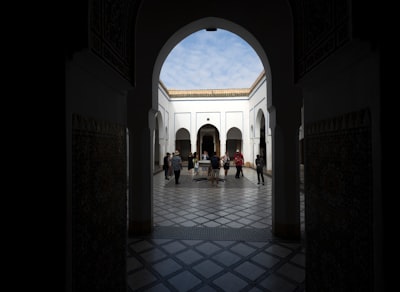
Marrakech, often dubbed "The Red City," is a kaleidoscope of vibrant colors, intoxicating aromas, and bustling energy that captivates every traveler. From the snake charmers and storytellers of Djemaa el-Fna square to the serene beauty of the Bahia Palace and the labyrinthine souks, Marrakech offers an unforgettable journey into Moroccan culture. However, before you can lose yourself in its ancient alleys and vibrant markets, understanding the visa requirements for Morocco is a crucial first step. This comprehensive guide will walk you through everything you need to know about securing your entry into this magical North African gem, ensuring a smooth and hassle-free travel experience.
Morocco, as a whole, maintains a consistent visa policy across all its cities, meaning the requirements for entering Marrakech are the same as for any other destination within the Kingdom. While many nationalities enjoy visa-free entry for short stays, others will need to apply for a visa in advance. Navigating these regulations can seem daunting, but with the right information, you'll be well on your way to experiencing the wonders of Marrakech. Let’s dive into the specifics, covering everything from visa exemptions to application processes, essential documents, and vital travel tips.
General Visa Information for Morocco/Marrakech
Morocco's visa policy is designed to facilitate tourism and business while maintaining national security. The primary factor determining whether you need a visa is your nationality. The Kingdom of Morocco has bilateral agreements with numerous countries, allowing their citizens to enter for tourism purposes without a visa for a specified period, typically 90 days. For all other nationalities, a visa must be obtained from a Moroccan embassy or consulate in their country of residence before travel.
It is paramount to always verify the most current visa requirements with the official Moroccan Ministry of Foreign Affairs or your nearest Moroccan embassy/consulate well in advance of your planned travel date. Visa policies can change, and relying on outdated information could jeopardize your trip. This guide provides general information, but official sources should always be your final point of reference.
Visa-Exempt Countries: Who Can Enter Morocco Freely?
A significant number of countries enjoy visa-free entry into Morocco for tourism, typically for a period of up to 90 days. This exemption simplifies travel planning for many visitors, allowing them to focus more on anticipating the vibrant experiences Marrakech has to offer. The 90-day period begins from the date of your arrival in Morocco.
List of Key Visa-Exempt Nationalities
The list of visa-exempt countries is extensive and includes, but is not limited to, citizens from the following regions:
- European Union (EU) Countries: All 27 member states, including France, Germany, Spain, Italy, Belgium, Netherlands, Sweden, etc.
- North America: United States of America, Canada.
- Oceania: Australia, New Zealand.
- South America: Argentina, Brazil, Chile, Colombia, Côte d'Ivoire, Mexico, Peru, Venezuela.
- Asia: Japan, South Korea, China (for certain passport types and conditions, often group tours), Indonesia, Philippines, Malaysia, Singapore, United Arab Emirates, Saudi Arabia, Qatar, Bahrain, Kuwait, Oman.
- Africa: Algeria, Tunisia, Senegal, Gabon, Republic of Congo, Mali, Niger, Guinea, Mauritania, etc. (Note: Many African countries have visa-free arrangements, but it's crucial to check specifics).
- Other Notables: Switzerland, United Kingdom, Norway, Iceland, Liechtenstein, Monaco, San Marino, Andorra.
This list is not exhaustive, and the exact terms can sometimes vary, especially concerning specific passport types (e.g., diplomatic, service, ordinary). Always double-check your nationality's specific status.
Requirements for Visa-Exempt Travelers
Even if you are from a visa-exempt country, you still need to meet certain basic entry requirements upon arrival in Marrakech (or any Moroccan port of entry):
1.
Valid Passport: Your passport must be valid for at least six months beyond your intended date of departure from Morocco. This is a critical requirement often overlooked.
2.
Sufficient Blank Pages: Ensure your passport has at least one or two blank pages for entry and exit stamps.
3.
Proof of Onward/Return Ticket: Immigration officials may request proof that you intend to leave Morocco within the permitted 90-day period. This could be a confirmed flight ticket out of the country.
4.
Proof of Accommodation: While not always strictly enforced for visa-exempt tourists, having confirmed hotel bookings, a riad reservation, or an invitation letter if staying with friends/family can expedite the immigration process.
5.
Sufficient Funds: You should be able to demonstrate that you have adequate financial means to support yourself during your stay. While specific amounts are rarely checked for tourists, credit cards, bank statements, or sufficient cash can serve as proof.
6.
Purpose of Visit: Your visit must be for tourism, family visits, or other non-remunerated activities. Engaging in work without a proper work visa is illegal.
7.
No Prohibited Items/Activities: Adherence to Moroccan laws and customs is expected.
Upon arrival at Marrakech Menara Airport (RAK) or any other entry point, immigration officers will review your documents and stamp your passport with your entry date. This stamp serves as your official record of entry and the start of your permitted stay.
Countries Requiring a Visa for Morocco
If your nationality is not on the visa-exempt list, you will need to apply for a visa before traveling to Marrakech. The process involves submitting an application and supporting documents to a Moroccan embassy or consulate in your country of residence.
Overview of Visa Categories
For tourism to Marrakech, the primary visa category you will need is the
Short-Stay Tourist Visa. Other categories exist for specific purposes, such as:
- Business Visa: For individuals traveling for professional meetings, conferences, or trade fairs.
- Student Visa: For those enrolled in educational institutions in Morocco.
- Work Visa: Requires a job offer and approval from Moroccan authorities.
- Family Reunification Visa: For individuals joining family members who are residents in Morocco.
This guide will primarily focus on the Tourist Visa, as it is the most common for visitors to Marrakech.
General Application Process for a Moroccan Visa
The visa application process typically involves several steps:
1.
Identify the Nearest Embassy/Consulate: Locate the Moroccan embassy or consulate that has jurisdiction over your place of residence. Their websites will have the most up-to-date application forms and specific instructions.
2.
Obtain Application Form: Download the visa application form from the embassy's website or pick it up in person.
3.
Gather Required Documents: This is the most critical step. A comprehensive list of documents is provided below. Ensure all documents are current, correctly filled out, and translated into Arabic or French if required.
4.
Pay the Application Fee: Visa fees are non-refundable and vary by nationality and the type of visa. Check the embassy's website for the exact amount and accepted payment methods (cash, money order, bank transfer).
5.
Submit Your Application: Depending on the embassy, you might need to submit your application in person, by mail, or through an authorized visa application center. Some embassies may require an appointment.
6.
Attend an Interview (If Required): Some applicants may be called for a personal interview to discuss their travel plans and intent.
7.
Await Decision: Processing times can vary significantly, from a few days to several weeks or even months, depending on the embassy, your nationality, and the complexity of your application. It is crucial to apply well in advance of your travel date.
8.
Passport Retrieval: Once a decision is made, you will be notified to collect your passport with the visa (if approved).
Required Documents for a Tourist Visa
While specific requirements can vary slightly between embassies, the following documents are generally required for a Short-Stay Tourist Visa for Morocco:
1.
Completed Visa Application Form: Duly filled out and signed.
2.
Original Passport: Must be valid for at least six months beyond your intended stay and contain at least two blank visa pages.
3.
Photocopy of Passport: Copies of the main bio-data page and any previously issued visas.
4.
Passport-Sized Photos: Usually two recent, identical, colored passport-sized photos (3.5 cm x 4.5 cm) with a white background. Ensure they meet international standards.
5.
Flight Itinerary/Round-Trip Ticket: Confirmed bookings for your flights into and out of Morocco. This demonstrates your intent to leave the country.
6.
Proof of Accommodation: Confirmed hotel reservations, riad bookings, or a notarized invitation letter from a host in Morocco (with a copy of their ID/residence permit).
7.
Proof of Financial Means: Bank statements from the last three to six months, salary slips, or a letter from your employer confirming your income. This proves you can support yourself financially during your trip.
8.
Travel Insurance: While not always strictly mandatory, comprehensive travel insurance covering medical emergencies, repatriation, and trip cancellations is highly recommended and sometimes requested.
9.
Letter of Employment/Leave Letter: A letter from your employer stating your position, salary, and approved leave dates. If self-employed, provide business registration documents.
10.
Students: A letter from your educational institution confirming enrollment and approved leave.
11.
Purpose of Visit Letter: A personal cover letter explaining your travel itinerary, the purpose of your visit, and a declaration of your intent to return to your home country.
12.
Visa Fee Receipt: Proof of payment of the non-refundable visa application fee.
13.
For Minors: Birth certificate, parental authorization letter, and copies of parents' passports.
Important Note: Always provide original documents where requested, along with photocopies. It is advisable to keep a copy of your entire application package for your records. Any missing or incorrect documentation can lead to delays or rejection of your visa application.
Extending Your Stay in Morocco
For travelers from visa-exempt countries, the standard maximum stay is 90 days within any 180-day period. For those who entered on a visa, the duration is specified on their visa sticker. If you wish to extend your stay beyond this period, you must apply for an extension.
The process for extending your stay in Morocco typically involves applying at the local Police Prefecture (Sûreté Nationale) in the city where you are residing, such as Marrakech. This must be done
before your current authorized stay expires.
Documents Needed for an Extension
While requirements can vary, you will generally need:
- Your passport with the entry stamp.
- Copies of your passport's bio-data page and entry stamp.
- Completed application form for extension of stay.
- Proof of financial means for the extended period.
- Proof of accommodation for the extended period (hotel booking, lease agreement, or invitation letter).
- A valid, justified reason for the extension (e.g., medical reasons, ongoing studies, unforeseen circumstances). Simple desire to stay longer might not be sufficient.
Challenges and Recommendations
Obtaining an extension is not guaranteed and can be a lengthy process. It is advisable to:
- Apply Early: Begin the process several weeks before your 90-day limit approaches.
- Have a Valid Reason: A strong and justifiable reason increases your chances of approval.
- Be Patient: Bureaucratic processes can take time.
- Seek Local Advice: If possible, consult with a local lawyer or expat community for the most current advice.
Consequences of Overstaying
Overstaying your visa or permitted visa-free period in Morocco can lead to serious consequences. These may include:
- Fines: Significant monetary penalties upon departure.
- Detention: In some cases, overstayers may face detention.
- Deportation: You could be deported from the country.
- Entry Ban: A future ban from re-entering Morocco for a certain period.
It is always best to adhere strictly to the immigration laws and depart within your authorized period or secure an extension.
Important Travel Tips & Considerations for Marrakech
Beyond visa requirements, a smooth trip to Marrakech also involves preparing for the local environment and customs.
Passport Validity
Always ensure your passport is valid for at least six months *beyond* your planned departure date from Morocco. This is a common international standard and a non-negotiable requirement for entry.
Travel Insurance
Comprehensive travel insurance is highly recommended. It should cover medical emergencies, trip cancellations, lost luggage, and personal liability. Healthcare facilities in Morocco can be expensive, and having insurance provides peace of mind.
Health & Safety
- Vaccinations: Consult your doctor about recommended vaccinations (e.g., Hepatitis A, Typhoid).
- Food & Water: Drink bottled water only. Be cautious with street food, ensuring it's hot and freshly cooked.
- Sun Protection: Marrakech can be very hot, especially during summer. Wear sunscreen, a hat, and stay hydrated.
- Petty Crime: Be aware of pickpocketing and minor scams, especially in crowded areas like Djemaa el-Fna and the souks. Keep valuables secure.
Local Laws & Customs
Morocco is a Muslim country, and visitors are expected to respect local laws and customs.
- Dress Code: While Marrakech is relatively liberal, modest clothing is appreciated, especially when visiting religious sites. Shoulders and knees should be covered.
- Alcohol: Alcohol is available in tourist establishments but not openly consumed in public.
- Photography: Always ask permission before photographing individuals, especially women.
- Bargaining: Bargaining is expected in the souks. Do it respectfully and with a smile.
- Friday Prayer: Many shops and businesses may close or have reduced hours on Friday afternoons for congregational prayers.
Currency & Budgeting
The local currency is the Moroccan Dirham (MAD). While credit cards are accepted in larger hotels and restaurants, cash is essential for smaller purchases, souks, and taxis. ATMs are widely available. Tipping is customary for various services.
Getting Around Marrakech
- Taxis: "Petit taxis" (small beige taxis) are common within the city. Insist on the meter or agree on a price before starting your journey.
- Walking: The Medina is best explored on foot.
- Carriages (Caleches): A charming way to see the city's sights.
- Buses: An economical option for longer distances within the city.
Best Time to Visit
The spring (March to May) and autumn (September to November) months offer the most pleasant weather, with warm days and mild evenings, perfect for exploring. Summers (June to August) can be intensely hot, while winters (December to February) are cooler, especially at night, but still generally mild and sunny.
Cultural Etiquette
- Greetings: A simple "Salam Alaikum" (peace be upon you) is a polite greeting.
- Hospitality: Moroccans are renowned for their hospitality. If invited for tea, it's considered polite to accept.
- Left Hand: Avoid using your left hand for eating or handing things, as it is traditionally considered unclean.
Arriving in Marrakech: What to Expect at the Airport
Your entry point to the wonders of Marrakech will most likely be Marrakech Menara Airport (RAK). Knowing what to expect upon arrival can help ease any potential anxieties.
Marrakech Menara Airport (RAK)
RAK is a modern and efficient airport, located approximately 6 km (4 miles) southwest of the city center. It handles a significant number of international and domestic flights.
Immigration Process
Upon disembarking, follow the signs to "Arrivals" and "Passport Control."
- Entry Card: You will typically be given an entry card (Fiche d'Embarquement/Débarquement) on the plane, or you can find them at designated desks before passport control. Fill this out completely and accurately.
- Queue: Join the appropriate queue for "All Passports" or specific lines if designated.
- Officer Interaction: Present your passport, completed entry card, and any other requested documents (e.g., return ticket, hotel booking) to the immigration officer. They may ask about the purpose of your visit, duration of stay, and accommodation. Answer truthfully and politely.
- Passport Stamp: Once approved, your passport will be stamped with the entry date. For visa-exempt travelers, this stamp signifies the start of your 90-day permitted stay. For visa holders, the visa itself dictates the duration.
Customs
After immigration, you will proceed to the baggage claim area. Once you have collected your luggage, you will pass through customs. For most tourists, this is a straightforward process, often just walking through the "nothing to declare" channel. Be aware of restrictions on certain items, especially large quantities of currency, tobacco, and alcohol. Illegal drugs carry severe penalties.
Transportation from the Airport
Several options are available for getting from RAK to your accommodation in Marrakech:
- Grand Taxis: These larger, cream-colored taxis can take you directly to your riad or hotel. Agree on a price beforehand (expect around MAD 70-120 depending on your destination and time of day).
- Airport Bus (ALSA Bus No. 19): This shuttle bus runs regularly between the airport and popular stops in the city, including Djemaa el-Fna and Gueliz. It's a much cheaper option (around MAD 30-50 for a round trip).
- Pre-booked Transfers: Many riads and hotels offer pre-arranged airport transfers, which provide convenience and peace of mind, especially if you arrive late at night or have a lot of luggage.
Exploring Marrakech: Beyond the Visa
Once you've navigated the visa requirements and arrived safely, the real adventure begins. Marrakech is a city that promises to awaken your senses and leave an indelible mark on your memory.
- Djemaa el-Fna: The heart of the city, this UNESCO World Heritage square transforms at dusk into an open-air spectacle of food stalls, musicians, acrobats, and storytellers.
- The Souks: Dive into the labyrinthine markets just off Djemaa el-Fna. Here you'll find everything from spices and textiles to leather goods, lamps, and intricate jewelry. Be prepared to bargain!
- Bahia Palace: A stunning example of Moroccan and Islamic architecture, this 19th-century palace showcases exquisite tilework, carved stucco, and beautiful gardens.
- Jardin Majorelle: A tranquil oasis of vibrant blue buildings and exotic plants, once owned by Yves Saint Laurent. It offers a peaceful escape from the city's hustle.
- Koutoubia Mosque: Marrakech's largest mosque, with its iconic minaret, is a prominent landmark. While non-Muslims cannot enter, its exterior and surrounding gardens are beautiful to behold.
- Medina: Explore the ancient walled city, a UNESCO site, with its narrow streets, hidden riads, and historic sites.
- Traditional Riads: Experience authentic Moroccan hospitality by staying in a traditional riad, a guesthouse built around an interior courtyard, often with a rooftop terrace.
Frequently Asked Questions (FAQ)
Here are answers to some common questions about Moroccan visas and travel to Marrakech:
Q1: Can I get a visa on arrival in Morocco/Marrakech?
A1: No, Morocco does not offer a visa on arrival facility for nationalities that require a visa. If you are from a country that needs a visa, you must obtain it from a Moroccan embassy or consulate before your travel. Only citizens of visa-exempt countries can enter without a pre-arranged visa.
Q2: How long does a Moroccan tourist visa last?
A2: A standard Moroccan tourist visa typically grants a stay of up to 90 days. The exact validity and duration of stay will be clearly indicated on the visa sticker in your passport. For visa-exempt nationalities, the maximum stay is generally 90 days within any 180-day period.
Q3: Do I need a transit visa if I have a layover in Marrakech?
A3: Generally, if you are transiting through a Moroccan airport without leaving the international transit area and your connecting flight is within 24 hours, you typically do not need a transit visa. However, if your layover requires you to pass through immigration (e.g., to change terminals, collect luggage, or for a longer stay), you would need to meet the entry requirements for Morocco, which means having a visa if your nationality requires one. Always check with your airline and the Moroccan embassy if unsure.
Q4: What if my passport expires soon?
A4: Your passport must be valid for at least six months beyond your intended date of departure from Morocco. If your passport has less than six months of validity remaining, you will likely be denied entry, even if you are from a visa-exempt country or have a valid visa. It's crucial to renew your passport well in advance.
Q5: Can I work in Marrakech on a tourist visa?
A5: No, a tourist visa (or visa-free entry) only permits you to visit Morocco for tourism, leisure, or non-remunerated activities. Engaging in any form of paid or unpaid work on a tourist visa is illegal and can lead to severe penalties, including fines, deportation, and a future entry ban. For work purposes, you need to apply for a specific work visa and obtain the necessary permits.
Q6: Is travel insurance mandatory for a Moroccan visa application?
A6: While not always a strictly mandatory document for all Moroccan visa applications, comprehensive travel insurance is highly recommended. Some embassies might request proof of travel insurance as part of the application. Regardless, having travel insurance that covers medical emergencies, trip cancellations, and personal liability is always a wise investment for any international trip.
Q7: What currency should I bring to Marrakech?
A7: The local currency is the Moroccan Dirham (MAD). It is advisable to bring some cash in MAD for immediate expenses upon arrival, such as taxis or small purchases. Euros (EUR) and US Dollars (USD) are also widely accepted at currency exchange offices, banks, and major hotels, but you will get a better exchange rate for MAD. Credit and debit cards are accepted in larger establishments, but cash is essential for souks, street food, and smaller vendors.
Q8: Is Marrakech safe for tourists?
A8: Marrakech is generally considered safe for tourists. Petty crime, such as pickpocketing and bag snatching, can occur, especially in crowded areas like the Djemaa el-Fna and the souks. It's wise to be aware of your surroundings, secure your valuables, and avoid walking alone in deserted areas late at night. Scams, particularly related to navigating the souks or persistent touts, are common but generally harmless. Exercise common sense, trust your instincts, and remain respectful of local customs.
Conclusion
Embarking on a journey to Marrakech is an adventure of a lifetime, a plunge into a world of rich history, vibrant culture, and captivating beauty. Understanding the visa requirements is the indispensable first step to ensuring your trip is as seamless and enjoyable as possible. Whether you're from a visa-exempt country or need to apply in advance, thorough preparation and adherence to the guidelines will pave the way for an unforgettable Moroccan experience.
By following this comprehensive guide, checking official sources for the latest updates, and preparing all necessary documentation, you can confidently secure your passport to the Red City's magic. From the moment you step foot in Marrakech, you'll be enveloped in an intoxicating atmosphere that promises to leave you enchanted, longing to return to its bustling souks, serene gardens, and the timeless rhythm of its ancient heart. Start planning your Moroccan adventure today – the wonders of Marrakech await!