Buenos Aires Travel Guide 2026 – Complete Argentina Travel Guide
Buenos Aires Travel Guide: Explore the Vibrant Heart of Argentina
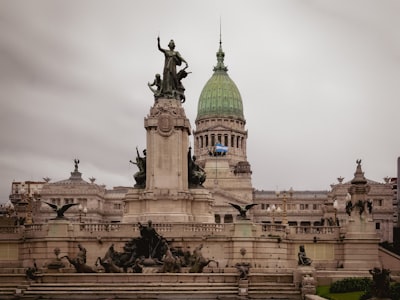
Welcome to Buenos Aires, a city that pulsates with the rhythm of tango, the aroma of sizzling parrillas, and the passionate spirit of its people. Often dubbed the "Paris of South America," Argentina's captivating capital offers an intoxicating blend of European grandeur and Latin American zest. From its tree-lined boulevards and ornate architecture to its world-class art scene and legendary nightlife, Buenos Aires is a destination that promises an unforgettable adventure for every traveler.
This comprehensive travel guide will navigate you through the cobbled streets and grand avenues, uncover hidden gems, reveal local secrets, and equip you with all the practical tips you need to experience the very best of Buenos Aires. Whether you're drawn by the allure of a late-night tango show, the irresistible flavor of an Argentine steak, or the historical echoes of its revolutionary past, prepare to fall head over heels for this magnificent metropolis.
Why Visit Buenos Aires? The Allure of the "Paris of South America"
Buenos Aires isn't just a city; it's an experience, a feeling, a passionate embrace of life itself. It's a place where tradition meets modernity, where melancholy tango melodies intertwine with vibrant street art, and where every corner reveals a new story. Travelers are consistently captivated by:
- Architectural Splendor: Grand European-style buildings, wide avenues, and intricate facades reminiscent of Paris, Madrid, and Rome.
- The Soul of Tango: Witnessing or even participating in this passionate dance is an essential Buenos Aires experience, from elegant dinner shows to authentic street performances and local milongas.
- Culinary Delights: Indulge in some of the world's best beef, savory empanadas, exquisite Malbec wines, and the omnipresent, delightful dulce de leche.
- Rich History & Culture: Explore historic plazas, visit world-class museums, browse antique markets, and delve into the fascinating political and social history that has shaped the nation.
- Vibrant Neighborhoods: Each *barrio* (neighborhood) boasts its own distinct personality, offering a diverse range of atmospheres, from bohemian charm to sophisticated elegance.
- Passionate People: Known as Porteños (people of the port), Buenos Aires locals are renowned for their warmth, hospitality, and vibrant zest for life.
Prepare to be enchanted by a city that truly lives up to its reputation as one of the most exciting and culturally rich destinations in the world.
Getting There & Around Buenos Aires
Navigating a new city can be daunting, but Buenos Aires offers several convenient options for arrival and local transportation.
Getting to Buenos Aires
Buenos Aires is served by two main airports:
- Ezeiza International Airport (EZE): Officially Ministro Pistarini International Airport, EZE is the primary hub for international flights. It's located about 30-40 kilometers (19-25 miles) southwest of the city center.
- Manuel Tienda León: A reliable bus service offering transfers to their downtown terminal (near the Obelisco) or direct door-to-door mini-van services.
- Taxis & Remises: Official airport taxis are available, but it's recommended to pre-book or use a radio taxi desk inside the terminal for fixed rates and safety. Remises are private cars with pre-negotiated fares.
- Ride-sharing Apps (Uber, Cabify, Didi): These are available but may have designated pick-up points outside the main terminal due to local regulations or taxi union pressure. Always confirm the vehicle and driver details.
- Private Transfers: Many hotels can arrange private car services, which offer convenience but are generally more expensive.
- Aeroparque Jorge Newbery (AEP): This airport handles most domestic flights within Argentina and some regional flights from neighboring countries. It's much closer to the city center, located along the Río de la Plata in the Palermo neighborhood.
- Transfers from AEP: Taxis, ride-sharing apps, and local buses are all readily available and offer quick access to various parts of the city.
Getting Around Buenos Aires
Buenos Aires is a large, sprawling city, but its excellent public transportation system makes getting around relatively easy and affordable.
- Subte (Metro): The city's subway system is efficient, clean, and covers most major tourist areas. It's often the fastest way to get around during peak hours. You'll need a SUBE card to use the Subte (and buses).
- Colectivos (Buses): An extensive network of colorful buses covers virtually every corner of the city, running 24/7. While they can be a bit overwhelming for first-time visitors due to the sheer number of lines, they are incredibly convenient. A SUBE card is essential.
- Taxis: Readily available throughout the city, identifiable by their black and yellow exteriors. Ensure the meter is running, or negotiate a fare beforehand for longer trips. Be cautious of "pirate" taxis, especially late at night.
- Ride-sharing Apps (Uber, Cabify, Didi): These are popular and generally reliable alternatives to traditional taxis, often offering competitive pricing. Always verify your driver and vehicle.
- Walking: Many of Buenos Aires' most charming neighborhoods, like Palermo Soho, Recoleta, and San Telmo, are best explored on foot. Wear comfortable shoes and be prepared for considerable distances if you plan to walk between barrios.
- Bicycles: Buenos Aires has a growing network of bike lanes and a free public bike-sharing system called Ecobici.
SUBE Card: This rechargeable public transport card is crucial for using the Subte and Colectivos. You can purchase and top up a SUBE card at Subte stations, kiosks (look for the "SUBE" sign), and some convenience stores. It's non-personal, so one card can be used for multiple people if you have enough balance.
Top Neighborhoods to Explore in Buenos Aires
Each *barrio* of Buenos Aires boasts a distinct personality, offering unique attractions and experiences.
Palermo
Buenos Aires' largest and trendiest neighborhood, Palermo is a vast area divided into several sub-districts, each with its own charm.
- Palermo Soho: Known for its bohemian vibe, boutique shops, vibrant street art, trendy cafes, and lively bars and restaurants. It's perfect for strolling, shopping, and people-watching.
- Palermo Hollywood: Named for its concentration of TV and radio production studios, this area is another gastronomic hub with excellent restaurants and bars.
- Palermo Chico (Barrio Parque): An upscale residential area characterized by stunning mansions, tree-lined streets, and tranquil parks.
- Bosques de Palermo (Palermo Woods): Home to vast green spaces, lakes, rose gardens (Rosedal), the Japanese Garden, and the Galileo Galilei Planetarium, offering a refreshing escape from the urban hustle.
Recoleta
Elegant and upscale, Recoleta is often compared to a Parisian district with its grand architecture, sophisticated boutiques, and cultural institutions.
- Recoleta Cemetery: The most famous attraction, an elaborate necropolis housing ornate mausoleums, including that of Eva Perón (Evita). It's a breathtaking open-air museum.
- El Ateneo Grand Splendid: Housed in a former theater, this magnificent bookstore is consistently ranked among the most beautiful in the world.
- Floralis Genérica: A giant metallic flower sculpture that opens its petals with the sun and closes them at night.
- Recoleta Cultural Centre & Basilica Nuestra Señora del Pilar: Beautiful historical buildings next to the cemetery, often hosting art exhibitions and cultural events.
San Telmo
The oldest neighborhood in Buenos Aires, San Telmo exudes a bohemian, historic charm with its cobblestone streets, colonial architecture, and tango heritage.
- San Telmo Market (Feria de San Telmo): Held every Sunday, this famous market is a must-visit, offering antiques, artisan crafts, street performers, and tango dancers.
- Plaza Dorrego: The heart of San Telmo, a picturesque square bustling with activity, especially during the Sunday market.
- Pasaje Defensa: A multi-story antique market housed in a former tenement building.
- Tango: San Telmo is arguably the best place to experience authentic street tango or visit a traditional milonga (tango dance hall).
La Boca
One of the most visually striking neighborhoods, La Boca is famous for its colorful houses and artistic heritage.
- Caminito: A vibrant street museum filled with brightly painted houses, street artists, souvenir shops, and tango dancers performing for tourists.
- Boca Juniors Stadium (La Bombonera): A pilgrimage site for football fans, offering stadium tours.
- Safety Note: While Caminito is very tourist-friendly during the day, it's generally advised to stick to the main tourist areas and avoid wandering off into less populated streets, especially after dark.
Monserrat & Microcentro
The historical and commercial heart of the city.
- Plaza de Mayo: The most important public square in Argentina, flanked by iconic buildings like the Casa Rosada (Presidential Palace), Cabildo (colonial town hall), and Metropolitan Cathedral. It has been the site of many pivotal moments in Argentine history.
- Casa Rosada (The Pink House): The executive mansion and office of the President of Argentina.
- Obelisco: An iconic monument located on Avenida 9 de Julio, one of the widest avenues in the world.
- Teatro Colón: One of the world's greatest opera houses, renowned for its acoustics and opulent architecture. Guided tours are highly recommended.
Puerto Madero
A modern, revitalized dockside neighborhood, now a sleek financial and gastronomic hub.
- Puente de la Mujer (Woman's Bridge): A striking pedestrian swing bridge designed by Santiago Calatrava, symbolizing a couple dancing tango.
- Waterfront Restaurants: Offers a wide array of upscale dining options with views of the docks.
- Frigates Sarmiento and Uruguay: Historic ships open for public visits, offering a glimpse into Argentina's naval past.
Belgrano
A more residential and affluent neighborhood to the north, offering a different pace.
- Barrancas de Belgrano: Beautiful tiered parks perfect for a relaxing afternoon.
- Barrio Chino (Chinatown): A vibrant area with Asian markets, restaurants, and street food.
- Museo de Arte Español Enrique Larreta: A beautiful Spanish colonial house and garden.
Must-See Attractions & Experiences
Beyond specific neighborhoods, these are essential Buenos Aires experiences.
Embrace the Tango
Tango is the heartbeat of Buenos Aires.
- Tango Shows: Experience the spectacle of professional dancers and musicians in a dinner show (e.g., Señor Tango, Esquina Carlos Gardel, Rojo Tango). These are tourist-oriented but offer high production value.
- Milongas: For a more authentic experience, visit a milonga, a traditional tango dance hall where locals come to dance. Many offer introductory lessons beforehand (e.g., La Catedral, El Beso).
- Street Tango: Witness impromptu performances in San Telmo's Plaza Dorrego or along Caminito in La Boca.
Architectural Marvels
- Recoleta Cemetery: As mentioned, a city within a city of elaborate tombs.
- Teatro Colón: Take a guided tour to marvel at its opulent interiors, grand hall, and exceptional acoustics.
- El Ateneo Grand Splendid: Spend time browsing books in this former theater, admiring its frescoed ceilings and velvet seats.
- Palacio Barolo: A unique skyscraper inspired by Dante's Divine Comedy, offering fascinating tours and panoramic city views from its lighthouse.
Historic Landmarks
- Plaza de Mayo & Casa Rosada: Stand in the square where countless protests and celebrations have taken place, and see the iconic balcony from which Eva Perón addressed the crowds.
- Cabildo: The historic town hall from the colonial era, now a museum.
- Metropolitan Cathedral: The main Catholic church in Buenos Aires, notable for its neoclassical facade and the mausoleum of General José de San Martín, Argentina's liberator.
Art & Culture
- MALBA (Latin American Art Museum of Buenos Aires): Houses an impressive collection of modern Latin American art.
- MNBA (National Museum of Fine Arts): Features an extensive collection of Argentine and international art.
- Street Art & Murals: Especially prevalent in Palermo and San Telmo, Buenos Aires has a thriving street art scene. Consider a guided street art tour.
- Usina del Arte: A cultural center in La Boca offering concerts, exhibitions, and performances.
Green Spaces
- Bosques de Palermo: Spend an afternoon relaxing, boating on the lakes, or exploring the Rosedal (rose garden) and Japanese Garden.
- Jardín Botánico (Botanical Garden): A beautiful oasis featuring plants from around the world and interesting sculptures.
Shop Till You Drop
- San Telmo Market: For antiques, curiosities, and artisan crafts (Sundays).
- Palermo Soho: Trendy boutiques, independent designers, and unique fashion.
- Galerías Pacífico: A stunning Beaux-Arts shopping mall with a magnificent dome adorned with murals.
- Leather Goods: Argentina is famous for high-quality leather. Explore shops along Florida Street or in Palermo.
A Culinary Journey: What to Eat & Drink
Argentine cuisine is a hearty, flavorful experience, deeply influenced by European immigration, particularly from Italy and Spain.
Argentine Beef
The undisputed king of Argentine cuisine.
- Parrillas: These traditional steakhouses are a must-visit. Order an *asado* (barbecue) or various cuts like *bife de chorizo* (sirloin), *lomo* (tenderloin), or *entraña* (skirt steak).
- Provoleta: Grilled provolone cheese, often served as an appetizer with oregano and olive oil.
- Choripán: A grilled sausage (chorizo) in a crusty bread roll, often topped with chimichurri. A popular street food.
Empanadas
Savory pastries filled with various ingredients, typically baked or fried.
- Popular Fillings: Beef (carne), chicken (pollo), ham and cheese (jamón y queso), spinach (acelga), or onion and cheese (cebolla y queso). Each region of Argentina has its distinct style.
Dulce de Leche
A sweet caramel-like spread made from slow-cooked condensed milk. It's ubiquitous.
- Alfajores: Shortbread cookies filled with dulce de leche and often coated in chocolate or coconut flakes. A perfect souvenir!
- Medialunas: Argentine croissants, delicious with coffee, often filled with dulce de leche.
Italian Influence
Thanks to mass Italian immigration, pasta and pizza are staples.
- Pizza: Argentine pizza is often thick-crusted with generous cheese toppings. Try *fugazza* (onion pizza) or *fainá* (chickpea flour flatbread).
- Pasta: Fresh pasta dishes are widely available and delicious.
Other Notable Foods
- Milanesa: Breaded and fried cutlets of beef or chicken, often served *a caballo* (with a fried egg on top).
- Locro: A hearty stew, particularly popular in winter, made with corn, beans, and various meats.
What to Drink
- Malbec Wine: Argentina's signature red wine, especially from the Mendoza region. You'll find excellent options at all price points.
- Fernet con Coca: A uniquely Argentine cocktail mixing bitter Italian digestivo Fernet Branca with Coca-Cola, especially popular among younger generations.
- Mate: A traditional herbal infusion, intensely bitter, shared socially from a gourd with a metal straw (bombilla). While typically a local ritual, you'll see people carrying their mate kits everywhere.
- Craft Beer: The craft beer scene has exploded in Buenos Aires, with many microbreweries and brewpubs, particularly in Palermo.
- Coffee: Excellent coffee is readily available in countless cafes across the city.
Dining Etiquette/Tips:
- Late Dinners: Argentines typically dine late, often starting dinner around 9 PM or 10 PM. Restaurants may seem empty earlier.
- Tipping: A 10% tip for good service is customary in restaurants.
Day Trips from Buenos Aires
Extend your exploration beyond the city limits with these popular day trips.
Colonia del Sacramento, Uruguay
- How to get there: A scenic one-hour ferry ride across the Río de la Plata with companies like Buquebus or Colonia Express.
- What to do: Explore the charming UNESCO World Heritage-listed historic quarter with its cobblestone streets, colonial buildings, and picturesque lighthouse. It's a delightful step back in time.
Tigre Delta
- How to get there: A pleasant 45-minute train ride from Retiro station.
- What to do: Discover a unique network of islands and waterways. Take a boat tour through the delta, visit the Puerto de Frutos (fruit market and artisan crafts), or explore the charming riverside mansions and museums.
Estancias (Ranches)
- How to get there: Day tours often include transport from Buenos Aires to a traditional estancia in the pampas (flatlands) surrounding the city.
- What to do: Experience authentic gaucho (cowboy) culture. Enjoy horseback riding, traditional *asado* lunches, folk music, and impressive horsemanship displays.
Practical Travel Tips for Buenos Aires
Navigating a foreign country always comes with practical considerations. Here's what to keep in mind for your trip to Buenos Aires.
Best Time to Visit
- Spring (September to November): Mild temperatures, blooming jacaranda trees, and fewer crowds than summer. Ideal for exploring.
- Fall (March to May): Pleasant temperatures and beautiful autumn foliage.
- Summer (December to February): Hot and humid, with many locals leaving the city for vacation, leading to quieter streets. January can be very warm.
- Winter (June to August): Cooler temperatures (can drop to single digits Celsius, but rarely below freezing), ideal for cultural activities and cozy cafes.
Currency & Money
- Argentine Peso (ARS): The local currency.
- "Blue Dollar" (Dólar Blue): Argentina experiences high inflation, and an unofficial parallel exchange rate for USD (known as the "blue dollar") often offers significantly better value than the official rate. It's common for tourists to exchange cash (USD or Euros) at *cuevas* (informal exchange houses) or via trusted contacts. Many businesses will also offer better cash prices if you pay in USD.
- Credit Cards: Widely accepted in larger establishments, but smaller shops, cafes, and many tour operators prefer cash or may offer discounts for cash payments.
- ATMs: ATMs dispense pesos, but exchange rates are often unfavorable, and fees can be high. It's generally best to withdraw minimal amounts or rely on cash exchanged at the blue dollar rate.
- Western Union: Some travelers use Western Union to send money to themselves and pick it up in pesos at a favorable exchange rate.
Safety
Buenos Aires is generally safe, but like any large city, it has its challenges.
- Pickpocketing & Bag Snatching: Be vigilant, especially in crowded tourist areas (e.g., San Telmo Market, Florida Street, Subte). Keep valuables out of sight and secure.
- Cell Phone Theft: Be aware when using your phone on the street, especially near traffic. Thieves on motorcycles are known for snatching phones.
- "Mustard Spray" Scam: A common scam where someone sprays a substance on you (often looking like mustard), and then an accomplice "helps" you clean it, while pickpocketing your belongings.
- Taxis: Use radio taxis or ride-sharing apps, or ensure the meter is running. Avoid unregistered cabs.
- La Boca: Stick to the main tourist area of Caminito during the day. Avoid wandering off into side streets or visiting after dark.
- Nightlife: Be cautious when walking alone late at night. Take a taxi or ride-share.
Language
- Spanish: The official language. Argentine Spanish (Rioplatense dialect) has a distinct accent and some unique vocabulary (e.g., using "vos" instead of "tú").
- English: Spoken in most hotels, major tourist attractions, and by younger generations. Learning a few basic Spanish phrases will go a long way and is always appreciated.
Internet & Connectivity
- Wi-Fi: Widely available in hotels, cafes, restaurants, and some public spaces.
- SIM Cards: You can purchase a local SIM card (e.g., Claro, Movistar, Personal) for your unlocked phone at kiosks or official stores. Bring your passport for registration.
Electricity
- Type I Plugs: Argentina uses Type I plugs (three flat pins in a triangular pattern) and 220V voltage. You'll need an adapter if your devices use different plugs or voltage.
Tipping
- Restaurants: 10% is customary for good service.
- Taxis: Not usually tipped, but rounding up the fare is common.
- Hotel Staff: Small tips for porters or housekeepers are appreciated.
- Tour Guides: A tip is customary for good service on guided tours.
Navigating Inflation
Argentina's economy is highly inflationary. Prices can change rapidly.
- Check Prices: Confirm prices before ordering or purchasing, especially for tours or larger items.
- Cash Discounts: Always ask if there's a discount for paying in cash (especially USD or ARS).
- Budgeting: Keep in mind that prices might increase during your trip.
Frequently Asked Questions (FAQ)
### Is Buenos Aires safe for tourists?
Yes, Buenos Aires is generally safe for tourists, but like any large city, it's essential to be aware of your surroundings and take precautions against petty crime like pickpocketing and bag snatching, especially in crowded areas. Avoid displaying expensive valuables, use reputable taxis, and be cautious in less-trafficked areas, particularly at night.
### What is the best way to pay in Buenos Aires?
Due to high inflation and the "blue dollar" exchange rate, paying with US dollars (cash) often provides the best value. You can exchange USD cash for pesos at a favorable rate. Credit cards are widely accepted but typically use the official exchange rate, which is less advantageous. Always carry some pesos for smaller purchases and taxis.
### How many days do you need in Buenos Aires?
A minimum of 3-4 full days is recommended to cover the main highlights. However, 5-7 days allows for a more relaxed pace, deeper exploration of neighborhoods, a day trip (like Colonia del Sacramento or Tigre), and more time to soak in the city's atmosphere, including a tango show and several culinary experiences.
### Do I need to speak Spanish in Buenos Aires?
While many people in tourist-facing roles (hotels, major attractions) speak English, having some basic Spanish phrases will significantly enhance your experience. Locals appreciate the effort, and it will be helpful for navigating public transport, ordering food in smaller establishments, and interacting with locals.
### What should I avoid in Buenos Aires?
Avoid walking alone in poorly lit or deserted areas at night, especially in some parts of San Telmo or La Boca (outside Caminito). Don't carry all your valuables in one place, and be wary of common street scams like the "mustard spray" trick. It's also wise to avoid overt political discussions with strangers, particularly concerning sensitive historical topics.
### Is Uber common in Buenos Aires?
Yes, Uber, Cabify, and Didi are all common and widely used in Buenos Aires. They offer a convenient alternative to traditional taxis and can often provide competitive pricing. Ensure you confirm your driver's details and vehicle before getting in.
### What are some unique souvenirs from Buenos Aires?
Great souvenirs include high-quality leather goods (jackets, bags, belts), traditional mate gourds and bombillas, dulce de leche, alfajores, Malbec wine, handmade tango shoes, local artisan crafts from the San Telmo market, and unique items depicting Evita or the tango tradition.
Conclusion
Buenos Aires is more than just a destination; it's a sensory feast, a city that dances with passion and echoes with history. From the melancholic strains of a bandoneon to the tantalizing sizzle of an *asado*, every moment in this vibrant metropolis is an invitation to immerse yourself in its unique charm. Whether you're exploring the grand boulevards of Recoleta, delving into the bohemian spirit of San Telmo, or losing yourself in the colorful alleys of La Boca, Buenos Aires promises an unforgettable journey.
So pack your bags, lace up your walking shoes, and prepare to be swept off your feet by the "Paris of South America." Buenos Aires is waiting to share its magic with you.