Cape Town Visa Guide 2026 – Complete South Africa Travel Guide
Your Essential Visa Guide to Cape Town, South Africa: Unlocking the Mother City
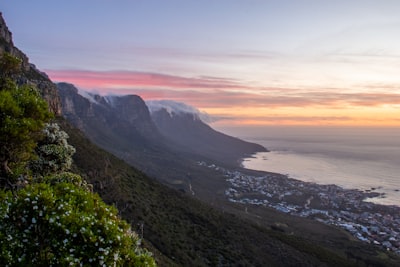
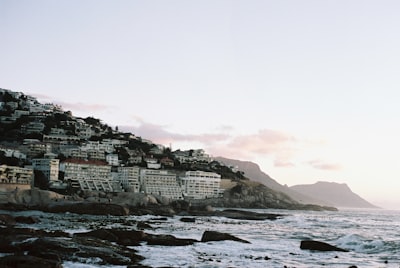
Cape Town, often hailed as one of the world's most beautiful cities, is a captivating blend of majestic mountains, pristine beaches, vibrant culture, and a rich, complex history. Nestled at the foot of the iconic Table Mountain, this "Mother City" of South Africa beckons adventurers, history buffs, foodies, and nature lovers alike. From the bustling V&A Waterfront to the serene Kirstenbosch National Botanical Garden, and from the poignant Robben Island to the sun-drenched vineyards of Stellenbosch, Cape Town offers an unparalleled travel experience.
However, before you can immerse yourself in the charm of Bo-Kaap's colorful houses or sip world-class wine in the Cape Winelands, there's a crucial first step: understanding the visa requirements for entering South Africa. Navigating international travel regulations can often feel daunting, but a smooth visa process is the gateway to an unforgettable journey.
This comprehensive guide is designed to be your one-stop resource for understanding South African visa requirements, specifically for those planning a visit to Cape Town. We’ll break down who needs a visa, who is exempt, the application process, essential documents, and critical tips to ensure your travel preparations are as seamless as your eventual Cape Town adventure. Let's embark on this journey together to demystify the South African visa landscape.
Why Cape Town Captivates: A Glimpse into its Allure
Before delving into the technicalities of visas, it’s worth a moment to appreciate why so many travelers are drawn to Cape Town. Understanding its appeal can further motivate you to meticulously prepare for your trip.
- Iconic Landmarks: The flat-topped silhouette of Table Mountain is synonymous with Cape Town, offering breathtaking views accessible by cable car or hiking trails. Robben Island, a UNESCO World Heritage Site, provides a profound historical experience, allowing visitors to reflect on Nelson Mandela’s incarceration.
- Natural Beauty: Beyond Table Mountain, explore the dramatic coastline along Chapman's Peak Drive, meet the famous penguins at Boulders Beach, or marvel at the diverse flora in the Kirstenbosch National Botanical Garden. The convergence of the Atlantic and Indian Oceans at Cape Point is another awe-inspiring natural wonder.
- Vibrant Culture and History: Wander through the colorful streets of Bo-Kaap, explore the bustling markets and street art, and delve into the city's past at the District Six Museum. Cape Town's history is rich, diverse, and deeply impactful.
- Culinary Delights: From fine dining experiences at world-renowned restaurants to vibrant food markets and delectable street food, Cape Town is a paradise for gourmands. Don't forget to explore the nearby Cape Winelands, offering exquisite wine tasting tours.
- Adventure and Activities: Whether it's shark cage diving, paragliding off Lion's Head, surfing, hiking, or exploring the underwater world, Cape Town is an adrenaline junkie's dream.
- V&A Waterfront: A bustling hub of shopping, dining, entertainment, and boat tours, the V&A Waterfront is a must-visit for every tourist, offering something for everyone.
This kaleidoscope of experiences is why Cape Town consistently ranks among the top travel destinations globally. Now, let’s ensure your entry into this magnificent city is hassle-free.
Understanding South African Visa Requirements: The Basics
The Republic of South Africa requires most foreign nationals to obtain a visa to enter the country. However, many countries are exempt from this requirement, particularly for short tourist or business visits. The primary purpose of your travel will determine the type of visa you need, with a "visitor's visa" being the most common for tourism.
Generally, a visa allows the holder to travel to a South African port of entry where an immigration officer will then determine if the foreign national may enter the country. It’s important to remember that a visa does not guarantee entry. Immigration officers have the final say based on the information provided and the traveler's conduct.
The Department of Home Affairs (DHA) is the government body responsible for immigration and visa matters in South Africa. Applications are typically processed through South African embassies, high commissions, or consulates in your country of residence, or often through outsourced visa facilitation service providers like VFS Global.
Key Principles for All Travelers
Regardless of whether you need a visa or not, all travelers entering South Africa must meet certain basic requirements:
1.
Valid Passport: Your passport must be valid for at least 30 days beyond your intended date of departure from South Africa. It must also have at least two unused pages for entry and exit stamps.
2.
Sufficient Funds: You must be able to prove you have enough money to cover your expenses during your stay.
3.
Return/Onward Ticket: You must hold a valid return or onward ticket.
4.
Accommodation: Proof of accommodation (hotel bookings, invitation letter) is often required.
5.
Purpose of Visit: You must clearly state the purpose of your visit. For tourism, this will be a "visitor's visa" (often referred to as a tourist visa).
Visa Exempt Countries: Who Can Enter South Africa Without a Visa?
Many nationalities enjoy the privilege of entering South Africa for short-term visits (typically up to 90 days or 30 days) without needing a visa. This applies primarily to tourism, business meetings, or visiting family and friends. If your country is on this list, you can pack your bags and go, provided you meet the general entry requirements mentioned above.
Countries Whose Citizens Do NOT Require Visas for South Africa (Common Examples, Check Official Sources for Full List):
For up to 90 days:
- Most European Union (EU) countries (e.g., Germany, France, Italy, Spain, Netherlands, Sweden, Belgium, Denmark, Finland, Greece, Ireland, Portugal, Austria, Czech Republic, Hungary, Poland, etc.)
- Many African countries (e.g., Botswana, Lesotho, Mauritius, Mozambique, Namibia, Zambia, Zimbabwe, Swaziland, Tanzania, Malawi, Kenya, Seychelles, Angola, etc. – *Note: Some African countries may be for shorter durations or have specific agreements, always verify*)
For up to 30 days:
- China (for certain passport types or conditions, check specifics)
- India (for certain passport types or conditions, check specifics)
Important Considerations for Visa-Exempt Travelers:
- Passport Validity: Ensure your passport is valid for at least 30 days *beyond* your intended departure date and has at least two blank pages.
- Proof of Funds: You might be asked to show proof of sufficient funds to cover your stay (e.g., bank statements, credit cards).
- Return/Onward Ticket: An airline ticket confirming your departure from South Africa within the permitted visa-free period is mandatory.
- Purpose of Visit: Immigration officials will confirm your visit is for tourism, business, or visiting family/friends and not for work or study.
- Extension of Stay: Visa-exempt stays generally cannot be easily extended. If you plan to stay longer than your allowed period, you might need to apply for a visa *before* you travel. Overstaying is a serious offense and can lead to penalties, including fines and future bans.
Always consult the official website of the South African Department of Home Affairs or the relevant South African embassy/consulate in your country for the most current and complete list of visa-exempt countries, as policies can change.
Applying for a South African Tourist Visa: A Step-by-Step Guide
If your country is not on the visa-exempt list, or if your purpose of visit extends beyond the scope of a visa-exempt entry (e.g., long-term study, work), you will need to apply for a visa. For tourism purposes, this will typically be a "Visitor's Visa" (Form DHA-84). The process generally involves several key steps.
Step 1: Determine Your Eligibility and Visa Type
Confirm that a Visitor's Visa is appropriate for your travel purpose (tourism, visiting family/friends, short-term business meeting not involving remuneration from a South African source). Be aware of the maximum duration typically granted (e.g., 90 days). If your visit duration exceeds this, you might need a different visa category or exceptional approval.
Step 2: Gather Required Documents
This is the most critical step. Incomplete applications are a primary reason for delays or rejections. Prepare all documents diligently.
- Duly Completed Application Form (DHA-84): Available on the DHA website or at the embassy/consulate/VFS Global office. Fill it out accurately and legibly.
- Valid Passport: Original passport valid for at least 30 days beyond your intended departure date from South Africa, with at least two unused pages for stamps.
- Passport-Sized Photographs: Two recent (taken within the last six months) color passport-sized photographs (typically 35mm x 45mm), meeting specific South African visa photo requirements (white background, full face, no head covering unless for religious reasons).
- Proof of Accommodation: Hotel bookings, confirmed itinerary, or an invitation letter from a host in South Africa. If staying with a host, the letter should include their full names, residential address, contact details, and a copy of their South African ID or passport and proof of address (e.g., utility bill).
- Flight Itinerary/Bookings: Confirmed round-trip flight tickets or an onward ticket demonstrating your departure from South Africa. Do *not* purchase non-refundable tickets until your visa is approved.
- Proof of Financial Means: Bank statements (from the last three months, stamped by the bank), credit card statements, or traveler's cheques showing sufficient funds to cover your expenses during your stay. The required amount can vary, but generally, expect to show funds equivalent to ZAR 1000-3000 per day of stay.
- Purpose of Visit (Cover Letter): A signed letter from you explaining the purpose of your visit, itinerary, and duration of stay.
- Travel Insurance (Recommended): While not always strictly mandatory for a visitor's visa, comprehensive travel insurance covering medical emergencies, hospitalisation, and repatriation is highly recommended for all travelers.
- Yellow Fever Vaccination Certificate (If Applicable): If you are traveling from or transiting through a yellow fever endemic country (as defined by the WHO), a valid yellow fever vaccination certificate is mandatory. Failure to provide this will result in denial of entry.
- Proof of Employment/Studies (If Applicable): A letter from your employer stating your leave approval and employment details, or a letter from your educational institution if you are a student, indicating your enrollment and leave approval. This helps assure authorities you have ties to your home country.
- For Minors (Under 18): This is a critical point. South Africa has stringent requirements for children traveling. See the "Traveling with Minors" section below for details.
- Marriage Certificate/Birth Certificate (If Applicable): If your spouse or children are accompanying you and their relationship isn't clear from passports, or if traveling with minors where guardianship needs to be proven.
- Visa Fee Payment Receipt: Proof of payment for the non-refundable visa application fee.
Important Note: Always check the specific requirements of the South African embassy/consulate or VFS Global office in your country of residence, as document lists can vary slightly.
Step 3: Complete the Visa Application Form (DHA-84)
Fill out the DHA-84 form completely and accurately. Any discrepancies or incomplete information can lead to delays or rejection. Sign and date the form. Some countries may offer an online application portal, but usually, a physical form submission is required.
Step 4: Book an Appointment
Most South African missions and VFS Global centers require you to book an appointment online to submit your application. Walk-ins are generally not permitted. Ensure you select the correct visa category and location.
Step 5: Attend Your Visa Interview/Submission
On your appointment day, arrive on time with all your original documents and their photocopies. Be prepared to answer questions about your travel plans, financial situation, and ties to your home country. Maintain a polite and cooperative demeanor. Biometrics (fingerprints and a digital photograph) are often collected at this stage.
Step 6: Pay the Visa Fee
The visa application fee is typically paid at the time of submission. This fee is non-refundable, regardless of the outcome of your application. Fees vary by nationality and the processing center, so confirm the exact amount beforehand. There might also be a service fee if applying through VFS Global.
Step 7: Track Your Application
If you applied through VFS Global, you will usually receive a tracking number to monitor the status of your application online. Direct embassy submissions may have a different tracking process, if any.
Step 8: Collect Your Visa/Passport
Once your application is processed, you will be notified to collect your passport. If your visa is approved, it will be affixed as a sticker inside your passport. Carefully check all details on the visa sticker (name, passport number, visa type, validity, number of entries) to ensure they are correct.
Specific Visa Considerations
Beyond the general application process, certain situations require special attention.
Yellow Fever Vaccination Certificate
This is a critical requirement for travelers coming from or transiting through countries with a high risk of yellow fever transmission. The list of these countries is determined by the World Health Organization (WHO) and regularly updated. If you have been in such a country within six days of entering South Africa, you *must* present a valid Yellow Fever Vaccination Certificate. Failure to do so will result in denial of entry, or you may be placed under quarantine. It's advisable to get vaccinated at least 10 days before your travel date for the certificate to become valid.
Traveling with Minors (Children Under 18)
South Africa has some of the strictest regulations globally regarding children traveling into and out of the country, aimed at combating child trafficking. These requirements apply to all children, regardless of nationality.
- Children Traveling with Both Parents: Must produce an unabridged birth certificate (or equivalent document from their country of origin) reflecting the particulars of both parents.
- Children Traveling with One Parent: Must produce an unabridged birth certificate and a court order granting full parental responsibilities and rights, or legal guardianship, or a death certificate of the deceased parent, or an affidavit from the absent parent giving consent for the child to travel.
- Children Traveling with an Adult Who is Not Their Parent/Legal Guardian: Must produce an unabridged birth certificate, an affidavit from both parents/legal guardian giving consent, copies of the parents'/legal guardians' passports/IDs, and their contact details.
- Unaccompanied Minors: Must produce an unabridged birth certificate, parental consent affidavits, parents' passport/ID copies, contact details, a letter from the person receiving the child in South Africa (including their contact details and residential address), and a copy of their passport/ID.
These documents must be original or certified copies. While these regulations were initially very strictly enforced, the DHA relaxed some requirements for *foreign children* in late 2018, primarily accepting a passport as sufficient *if* the unabridged birth certificate requirement has been met by their country of origin for passport issuance. However, it's always safest to carry the unabridged birth certificate and, if applicable, consent affidavits, as immigration officials can still request them. *Always confirm the latest regulations directly with the DHA or your embassy prior to travel.*
Visa Extensions
If you are in South Africa on a visitor's visa and wish to extend your stay, you must apply for an extension *before* your current visa expires. Applications for extensions are made at a local VFS Global office in South Africa. Extensions are not guaranteed and are usually granted only if there are valid and compelling reasons. Overstaying your visa is a serious offense and can result in you being declared an undesirable person, facing fines, and being banned from re-entering South Africa for a specific period.
Business Visas & Other Types
While this guide focuses on tourist visas, it's worth noting that South Africa offers various other visa categories:
- Business Visas: For those intending to conduct business, invest, or work in South Africa (requires a different application process and more extensive documentation).
- Study Visas: For those enrolled in educational institutions.
- Work Visas: For individuals offered employment in South Africa.
- Medical Treatment Visas: For those seeking medical care.
- Spousal/Relative Visas: For those joining family members in South Africa.
Ensure you apply for the correct visa type that matches your intended activities in South Africa.
Transit Visas
If you are transiting through a South African airport to another international destination, and your nationality typically requires a visa to enter South Africa, you might also need a
transit visa, even if you do not leave the airport transit area. Some nationalities are exempt from transit visas. Check with your airline or the South African embassy in advance if you require a transit visa. Generally, if you are staying airside and your connecting flight is within 24 hours, many nationalities are exempt, but this is not universal.
Important Tips for a Smooth Visa Process
Applying for a visa doesn't have to be stressful. Follow these tips for a smoother experience:
1.
Apply Early: Don't wait until the last minute. Visa processing times can vary significantly (from a few days to several weeks, or even months for certain categories). Apply well in advance of your planned travel dates.
2.
Double-Check Everything: Review your application form and all supporting documents meticulously. A single error or missing document can cause delays or rejection.
3.
Keep Copies: Make photocopies of all your submitted documents and your passport (including the visa sticker once received). Keep these separate from the originals when traveling.
4.
Be Honest and Consistent: Provide truthful information. Discrepancies between your application and your responses during an interview can raise red flags.
5.
Check Official Sources: Visa regulations can change. Always refer to the official website of the South African Department of Home Affairs (DHA) or the South African embassy/consulate in your country for the most up-to-date information. Websites like VFS Global also provide specific guidelines for your region.
6.
Proofread Your Visa Sticker: Once you receive your passport back with the visa, check all details immediately: your name, passport number, visa type, validity dates, and number of entries. If there's an error, contact the issuing authority immediately.
7.
Consider Travel Insurance: Even if not mandatory, travel insurance provides peace of mind, covering unforeseen events like medical emergencies, trip cancellations, or lost luggage.
Practical Travel Tips for Cape Town
Once your visa is secured, or you've confirmed your visa-exempt status, here are some practical tips to enhance your Cape Town experience:
- Best Time to Visit: Cape Town enjoys a Mediterranean climate.
- Summer (November to February): Warm, sunny, ideal for beaches and outdoor activities, but also peak tourist season, meaning higher prices and larger crowds.
- Autumn (March to May): Mild temperatures, less wind, beautiful foliage, and fewer tourists. Excellent for hiking and wine tasting.
- Winter (June to August): Cooler, rainy, but often has clear, crisp days. Good for whale watching and lower prices.
- Spring (September to October): Pleasant weather, wildflowers in bloom, and whale watching continues.
- MyCiTi Bus: An efficient public bus system covering many parts of the city.
- Metered Taxis & Ride-sharing: Uber and Bolt (formerly Taxify) are widely available and convenient.
- Rental Car: Recommended for exploring beyond the city center (e.g., Cape Point, Winelands). Drive on the left side of the road.
- Walking: Many areas like the V&A Waterfront and city center are pedestrian-friendly.
- Be aware of your surroundings, especially in crowded areas and at night.
- Avoid displaying expensive items (jewelry, cameras, phones).
- Use reputable transport options.
- Keep valuables secure and out of sight.
- Consult your accommodation or tour guide about safe areas and no-go zones.
- Currency: South African Rand (ZAR). Credit cards are widely accepted, but it's useful to have some cash for smaller purchases or local markets.
- Language: South Africa has 11 official languages, but English is widely spoken, especially in tourist areas of Cape Town.
- Tipping: Tipping is customary. For good service, 10-15% is standard at restaurants. You might also tip petrol attendants, car guards, and tour guides.
- Water: Tap water is generally safe to drink in Cape Town.
- Electrical Plugs: South Africa uses Type M outlets (three large round pins). Bring an adapter.
Frequently Asked Questions (FAQ)
Here are answers to common questions about South African visas for travelers to Cape Town:
Q1: How long does it take to get a South African visitor's visa?
A1: Processing times vary widely depending on the embassy/consulate and the volume of applications. It can range from 5-10 working days to 4-6 weeks or even longer in some cases. It is strongly advised to apply well in advance, ideally 1-3 months before your intended travel date.
Q2: Can I apply for a visa on arrival in South Africa?
A2: No, South Africa does not issue visas on arrival. You must obtain your visa prior to your departure, unless you are from a visa-exempt country.
Q3: What if my South African visa is denied?
A3: If your visa is denied, you will usually receive a letter stating the reason for the refusal. You may have the option to appeal the decision, or you can reapply, addressing the issues that led to the initial denial. Ensure all documentation is complete and accurate in your reapplication.
Q4: Can I work in South Africa on a tourist visa?
A4: Absolutely not. A visitor's visa (tourist visa) strictly prohibits any form of remunerated work or employment in South Africa. Doing so is illegal and can lead to severe penalties, including deportation and future bans.
Q5: What is the typical validity period for a South African visitor's visa?
A5: For most nationalities requiring a visa, a visitor's visa for tourism is typically issued for a maximum of 90 days. However, the exact duration is at the discretion of the immigration officer or visa official and will be clearly stated on your visa sticker.
Q6: Do I need a visa if I'm just transiting through South Africa to another country?
A6: It depends on your nationality. Some nationalities require a transit visa even if they are just staying airside and not officially entering South Africa. Others are exempt. Always check with the South African embassy/consulate or your airline before traveling. If you need to pass through immigration to collect luggage or change terminals, you will likely need a visa.
Q7: What are the passport validity requirements for South Africa?
A7: Your passport must be valid for at least 30 days beyond your intended date of departure from South Africa. It must also have at least two unused visa pages for entry and exit stamps.
Q8: Do I need a Yellow Fever vaccination certificate for Cape Town?
A8: Yes, if you are traveling from or have transited through a country designated by the WHO as having a risk of yellow fever transmission. This applies even if you just had a layover in such a country. Always check the latest list of yellow fever endemic countries.
Q9: Can I extend my visitor's visa once I'm in South Africa?
A9: Yes, you can apply for an extension of your visitor's visa at a VFS Global office in South Africa, but you must do so *before* your current visa expires. Extensions are not guaranteed and are usually granted only for compelling reasons.
Q10: Are minors traveling to Cape Town required to carry an unabridged birth certificate?
A10: While South Africa's Department of Home Affairs has relaxed rules for foreign children, it is still *highly recommended* to carry an unabridged birth certificate (or equivalent) for all minors. If traveling with only one parent or an adult who is not a parent, additional documents like affidavits of consent are typically required. Always verify the latest requirements before travel.
Q11: What if I lose my passport and visa while in Cape Town?
A11: Report the loss immediately to the nearest South African Police Service station and obtain a case number. Then, contact your country's embassy or consulate in South Africa to apply for an emergency travel document or a new passport. You will also need to contact the Department of Home Affairs to manage your immigration status and obtain a replacement visa or exit permit.
Conclusion
Cape Town is an extraordinary destination, promising a journey filled with awe-inspiring landscapes, profound historical insights, and vibrant cultural experiences. From the moment you catch your first glimpse of Table Mountain to the last sip of fine Stellenbosch wine, it's a city that leaves an indelible mark on your soul.
However, a truly unforgettable trip begins with meticulous planning and adherence to international travel regulations. By thoroughly understanding South Africa's visa requirements, gathering all necessary documentation, and following the application process diligently, you ensure that your entry into the "Mother City" is as smooth and stress-free as possible.
Remember to consult official government websites and allow ample time for your application. With your visa matters in order, you can then fully immerse yourself in the excitement of planning your Cape Town itinerary – from shark cage diving to exploring the Bo-Kaap, and from hiking Lion's Head to discovering the vibrant V&A Waterfront. Your South African adventure awaits! Start planning today, and get ready to create memories that will last a lifetime.