Mumbai Travel Guide 2026 – Complete India Travel Guide
Mumbai Travel Guide: Unveiling the Magic of India's City of Dreams
Welcome to Mumbai, a city that pulsates with an energy unlike any other! Formerly known as Bombay, this sprawling metropolis is India's financial powerhouse, the heart of Bollywood, and a vibrant melting pot of cultures, dreams, and historical narratives. From its iconic colonial architecture to its bustling street markets, serene temples, and shimmering coastline, Mumbai offers an intoxicating blend of old-world charm and cutting-edge modernity.
Planning a
trip to Mumbai can feel overwhelming, given its sheer size and endless attractions. But fear not, intrepid traveler! This comprehensive
Mumbai travel guide is your ultimate companion to navigating the city's chaotic beauty, discovering its hidden gems, and making the most of your
Mumbai India adventure. Whether you're a first-time visitor or returning to explore more, get ready to dive deep into the soul of a city that truly never sleeps.
Why Visit Mumbai? The Irresistible Charm of India's Financial Capital
Mumbai is more than just a city; it's an experience, a phenomenon that captures the imagination and leaves an indelible mark on every visitor. Here's why you should add Mumbai to your
India travel itinerary:
- A City of Dreams: Often dubbed the "City of Dreams," Mumbai is where millions come with aspirations of making it big, especially in the Hindi film industry, Bollywood. This ambition fuels its relentless pace and vibrant spirit.
- Historical & Architectural Splendor: Home to magnificent Victorian Gothic and Art Deco buildings, many of which are UNESCO World Heritage Sites, Mumbai offers a captivating journey through its colonial past.
- Culinary Capital: From world-famous street food like Vada Pav and Pav Bhaji to high-end fine dining, Mumbai is a paradise for food lovers.
- Cultural Kaleidoscope: Experience a rich tapestry of festivals, languages, and traditions. Explore ancient caves, serene temples, bustling mosques, and grand churches.
- Unmatched Energy: The city's pulse is palpable, from the crowded local trains to the vibrant markets and lively nightlife. It's a city that constantly moves, innovates, and inspires.
- Shopping Extravaganza: Whether you're looking for designer labels or bargain finds, Mumbai's markets and malls cater to every kind of shopper.
So pack your bags, prepare for sensory overload, and let's embark on an unforgettable journey through the heart of Maharashtra!
Top Attractions & Things to Do in Mumbai (Must-See Experiences)
Mumbai boasts an incredible array of
Mumbai attractions and experiences. To help you plan your
Mumbai sightseeing, we've curated a list of the absolute must-sees.
Iconic Landmarks
No
Mumbai trip is complete without visiting these historical and architectural marvels:
- Gateway of India: Standing majestically overlooking the Arabian Sea, this basalt arch monument is Mumbai's most recognized landmark. Built to commemorate the visit of King George V and Queen Mary in 1911, it's a popular gathering spot for locals and tourists alike, offering boat rides to the Elephanta Caves.
- Chhatrapati Shivaji Maharaj Terminus (CSMT): A UNESCO World Heritage Site, this magnificent Victorian Gothic building is not just a railway station but an architectural masterpiece. Its intricate carvings, domes, and spires are a testament to colonial-era grandeur.
- Marine Drive (Queen's Necklace): A 3.6-kilometer-long boulevard along the Arabian Sea coast, Marine Drive offers stunning sunset views. At night, the streetlights illuminate the curve of the bay, resembling a string of pearls, earning it the moniker "Queen's Necklace." It's perfect for a leisurely stroll or a quiet evening by the sea.
- Elephanta Caves: A UNESCO World Heritage Site located on Elephanta Island, a short ferry ride from the Gateway of India. These ancient rock-cut caves house intricate sculptures and carvings dedicated primarily to the Hindu god Shiva, dating back to the 5th-8th centuries. It's a fascinating journey into ancient Indian artistry and spirituality.
- Haji Ali Dargah: An exquisite mosque and tomb of the Sufi saint Pir Haji Ali Shah Bukhari, located on a tiny islet off the coast of Worli. It's connected to the mainland by a narrow causeway that is accessible only during low tide, offering a unique and spiritual experience.
- Siddhivinayak Temple: One of Mumbai's most revered temples, dedicated to Lord Ganesha. It's frequented by devotees, celebrities, and politicians seeking blessings. The temple's intricate architecture and spiritual ambiance make it a significant stop.
Cultural & Historical Hotspots
Delve deeper into Mumbai's rich past and vibrant culture:
- Chhatrapati Shivaji Maharaj Vastu Sangrahalaya (CSMVS): Formerly the Prince of Wales Museum, this grand museum houses an extensive collection of ancient Indian artifacts, natural history specimens, and art from across Asia. Its Indo-Saracenic architecture is as impressive as its exhibits.
- Jehangir Art Gallery: Located near the CSMVS, this renowned art gallery is a hub for contemporary Indian art. It hosts regular exhibitions by established and emerging artists, making it a must-visit for art enthusiasts.
- Global Vipassana Pagoda: A magnificent golden stupa built as a monument of peace and harmony, dedicated to the teachings of Gautam Buddha. Its massive dome, built without any supporting pillars, houses bone relics of Buddha. It offers a serene escape from the city's hustle.
- Dhobi Ghat: Mumbai's iconic open-air laundry, where hundreds of 'dhobis' (washers) manually wash clothes in rows of concrete wash pens. It's a captivating sight and a unique glimpse into Mumbai's working-class life, best viewed from the bridge near Mahalaxmi railway station.
- Mani Bhavan Gandhi Sangrahalaya: A humble two-story building in Gamdevi where Mahatma Gandhi stayed during his visits to Mumbai between 1917 and 1934. Now a museum and research library, it offers profound insights into his life, philosophy, and the freedom struggle.
Beaches & Green Spaces
Find respite from the urban sprawl along Mumbai's coastline and green lungs:
- Juhu Beach: One of Mumbai's most famous beaches, known for its vibrant street food stalls, lively atmosphere, and stunning sunsets. It's a popular spot for families, friends, and anyone looking to enjoy the sea breeze.
- Chowpatty Beach: Located at the northern end of Marine Drive, Chowpatty is synonymous with delicious street food, especially during evenings. It's also famous for hosting the annual Ganesh Visarjan (immersion) ceremony.
- Sanjay Gandhi National Park (SGNP): A vast protected area within the city limits, offering a surprising escape into nature. Home to diverse flora and fauna, the park also houses the ancient Kanheri Caves, a complex of Buddhist rock-cut monuments dating back to the 1st century BCE. You can enjoy trekking, boating, and even spot leopards here.
Unique Mumbai Experiences
- Bollywood Studio Tour: Dive into the magical world of Indian cinema with a visit to a film city or studio. Witness live shoots, learn about filmmaking, and perhaps even meet a celebrity. It's an essential experience for movie buffs!
- Dabbawala Tour: Observe the legendary Mumbai Dabbawalas – a lunchbox delivery system recognized worldwide for its efficiency. You can witness their incredible coordination in action, especially around Churchgate station during lunchtime.
- Street Shopping: Indulge in retail therapy at Mumbai's bustling street markets. Colaba Causeway is famous for clothes, accessories, and souvenirs, while Linking Road and Fashion Street offer trendy apparel and footwear at bargain prices.
- Experience a Local Train Ride: The local train system is Mumbai's lifeline. While often crowded, a short ride during off-peak hours can give you an authentic taste of daily life for millions of Mumbaikars.
- Explore Bandra: Known for its trendy cafes, boutique stores, vibrant street art, and celebrity bungalows, Bandra is a chic neighborhood perfect for an evening stroll, a delicious meal, or soaking in the bohemian vibe. Don't miss Bandstand and Carter Road promenade.
A Food Lover's Paradise: What to Eat in Mumbai
Mumbai's culinary scene is as diverse and exciting as the city itself. From humble street food stalls to upscale restaurants, every corner offers a gastronomic adventure. If you're wondering
what to eat in Mumbai, here's your guide.
Must-Try Street Food Delights
Mumbai's street food is legendary and an integral part of its identity. It's affordable, delicious, and a true reflection of the city's vibrant flavors.
- Vada Pav: The undisputed king of Mumbai street food. A spicy potato fritter (vada) nestled in a soft bread bun (pav), served with various chutneys. It's the ultimate quick snack.
- Pani Puri: Hollow crispy puris filled with spiced mashed potatoes or chickpeas, dipped in tangy tamarind water (pani), and served with a variety of sweet and spicy chutneys. A burst of flavors in every bite!
- Pav Bhaji: A delectable medley of mashed vegetables cooked in butter and spices, served with soft, butter-laden pav (bread rolls). A hearty and satisfying meal.
- Dabeli: A sweet and spicy snack made with boiled potatoes and a special dabeli masala, stuffed into a pav, garnished with pomegranate seeds, roasted peanuts, and sev.
- Bombay Sandwich: A simple yet delicious sandwich with slices of boiled potato, beetroot, onion, and cucumber, spiced with mint chutney, and often grilled.
- Kanda Bhaji / Batata Vada: Crispy onion fritters (kanda bhaji) or potato fritters (batata vada), deep-fried and served hot, especially during monsoon season.
- Bhel Puri / Sev Puri: Puffed rice (bhel puri) or flat crispy puris (sev puri) mixed with chutneys, vegetables, and sev (crispy chickpea flour noodles).
- Akuri on Toast: A Parsi specialty, a spicy scrambled egg dish often enjoyed for breakfast.
- Frankie: A popular wrap filled with a choice of paneer, chicken, or vegetable fillings, along with onions and chutneys.
Best Places to Eat
- Local Street Food Stalls: The best way to experience Mumbai's street food is to simply walk around popular areas like Chowpatty Beach, Juhu Beach, Mohammed Ali Road (especially during Ramadan), Khau Galli (Food Lane) in Churchgate, and Elco Market in Bandra.
- Irani Cafes: Step back in time at Mumbai's iconic Irani cafes. Leopold Cafe and Cafe Mondegar in Colaba are tourist favorites, known for their lively atmosphere. For an authentic experience, try Britannia & Co. in Fort for their legendary Berry Pulao and Dhansak, or Kyani & Co. for chai and bun maska.
- Seafood Restaurants: Being a coastal city, Mumbai offers excellent seafood. Try Gajalee for authentic Malvani seafood or Trishna for its famous Butter Garlic Crab.
- Fine Dining: Mumbai also boasts a burgeoning fine-dining scene with world-class restaurants offering Indian and international cuisines. Areas like Lower Parel, Bandra, and Kala Ghoda are home to many upscale eateries.
Mumbai Itinerary Suggestions (Crafting Your Perfect Trip)
To help you plan your
Mumbai itinerary, here are some suggestions for a 3-day trip, easily extendable for longer stays.
Day 1: Gateway to History & Glamour (South Mumbai)
- Morning (9:00 AM - 1:00 PM): Start your day at the majestic Gateway of India. Take a ferry ride to Elephanta Caves (allow 3-4 hours round trip).
- Lunch (1:30 PM - 2:30 PM): Return to Colaba and have lunch at a heritage cafe like Leopold Cafe or Cafe Mondegar, or explore local eateries.
- Afternoon (3:00 PM - 6:00 PM): Explore Colaba Causeway for some vibrant street shopping and soak in the colonial architecture. Visit the Chhatrapati Shivaji Maharaj Vastu Sangrahalaya (museum) if time permits.
- Evening (6:30 PM - onwards): Head to Marine Drive (Queen's Necklace) to witness a spectacular sunset and enjoy a leisurely stroll. End your day with dinner at a restaurant overlooking the sea.
Day 2: Culture, Spirituality & Markets
- Morning (9:00 AM - 12:00 PM): Visit the UNESCO World Heritage site, Chhatrapati Shivaji Maharaj Terminus (CSMT), admire its architecture. Then, head to Dhobi Ghat for a unique cultural experience.
- Lunch (12:30 PM - 1:30 PM): Enjoy a traditional Parsi meal at Britannia & Co. or explore local eateries in the Fort area.
- Afternoon (2:00 PM - 5:00 PM): Seek blessings at the revered Siddhivinayak Temple or experience the serene ambiance of the Haji Ali Dargah.
- Evening (5:30 PM - onwards): Make your way to Juhu Beach to enjoy the sunset, sample delicious street food like Vada Pav and Pav Bhaji, and soak in the lively atmosphere.
Day 3: Bollywood, Bandra & Beyond
- Morning (9:00 AM - 1:00 PM): Embark on a Bollywood Studio Tour to get a glimpse into the magic of Indian cinema (pre-booking recommended).
- Lunch (1:30 PM - 2:30 PM): Head to Bandra and enjoy lunch at one of its trendy cafes or restaurants.
- Afternoon (3:00 PM - 6:00 PM): Explore Bandra's charming lanes, famous for street art, boutique shops, and celebrity homes. Stroll along Bandstand Promenade and Carter Road.
- Evening (6:30 PM - onwards): Drive across the iconic Worli Sea Link at dusk for stunning views. Conclude your trip with a celebratory dinner in Bandra or explore its vibrant nightlife.
Extend Your Stay:
- Sanjay Gandhi National Park & Kanheri Caves: Dedicate a full day to exploring Mumbai's only national park, including the ancient Buddhist caves.
- Global Vipassana Pagoda: A peaceful retreat for reflection and stunning architecture.
- Shopping & Markets: Explore more markets like Linking Road, Fashion Street, or Chor Bazaar (flea market).
- Day Trip to Lonavala/Khandala: If you have an extra day and want a break from the city, these hill stations are a few hours away.
Getting Around Mumbai: Navigating the Urban Jungle
Mumbai's public transport system is extensive but can be overwhelming. Here's how to get around:
- Local Trains: The "lifeline of Mumbai," local trains are the fastest and cheapest way to traverse long distances. They are incredibly crowded during peak hours (8-11 AM, 5-8 PM), so try to avoid them then if you're not used to crowds. Purchase a ticket or a 'smart card' before boarding.
- Buses: BEST (Brihanmumbai Electric Supply and Transport) buses cover almost every part of the city. They are less crowded than trains and offer a good way to see the city, though slower due to traffic.
- Kaali Peeli (Black & Yellow) Cabs: Traditional meter taxis. Ensure the meter is running. They are readily available.
- App-based Cabs (Uber & Ola): Highly recommended for convenience, fixed fares, and ease of booking. They are widely used and reliable.
- Auto-rickshaws: Three-wheeled auto-rickshaws operate in the suburbs (north of Bandra). They are cheaper than taxis for shorter distances, but ensure the meter is used. They generally do not operate in South Mumbai.
- Walking: For exploring specific neighborhoods like Colaba or Bandra, walking is the best way to soak in the atmosphere.
Best Time to Visit Mumbai
The
best time to visit Mumbai is during the
winter months, from October to March.
- Winter (October to March): The weather is pleasant, with clear skies, mild temperatures (15°C to 30°C), and low humidity. This is ideal for sightseeing, outdoor activities, and enjoying the beaches.
- Monsoon (June to September): Mumbai experiences heavy rainfall during these months. While the city takes on a lush, washed-clean look, and the rains have a certain romantic charm, heavy downpours can lead to flooding and disrupt travel plans. If you enjoy the rain and don't mind potential delays, it can be a unique experience.
- Summer (April to May): These months are hot and humid (temperatures often exceed 35°C), making sightseeing uncomfortable. It's generally advisable to avoid visiting during summer.
Where to Stay in Mumbai: Accommodation Guide
Mumbai offers a vast range of accommodation options, from luxurious five-star hotels to budget-friendly guesthouses. Your choice of area can significantly impact your experience.
South Mumbai (Colaba, Fort, Marine Drive)
- Pros: Heart of the city, close to major landmarks (Gateway of India, CSMVS, Marine Drive), heritage charm, good for first-time visitors who want to be near the main tourist action. Excellent dining and shopping options.
- Cons: Can be more expensive, traffic can be heavy, a bit further from the airport.
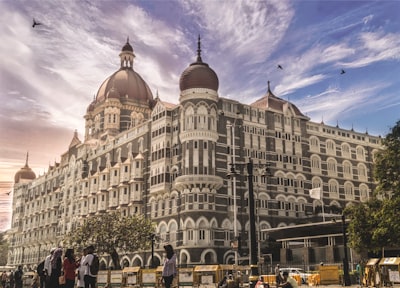
- Examples: The Taj Mahal Palace, Trident Nariman Point, Gordon House Hotel, Abode Bombay.
Bandra / Juhu
- Pros: Trendy, vibrant, great for nightlife, cafes, and boutique shopping. Closer to Bollywood studios and Juhu Beach. Good mix of upscale and mid-range options.
- Cons: Can still be pricey, further from South Mumbai's historical sites, traffic can be intense.
- Examples: Taj Lands End, The Leela Mumbai (near airport), boutique hotels in Bandra West.
Andheri / Powai
- Pros: Closer to Chhatrapati Shivaji International Airport (CSMIA) and domestic airport. Many business hotels, good for transit or business travelers. Generally more modern and less crowded than central areas.
- Cons: Further from tourist attractions, less of a "Mumbai" vibe.
- Examples: Novotel Mumbai Juhu Beach, Renaissance Mumbai Convention Centre Hotel.
General Advice:
- Luxury: Mumbai boasts world-class luxury hotels, many with iconic status.
- Mid-Range: You'll find plenty of comfortable and well-appointed hotels offering good value.
- Budget: Hostels and guesthouses are available, especially in areas like Colaba, but booking in advance is recommended.
- Book in Advance: Mumbai is a busy city, and popular hotels can fill up quickly, especially during peak season.
Practical Tips for Travelers to Mumbai
To ensure your
Mumbai travel experience is smooth and enjoyable, keep these practical tips in mind:
- Safety First: Mumbai is generally a safe city, but like any large metropolis, be aware of your surroundings, especially at night. Safeguard your belongings against pickpockets in crowded areas. Avoid walking alone in dimly lit areas late at night.
- Bargaining: At street markets (Colaba Causeway, Linking Road), bargaining is expected. Start by offering 50% of the quoted price and negotiate from there. In malls and fixed-price shops, prices are non-negotiable.
- Dress Code: While Mumbai is a cosmopolitan city, it's advisable to dress modestly, especially when visiting religious sites. Loose-fitting, breathable clothes are best for the climate.
- Stay Hydrated: The weather can be hot and humid. Drink plenty of bottled water (avoid tap water) and carry a water bottle with you.
- Connectivity: Purchase a local SIM card upon arrival (Airtel, Jio, Vodafone Idea are major providers) or ensure your international roaming plan works. Wi-Fi is available in most hotels and cafes.
- Currency: The local currency is the Indian Rupee (INR). ATMs are widely available, and credit/debit cards are accepted in most establishments. It's always good to carry some cash for street food and smaller purchases.
- Language: Hindi and Marathi are the official languages, but English is widely spoken, especially in tourist areas, hotels, and restaurants.
- Dealing with Touts: You might encounter hawkers, guides, or taxi drivers offering unsolicited services. A polite but firm "no, thank you" is usually sufficient.
- Embrace the Chaos: Mumbai can be overwhelming with its crowds, noise, and traffic. Try to embrace the energy and chaos, as it's an intrinsic part of the city's charm.
- Photography: Ask for permission before taking photos of people, especially in sensitive areas.
FAQs about Visiting Mumbai
Here are answers to some frequently asked questions to help you plan your
Mumbai trip:
Is Mumbai safe for tourists?
Yes, Mumbai is generally considered one of the safest major cities in India for tourists. Mumbaikars are known for their helpful nature. However, it's always wise to be aware of your surroundings, especially in crowded areas or when traveling alone at night. Petty theft like pickpocketing can occur.
How many days are enough for Mumbai?
A minimum of
3 to 5 days is recommended to cover Mumbai's major attractions, savor its food, and soak in its atmosphere. If you wish to explore at a more leisurely pace or include day trips, extend your stay to 7 days.
What is Mumbai famous for?
Mumbai is famous for being the financial capital of India, the home of Bollywood (the Hindi film industry), its iconic landmarks like the Gateway of India and Marine Drive, its delicious street food, bustling markets, and its unique blend of colonial architecture and modern skyscrapers.
What is the best way to travel locally in Mumbai?
For tourists, app-based taxis (Uber/Ola) are the most convenient. For an authentic experience and to cover long distances quickly, the local train is essential, but try to avoid peak hours. Auto-rickshaws are good for shorter distances in the suburbs.
What should I avoid in Mumbai?
Avoid drinking tap water, always opt for bottled water. Try to avoid extremely crowded local trains during peak rush hours if you're uncomfortable with large crowds. Be wary of unsolicited guides or touts at tourist spots, and always confirm prices before availing services.
Can I drink tap water in Mumbai?
No, it is generally not safe for tourists to drink tap water in Mumbai. Always stick to bottled mineral water or filtered water provided by reputable hotels and restaurants.
Is Mumbai expensive?
Compared to other Indian cities, Mumbai can be considered expensive, especially for accommodation and fine dining. However, there are plenty of budget-friendly options, particularly for food (street food is very affordable) and local transport. Your trip cost largely depends on your travel style.
What are the cultural norms I should be aware of?
Dress modestly, especially when visiting religious sites. Remove your shoes before entering temples or mosques. Public displays of affection are generally frowned upon. Always ask for permission before photographing people.
What is the local language?
Marathi is the official state language of Maharashtra, but Hindi is widely spoken and understood. English is also extensively used, especially in business, tourism, and by educated locals, making communication generally easy for travelers.
Is Mumbai a good place for solo female travelers?
Yes, Mumbai is considered one of the safer Indian cities for solo female travelers. Mumbaikars are generally helpful and respectful. However, standard safety precautions apply: be aware of your surroundings, avoid isolated areas at night, and use reputable transport services.
Conclusion
Mumbai is a city of contrasts, dreams, and ceaseless energy. It's a place where ancient traditions coexist with modern ambitions, where the scent of street food mingles with the aroma of the Arabian Sea, and where every corner tells a story. From the grandeur of its colonial past to the pulsating rhythm of its present, a
trip to Mumbai promises an unforgettable adventure that will awaken your senses and leave you mesmerized.
So, are you ready to embark on this incredible journey? Whether you're chasing Bollywood dreams, exploring historical marvels, indulging in culinary delights, or simply soaking in the vibrant atmosphere, Mumbai awaits with open arms. Start planning your
travel to Mumbai today and prepare to fall in love with India's most dynamic metropolis!